
Blog

Blog

What Is a Title Search and Why Does It Matter in a West Virginia Real Estate Deal?
What Is a Title Search and Why Does It Matter in a West Virginia Real Estate Deal?
When you buy, sell, or refinance real estate in West Virginia, one of the most important parts of the transaction happens before the closing table: the property title search.
A title search reviews public records connected to a property to confirm ownership and identify recorded issues that could affect the transfer. Those issues may include mortgages, tax liens, judgments, easements, probate matters, restrictions, or gaps in the ownership history.
For buyers, sellers, and lenders, title checking helps answer a critical question before money and property change hands:
Can this property be transferred with a clear, marketable title?
Understanding how a title search works—and how it differs from a title examination—can help you recognize potential problems before they delay or complicate a West Virginia real estate closing.
What Is a Property Title Search in West Virginia?
A property title search is a review of public records relating to a specific piece of real estate.
The purpose is to establish the property's chain of title and uncover recorded claims, restrictions, or defects that may affect ownership.
A typical title search may involve reviewing:
Prior deeds and conveyances
Mortgages and deeds of trust
Tax liens
Judgment liens
Mechanic's liens
Probate records
Easements and rights-of-way
Recorded restrictions or covenants
Surveys and legal descriptions
The search is generally built around the property's legal description, parcel information, and previous owners.
By reviewing these records, the person conducting the search can trace how ownership passed from one party to another and identify issues that may need to be resolved before closing.
The existing Moye Law Office article explains that title examiners, abstractors, title companies, or attorneys may assemble and review the property's ownership history and related records.
How Does a Title Search in Real Estate Work?

A title search in real estate usually follows several basic steps.
1. Identify the Property
The search begins by confirming the property through information such as its legal description and parcel identification.
This helps make sure the records being reviewed actually relate to the correct property.
2. Review the Chain of Title
Prior deeds are examined to see how ownership transferred over time.
The goal is to identify a continuous ownership history and spot anything that may require additional investigation.
3. Search for Liens and Judgments
The search also looks for financial claims attached to the property, such as:
mortgages
tax liens
mechanic's liens
court judgments
These claims may need to be paid, released, or otherwise addressed before the property can transfer cleanly.
4. Review Other Property Records
Depending on the transaction, the title review may also include records involving:
probate
easements
surveys
restrictions
property descriptions
5. Identify Issues That Need Resolution
If the search finds a problem, the parties can determine what needs to happen before closing.
That might involve obtaining a lien release, correcting a deed, resolving an estate issue, clarifying a property description, or taking other legal action.
This process gives buyers, sellers, lenders, and their legal professionals an opportunity to address problems before the transaction is completed.
What Does a West Virginia Title Examination Show?
A title examination takes the information uncovered during the title search and evaluates what those records mean for the transaction.
A title examination may reveal issues such as:
An unreleased mortgage
Unpaid property taxes
A judgment lien
A mechanic's lien
A missing or improperly executed deed
An undisclosed heir
A probate issue
An easement affecting the property
Conflicting legal descriptions
A boundary or survey discrepancy
Restrictions affecting how the property can be used
Some problems are relatively straightforward to resolve.
Others may require corrective documents, negotiations, additional research, or legal proceedings.
This is why simply locating documents is not always enough. The significance of those documents must also be understood in the context of the transaction.
Title Search vs. Title Examination: What's the Difference?
The terms title search and title examination are sometimes used interchangeably, but they describe different parts of the process.
A simple way to think about it is:
The title search finds the information. The title examination determines what that information means.
Both are important when evaluating whether property can move toward closing without unresolved title problems.
The existing article makes the same distinction in its FAQ: a title search checks the public record, while a title examination goes further by interpreting those records and assessing whether title is clear and marketable.
Why Title Checking Matters Before a West Virginia Real Estate Closing
Title checking is important because ownership of real estate comes with a legal history.
A buyer is not simply purchasing a house, building, or piece of land. The transaction also involves the legal rights and obligations attached to that property.
If a title issue is discovered after closing, it may create additional expense or disputes.
A title search before closing can help identify problems such as:
A seller who does not have complete ownership rights
A lien that remains attached to the property
A prior mortgage that was never properly released
An heir who may have an ownership interest
An easement that affects how the property can be used
A mistake in a prior deed
A boundary discrepancy
A restriction affecting development or use
Finding these issues before the closing gives the parties time to determine whether they can be corrected.
Title work is only one part of the transaction. Buyers and sellers should also understand the closing process and closing costs in West Virginia before reaching the closing table.
Common Problems a Property Title Search Can Reveal
Liens and Judgments
A property may be subject to claims arising from unpaid taxes, contractor work, mortgages, or court judgments.
Some of these claims must be addressed before a buyer can receive clear title.
Probate and Undisclosed Heirs
Real estate that passed through an estate can create title complications when ownership was not properly transferred or when all interested heirs were not included.
These situations may require additional probate work or other legal action.
Problems in the Chain of Title
Errors in previous transfers may create uncertainty over ownership.
Potential problems may include missing signatures, improperly executed deeds, incomplete transfers, or inconsistencies between recorded documents.
Easements and Rights-of-Way
An easement gives another person or entity certain rights to use part of the property.
Examples may involve utility access or shared driveways.
An easement does not necessarily prevent a transaction, but a buyer should understand how it affects the property before closing.
Boundary and Survey Issues
Old surveys, inconsistent property descriptions, or overlapping boundaries can create disputes regarding the limits of a property.
Depending on the issue, resolving the problem may require a new survey, corrected documents, negotiation, or legal action.
The current Moye Law Office article identifies liens, probate gaps, boundary discrepancies, easements, and ownership defects among the recurring title issues that may affect a transaction.
What Happens If a Title Search Finds a Problem?
Finding a problem does not automatically mean the transaction cannot move forward. The appropriate solution depends on the type of defect.
Possible remedies may include:
Paying an outstanding lien
Obtaining a lien release
Correcting a deed
Resolving a probate matter
Clarifying an easement
Obtaining an updated survey
Correcting a legal description
Negotiating with another interested party
Pursuing a quiet title action when ownership cannot otherwise be resolved
Simple issues may be corrected relatively quickly. More complicated ownership or probate disputes can take considerably longer. That is one reason title problems are better discovered as early as possible in the transaction.
For a closer look at the issues that can prevent a property from having clear or marketable title, read what can fail a title search in West Virginia.
How Long Does a Title Search Take in West Virginia?
There is no single timeline for every property.
A straightforward title search may take only a few days to a week, while a more complicated matter may take longer.
Factors that can affect the timeline include:
The age of the property
The length and complexity of its ownership history
The availability of county records
Whether older records have been digitized
Existing liens or judgments
Probate complications
Boundary or survey problems
Missing or inconsistent documents
If a title defect requires additional legal work, the resolution process may take substantially longer than the initial search itself.
The existing article likewise notes that straightforward searches may take days, while complications involving liens, probate, or ownership disputes can extend the process.
How Does Title Insurance Fit Into the Process?
A title search and title insurance serve different purposes.
The title search is intended to uncover problems before the transaction closes.
Title insurance provides protection against certain covered title problems that may later arise.
An owner's title insurance policy protects the buyer's ownership interest, while a lender's title policy protects the lender's interest in the property.
A lender may require a lender's policy as part of financing.
An owner's policy is separate and protects the property owner rather than the lender.
Title insurance does not replace the need for a title search. Instead, the search helps identify existing problems and provides information used in the title-insurance process.
When Should You Work With a West Virginia Real Estate Attorney?
Some title matters are routine. Others involve legal questions that may require help from a West Virginia real estate attorney.
Others involve legal questions that cannot be resolved simply by finding a document in the public record.
A West Virginia real estate attorney may be able to assist when a title search reveals:
Complicated ownership history
An undisclosed heir
Probate problems
An unresolved lien
A disputed easement
Boundary issues
Errors in prior deeds
A need for corrective documents
A potential quiet title action
An attorney can also review title findings, explain their legal significance, prepare or review transaction documents, assist with lien releases or corrective deeds, and help resolve disputes that could prevent a closing.
Moye Law Office provides real estate legal services from its Winfield and Cross Lanes offices and assists clients with title-related matters and West Virginia real estate transactions. The firm's existing page describes in-house title research and attorney involvement in resolving defects and preparing transactions for closing.

Frequently Asked Questions
What is a property title search?
A property title search is a review of public records used to trace ownership of real estate and identify recorded claims or restrictions that may affect the property.
What is title checking in real estate?
Title checking is the process of reviewing a property's ownership history and related public records to identify potential problems before a real estate transaction is completed.
What is the difference between a title search and a title examination?
A title search gathers the relevant property records. A title examination evaluates those records to determine whether there are defects, claims, or other legal issues that could affect the transaction.
What problems can a title search reveal?
A title search may uncover mortgages, tax liens, judgments, mechanic's liens, easements, probate issues, undisclosed heirs, deed problems, restrictions, and boundary discrepancies.
How long does a title search take in West Virginia?
A straightforward search may take a few days to a week. More complicated properties or title defects can require additional time.
Can a title search reveal boundary problems?
A title search may uncover recorded surveys, legal descriptions, easements, or other documents that point to potential boundary concerns. Additional survey or legal work may sometimes be necessary.
What happens if a title defect is discovered?
The solution depends on the issue. A defect may require a lien payoff, release, corrective deed, probate work, negotiation, or legal proceedings such as a quiet title action.
Is title insurance required in West Virginia?
The existing Moye Law Office article states that title insurance is not required by West Virginia law, although lenders may require a lender's title policy as a condition of financing. Buyers may also obtain an owner's policy to protect their ownership interest.
Need Help With a West Virginia Title Search or Real Estate Closing?
A title search can reveal problems that are much easier to address before a real estate transaction closes than afterward.
If you are buying, selling, refinancing, or dealing with a title problem in West Virginia, Moye Law Office can help review the issue, explain your options, and determine what steps may be necessary to move the transaction forward.
Need assistance with a title examination or real estate closing? Contact Moye Law Office to discuss your transaction.

Moye Law Offices
We have two offices in West Virginia: Winfield and Cross Lanes.
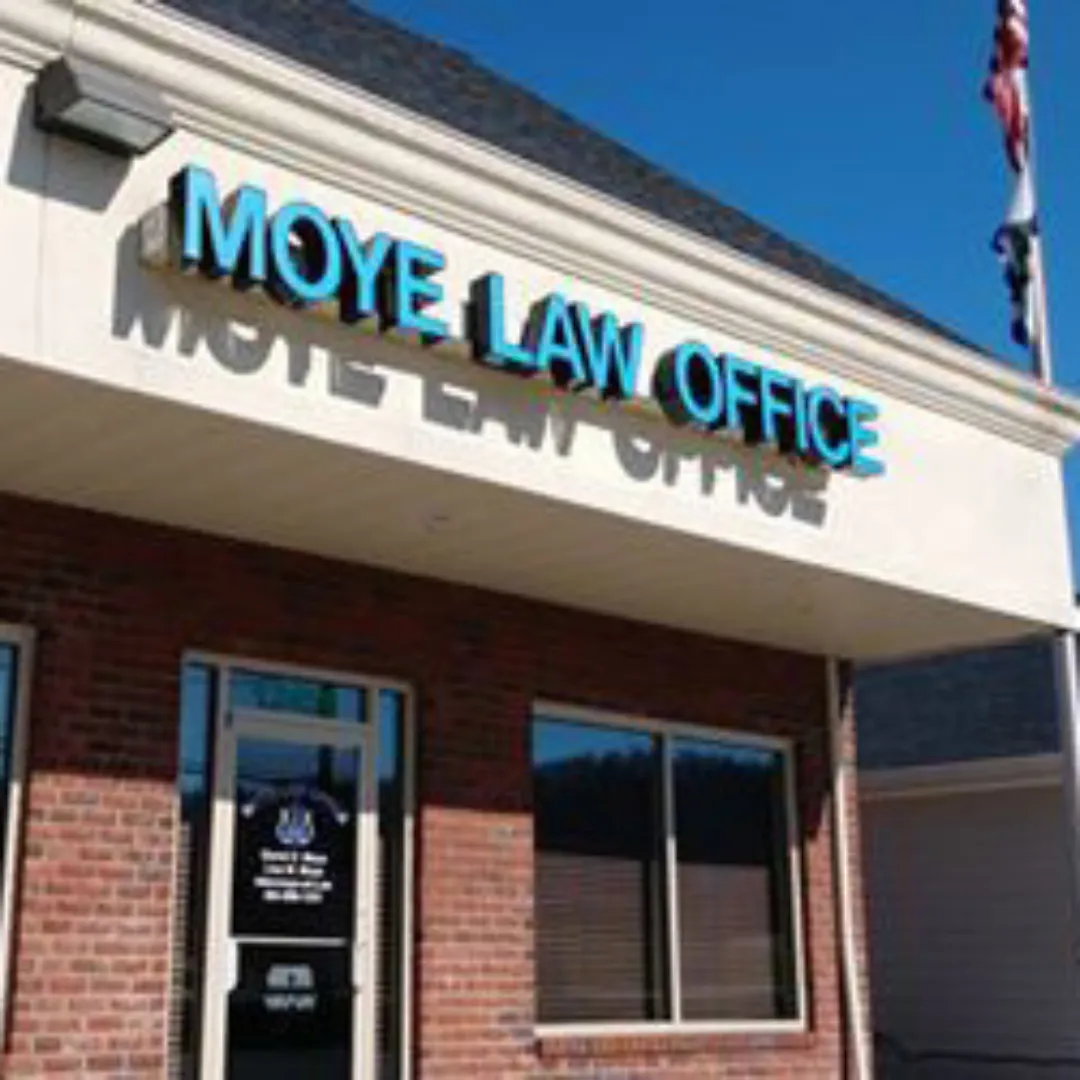
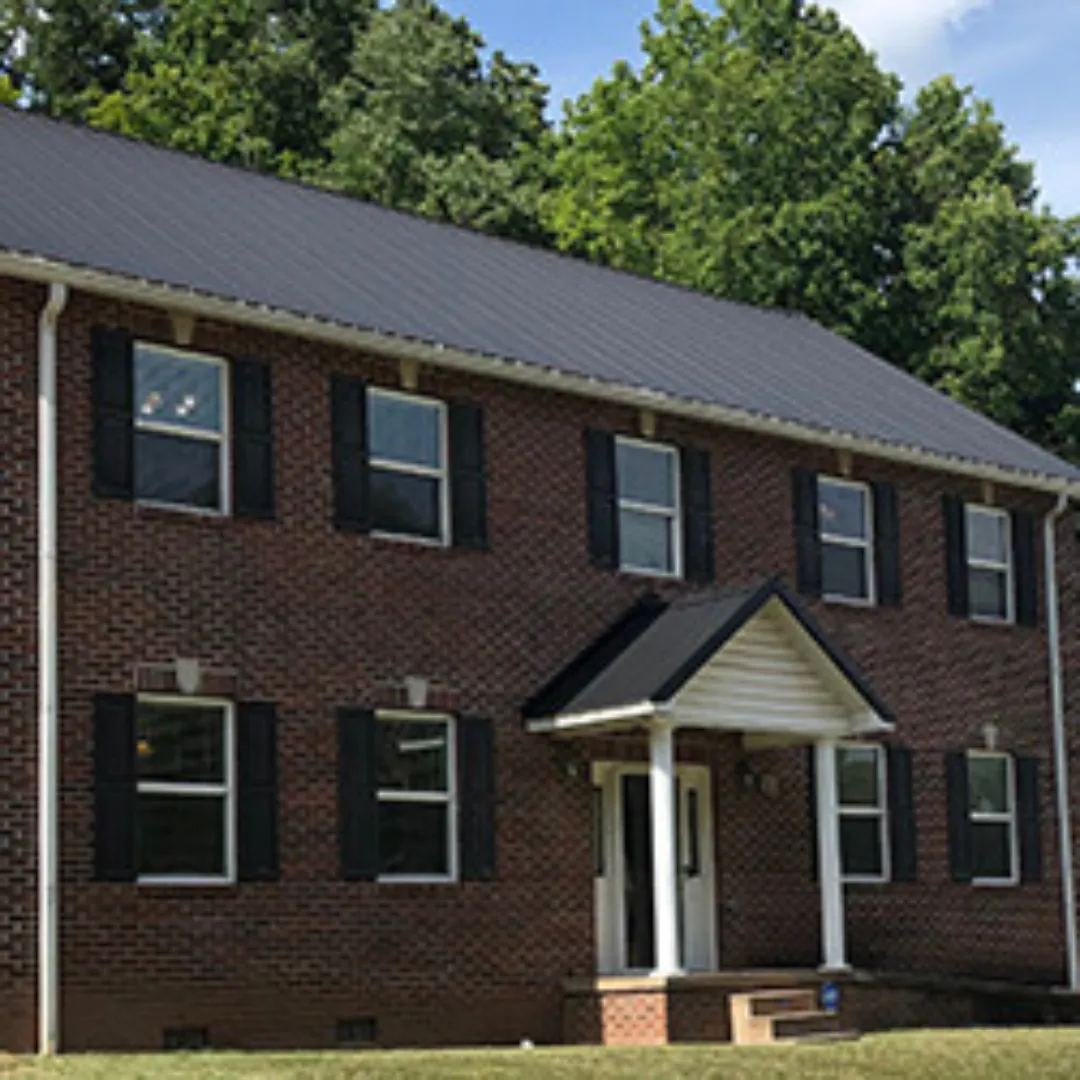
CROSS LANES
What Is a Title Search and Why Does It Matter in a West Virginia Real Estate Deal?
What Is a Title Search and Why Does It Matter in a West Virginia Real Estate Deal?
When you buy, sell, or refinance real estate in West Virginia, one of the most important parts of the transaction happens before the closing table: the property title search.
A title search reviews public records connected to a property to confirm ownership and identify recorded issues that could affect the transfer. Those issues may include mortgages, tax liens, judgments, easements, probate matters, restrictions, or gaps in the ownership history.
For buyers, sellers, and lenders, title checking helps answer a critical question before money and property change hands:
Can this property be transferred with a clear, marketable title?
Understanding how a title search works—and how it differs from a title examination—can help you recognize potential problems before they delay or complicate a West Virginia real estate closing.
What Is a Property Title Search in West Virginia?
A property title search is a review of public records relating to a specific piece of real estate.
The purpose is to establish the property's chain of title and uncover recorded claims, restrictions, or defects that may affect ownership.
A typical title search may involve reviewing:
Prior deeds and conveyances
Mortgages and deeds of trust
Tax liens
Judgment liens
Mechanic's liens
Probate records
Easements and rights-of-way
Recorded restrictions or covenants
Surveys and legal descriptions
The search is generally built around the property's legal description, parcel information, and previous owners.
By reviewing these records, the person conducting the search can trace how ownership passed from one party to another and identify issues that may need to be resolved before closing.
The existing Moye Law Office article explains that title examiners, abstractors, title companies, or attorneys may assemble and review the property's ownership history and related records.
How Does a Title Search in Real Estate Work?
A title search in real estate usually follows several basic steps.
1. Identify the Property
The search begins by confirming the property through information such as its legal description and parcel identification.
This helps make sure the records being reviewed actually relate to the correct property.
2. Review the Chain of Title
Prior deeds are examined to see how ownership transferred over time.
The goal is to identify a continuous ownership history and spot anything that may require additional investigation.
3. Search for Liens and Judgments
The search also looks for financial claims attached to the property, such as:
mortgages
tax liens
mechanic's liens
court judgments
These claims may need to be paid, released, or otherwise addressed before the property can transfer cleanly.
4. Review Other Property Records
Depending on the transaction, the title review may also include records involving:
probate
easements
surveys
restrictions
property descriptions
5. Identify Issues That Need Resolution
If the search finds a problem, the parties can determine what needs to happen before closing.
That might involve obtaining a lien release, correcting a deed, resolving an estate issue, clarifying a property description, or taking other legal action.
This process gives buyers, sellers, lenders, and their legal professionals an opportunity to address problems before the transaction is completed.
What Does a West Virginia Title Examination Show?
A title examination takes the information uncovered during the title search and evaluates what those records mean for the transaction.
A title examination may reveal issues such as:
An unreleased mortgage
Unpaid property taxes
A judgment lien
A mechanic's lien
A missing or improperly executed deed
An undisclosed heir
A probate issue
An easement affecting the property
Conflicting legal descriptions
A boundary or survey discrepancy
Restrictions affecting how the property can be used
Some problems are relatively straightforward to resolve.
Others may require corrective documents, negotiations, additional research, or legal proceedings.
This is why simply locating documents is not always enough. The significance of those documents must also be understood in the context of the transaction.
Title Search vs. Title Examination: What's the Difference?
The terms title search and title examination are sometimes used interchangeably, but they describe different parts of the process.
A simple way to think about it is:
The title search finds the information. The title examination determines what that information means.
Both are important when evaluating whether property can move toward closing without unresolved title problems.
The existing article makes the same distinction in its FAQ: a title search checks the public record, while a title examination goes further by interpreting those records and assessing whether title is clear and marketable.
Why Title Checking Matters Before a West Virginia Real Estate Closing
Title checking is important because ownership of real estate comes with a legal history.
A buyer is not simply purchasing a house, building, or piece of land. The transaction also involves the legal rights and obligations attached to that property.
If a title issue is discovered after closing, it may create additional expense or disputes.
A title search before closing can help identify problems such as:
A seller who does not have complete ownership rights
A lien that remains attached to the property
A prior mortgage that was never properly released
An heir who may have an ownership interest
An easement that affects how the property can be used
A mistake in a prior deed
A boundary discrepancy
A restriction affecting development or use
Finding these issues before the closing gives the parties time to determine whether they can be corrected.
Title work is only one part of the transaction. Buyers and sellers should also understand the closing process and closing costs in West Virginia before reaching the closing table.
Common Problems a Property Title Search Can Reveal
Liens and Judgments
A property may be subject to claims arising from unpaid taxes, contractor work, mortgages, or court judgments.
Some of these claims must be addressed before a buyer can receive clear title.
Probate and Undisclosed Heirs
Real estate that passed through an estate can create title complications when ownership was not properly transferred or when all interested heirs were not included.
These situations may require additional probate work or other legal action.
Problems in the Chain of Title
Errors in previous transfers may create uncertainty over ownership.
Potential problems may include missing signatures, improperly executed deeds, incomplete transfers, or inconsistencies between recorded documents.
Easements and Rights-of-Way
An easement gives another person or entity certain rights to use part of the property.
Examples may involve utility access or shared driveways.
An easement does not necessarily prevent a transaction, but a buyer should understand how it affects the property before closing.
Boundary and Survey Issues
Old surveys, inconsistent property descriptions, or overlapping boundaries can create disputes regarding the limits of a property.
Depending on the issue, resolving the problem may require a new survey, corrected documents, negotiation, or legal action.
The current Moye Law Office article identifies liens, probate gaps, boundary discrepancies, easements, and ownership defects among the recurring title issues that may affect a transaction.
What Happens If a Title Search Finds a Problem?
Finding a problem does not automatically mean the transaction cannot move forward. The appropriate solution depends on the type of defect.
Possible remedies may include:
Paying an outstanding lien
Obtaining a lien release
Correcting a deed
Resolving a probate matter
Clarifying an easement
Obtaining an updated survey
Correcting a legal description
Negotiating with another interested party
Pursuing a quiet title action when ownership cannot otherwise be resolved
Simple issues may be corrected relatively quickly. More complicated ownership or probate disputes can take considerably longer. That is one reason title problems are better discovered as early as possible in the transaction.
For a closer look at the issues that can prevent a property from having clear or marketable title, read what can fail a title search in West Virginia.
How Long Does a Title Search Take in West Virginia?
There is no single timeline for every property.
A straightforward title search may take only a few days to a week, while a more complicated matter may take longer.
Factors that can affect the timeline include:
The age of the property
The length and complexity of its ownership history
The availability of county records
Whether older records have been digitized
Existing liens or judgments
Probate complications
Boundary or survey problems
Missing or inconsistent documents
If a title defect requires additional legal work, the resolution process may take substantially longer than the initial search itself.
The existing article likewise notes that straightforward searches may take days, while complications involving liens, probate, or ownership disputes can extend the process.
How Does Title Insurance Fit Into the Process?
A title search and title insurance serve different purposes.
The title search is intended to uncover problems before the transaction closes.
Title insurance provides protection against certain covered title problems that may later arise.
An owner's title insurance policy protects the buyer's ownership interest, while a lender's title policy protects the lender's interest in the property.
A lender may require a lender's policy as part of financing.
An owner's policy is separate and protects the property owner rather than the lender.
Title insurance does not replace the need for a title search. Instead, the search helps identify existing problems and provides information used in the title-insurance process.
When Should You Work With a West Virginia Real Estate Attorney?
Some title matters are routine. Others involve legal questions that may require help from a West Virginia real estate attorney.
Others involve legal questions that cannot be resolved simply by finding a document in the public record.
A West Virginia real estate attorney may be able to assist when a title search reveals:
Complicated ownership history
An undisclosed heir
Probate problems
An unresolved lien
A disputed easement
Boundary issues
Errors in prior deeds
A need for corrective documents
A potential quiet title action
An attorney can also review title findings, explain their legal significance, prepare or review transaction documents, assist with lien releases or corrective deeds, and help resolve disputes that could prevent a closing.
Moye Law Office provides real estate legal services from its Winfield and Cross Lanes offices and assists clients with title-related matters and West Virginia real estate transactions. The firm's existing page describes in-house title research and attorney involvement in resolving defects and preparing transactions for closing.
Frequently Asked Questions
What is a property title search?
A property title search is a review of public records used to trace ownership of real estate and identify recorded claims or restrictions that may affect the property.
What is title checking in real estate?
Title checking is the process of reviewing a property's ownership history and related public records to identify potential problems before a real estate transaction is completed.
What is the difference between a title search and a title examination?
A title search gathers the relevant property records. A title examination evaluates those records to determine whether there are defects, claims, or other legal issues that could affect the transaction.
What problems can a title search reveal?
A title search may uncover mortgages, tax liens, judgments, mechanic's liens, easements, probate issues, undisclosed heirs, deed problems, restrictions, and boundary discrepancies.
How long does a title search take in West Virginia?
A straightforward search may take a few days to a week. More complicated properties or title defects can require additional time.
Can a title search reveal boundary problems?
A title search may uncover recorded surveys, legal descriptions, easements, or other documents that point to potential boundary concerns. Additional survey or legal work may sometimes be necessary.
What happens if a title defect is discovered?
The solution depends on the issue. A defect may require a lien payoff, release, corrective deed, probate work, negotiation, or legal proceedings such as a quiet title action.
Is title insurance required in West Virginia?
The existing Moye Law Office article states that title insurance is not required by West Virginia law, although lenders may require a lender's title policy as a condition of financing. Buyers may also obtain an owner's policy to protect their ownership interest.
Need Help With a West Virginia Title Search or Real Estate Closing?
A title search can reveal problems that are much easier to address before a real estate transaction closes than afterward.
If you are buying, selling, refinancing, or dealing with a title problem in West Virginia, Moye Law Office can help review the issue, explain your options, and determine what steps may be necessary to move the transaction forward.
Need assistance with a title examination or real estate closing? Contact Moye Law Office to discuss your transaction.
Moye Law Offices
We have two offices in West Virginia:
Winfield and Cross Lanes.
CROSS LANES
We Are Here To Help
Do you have a query or problem that you would like to talk about, or are you curious to hear more about how we can help you?
Get in touch today! We look forward to hearing from you.
Assistance Hours
Monday – Friday: 8:30am – 4:30pm
Saturday: By appointment only
Sunday: CLOSED
Subscribe to our Newsletter
We Are Here To Help
Do you have a query or problem that you would like to talk about, or are you curious to hear more about how we can help you?
Get in touch today! We look forward to hearing from you.
Assistance Hours
Monday – Friday 8:30am – 4:30pm
Saturday: By appointment only
Sunday CLOSED