
Blog

Blog
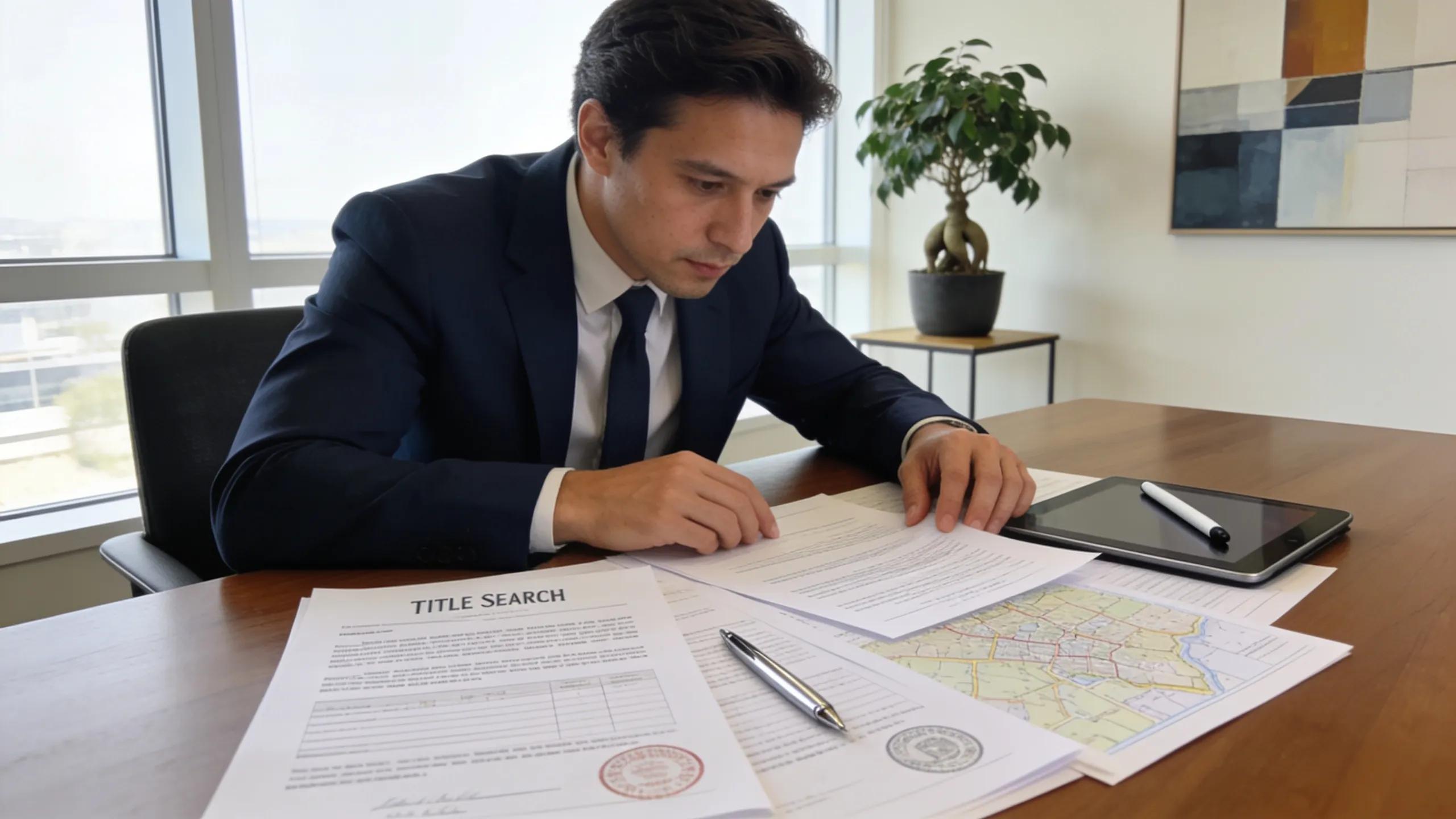
What Can Fail a Title Search?
What Can Fail a Title Search?
A title search in West Virginia does not technically “pass” or “fail.” Instead, it may uncover defects, liens, ownership disputes, or other problems that prevent a property from having clear or marketable title. These issues can delay a sale or refinancing, increase closing costs, and, in some cases, prevent a transaction from moving forward until the defect is resolved. Below, we explain the most common problems uncovered during a title search, how liens and judgments can affect West Virginia real estate, and the steps that may be available to clear title problems
What Are Common Title Defects That Can Cause a Title Search To Fail?
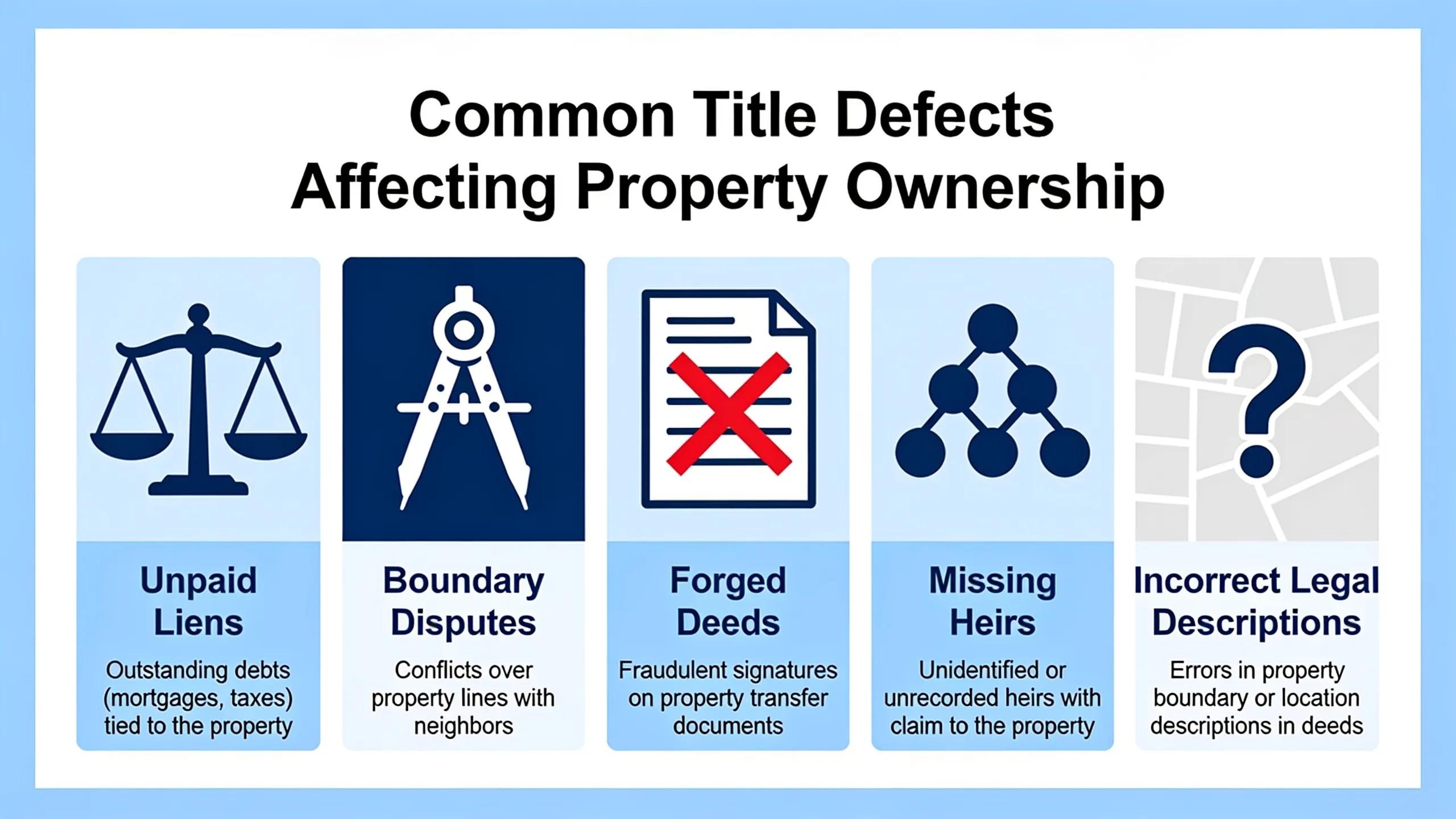
A title search may uncover problems in the property’s ownership history, unpaid debts attached to the property, or inconsistencies in the public record. Some issues can be resolved relatively quickly through a payoff or corrective document, while others may require negotiation or legal action before the property can be transferred with clear title.
Common title defects include:
Liens: Recorded claims for unpaid debts (mortgages, taxes) that must be satisfied or subordinated.
Easements: Rights granted to others that limit use and may reduce value.
Fraudulent transfers: Conveyances made by fraud that break the chain of title.
Encroachments: Structures crossing boundaries that create disputes over possession.
Missing heirs: Unidentified heirs whose claims can cloud title after a transfer.
Due diligence and professional review (title examination, survey, and counsel) help detect these defects before a sale closes.
How Do Liens and Judgments Affect Property Titles in West Virginia?
Liens and judgments attach to property as security for debts and commonly restrict sale or refinancing until resolved. A lien is a recorded creditor’s claim; a judgment is a court order that, once recorded, can become a lien.
Types of liens: Mortgage, tax, and judgment liens, each with different priority rules.
Judgment implications: Recorded judgments can burden proceeds or block transfer until satisfied.
Title search process: Examinations identify recorded liens and note clearance requirements.
Consequences: Buying subject to liens can pass liability to the purchaser.
Remedies: Payoffs, negotiated releases, or court actions can remove liens.
Hidden or unrecorded liens are particularly risky because they may not appear in a search yet can be enforced against subsequent owners.
Some title problems are especially difficult because they may not be obvious from a standard review of the public record. Depending on the circumstances, certain claims or defects may surface only after a transaction is underway or even after closing. This is one reason buyers should combine a thorough title examination with appropriate legal review and title insurance protection.
What Recording Errors Lead to Title Search Failures?
Recording mistakes can break the chain of title or hide prior instruments. Even small clerical errors may require corrective filings or court action to restore a marketable title.
Misspelled names: Name variations can prevent locating relevant records.
Incorrect legal descriptions: Faulty descriptions create boundary uncertainty.
Missing signatures: Unexecuted documents may be void or challengeable.
Indexing errors: Misfiled records can be omitted from searches.
Legal cures: Corrective affidavits, re-recordings, or judgments may be necessary.
Prompt review and corrective steps reduce the chance that recording errors derail a transaction.
How Are Ownership Disputes Identified and Resolved During a Title Search?

Disputes often surface as competing claims, boundary issues, or problems with recorded encumbrances. Early factual investigation and legal analysis guide efficient resolution.
Boundary disputes: Conflicting surveys or descriptions require a surveyor and legal review.
Recorded claims: Liens or encumbrances limit rights until released or adjudicated.
Fraud: Fraudulent transfers may require litigation or settlement.
Missing heirs: Succession procedures or quiet title actions can resolve claims.
Resolution: Mediation, negotiation, or litigation, depending on complexity.
Identifying the legal and factual basis early enables the selection of the most efficient remedy.
What Legal Steps Can Clear Ownership Disputes?
Clearing disputes usually combines investigation, negotiation, and, when needed, court actions to obtain a definitive title determination.
Survey: A licensed surveyor establishes boundaries.
Negotiation: Parties may settle competing claims without litigation.
Quiet title: A suit to confirm ownership and remove clouds on title.
Corrective recordings: Affidavits or corrective deeds amend the public record.
Legal counsel: An attorney directs strategy and filings.
Applying these steps promptly can shorten resolution and restore clear title.
What Is the Role of Title Insurance in Protecting Against Title Search Failures?
Title insurance indemnifies purchasers for covered losses from title defects not discovered in the search and provides defense costs for covered claims. It complements, but does not replace, a full title examination.
Protection: Policies cover covered losses and defence within policy limits.
Underwriting: Insurers evaluate recorded risks before issuing a policy.
Monetary coverage: Policies may pay legal costs and losses up to limits.
Duration: Owner policies often remain with titleholders and heirs as defined by policy terms.
Exceptions: Review exclusions carefully to understand coverage gaps.
Combine a thorough search with an appropriate policy to gain information and financial protection.
How Does Title Insurance Address Hidden Liens and Defects?
Depending on the terms of the policy, title insurance may provide protection against certain title defects that were not discovered before closing. Coverage varies based on the policy, exclusions, exceptions, and circumstances of the claim, so buyers and property owners should carefully review what their policy does and does not protect against.
Undiscovered defects: Certain claims or title problems that were not identified before the policy was issued.
Protection: Policies commonly cover defence costs and indemnity for covered matters.
Insurer role: The insurer often provides counsel to contest or resolve covered claims.
Long-term: Policies protect interests as specified by the policy terms.
Limits: Exceptions and pre-existing matters may limit recovery.
A title policy and a careful search together reduce risk from unknown title defects.
When Should You Consult a West Virginia Real Estate Attorney About Title Insurance?
Consult counsel when the title history is complex, policy exceptions raise concerns, or defects emerge after closing. An attorney interprets coverage, advises on supplemental protections, and handles claims or litigation if needed.
Complex history: Layered transfers or frequent conveyances merit review.
Policy exceptions: Counsel can advise whether endorsements or additional coverage are advisable.
Post-closing defects: Prompt legal advice preserves rights and claim options.
Claims handling: Attorneys work with insurers and opposing parties to resolve covered matters.
Examples: Disputed ownership claims and misstated encumbrances.
Early consultation streamlines claim handling and dispute resolution.
How Can a West Virginia Real Estate Attorney Help Resolve Title Search Failures?
Attorneys provide targeted legal analysis, select appropriate remedies (negotiation, corrective filings, litigation), and represent clients through settlement or court proceedings to clear defects.
Strategy: Counsel tailors remedies to the defect.
Common issues: Lien disputes, wrong descriptions, and contested transfers.
Early involvement: Preserves options and may avoid escalation.
Review: Legal review verifies instrument priorities and defects.
Problem-solving: Counsel seeks to remove clouds and protect client interests.
Experienced counsel expedites resolution and reduces future risk.
How Does the Moye Law Firm Support Clients Facing Title Search Problems?
When a title search uncovers a lien, ownership dispute, deed error, or other defect, determining the right solution depends on the nature of the problem and the history of the property. The Moye Law Firm helps West Virginia clients understand title concerns, evaluate available legal options, and take appropriate steps toward resolving issues that may affect a real estate transaction.
Depending on the circumstances, legal assistance may include:
Title issue review: Evaluating reported defects, discrepancies, and competing claims.
Lien and judgment matters: Identifying potential options for addressing encumbrances that affect a transaction.
Negotiation: Working with interested parties to pursue releases, corrections, or other resolutions.
Corrective documents: Preparing appropriate legal documents when errors or defects in the record need to be addressed.
Addressing title problems early can help prevent unnecessary delays and give buyers, sellers, and property owners a clearer understanding of their rights and options.
For assistance with a West Virginia real estate matter, contact the Moye Law Firm to discuss your situation.For more information, visit moyelawoffice.com or read about us.
Frequently Asked Questions
What steps can I take to ensure a thorough title search prior to purchasing real estate?
Engage a qualified title company or real estate attorney to examine public records and the chain of title, request the title report, review past deeds and mortgages, obtain title insurance, and consider a land survey to verify boundaries.
What is the significance of obtaining title insurance during a real estate transaction?
Title insurance indemnifies buyers for covered losses from undiscovered title defects and typically covers legal defence costs; review policy terms and exceptions to understand the extent of protection.
How can I identify potential hidden defects before finalizing a property purchase?
Have an attorney review the title report, obtain seller disclosures, examine prior deeds and mortgage records, and consider a professional survey to reveal easements or encroachments.
What should I do if I discover a title defect after closing?
Review your title insurance policy and notify the insurer if it is covered, and consult a real estate attorney to evaluate negotiation, corrective filings, or a quiet title action to protect your ownership rights.
Are there specific title issues more prevalent in West Virginia real estate?
West Virginia often presents unresolved liens (taxes or contractor claims), imperfect transfers, boundary disputes, and claims from missing heirs; working with counsel familiar with state practices helps address these issues.
Can mediation be effective in resolving ownership disputes?
Mediation can be an efficient alternative to litigation, helping parties reach a settlement while reducing cost and preserving relationships when a qualified mediator oversees negotiations.

Moye Law Offices
We have two offices in West Virginia: Winfield and Cross Lanes.
CROSS LANES
What Can Fail a Title Search?
What Can Fail a Title Search?
A title search in West Virginia does not technically “pass” or “fail.” Instead, it may uncover defects, liens, ownership disputes, or other problems that prevent a property from having clear or marketable title. These issues can delay a sale or refinancing, increase closing costs, and, in some cases, prevent a transaction from moving forward until the defect is resolved. Below, we explain the most common problems uncovered during a title search, how liens and judgments can affect West Virginia real estate, and the steps that may be available to clear title problems
What Are Common Title Defects That Can Cause a Title Search To Fail?
A title search may uncover problems in the property’s ownership history, unpaid debts attached to the property, or inconsistencies in the public record. Some issues can be resolved relatively quickly through a payoff or corrective document, while others may require negotiation or legal action before the property can be transferred with clear title.
Common title defects include:
Liens: Recorded claims for unpaid debts (mortgages, taxes) that must be satisfied or subordinated.
Easements: Rights granted to others that limit use and may reduce value.
Fraudulent transfers: Conveyances made by fraud that break the chain of title.
Encroachments: Structures crossing boundaries that create disputes over possession.
Missing heirs: Unidentified heirs whose claims can cloud title after a transfer.
Due diligence and professional review (title examination, survey, and counsel) help detect these defects before a sale closes.
How Do Liens and Judgments Affect Property Titles in West Virginia?
Liens and judgments attach to property as security for debts and commonly restrict sale or refinancing until resolved. A lien is a recorded creditor’s claim; a judgment is a court order that, once recorded, can become a lien.
Types of liens: Mortgage, tax, and judgment liens, each with different priority rules.
Judgment implications: Recorded judgments can burden proceeds or block transfer until satisfied.
Title search process: Examinations identify recorded liens and note clearance requirements.
Consequences: Buying subject to liens can pass liability to the purchaser.
Remedies: Payoffs, negotiated releases, or court actions can remove liens.
Hidden or unrecorded liens are particularly risky because they may not appear in a search yet can be enforced against subsequent owners.
Some title problems are especially difficult because they may not be obvious from a standard review of the public record. Depending on the circumstances, certain claims or defects may surface only after a transaction is underway or even after closing. This is one reason buyers should combine a thorough title examination with appropriate legal review and title insurance protection.
What Recording Errors Lead to Title Search Failures?
Recording mistakes can break the chain of title or hide prior instruments. Even small clerical errors may require corrective filings or court action to restore a marketable title.
Misspelled names: Name variations can prevent locating relevant records.
Incorrect legal descriptions: Faulty descriptions create boundary uncertainty.
Missing signatures: Unexecuted documents may be void or challengeable.
Indexing errors: Misfiled records can be omitted from searches.
Legal cures: Corrective affidavits, re-recordings, or judgments may be necessary.
Prompt review and corrective steps reduce the chance that recording errors derail a transaction.
How Are Ownership Disputes Identified and Resolved During a Title Search?
Disputes often surface as competing claims, boundary issues, or problems with recorded encumbrances. Early factual investigation and legal analysis guide efficient resolution.
Boundary disputes: Conflicting surveys or descriptions require a surveyor and legal review.
Recorded claims: Liens or encumbrances limit rights until released or adjudicated.
Fraud: Fraudulent transfers may require litigation or settlement.
Missing heirs: Succession procedures or quiet title actions can resolve claims.
Resolution: Mediation, negotiation, or litigation, depending on complexity.
Identifying the legal and factual basis early enables the selection of the most efficient remedy.
What Legal Steps Can Clear Ownership Disputes?
Clearing disputes usually combines investigation, negotiation, and, when needed, court actions to obtain a definitive title determination.
Survey: A licensed surveyor establishes boundaries.
Negotiation: Parties may settle competing claims without litigation.
Quiet title: A suit to confirm ownership and remove clouds on title.
Corrective recordings: Affidavits or corrective deeds amend the public record.
Legal counsel: An attorney directs strategy and filings.
Applying these steps promptly can shorten resolution and restore clear title.
What Is the Role of Title Insurance in Protecting Against Title Search Failures?
Title insurance indemnifies purchasers for covered losses from title defects not discovered in the search and provides defense costs for covered claims. It complements, but does not replace, a full title examination.
Protection: Policies cover covered losses and defence within policy limits.
Underwriting: Insurers evaluate recorded risks before issuing a policy.
Monetary coverage: Policies may pay legal costs and losses up to limits.
Duration: Owner policies often remain with titleholders and heirs as defined by policy terms.
Exceptions: Review exclusions carefully to understand coverage gaps.
Combine a thorough search with an appropriate policy to gain information and financial protection.
How Does Title Insurance Address Hidden Liens and Defects?
Depending on the terms of the policy, title insurance may provide protection against certain title defects that were not discovered before closing. Coverage varies based on the policy, exclusions, exceptions, and circumstances of the claim, so buyers and property owners should carefully review what their policy does and does not protect against.
Undiscovered defects: Certain claims or title problems that were not identified before the policy was issued.
Protection: Policies commonly cover defence costs and indemnity for covered matters.
Insurer role: The insurer often provides counsel to contest or resolve covered claims.
Long-term: Policies protect interests as specified by the policy terms.
Limits: Exceptions and pre-existing matters may limit recovery.
A title policy and a careful search together reduce risk from unknown title defects.
When Should You Consult a West Virginia Real Estate Attorney About Title Insurance?
Consult counsel when the title history is complex, policy exceptions raise concerns, or defects emerge after closing. An attorney interprets coverage, advises on supplemental protections, and handles claims or litigation if needed.
Complex history: Layered transfers or frequent conveyances merit review.
Policy exceptions: Counsel can advise whether endorsements or additional coverage are advisable.
Post-closing defects: Prompt legal advice preserves rights and claim options.
Claims handling: Attorneys work with insurers and opposing parties to resolve covered matters.
Examples: Disputed ownership claims and misstated encumbrances.
Early consultation streamlines claim handling and dispute resolution.
How Can a West Virginia Real Estate Attorney Help Resolve Title Search Failures?
Attorneys provide targeted legal analysis, select appropriate remedies (negotiation, corrective filings, litigation), and represent clients through settlement or court proceedings to clear defects.
Strategy: Counsel tailors remedies to the defect.
Common issues: Lien disputes, wrong descriptions, and contested transfers.
Early involvement: Preserves options and may avoid escalation.
Review: Legal review verifies instrument priorities and defects.
Problem-solving: Counsel seeks to remove clouds and protect client interests.
Experienced counsel expedites resolution and reduces future risk.
How Does the Moye Law Firm Support Clients Facing Title Search Problems?
When a title search uncovers a lien, ownership dispute, deed error, or other defect, determining the right solution depends on the nature of the problem and the history of the property. The Moye Law Firm helps West Virginia clients understand title concerns, evaluate available legal options, and take appropriate steps toward resolving issues that may affect a real estate transaction.
Depending on the circumstances, legal assistance may include:
Title issue review: Evaluating reported defects, discrepancies, and competing claims.
Lien and judgment matters: Identifying potential options for addressing encumbrances that affect a transaction.
Negotiation: Working with interested parties to pursue releases, corrections, or other resolutions.
Corrective documents: Preparing appropriate legal documents when errors or defects in the record need to be addressed.
Addressing title problems early can help prevent unnecessary delays and give buyers, sellers, and property owners a clearer understanding of their rights and options.
For assistance with a West Virginia real estate matter, contact the Moye Law Firm to discuss your situation.For more information, visit moyelawoffice.com or read about us.
Frequently Asked Questions
What steps can I take to ensure a thorough title search prior to purchasing real estate?
Engage a qualified title company or real estate attorney to examine public records and the chain of title, request the title report, review past deeds and mortgages, obtain title insurance, and consider a land survey to verify boundaries.
What is the significance of obtaining title insurance during a real estate transaction?
Title insurance indemnifies buyers for covered losses from undiscovered title defects and typically covers legal defence costs; review policy terms and exceptions to understand the extent of protection.
How can I identify potential hidden defects before finalizing a property purchase?
Have an attorney review the title report, obtain seller disclosures, examine prior deeds and mortgage records, and consider a professional survey to reveal easements or encroachments.
What should I do if I discover a title defect after closing?
Review your title insurance policy and notify the insurer if it is covered, and consult a real estate attorney to evaluate negotiation, corrective filings, or a quiet title action to protect your ownership rights.
Are there specific title issues more prevalent in West Virginia real estate?
West Virginia often presents unresolved liens (taxes or contractor claims), imperfect transfers, boundary disputes, and claims from missing heirs; working with counsel familiar with state practices helps address these issues.
Can mediation be effective in resolving ownership disputes?
Mediation can be an efficient alternative to litigation, helping parties reach a settlement while reducing cost and preserving relationships when a qualified mediator oversees negotiations.
Moye Law Offices
We have two offices in West Virginia:
Winfield and Cross Lanes.
CROSS LANES
We Are Here To Help
Do you have a query or problem that you would like to talk about, or are you curious to hear more about how we can help you?
Get in touch today! We look forward to hearing from you.
Assistance Hours
Monday – Friday: 8:30am – 4:30pm
Saturday: By appointment only
Sunday: CLOSED
Subscribe to our Newsletter
We Are Here To Help
Do you have a query or problem that you would like to talk about, or are you curious to hear more about how we can help you?
Get in touch today! We look forward to hearing from you.
Assistance Hours
Monday – Friday 8:30am – 4:30pm
Saturday: By appointment only
Sunday CLOSED