
Blog

Blog

Your Guide to Real Estate Closings: West Virginia Edition
Closing Costs in West Virginia: What Buyers and Sellers Should Expect
Buying or selling real estate involves more than agreeing on a purchase price. Both sides of a transaction may have expenses that must be paid before ownership can officially transfer.
So, how much are closing costs in West Virginia?
There is no single percentage that applies to every transaction. As a general homebuying benchmark, the Consumer Financial Protection Bureau says closing costs commonly range from about 2% to 5% of the purchase price, not including the down payment. Actual costs depend on factors such as the property price, financing, lender, type of transaction, and location.
That percentage is useful for early budgeting, but your actual West Virginia closing costs can look very different depending on whether you are the buyer or seller, whether financing is involved, what the purchase contract requires, and which county the property is located in.
Understanding the major expenses before closing can help you budget properly and reduce last-minute surprises.
How Much Are Closing Costs in West Virginia?
Buyers often want a simple average closing cost for West Virginia real estate, but the final number depends on the transaction.
For planning purposes, buyers can use the broader 2%–5% of purchase price benchmark commonly cited for residential closing costs. Freddie Mac provides the same general range and notes that closing expenses can include government recording charges, appraisal fees, lender fees, title services, surveys, attorney fees, and other transaction costs.
For example, using that general planning range:
Purchase Price | 2% Estimate | 5% Estimate |
|---|---|---|
$150,000 | $3,000 | $7,500 |
$200,000 | $4,000 | $10,000 |
$250,000 | $5,000 | $12,500 |
$300,000 | $6,000 | $15,000 |
$400,000 | $8,000 | $20,000 |
These examples are budgeting estimates, not guaranteed West Virginia averages.
The actual amount due at closing should come from the transaction's settlement documents, lender disclosures, and closing professionals.
West Virginia Closing Costs at a Glance
Closing expenses generally fall into several categories.
Buyer costs may include:
Loan origination and lender charges
Appraisal fees
Credit-report or underwriting charges
Title search and title-related services
Lender's title insurance
Owner's title insurance, when purchased
Attorney or closing fees
Recording charges
Survey costs when needed
Prepaid property taxes
Homeowners insurance premiums
Initial escrow reserves
Other loan-specific expenses
Seller costs may include:
Real estate transfer taxes
Deed preparation or related legal expenses
Existing mortgage payoff
Outstanding liens or judgments that must be satisfied
Agreed seller concessions
Real estate commissions, where applicable
Prorated taxes
Other expenses assigned to the seller by the purchase contract
Who ultimately pays a particular expense can depend on the purchase agreement, financing terms, applicable law, and negotiation between the parties.
What Closing Costs Do Buyers Pay in West Virginia?

Buyer closing costs are especially affected by financing.
A cash buyer may have a very different cost structure than someone using a conventional mortgage, FHA loan, VA loan, or another financing product.
Common buyer expenses include the following.
Loan Origination and Lender Fees
Mortgage lenders may charge fees for originating, processing, underwriting, or otherwise preparing the loan.
These charges should appear on the buyer's Loan Estimate and later on the Closing Disclosure.
Buyers should compare those documents carefully because they show what the lender expects the borrower to pay.
Appraisal Costs
When a mortgage is involved, the lender may require an appraisal to determine whether the property supports the amount being financed.
The cost is generally associated with the buyer's loan process.
Title Search and Title Examination
A title search investigates the property's ownership history and recorded claims.
The purpose is to identify issues such as mortgages, liens, judgments, easements, probate concerns, or ownership problems before the transaction closes.
For a more detailed explanation of this process, buyers can also review Moye Law Office's article on what a property title search involves in West Virginia.
Title Insurance
There are generally two different title-insurance interests involved in financed transactions.
A lender's title policy protects the lender's interest in the property.
An owner's title policy protects the buyer's ownership interest against certain covered title defects.
These policies serve different purposes and should not be confused with the title search itself.
Attorney and Closing Fees
Legal and closing services may include reviewing the transaction, preparing or reviewing documents, coordinating title matters, communicating with lenders, handling funds, and completing the transfer.
The current Moye Law Office article already explains that a closing attorney may prepare the deed and settlement documents, coordinate with lenders and title professionals, manage closing instructions, and address problems that arise before settlement.
Prepaid and Escrowed Expenses
Some of the money a buyer brings to closing may not technically be a fee.
A lender may require advance payments for items such as:
Property taxes
Homeowners insurance
Mortgage insurance
Escrow reserves
Prepaid interest
These amounts can substantially affect the total cash needed at closing.
What Closing Costs Do Sellers Pay in West Virginia?
Seller closing costs in West Virginia are different from buyer expenses because sellers usually are not obtaining a new mortgage to purchase the property.
Instead, seller expenses often relate to transferring the property and clearing existing obligations.
Existing Mortgage Payoff
If the seller still has a mortgage or deed of trust against the property, it generally must be paid from the sale proceeds so the buyer can receive title without the seller's mortgage remaining attached.
Existing Liens
A title search may uncover tax liens, judgment liens, mechanic's liens, or other claims that have to be resolved before or at closing.
Depending on the issue, this may require a payoff, release, or other corrective action.
Transfer Taxes
West Virginia imposes an excise tax when qualifying real property is transferred.
Under current West Virginia law, the base transfer excise tax is $1.10 for every $500 of value or fraction thereof. There is also an additional county excise tax beginning at $0.55 per $500, and counties may adopt a higher county rate within limits established by state law. The statute also imposes an additional $20 fee on certain transfers for consideration.
Because the applicable county portion can vary, buyers and sellers should obtain the exact amount for the county where the property is located rather than relying on one statewide flat-rate estimate.
Deed and Legal Preparation
Sellers may also incur costs associated with preparing documents needed to transfer ownership.
Which party pays a particular preparation or legal charge can depend on the contract and the transaction.
Seller Concessions
A purchase contract may require or permit the seller to contribute toward certain buyer closing costs.
Seller concessions are negotiated as part of the transaction and may also be subject to limits imposed by the buyer's loan program.
Buyer vs. Seller: Who Pays What in a West Virginia Closing?
There is not always a universal rule assigning every cost to one side.
Here is a practical overview:
Expense | Buyer Often Pays | Seller Often Pays | Can Vary |
|---|---|---|---|
Loan origination fees | ✓ | ✓ | |
Appraisal | ✓ | ✓ | |
Buyer financing charges | ✓ | ✓ | |
Title search/title work | ✓ | ✓ | |
Lender's title policy | ✓ | ✓ | |
Owner's title policy | ✓ | ✓ | |
Attorney/closing fees | ✓ | ✓ | ✓ |
Seller mortgage payoff | ✓ | ||
Seller liens | ✓ | ||
Transfer excise tax | ✓ | ✓ | |
Recording costs | ✓ | ✓ | ✓ |
Property-tax prorations | ✓ | ✓ | ✓ |
Seller concessions | ✓ | ✓ |
The contract matters.
Before assuming that a particular charge belongs to the buyer or seller, check the purchase agreement and closing documents.
How West Virginia Real Estate Transfer Taxes Work
Transfer taxes deserve separate attention because they are tied directly to transferring title.
West Virginia's current statute establishes a base excise tax of $1.10 per $500 of value or fraction thereof. It also provides for an additional county excise tax. The starting county rate is $0.55 per $500, although counties can increase that rate subject to statutory limits.
The law generally places the tax on the grantor—the person transferring the property—although the statute provides circumstances in which the grantee may become responsible.
This is one reason a generic online closing-cost calculator may not give you the exact number for a West Virginia transaction.
The property's county matters.
Why County Recording Costs Matter
After closing, documents such as the deed and certain financing instruments must be recorded in the appropriate county records.
Recording charges therefore become part of the transaction's closing expenses.
The exact amount depends on the documents that need to be recorded and the applicable county requirements.
Properties in Putnam, Kanawha, Cabell, Lincoln, Mason, or another West Virginia county should therefore be evaluated using the charges applicable to that specific transaction rather than assuming every closing will cost exactly the same amount.
How Title Work Affects Closing Costs
Title work is an important part of the closing process because a buyer and lender need to know whether ownership can transfer properly.
A title search may identify:
Existing mortgages
Tax liens
Judgment liens
Mechanic's liens
Easements
Probate problems
Undisclosed heirs
Recording errors
Problems in the chain of title
When the search is clean, the transaction may proceed normally.
When a problem appears, however, additional work may be required.
For example, a lien may need to be released, an incorrect deed may need to be corrected, or an ownership dispute may require legal action.
Those complications can increase the amount of legal and title work involved in a closing.
How Purchase Price and Financing Affect Closing Costs

Purchase price is only one factor.
Two West Virginia homes selling for the same amount could still have different closing costs.
Differences may result from:
The buyer's lender
The loan program
Interest-rate points
Down payment
Title requirements
Property type
County
Required appraisal or survey
Insurance
Property taxes
Seller concessions
Title defects
Attorney and closing services
This is why a percentage estimate is useful for budgeting but should not replace an actual transaction-specific calculation.
How Can Buyers Estimate Their Cash Needed at Closing?
For financed purchases, one of the best places to begin is the Loan Estimate.
It provides estimated:
Loan terms
Loan costs
Other closing costs
Prepaid expenses
Estimated cash needed to close
Closer to settlement, the borrower receives a Closing Disclosure showing the final loan terms and closing expenses.
The current Asset B already advises buyers to compare their Loan Estimate and Closing Disclosure and ask questions about discrepancies. That advice is worth preserving in the rewritten article.
When reviewing the numbers, remember that:
Down payment and closing costs are not the same thing.
A buyer putting 10% down on a property may still need additional funds for closing expenses, prepaid items, and escrow requirements.
Can Closing Costs Be Negotiated?
Some expenses are fixed or controlled by a lender, government agency, or third-party provider.
Others may offer more flexibility.
Depending on the transaction, buyers and sellers may negotiate matters such as:
Seller contributions toward buyer costs
Allocation of certain closing expenses
Purchase-price adjustments
Repair credits
Selection of certain service providers where permitted
Financed transactions may also be subject to lender or loan-program restrictions on seller concessions.
Any negotiated arrangement should be reflected accurately in the purchase agreement and closing documents.
Why Work With a West Virginia Real Estate Attorney?
Closing costs are only one part of transferring real estate.
Contract terms, title issues, deeds, liens, financing requirements, and settlement documents can all affect whether the transaction proceeds as expected.
A West Virginia real estate attorney can help clients understand the legal side of a transaction, review documents, address title problems, and assist with the closing process.
Moye Law Office provides real estate legal services from its Winfield and Cross Lanes offices. Its Real Estate Law practice includes assistance with West Virginia real estate matters and closings.
Frequently Asked Questions
How much are closing costs in West Virginia?
There is no single statewide percentage that applies to every transaction. As a general national homebuying guideline, closing costs commonly fall around 2%–5% of the purchase price, excluding the down payment. Actual West Virginia costs depend on financing, property value, location, title work, taxes, insurance, and other transaction-specific expenses.
What are the average closing costs in West Virginia?
Rather than treating one percentage as an exact West Virginia average, buyers should use the 2%–5% range as an early budgeting guideline and rely on their Loan Estimate and final Closing Disclosure for the transaction's actual costs.
What closing costs does a buyer pay in West Virginia?
A buyer may pay lender fees, appraisal costs, title-related expenses, title insurance, attorney or closing fees, recording charges, prepaid taxes and insurance, and escrow reserves. The exact combination depends on the transaction.
What closing costs does a seller pay in West Virginia?
Seller costs may include mortgage payoff, liens that must be cleared, transfer taxes, deed-related expenses, prorated taxes, commissions where applicable, and any seller concessions negotiated in the contract.
Who pays the West Virginia transfer tax?
West Virginia law generally places the transfer excise tax on the grantor, although the statute provides circumstances where the grantee may become responsible.
Are closing costs separate from the down payment?
Yes. A down payment is the buyer's contribution toward the purchase price. Closing costs cover expenses associated with financing, title work, government charges, insurance, professional services, and completing the transaction.
Can the seller pay some of the buyer's closing costs?
Potentially. Seller concessions can be negotiated as part of the purchase agreement, although financed transactions may have limits established by the lender or loan program.
Why can closing costs change before settlement?
Changes may result from updated lender charges, prepaid expenses, tax prorations, title findings, insurance amounts, credits, or negotiated adjustments. Buyers should compare their final Closing Disclosure with earlier estimates and ask questions about material differences.
Planning a West Virginia Real Estate Closing?
Knowing what to expect can make it easier to budget for a purchase or understand how much a seller may receive after the transaction closes.
Because West Virginia closing costs vary according to the property, financing, county, title work, and purchase agreement, the most useful estimate is one based on the actual transaction rather than a generic percentage.
Moye Law Office assists buyers, sellers, and other parties with West Virginia real estate matters, including title issues and closings.
If you need assistance with a West Virginia real estate closing, contact Moye Law Office to discuss your transaction.

Moye Law Offices
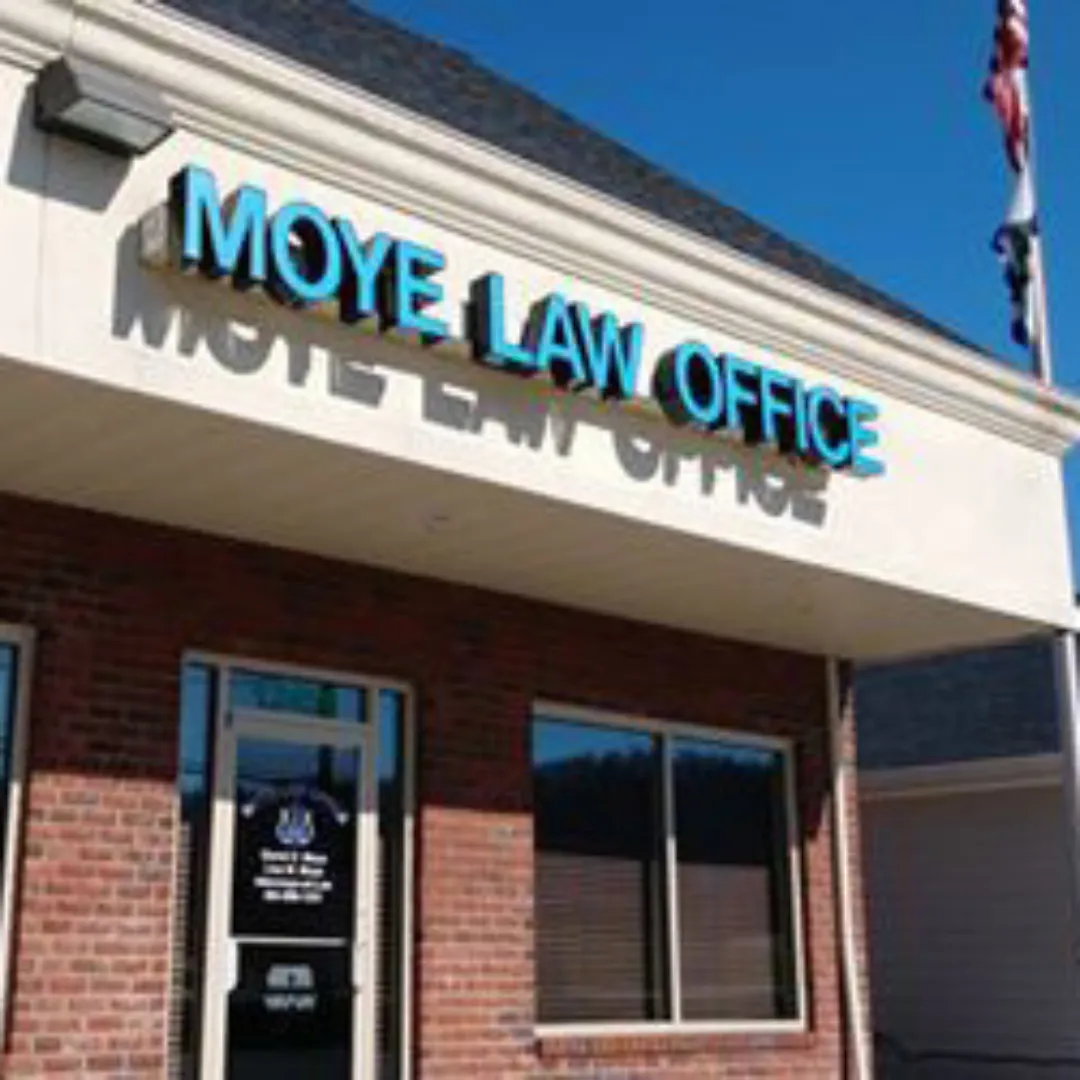
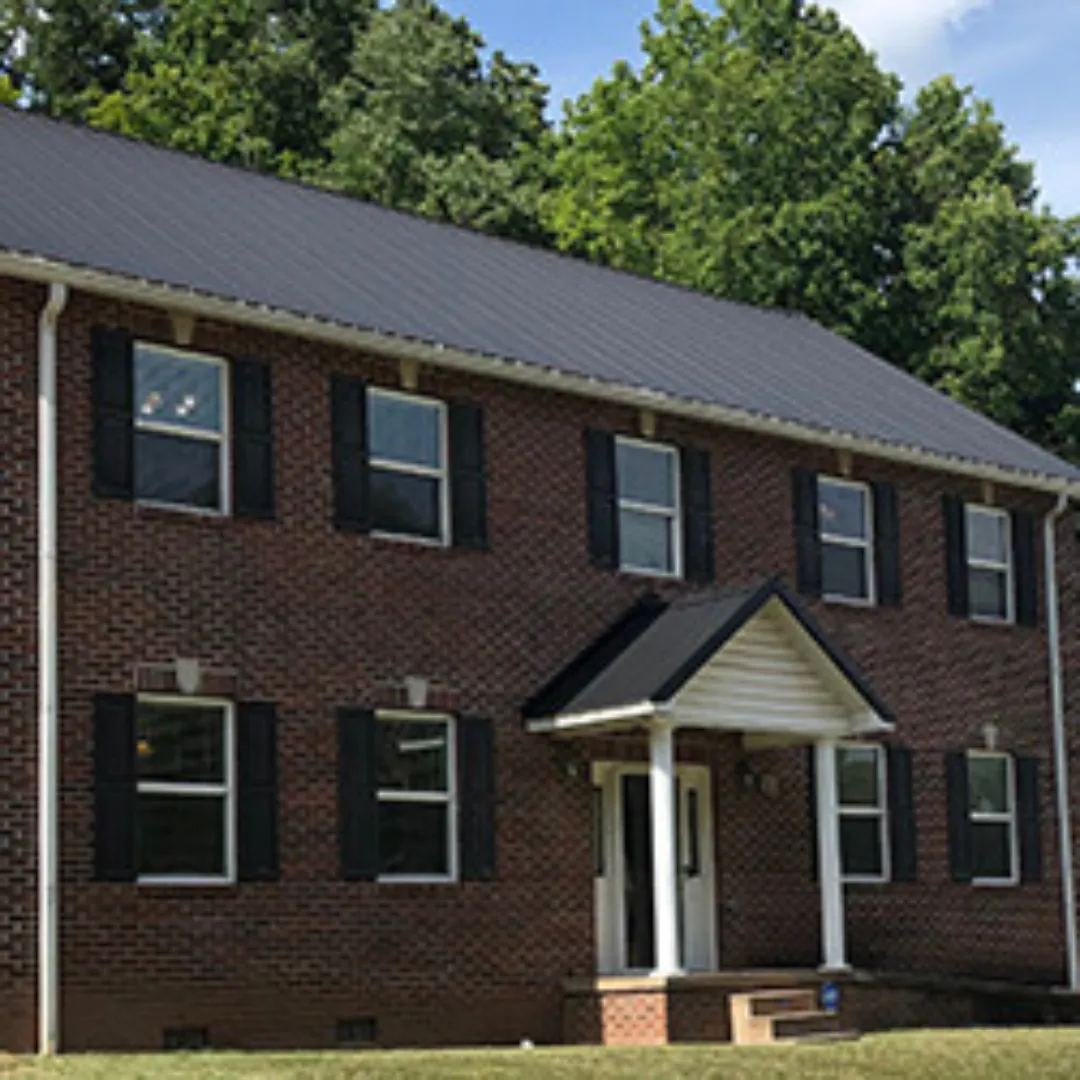
We have two offices in West Virginia: Winfield and Cross Lanes.
CROSS LANES
Your Guide to Real Estate Closings: West Virginia Edition
Closing Costs in West Virginia: What Buyers and Sellers Should Expect
Buying or selling real estate involves more than agreeing on a purchase price. Both sides of a transaction may have expenses that must be paid before ownership can officially transfer.
So, how much are closing costs in West Virginia?
There is no single percentage that applies to every transaction. As a general homebuying benchmark, the Consumer Financial Protection Bureau says closing costs commonly range from about 2% to 5% of the purchase price, not including the down payment. Actual costs depend on factors such as the property price, financing, lender, type of transaction, and location.
That percentage is useful for early budgeting, but your actual West Virginia closing costs can look very different depending on whether you are the buyer or seller, whether financing is involved, what the purchase contract requires, and which county the property is located in.
Understanding the major expenses before closing can help you budget properly and reduce last-minute surprises.
How Much Are Closing Costs in West Virginia?
Buyers often want a simple average closing cost for West Virginia real estate, but the final number depends on the transaction.
For planning purposes, buyers can use the broader 2%–5% of purchase price benchmark commonly cited for residential closing costs. Freddie Mac provides the same general range and notes that closing expenses can include government recording charges, appraisal fees, lender fees, title services, surveys, attorney fees, and other transaction costs.
For example, using that general planning range:
Purchase Price | 2% Estimate | 5% Estimate |
|---|---|---|
$150,000 | $3,000 | $7,500 |
$200,000 | $4,000 | $10,000 |
$250,000 | $5,000 | $12,500 |
$300,000 | $6,000 | $15,000 |
$400,000 | $8,000 | $20,000 |
These examples are budgeting estimates, not guaranteed West Virginia averages.
The actual amount due at closing should come from the transaction's settlement documents, lender disclosures, and closing professionals.
West Virginia Closing Costs at a Glance
Closing expenses generally fall into several categories.
Buyer costs may include:
Loan origination and lender charges
Appraisal fees
Credit-report or underwriting charges
Title search and title-related services
Lender's title insurance
Owner's title insurance, when purchased
Attorney or closing fees
Recording charges
Survey costs when needed
Prepaid property taxes
Homeowners insurance premiums
Initial escrow reserves
Other loan-specific expenses
Seller costs may include:
Real estate transfer taxes
Deed preparation or related legal expenses
Existing mortgage payoff
Outstanding liens or judgments that must be satisfied
Agreed seller concessions
Real estate commissions, where applicable
Prorated taxes
Other expenses assigned to the seller by the purchase contract
Who ultimately pays a particular expense can depend on the purchase agreement, financing terms, applicable law, and negotiation between the parties.
What Closing Costs Do Buyers Pay in West Virginia?
Buyer closing costs are especially affected by financing.
A cash buyer may have a very different cost structure than someone using a conventional mortgage, FHA loan, VA loan, or another financing product.
Common buyer expenses include the following.
Loan Origination and Lender Fees
Mortgage lenders may charge fees for originating, processing, underwriting, or otherwise preparing the loan.
These charges should appear on the buyer's Loan Estimate and later on the Closing Disclosure.
Buyers should compare those documents carefully because they show what the lender expects the borrower to pay.
Appraisal Costs
When a mortgage is involved, the lender may require an appraisal to determine whether the property supports the amount being financed.
The cost is generally associated with the buyer's loan process.
Title Search and Title Examination
A title search investigates the property's ownership history and recorded claims.
The purpose is to identify issues such as mortgages, liens, judgments, easements, probate concerns, or ownership problems before the transaction closes.
For a more detailed explanation of this process, buyers can also review Moye Law Office's article on what a property title search involves in West Virginia.
Title Insurance
There are generally two different title-insurance interests involved in financed transactions.
A lender's title policy protects the lender's interest in the property.
An owner's title policy protects the buyer's ownership interest against certain covered title defects.
These policies serve different purposes and should not be confused with the title search itself.
Attorney and Closing Fees
Legal and closing services may include reviewing the transaction, preparing or reviewing documents, coordinating title matters, communicating with lenders, handling funds, and completing the transfer.
The current Moye Law Office article already explains that a closing attorney may prepare the deed and settlement documents, coordinate with lenders and title professionals, manage closing instructions, and address problems that arise before settlement.
Prepaid and Escrowed Expenses
Some of the money a buyer brings to closing may not technically be a fee.
A lender may require advance payments for items such as:
Property taxes
Homeowners insurance
Mortgage insurance
Escrow reserves
Prepaid interest
These amounts can substantially affect the total cash needed at closing.
What Closing Costs Do Sellers Pay in West Virginia?
Seller closing costs in West Virginia are different from buyer expenses because sellers usually are not obtaining a new mortgage to purchase the property.
Instead, seller expenses often relate to transferring the property and clearing existing obligations.
Existing Mortgage Payoff
If the seller still has a mortgage or deed of trust against the property, it generally must be paid from the sale proceeds so the buyer can receive title without the seller's mortgage remaining attached.
Existing Liens
A title search may uncover tax liens, judgment liens, mechanic's liens, or other claims that have to be resolved before or at closing.
Depending on the issue, this may require a payoff, release, or other corrective action.
Transfer Taxes
West Virginia imposes an excise tax when qualifying real property is transferred.
Under current West Virginia law, the base transfer excise tax is $1.10 for every $500 of value or fraction thereof. There is also an additional county excise tax beginning at $0.55 per $500, and counties may adopt a higher county rate within limits established by state law. The statute also imposes an additional $20 fee on certain transfers for consideration.
Because the applicable county portion can vary, buyers and sellers should obtain the exact amount for the county where the property is located rather than relying on one statewide flat-rate estimate.
Deed and Legal Preparation
Sellers may also incur costs associated with preparing documents needed to transfer ownership.
Which party pays a particular preparation or legal charge can depend on the contract and the transaction.
Seller Concessions
A purchase contract may require or permit the seller to contribute toward certain buyer closing costs.
Seller concessions are negotiated as part of the transaction and may also be subject to limits imposed by the buyer's loan program.
Buyer vs. Seller: Who Pays What in a West Virginia Closing?
There is not always a universal rule assigning every cost to one side.
Here is a practical overview:
Expense | Buyer Often Pays | Seller Often Pays | Can Vary |
|---|---|---|---|
Loan origination fees | ✓ | ✓ | |
Appraisal | ✓ | ✓ | |
Buyer financing charges | ✓ | ✓ | |
Title search/title work | ✓ | ✓ | |
Lender's title policy | ✓ | ✓ | |
Owner's title policy | ✓ | ✓ | |
Attorney/closing fees | ✓ | ✓ | ✓ |
Seller mortgage payoff | ✓ | ||
Seller liens | ✓ | ||
Transfer excise tax | ✓ | ✓ | |
Recording costs | ✓ | ✓ | ✓ |
Property-tax prorations | ✓ | ✓ | ✓ |
Seller concessions | ✓ | ✓ |
The contract matters.
Before assuming that a particular charge belongs to the buyer or seller, check the purchase agreement and closing documents.
How West Virginia Real Estate Transfer Taxes Work
Transfer taxes deserve separate attention because they are tied directly to transferring title.
West Virginia's current statute establishes a base excise tax of $1.10 per $500 of value or fraction thereof. It also provides for an additional county excise tax. The starting county rate is $0.55 per $500, although counties can increase that rate subject to statutory limits.
The law generally places the tax on the grantor—the person transferring the property—although the statute provides circumstances in which the grantee may become responsible.
This is one reason a generic online closing-cost calculator may not give you the exact number for a West Virginia transaction.
The property's county matters.
Why County Recording Costs Matter
After closing, documents such as the deed and certain financing instruments must be recorded in the appropriate county records.
Recording charges therefore become part of the transaction's closing expenses.
The exact amount depends on the documents that need to be recorded and the applicable county requirements.
Properties in Putnam, Kanawha, Cabell, Lincoln, Mason, or another West Virginia county should therefore be evaluated using the charges applicable to that specific transaction rather than assuming every closing will cost exactly the same amount.
How Title Work Affects Closing Costs
Title work is an important part of the closing process because a buyer and lender need to know whether ownership can transfer properly.
A title search may identify:
Existing mortgages
Tax liens
Judgment liens
Mechanic's liens
Easements
Probate problems
Undisclosed heirs
Recording errors
Problems in the chain of title
When the search is clean, the transaction may proceed normally.
When a problem appears, however, additional work may be required.
For example, a lien may need to be released, an incorrect deed may need to be corrected, or an ownership dispute may require legal action.
Those complications can increase the amount of legal and title work involved in a closing.
How Purchase Price and Financing Affect Closing Costs
Purchase price is only one factor.
Two West Virginia homes selling for the same amount could still have different closing costs.
Differences may result from:
The buyer's lender
The loan program
Interest-rate points
Down payment
Title requirements
Property type
County
Required appraisal or survey
Insurance
Property taxes
Seller concessions
Title defects
Attorney and closing services
This is why a percentage estimate is useful for budgeting but should not replace an actual transaction-specific calculation.
How Can Buyers Estimate Their Cash Needed at Closing?
For financed purchases, one of the best places to begin is the Loan Estimate.
It provides estimated:
Loan terms
Loan costs
Other closing costs
Prepaid expenses
Estimated cash needed to close
Closer to settlement, the borrower receives a Closing Disclosure showing the final loan terms and closing expenses.
The current Asset B already advises buyers to compare their Loan Estimate and Closing Disclosure and ask questions about discrepancies. That advice is worth preserving in the rewritten article.
When reviewing the numbers, remember that:
Down payment and closing costs are not the same thing.
A buyer putting 10% down on a property may still need additional funds for closing expenses, prepaid items, and escrow requirements.
Can Closing Costs Be Negotiated?
Some expenses are fixed or controlled by a lender, government agency, or third-party provider.
Others may offer more flexibility.
Depending on the transaction, buyers and sellers may negotiate matters such as:
Seller contributions toward buyer costs
Allocation of certain closing expenses
Purchase-price adjustments
Repair credits
Selection of certain service providers where permitted
Financed transactions may also be subject to lender or loan-program restrictions on seller concessions.
Any negotiated arrangement should be reflected accurately in the purchase agreement and closing documents.
Why Work With a West Virginia Real Estate Attorney?
Closing costs are only one part of transferring real estate.
Contract terms, title issues, deeds, liens, financing requirements, and settlement documents can all affect whether the transaction proceeds as expected.
A West Virginia real estate attorney can help clients understand the legal side of a transaction, review documents, address title problems, and assist with the closing process.
Moye Law Office provides real estate legal services from its Winfield and Cross Lanes offices. Its Real Estate Law practice includes assistance with West Virginia real estate matters and closings.
Frequently Asked Questions
How much are closing costs in West Virginia?
There is no single statewide percentage that applies to every transaction. As a general national homebuying guideline, closing costs commonly fall around 2%–5% of the purchase price, excluding the down payment. Actual West Virginia costs depend on financing, property value, location, title work, taxes, insurance, and other transaction-specific expenses.
What are the average closing costs in West Virginia?
Rather than treating one percentage as an exact West Virginia average, buyers should use the 2%–5% range as an early budgeting guideline and rely on their Loan Estimate and final Closing Disclosure for the transaction's actual costs.
What closing costs does a buyer pay in West Virginia?
A buyer may pay lender fees, appraisal costs, title-related expenses, title insurance, attorney or closing fees, recording charges, prepaid taxes and insurance, and escrow reserves. The exact combination depends on the transaction.
What closing costs does a seller pay in West Virginia?
Seller costs may include mortgage payoff, liens that must be cleared, transfer taxes, deed-related expenses, prorated taxes, commissions where applicable, and any seller concessions negotiated in the contract.
Who pays the West Virginia transfer tax?
West Virginia law generally places the transfer excise tax on the grantor, although the statute provides circumstances where the grantee may become responsible.
Are closing costs separate from the down payment?
Yes. A down payment is the buyer's contribution toward the purchase price. Closing costs cover expenses associated with financing, title work, government charges, insurance, professional services, and completing the transaction.
Can the seller pay some of the buyer's closing costs?
Potentially. Seller concessions can be negotiated as part of the purchase agreement, although financed transactions may have limits established by the lender or loan program.
Why can closing costs change before settlement?
Changes may result from updated lender charges, prepaid expenses, tax prorations, title findings, insurance amounts, credits, or negotiated adjustments. Buyers should compare their final Closing Disclosure with earlier estimates and ask questions about material differences.
Planning a West Virginia Real Estate Closing?
Knowing what to expect can make it easier to budget for a purchase or understand how much a seller may receive after the transaction closes.
Because West Virginia closing costs vary according to the property, financing, county, title work, and purchase agreement, the most useful estimate is one based on the actual transaction rather than a generic percentage.
Moye Law Office assists buyers, sellers, and other parties with West Virginia real estate matters, including title issues and closings.
If you need assistance with a West Virginia real estate closing, contact Moye Law Office to discuss your transaction.
Moye Law Offices
We have two offices in West Virginia:
Winfield and Cross Lanes.
CROSS LANES
We Are Here To Help
Do you have a query or problem that you would like to talk about, or are you curious to hear more about how we can help you?
Get in touch today! We look forward to hearing from you.
Assistance Hours
Monday – Friday: 8:30am – 4:30pm
Saturday: By appointment only
Sunday: CLOSED
Subscribe to our Newsletter
We Are Here To Help
Do you have a query or problem that you would like to talk about, or are you curious to hear more about how we can help you?
Get in touch today! We look forward to hearing from you.
Assistance Hours
Monday – Friday 8:30am – 4:30pm
Saturday: By appointment only
Sunday CLOSED