
Blog

Blog

Why Delayed Real Estate Transactions Cost Buyers Money
Why Delayed Real Estate Transactions Cost Buyers Money

By Moye Law Office Editorial Team · Updated 2026-08-03
Delayed closings cost buyers money through daily per-diem fees, forfeited earnest money deposits, and locked-in title insurance premiums paid regardless of outcome. Extended timelines also risk mortgage rate increases before funding and expose credit scores to inquiry-related dips. Unresolved title issues, financing setbacks, and documentation problems remain the most common triggers, making early legal review through Moye Law Office's in-house title search process a practical safeguard.
Key Takeaways
Buyers pay daily fees for each day past the agreed-upon closing date until completion.
Earnest money deposits are forfeited when closings delay beyond contractual deadlines.
Title defects, financing delays, and documentation problems cause most real estate closing postponements.
Five primary delay categories exist: title issues, surveys, financing, HOA transfers, and appraisals.
What Makes Real Estate Closings Fall Behind Schedule?
Layered legal risks push closing dates past their original targets. Contract contingencies, title defects, lender conditions, and county recording practices all create friction points that can delay or derail a deal, leaving buyers exposed to unexpected liability. For homebuyers under contract, these risks rarely announce themselves early. They surface during the final stretch, when there's little time left to react.
Most delays trace back to the property's title. A title search reviews public records to confirm ownership and identify any recorded claims that may affect a buyer or lender. This process examines deeds, mortgages, liens, judgments, easements, and probate issues, all of which must be resolved before ownership can transfer cleanly.
Why Do Title Problems Cause the Most Delays?
Title defects are often invisible until someone looks for them. Missing deeds, unreleased liens, or judgments filed against a previous owner can create roadblocks that must be cleared before the transaction moves forward. Because these issues live in county records rather than the current owner's paperwork, they frequently go unnoticed until a search brings them to light.
Can Lender Requirements Delay a Closing Too?
Yes. Lender conditions work alongside title findings as a separate risk layer. Financing approval often hinges on a clean, insurable title. If a lien or judgment surfaces late, the lender may pause funding until the issue clears. Pushing the closing date back regardless of how prepared the buyer and seller are otherwise.
Recording practices at the county level add one more variable. Even a resolved title issue needs proper documentation filed correctly before real estate transactions can close on schedule.

Why Do Title Problems Delay Closings and Cost Money?
Hidden defects in a property's ownership history create the single most common obstacle in real estate transactions. A buried lien, an unlocated heir, or a surprise easement can surface late in the process, and once discovered, the closing timeline stops until the problem gets resolved. What looked like a routine purchase suddenly turns into a legal puzzle. Every day spent solving it carries a cost. Extended rate locks, storage fees, temporary housing, or a frustrated seller reconsidering the deal.
Properties with tangled ownership histories present the biggest risk. A home passed through multiple estates, divided among heirs, or transferred without proper documentation demands extra research before a title company can certify it as clear. That research takes time nobody planned for. Buyers under contract often watch their closing date slip while attorneys trace decades-old paperwork.
How Long Does It Take to Clear a Title Problem?
Once a defect surfaces, clearing unreleased liens, resolving probate complications, or tracking down missing deed records typically takes two to three weeks. That window assumes no additional complications arise. A more tangled ownership dispute can stretch far longer, pushing a closing date well past its original target.
Can a Lawyer Prevent These Delays?
A qualified real estate attorney lowers this risk before it ever reaches the closing table. By interpreting contract terms, coordinating real estate closings research, and representing clients through settlement, counsel keeps small title issues from becoming closing-day emergencies. That coordination matters most for buyers who assumed title work was a formality rather than a legal safeguard.
Common causes of delay include:
Unreleased mortgages or liens from previous owners
Missing or improperly recorded deeds
Unresolved probate or heir disputes
Undisclosed easements affecting property boundaries

What Fees Pile Up When Closing Is Delayed?
Daily penalty fees are among the costs tied to a stalled closing date, along with forfeited earnest money and title-related expenses. Many purchase contracts allow sellers to charge buyers a set fee for every day the closing runs past the agreed date. That expense grows fast when title problems or financing delays push settlement back a week or more. Real estate closings rarely stay on schedule without careful preparation ahead of time.
Earnest money sits at even greater risk. Buyers who cannot close on time, or who see a deal collapse entirely, may forfeit the deposit already paid to demonstrate good faith. Losing that money on top of daily penalty fees turns a minor delay into a significant financial setback.
Can a title problem add costs even after closing is delayed?
Yes. Title defects—missing deeds, unresolved liens, unexpected easements—often surface late and require research before a sale can proceed. Knowing how title insurance protects a buyer. When legal counsel should step in, helps buyers anticipate expenses that a delay does nothing to erase.
Does a real estate lawyer help avoid these fees?
A real estate lawyer reduces exposure by reviewing contracts and coordinating title research before problems reach the closing table. Legal representation through settlement and dispute resolution keeps real estate transactions on track. Helps buyers spot costly title issues before they become last-minute surprises.
Costs that commonly stack up during a delay include:
Daily late fees specified in the purchase contract
Forfeited earnest money deposits
Title-related expenses uncovered late in the process
Legal or coordination costs tied to resolving disputes before settlement
Buyers who understand these risks early stand a far better chance of protecting both their timeline and their wallet.

How Do Rate Locks and Credit Scores Take a Hit?
Extra weeks at the closing table cost buyers more than patience. A stalled loan can push mortgage interest rates upward before funding finally happens, turning an approved rate into a stale one. Lenders lock rates for a fixed window. Once a closing slips past that window, buyers often face a higher rate on the same loan.
Credit scores take a hit too. A prolonged closing timeline can drag a buyer's credit score down, sometimes enough to affect the loan terms already on the table. New inquiries, shifting debt loads, or simple timing issues during a long wait all play a role.
Why does a longer closing hurt a buyer's credit score?
Extended timelines create more opportunities for financial changes to surface between application and funding. A dip in score during that stretch can force a lender to re-underwrite the loan or adjust pricing.
Moye Law Office reduces exposure to both risks by handling title research in-house, so problems that commonly stall closings surface early rather than during the final week before settlement. Attorney-led closings keep documentation, title review, and lender coordination moving together instead of in scattered handoffs, preserving the runway buyers need to protect a rate lock and avoid a late-stage credit dip.
Involving a West Virginia real estate attorney at each stage of a purchase does more than paperwork:
Flags title defects before they reach the closing table
Coordinates with lenders to protect rate-lock deadlines
Reduces disputes that add days—or weeks—to a transaction
Buyers under contract gain the most by bringing counsel in early. A delay has the chance to cost them a lower rate or a stronger credit profile.
How Can Buyers Avoid Delayed Closing Costs?
Early action prevents most delayed closing costs. Ordering a title search well before the scheduled closing date gives buyers time to resolve a hidden lien, unknown heir, or unexpected easement before that problem threatens the deal. Waiting until the final week leaves no room to fix what a search would have caught months earlier.
Real estate closings rarely fail without warning signs. The advantage lies in timing: buyers who bring counsel in before a problem surfaces give an attorney room to catch a small issue while it's still inexpensive to fix, rather than scrambling to contain a crisis days before settlement. That early runway is what turns a potential last-minute dispute into a non-event.
When should a buyer bring in a real estate attorney?
The earlier, the better. Involving counsel at the offer stage, rather than after a problem surfaces, gives attorneys time to catch contract issues and order title work before deadlines close in. Buyers who wait until a dispute erupts often face fewer options and higher costs.
Where can buyers find local counsel quickly?
Buyers in Charleston and the surrounding counties, including Cabell, Kanawha, Lincoln, Mason, and Putnam, can reach local counsel before a title issue jeopardizes the closing date. Proximity matters when documents need review or a lien needs a fast resolution.
Steps buyers can take now:
Order a title search as soon as the contract is signed, not the week before closing.
Consult an attorney familiar with real estate transactions in the local county.
Ask about assistance hours in advance; Moye Law Office offers help Monday through Friday from 8:30 a.m. to 4:30 p.m., with Saturday appointments available by request, so questions get answered before a deadline slips.
Planning ahead costs far less than untangling a title defect after the moving truck is already booked.
Delayed real estate closings create a cascade of financial consequences that extend far beyond the closing table itself. By understanding how timing directly impacts your bottom line—from interest rate locks and inspection contingencies to carrying costs. Appraisal fees—you position yourself to protect your investment and move forward with confidence. At Moye Law Office, we handle title work in-house and coordinate efficiently with all parties to keep your transaction on schedule, helping you avoid the preventable costs that derail so many buyers. When you're ready to close, we're ready to help.
FAQ
What are the main costs buyers face from a delayed closing?
The costs stack in layers: a per-diem late fee set by the purchase contract, an earnest money deposit that's forfeited if the buyer can't close on time, and title-related expenses uncovered during the delay. A rate lock expiring before funding and a dip in credit score from a longer underwriting window can add to the total.
What causes most real estate closing delays?
Title problems are the most frequent culprit—unreleased liens, missing deeds, and probate disputes surface late because they live in county records rather than the current owner's paperwork. Financing delays follow close behind, often triggered when a lender pauses funding until a title concern clears. Documentation problems, such as recording errors at the county level, round out the list, holding up an otherwise resolved file on a technicality.
How does Moye Law Office help buyers avoid these delays?
Moye Law Office identifies title issues and financing problems early through its in-house title search process. This review examines deeds, mortgages, liens, judgments, easements, and probate issues before they derail closing.

Moye Law Offices
We have two offices in West Virginia: Winfield and Cross Lanes.
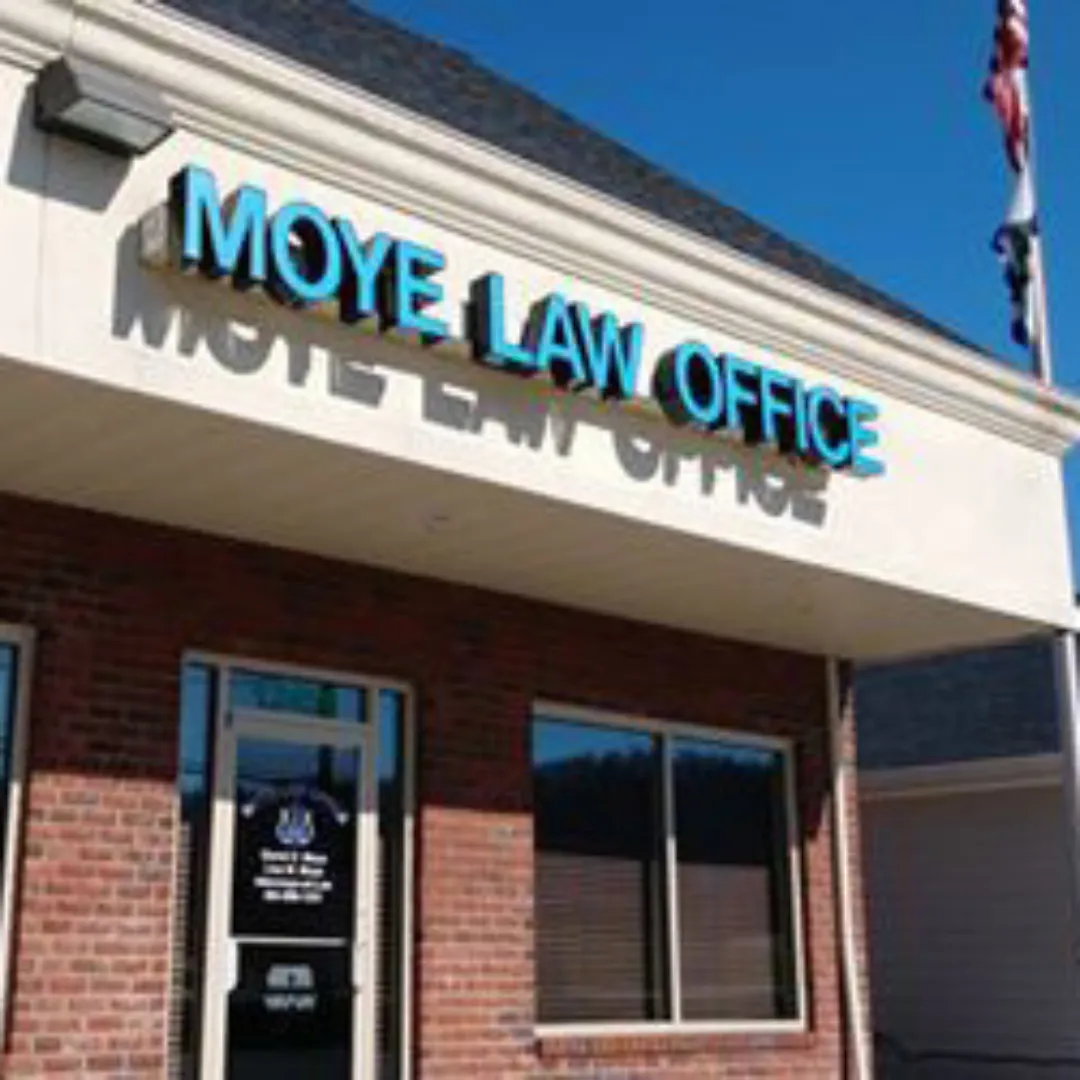
CROSS LANES
Why Delayed Real Estate Transactions Cost Buyers Money
Why Delayed Real Estate Transactions Cost Buyers Money
By Moye Law Office Editorial Team · Updated 2026-08-03
Delayed closings cost buyers money through daily per-diem fees, forfeited earnest money deposits, and locked-in title insurance premiums paid regardless of outcome. Extended timelines also risk mortgage rate increases before funding and expose credit scores to inquiry-related dips. Unresolved title issues, financing setbacks, and documentation problems remain the most common triggers, making early legal review through Moye Law Office's in-house title search process a practical safeguard.
Key Takeaways
Buyers pay daily fees for each day past the agreed-upon closing date until completion.
Earnest money deposits are forfeited when closings delay beyond contractual deadlines.
Title defects, financing delays, and documentation problems cause most real estate closing postponements.
Five primary delay categories exist: title issues, surveys, financing, HOA transfers, and appraisals.
What Makes Real Estate Closings Fall Behind Schedule?
Layered legal risks push closing dates past their original targets. Contract contingencies, title defects, lender conditions, and county recording practices all create friction points that can delay or derail a deal, leaving buyers exposed to unexpected liability. For homebuyers under contract, these risks rarely announce themselves early. They surface during the final stretch, when there's little time left to react.
Most delays trace back to the property's title. A title search reviews public records to confirm ownership and identify any recorded claims that may affect a buyer or lender. This process examines deeds, mortgages, liens, judgments, easements, and probate issues, all of which must be resolved before ownership can transfer cleanly.
Why Do Title Problems Cause the Most Delays?
Title defects are often invisible until someone looks for them. Missing deeds, unreleased liens, or judgments filed against a previous owner can create roadblocks that must be cleared before the transaction moves forward. Because these issues live in county records rather than the current owner's paperwork, they frequently go unnoticed until a search brings them to light.
Can Lender Requirements Delay a Closing Too?
Yes. Lender conditions work alongside title findings as a separate risk layer. Financing approval often hinges on a clean, insurable title. If a lien or judgment surfaces late, the lender may pause funding until the issue clears. Pushing the closing date back regardless of how prepared the buyer and seller are otherwise.
Recording practices at the county level add one more variable. Even a resolved title issue needs proper documentation filed correctly before real estate transactions can close on schedule.
Why Do Title Problems Delay Closings and Cost Money?
Hidden defects in a property's ownership history create the single most common obstacle in real estate transactions. A buried lien, an unlocated heir, or a surprise easement can surface late in the process, and once discovered, the closing timeline stops until the problem gets resolved. What looked like a routine purchase suddenly turns into a legal puzzle. Every day spent solving it carries a cost. Extended rate locks, storage fees, temporary housing, or a frustrated seller reconsidering the deal.
Properties with tangled ownership histories present the biggest risk. A home passed through multiple estates, divided among heirs, or transferred without proper documentation demands extra research before a title company can certify it as clear. That research takes time nobody planned for. Buyers under contract often watch their closing date slip while attorneys trace decades-old paperwork.
How Long Does It Take to Clear a Title Problem?
Once a defect surfaces, clearing unreleased liens, resolving probate complications, or tracking down missing deed records typically takes two to three weeks. That window assumes no additional complications arise. A more tangled ownership dispute can stretch far longer, pushing a closing date well past its original target.
Can a Lawyer Prevent These Delays?
A qualified real estate attorney lowers this risk before it ever reaches the closing table. By interpreting contract terms, coordinating real estate closings research, and representing clients through settlement, counsel keeps small title issues from becoming closing-day emergencies. That coordination matters most for buyers who assumed title work was a formality rather than a legal safeguard.
Common causes of delay include:
Unreleased mortgages or liens from previous owners
Missing or improperly recorded deeds
Unresolved probate or heir disputes
Undisclosed easements affecting property boundaries
What Fees Pile Up When Closing Is Delayed?
Daily penalty fees are among the costs tied to a stalled closing date, along with forfeited earnest money and title-related expenses. Many purchase contracts allow sellers to charge buyers a set fee for every day the closing runs past the agreed date. That expense grows fast when title problems or financing delays push settlement back a week or more. Real estate closings rarely stay on schedule without careful preparation ahead of time.
Earnest money sits at even greater risk. Buyers who cannot close on time, or who see a deal collapse entirely, may forfeit the deposit already paid to demonstrate good faith. Losing that money on top of daily penalty fees turns a minor delay into a significant financial setback.
Can a title problem add costs even after closing is delayed?
Yes. Title defects—missing deeds, unresolved liens, unexpected easements—often surface late and require research before a sale can proceed. Knowing how title insurance protects a buyer. When legal counsel should step in, helps buyers anticipate expenses that a delay does nothing to erase.
Does a real estate lawyer help avoid these fees?
A real estate lawyer reduces exposure by reviewing contracts and coordinating title research before problems reach the closing table. Legal representation through settlement and dispute resolution keeps real estate transactions on track. Helps buyers spot costly title issues before they become last-minute surprises.
Costs that commonly stack up during a delay include:
Daily late fees specified in the purchase contract
Forfeited earnest money deposits
Title-related expenses uncovered late in the process
Legal or coordination costs tied to resolving disputes before settlement
Buyers who understand these risks early stand a far better chance of protecting both their timeline and their wallet.
How Do Rate Locks and Credit Scores Take a Hit?
Extra weeks at the closing table cost buyers more than patience. A stalled loan can push mortgage interest rates upward before funding finally happens, turning an approved rate into a stale one. Lenders lock rates for a fixed window. Once a closing slips past that window, buyers often face a higher rate on the same loan.
Credit scores take a hit too. A prolonged closing timeline can drag a buyer's credit score down, sometimes enough to affect the loan terms already on the table. New inquiries, shifting debt loads, or simple timing issues during a long wait all play a role.
Why does a longer closing hurt a buyer's credit score?
Extended timelines create more opportunities for financial changes to surface between application and funding. A dip in score during that stretch can force a lender to re-underwrite the loan or adjust pricing.
Moye Law Office reduces exposure to both risks by handling title research in-house, so problems that commonly stall closings surface early rather than during the final week before settlement. Attorney-led closings keep documentation, title review, and lender coordination moving together instead of in scattered handoffs, preserving the runway buyers need to protect a rate lock and avoid a late-stage credit dip.
Involving a West Virginia real estate attorney at each stage of a purchase does more than paperwork:
Flags title defects before they reach the closing table
Coordinates with lenders to protect rate-lock deadlines
Reduces disputes that add days—or weeks—to a transaction
Buyers under contract gain the most by bringing counsel in early. A delay has the chance to cost them a lower rate or a stronger credit profile.
How Can Buyers Avoid Delayed Closing Costs?
Early action prevents most delayed closing costs. Ordering a title search well before the scheduled closing date gives buyers time to resolve a hidden lien, unknown heir, or unexpected easement before that problem threatens the deal. Waiting until the final week leaves no room to fix what a search would have caught months earlier.
Real estate closings rarely fail without warning signs. The advantage lies in timing: buyers who bring counsel in before a problem surfaces give an attorney room to catch a small issue while it's still inexpensive to fix, rather than scrambling to contain a crisis days before settlement. That early runway is what turns a potential last-minute dispute into a non-event.
When should a buyer bring in a real estate attorney?
The earlier, the better. Involving counsel at the offer stage, rather than after a problem surfaces, gives attorneys time to catch contract issues and order title work before deadlines close in. Buyers who wait until a dispute erupts often face fewer options and higher costs.
Where can buyers find local counsel quickly?
Buyers in Charleston and the surrounding counties, including Cabell, Kanawha, Lincoln, Mason, and Putnam, can reach local counsel before a title issue jeopardizes the closing date. Proximity matters when documents need review or a lien needs a fast resolution.
Steps buyers can take now:
Order a title search as soon as the contract is signed, not the week before closing.
Consult an attorney familiar with real estate transactions in the local county.
Ask about assistance hours in advance; Moye Law Office offers help Monday through Friday from 8:30 a.m. to 4:30 p.m., with Saturday appointments available by request, so questions get answered before a deadline slips.
Planning ahead costs far less than untangling a title defect after the moving truck is already booked.
Delayed real estate closings create a cascade of financial consequences that extend far beyond the closing table itself. By understanding how timing directly impacts your bottom line—from interest rate locks and inspection contingencies to carrying costs. Appraisal fees—you position yourself to protect your investment and move forward with confidence. At Moye Law Office, we handle title work in-house and coordinate efficiently with all parties to keep your transaction on schedule, helping you avoid the preventable costs that derail so many buyers. When you're ready to close, we're ready to help.
FAQ
What are the main costs buyers face from a delayed closing?
The costs stack in layers: a per-diem late fee set by the purchase contract, an earnest money deposit that's forfeited if the buyer can't close on time, and title-related expenses uncovered during the delay. A rate lock expiring before funding and a dip in credit score from a longer underwriting window can add to the total.
What causes most real estate closing delays?
Title problems are the most frequent culprit—unreleased liens, missing deeds, and probate disputes surface late because they live in county records rather than the current owner's paperwork. Financing delays follow close behind, often triggered when a lender pauses funding until a title concern clears. Documentation problems, such as recording errors at the county level, round out the list, holding up an otherwise resolved file on a technicality.
How does Moye Law Office help buyers avoid these delays?
Moye Law Office identifies title issues and financing problems early through its in-house title search process. This review examines deeds, mortgages, liens, judgments, easements, and probate issues before they derail closing.
Moye Law Offices
We have two offices in West Virginia:
Winfield and Cross Lanes.
CROSS LANES
We Are Here To Help
Do you have a query or problem that you would like to talk about, or are you curious to hear more about how we can help you?
Get in touch today! We look forward to hearing from you.
Assistance Hours
Monday – Friday: 8:30am – 4:30pm
Saturday: By appointment only
Sunday: CLOSED
Subscribe to our Newsletter
We Are Here To Help
Do you have a query or problem that you would like to talk about, or are you curious to hear more about how we can help you?
Get in touch today! We look forward to hearing from you.
Assistance Hours
Monday – Friday 8:30am – 4:30pm
Saturday: By appointment only
Sunday CLOSED