
Blog

Blog
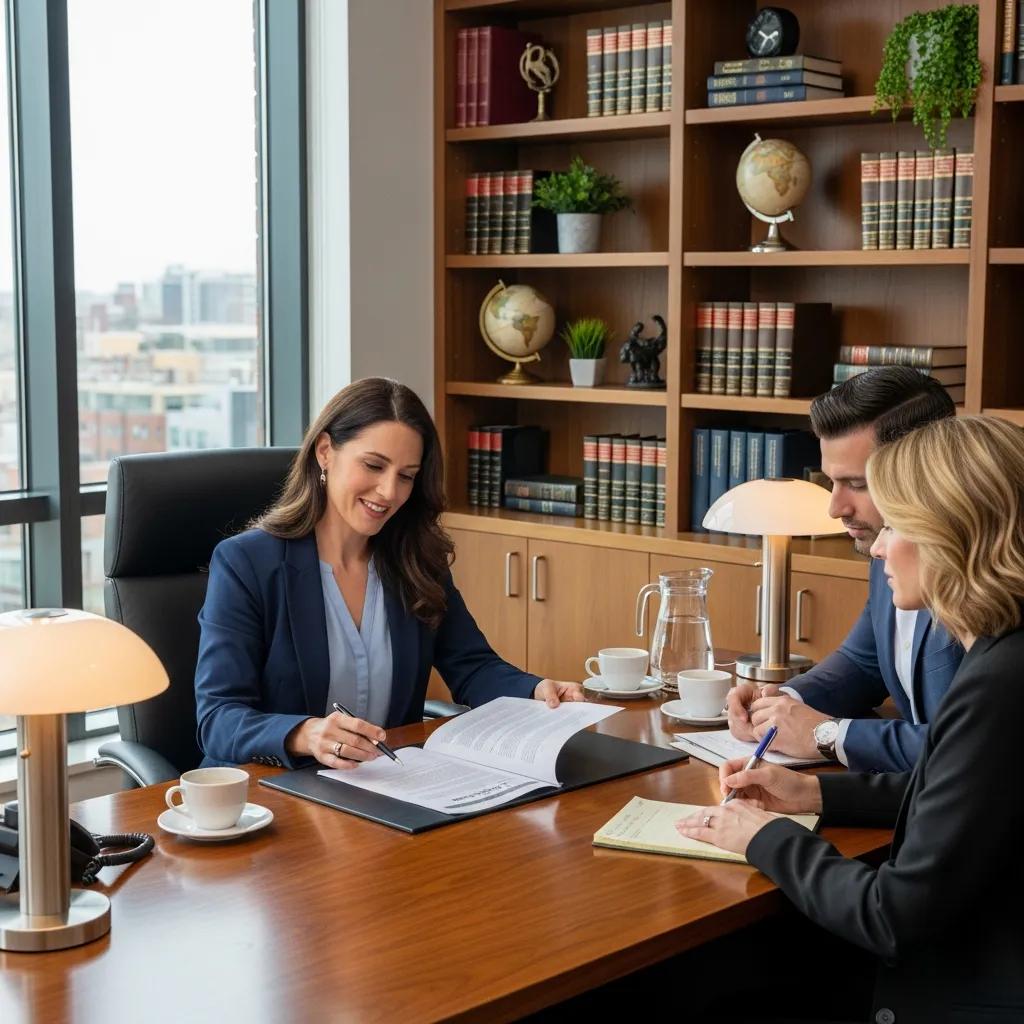
Secure Your Sale: Real Estate Lawyer in West Virginia
Buying or Selling Property in West Virginia? Why You Need a Real Estate Lawyer for Secure Transactions
Property deals in West Virginia come with layered legal risks—contract contingencies, title defects, lender conditions, and county recording practices—that can delay or derail a closing and expose buyers or sellers to unexpected liability. A qualified real estate lawyer reduces those risks by interpreting contracts, coordinating title research, and representing clients through settlement and dispute resolution, so results are secure and predictable. This guide walks through what a West Virginia real estate attorney does at each stage of a transaction, how counsel prevents delays and disputes, and when to call a lawyer for boundary or title issues. You’ll find practical checklists for contract review, a step‑by‑step closing workflow, common remedies for disputes, market context that affects timing, and clear instructions for scheduling a consultation with MOYE Law Office. We use action-oriented lists, comparison tables, and concise examples to make legal steps clear for buyers, sellers, and investors in Charleston, Winfield, Cross Lanes, and nearby counties.
What Does a West Virginia Real Estate Lawyer Do During Property Transactions?
A West Virginia real estate lawyer manages legal risk across the transaction lifecycle: reviewing and negotiating contracts, ordering and interpreting title searches, coordinating escrow and lender requirements, and representing clients at settlement. That work protects buyers and sellers by spotting unfavorable deed language, uncovering undisclosed liens, and addressing contingencies that could void or delay a sale—then negotiating changes that allocate risk more fairly. Below is a concise checklist of the primary tasks attorneys handle to secure the deal and prevent downstream disputes.
Real estate transaction responsibilities checklist:
Contract review and negotiation: Spot problematic clauses and propose protective edits before you sign.
Title search and defect resolution: Identify liens, encumbrances, or chain‑of‑title gaps and coordinate cures.
Closing representation: Oversee fund disbursement, confirm deed wording, and ensure proper recording.
These core tasks form the foundation of preventive legal work and lead naturally into more detailed actions like clause-by-clause analysis and title insurance evaluation.
Why these distinctions matter: the same contract language can shift significant financial risk depending on how contingencies and remedies are drafted—so granular review before acceptance is essential.
Service TypeWhat’s ReviewedTypical Outcome / BenefitContract reviewContingencies, closing date, remedies, disclosure languageLower litigation risk; clearer timelines and enforceable buyer/seller obligationsTitle search servicesLiens, judgments, easements, prior conveyancesDefects identified and addressed; basis for title insurance coverageClosing representationSettlement statements, deed accuracy, escrow instructionsSmoother funding and recording; verified legal transfer of property
When contract work, title review, and closing oversight are combined, transaction risk falls and settlement becomes more predictable.
How Does Contract Review and Negotiation Protect Buyers and Sellers?

Contract review looks at each clause to assess legal and financial exposure—financing, inspection, appraisal, property condition, and closing date flexibility. Attorneys analyze remedies for breach, timing obligations, and seller disclosures so clients understand the consequences of each commitment and can add protective language where needed.
For buyers, negotiation levers include tightening contingency language, requesting repair credits, or specifying prorations. For sellers, counsel often shortens performance deadlines and limits post‑closing liabilities. For example, vague language like “satisfactory financing” can delay funding and add carrying costs; precise deadlines with defined cure periods allocate responsibility clearly and economically.
Careful drafting and negotiation reduce last‑minute disputes and transition into the next critical area—title examination and insurance.
What Role Does a Lawyer Play in Title Searches and Title Insurance?
A title search reveals recorded matters that affect ownership—liens, mortgages, judgments, recorded easements, and prior conveyances—and an attorney interprets how those issues affect marketable title and closing risk. A lawyer coordinates with local title search services, evaluates whether defects must be cured before closing, and advises on the scope and limits of title insurance. Title insurance protects against many post‑closing losses from covered defects, but it does not replace legal review because exceptions and survey issues can remain; counsel negotiates endorsements or remedies to close residual gaps. Clear interpretation of title search results flows directly into how attorneys manage the closing so funds, documents, and recordings align with the legal transfer.
How Can a Real Estate Lawyer Ensure Smooth Closings in West Virginia?
A real estate lawyer keeps closings smooth by preparing closing documents, confirming title clearance, coordinating escrow and lender conditions, and verifying that deed language and settlement statements match the agreed terms. Attorneys monitor payoff figures, confirm prorations, and stay in direct contact with all parties to avoid last‑minute surprises that can block funding.
Key closing steps:
Pre‑closing review: Verify title clearance, resolve outstanding contingencies, and confirm lender conditions.
Settlement‑day coordination: Manage document signing, verify funds, and execute closing statements.
Post‑closing recording: Ensure the deed is recorded and provide final title updates to confirm the transfer.
These steps set clear responsibilities and timing expectations, and they lead naturally to specific tasks within each step and the common causes of delay counsel prevents.
Introductory note for the roles table: below we compare buyer‑side, seller‑side, and closing counsel responsibilities and show how MOYE Law Office helps mitigate typical closing risks.
Role at ClosingTypical ResponsibilitiesHow Risk Is MitigatedBuyer’s attorneyReview settlement statement, confirm title clearance, represent buyer at signingAdvance title cures, negotiate escrow holdbacks, confirm lender requirements in writingSeller’s attorneyPrepare deed, clear seller conditions, coordinate payoffsDraft precise deed language, arrange lien releases, manage payoff routingClosing agent / title companyDisburse funds, record documents, issue policyCoordinate with counsel on exceptions and endorsements; confirm recording timeline
Clear role assignments and attorney involvement reduce errors and help ensure funds and documents align on settlement day. Next we outline practical closing preparation clients can follow.
What Are the Key Steps in a West Virginia Real Estate Closing?
A typical West Virginia closing begins with a pre‑closing review several days before settlement to verify title, satisfy contingencies, and confirm final settlement figures including lender payoffs and prorations. On settlement day, parties sign documents, funds arrive by wire or certified funds, and the deed and mortgage documents are executed and notarized; the attorney or closing agent then handles recording with the county clerk or recorder. After recording, funds are disbursed and title insurance is finalized if purchased, completing the legal and financial transfer. Knowing these steps helps reduce client stress and points to how counsel prevents common closing issues.
How Does Legal Counsel Prevent Closing Delays and Issues?
Counsel prevents delays by obtaining payoff statements early, confirming lender conditions in writing, and ordering expedited title searches or surveys when easement or metes‑and‑bounds questions arise. Attorneys use contingency checklists, communicate firm deadlines to all parties, and negotiate escrow holdbacks or cure agreements when minor defects remain—avoiding the need to reschedule. Common causes of delay include last‑minute liens, missing signatures from remote sellers, and lender funding problems; proactive legal coordination often resolves these before settlement day. Checklist‑driven workflows shorten closing timelines and lower the risk of cancellations or postponements.
Why Is Legal Assistance Crucial for Resolving Property Disputes in West Virginia?

Property disputes—boundary lines, easements, unreleased liens, and title defects—often require statutory remedies, documentary review, and sometimes litigation or quiet title actions to resolve ownership or use rights. An attorney assesses whether negotiation, mediation, or court action best suits the dispute, prepares demand letters, and files pleadings when necessary to clear title or enforce rights. Early legal involvement preserves evidence, enables injunctive relief when boundaries face imminent harm, and frequently results in settlements that avoid prolonged litigation. Knowing dispute types and remedies helps you decide when to engage counsel and how that engagement can shorten time to resolution and control costs.
Dispute TypeLegal RemedyTypical Resolution Steps / TimeframeBoundary disputeSurvey review; negotiation; quiet title or injunctionSurvey (weeks), negotiation (months), quiet title (6–18 months)Easement conflictNegotiation; reformation; court adjudicationTitle/easement review (weeks), possible litigation (6–12+ months)Unreleased lienDemand for release; lien satisfaction action; lien quietingTitle search and demand (weeks), contested court action (3–12 months)
This table helps you decide when to escalate a dispute and what to expect if litigation becomes necessary. The next section lists typical situations that signal the need for an attorney.
What Common Real Estate Disputes Require Lawyer Intervention?
Common disputes that merit legal representation include conflicting survey lines that affect usable acreage, recorded but unreleased liens that cloud marketable title, and claims from ambiguous deed language or missed seller disclosures. Warning signs that DIY efforts won’t be enough include significant potential monetary exposure, competing recorded instruments, or imminent use conflicts that could cause irreparable harm. An attorney will review documents, hire or coordinate surveyors, send demand letters, and, if needed, file quiet title actions or other proceedings to protect your rights. Early recognition of these signals increases the chance of a cost‑effective resolution.
The following subsection explains how lawyers approach boundary and easement conflicts, beginning with fact‑gathering and surveying.
How Does a Lawyer Help in Boundary and Easement Conflicts?
Lawyers start by compiling title history, recorded plats, and any existing surveys, then commission or review a current boundary survey to compare legal descriptions with physical markers. That factual foundation guides negotiation or litigation strategy. If negotiation fails, counsel may pursue quiet title actions to settle ownership or seek injunctive relief to stop trespass or improper easement use. Attorneys also draft or negotiate formal easement agreements that define rights and responsibilities and can obtain modifications or compensation through settlement. Early legal involvement preserves documentary evidence and ensures remedies align with client objectives.
As a practical note, MOYE Law Office offers local familiarity and in‑house title research to expedite dispute matters, reducing the need to wait on outside vendors. Our local offices and court experience let us coordinate efficiently with surveyors and county recorders when resolving boundary or title problems.
Who Is Lisa M. Moye and What Expertise Does She Bring to West Virginia Real Estate Law?
Lisa M. Moye focuses on Real Estate Law and Wills & Estates and brings courtroom and clerking experience that supports practical strategy and client‑centered representation. Her background as a judicial law clerk and paralegal instructor gives her strong procedural knowledge and an ability to explain complex concepts in plain terms. Those credentials translate to careful contract drafting, skilled negotiation, and dependable handling of closings and disputes—especially in residential and small commercial matters. Her community ties and familiarity with county practices help clients navigate local recording and title quirks efficiently.
The following subsection summarizes Lisa M. Moye’s transactional and estate work with short examples.
What Is Lisa M. Moye’s Experience in Residential and Commercial Property Law?
Lisa M. Moye has handled residential purchases and sales, title resolution matters, and estate‑related conveyances where deed language and probate intersect. Her judicial clerkship experience informs how courts evaluate documentary evidence, which strengthens pre‑litigation negotiation and quiet title strategy. As a paralegal instructor she emphasizes organized documentation and compliance, helping clients present clear evidence and avoid procedural delays. Those combined skills deliver technical accuracy along with plainspoken guidance during stressful real estate matters.
The next subsection explains how the firm’s local focus benefits clients through faster title research and responsive communication.
How Does MOYE Law Office’s Local Community Focus Benefit Clients?
MOYE Law Office has offices in Winfield and Cross Lanes and serves Charleston and surrounding counties, allowing our attorneys to work directly with local recorders, lenders, and surveyors to resolve title and closing issues faster. That local focus brings practical advantages: familiarity with county recording quirks, direct lines for lien releases, and the ability to perform in‑house title research instead of outsourcing—shortening response times. Clients receive community‑oriented representation that values clarity and accessibility throughout transactions and disputes, which helps produce smoother closings and quicker dispute resolution when time is critical.
What Are the Current Trends and Market Insights in West Virginia Real Estate?
Through 2025 many West Virginia counties show modest median price growth and uneven inventory levels that affect negotiation leverage, appraisal risk, and closing timelines. Low‑to‑moderate inventory in certain pockets increases urgency on offers, compressing contingency windows and requiring faster due diligence to avoid losing a property. Understanding local median prices and sales volume helps buyers and sellers set offer strategies, contingency lengths, and financing expectations. These market dynamics shape how attorneys advise on contract deadlines, appraisal contingencies, and risk allocation in purchase agreements.
The next subsection explains how median prices and sales volume change negotiation and closing practices with targeted examples.
How Do Median Home Prices and Sales Volume Affect Property Transactions?
When median prices rise and sales volume grows, buyers face more appraisal risk and may encounter bidding pressure that shortens inspection and financing contingencies—so attorneys recommend precise contingency language and realistic timelines. In slower markets with higher inventory, sellers may offer concessions or accept longer contingency periods, and counsel focuses on limiting post‑contract obligations. Investors use price and volume trends to decide whether to tighten inspection windows or include broader assignment clauses. Transaction strategy should adapt to local market signals.
What Should Buyers and Sellers Know About West Virginia’s Housing Affordability?
West Virginia’s relative affordability versus national averages affects financing choices, the buyer pool, and investor interest, which influences contract terms like appraisal contingencies and financing deadlines. Buyers should be loan‑ready with pre‑approval and documentation to move quickly in competitive areas; sellers should plan for possible financing fall‑throughs and include cure or liquidated‑damages provisions that balance protection with marketability. Rental market trends also affect investors, who must consider tenant demand and local lease transfer rules. Awareness of affordability metrics helps clients and counsel craft realistic contingency and negotiation strategies.
How Can You Schedule a Consultation with a West Virginia Real Estate Lawyer at MOYE Law Office?
Scheduling a consultation with MOYE Law Office is simple: call or email to request an appointment, describe your property matter, and find out what documents to bring. During intake we’ll determine whether your issue is transactional or dispute‑focused, outline likely next steps (such as title research or a survey), and explain our engagement process. Below is what to prepare before the meeting to make the consultation as productive as possible.
Before meeting checklist introduction: gather documents that clarify the property’s legal and financial status so the attorney can assess risk efficiently.
Deed and current title report: Bring the recorded deed and any existing title search or title insurance policy.
Purchase contract or listing agreement: Provide executed contracts or proposed offer language.
Mortgage, payoff, or lien documents: Include lender statements, unpaid liens, or judgments.
Survey or plats: If available, supply recent surveys, easement descriptions, or boundary maps.
These documents help the attorney assess risk quickly and recommend immediate next steps before the consultation description below.
What Should You Prepare Before Meeting a Real Estate Attorney?
To make the consultation productive, organize documents that show chain of title, existing encumbrances, the purchase contract, and any lender or closing correspondence; a clear timeline of events is also helpful. Prepare a short list of the questions you need answered—timelines, likely remedies, fee structure, and whether title insurance or a survey is required—so counsel can address your priorities. Bring digital copies when possible and flag urgent deadlines or upcoming closing dates so we can prioritize actions. Being organized lets the attorney recommend immediate, practical steps like ordering a focused title search or drafting protective contract language.
After you prepare documents, the final subsection explains how to contact the firm and what to include in your initial inquiry.
How to Contact MOYE Law Office for Personalized Real Estate Legal Services?
To request a consultation, email us at info@MoyeLawOffice.com or call +1 304-586-1251 or +1 304-693-2331. Please include a brief summary of the property matter, the property address, and any pressing timelines to speed scheduling. If you can attach the purchase contract, deed, or recent title report, our intake team can provide a faster, more informed initial response and advise on immediate next steps. Expect confirmation of available appointment times and a checklist of documents to bring. Prompt, organized contact helps move from consultation to practical legal protection quickly.
Practical next steps summary: prepare documents, prioritize deadlines, and use the contact channels above to schedule a focused consultation with an attorney who can begin protective measures.
Prepare your documents: Deed, contract, title info, surveys.
Contact the firm: Email or call with property details and timelines.
Attend the consultation: Discuss risks, recommended steps, and engagement terms.
Following these steps ensures a fast, efficient start to legal representation.
Frequently Asked Questions
What are the benefits of hiring a real estate lawyer for first-time homebuyers in West Virginia?
For first‑time buyers, a real estate lawyer provides guidance through complex paperwork, explains your rights and obligations in plain terms, and spots contract issues early. We handle title searches, recommend protective contract language, and negotiate terms that protect your interests. Having legal counsel reduces stress and helps avoid costly mistakes during the purchase process.
How can a real estate lawyer assist with property investment transactions?
For investors, a lawyer conducts focused due diligence—reviewing contracts, zoning and land‑use questions, and potential title problems—and helps structure deals to match financial goals. We negotiate favorable terms, advise on local regulatory compliance, and recommend transaction structures that can improve tax or operational outcomes while protecting your investment.
What should sellers know about legal obligations when selling property in West Virginia?
Sellers must disclose known defects and comply with state disclosure rules. A real estate lawyer helps prepare clear disclosures, drafts enforceable sales contracts, and guides sellers through the closing process to limit liability. Counsel also coordinates payoffs and lien releases so the seller’s obligations are handled correctly at settlement.
What are the common legal issues that arise during real estate transactions?
Common issues include title defects, undisclosed liens, and contract disputes over contingencies or repairs. Title problems can block transfer of ownership; undisclosed liens create unexpected liabilities for buyers; and contract disagreements can derail a sale. An attorney identifies and resolves these issues before they escalate, keeping the transaction on track.
How does a real estate lawyer handle disputes over property boundaries?
For boundary disputes, a lawyer collects surveys and title records, evaluates the legal descriptions, and attempts negotiation or mediation when possible. If needed, we file a quiet title action or seek injunctive relief to establish or protect boundary lines. Our role is to clarify rights and pursue the most efficient path to a durable resolution.
What role does a real estate lawyer play in foreclosure proceedings?
In foreclosure matters, a lawyer reviews loan documents, negotiates with lenders for workout options like modifications or short sales, and represents homeowners in court if foreclosure proceeds. We explain the consequences for credit and future homeownership and seek the best available outcome given the client’s circumstances.
When is it advisable to consult a real estate lawyer during a property transaction?
Consult a real estate lawyer early—before signing any contracts—so potential legal issues can be identified and negotiated up front. Early engagement allows for thorough contract review, timely title work, and faster resolution of problems that could otherwise delay or derail the closing. If disputes arise at any point, having counsel already involved speeds effective response.

Moye Law Offices
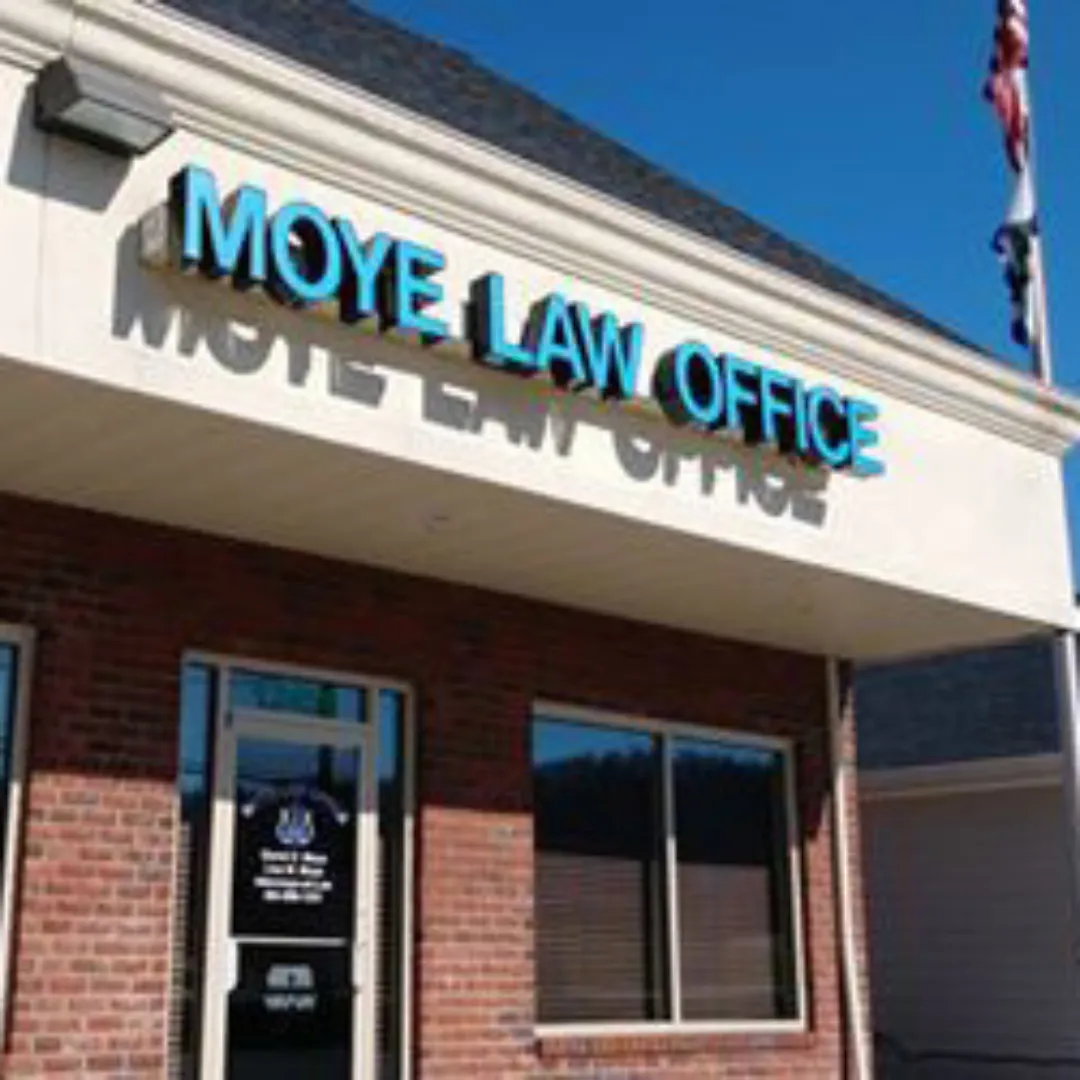
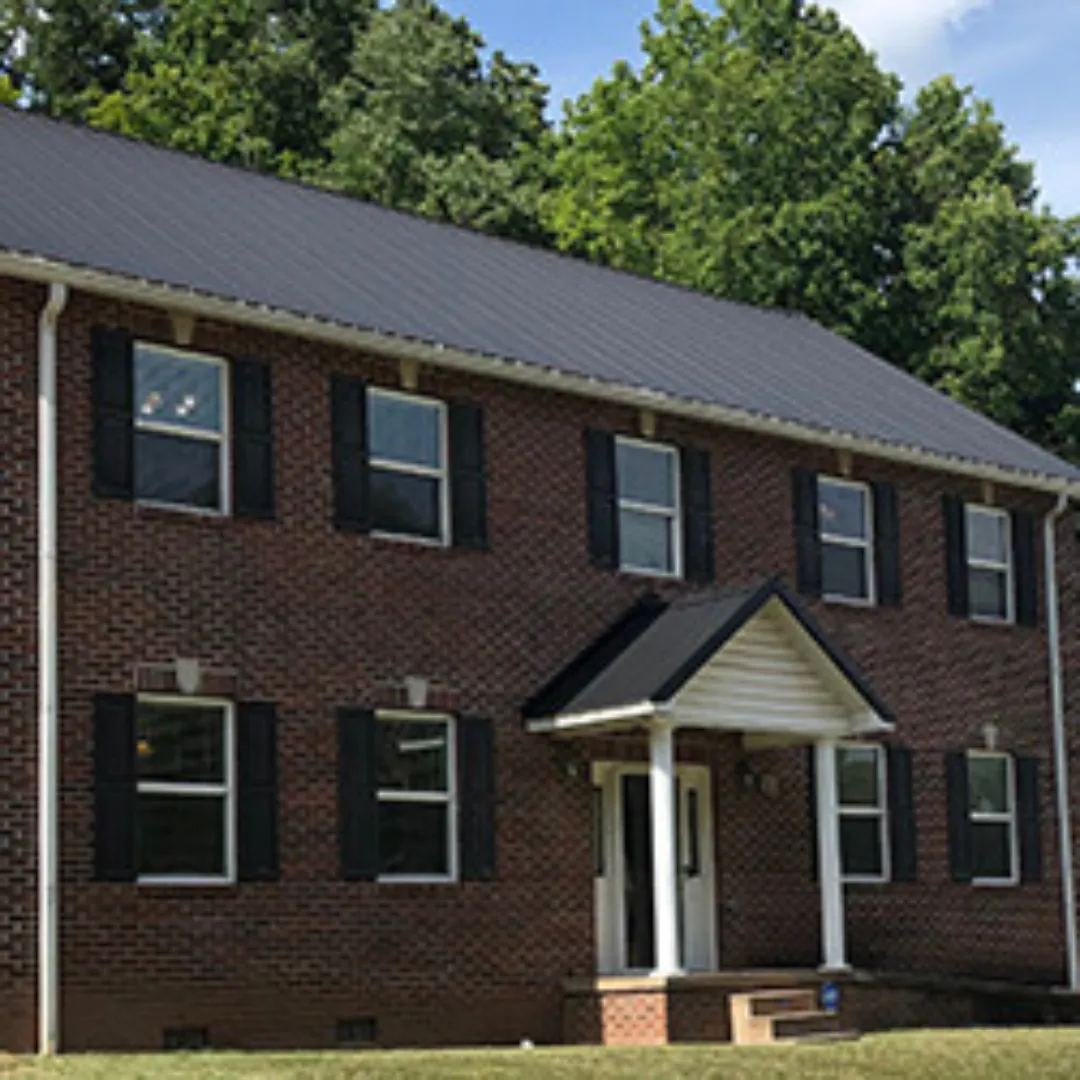
We have two offices in West Virginia: Winfield and Cross Lanes.
CROSS LANES
Secure Your Sale: Real Estate Lawyer in West Virginia
Buying or Selling Property in West Virginia? Why You Need a Real Estate Lawyer for Secure Transactions
Property deals in West Virginia come with layered legal risks—contract contingencies, title defects, lender conditions, and county recording practices—that can delay or derail a closing and expose buyers or sellers to unexpected liability. A qualified real estate lawyer reduces those risks by interpreting contracts, coordinating title research, and representing clients through settlement and dispute resolution, so results are secure and predictable. This guide walks through what a West Virginia real estate attorney does at each stage of a transaction, how counsel prevents delays and disputes, and when to call a lawyer for boundary or title issues. You’ll find practical checklists for contract review, a step‑by‑step closing workflow, common remedies for disputes, market context that affects timing, and clear instructions for scheduling a consultation with MOYE Law Office. We use action-oriented lists, comparison tables, and concise examples to make legal steps clear for buyers, sellers, and investors in Charleston, Winfield, Cross Lanes, and nearby counties.
What Does a West Virginia Real Estate Lawyer Do During Property Transactions?
A West Virginia real estate lawyer manages legal risk across the transaction lifecycle: reviewing and negotiating contracts, ordering and interpreting title searches, coordinating escrow and lender requirements, and representing clients at settlement. That work protects buyers and sellers by spotting unfavorable deed language, uncovering undisclosed liens, and addressing contingencies that could void or delay a sale—then negotiating changes that allocate risk more fairly. Below is a concise checklist of the primary tasks attorneys handle to secure the deal and prevent downstream disputes.
Real estate transaction responsibilities checklist:
Contract review and negotiation: Spot problematic clauses and propose protective edits before you sign.
Title search and defect resolution: Identify liens, encumbrances, or chain‑of‑title gaps and coordinate cures.
Closing representation: Oversee fund disbursement, confirm deed wording, and ensure proper recording.
These core tasks form the foundation of preventive legal work and lead naturally into more detailed actions like clause-by-clause analysis and title insurance evaluation.
Why these distinctions matter: the same contract language can shift significant financial risk depending on how contingencies and remedies are drafted—so granular review before acceptance is essential.
Service TypeWhat’s ReviewedTypical Outcome / BenefitContract reviewContingencies, closing date, remedies, disclosure languageLower litigation risk; clearer timelines and enforceable buyer/seller obligationsTitle search servicesLiens, judgments, easements, prior conveyancesDefects identified and addressed; basis for title insurance coverageClosing representationSettlement statements, deed accuracy, escrow instructionsSmoother funding and recording; verified legal transfer of property
When contract work, title review, and closing oversight are combined, transaction risk falls and settlement becomes more predictable.
How Does Contract Review and Negotiation Protect Buyers and Sellers?
Contract review looks at each clause to assess legal and financial exposure—financing, inspection, appraisal, property condition, and closing date flexibility. Attorneys analyze remedies for breach, timing obligations, and seller disclosures so clients understand the consequences of each commitment and can add protective language where needed.
For buyers, negotiation levers include tightening contingency language, requesting repair credits, or specifying prorations. For sellers, counsel often shortens performance deadlines and limits post‑closing liabilities. For example, vague language like “satisfactory financing” can delay funding and add carrying costs; precise deadlines with defined cure periods allocate responsibility clearly and economically.
Careful drafting and negotiation reduce last‑minute disputes and transition into the next critical area—title examination and insurance.
What Role Does a Lawyer Play in Title Searches and Title Insurance?
A title search reveals recorded matters that affect ownership—liens, mortgages, judgments, recorded easements, and prior conveyances—and an attorney interprets how those issues affect marketable title and closing risk. A lawyer coordinates with local title search services, evaluates whether defects must be cured before closing, and advises on the scope and limits of title insurance. Title insurance protects against many post‑closing losses from covered defects, but it does not replace legal review because exceptions and survey issues can remain; counsel negotiates endorsements or remedies to close residual gaps. Clear interpretation of title search results flows directly into how attorneys manage the closing so funds, documents, and recordings align with the legal transfer.
How Can a Real Estate Lawyer Ensure Smooth Closings in West Virginia?
A real estate lawyer keeps closings smooth by preparing closing documents, confirming title clearance, coordinating escrow and lender conditions, and verifying that deed language and settlement statements match the agreed terms. Attorneys monitor payoff figures, confirm prorations, and stay in direct contact with all parties to avoid last‑minute surprises that can block funding.
Key closing steps:
Pre‑closing review: Verify title clearance, resolve outstanding contingencies, and confirm lender conditions.
Settlement‑day coordination: Manage document signing, verify funds, and execute closing statements.
Post‑closing recording: Ensure the deed is recorded and provide final title updates to confirm the transfer.
These steps set clear responsibilities and timing expectations, and they lead naturally to specific tasks within each step and the common causes of delay counsel prevents.
Introductory note for the roles table: below we compare buyer‑side, seller‑side, and closing counsel responsibilities and show how MOYE Law Office helps mitigate typical closing risks.
Role at ClosingTypical ResponsibilitiesHow Risk Is MitigatedBuyer’s attorneyReview settlement statement, confirm title clearance, represent buyer at signingAdvance title cures, negotiate escrow holdbacks, confirm lender requirements in writingSeller’s attorneyPrepare deed, clear seller conditions, coordinate payoffsDraft precise deed language, arrange lien releases, manage payoff routingClosing agent / title companyDisburse funds, record documents, issue policyCoordinate with counsel on exceptions and endorsements; confirm recording timeline
Clear role assignments and attorney involvement reduce errors and help ensure funds and documents align on settlement day. Next we outline practical closing preparation clients can follow.
What Are the Key Steps in a West Virginia Real Estate Closing?
A typical West Virginia closing begins with a pre‑closing review several days before settlement to verify title, satisfy contingencies, and confirm final settlement figures including lender payoffs and prorations. On settlement day, parties sign documents, funds arrive by wire or certified funds, and the deed and mortgage documents are executed and notarized; the attorney or closing agent then handles recording with the county clerk or recorder. After recording, funds are disbursed and title insurance is finalized if purchased, completing the legal and financial transfer. Knowing these steps helps reduce client stress and points to how counsel prevents common closing issues.
How Does Legal Counsel Prevent Closing Delays and Issues?
Counsel prevents delays by obtaining payoff statements early, confirming lender conditions in writing, and ordering expedited title searches or surveys when easement or metes‑and‑bounds questions arise. Attorneys use contingency checklists, communicate firm deadlines to all parties, and negotiate escrow holdbacks or cure agreements when minor defects remain—avoiding the need to reschedule. Common causes of delay include last‑minute liens, missing signatures from remote sellers, and lender funding problems; proactive legal coordination often resolves these before settlement day. Checklist‑driven workflows shorten closing timelines and lower the risk of cancellations or postponements.
Why Is Legal Assistance Crucial for Resolving Property Disputes in West Virginia?
Property disputes—boundary lines, easements, unreleased liens, and title defects—often require statutory remedies, documentary review, and sometimes litigation or quiet title actions to resolve ownership or use rights. An attorney assesses whether negotiation, mediation, or court action best suits the dispute, prepares demand letters, and files pleadings when necessary to clear title or enforce rights. Early legal involvement preserves evidence, enables injunctive relief when boundaries face imminent harm, and frequently results in settlements that avoid prolonged litigation. Knowing dispute types and remedies helps you decide when to engage counsel and how that engagement can shorten time to resolution and control costs.
Dispute TypeLegal RemedyTypical Resolution Steps / TimeframeBoundary disputeSurvey review; negotiation; quiet title or injunctionSurvey (weeks), negotiation (months), quiet title (6–18 months)Easement conflictNegotiation; reformation; court adjudicationTitle/easement review (weeks), possible litigation (6–12+ months)Unreleased lienDemand for release; lien satisfaction action; lien quietingTitle search and demand (weeks), contested court action (3–12 months)
This table helps you decide when to escalate a dispute and what to expect if litigation becomes necessary. The next section lists typical situations that signal the need for an attorney.
What Common Real Estate Disputes Require Lawyer Intervention?
Common disputes that merit legal representation include conflicting survey lines that affect usable acreage, recorded but unreleased liens that cloud marketable title, and claims from ambiguous deed language or missed seller disclosures. Warning signs that DIY efforts won’t be enough include significant potential monetary exposure, competing recorded instruments, or imminent use conflicts that could cause irreparable harm. An attorney will review documents, hire or coordinate surveyors, send demand letters, and, if needed, file quiet title actions or other proceedings to protect your rights. Early recognition of these signals increases the chance of a cost‑effective resolution.
The following subsection explains how lawyers approach boundary and easement conflicts, beginning with fact‑gathering and surveying.
How Does a Lawyer Help in Boundary and Easement Conflicts?
Lawyers start by compiling title history, recorded plats, and any existing surveys, then commission or review a current boundary survey to compare legal descriptions with physical markers. That factual foundation guides negotiation or litigation strategy. If negotiation fails, counsel may pursue quiet title actions to settle ownership or seek injunctive relief to stop trespass or improper easement use. Attorneys also draft or negotiate formal easement agreements that define rights and responsibilities and can obtain modifications or compensation through settlement. Early legal involvement preserves documentary evidence and ensures remedies align with client objectives.
As a practical note, MOYE Law Office offers local familiarity and in‑house title research to expedite dispute matters, reducing the need to wait on outside vendors. Our local offices and court experience let us coordinate efficiently with surveyors and county recorders when resolving boundary or title problems.
Who Is Lisa M. Moye and What Expertise Does She Bring to West Virginia Real Estate Law?
Lisa M. Moye focuses on Real Estate Law and Wills & Estates and brings courtroom and clerking experience that supports practical strategy and client‑centered representation. Her background as a judicial law clerk and paralegal instructor gives her strong procedural knowledge and an ability to explain complex concepts in plain terms. Those credentials translate to careful contract drafting, skilled negotiation, and dependable handling of closings and disputes—especially in residential and small commercial matters. Her community ties and familiarity with county practices help clients navigate local recording and title quirks efficiently.
The following subsection summarizes Lisa M. Moye’s transactional and estate work with short examples.
What Is Lisa M. Moye’s Experience in Residential and Commercial Property Law?
Lisa M. Moye has handled residential purchases and sales, title resolution matters, and estate‑related conveyances where deed language and probate intersect. Her judicial clerkship experience informs how courts evaluate documentary evidence, which strengthens pre‑litigation negotiation and quiet title strategy. As a paralegal instructor she emphasizes organized documentation and compliance, helping clients present clear evidence and avoid procedural delays. Those combined skills deliver technical accuracy along with plainspoken guidance during stressful real estate matters.
The next subsection explains how the firm’s local focus benefits clients through faster title research and responsive communication.
How Does MOYE Law Office’s Local Community Focus Benefit Clients?
MOYE Law Office has offices in Winfield and Cross Lanes and serves Charleston and surrounding counties, allowing our attorneys to work directly with local recorders, lenders, and surveyors to resolve title and closing issues faster. That local focus brings practical advantages: familiarity with county recording quirks, direct lines for lien releases, and the ability to perform in‑house title research instead of outsourcing—shortening response times. Clients receive community‑oriented representation that values clarity and accessibility throughout transactions and disputes, which helps produce smoother closings and quicker dispute resolution when time is critical.
What Are the Current Trends and Market Insights in West Virginia Real Estate?
Through 2025 many West Virginia counties show modest median price growth and uneven inventory levels that affect negotiation leverage, appraisal risk, and closing timelines. Low‑to‑moderate inventory in certain pockets increases urgency on offers, compressing contingency windows and requiring faster due diligence to avoid losing a property. Understanding local median prices and sales volume helps buyers and sellers set offer strategies, contingency lengths, and financing expectations. These market dynamics shape how attorneys advise on contract deadlines, appraisal contingencies, and risk allocation in purchase agreements.
The next subsection explains how median prices and sales volume change negotiation and closing practices with targeted examples.
How Do Median Home Prices and Sales Volume Affect Property Transactions?
When median prices rise and sales volume grows, buyers face more appraisal risk and may encounter bidding pressure that shortens inspection and financing contingencies—so attorneys recommend precise contingency language and realistic timelines. In slower markets with higher inventory, sellers may offer concessions or accept longer contingency periods, and counsel focuses on limiting post‑contract obligations. Investors use price and volume trends to decide whether to tighten inspection windows or include broader assignment clauses. Transaction strategy should adapt to local market signals.
What Should Buyers and Sellers Know About West Virginia’s Housing Affordability?
West Virginia’s relative affordability versus national averages affects financing choices, the buyer pool, and investor interest, which influences contract terms like appraisal contingencies and financing deadlines. Buyers should be loan‑ready with pre‑approval and documentation to move quickly in competitive areas; sellers should plan for possible financing fall‑throughs and include cure or liquidated‑damages provisions that balance protection with marketability. Rental market trends also affect investors, who must consider tenant demand and local lease transfer rules. Awareness of affordability metrics helps clients and counsel craft realistic contingency and negotiation strategies.
How Can You Schedule a Consultation with a West Virginia Real Estate Lawyer at MOYE Law Office?
Scheduling a consultation with MOYE Law Office is simple: call or email to request an appointment, describe your property matter, and find out what documents to bring. During intake we’ll determine whether your issue is transactional or dispute‑focused, outline likely next steps (such as title research or a survey), and explain our engagement process. Below is what to prepare before the meeting to make the consultation as productive as possible.
Before meeting checklist introduction: gather documents that clarify the property’s legal and financial status so the attorney can assess risk efficiently.
Deed and current title report: Bring the recorded deed and any existing title search or title insurance policy.
Purchase contract or listing agreement: Provide executed contracts or proposed offer language.
Mortgage, payoff, or lien documents: Include lender statements, unpaid liens, or judgments.
Survey or plats: If available, supply recent surveys, easement descriptions, or boundary maps.
These documents help the attorney assess risk quickly and recommend immediate next steps before the consultation description below.
What Should You Prepare Before Meeting a Real Estate Attorney?
To make the consultation productive, organize documents that show chain of title, existing encumbrances, the purchase contract, and any lender or closing correspondence; a clear timeline of events is also helpful. Prepare a short list of the questions you need answered—timelines, likely remedies, fee structure, and whether title insurance or a survey is required—so counsel can address your priorities. Bring digital copies when possible and flag urgent deadlines or upcoming closing dates so we can prioritize actions. Being organized lets the attorney recommend immediate, practical steps like ordering a focused title search or drafting protective contract language.
After you prepare documents, the final subsection explains how to contact the firm and what to include in your initial inquiry.
How to Contact MOYE Law Office for Personalized Real Estate Legal Services?
To request a consultation, email us at info@MoyeLawOffice.com or call +1 304-586-1251 or +1 304-693-2331. Please include a brief summary of the property matter, the property address, and any pressing timelines to speed scheduling. If you can attach the purchase contract, deed, or recent title report, our intake team can provide a faster, more informed initial response and advise on immediate next steps. Expect confirmation of available appointment times and a checklist of documents to bring. Prompt, organized contact helps move from consultation to practical legal protection quickly.
Practical next steps summary: prepare documents, prioritize deadlines, and use the contact channels above to schedule a focused consultation with an attorney who can begin protective measures.
Prepare your documents: Deed, contract, title info, surveys.
Contact the firm: Email or call with property details and timelines.
Attend the consultation: Discuss risks, recommended steps, and engagement terms.
Following these steps ensures a fast, efficient start to legal representation.
Frequently Asked Questions
What are the benefits of hiring a real estate lawyer for first-time homebuyers in West Virginia?
For first‑time buyers, a real estate lawyer provides guidance through complex paperwork, explains your rights and obligations in plain terms, and spots contract issues early. We handle title searches, recommend protective contract language, and negotiate terms that protect your interests. Having legal counsel reduces stress and helps avoid costly mistakes during the purchase process.
How can a real estate lawyer assist with property investment transactions?
For investors, a lawyer conducts focused due diligence—reviewing contracts, zoning and land‑use questions, and potential title problems—and helps structure deals to match financial goals. We negotiate favorable terms, advise on local regulatory compliance, and recommend transaction structures that can improve tax or operational outcomes while protecting your investment.
What should sellers know about legal obligations when selling property in West Virginia?
Sellers must disclose known defects and comply with state disclosure rules. A real estate lawyer helps prepare clear disclosures, drafts enforceable sales contracts, and guides sellers through the closing process to limit liability. Counsel also coordinates payoffs and lien releases so the seller’s obligations are handled correctly at settlement.
What are the common legal issues that arise during real estate transactions?
Common issues include title defects, undisclosed liens, and contract disputes over contingencies or repairs. Title problems can block transfer of ownership; undisclosed liens create unexpected liabilities for buyers; and contract disagreements can derail a sale. An attorney identifies and resolves these issues before they escalate, keeping the transaction on track.
How does a real estate lawyer handle disputes over property boundaries?
For boundary disputes, a lawyer collects surveys and title records, evaluates the legal descriptions, and attempts negotiation or mediation when possible. If needed, we file a quiet title action or seek injunctive relief to establish or protect boundary lines. Our role is to clarify rights and pursue the most efficient path to a durable resolution.
What role does a real estate lawyer play in foreclosure proceedings?
In foreclosure matters, a lawyer reviews loan documents, negotiates with lenders for workout options like modifications or short sales, and represents homeowners in court if foreclosure proceeds. We explain the consequences for credit and future homeownership and seek the best available outcome given the client’s circumstances.
When is it advisable to consult a real estate lawyer during a property transaction?
Consult a real estate lawyer early—before signing any contracts—so potential legal issues can be identified and negotiated up front. Early engagement allows for thorough contract review, timely title work, and faster resolution of problems that could otherwise delay or derail the closing. If disputes arise at any point, having counsel already involved speeds effective response.
Moye Law Offices
We have two offices in West Virginia:
Winfield and Cross Lanes.
CROSS LANES
We Are Here To Help
Do you have a query or problem that you would like to talk about, or are you curious to hear more about how we can help you?
Get in touch today! We look forward to hearing from you.
Assistance Hours
Monday – Friday: 8:30am – 4:30pm
Saturday: By appointment only
Sunday: CLOSED
Subscribe to our Newsletter
We Are Here To Help
Do you have a query or problem that you would like to talk about, or are you curious to hear more about how we can help you?
Get in touch today! We look forward to hearing from you.
Assistance Hours
Monday – Friday 8:30am – 4:30pm
Saturday: By appointment only
Sunday CLOSED