
Blog

Blog
What Every Buyer Needs on Property Title Work and Disputes
What Property Buyers Should Know About Boundary Disputes Before Closing: Essential Legal Guidance
Boundary disputes can affect the cost, timeline, and legal risk of a purchase. They often stem from unclear property lines and can lead to neighbour conflicts or formal claims. This guide summarizes causes, legal options, and practical steps buyers should take before closing to protect their investment and complete a clean transaction.
Boundary Disputes: Essential Information for Property Buyers
Disputes arise when adjacent owners disagree about where one parcel ends and another begins. Causes include unclear or conflicting surveys, changes in land use, and neighbour misunderstandings. Because disputes can affect title, possession, and use, buyers should identify and address boundary issues during due diligence.
Understanding Boundary Disputes
Typical problems include:
Encroachments: Improvements (fences, sheds, landscaping) that cross a boundary.
Disputed Property Lines: Conflicting surveys or historical records.
Easements: Unclear, unrecorded, or contested rights to use part of the land.
Buyers can better understand how these issues affect ownership by reviewing our guide toproperty title work, liens, easements, and boundary issues.
Treat these matters as material to title and value; each may require survey work or legal action to resolve.
Further research examines the theoretical foundations of property boundaries and the surveying and economic factors that influence dispute resolution.
Property Boundary Determination & Dispute Resolution
This interdisciplinary paper, informed by research and practices in neo-institutional economics, property law and land surveying, is an exploratory account of the boundary as (a) the ontological foundation of private property in land and boundary dispute resolution, and (b) as a pre-contractual condition of any Coasian exchange of rights forplannedurban development andspace-relevantinnovations. Under conditions of positive transaction costs according to the third Coase Theorem, with the help of real-life examples, the paper explains the choice of using the courts, instead of the market, as a means of resolving disputes over land boundaries. It does so in terms of two land surveying and three economic reasons. The surveying reasons are historical and cartographical. The economics reasons relate to the price level of land, the transaction costs of enforcing dispute resolutions and the externalities of land boundary determination.
The determination of the “true” property boundary in planned development: a
Coasian analysis, LWC Lai, 2018
Common Issues Encountered

Buyers often see the same core issues (encroachments, disputed lines, and easements). Early detection lets you pursue corrective measures before closing and limits exposure to future claims.
Encroachments: Fences, structures, or landscaping crossing the legal line.
Disputed Property Lines: Conflicting plats or records producing competing claims.
Easements: Undocumented or unclear rights that affect use.
Legal Guidance

Practical legal tools include:
Title records: A title exam reveals recorded claims, easements, and exceptions.
Professional surveys: Licensed surveyors locate boundaries and note encroachments.
Remedies: Negotiation, mediation, or litigation depending on the facts and goals.
Use these tools to assess risk and plan a resolution strategy before closing.
Steps to Resolve Disputes Before Closing
Standard steps buyers should follow:
Conduct a professional survey to establish physical boundaries and document encroachments.
Review title history for deeds, easements, and prior claims.
Engage a real estate attorney for legal analysis and to represent you in negotiations or dispute resolution (real estate attorney).
Completing these steps reduces uncertainty and lowers the risk of post-closing litigation.
What Are Boundary Disputes and How Do They Affect Property Buyers?
Boundary disputes can create legal liability, defence costs, and reduced marketability. They may impede clear possession and complicate refinancing or resale. Evaluate these risks as part of standard due diligence.
Why Is a Property Line Survey Crucial Before Closing?
Surveys help prevent escalation by defining lines, documenting encroachments, and providing evidence for valuation and dispute resolution. Commissioning a survey before closing commonly saves time and expense after purchase.
How Do Property Surveys Help Prevent Boundary Disputes?
Surveys give precise measurements and locate markers so buyers can address discrepancies with neighbours or sellers. They also serve as admissible evidence that strengthens a buyer’s position if formal action is needed.
How Does Title Insurance Protect Against Boundary Claims?
Title insurance can cover certain recorded or discoverable defects, sometimes including boundary claims, and typically helps pay defence costs and covered losses. Review policy exclusions and exceptions to understand coverage.
Ask the title company which boundary-related risks are insured and whether any endorsements are advisable.
What Legal Steps Should Buyers Take to Resolve Boundary Disputes Before Closing?
Recommended legal sequence:
Obtain a professional survey to establish the factual boundary.
Negotiate with neighbours to reach a voluntary agreement when possible.
File a quiet title action if agreement cannot be reached and clear legal title is required.
A methodical process helps protect ownership rights and limits costly surprises after closing.
Recommended Dispute Resolution Methods
Preferred methods are:
Professional boundary survey to establish facts.
Negotiation for a practical, low-cost solution.
Mediation with a neutral facilitator to avoid litigation where feasible.
These approaches are usually faster and less expensive than court action and can preserve neighbour relations.
How Can Moye Law Firm Assist in Boundary Dispute Resolution?
Moye Law Firm handles title matters, ownership issues, and boundary disputes in West Virginia, advising on surveys, title review, negotiation, mediation, and litigation when necessary.
Engaging Moye Law Firm gives buyers practical legal strategies to address disputes and safeguard property interests.
For firm background, see the about us page, consult the FAQs, or contact us to arrange representation.
Frequently Asked Questions
What are the common signs of a boundary dispute?
Visible encroachments (fences, outbuildings), conflicting plats or surveys, frequent neighbour disagreements, and sudden adjacent land-use changes. Note these during inspection and due diligence.
How can I resolve a boundary dispute without going to court?
Many disputes resolve through direct negotiation or mediation. Written agreements that clarify rights and are recorded where appropriate reduce future conflict. Keep documentation of any settlement.
What role does a real estate attorney play in boundary disputes?
An attorney reviews title and surveys, advises on rights and remedies, negotiates on your behalf, and represents you in mediation or litigation when necessary.
Can boundary disputes affect property insurance?
They can. If disputes lead to claims or litigation, insurers may reassess risk, which can affect premiums or coverage. Disclose known disputes and resolve them when possible to avoid complications.
What should I do if I discover a boundary dispute after purchasing a property?
Gather surveys, title records, and other documents and consult a real estate attorney promptly. Depending on facts, you may negotiate, mediate, or sue to protect title; early action reduces exposure.
How can I prevent boundary disputes in the future?
Commission a professional survey before purchase, clearly mark boundaries, communicate with neighbours about planned changes, and record any agreements on easements or use. Maintain written records to reduce future disputes.

Moye Law Offices
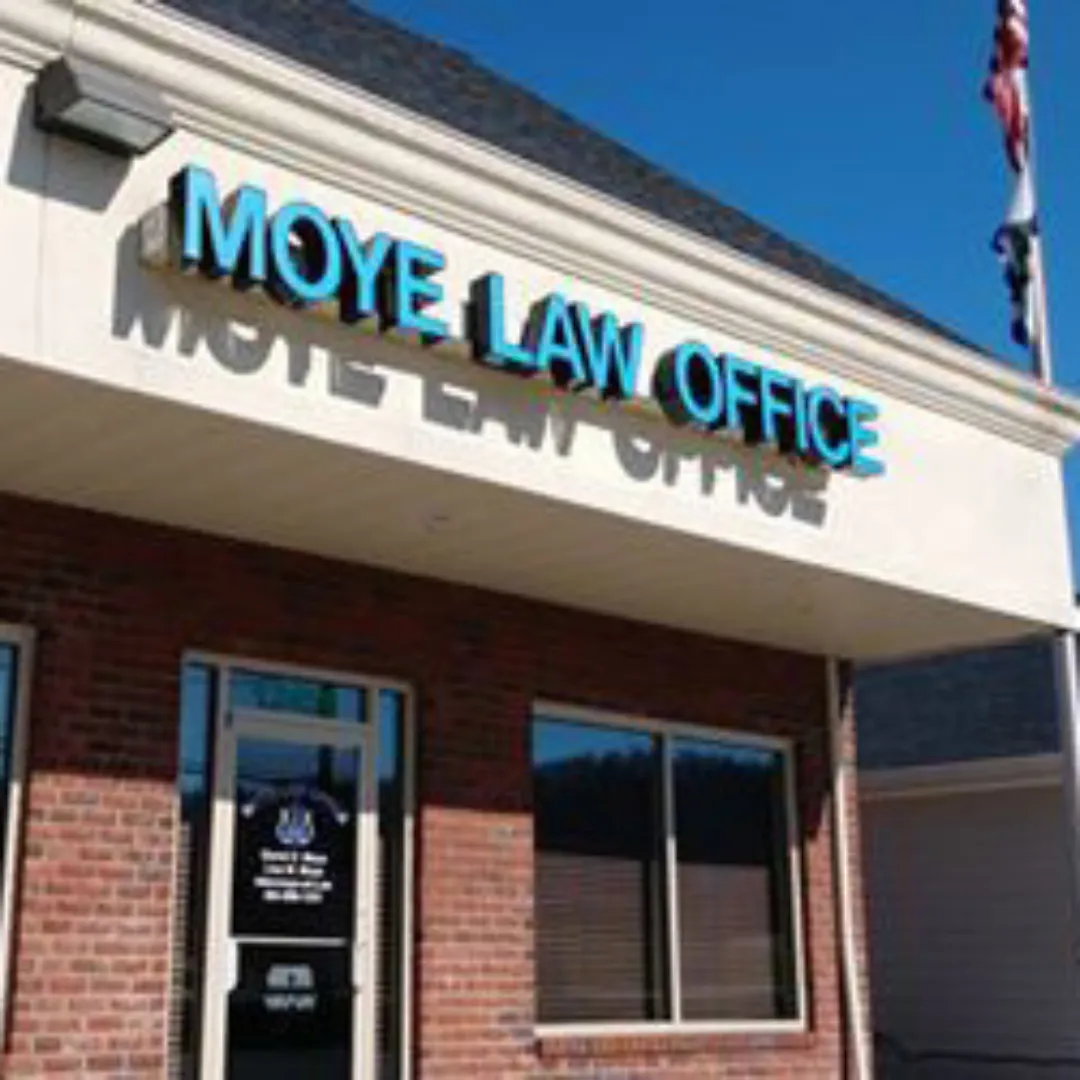
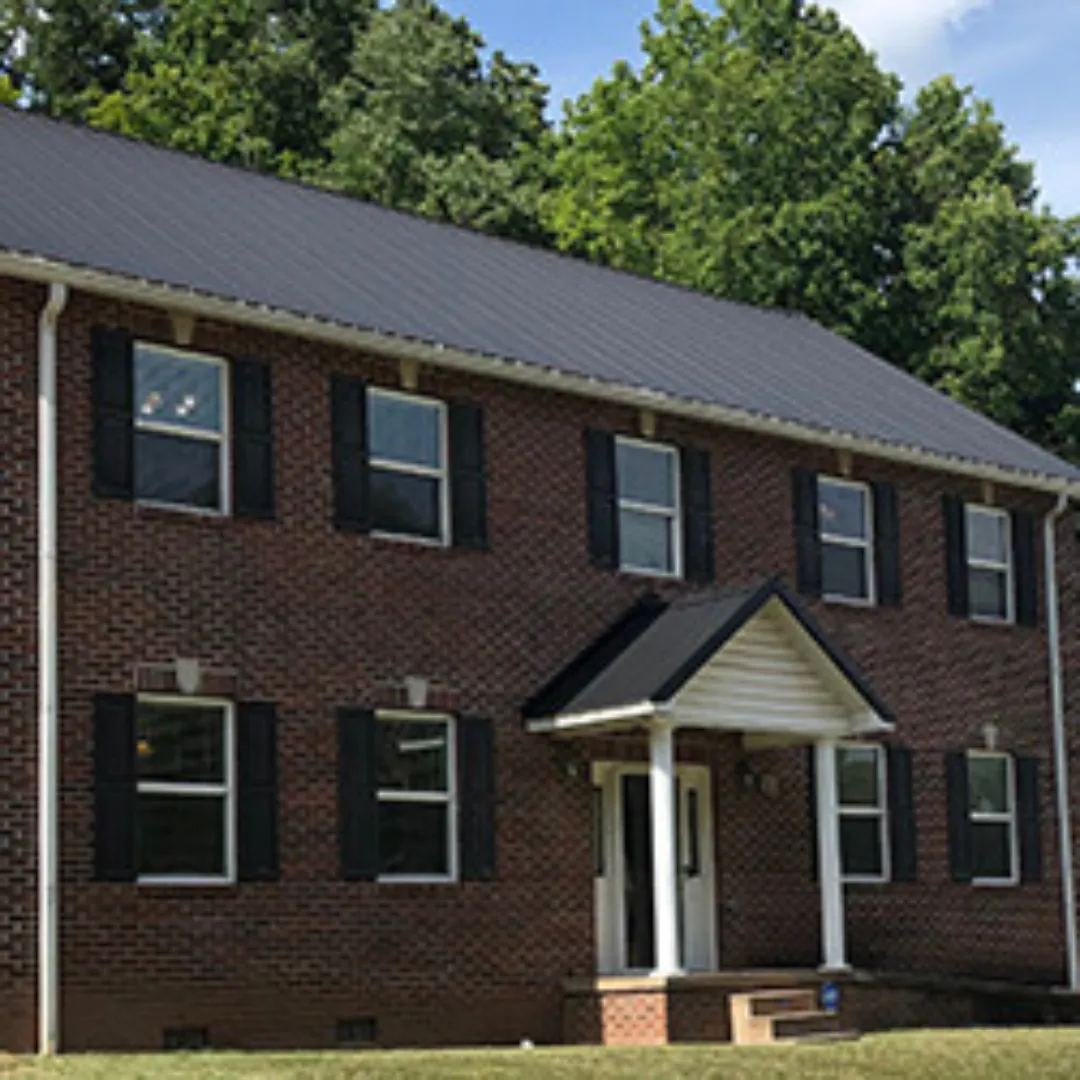
We have two offices in West Virginia: Winfield and Cross Lanes.
CROSS LANES
What Every Buyer Needs on Property Title Work and Disputes
What Property Buyers Should Know About Boundary Disputes Before Closing: Essential Legal Guidance
Boundary disputes can affect the cost, timeline, and legal risk of a purchase. They often stem from unclear property lines and can lead to neighbour conflicts or formal claims. This guide summarizes causes, legal options, and practical steps buyers should take before closing to protect their investment and complete a clean transaction.
Boundary Disputes: Essential Information for Property Buyers
Disputes arise when adjacent owners disagree about where one parcel ends and another begins. Causes include unclear or conflicting surveys, changes in land use, and neighbour misunderstandings. Because disputes can affect title, possession, and use, buyers should identify and address boundary issues during due diligence.
Understanding Boundary Disputes
Typical problems include:
Encroachments: Improvements (fences, sheds, landscaping) that cross a boundary.
Disputed Property Lines: Conflicting surveys or historical records.
Easements: Unclear, unrecorded, or contested rights to use part of the land.
Buyers can better understand how these issues affect ownership by reviewing our guide toproperty title work, liens, easements, and boundary issues.
Treat these matters as material to title and value; each may require survey work or legal action to resolve.
Further research examines the theoretical foundations of property boundaries and the surveying and economic factors that influence dispute resolution.
Property Boundary Determination & Dispute Resolution
This interdisciplinary paper, informed by research and practices in neo-institutional economics, property law and land surveying, is an exploratory account of the boundary as (a) the ontological foundation of private property in land and boundary dispute resolution, and (b) as a pre-contractual condition of any Coasian exchange of rights forplannedurban development andspace-relevantinnovations. Under conditions of positive transaction costs according to the third Coase Theorem, with the help of real-life examples, the paper explains the choice of using the courts, instead of the market, as a means of resolving disputes over land boundaries. It does so in terms of two land surveying and three economic reasons. The surveying reasons are historical and cartographical. The economics reasons relate to the price level of land, the transaction costs of enforcing dispute resolutions and the externalities of land boundary determination.
The determination of the “true” property boundary in planned development: a
Coasian analysis, LWC Lai, 2018
Common Issues Encountered
Buyers often see the same core issues (encroachments, disputed lines, and easements). Early detection lets you pursue corrective measures before closing and limits exposure to future claims.
Encroachments: Fences, structures, or landscaping crossing the legal line.
Disputed Property Lines: Conflicting plats or records producing competing claims.
Easements: Undocumented or unclear rights that affect use.
Legal Guidance
Practical legal tools include:
Title records: A title exam reveals recorded claims, easements, and exceptions.
Professional surveys: Licensed surveyors locate boundaries and note encroachments.
Remedies: Negotiation, mediation, or litigation depending on the facts and goals.
Use these tools to assess risk and plan a resolution strategy before closing.
Steps to Resolve Disputes Before Closing
Standard steps buyers should follow:
Conduct a professional survey to establish physical boundaries and document encroachments.
Review title history for deeds, easements, and prior claims.
Engage a real estate attorney for legal analysis and to represent you in negotiations or dispute resolution (real estate attorney).
Completing these steps reduces uncertainty and lowers the risk of post-closing litigation.
What Are Boundary Disputes and How Do They Affect Property Buyers?
Boundary disputes can create legal liability, defence costs, and reduced marketability. They may impede clear possession and complicate refinancing or resale. Evaluate these risks as part of standard due diligence.
Why Is a Property Line Survey Crucial Before Closing?
Surveys help prevent escalation by defining lines, documenting encroachments, and providing evidence for valuation and dispute resolution. Commissioning a survey before closing commonly saves time and expense after purchase.
How Do Property Surveys Help Prevent Boundary Disputes?
Surveys give precise measurements and locate markers so buyers can address discrepancies with neighbours or sellers. They also serve as admissible evidence that strengthens a buyer’s position if formal action is needed.
How Does Title Insurance Protect Against Boundary Claims?
Title insurance can cover certain recorded or discoverable defects, sometimes including boundary claims, and typically helps pay defence costs and covered losses. Review policy exclusions and exceptions to understand coverage.
Ask the title company which boundary-related risks are insured and whether any endorsements are advisable.
What Legal Steps Should Buyers Take to Resolve Boundary Disputes Before Closing?
Recommended legal sequence:
Obtain a professional survey to establish the factual boundary.
Negotiate with neighbours to reach a voluntary agreement when possible.
File a quiet title action if agreement cannot be reached and clear legal title is required.
A methodical process helps protect ownership rights and limits costly surprises after closing.
Recommended Dispute Resolution Methods
Preferred methods are:
Professional boundary survey to establish facts.
Negotiation for a practical, low-cost solution.
Mediation with a neutral facilitator to avoid litigation where feasible.
These approaches are usually faster and less expensive than court action and can preserve neighbour relations.
How Can Moye Law Firm Assist in Boundary Dispute Resolution?
Moye Law Firm handles title matters, ownership issues, and boundary disputes in West Virginia, advising on surveys, title review, negotiation, mediation, and litigation when necessary.
Engaging Moye Law Firm gives buyers practical legal strategies to address disputes and safeguard property interests.
For firm background, see the about us page, consult the FAQs, or contact us to arrange representation.
Frequently Asked Questions
What are the common signs of a boundary dispute?
Visible encroachments (fences, outbuildings), conflicting plats or surveys, frequent neighbour disagreements, and sudden adjacent land-use changes. Note these during inspection and due diligence.
How can I resolve a boundary dispute without going to court?
Many disputes resolve through direct negotiation or mediation. Written agreements that clarify rights and are recorded where appropriate reduce future conflict. Keep documentation of any settlement.
What role does a real estate attorney play in boundary disputes?
An attorney reviews title and surveys, advises on rights and remedies, negotiates on your behalf, and represents you in mediation or litigation when necessary.
Can boundary disputes affect property insurance?
They can. If disputes lead to claims or litigation, insurers may reassess risk, which can affect premiums or coverage. Disclose known disputes and resolve them when possible to avoid complications.
What should I do if I discover a boundary dispute after purchasing a property?
Gather surveys, title records, and other documents and consult a real estate attorney promptly. Depending on facts, you may negotiate, mediate, or sue to protect title; early action reduces exposure.
How can I prevent boundary disputes in the future?
Commission a professional survey before purchase, clearly mark boundaries, communicate with neighbours about planned changes, and record any agreements on easements or use. Maintain written records to reduce future disputes.
Moye Law Offices
We have two offices in West Virginia:
Winfield and Cross Lanes.
CROSS LANES
We Are Here To Help
Do you have a query or problem that you would like to talk about, or are you curious to hear more about how we can help you?
Get in touch today! We look forward to hearing from you.
Assistance Hours
Monday – Friday: 8:30am – 4:30pm
Saturday: By appointment only
Sunday: CLOSED
Subscribe to our Newsletter
We Are Here To Help
Do you have a query or problem that you would like to talk about, or are you curious to hear more about how we can help you?
Get in touch today! We look forward to hearing from you.
Assistance Hours
Monday – Friday 8:30am – 4:30pm
Saturday: By appointment only
Sunday CLOSED