
Blog

Blog

Red Flags Found During Property Title Work in West Virginia
Red Flags Found During Property Title Work in West Virginia: Identifying and Addressing Title Defects
Property title work in West Virginia presents complex issues that may jeopardize ownership rights. Recognizing common title defects is essential for parties to real estate transactions. This article describes prevalent defects, methods to identify and address them, and legal remedies to protect your investment. It outlines prevention strategies and when to consult a qualified real estate attorney.
Common Title Defects in West Virginia

Title defects arise from varied sources and can complicate ownership. Common defects include liens, undisclosed heirs, boundary discrepancies, clerical errors, and fraudulent deeds. Each can materially affect ownership and may require legal intervention to resolve.
Liens
Liens are legal encumbrances created by unpaid obligations that attach to property and can deter buyers or impede sales. Common types include mortgage liens, tax liens, and mechanic's liens. Resolution typically requires negotiating with the lienholder or satisfying the debt to clear the title.
Undisclosed Heirs
Undisclosed heirs threaten clear title when heirs of a deceased owner are not revealed during a title search. Such heirs may later assert ownership and trigger probate proceedings, which are often protracted and costly. A common remedy is a quiet title action to establish rightful ownership and extinguish competing claims.
Boundary Discrepancies and Easements
Boundary discrepancies often stem from inaccurate surveys or historical legal descriptions and may produce disputes with neighbours over lines and easements. For a deeper breakdown of how liens, easements, and boundary issues affect ownership, review our guide to property title work explainedResolving these disputes commonly requires obtaining a new survey, negotiating easement agreements, or pursuing legal resolution. Understanding the legal consequences is essential to protect property rights.
Clerical Errors
Clerical errors in public records—such as misspelled names, incorrect legal descriptions, or missing documents—can cloud title and complicate transactions. Corrective measures typically include filing a corrective deed or obtaining a court order to amend the official record.
Fraudulent or Forged Deeds
Fraudulent or forged deeds can transfer title without the owner’s consent and severely impair ownership. Detecting fraud requires a thorough title examination and close scrutiny of documents. If fraud is suspected, commence prompt legal action to contest the transfer and restore title.
Steps to Identify and Address Title Defects
Key steps to secure a clear title include these procedural actions.
Conducting a Title Search: A comprehensive title search reveals any existing defects or claims against the property and is crucial for identifying potential issues before closing.
Reviewing County Records: Examining county records can provide additional insights into the property's history, including previous ownership and any recorded liens or easements.
Engaging Legal Assistance: Consulting with a qualified real estate lawyer helps navigate complex title issues and provides guidance on resolving defects effectively.
For assistance with title work, Moye Law Firm provides comprehensive real estate services, including title review and title search support.
Legal Remedies

Once a title defect is identified, several legal remedies can address the issue. Understanding these options is necessary to protect property rights.
Quiet Title Actions: This legal process establishes clear ownership by resolving disputes over property claims and is often used to eliminate clouds on the title caused by liens or undisclosed heirs.
Corrective Deeds: If clerical errors are identified, filing a corrective deed can rectify mistakes in public records so the title accurately reflects ownership.
Negotiating Lien Satisfactions: In cases of liens, negotiating with lienholders to satisfy the debt can clear the title and facilitate a smoother transaction.
Legal RemedyDescriptionImpact LevelQuiet Title ActionsResolves disputes over property claimsHighCorrective DeedsRectifies clerical errors in public recordsMediumNegotiating Lien SatisfactionsClears liens by satisfying debtsHigh
These remedies offer structured paths to resolve defects and secure clear ownership.
For additional guidance, Moye Law Firm provides a comprehensive FAQ on common legal questions.
Preventing Future Title Issues
To reduce the risk of future title issues, adopt the following measures:
Maintaining Accurate Records: Keeping detailed records of property transactions can help prevent disputes and clarify ownership.
Regular Title Reviews: Periodically reviewing the title can identify potential issues before they escalate, ensuring ongoing clarity of ownership.
Engaging a Real Estate Attorney: Consulting with a qualified real estate attorney provides valuable insights and guidance on maintaining a clear title.
These proactive measures help property owners safeguard investments and minimize the risk of future title defects.
If you are interested in learning more about our firm and our team, visit our About Us page.
Frequently Asked Questions
What should I do if I discover a title defect after purchasing a property?
If you discover a title defect after purchase, act promptly. Consult a qualified real estate attorney to assess the matter and recommend action. Remedies may include a quiet title action or negotiation with lienholders, depending on the defect. Preserve all documents and communications to support your claim.
How can I prevent title defects before buying a property?
Before purchase, conduct a thorough title search and review county records to identify existing claims. Engage a reputable title company or real estate lawyer for additional assurance. Obtain title insurance to protect against later claims or defects. These steps promote a smoother transaction and safeguard your investment.
What is title insurance, and do I need it?
Title insurance protects buyers and lenders from financial loss caused by title defects, including undisclosed liens, fraud, and clerical errors that surface after closing. It is optional but strongly recommended. The policy is purchased by a one-time premium at closing and provides financial protection against covered claims.
How long does it take to resolve title defects?
Resolution time varies with issue complexity. Clerical corrections may be resolved within weeks; disputes involving undisclosed heirs or boundary discrepancies can take months or longer. Retaining a qualified real estate attorney can expedite the process through expert guidance and negotiation.
Can I sell a property with a title defect?
Selling a property with a title defect is possible but complicates the sale. Buyers may be reluctant and lenders may decline financing. Where feasible, resolve defects before listing. If resolution is not immediate, fully disclose the defect and explain planned remedies to maintain transparency.
What are the costs associated with resolving title defects?
Costs vary by issue. Expect legal fees for an attorney, expenses for additional title searches, and filing fees for corrective deeds or quiet title actions. Payments to satisfy liens will also increase costs. Budget for these potential expenses when addressing title defects.

Moye Law Offices
We have two offices in West Virginia: Winfield and Cross Lanes.
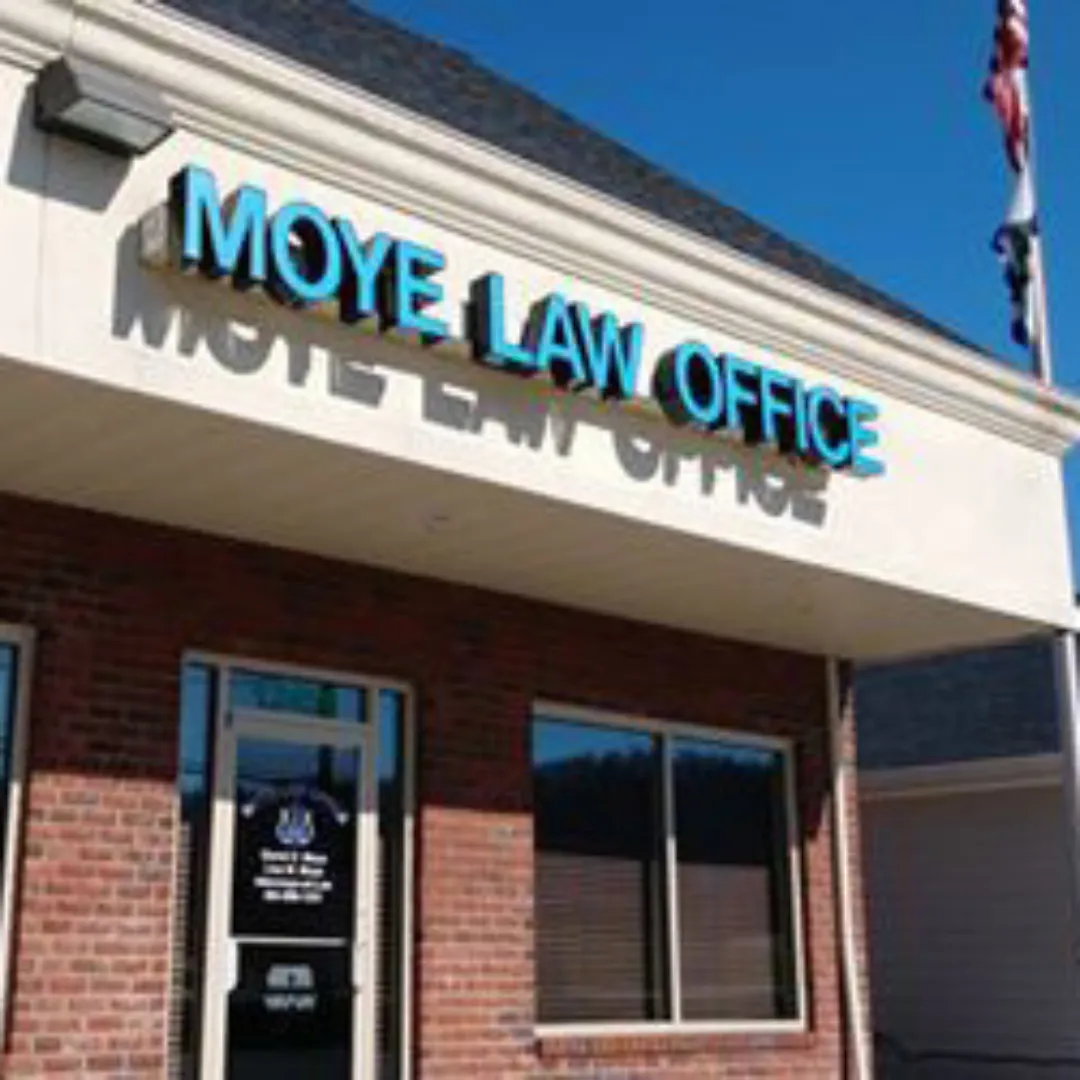
CROSS LANES
Red Flags Found During Property Title Work in West Virginia
Red Flags Found During Property Title Work in West Virginia: Identifying and Addressing Title Defects
Property title work in West Virginia presents complex issues that may jeopardize ownership rights. Recognizing common title defects is essential for parties to real estate transactions. This article describes prevalent defects, methods to identify and address them, and legal remedies to protect your investment. It outlines prevention strategies and when to consult a qualified real estate attorney.
Common Title Defects in West Virginia
Title defects arise from varied sources and can complicate ownership. Common defects include liens, undisclosed heirs, boundary discrepancies, clerical errors, and fraudulent deeds. Each can materially affect ownership and may require legal intervention to resolve.
Liens
Liens are legal encumbrances created by unpaid obligations that attach to property and can deter buyers or impede sales. Common types include mortgage liens, tax liens, and mechanic's liens. Resolution typically requires negotiating with the lienholder or satisfying the debt to clear the title.
Undisclosed Heirs
Undisclosed heirs threaten clear title when heirs of a deceased owner are not revealed during a title search. Such heirs may later assert ownership and trigger probate proceedings, which are often protracted and costly. A common remedy is a quiet title action to establish rightful ownership and extinguish competing claims.
Boundary Discrepancies and Easements
Boundary discrepancies often stem from inaccurate surveys or historical legal descriptions and may produce disputes with neighbours over lines and easements. For a deeper breakdown of how liens, easements, and boundary issues affect ownership, review our guide to property title work explainedResolving these disputes commonly requires obtaining a new survey, negotiating easement agreements, or pursuing legal resolution. Understanding the legal consequences is essential to protect property rights.
Clerical Errors
Clerical errors in public records—such as misspelled names, incorrect legal descriptions, or missing documents—can cloud title and complicate transactions. Corrective measures typically include filing a corrective deed or obtaining a court order to amend the official record.
Fraudulent or Forged Deeds
Fraudulent or forged deeds can transfer title without the owner’s consent and severely impair ownership. Detecting fraud requires a thorough title examination and close scrutiny of documents. If fraud is suspected, commence prompt legal action to contest the transfer and restore title.
Steps to Identify and Address Title Defects
Key steps to secure a clear title include these procedural actions.
Conducting a Title Search: A comprehensive title search reveals any existing defects or claims against the property and is crucial for identifying potential issues before closing.
Reviewing County Records: Examining county records can provide additional insights into the property's history, including previous ownership and any recorded liens or easements.
Engaging Legal Assistance: Consulting with a qualified real estate lawyer helps navigate complex title issues and provides guidance on resolving defects effectively.
For assistance with title work, Moye Law Firm provides comprehensive real estate services, including title review and title search support.
Legal Remedies
Once a title defect is identified, several legal remedies can address the issue. Understanding these options is necessary to protect property rights.
Quiet Title Actions: This legal process establishes clear ownership by resolving disputes over property claims and is often used to eliminate clouds on the title caused by liens or undisclosed heirs.
Corrective Deeds: If clerical errors are identified, filing a corrective deed can rectify mistakes in public records so the title accurately reflects ownership.
Negotiating Lien Satisfactions: In cases of liens, negotiating with lienholders to satisfy the debt can clear the title and facilitate a smoother transaction.
Legal RemedyDescriptionImpact LevelQuiet Title ActionsResolves disputes over property claimsHighCorrective DeedsRectifies clerical errors in public recordsMediumNegotiating Lien SatisfactionsClears liens by satisfying debtsHigh
These remedies offer structured paths to resolve defects and secure clear ownership.
For additional guidance, Moye Law Firm provides a comprehensive FAQ on common legal questions.
Preventing Future Title Issues
To reduce the risk of future title issues, adopt the following measures:
Maintaining Accurate Records: Keeping detailed records of property transactions can help prevent disputes and clarify ownership.
Regular Title Reviews: Periodically reviewing the title can identify potential issues before they escalate, ensuring ongoing clarity of ownership.
Engaging a Real Estate Attorney: Consulting with a qualified real estate attorney provides valuable insights and guidance on maintaining a clear title.
These proactive measures help property owners safeguard investments and minimize the risk of future title defects.
If you are interested in learning more about our firm and our team, visit our About Us page.
Frequently Asked Questions
What should I do if I discover a title defect after purchasing a property?
If you discover a title defect after purchase, act promptly. Consult a qualified real estate attorney to assess the matter and recommend action. Remedies may include a quiet title action or negotiation with lienholders, depending on the defect. Preserve all documents and communications to support your claim.
How can I prevent title defects before buying a property?
Before purchase, conduct a thorough title search and review county records to identify existing claims. Engage a reputable title company or real estate lawyer for additional assurance. Obtain title insurance to protect against later claims or defects. These steps promote a smoother transaction and safeguard your investment.
What is title insurance, and do I need it?
Title insurance protects buyers and lenders from financial loss caused by title defects, including undisclosed liens, fraud, and clerical errors that surface after closing. It is optional but strongly recommended. The policy is purchased by a one-time premium at closing and provides financial protection against covered claims.
How long does it take to resolve title defects?
Resolution time varies with issue complexity. Clerical corrections may be resolved within weeks; disputes involving undisclosed heirs or boundary discrepancies can take months or longer. Retaining a qualified real estate attorney can expedite the process through expert guidance and negotiation.
Can I sell a property with a title defect?
Selling a property with a title defect is possible but complicates the sale. Buyers may be reluctant and lenders may decline financing. Where feasible, resolve defects before listing. If resolution is not immediate, fully disclose the defect and explain planned remedies to maintain transparency.
What are the costs associated with resolving title defects?
Costs vary by issue. Expect legal fees for an attorney, expenses for additional title searches, and filing fees for corrective deeds or quiet title actions. Payments to satisfy liens will also increase costs. Budget for these potential expenses when addressing title defects.
Moye Law Offices
We have two offices in West Virginia:
Winfield and Cross Lanes.
CROSS LANES
We Are Here To Help
Do you have a query or problem that you would like to talk about, or are you curious to hear more about how we can help you?
Get in touch today! We look forward to hearing from you.
Assistance Hours
Monday – Friday: 8:30am – 4:30pm
Saturday: By appointment only
Sunday: CLOSED
Subscribe to our Newsletter
We Are Here To Help
Do you have a query or problem that you would like to talk about, or are you curious to hear more about how we can help you?
Get in touch today! We look forward to hearing from you.
Assistance Hours
Monday – Friday 8:30am – 4:30pm
Saturday: By appointment only
Sunday CLOSED