Blog
Blog

What Happens If a Title Search Reveals Old Liens?
What Happens If a Title Search Reveals Old Liens on Property: Legal and Financial Implications
Finding old liens in a title search creates legal and financial obligations for owners and prospective buyers. A lien is a recorded claim against property that secures repayment of a debt. Understanding a lien's type and scope is essential—especially in West Virginia, where local rules and market conditions influence resolution. This article explains how liens are identified, common types you may encounter, the parties responsible, and practical steps to secure clear title.
What Is an Old Lien and How Does It Affect Property Ownership?
An old lien is a recorded claim against real estate arising from unpaid obligations such as taxes, contractor charges, or court judgments. Liens can impair title, reduce market value and expose the owner to enforcement actions, including foreclosure. For buyers, recorded liens are potential liabilities that may transfer with the property unless cleared by agreement. Clearing liens is necessary to obtain full, marketable ownership. Moreover, old liens can linger unnoticed for years, potentially disrupting resale, refinancing, or home equity borrowing opportunities. Awareness and early intervention are critical to protect equity and prevent costly legal complications.
How Are Old Liens Identified Through a Title Search?
A title search reviews public records to locate liens and other encumbrances on a property. Searchers examine deeds, mortgages, judgments, tax rolls and related filings in county offices and electronic databases. A thorough search reduces the risk a recorded lien will be missed and prevents unexpected financial exposure for purchasers or new owners. Advanced title searches may also include examining subsidiary indexes, bankruptcy records, and municipal filings that can reveal hidden or layered liens. Increasingly, digital records make such comprehensive searches more efficient but require expert interpretation to ensure all relevant liens are identified.
What Types of Old Liens Commonly Affect West Virginia Properties?
In West Virginia, common recorded liens include mortgage liens, tax liens, mechanic’s liens and judgment liens. Each arises from different obligations and follows distinct priority and enforcement rules under state law.
Mortgage Liens: Typically arise from loans secured by the property, which must be paid off for transfer.
Tax Liens: Imposed by the government for unpaid property taxes; unresolved tax liens can lead to sale of the property.
Mechanic's Liens: Claimed by contractors or service providers for unpaid work on the property.
Judgment Liens: Result from court judgments where the debtor has not paid.
Knowing these categories helps buyers and owners assess risk and plan resolution steps before completing a transaction. Additional liens can sometimes appear, such as homeowner association liens, zoning or code violation liens, and environmental liens related to property contamination. Each type has unique statutory periods, priority rules, and potential remedies that must be understood to navigate resolution effectively.
What Are the Legal Consequences of Discovering Old Liens on a Property?

Discovering an old lien can trigger enforcement actions that threaten ownership, including foreclosure by a secured creditor. Liens complicate sales: sellers must disclose recorded encumbrances, and undisclosed liens can produce post-closing disputes or litigation over who bears the debt. Early identification and legal action help limit exposure and support negotiated outcomes. Additionally, liens may affect creditworthiness and borrowing capacity. They can remain as public records affecting reputation and financial standing. In some cases, failure to clear a lien can cause loss of rights in bankruptcy or limit the ability to use the property as collateral for future loans, amplifying the importance of thorough due diligence.
The Moye Law Firm provides specialised West Virginia real estate services, including title review and lien resolution, to help clients understand options when liens exist.
How Can Old Liens Impact Property Sale and Transfer?
Old liens can deter buyers and prevent clear title conveyance until resolved. Sellers typically must clear liens to satisfy closing requirements; unresolved claims can delay or derail a transaction.
Different lien types affect transactions in distinct ways. Here’s how they compare:
Type of LienImpact on TransactionsResolution StrategiesMortgage LienMust be settled to transfer ownershipPay off the loan, refinance, or negotiateTax LienCan lead to tax foreclosure if unresolvedPayment plans or negotiation with the tax authorityMechanic's LienMay prevent sale until paidWork with contractors for payment arrangementsJudgment LienRequires resolution to clear titleLegal action or settlement negotiations
This comparison shows how each lien type can affect closing and why resolving encumbrances before finalising a sale is important. In some situations, sellers might obtain lien payoffs or escrow holdbacks to assure buyers funds will be used to clear liens. Understanding lien priority and timing can enable strategic negotiation, such as using lien satisfaction to unlock partial sale proceeds or configure financing options.
Who Is Responsible for Paying Off Old Liens at Closing?
Typically, the seller satisfies recorded liens at closing so the buyer receives clear title. Parties can agree in writing for the buyer to assume specific liabilities as part of negotiated terms. Determining responsibility early prevents last-minute delays and clarifies closing-cost allocation. Moreover, contracts often include indemnity provisions allocating risk for undisclosed liens. Buyers may request escrow accounts or title insurance endorsements to protect against unknown or future lien claims, providing additional security to both parties.
What Is the Process to Clear Old Liens Found in a Title Search in West Virginia?
Clearing liens after a title search follows a structured process to remove encumbrances from public records and restore marketable title.
Identification: Locate all existing liens through a thorough title search.
Consultation: Engage legal professionals to review implications and options.
Negotiation: Negotiate with lienholders to settle outstanding debts.
Documentation: Prepare and file documents to clear liens from public records.
These steps ensure lien issues are handled systematically and reduce the risk of lingering encumbrances after closing. Additional administrative steps can include obtaining lien releases, satisfactions, or certificates of discharge from county clerks or recording offices. Timelines for removal can vary, and legal counsel helps navigate complex situations such as disputed liens, invalid claims, or multi-party interests.
What Are the Step-by-Step Legal Procedures for Lien Removal?
Removing a lien requires a tailored review and formal actions based on the lien type and jurisdiction.
Assessment: Review the lien to confirm validity and the amount owed.
Negotiation: Contact lienholders to discuss payment or settlement options.
Settlement: Make required payments to satisfy the lien, which may include negotiating reduced amounts.
Documentation: File proofs of payment and request the lien's release from public records.
Assessment, negotiation, payment and recordation secure clear title and document the release for future transactions. In contested cases, litigation may be necessary to remove invalid liens or those improperly recorded. Enforcement of procedural safeguards and adherence to statutory deadlines is critical to avoid prolonged encumbrances that could impair use or sale of the property.
How Can a Real Estate Attorney Assist in Resolving Old Liens?
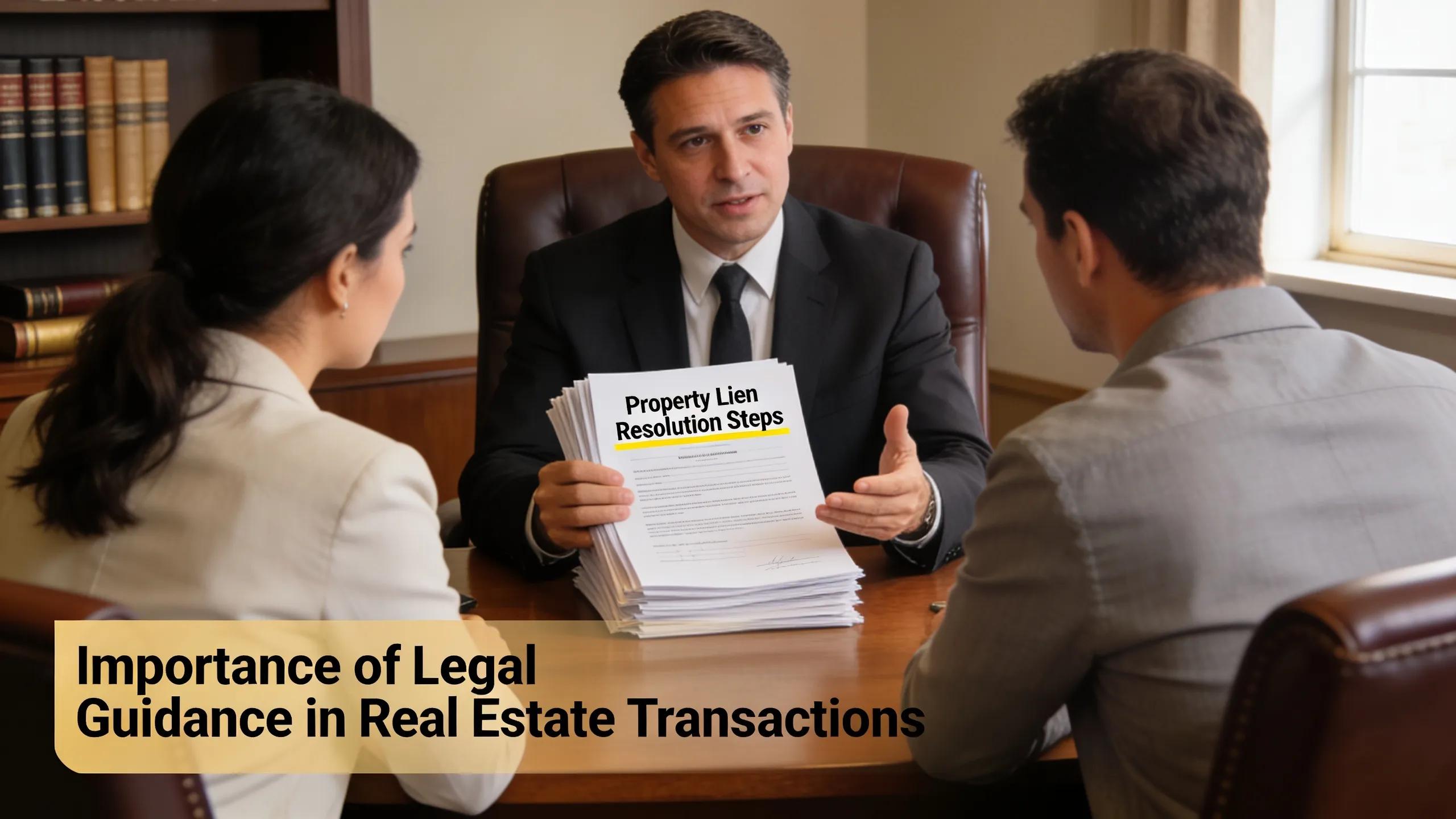
A real estate attorney evaluates a lien’s validity, advises on statutory priorities and deadlines, and pursues negotiated or court-based solutions to remove encumbrances.
Initial Evaluation: Determine lien validity and advise on next steps.
Negotiation Tactics: Use strategies to negotiate with lienholders for better terms.
Legal Documentation: Draft and file documents required for lien release and compliance.
Working with experienced counsel, such as the Moye Law Firm, strengthens negotiation positions, ensures correct filings and helps limit liability during transactions. Attorneys can also assist with drafting indemnities, coordinating with title insurers, and representing clients in contested lien disputes, providing comprehensive support tailored to complex property matters.
What Financial Risks and Protective Measures Should Property Owners Consider Regarding Old Liens?
Failing to address old liens exposes owners to foreclosure, reduced marketability and liability for unpaid debts. Proactive measures mitigate these risks and help preserve property value.
Regular Title Searches: Perform periodic checks to identify newly recorded liens.
Title Insurance: Obtain insurance to protect against losses from undisclosed liens or title defects.
Legal Counsel: Consult legal experts to understand obligations and protect interests.
These protections reduce the likelihood of unexpected claims and support smoother transactions. Additionally, maintaining clear communication with contractors, lenders, and tax authorities can prevent liens from arising. Timely payment of property-related obligations and early intervention upon notifications of default further safeguard property interests. For assistance with lien issues, please contact us.
What Are the Potential Financial Consequences of Ignoring Old Liens?
Ignoring old liens can lead to enforcement actions by creditors, including foreclosure, court judgments and diminished resale value. Lenders may decline financing on encumbered property, limiting buyer options. Prompt resolution is essential to prevent escalating financial harm. Prolonged unpaid liens may lead to accrual of interest and penalties, further increasing debt burdens. Ultimately, unresolved liens can result in forced sale, loss of equity, and damage to credit ratings, affecting both current ownership and future financial activities.
How Does Title Insurance Help Protect Against Liens on Property?
Title insurance protects owners and lenders against financial loss from covered title defects, including certain undisclosed liens. It can cover defence costs and, where applicable, compensate for covered losses arising from claims after purchase, providing a practical layer of protection. Many policies include endorsements or coverage extensions that address mechanic’s liens or tax liens discovered after closing, enhancing buyer security. Carefully reviewing policy terms and exceptions ensures appropriate protection in relation to known or potential lien exposures.
This summary underscores the material effect old liens can have on ownership and exposure, and the importance of addressing encumbrances before completing a transaction.
If you face lien-related legal issues or require clarification on property law, review our about us page to learn more about our experience and services.
Frequently Asked Questions
What steps should I take if I discover an old lien on my property?
Verify the lien in public records to confirm scope and validity. Consult a real estate attorney to evaluate options and negotiate with the lienholder. If you settle, document agreements and payments and ensure the lienholder files a recorded release. Additionally, confirm satisfaction is properly recorded with the county to prevent future claims or confusion.
How long do old liens remain on a property?
Liens generally remain until they are satisfied, released or otherwise extinguished under applicable law. Duration varies by lien type and local statutes; tax liens and judgment liens follow different timelines. Check West Virginia statutes or consult counsel for specifics. Some liens may be subject to expiration or adverse possession rules, but actual removal often requires formal discharge procedures.
Can liens be attached to a property after it has changed hands?
Yes. If debts persist or were not resolved at closing, liens can affect the property after transfer and may bind the new owner, particularly where disclosure or title clearance failed. Due diligence and title insurance reduce this risk. Furthermore, successors-in-interest may be liable for certain liens depending on local law and contractual terms, underscoring the importance of comprehensive pre-purchase investigations.
What rights do lienholders have if old liens remain unpaid?
Lienholders often have enforcement rights that may include foreclosure or execution to recover debts. They can also record additional encumbrances that impair marketability. Prompt legal action to contest or resolve a lien is advisable to protect ownership. Some lienholders may be willing to negotiate settlements to avoid costly litigation or forced sales, making early communication beneficial.
What role does title insurance play in protecting against old liens?
Title insurance provides coverage against certain undisclosed or defect-related claims, including some lien issues, subject to policy terms and exceptions. It can cover defence costs and compensate insured losses for covered claims, making it a valuable risk-management tool. Some policies cover only defects that existed at policy issuance, so proactive lien resolution complements insurance protection effectively.
Are there any differences in managing liens between residential and commercial properties?
Yes. Commercial transactions often involve complex financing and larger claims, affecting lien priority and negotiation strategies. Residential matters usually follow more standard procedures. Use advisors experienced in the property type for appropriate tactics. Commercial liens may also involve mechanics’ or materialmen’s liens with stricter filing requirements, requiring careful compliance and record-keeping.
How can I negotiate with lienholders to settle old liens?
Assemble documentation that establishes the lien amount and validity. Offer a clear settlement proposal—either a lump-sum or payment plan—and be prepared to justify it. Negotiations are more effective with legal counsel who can formalise agreements and secure a recorded release upon payment. Consider leveraging financial hardship, timing, or competitive offers to reach favorable terms and minimize costs.

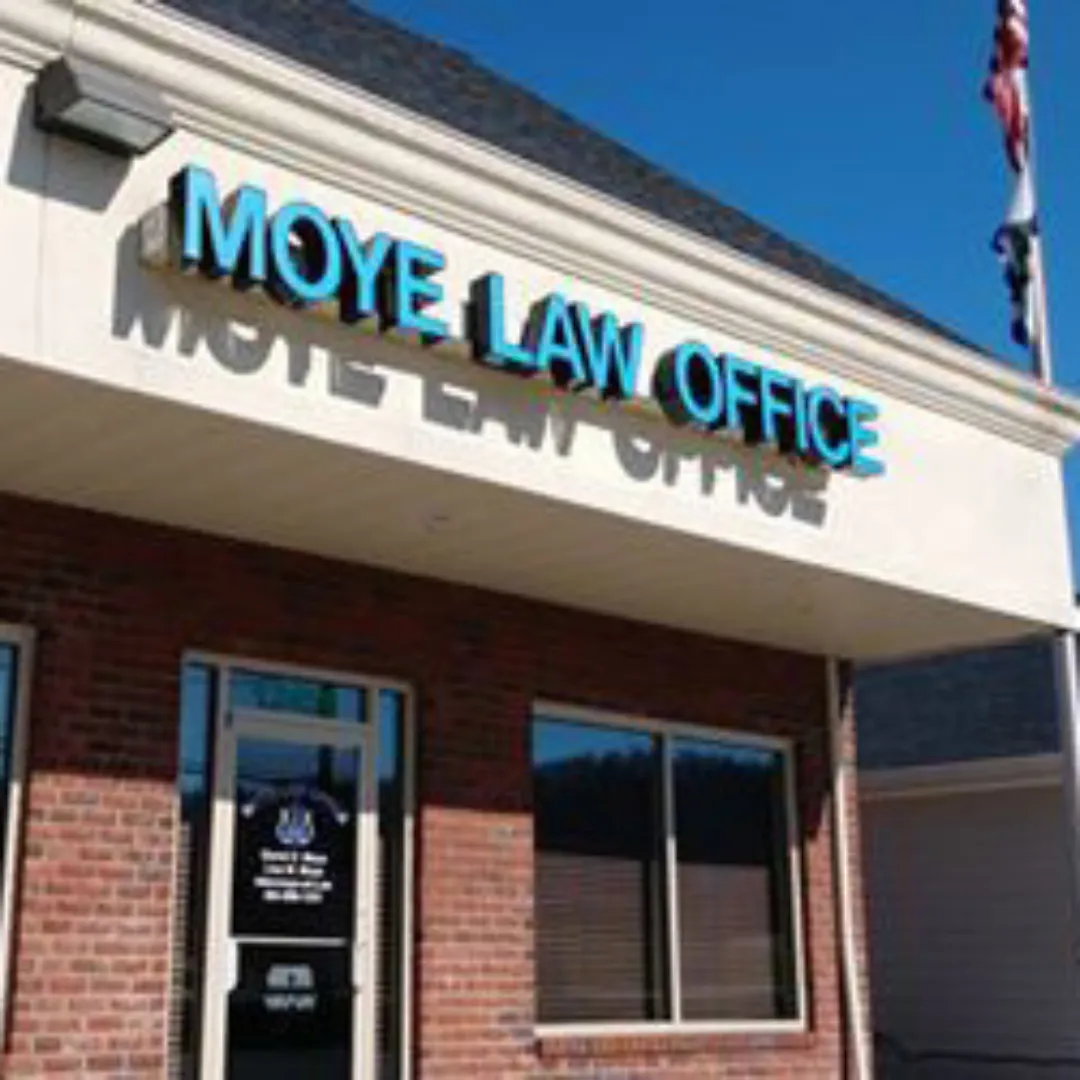
Moye Law Offices
We have two offices in West Virginia: Winfield and Cross Lanes.
CROSS LANES
What Happens If a Title Search Reveals Old Liens?
What Happens If a Title Search Reveals Old Liens on Property: Legal and Financial Implications
Finding old liens in a title search creates legal and financial obligations for owners and prospective buyers. A lien is a recorded claim against property that secures repayment of a debt. Understanding a lien's type and scope is essential—especially in West Virginia, where local rules and market conditions influence resolution. This article explains how liens are identified, common types you may encounter, the parties responsible, and practical steps to secure clear title.
What Is an Old Lien and How Does It Affect Property Ownership?
An old lien is a recorded claim against real estate arising from unpaid obligations such as taxes, contractor charges, or court judgments. Liens can impair title, reduce market value and expose the owner to enforcement actions, including foreclosure. For buyers, recorded liens are potential liabilities that may transfer with the property unless cleared by agreement. Clearing liens is necessary to obtain full, marketable ownership. Moreover, old liens can linger unnoticed for years, potentially disrupting resale, refinancing, or home equity borrowing opportunities. Awareness and early intervention are critical to protect equity and prevent costly legal complications.
How Are Old Liens Identified Through a Title Search?
A title search reviews public records to locate liens and other encumbrances on a property. Searchers examine deeds, mortgages, judgments, tax rolls and related filings in county offices and electronic databases. A thorough search reduces the risk a recorded lien will be missed and prevents unexpected financial exposure for purchasers or new owners. Advanced title searches may also include examining subsidiary indexes, bankruptcy records, and municipal filings that can reveal hidden or layered liens. Increasingly, digital records make such comprehensive searches more efficient but require expert interpretation to ensure all relevant liens are identified.
What Types of Old Liens Commonly Affect West Virginia Properties?
In West Virginia, common recorded liens include mortgage liens, tax liens, mechanic’s liens and judgment liens. Each arises from different obligations and follows distinct priority and enforcement rules under state law.
Mortgage Liens: Typically arise from loans secured by the property, which must be paid off for transfer.
Tax Liens: Imposed by the government for unpaid property taxes; unresolved tax liens can lead to sale of the property.
Mechanic's Liens: Claimed by contractors or service providers for unpaid work on the property.
Judgment Liens: Result from court judgments where the debtor has not paid.
Knowing these categories helps buyers and owners assess risk and plan resolution steps before completing a transaction. Additional liens can sometimes appear, such as homeowner association liens, zoning or code violation liens, and environmental liens related to property contamination. Each type has unique statutory periods, priority rules, and potential remedies that must be understood to navigate resolution effectively.
What Are the Legal Consequences of Discovering Old Liens on a Property?
Discovering an old lien can trigger enforcement actions that threaten ownership, including foreclosure by a secured creditor. Liens complicate sales: sellers must disclose recorded encumbrances, and undisclosed liens can produce post-closing disputes or litigation over who bears the debt. Early identification and legal action help limit exposure and support negotiated outcomes. Additionally, liens may affect creditworthiness and borrowing capacity. They can remain as public records affecting reputation and financial standing. In some cases, failure to clear a lien can cause loss of rights in bankruptcy or limit the ability to use the property as collateral for future loans, amplifying the importance of thorough due diligence.
The Moye Law Firm provides specialised West Virginia real estate services, including title review and lien resolution, to help clients understand options when liens exist.
How Can Old Liens Impact Property Sale and Transfer?
Old liens can deter buyers and prevent clear title conveyance until resolved. Sellers typically must clear liens to satisfy closing requirements; unresolved claims can delay or derail a transaction.
Different lien types affect transactions in distinct ways. Here’s how they compare:
Type of LienImpact on TransactionsResolution StrategiesMortgage LienMust be settled to transfer ownershipPay off the loan, refinance, or negotiateTax LienCan lead to tax foreclosure if unresolvedPayment plans or negotiation with the tax authorityMechanic's LienMay prevent sale until paidWork with contractors for payment arrangementsJudgment LienRequires resolution to clear titleLegal action or settlement negotiations
This comparison shows how each lien type can affect closing and why resolving encumbrances before finalising a sale is important. In some situations, sellers might obtain lien payoffs or escrow holdbacks to assure buyers funds will be used to clear liens. Understanding lien priority and timing can enable strategic negotiation, such as using lien satisfaction to unlock partial sale proceeds or configure financing options.
Who Is Responsible for Paying Off Old Liens at Closing?
Typically, the seller satisfies recorded liens at closing so the buyer receives clear title. Parties can agree in writing for the buyer to assume specific liabilities as part of negotiated terms. Determining responsibility early prevents last-minute delays and clarifies closing-cost allocation. Moreover, contracts often include indemnity provisions allocating risk for undisclosed liens. Buyers may request escrow accounts or title insurance endorsements to protect against unknown or future lien claims, providing additional security to both parties.
What Is the Process to Clear Old Liens Found in a Title Search in West Virginia?
Clearing liens after a title search follows a structured process to remove encumbrances from public records and restore marketable title.
Identification: Locate all existing liens through a thorough title search.
Consultation: Engage legal professionals to review implications and options.
Negotiation: Negotiate with lienholders to settle outstanding debts.
Documentation: Prepare and file documents to clear liens from public records.
These steps ensure lien issues are handled systematically and reduce the risk of lingering encumbrances after closing. Additional administrative steps can include obtaining lien releases, satisfactions, or certificates of discharge from county clerks or recording offices. Timelines for removal can vary, and legal counsel helps navigate complex situations such as disputed liens, invalid claims, or multi-party interests.
What Are the Step-by-Step Legal Procedures for Lien Removal?
Removing a lien requires a tailored review and formal actions based on the lien type and jurisdiction.
Assessment: Review the lien to confirm validity and the amount owed.
Negotiation: Contact lienholders to discuss payment or settlement options.
Settlement: Make required payments to satisfy the lien, which may include negotiating reduced amounts.
Documentation: File proofs of payment and request the lien's release from public records.
Assessment, negotiation, payment and recordation secure clear title and document the release for future transactions. In contested cases, litigation may be necessary to remove invalid liens or those improperly recorded. Enforcement of procedural safeguards and adherence to statutory deadlines is critical to avoid prolonged encumbrances that could impair use or sale of the property.
How Can a Real Estate Attorney Assist in Resolving Old Liens?
A real estate attorney evaluates a lien’s validity, advises on statutory priorities and deadlines, and pursues negotiated or court-based solutions to remove encumbrances.
Initial Evaluation: Determine lien validity and advise on next steps.
Negotiation Tactics: Use strategies to negotiate with lienholders for better terms.
Legal Documentation: Draft and file documents required for lien release and compliance.
Working with experienced counsel, such as the Moye Law Firm, strengthens negotiation positions, ensures correct filings and helps limit liability during transactions. Attorneys can also assist with drafting indemnities, coordinating with title insurers, and representing clients in contested lien disputes, providing comprehensive support tailored to complex property matters.
What Financial Risks and Protective Measures Should Property Owners Consider Regarding Old Liens?
Failing to address old liens exposes owners to foreclosure, reduced marketability and liability for unpaid debts. Proactive measures mitigate these risks and help preserve property value.
Regular Title Searches: Perform periodic checks to identify newly recorded liens.
Title Insurance: Obtain insurance to protect against losses from undisclosed liens or title defects.
Legal Counsel: Consult legal experts to understand obligations and protect interests.
These protections reduce the likelihood of unexpected claims and support smoother transactions. Additionally, maintaining clear communication with contractors, lenders, and tax authorities can prevent liens from arising. Timely payment of property-related obligations and early intervention upon notifications of default further safeguard property interests. For assistance with lien issues, please contact us.
What Are the Potential Financial Consequences of Ignoring Old Liens?
Ignoring old liens can lead to enforcement actions by creditors, including foreclosure, court judgments and diminished resale value. Lenders may decline financing on encumbered property, limiting buyer options. Prompt resolution is essential to prevent escalating financial harm. Prolonged unpaid liens may lead to accrual of interest and penalties, further increasing debt burdens. Ultimately, unresolved liens can result in forced sale, loss of equity, and damage to credit ratings, affecting both current ownership and future financial activities.
How Does Title Insurance Help Protect Against Liens on Property?
Title insurance protects owners and lenders against financial loss from covered title defects, including certain undisclosed liens. It can cover defence costs and, where applicable, compensate for covered losses arising from claims after purchase, providing a practical layer of protection. Many policies include endorsements or coverage extensions that address mechanic’s liens or tax liens discovered after closing, enhancing buyer security. Carefully reviewing policy terms and exceptions ensures appropriate protection in relation to known or potential lien exposures.
This summary underscores the material effect old liens can have on ownership and exposure, and the importance of addressing encumbrances before completing a transaction.
If you face lien-related legal issues or require clarification on property law, review our about us page to learn more about our experience and services.
Frequently Asked Questions
What steps should I take if I discover an old lien on my property?
Verify the lien in public records to confirm scope and validity. Consult a real estate attorney to evaluate options and negotiate with the lienholder. If you settle, document agreements and payments and ensure the lienholder files a recorded release. Additionally, confirm satisfaction is properly recorded with the county to prevent future claims or confusion.
How long do old liens remain on a property?
Liens generally remain until they are satisfied, released or otherwise extinguished under applicable law. Duration varies by lien type and local statutes; tax liens and judgment liens follow different timelines. Check West Virginia statutes or consult counsel for specifics. Some liens may be subject to expiration or adverse possession rules, but actual removal often requires formal discharge procedures.
Can liens be attached to a property after it has changed hands?
Yes. If debts persist or were not resolved at closing, liens can affect the property after transfer and may bind the new owner, particularly where disclosure or title clearance failed. Due diligence and title insurance reduce this risk. Furthermore, successors-in-interest may be liable for certain liens depending on local law and contractual terms, underscoring the importance of comprehensive pre-purchase investigations.
What rights do lienholders have if old liens remain unpaid?
Lienholders often have enforcement rights that may include foreclosure or execution to recover debts. They can also record additional encumbrances that impair marketability. Prompt legal action to contest or resolve a lien is advisable to protect ownership. Some lienholders may be willing to negotiate settlements to avoid costly litigation or forced sales, making early communication beneficial.
What role does title insurance play in protecting against old liens?
Title insurance provides coverage against certain undisclosed or defect-related claims, including some lien issues, subject to policy terms and exceptions. It can cover defence costs and compensate insured losses for covered claims, making it a valuable risk-management tool. Some policies cover only defects that existed at policy issuance, so proactive lien resolution complements insurance protection effectively.
Are there any differences in managing liens between residential and commercial properties?
Yes. Commercial transactions often involve complex financing and larger claims, affecting lien priority and negotiation strategies. Residential matters usually follow more standard procedures. Use advisors experienced in the property type for appropriate tactics. Commercial liens may also involve mechanics’ or materialmen’s liens with stricter filing requirements, requiring careful compliance and record-keeping.
How can I negotiate with lienholders to settle old liens?
Assemble documentation that establishes the lien amount and validity. Offer a clear settlement proposal—either a lump-sum or payment plan—and be prepared to justify it. Negotiations are more effective with legal counsel who can formalise agreements and secure a recorded release upon payment. Consider leveraging financial hardship, timing, or competitive offers to reach favorable terms and minimize costs.
Moye Law Offices
We have two offices in West Virginia:
Winfield and Cross Lanes.
CROSS LANES
We Are Here To Help
Do you have a query or problem that you would like to talk about, or are you curious to hear more about how we can help you?
Get in touch today! We look forward to hearing from you.
Assistance Hours
Monday – Friday: 8:30am – 4:30pm
Saturday: By appointment only
Sunday: CLOSED
Subscribe to our Newsletter
We Are Here To Help
Do you have a query or problem that you would like to talk about, or are you curious to hear more about how we can help you?
Get in touch today! We look forward to hearing from you.
Assistance Hours
Monday – Friday 8:30am – 4:30pm
Saturday: By appointment only
Sunday CLOSED