
Blog

Blog
Property Title Work in Investment Purchases
Property Title Work in Investment Purchases
By Moye Law Office Editorial Team · Updated 2026-08-03
Property title work confirms clear, marketable ownership before an investment property changes hands. Title searches examine public records for deeds, liens, judgments, and easements that threaten an investor's claim. Moye Law Office handles title work in-house, uncovering defects early and coordinating owner's title insurance so portfolio builders and flippers close with confidence and protected equity.
Key Takeaways
Title companies verify properties are free of legal issues and facilitate smooth closing processes for buyers.
Owner's title insurance protects investment property buyers from financial loss due to undiscovered title defects.
How you hold title directly affects liability protection and tax implications for investment properties.
Moye Law Office serves several counties including Kanawha, Cabell, Mason, Lincoln, and Putnam in West Virginia.
Why Does Title Work Matter For Investors?
Clear ownership determines whether an investment property purchase closes smoothly or turns into a costly dispute. A title search reviews public records to confirm legal ownership and flag claims, liens, or other encumbrances that could threaten a buyer's investment. For an investor stacking multiple properties or flipping on a tight timeline, that confirmation isn't optional paperwork — it's the foundation of the deal.
Nationally, over a notable share of U.S. real estate transactions involve a title search to ensure clear ownership. cite-1 That statistic reflects an industry standard, not a formality reserved for cautious buyers. Skipping the search on an investment purchase simply shifts risk onto the investor's balance sheet.
What Happens If a Title Problem Surfaces Late?
Hidden liens, unknown heirs, or unexpected easements can appear after an investor has already committed funds and timelines to a deal. Problems discovered late often stall closing or add unplanned expense, cutting directly into projected returns. Catching these issues early, before contracts are finalized, protects both cash flow and closing schedules.
Moye Law Office addresses this risk by handling property title work in-house rather than outsourcing it. That in-house coordination speeds up research and helps prevent problems before they surface at the closing table. For investors managing several transactions at once, that efficiency matters as much as the legal protection itself.
Why Do Portfolio Investors Need Title Diligence More Than Single-Home Buyers?
Volume raises exposure. An investor closing on five properties a year faces five separate chances for a defective title, an unrecorded lien, or a boundary dispute. Consistent, in-house title review reduces that compounding risk across an entire portfolio rather than treating each deal as an isolated transaction.
What Does A Title Search Actually Uncover?
A title search examines deeds, mortgages, liens, judgments, easements, and probate issues before an investment property changes hands. cite-2 Missing any one of these records can leave a buyer holding a property with an unmarketable or uninsurable title, one that blocks resale or refinancing down the road. For investors juggling multiple properties, that risk multiplies fast.
At its core, the process means reviewing public records to verify legal ownership and spot anything that could cloud the title. cite-1 Title professionals pull deeds, mortgages, tax records, and related legal filings, then cross-check them against the current seller's claim of ownership. A title company handling this property title work conducts a detailed examination of those public records to confirm the property carries no unresolved disputes or hidden claims.
What Kinds of Problems Turn Up in a Title Search?
Old liens, unreleased mortgages, and unresolved probate matters rank among the most common issues investors encounter. A previous owner's unpaid contractor bill, for instance, can attach to the property itself rather than the person who owed it.
Why Does This Matter More for Investment Properties?
Investment properties often pass through multiple owners, tenants, and lenders faster than owner-occupied homes, creating more opportunities for gaps in the record. A title company works behind the scenes to catch these issues before closing, keeping the transaction on track.
Common findings include:
Unreleased or unpaid mortgages from prior owners
Judgment liens tied to a former owner's unrelated debts
Easements granting neighbors or utilities access rights
Unresolved probate or inheritance claims affecting ownership
Recording errors or gaps in the chain of deeds
Catching these problems early protects the investment before money changes hands.
Why Skip Owner's Title Insurance On Rentals?
Real estate investors rarely skip owner's title insurance for lack of awareness. Most skip it because every dollar spent at closing feels like a dollar pulled from future profit. Homebuyers tend to view closing costs as a routine part of buying a house. Investors, by contrast, scrutinize each line item on the settlement statement, and property title work often looks like the easiest expense to cut.
That instinct makes sense on paper. Owner's title insurance is technically optional, unlike the lender's policy a bank requires to protect its loan. Nothing forces an investor to buy it. Trimming that line becomes an easy way to shave a few hundred dollars off a purchase.
Is cutting title insurance actually worth the risk?
Rarely. A defect discovered after closing — an unreleased lien, a forged deed in the chain of ownership, an heir who never signed off. Can cost far more than the policy premium ever would. Moye Law Office walks investors through these risks before they waive coverage, explaining protections and costs so the decision gets made with full information, not guesswork.
What does a thorough title search actually prevent?
A careful title search catches problems while there's still time to fix them, but it can't catch everything — forged signatures, clerical recording errors, and defects buried in documents that were never properly filed can all slip past even a diligent records review. That gap is exactly what owner's title insurance is built to cover.
Without that policy, an investor who discovers a hidden defect after closing absorbs the full cost alone: legal fees to clear the claim, a stalled resale while the dispute drags on, or, in the worst case, a competing claim against the property itself. Weighed against those risks, the one-time premium paid at closing is modest.
A timely search paired with a policy doesn't just flag trouble before closing — it caps what an investor stands to lose if something slips through anyway.
How Should Investors Hold Title?
The right ownership structure depends on liability exposure, tax goals, and how quickly a property might change hands. Investors who skip this decision risk unnecessary personal exposure or a tax structure that costs more than it should. Property title work done early — before closing, not after. Gives investors room to choose deliberately rather than default to whatever the seller's paperwork suggests.
Is individual ownership a good fit for investors?
Individual ownership suits a narrow but common scenario: a single property, minimal liability concerns, and no long-term entity strategy. Investors planning to sell or transfer ownership quickly often prefer this route because it avoids extra formation steps. Two practical advantages stand out:
Simplicity — paperwork stays straightforward, and the buyer holds direct ownership rights without layers of entity documentation.
Speed — closing moves faster since no additional legal structure needs to be formed or maintained.
Portfolio builders and those acquiring multiple properties, however, may find individual ownership leaves personal assets more exposed than they'd like.
Why does the ownership decision matter before closing?
Because it's difficult to unwind later. Retitling a property after closing often triggers new recording fees, potential transfer taxes, and lender notification requirements. Deciding on a structure before the purchase agreement is signed avoids that rework entirely.
Every investor's situation differs, and the right structure hinges on liability tolerance, portfolio size, and long-term tax planning. Title search results, entity paperwork, and closing documents all need to align before signing. Attorney Lisa M. Moye's practice covers real estate, estate planning, and business law. A combination that helps investors weigh ownership structure. Property acquisition together rather than as separate decisions made under closing-day pressure.
How Do You Close With Confidence?
Confidence at closing comes from preparation, not luck. Investors who close smoothly weigh cash flow projections and personal risk tolerance well before signing a contract. They factor in broader economic conditions, inflation trends, and shifting interest rates. Skipping that groundwork leaves buyers exposed to deals that look profitable on paper but collapse under real-world numbers.
What Numbers Should an Investor Confirm Before Closing?
Rent income and ongoing expenses deserve a hard look before any purchase moves forward. Insurance premiums, property tax bills, and maintenance costs all eat into margins, and underestimating them turns a promising rental into a money loser fast. A clear-eyed budget, built before the closing table, protects the investment long after the ink dries.
Local support matters too. Moye Law Office serves Charleston and the surrounding region, including Cabell, Kanawha, Lincoln, Mason, and Putnam counties, giving investors nearby counsel familiar with county-specific recording quirks and local market conditions. cite-2
Where Can Investors Get Help Close to Home?
Offices in Winfield and Cross Lanes put property title work and closing support within reach for investors across the region. That proximity matters when questions surface late in a transaction and speed becomes essential.
Scheduling flexibility rounds out the picture:
Assistance available Monday through Friday, 8:30 a.m. to 4:30 p.m.
Saturday appointments available for investors juggling job schedules or multiple property closings
Local offices positioned for quick document review and title search coordination
Combining sound financial analysis with accessible legal guidance gives investors the footing needed to close without second-guessing the deal.
Property title work stands as an essential safeguard in investment property transactions, protecting your capital and ensuring clear ownership rights from closing forward. By identifying and resolving title issues before they become costly disputes, thorough title examination preserves your investment's value and your peace of mind. Whether you are acquiring residential or commercial property, partnering with experienced legal counsel who handles title work in-house streamlines the process and positions you to make informed decisions with confidence.
FAQ
Why is a title search necessary before buying an investment property?
Investors who skip this step inherit whatever defects the prior chain of ownership left behind — a lien, an easement, or an heir's competing claim doesn't disappear at closing; it becomes the new owner's problem to resolve, often at a cost that outweighs the search itself. Confirming clear title upfront protects the deal's timeline and the equity an investor is building.
What protection does owner's title insurance provide investors?
Owner's title insurance protects investment property buyers from financial loss caused by undiscovered title defects. This safeguards an investor's equity after closing, even if problems surface later.
Why does Moye Law Office handle title work in-house?
Moye Law Office coordinates title searches and insurance directly rather than outsourcing, speeding up research for portfolio builders and flippers. This approach helps uncover defects early and prevents delays at closing.
Facts
Moye Law Office is located in Winfield, WV, United States.
Moye Law Office has 5 employees.
Moye Law Office has offices in Winfield and Cross Lanes, West Virginia.
Moye Law Office's Winfield office is located at 12458 Winfield Road, Winfield, WV 25213.
Moye Law Office's Cross Lanes office is located at 116 Prosperity Place, Cross Lanes, WV 25313.
Moye Law Office serves Charleston and the surrounding areas including Cabell, Kanawha, Lincoln, Mason, and Putnam counties.
Moye Law Office's assistance hours are Monday to Friday from 8:30am to 4:30pm.
Moye Law Office is available on Saturday by appointment only.
Moye Law Office is closed on Sunday.
David O. Moye's practice focuses on Criminal, Family, and Personal Injury Law.

Moye Law Offices
We have two offices in West Virginia: Winfield and Cross Lanes.
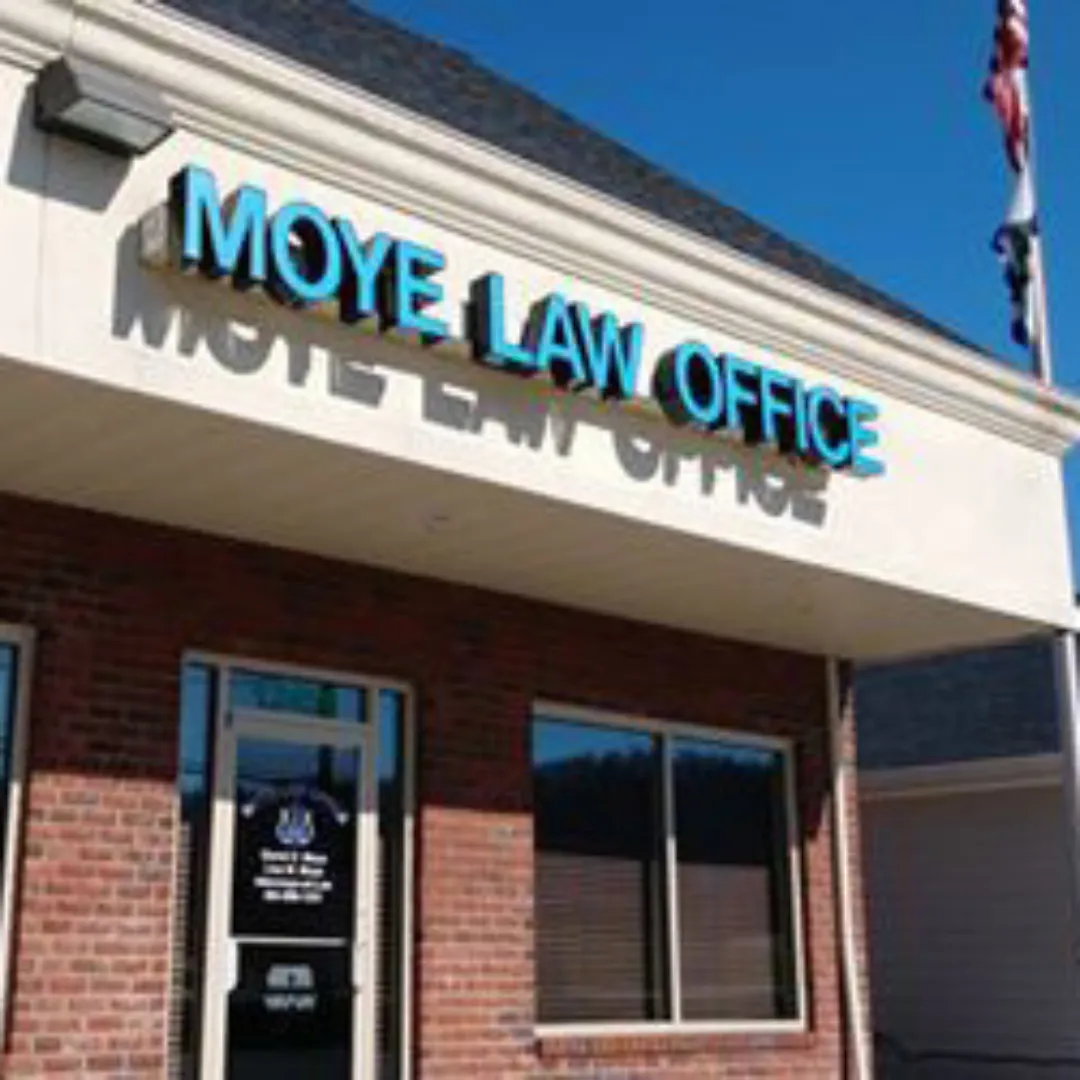
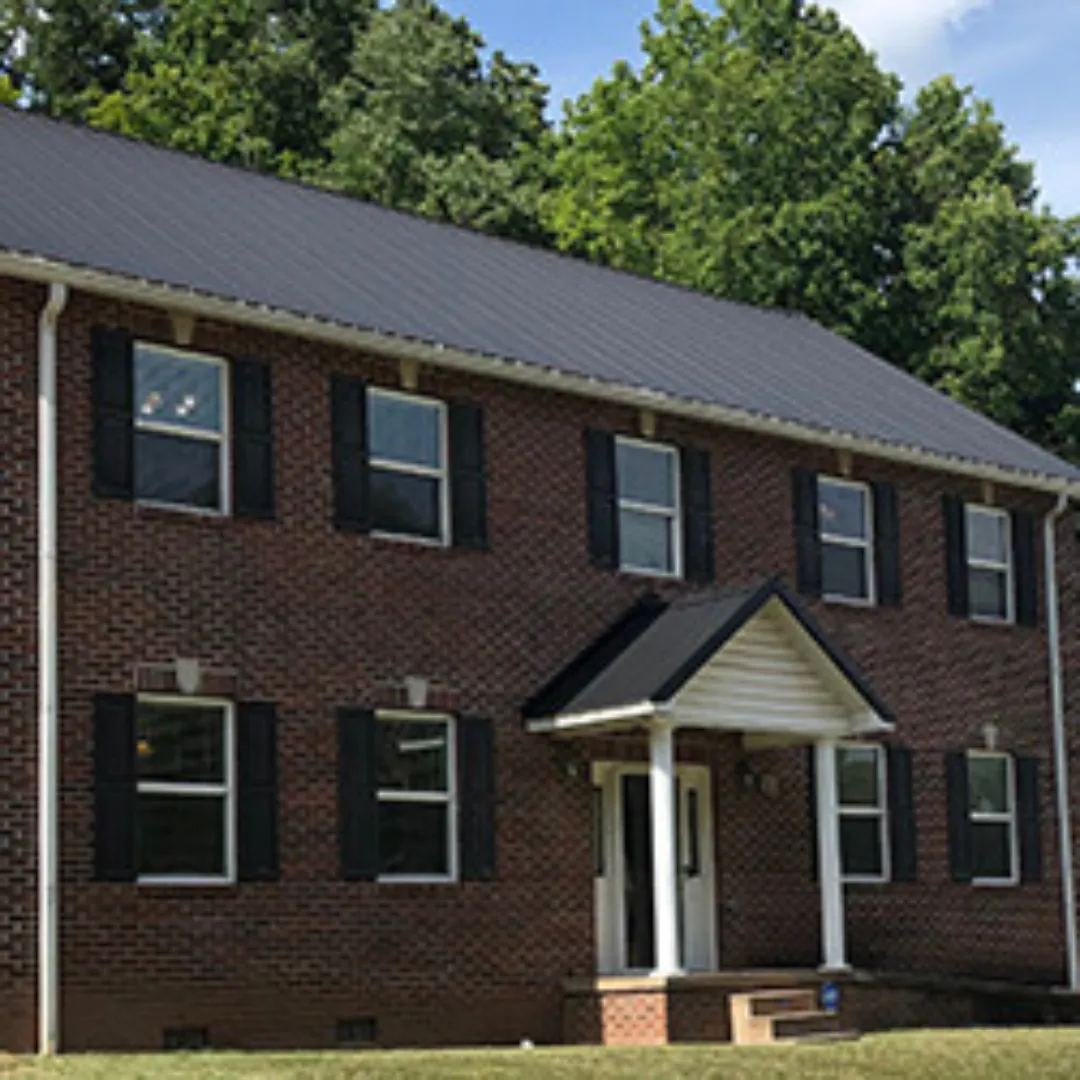
CROSS LANES
Property Title Work in Investment Purchases
Property Title Work in Investment Purchases
By Moye Law Office Editorial Team · Updated 2026-08-03
Property title work confirms clear, marketable ownership before an investment property changes hands. Title searches examine public records for deeds, liens, judgments, and easements that threaten an investor's claim. Moye Law Office handles title work in-house, uncovering defects early and coordinating owner's title insurance so portfolio builders and flippers close with confidence and protected equity.
Key Takeaways
Title companies verify properties are free of legal issues and facilitate smooth closing processes for buyers.
Owner's title insurance protects investment property buyers from financial loss due to undiscovered title defects.
How you hold title directly affects liability protection and tax implications for investment properties.
Moye Law Office serves several counties including Kanawha, Cabell, Mason, Lincoln, and Putnam in West Virginia.
Why Does Title Work Matter For Investors?
Clear ownership determines whether an investment property purchase closes smoothly or turns into a costly dispute. A title search reviews public records to confirm legal ownership and flag claims, liens, or other encumbrances that could threaten a buyer's investment. For an investor stacking multiple properties or flipping on a tight timeline, that confirmation isn't optional paperwork — it's the foundation of the deal.
Nationally, over a notable share of U.S. real estate transactions involve a title search to ensure clear ownership. cite-1 That statistic reflects an industry standard, not a formality reserved for cautious buyers. Skipping the search on an investment purchase simply shifts risk onto the investor's balance sheet.
What Happens If a Title Problem Surfaces Late?
Hidden liens, unknown heirs, or unexpected easements can appear after an investor has already committed funds and timelines to a deal. Problems discovered late often stall closing or add unplanned expense, cutting directly into projected returns. Catching these issues early, before contracts are finalized, protects both cash flow and closing schedules.
Moye Law Office addresses this risk by handling property title work in-house rather than outsourcing it. That in-house coordination speeds up research and helps prevent problems before they surface at the closing table. For investors managing several transactions at once, that efficiency matters as much as the legal protection itself.
Why Do Portfolio Investors Need Title Diligence More Than Single-Home Buyers?
Volume raises exposure. An investor closing on five properties a year faces five separate chances for a defective title, an unrecorded lien, or a boundary dispute. Consistent, in-house title review reduces that compounding risk across an entire portfolio rather than treating each deal as an isolated transaction.
What Does A Title Search Actually Uncover?
A title search examines deeds, mortgages, liens, judgments, easements, and probate issues before an investment property changes hands. cite-2 Missing any one of these records can leave a buyer holding a property with an unmarketable or uninsurable title, one that blocks resale or refinancing down the road. For investors juggling multiple properties, that risk multiplies fast.
At its core, the process means reviewing public records to verify legal ownership and spot anything that could cloud the title. cite-1 Title professionals pull deeds, mortgages, tax records, and related legal filings, then cross-check them against the current seller's claim of ownership. A title company handling this property title work conducts a detailed examination of those public records to confirm the property carries no unresolved disputes or hidden claims.
What Kinds of Problems Turn Up in a Title Search?
Old liens, unreleased mortgages, and unresolved probate matters rank among the most common issues investors encounter. A previous owner's unpaid contractor bill, for instance, can attach to the property itself rather than the person who owed it.
Why Does This Matter More for Investment Properties?
Investment properties often pass through multiple owners, tenants, and lenders faster than owner-occupied homes, creating more opportunities for gaps in the record. A title company works behind the scenes to catch these issues before closing, keeping the transaction on track.
Common findings include:
Unreleased or unpaid mortgages from prior owners
Judgment liens tied to a former owner's unrelated debts
Easements granting neighbors or utilities access rights
Unresolved probate or inheritance claims affecting ownership
Recording errors or gaps in the chain of deeds
Catching these problems early protects the investment before money changes hands.
Why Skip Owner's Title Insurance On Rentals?
Real estate investors rarely skip owner's title insurance for lack of awareness. Most skip it because every dollar spent at closing feels like a dollar pulled from future profit. Homebuyers tend to view closing costs as a routine part of buying a house. Investors, by contrast, scrutinize each line item on the settlement statement, and property title work often looks like the easiest expense to cut.
That instinct makes sense on paper. Owner's title insurance is technically optional, unlike the lender's policy a bank requires to protect its loan. Nothing forces an investor to buy it. Trimming that line becomes an easy way to shave a few hundred dollars off a purchase.
Is cutting title insurance actually worth the risk?
Rarely. A defect discovered after closing — an unreleased lien, a forged deed in the chain of ownership, an heir who never signed off. Can cost far more than the policy premium ever would. Moye Law Office walks investors through these risks before they waive coverage, explaining protections and costs so the decision gets made with full information, not guesswork.
What does a thorough title search actually prevent?
A careful title search catches problems while there's still time to fix them, but it can't catch everything — forged signatures, clerical recording errors, and defects buried in documents that were never properly filed can all slip past even a diligent records review. That gap is exactly what owner's title insurance is built to cover.
Without that policy, an investor who discovers a hidden defect after closing absorbs the full cost alone: legal fees to clear the claim, a stalled resale while the dispute drags on, or, in the worst case, a competing claim against the property itself. Weighed against those risks, the one-time premium paid at closing is modest.
A timely search paired with a policy doesn't just flag trouble before closing — it caps what an investor stands to lose if something slips through anyway.
How Should Investors Hold Title?
The right ownership structure depends on liability exposure, tax goals, and how quickly a property might change hands. Investors who skip this decision risk unnecessary personal exposure or a tax structure that costs more than it should. Property title work done early — before closing, not after. Gives investors room to choose deliberately rather than default to whatever the seller's paperwork suggests.
Is individual ownership a good fit for investors?
Individual ownership suits a narrow but common scenario: a single property, minimal liability concerns, and no long-term entity strategy. Investors planning to sell or transfer ownership quickly often prefer this route because it avoids extra formation steps. Two practical advantages stand out:
Simplicity — paperwork stays straightforward, and the buyer holds direct ownership rights without layers of entity documentation.
Speed — closing moves faster since no additional legal structure needs to be formed or maintained.
Portfolio builders and those acquiring multiple properties, however, may find individual ownership leaves personal assets more exposed than they'd like.
Why does the ownership decision matter before closing?
Because it's difficult to unwind later. Retitling a property after closing often triggers new recording fees, potential transfer taxes, and lender notification requirements. Deciding on a structure before the purchase agreement is signed avoids that rework entirely.
Every investor's situation differs, and the right structure hinges on liability tolerance, portfolio size, and long-term tax planning. Title search results, entity paperwork, and closing documents all need to align before signing. Attorney Lisa M. Moye's practice covers real estate, estate planning, and business law. A combination that helps investors weigh ownership structure. Property acquisition together rather than as separate decisions made under closing-day pressure.
How Do You Close With Confidence?
Confidence at closing comes from preparation, not luck. Investors who close smoothly weigh cash flow projections and personal risk tolerance well before signing a contract. They factor in broader economic conditions, inflation trends, and shifting interest rates. Skipping that groundwork leaves buyers exposed to deals that look profitable on paper but collapse under real-world numbers.
What Numbers Should an Investor Confirm Before Closing?
Rent income and ongoing expenses deserve a hard look before any purchase moves forward. Insurance premiums, property tax bills, and maintenance costs all eat into margins, and underestimating them turns a promising rental into a money loser fast. A clear-eyed budget, built before the closing table, protects the investment long after the ink dries.
Local support matters too. Moye Law Office serves Charleston and the surrounding region, including Cabell, Kanawha, Lincoln, Mason, and Putnam counties, giving investors nearby counsel familiar with county-specific recording quirks and local market conditions. cite-2
Where Can Investors Get Help Close to Home?
Offices in Winfield and Cross Lanes put property title work and closing support within reach for investors across the region. That proximity matters when questions surface late in a transaction and speed becomes essential.
Scheduling flexibility rounds out the picture:
Assistance available Monday through Friday, 8:30 a.m. to 4:30 p.m.
Saturday appointments available for investors juggling job schedules or multiple property closings
Local offices positioned for quick document review and title search coordination
Combining sound financial analysis with accessible legal guidance gives investors the footing needed to close without second-guessing the deal.
Property title work stands as an essential safeguard in investment property transactions, protecting your capital and ensuring clear ownership rights from closing forward. By identifying and resolving title issues before they become costly disputes, thorough title examination preserves your investment's value and your peace of mind. Whether you are acquiring residential or commercial property, partnering with experienced legal counsel who handles title work in-house streamlines the process and positions you to make informed decisions with confidence.
FAQ
Why is a title search necessary before buying an investment property?
Investors who skip this step inherit whatever defects the prior chain of ownership left behind — a lien, an easement, or an heir's competing claim doesn't disappear at closing; it becomes the new owner's problem to resolve, often at a cost that outweighs the search itself. Confirming clear title upfront protects the deal's timeline and the equity an investor is building.
What protection does owner's title insurance provide investors?
Owner's title insurance protects investment property buyers from financial loss caused by undiscovered title defects. This safeguards an investor's equity after closing, even if problems surface later.
Why does Moye Law Office handle title work in-house?
Moye Law Office coordinates title searches and insurance directly rather than outsourcing, speeding up research for portfolio builders and flippers. This approach helps uncover defects early and prevents delays at closing.
Facts
Moye Law Office is located in Winfield, WV, United States.
Moye Law Office has 5 employees.
Moye Law Office has offices in Winfield and Cross Lanes, West Virginia.
Moye Law Office's Winfield office is located at 12458 Winfield Road, Winfield, WV 25213.
Moye Law Office's Cross Lanes office is located at 116 Prosperity Place, Cross Lanes, WV 25313.
Moye Law Office serves Charleston and the surrounding areas including Cabell, Kanawha, Lincoln, Mason, and Putnam counties.
Moye Law Office's assistance hours are Monday to Friday from 8:30am to 4:30pm.
Moye Law Office is available on Saturday by appointment only.
Moye Law Office is closed on Sunday.
David O. Moye's practice focuses on Criminal, Family, and Personal Injury Law.
Moye Law Offices
We have two offices in West Virginia:
Winfield and Cross Lanes.
CROSS LANES
We Are Here To Help
Do you have a query or problem that you would like to talk about, or are you curious to hear more about how we can help you?
Get in touch today! We look forward to hearing from you.
Assistance Hours
Monday – Friday: 8:30am – 4:30pm
Saturday: By appointment only
Sunday: CLOSED
Subscribe to our Newsletter
We Are Here To Help
Do you have a query or problem that you would like to talk about, or are you curious to hear more about how we can help you?
Get in touch today! We look forward to hearing from you.
Assistance Hours
Monday – Friday 8:30am – 4:30pm
Saturday: By appointment only
Sunday CLOSED