
Blog

Blog

Title Insurance in West Virginia: What It Covers (and What It Doesn’t)
Title Insurance in West Virginia: What It Covers (and What It Doesn’t)
Title insurance protects against defects in a property's title. In West Virginia, buyers and sellers should know the scope and limits of that protection. According to the American Land Title Association (ALTA), title insurance claims have saved homeowners and lenders billions of dollars nationwide by covering losses from title defects. This article summarizes typical coverage, common exclusions, costs, and the claims process so readers can decide whether to secure title insurance when transferring property.
What Does Title Insurance Cover in West Virginia?
Title insurance mainly protects buyers from financial loss caused by title defects. Commonly covered risks include fraud, forged instruments, and recording errors. Policies often also provide legal defense against claims by undisclosed heirs and other probate-related issues. According to a 2023 report by the National Association of Realtors, nearly 90% of real estate transactions involve title insurance to mitigate risks associated with property ownership.
Moye Law Firm, a West Virginia legal practice, offers real estate services including title insurance consultation and transaction support to help clients understand available protections. For more information about their full range of services, visit their practice areas page.
How Does Title Insurance Protect Property Buyers?
Title insurance indemnifies buyers for covered losses: it pays legal defense costs and compensates for financial loss from covered defects. It also protects against latent defects a search may miss, reducing risk at closing. The Insurance Information Institute notes that title insurance claims typically cover issues that were unknown at the time of purchase, providing peace of mind for homeowners.
Which Title Defects Are Covered by Title Insurance?

Title insurance addresses defects that can impair ownership. Common examples include:
Undisclosed Heirs: Claims by individuals with a potential legal right to the property.
Forged Documents: Falsified documents affecting title validity.
Unrecorded Liens: Debts or liens not properly recorded against the property.
Buyers should confirm their policy covers the specific risks they face. According to ALTA, undisclosed heirs and forged documents are among the most frequent causes of title claims nationwide.
What Are the Common Exclusions in West Virginia Title Insurance Policies?
Title policies commonly exclude certain matters. Typical exclusions include:
Claims Based on Adverse Possession: Assertions of ownership from continuous possession.
Zoning Violations: Noncompliance with local zoning rules is usually not covered.
Events That Occur After the Policy Date: Issues arising after issuance are generally excluded.
Knowing these exclusions helps buyers set realistic expectations about policy coverage. The West Virginia Insurance Commission advises consumers to carefully review policy exclusions to avoid unexpected liabilities.
What Title Insurance Policy Exclusions Should Buyers Know?
Additional exclusions to note include:
Zoning Violations: May lead to legal challenges not covered by title insurance.
Rights Not of Record: Claims absent from public records are often excluded.
Known Issues: Defects known to the buyer before purchase are typically excluded.
Reviewing exclusions before closing ensures buyers understand limits to protection. A 2022 survey by the Consumer Federation of America found that many buyers were unaware of these common exclusions, underscoring the importance of thorough policy review.
How Do Known Liens and Defects Affect Coverage?
Known liens and disclosed defects are usually excluded from coverage, which can leave buyers liable for unresolved claims. A title search before closing identifies existing issues and reduces the risk of surprises after purchase. The National Title Insurance & Settlement Services Association reports that comprehensive title searches reduce post-closing claims by up to 30%.
When problems are found, negotiating remedies before closing or obtaining specific endorsements can limit exposure.
How Much Does Title Insurance Cost in West Virginia?

Title insurance in West Virginia typically costs about 0.5% to 1% of the sale price. The one-time premium is paid at closing and varies by policy type; an owner's policy usually differs in price from a lender's policy. According to the West Virginia Office of the Insurance Commissioner, the average premium for an owner's policy on a $200,000 home is approximately $1,200.
Budgeting for this premium helps buyers prepare for closing costs.
What Influences the Cost of Title Insurance in West Virginia?
Factors that affect premiums include:
Property Sale Price: Higher values generally mean higher premiums.
Type of Policy: Owner's and lender's policies vary in scope and cost.
Complexity of Title Search: Complicated title histories can increase cost.
Understanding these factors assists in choosing appropriate coverage. The American Land Title Association notes that properties with complex ownership histories or multiple liens often incur higher premiums due to increased risk.
Are There Ways to Reduce Title Insurance Costs?
Buyers can lower costs by:
Shop Around for Quotes: Compare providers for competitive rates.
Consider Policy Types: Know the differences between owner and lender policies.
Negotiate Fees: Some closing fees may be negotiable to reduce total expense.
Comparing options can yield meaningful savings. A 2021 study by the Consumer Financial Protection Bureau found that consumers who obtained multiple title insurance quotes saved an average of 15% on premiums.
What Is the Title Insurance Claims Process in West Virginia?
The claims process starts with notifying the insurer and submitting supporting documentation. The insurer investigates to determine validity and then works toward resolution, including legal defense and payment for covered losses when appropriate. According to industry data, most title insurance claims are resolved within 90 days of filing.
How Do You File a Title Insurance Claim?
To file a claim, take prompt action. The insured should:
Notify the Insurer Promptly: Early notice supports an efficient process.
Submit Relevant Documentation: Complete documentation expedites investigation.
Cooperate During Investigation: Cooperation helps reach a timely resolution.
Following these steps helps insured parties navigate the process efficiently.
What Can You Expect During a Title Insurance Claim Review?
During review, expect notification to the insurer, an investigation of the claim, and communication about resolution steps. The insurer will explain outcomes and any necessary actions. The West Virginia Insurance Commission recommends keeping detailed records and correspondence throughout the claim process.
For further information about our firm, please visit the Moye Law Firm about us page or explore our FAQs for more insights. To get in touch, visit our contact us page.
Frequently Asked Questions
What is the difference between owner's title insurance and lender's title insurance?
An owner's policy protects the buyer's ownership interest; a lender's policy protects the lender's mortgage interest. Buyers typically purchase an owner's policy to safeguard equity, while lenders require a lender's policy to secure the loan. According to ALTA, about 80% of buyers purchase an owner's policy for added protection.
How long does title insurance coverage last?
Coverage lasts as long as the insured or their heirs maintain an interest in the property. It is obtained with a one-time premium paid at closing and does not require renewal for that ownership interest.
Can title insurance be transferred to a new owner?
Policies are generally not transferable; a new owner should obtain a separate policy. Some insurers may offer discounts to prior policyholders when they buy a new policy.
What should I do if I discover a title defect after purchasing a property?
Review your policy to see if the defect is covered, then promptly notify your title insurer and provide documentation. If covered, the insurer typically manages legal defense and covered financial losses.
Are there any specific requirements for title insurance in West Virginia?
West Virginia does not legally require title insurance, though lenders commonly require a lender's policy. Buyers should ensure any insurer is licensed in West Virginia and consider an owner's policy to protect equity.
How can I choose the right title insurance provider?
Evaluate reputation, reviews, and claim handling experience. Compare quotes, ask about responsiveness and claim resolution, and consult real estate professionals or attorneys for recommendations in West Virginia's market.
Additional Considerations for Title Insurance in West Virginia
Beyond the basic coverage and exclusions, there are several important factors buyers and sellers should consider when dealing with title insurance in West Virginia.
Title Searches and Their Importance
A thorough title search is the foundation of title insurance. It involves examining public records to identify any issues that could affect ownership, such as liens, easements, or restrictions. In West Virginia, title searches are typically conducted by title companies or attorneys and are essential to uncover hidden problems before closing. The National Association of Realtors reports that thorough title searches reduce the likelihood of post-sale disputes by over 40%.
Title Insurance Endorsements
Endorsements are additional coverages that can be added to a standard title insurance policy to protect against specific risks not covered by the base policy. Examples include coverage for zoning issues, environmental protection liens, or access rights. Buyers should discuss with their insurer or attorney whether endorsements are advisable based on the property's characteristics. According to ALTA, endorsements can significantly enhance protection in complex transactions.
Role of Title Insurance in Real Estate Transactions
Title insurance plays a critical role in facilitating smooth real estate transactions by providing assurance to both buyers and lenders. It helps prevent costly disputes and litigation by addressing title defects upfront and offering financial protection if issues arise later. The American Bar Association highlights title insurance as a key factor in reducing real estate transaction risks nationwide.
Impact of West Virginia State Laws on Title Insurance
West Virginia has specific laws and regulations governing title insurance, including licensing requirements for insurers and agents, as well as standardized rates approved by the state insurance commission. Understanding these legal frameworks can help consumers make informed decisions and ensure they work with reputable providers. The West Virginia Office of the Insurance Commissioner provides resources to verify licensed title insurers and agents.
Common Title Issues in West Virginia
Some title issues are more prevalent in West Virginia due to its history and land use patterns. These include:
Boundary Disputes: Conflicts over property lines are common in rural areas.
Unreleased Mortgages: Old mortgages that were paid off but not properly released can cloud title.
Heirship Claims: Properties passed down without clear wills may lead to multiple claimants.
Being aware of these common issues can help buyers and sellers anticipate potential challenges. A 2020 study by the West Virginia University College of Law found that boundary disputes accounted for nearly 25% of title-related legal cases in the state.
Tips for Buyers to Protect Themselves
Work with Experienced Professionals: Engage knowledgeable real estate agents, attorneys, and title companies familiar with West Virginia laws. For legal assistance beyond real estate, consider consulting the personal injury law or divorce and family law practice areas offered by Moye Law Firm.
Review Title Reports Carefully: Examine the title report for any red flags or unusual entries.
Consider Owner’s Title Insurance: Even if not required, purchasing an owner’s policy provides long-term protection.
Ask About Endorsements: Tailor your coverage to your specific needs by adding endorsements.
Taking these steps can reduce risks and provide peace of mind during property transactions. For comprehensive legal support, visit the Moye Law Firm homepage.

Moye Law Offices
We have two offices in West Virginia: Winfield and Cross Lanes.
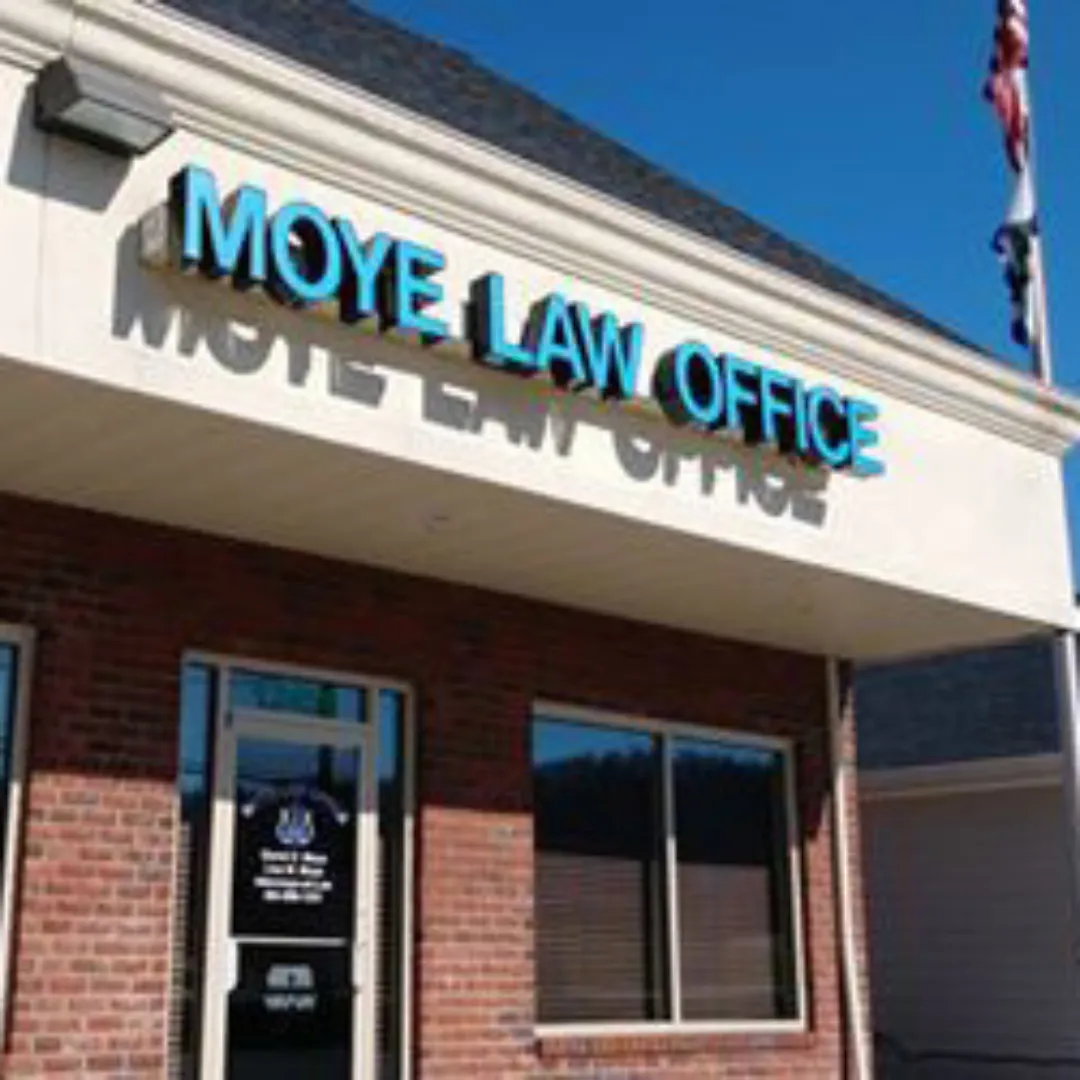
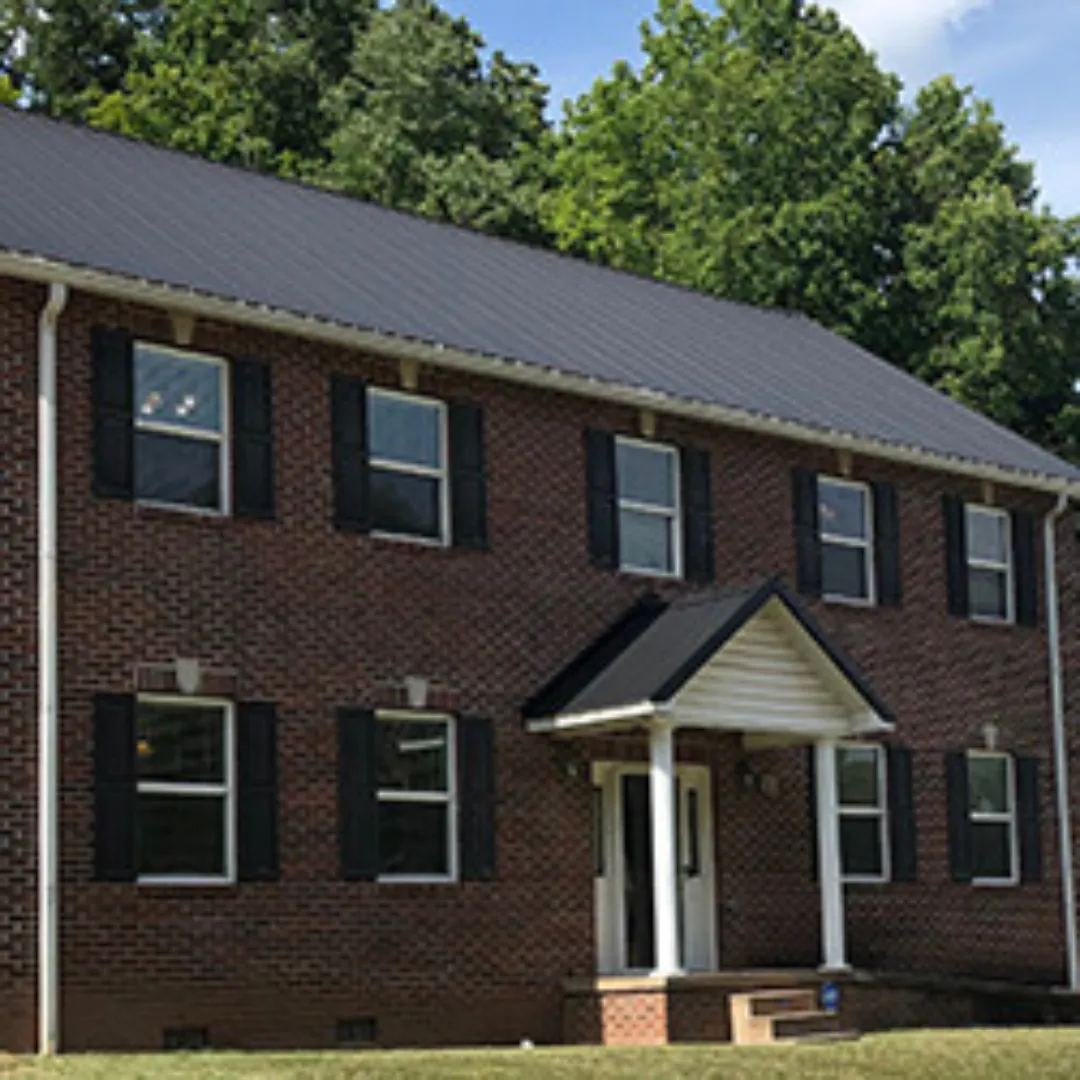
CROSS LANES
Title Insurance in West Virginia: What It Covers (and What It Doesn’t)
Title Insurance in West Virginia: What It Covers (and What It Doesn’t)
Title insurance protects against defects in a property's title. In West Virginia, buyers and sellers should know the scope and limits of that protection. According to the American Land Title Association (ALTA), title insurance claims have saved homeowners and lenders billions of dollars nationwide by covering losses from title defects. This article summarizes typical coverage, common exclusions, costs, and the claims process so readers can decide whether to secure title insurance when transferring property.
What Does Title Insurance Cover in West Virginia?
Title insurance mainly protects buyers from financial loss caused by title defects. Commonly covered risks include fraud, forged instruments, and recording errors. Policies often also provide legal defense against claims by undisclosed heirs and other probate-related issues. According to a 2023 report by the National Association of Realtors, nearly 90% of real estate transactions involve title insurance to mitigate risks associated with property ownership.
Moye Law Firm, a West Virginia legal practice, offers real estate services including title insurance consultation and transaction support to help clients understand available protections. For more information about their full range of services, visit their practice areas page.
How Does Title Insurance Protect Property Buyers?
Title insurance indemnifies buyers for covered losses: it pays legal defense costs and compensates for financial loss from covered defects. It also protects against latent defects a search may miss, reducing risk at closing. The Insurance Information Institute notes that title insurance claims typically cover issues that were unknown at the time of purchase, providing peace of mind for homeowners.
Which Title Defects Are Covered by Title Insurance?
Title insurance addresses defects that can impair ownership. Common examples include:
Undisclosed Heirs: Claims by individuals with a potential legal right to the property.
Forged Documents: Falsified documents affecting title validity.
Unrecorded Liens: Debts or liens not properly recorded against the property.
Buyers should confirm their policy covers the specific risks they face. According to ALTA, undisclosed heirs and forged documents are among the most frequent causes of title claims nationwide.
What Are the Common Exclusions in West Virginia Title Insurance Policies?
Title policies commonly exclude certain matters. Typical exclusions include:
Claims Based on Adverse Possession: Assertions of ownership from continuous possession.
Zoning Violations: Noncompliance with local zoning rules is usually not covered.
Events That Occur After the Policy Date: Issues arising after issuance are generally excluded.
Knowing these exclusions helps buyers set realistic expectations about policy coverage. The West Virginia Insurance Commission advises consumers to carefully review policy exclusions to avoid unexpected liabilities.
What Title Insurance Policy Exclusions Should Buyers Know?
Additional exclusions to note include:
Zoning Violations: May lead to legal challenges not covered by title insurance.
Rights Not of Record: Claims absent from public records are often excluded.
Known Issues: Defects known to the buyer before purchase are typically excluded.
Reviewing exclusions before closing ensures buyers understand limits to protection. A 2022 survey by the Consumer Federation of America found that many buyers were unaware of these common exclusions, underscoring the importance of thorough policy review.
How Do Known Liens and Defects Affect Coverage?
Known liens and disclosed defects are usually excluded from coverage, which can leave buyers liable for unresolved claims. A title search before closing identifies existing issues and reduces the risk of surprises after purchase. The National Title Insurance & Settlement Services Association reports that comprehensive title searches reduce post-closing claims by up to 30%.
When problems are found, negotiating remedies before closing or obtaining specific endorsements can limit exposure.
How Much Does Title Insurance Cost in West Virginia?
Title insurance in West Virginia typically costs about 0.5% to 1% of the sale price. The one-time premium is paid at closing and varies by policy type; an owner's policy usually differs in price from a lender's policy. According to the West Virginia Office of the Insurance Commissioner, the average premium for an owner's policy on a $200,000 home is approximately $1,200.
Budgeting for this premium helps buyers prepare for closing costs.
What Influences the Cost of Title Insurance in West Virginia?
Factors that affect premiums include:
Property Sale Price: Higher values generally mean higher premiums.
Type of Policy: Owner's and lender's policies vary in scope and cost.
Complexity of Title Search: Complicated title histories can increase cost.
Understanding these factors assists in choosing appropriate coverage. The American Land Title Association notes that properties with complex ownership histories or multiple liens often incur higher premiums due to increased risk.
Are There Ways to Reduce Title Insurance Costs?
Buyers can lower costs by:
Shop Around for Quotes: Compare providers for competitive rates.
Consider Policy Types: Know the differences between owner and lender policies.
Negotiate Fees: Some closing fees may be negotiable to reduce total expense.
Comparing options can yield meaningful savings. A 2021 study by the Consumer Financial Protection Bureau found that consumers who obtained multiple title insurance quotes saved an average of 15% on premiums.
What Is the Title Insurance Claims Process in West Virginia?
The claims process starts with notifying the insurer and submitting supporting documentation. The insurer investigates to determine validity and then works toward resolution, including legal defense and payment for covered losses when appropriate. According to industry data, most title insurance claims are resolved within 90 days of filing.
How Do You File a Title Insurance Claim?
To file a claim, take prompt action. The insured should:
Notify the Insurer Promptly: Early notice supports an efficient process.
Submit Relevant Documentation: Complete documentation expedites investigation.
Cooperate During Investigation: Cooperation helps reach a timely resolution.
Following these steps helps insured parties navigate the process efficiently.
What Can You Expect During a Title Insurance Claim Review?
During review, expect notification to the insurer, an investigation of the claim, and communication about resolution steps. The insurer will explain outcomes and any necessary actions. The West Virginia Insurance Commission recommends keeping detailed records and correspondence throughout the claim process.
For further information about our firm, please visit the Moye Law Firm about us page or explore our FAQs for more insights. To get in touch, visit our contact us page.
Frequently Asked Questions
What is the difference between owner's title insurance and lender's title insurance?
An owner's policy protects the buyer's ownership interest; a lender's policy protects the lender's mortgage interest. Buyers typically purchase an owner's policy to safeguard equity, while lenders require a lender's policy to secure the loan. According to ALTA, about 80% of buyers purchase an owner's policy for added protection.
How long does title insurance coverage last?
Coverage lasts as long as the insured or their heirs maintain an interest in the property. It is obtained with a one-time premium paid at closing and does not require renewal for that ownership interest.
Can title insurance be transferred to a new owner?
Policies are generally not transferable; a new owner should obtain a separate policy. Some insurers may offer discounts to prior policyholders when they buy a new policy.
What should I do if I discover a title defect after purchasing a property?
Review your policy to see if the defect is covered, then promptly notify your title insurer and provide documentation. If covered, the insurer typically manages legal defense and covered financial losses.
Are there any specific requirements for title insurance in West Virginia?
West Virginia does not legally require title insurance, though lenders commonly require a lender's policy. Buyers should ensure any insurer is licensed in West Virginia and consider an owner's policy to protect equity.
How can I choose the right title insurance provider?
Evaluate reputation, reviews, and claim handling experience. Compare quotes, ask about responsiveness and claim resolution, and consult real estate professionals or attorneys for recommendations in West Virginia's market.
Additional Considerations for Title Insurance in West Virginia
Beyond the basic coverage and exclusions, there are several important factors buyers and sellers should consider when dealing with title insurance in West Virginia.
Title Searches and Their Importance
A thorough title search is the foundation of title insurance. It involves examining public records to identify any issues that could affect ownership, such as liens, easements, or restrictions. In West Virginia, title searches are typically conducted by title companies or attorneys and are essential to uncover hidden problems before closing. The National Association of Realtors reports that thorough title searches reduce the likelihood of post-sale disputes by over 40%.
Title Insurance Endorsements
Endorsements are additional coverages that can be added to a standard title insurance policy to protect against specific risks not covered by the base policy. Examples include coverage for zoning issues, environmental protection liens, or access rights. Buyers should discuss with their insurer or attorney whether endorsements are advisable based on the property's characteristics. According to ALTA, endorsements can significantly enhance protection in complex transactions.
Role of Title Insurance in Real Estate Transactions
Title insurance plays a critical role in facilitating smooth real estate transactions by providing assurance to both buyers and lenders. It helps prevent costly disputes and litigation by addressing title defects upfront and offering financial protection if issues arise later. The American Bar Association highlights title insurance as a key factor in reducing real estate transaction risks nationwide.
Impact of West Virginia State Laws on Title Insurance
West Virginia has specific laws and regulations governing title insurance, including licensing requirements for insurers and agents, as well as standardized rates approved by the state insurance commission. Understanding these legal frameworks can help consumers make informed decisions and ensure they work with reputable providers. The West Virginia Office of the Insurance Commissioner provides resources to verify licensed title insurers and agents.
Common Title Issues in West Virginia
Some title issues are more prevalent in West Virginia due to its history and land use patterns. These include:
Boundary Disputes: Conflicts over property lines are common in rural areas.
Unreleased Mortgages: Old mortgages that were paid off but not properly released can cloud title.
Heirship Claims: Properties passed down without clear wills may lead to multiple claimants.
Being aware of these common issues can help buyers and sellers anticipate potential challenges. A 2020 study by the West Virginia University College of Law found that boundary disputes accounted for nearly 25% of title-related legal cases in the state.
Tips for Buyers to Protect Themselves
Work with Experienced Professionals: Engage knowledgeable real estate agents, attorneys, and title companies familiar with West Virginia laws. For legal assistance beyond real estate, consider consulting the personal injury law or divorce and family law practice areas offered by Moye Law Firm.
Review Title Reports Carefully: Examine the title report for any red flags or unusual entries.
Consider Owner’s Title Insurance: Even if not required, purchasing an owner’s policy provides long-term protection.
Ask About Endorsements: Tailor your coverage to your specific needs by adding endorsements.
Taking these steps can reduce risks and provide peace of mind during property transactions. For comprehensive legal support, visit the Moye Law Firm homepage.
Moye Law Offices
We have two offices in West Virginia:
Winfield and Cross Lanes.
CROSS LANES
We Are Here To Help
Do you have a query or problem that you would like to talk about, or are you curious to hear more about how we can help you?
Get in touch today! We look forward to hearing from you.
Assistance Hours
Monday – Friday: 8:30am – 4:30pm
Saturday: By appointment only
Sunday: CLOSED
Subscribe to our Newsletter
We Are Here To Help
Do you have a query or problem that you would like to talk about, or are you curious to hear more about how we can help you?
Get in touch today! We look forward to hearing from you.
Assistance Hours
Monday – Friday 8:30am – 4:30pm
Saturday: By appointment only
Sunday CLOSED