Blog
Blog
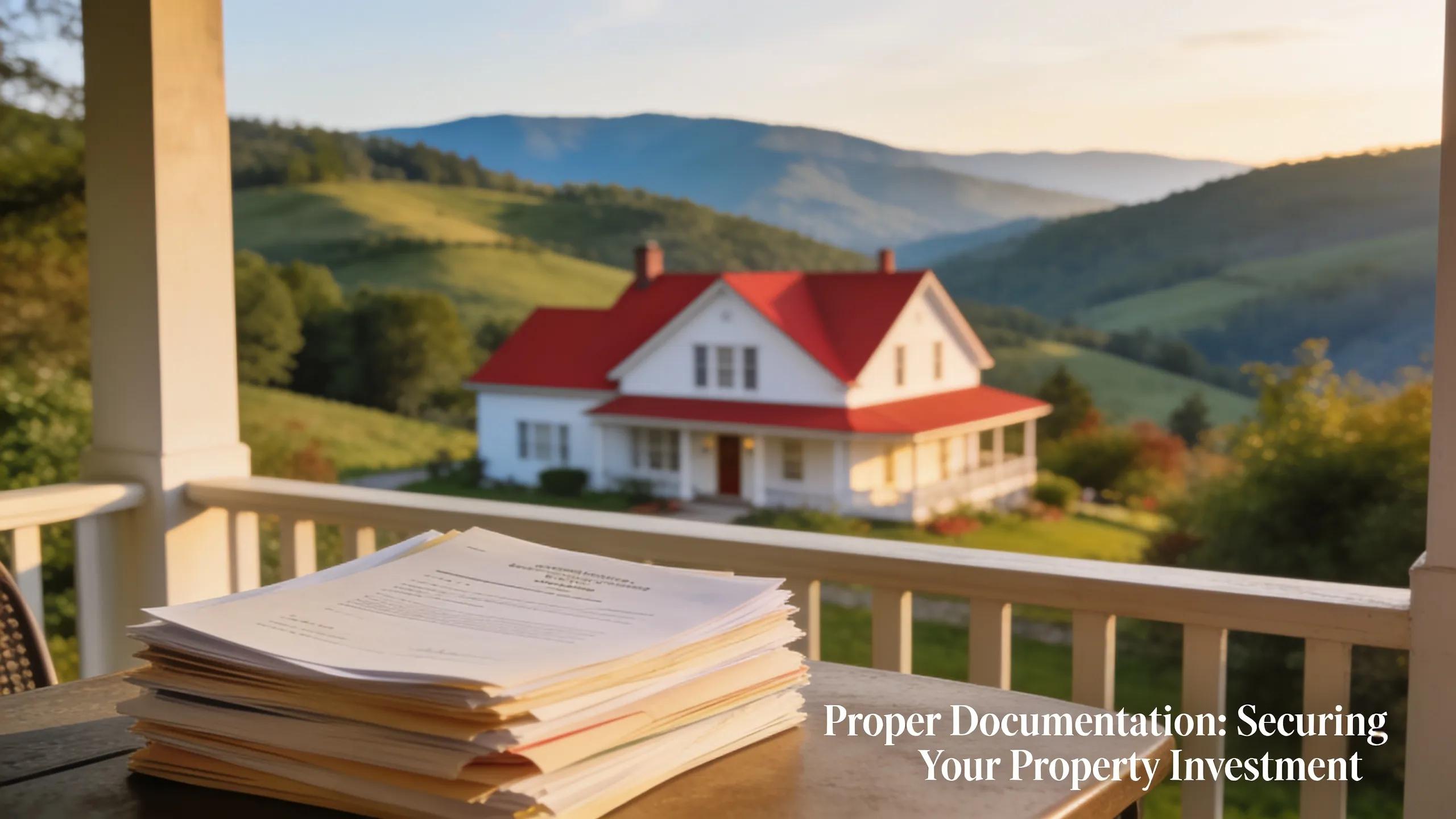
How Property Ownership Errors Can Affect Future Sales
How Property Ownership Errors Impact Future Sales and Title Issues in West Virginia
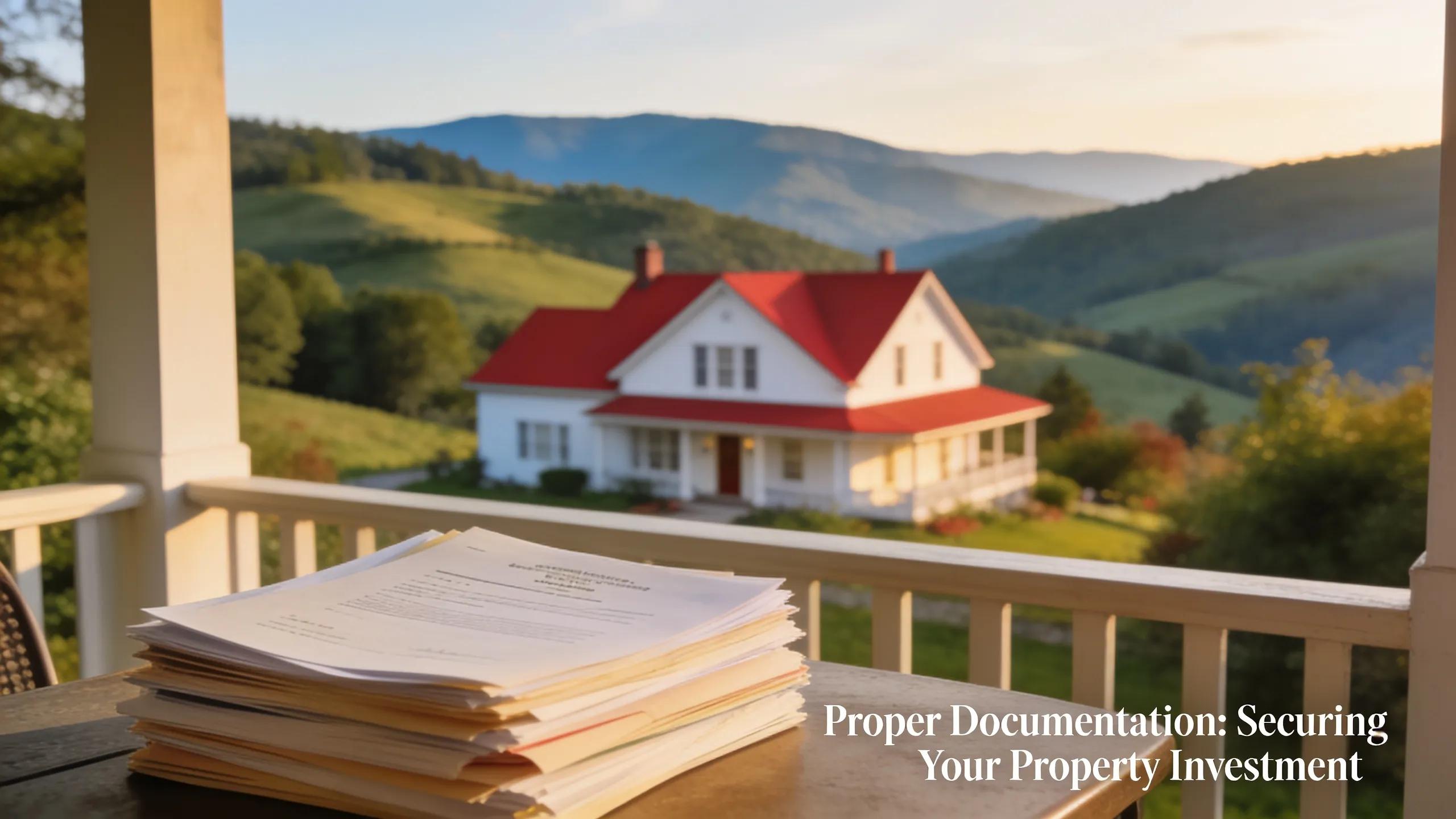
Accurate ownership documentation underpins real estate deals. Errors in deeds, records, or transfers can create title defects, spark inheritance claims, and delay or derail sales in West Virginia. This article outlines the legal consequences, market impacts, common causes, and practical risk‑reduction steps, including title insurance.
Legal Implications:
Ownership errors can produce competing claims, obscure prior interests, and prompt litigation that increases cost and delays closings. Unresolved defects may make transactions impractical.
Moye Law Firm represents clients in ownership and title disputes, helping resolve claims, clarify title, and advise buyers and sellers on corrective remedies. Their expert legal support aids in navigating these matters.
Effects on Market Value:

Unresolved ownership issues reduce marketability and can lower a property’s value. Liens, boundary disputes, and perceived title risk deter buyers and complicate financing, often reducing offers.
Correcting defects early preserves value and enables more competitive sales in the West Virginia market.
Potential Solutions:
Mitigation begins with thorough title work and experienced real estate counsel to implement corrective measures under state procedures. Title insurance adds a financial layer of protection for buyers and lenders.
What Are Common Property Ownership Errors and Their Causes?
Ownership errors take several forms and frequently arise from clerical oversights or incomplete reviews at closing.
Misspelled Names: Incorrect names create ambiguity and can trigger disputes.
Incorrect Boundaries: Description errors lead to boundary disputes and use limitations.
Absence of Necessary Signatures: Missing signatures can invalidate deeds and impede transfers.
These issues commonly stem from transcription mistakes, inadequate closing checks, or poor communication among parties.
Which deed errors and recording mistakes frequently occur?
Deed and recording errors often include typographical name mistakes, inaccurate legal descriptions, and recorder indexing problems that obscure records.
Misspellings Causing Title Breaks: Small typographical errors can produce significant challenges.
Legal Description Mismatches: Faulty descriptions complicate verification and closing.
Recorder Indexing Errors: Misindexing can hide or misclassify documents in public records.
Promptly correcting these mistakes preserves transaction efficiency and reduces litigation risk.
How do inheritance disputes and ownership discrepancies arise?
Disputes often come from unclear wills, incomplete transfers, or failure to identify heirs, producing competing claims and a cloud on title.
Probate review and heir searches before sale help reduce these risks.
How Do Ownership Errors Affect Property Title and Resale Transactions?
Errors impair title clarity and can prevent transfer when liens, taxes, or undisclosed heirs attach to the property. Fraudulent or contested deeds may require litigation to resolve.
Clear title is essential for buyers and lenders to complete transactions and fund loans.
What legal risks and delays result from title defects during sale closings?
Title defects can delay or halt closings, expose buyers to liabilities from unpaid taxes or judgments, and trigger lawsuits that increase time and expense.
Addressing defects before closing minimizes delay and supports a smoother settlement.
How can ownership disputes compromise buyer confidence and financing?
Disputes reduce buyer confidence and may lead lenders to deny loans or impose stricter terms. Buyers may withdraw or reduce offers when title risk is present.
Title insurance and clear corrective action help restore financing options and buyer assurance.
What Steps Can You Take to Detect and Correct Property Ownership Mistakes?
Detection and correction require targeted steps: comprehensive title searches, identification of common documentation errors, and consultation with legal professionals for corrective filings.
Conducting Title Searches: Search public records to find liens, conveyances, and potential heirs.
Identifying Common Errors: Check names, legal descriptions, and execution details closely.
Consulting Legal Resources: Use counsel to prepare corrective deeds or pursue quiet‑title actions when needed.
These measures reduce post‑closing disputes and protect transactional value.
How to perform title searches and ownership verification effectively?
Perform a methodical review of county records, check for unrecorded encumbrances with lenders, and involve counsel for any discrepancies.
Review Public Records: Use county sources to trace conveyances and liens.
Identify Unrecorded Liens: Contact financial institutions to confirm hidden encumbrances.
Utilize Legal Expertise: Attorneys improve accuracy and speed in verification.
Following these steps increases verification reliability and lowers post‑closing risk.
When and how should deed corrections or legal representation be sought?
Seek counsel when omissions, conflicting claims, or unclear legal descriptions appear. Attorneys ensure corrective filings meet statutory requirements.
Identifying Critical Errors: Correct essential omissions promptly.
Consulting with Real Estate Attorneys: Use experienced counsel for compliance and filings.
Understanding Corrective Procedures: Learn the steps for corrective deeds or quiet‑title actions.
Timely legal guidance helps secure marketable title and preserve transaction value.
What Role Does Title Insurance Play in Protecting Against Ownership Errors?
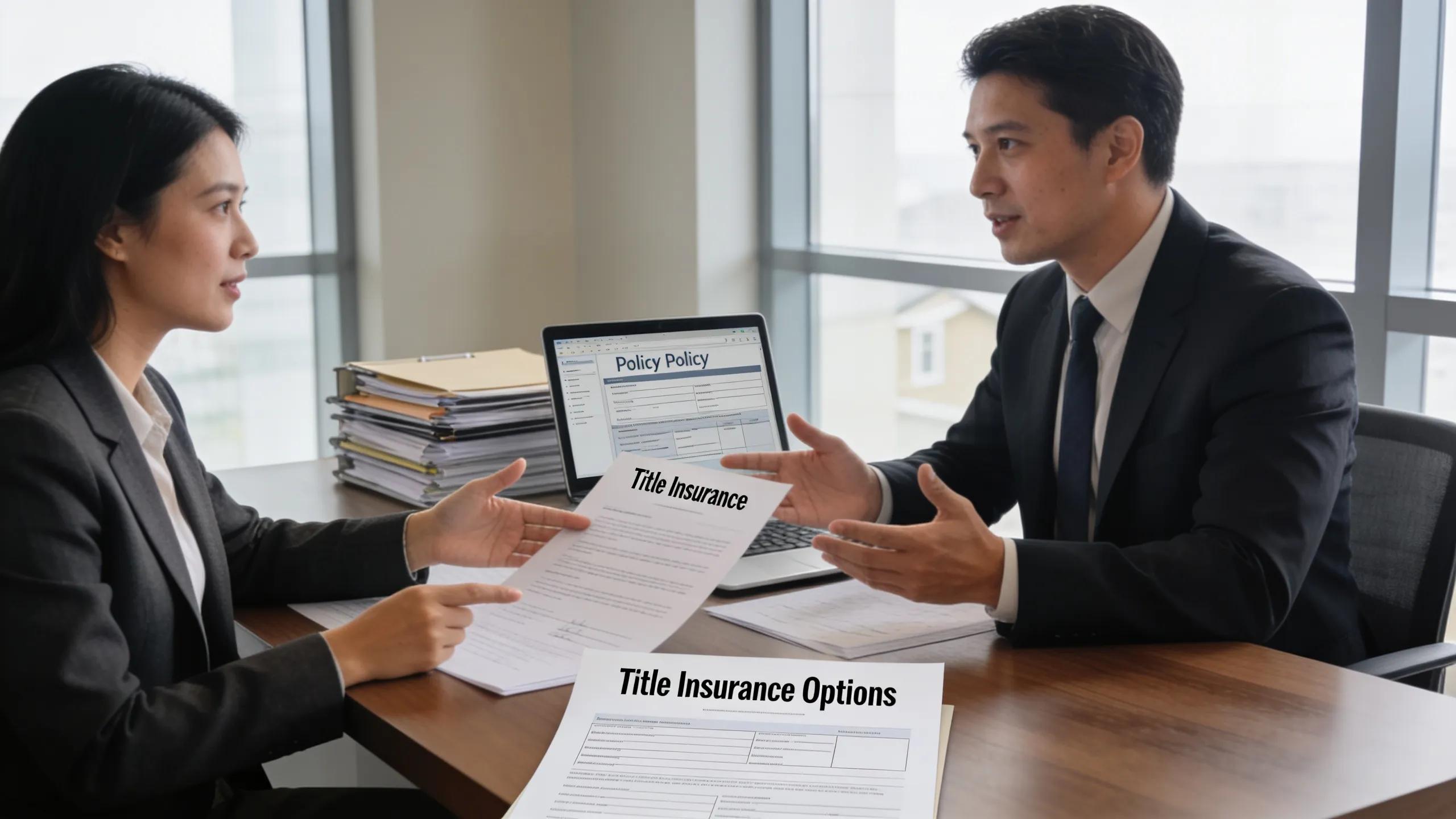
Title insurance protects buyers and lenders from covered defects discovered after closing, including some unknown heirs, recorded or unrecorded liens, and defence costs for insured claims.
Can title insurance resolve claims from ownership disputes or deed errors?
Within policy limits, title insurance can resolve many claims, offer compensation for covered defects, and provide assistance with covered fraudulent documentation.
In conclusion, identifying and correcting ownership errors is essential for secure transactions in West Virginia. Thorough title searches, qualified legal advice, and appropriate title insurance reduce risk and protect value. For legal assistance, consider contacting Moye Law Firm
If you need more information or a specific department, visit the firm's contact page, read their about us sectioncheck the FAQ pageor view their criminal defense attorney page for other practice areas.
Frequently Asked Questions
What steps can I take to avoid property ownership errors?
Order a comprehensive title search, have documents reviewed by a licensed real estate attorney, and obtain title insurance to cover latent defects.
How long does it take to resolve property ownership disputes?
Timing varies: simple matters take weeks to months; complex disputes with multiple heirs or litigation can take many months or years.
What costs are associated with fixing property ownership errors?
Costs include title search and attorney fees, court costs if needed, and payments to clear liens or back taxes; title insurance may cover some expenses.
What impact do ownership errors have on property financing?
Lenders require clear title; unresolved liens or claims can lead to loan denial or stricter loan terms and deter buyers.
How can potential buyers conduct effective due diligence on a property?
Commission a professional title search, review public records, obtain inspections, and consult a real estate attorney to assess legal risks.
Can title insurance protect against all ownership-related issues?
Title insurance covers many ownership risks but not zoning issues or new claims arising after policy issuance; review policy terms and consult your provider for details.

Moye Law Offices
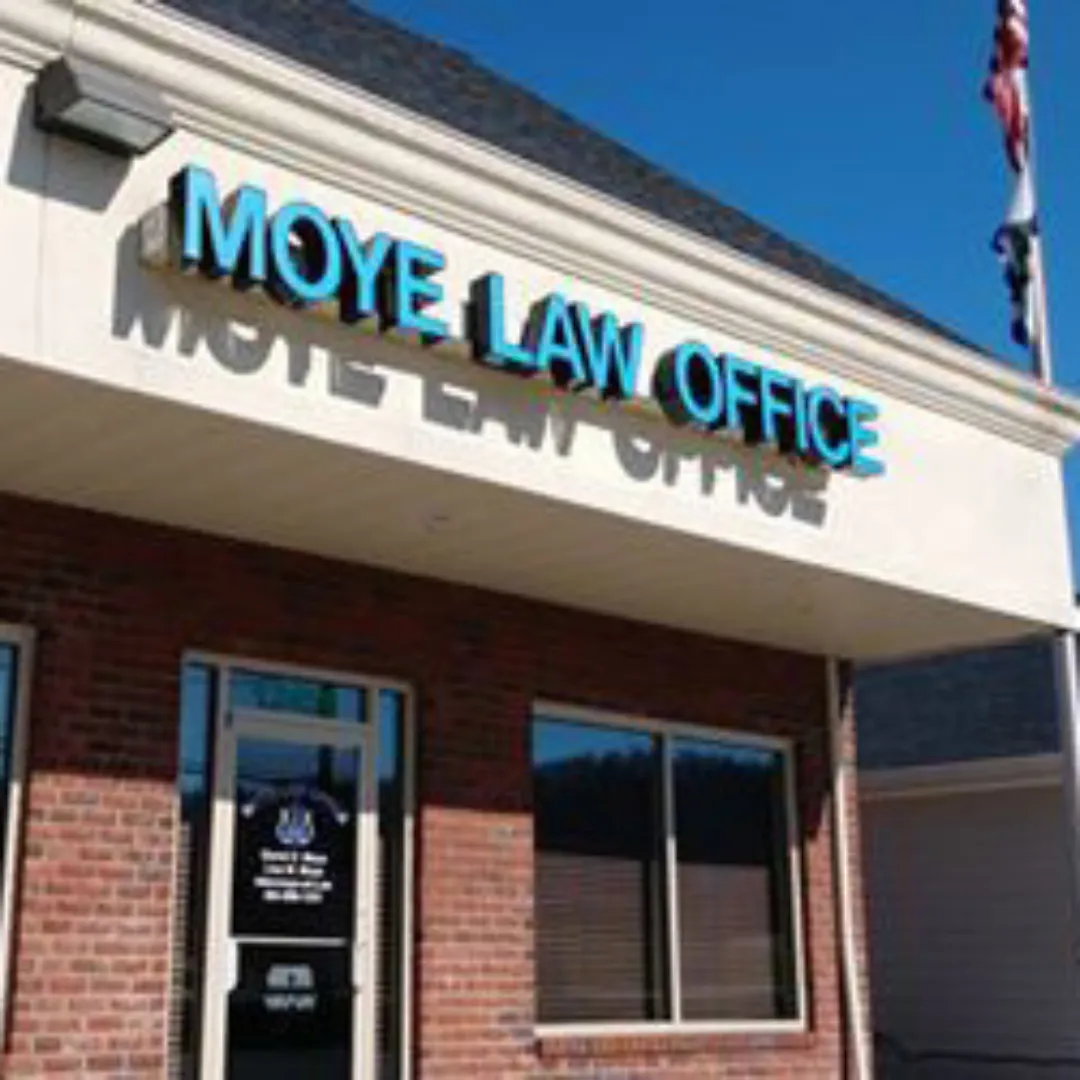
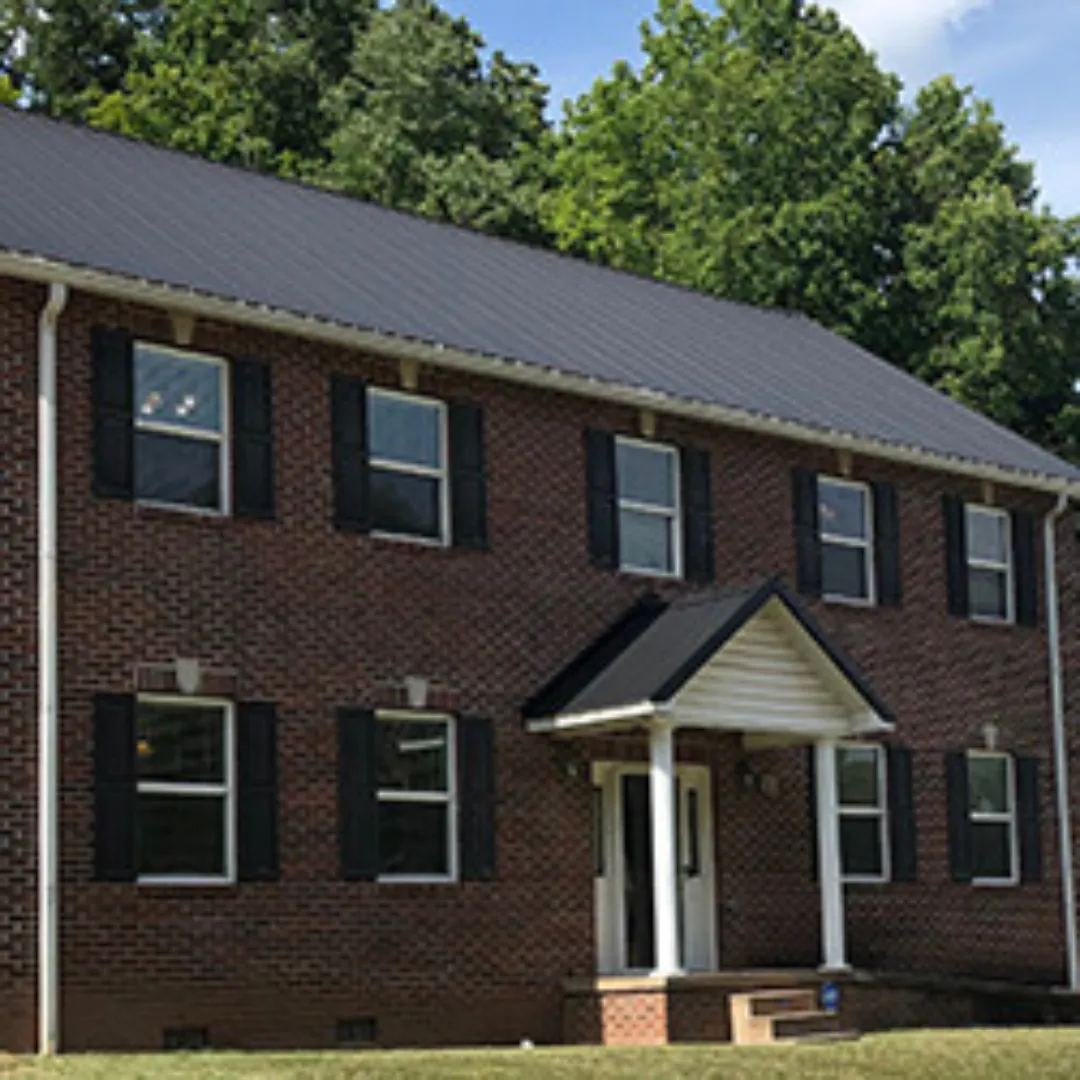
We have two offices in West Virginia: Winfield and Cross Lanes.
CROSS LANES
How Property Ownership Errors Can Affect Future Sales
How Property Ownership Errors Impact Future Sales and Title Issues in West Virginia
Accurate ownership documentation underpins real estate deals. Errors in deeds, records, or transfers can create title defects, spark inheritance claims, and delay or derail sales in West Virginia. This article outlines the legal consequences, market impacts, common causes, and practical risk‑reduction steps, including title insurance.
Legal Implications:
Ownership errors can produce competing claims, obscure prior interests, and prompt litigation that increases cost and delays closings. Unresolved defects may make transactions impractical.
Moye Law Firm represents clients in ownership and title disputes, helping resolve claims, clarify title, and advise buyers and sellers on corrective remedies. Their expert legal support aids in navigating these matters.
Effects on Market Value:
Unresolved ownership issues reduce marketability and can lower a property’s value. Liens, boundary disputes, and perceived title risk deter buyers and complicate financing, often reducing offers.
Correcting defects early preserves value and enables more competitive sales in the West Virginia market.
Potential Solutions:
Mitigation begins with thorough title work and experienced real estate counsel to implement corrective measures under state procedures. Title insurance adds a financial layer of protection for buyers and lenders.
What Are Common Property Ownership Errors and Their Causes?
Ownership errors take several forms and frequently arise from clerical oversights or incomplete reviews at closing.
Misspelled Names: Incorrect names create ambiguity and can trigger disputes.
Incorrect Boundaries: Description errors lead to boundary disputes and use limitations.
Absence of Necessary Signatures: Missing signatures can invalidate deeds and impede transfers.
These issues commonly stem from transcription mistakes, inadequate closing checks, or poor communication among parties.
Which deed errors and recording mistakes frequently occur?
Deed and recording errors often include typographical name mistakes, inaccurate legal descriptions, and recorder indexing problems that obscure records.
Misspellings Causing Title Breaks: Small typographical errors can produce significant challenges.
Legal Description Mismatches: Faulty descriptions complicate verification and closing.
Recorder Indexing Errors: Misindexing can hide or misclassify documents in public records.
Promptly correcting these mistakes preserves transaction efficiency and reduces litigation risk.
How do inheritance disputes and ownership discrepancies arise?
Disputes often come from unclear wills, incomplete transfers, or failure to identify heirs, producing competing claims and a cloud on title.
Probate review and heir searches before sale help reduce these risks.
How Do Ownership Errors Affect Property Title and Resale Transactions?
Errors impair title clarity and can prevent transfer when liens, taxes, or undisclosed heirs attach to the property. Fraudulent or contested deeds may require litigation to resolve.
Clear title is essential for buyers and lenders to complete transactions and fund loans.
What legal risks and delays result from title defects during sale closings?
Title defects can delay or halt closings, expose buyers to liabilities from unpaid taxes or judgments, and trigger lawsuits that increase time and expense.
Addressing defects before closing minimizes delay and supports a smoother settlement.
How can ownership disputes compromise buyer confidence and financing?
Disputes reduce buyer confidence and may lead lenders to deny loans or impose stricter terms. Buyers may withdraw or reduce offers when title risk is present.
Title insurance and clear corrective action help restore financing options and buyer assurance.
What Steps Can You Take to Detect and Correct Property Ownership Mistakes?
Detection and correction require targeted steps: comprehensive title searches, identification of common documentation errors, and consultation with legal professionals for corrective filings.
Conducting Title Searches: Search public records to find liens, conveyances, and potential heirs.
Identifying Common Errors: Check names, legal descriptions, and execution details closely.
Consulting Legal Resources: Use counsel to prepare corrective deeds or pursue quiet‑title actions when needed.
These measures reduce post‑closing disputes and protect transactional value.
How to perform title searches and ownership verification effectively?
Perform a methodical review of county records, check for unrecorded encumbrances with lenders, and involve counsel for any discrepancies.
Review Public Records: Use county sources to trace conveyances and liens.
Identify Unrecorded Liens: Contact financial institutions to confirm hidden encumbrances.
Utilize Legal Expertise: Attorneys improve accuracy and speed in verification.
Following these steps increases verification reliability and lowers post‑closing risk.
When and how should deed corrections or legal representation be sought?
Seek counsel when omissions, conflicting claims, or unclear legal descriptions appear. Attorneys ensure corrective filings meet statutory requirements.
Identifying Critical Errors: Correct essential omissions promptly.
Consulting with Real Estate Attorneys: Use experienced counsel for compliance and filings.
Understanding Corrective Procedures: Learn the steps for corrective deeds or quiet‑title actions.
Timely legal guidance helps secure marketable title and preserve transaction value.
What Role Does Title Insurance Play in Protecting Against Ownership Errors?
Title insurance protects buyers and lenders from covered defects discovered after closing, including some unknown heirs, recorded or unrecorded liens, and defence costs for insured claims.
Can title insurance resolve claims from ownership disputes or deed errors?
Within policy limits, title insurance can resolve many claims, offer compensation for covered defects, and provide assistance with covered fraudulent documentation.
In conclusion, identifying and correcting ownership errors is essential for secure transactions in West Virginia. Thorough title searches, qualified legal advice, and appropriate title insurance reduce risk and protect value. For legal assistance, consider contacting Moye Law Firm
If you need more information or a specific department, visit the firm's contact page, read their about us sectioncheck the FAQ pageor view their criminal defense attorney page for other practice areas.
Frequently Asked Questions
What steps can I take to avoid property ownership errors?
Order a comprehensive title search, have documents reviewed by a licensed real estate attorney, and obtain title insurance to cover latent defects.
How long does it take to resolve property ownership disputes?
Timing varies: simple matters take weeks to months; complex disputes with multiple heirs or litigation can take many months or years.
What costs are associated with fixing property ownership errors?
Costs include title search and attorney fees, court costs if needed, and payments to clear liens or back taxes; title insurance may cover some expenses.
What impact do ownership errors have on property financing?
Lenders require clear title; unresolved liens or claims can lead to loan denial or stricter loan terms and deter buyers.
How can potential buyers conduct effective due diligence on a property?
Commission a professional title search, review public records, obtain inspections, and consult a real estate attorney to assess legal risks.
Can title insurance protect against all ownership-related issues?
Title insurance covers many ownership risks but not zoning issues or new claims arising after policy issuance; review policy terms and consult your provider for details.
Moye Law Offices
We have two offices in West Virginia:
Winfield and Cross Lanes.
CROSS LANES
We Are Here To Help
Do you have a query or problem that you would like to talk about, or are you curious to hear more about how we can help you?
Get in touch today! We look forward to hearing from you.
Assistance Hours
Monday – Friday: 8:30am – 4:30pm
Saturday: By appointment only
Sunday: CLOSED
Subscribe to our Newsletter
We Are Here To Help
Do you have a query or problem that you would like to talk about, or are you curious to hear more about how we can help you?
Get in touch today! We look forward to hearing from you.
Assistance Hours
Monday – Friday 8:30am – 4:30pm
Saturday: By appointment only
Sunday CLOSED