
Blog

Blog

Divorce and Real Estate in WV: How Title and Ownership Get Handled
Dividing Property in Divorce in West Virginia: How Title and Ownership Are Handled
Divorce can materially alter property ownership in West Virginia because state law governs the division of marital assets. Knowing how title and ownership are addressed during and after divorce is essential. This article explains the governing legal principles, outlines the steps to transfer a house title, and emphasises the need for correct title work after divorce so you can manage your property rights effectively.
How Does Property Ownership Change During Divorce in West Virginia?
Under West Virginia's equitable distribution framework, marital property is divided fairly but not always equally. This allocation can significantly affect your financial position and property rights, so understanding the governing principles is crucial when you face divorce and family law matters.
What Are the Legal Principles Governing Property Division in WV Divorce?
West Virginia applies the principle of equitable distribution. Courts consider factors such as the length of the marriage, each spouse's contributions to marital property, and the economic circumstances of both parties. Judges evaluate both tangible and intangible contributions to reach a fair allocation of assets. Consulting a divorce lawyer in West Virginia can help you understand how these principles apply to your case.
How Is Joint Tenancy Affected by Divorce in West Virginia?
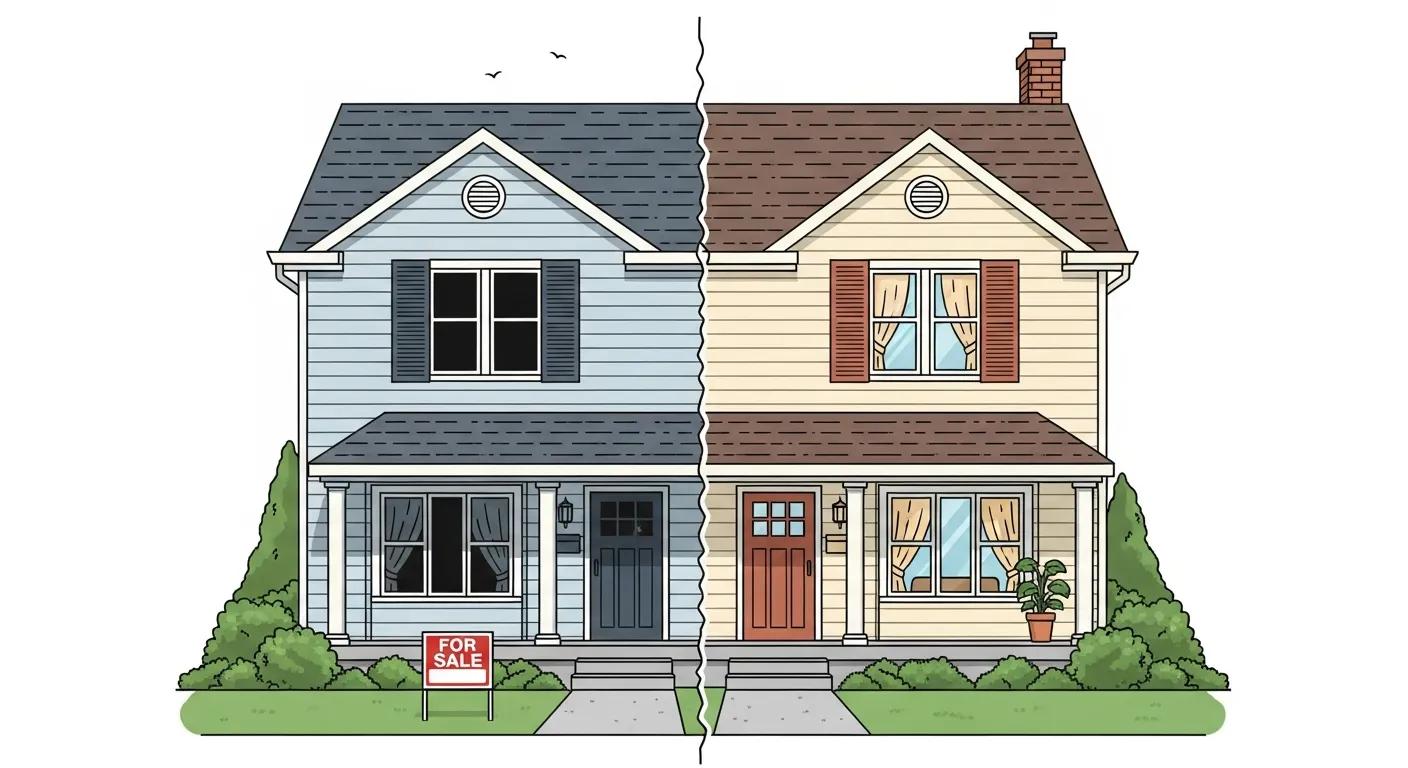
Joint tenancy, where co-owners hold equal shares, may be severed by divorce in West Virginia. Divorce can convert joint tenancy into tenancy in common, giving each spouse a distinct ownership share and altering their respective rights. It is important to recognise these implications during settlement negotiations and to work with a real estate attorney in West Virginia to handle ownership changes properly.
What Is the Step-by-Step Process for House Title Transfer After Divorce in West Virginia?

Transferring a house title after divorce requires a series of formal steps to ensure ownership is legally recognised and properly documented. Completing these steps protects both parties' rights and reduces the risk of future disputes over the property. Engaging a real estate attorney in West Virginia can facilitate this process.
Which Legal Documents Are Required for Title Transfer Post-Divorce?
Certain legal documents are required to complete a title transfer, including the following:
Executed Deed: A quitclaim deed is commonly used to transfer ownership from one spouse to another.
Title Search Report: This document verifies the current ownership and any liens on the property.
Affidavits of Identity: These may be needed to confirm the identities of the parties involved in the transfer.
Obtaining and preparing these documents correctly is essential to a smooth transfer and to protect each party's interests. A real estate attorney in West Virginia can assist with these documents to ensure accuracy and compliance.
How Long Does the Title Transfer Process Take in WV Divorce Cases?
In West Virginia, title transfers commonly take several days to a few weeks. The timeline depends on case complexity and the efficiency of the local recording office. Ensuring that documentation is complete and accurate helps minimise delays.
Why Is Proper Title Work Essential After Divorce in West Virginia?
Accurate title work is critical after a divorce to prevent future disputes and to secure property rights. Incomplete or incorrect transfers can give rise to claims from former spouses or third parties. Completing proper title procedures helps safeguard your post-divorce interests.
What Are Common Title Issues Encountered in WV Divorce Property Settlements?
Common title issues in divorce settlements include:
Undisclosed Heirs: Failure to disclose all potential heirs can complicate ownership claims.
Forged Documents: Instances of forgery can lead to disputes over property rights.
Unpaid or Unrecorded Liens: These can affect the marketability of the property and create financial liabilities.
Addressing these matters proactively reduces the likelihood of contested claims and facilitates a clearer transfer of ownership.
How Does Proper Title Work Protect Your Property Rights Post-Divorce?
Proper title work defines ownership and secures legal recognition. It involves thorough title searches, timely recording of necessary documents, and resolving outstanding issues that may impair ownership. Taking these steps helps prevent future disputes and preserve your property interests.
Moye Law Firm is a West Virginia-based legal practice offering specialized services in real estate law and family law, including divorce-related property issues. Their expertise can be valuable in navigating the complexities of property division and title transfers during divorce proceedings.
For additional information, visit the about us page.
If you have further questions, the FAQs may provide additional insights.
To discuss your specific situation, consider reaching out through the contact our office page, or visit the Moye Law Office website.
Frequently Asked Questions
What factors influence the division of property in a West Virginia divorce?
West Virginia courts consider factors such as the length of the marriage, each spouse's contributions to the marital estate, and the economic circumstances of both parties. Courts may also take into account age, health, the financial needs of any children, and any prior agreements. These considerations help predict how assets may be divided.
Can I contest the property division decision made by the court?
You may challenge a property division decision, but you must have a valid legal basis, for example overlooked evidence or a legal error. Appeals are complex and subject to strict deadlines. Consult a family law attorney promptly to assess your options and the likelihood of success.
What happens to debts during a divorce in West Virginia?
Debts incurred during the marriage are generally treated as marital obligations and are subject to equitable distribution. Both spouses may share responsibility regardless of whose name appears on the account. Courts will examine who incurred the debts and their purpose to arrive at a fair division.
Is it necessary to hire a lawyer for property division in divorce?
A lawyer is not required, but retaining counsel is strongly recommended. An experienced attorney will explain relevant property laws, help negotiate fair settlements, prepare necessary documents, and represent you if disputes arise, which can protect your rights and streamline the process.
How can I ensure my property rights are protected after divorce?
To protect your property rights after divorce, complete all required title transfers and file documents accurately. Commission a thorough title search to identify liens or third-party claims. Consider a post-divorce property settlement agreement that specifies ownership, and consult a legal professional to confirm your interests are secured.
What role does mediation play in property division during divorce?
Mediation provides a structured setting for negotiation under a neutral facilitator. It enables parties to reach mutually acceptable agreements without litigation. Mediation often reduces conflict, lowers costs, and expedites resolution, making it a practical alternative for many couples.

Moye Law Offices
We have two offices in West Virginia: Winfield and Cross Lanes.
CROSS LANES
Divorce and Real Estate in WV: How Title and Ownership Get Handled
Dividing Property in Divorce in West Virginia: How Title and Ownership Are Handled
Divorce can materially alter property ownership in West Virginia because state law governs the division of marital assets. Knowing how title and ownership are addressed during and after divorce is essential. This article explains the governing legal principles, outlines the steps to transfer a house title, and emphasises the need for correct title work after divorce so you can manage your property rights effectively.
How Does Property Ownership Change During Divorce in West Virginia?
Under West Virginia's equitable distribution framework, marital property is divided fairly but not always equally. This allocation can significantly affect your financial position and property rights, so understanding the governing principles is crucial when you face divorce and family law matters.
What Are the Legal Principles Governing Property Division in WV Divorce?
West Virginia applies the principle of equitable distribution. Courts consider factors such as the length of the marriage, each spouse's contributions to marital property, and the economic circumstances of both parties. Judges evaluate both tangible and intangible contributions to reach a fair allocation of assets. Consulting a divorce lawyer in West Virginia can help you understand how these principles apply to your case.
How Is Joint Tenancy Affected by Divorce in West Virginia?
Joint tenancy, where co-owners hold equal shares, may be severed by divorce in West Virginia. Divorce can convert joint tenancy into tenancy in common, giving each spouse a distinct ownership share and altering their respective rights. It is important to recognise these implications during settlement negotiations and to work with a real estate attorney in West Virginia to handle ownership changes properly.
What Is the Step-by-Step Process for House Title Transfer After Divorce in West Virginia?
Transferring a house title after divorce requires a series of formal steps to ensure ownership is legally recognised and properly documented. Completing these steps protects both parties' rights and reduces the risk of future disputes over the property. Engaging a real estate attorney in West Virginia can facilitate this process.
Which Legal Documents Are Required for Title Transfer Post-Divorce?
Certain legal documents are required to complete a title transfer, including the following:
Executed Deed: A quitclaim deed is commonly used to transfer ownership from one spouse to another.
Title Search Report: This document verifies the current ownership and any liens on the property.
Affidavits of Identity: These may be needed to confirm the identities of the parties involved in the transfer.
Obtaining and preparing these documents correctly is essential to a smooth transfer and to protect each party's interests. A real estate attorney in West Virginia can assist with these documents to ensure accuracy and compliance.
How Long Does the Title Transfer Process Take in WV Divorce Cases?
In West Virginia, title transfers commonly take several days to a few weeks. The timeline depends on case complexity and the efficiency of the local recording office. Ensuring that documentation is complete and accurate helps minimise delays.
Why Is Proper Title Work Essential After Divorce in West Virginia?
Accurate title work is critical after a divorce to prevent future disputes and to secure property rights. Incomplete or incorrect transfers can give rise to claims from former spouses or third parties. Completing proper title procedures helps safeguard your post-divorce interests.
What Are Common Title Issues Encountered in WV Divorce Property Settlements?
Common title issues in divorce settlements include:
Undisclosed Heirs: Failure to disclose all potential heirs can complicate ownership claims.
Forged Documents: Instances of forgery can lead to disputes over property rights.
Unpaid or Unrecorded Liens: These can affect the marketability of the property and create financial liabilities.
Addressing these matters proactively reduces the likelihood of contested claims and facilitates a clearer transfer of ownership.
How Does Proper Title Work Protect Your Property Rights Post-Divorce?
Proper title work defines ownership and secures legal recognition. It involves thorough title searches, timely recording of necessary documents, and resolving outstanding issues that may impair ownership. Taking these steps helps prevent future disputes and preserve your property interests.
Moye Law Firm is a West Virginia-based legal practice offering specialized services in real estate law and family law, including divorce-related property issues. Their expertise can be valuable in navigating the complexities of property division and title transfers during divorce proceedings.
For additional information, visit the about us page.
If you have further questions, the FAQs may provide additional insights.
To discuss your specific situation, consider reaching out through the contact our office page, or visit the Moye Law Office website.
Frequently Asked Questions
What factors influence the division of property in a West Virginia divorce?
West Virginia courts consider factors such as the length of the marriage, each spouse's contributions to the marital estate, and the economic circumstances of both parties. Courts may also take into account age, health, the financial needs of any children, and any prior agreements. These considerations help predict how assets may be divided.
Can I contest the property division decision made by the court?
You may challenge a property division decision, but you must have a valid legal basis, for example overlooked evidence or a legal error. Appeals are complex and subject to strict deadlines. Consult a family law attorney promptly to assess your options and the likelihood of success.
What happens to debts during a divorce in West Virginia?
Debts incurred during the marriage are generally treated as marital obligations and are subject to equitable distribution. Both spouses may share responsibility regardless of whose name appears on the account. Courts will examine who incurred the debts and their purpose to arrive at a fair division.
Is it necessary to hire a lawyer for property division in divorce?
A lawyer is not required, but retaining counsel is strongly recommended. An experienced attorney will explain relevant property laws, help negotiate fair settlements, prepare necessary documents, and represent you if disputes arise, which can protect your rights and streamline the process.
How can I ensure my property rights are protected after divorce?
To protect your property rights after divorce, complete all required title transfers and file documents accurately. Commission a thorough title search to identify liens or third-party claims. Consider a post-divorce property settlement agreement that specifies ownership, and consult a legal professional to confirm your interests are secured.
What role does mediation play in property division during divorce?
Mediation provides a structured setting for negotiation under a neutral facilitator. It enables parties to reach mutually acceptable agreements without litigation. Mediation often reduces conflict, lowers costs, and expedites resolution, making it a practical alternative for many couples.
Moye Law Offices
We have two offices in West Virginia:
Winfield and Cross Lanes.
CROSS LANES
We Are Here To Help
Do you have a query or problem that you would like to talk about, or are you curious to hear more about how we can help you?
Get in touch today! We look forward to hearing from you.
Assistance Hours
Monday – Friday: 8:30am – 4:30pm
Saturday: By appointment only
Sunday: CLOSED
Subscribe to our Newsletter
We Are Here To Help
Do you have a query or problem that you would like to talk about, or are you curious to hear more about how we can help you?
Get in touch today! We look forward to hearing from you.
Assistance Hours
Monday – Friday 8:30am – 4:30pm
Saturday: By appointment only
Sunday CLOSED