
Blog

Blog
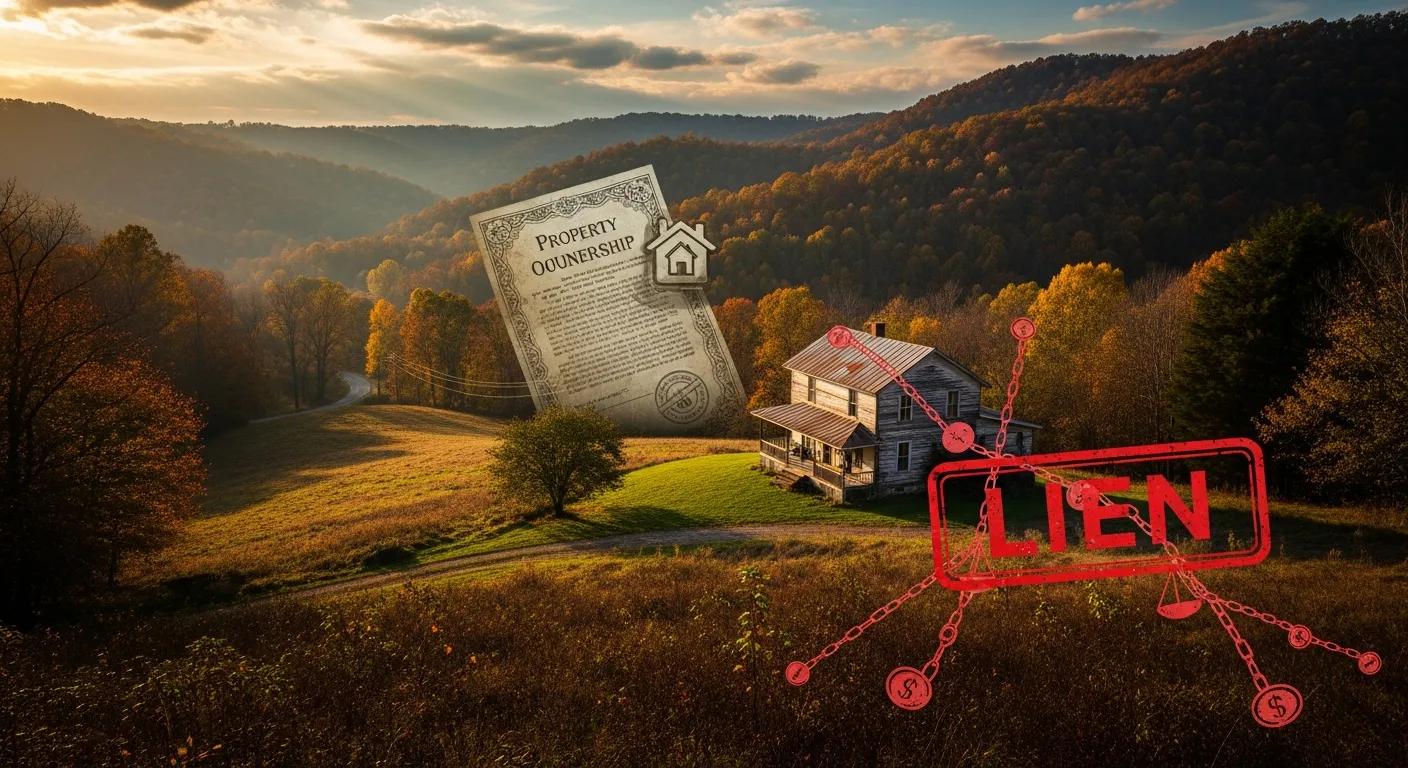
Clear Judgment Lien in West Virginia Before Closing Property
Judgment Lien Process in West Virginia: How Liens Attach to Property Titles and How to Clear Them
Judgment liens can cloud property titles in West Virginia. After a court awards a judgment, creditors can record it and pursue real property to satisfy the debt. This article summarizes how liens attach to titles, the impact on sales and financing, and practical options to clear encumbrances.
Judgment Lien Process
A judgment lien is created when a court judgment is recorded in the county where the real property is located. Recording places an encumbrance on title that remains until released or satisfied, and it can block clean transfers or refinancing until resolved.
This process demonstrates the statutory and procedural means by which creditors enforce judgments against a debtor’s real property.
West Virginia Judgment Creditor Land Satisfaction
A judgment creditor may subject the debtor’s lands to satisfaction of the judgment, and the plaintiff’s bill notes the existence of another judgment against the same defendant. — West Virginia Supreme Court
What Is a Judgment Lien and How Does It Attach to Property Titles in West Virginia?
Recording the judgment gives the creditor a lien that can be enforced, including by foreclosure if unpaid. Because liens are often involuntary, sellers, buyers, and lenders rely on title searches to detect recorded judgments before a transaction closes.
How Judgment Liens Affect Property Ownership and Title Records
Liens reduce marketability, can delay or cancel sales, and expose property to foreclosure. Owners should address recorded liens promptly to protect equity and ensure the title is acceptable to buyers and lenders.
Clearing Judgment Liens

Clearing a judgment lien is usually required for sale or refinancing. Typical resolution paths are payment, negotiated settlement, or court action if the lien is improper. Property owners often seek a real estate attorney in West Virginia to assist with these processes.
Payoff Arrangements: Satisfy the debt and obtain a recorded lien release.
Negotiation with Creditors: Agree a reduced payoff or payment plan and secure written release terms.
Legal Action for Lien Removal: Challenge invalid or improperly recorded liens in court and seek discharge.
What Are the Legal Steps to Remove or Clear Liens on Property in West Virginia?
Common steps are to confirm the payoff amount, negotiate if full payment is not possible, and, when needed, retain counsel to pursue motions or petitions to remove improper liens. Engaging a real estate lawyer can provide essential guidance through this process.
Pay Off the Debt: Satisfy the judgment or complete an agreed settlement.
Negotiate with Lienholder: Seek reductions, releases, or payment plans.
Seek Legal Assistance: Counsel can file motions, handle hearings, and advise on recording. Legal help with property title issues is available to guide the process.
Step-by-Step Lien Release and Clearance Procedures in WV
Follow an administrative sequence to ensure records accurately reflect clearance and to protect buyers and lenders relying on title.
Obtain a Payoff Statement: Request a written payoff from the creditor showing the exact amount to clear the lien.
Make Payment: Pay the agreed amount and keep receipts.
File for Lien Release: The creditor records a release with the county clerk to remove the encumbrance.
Confirm Release: Check county records and obtain evidence that the lien has been removed from title.
How Paying Off Judgment Liens Before Closing Prevents Transaction Delays
Resolving liens before closing avoids last-minute title objections. Title companies and lenders typically require clear title; paying or resolving liens in advance reduces the chance of delays, extra costs, or cancelled closings.
What Are Common Issues and Solutions in West Virginia Lien Disputes?
Frequent problems include recorded encumbrances that block transactions, priority conflicts among multiple claimants, and hidden liens discovered during title searches.
Encumbrance on Property: Recorded liens can prevent sales or refinancing until removed.
Priority Conflicts: Earlier-recorded liens generally take priority and affect the distribution of sale proceeds.
Hidden Liens: Undisclosed judgments may surface during title review and require resolution before transfer.
To manage these issues, run comprehensive title searches, communicate with creditors early, and obtain legal advice when complex priorities or disputes arise.
How to Dispute or Challenge a Judgment Lien in WV

Disputing a lien usually requires documentation and, often, court filings. Gather records and consult counsel to evaluate options. A real estate attorney in West Virginia can provide valuable assistance in this process.
Gather Documentation: Collect the judgment, payment records, and related correspondence.
Consult an Attorney: An attorney evaluates the claim and advises on strategy. See legal counsel.
File a Motion to Discharge the Lien: If supported by evidence, file a motion or petition to discharge the lien and attend any hearing scheduled by the court.
Understanding Lien Priority and Its Effect on Property Rights
Priority controls the order liens are paid from sale proceeds; generally, the lien recorded first is paid before later claims. Understanding priority helps owners and lenders assess exposure and plan resolution steps.
How Does West Virginia Law Regulate Liens and Protect Property Rights?
State statutes set the procedures for creating, enforcing, renewing, and removing judgment liens and provide remedies for improperly recorded claims. Consult applicable statutes and counsel for case-specific guidance. Legal recourse is available when needed.
Overview of WV Lien Laws and Statutory Duration of Judgment Liens
Judgment liens in West Virginia typically last ten years from the judgment date and can be renewed under statute. Track these timelines to avoid long-term encumbrances on title.
Role of Title Insurance and Legal Counsel in Managing Liens
Title insurance can protect buyers and lenders against certain undisclosed claims and help with post-closing resolution costs. Legal counsel advises on disputes, filings, and litigation when required. Contact legal counsel for case-specific help.
Frequently Asked Questions
What happens if I ignore a judgment lien on my property?
Ignoring a lien risks foreclosure and continued encumbrance. Creditors can pursue remedies that may lead to sale; unresolved liens also block sales and refinancing.
Can I sell my property if there is a judgment lien against it?
You can sell, but the lien must be addressed at or before closing — commonly by paying the lien from proceeds or negotiating a release with the creditor.
How long does a judgment lien last in West Virginia?
Judgment liens generally last ten years from the judgment date and may be renewed by the creditor under statutory procedures.
What are the costs associated with clearing a judgment lien?
Costs include the payoff (principal, interest, fees), recording fees, and potentially attorney or court costs for negotiations or challenges.
Can I challenge a judgment lien if I believe it is invalid?
Yes. Gather payment records or proof of improper filing and consult an attorney to file a motion to discharge the lien if appropriate.
What role does title insurance play in relation to judgment liens?
Title insurance can cover certain undisclosed liens discovered after purchase and assist in resolution, reducing financial risk for buyers and lenders.
How can I prevent judgment liens from affecting my property in the future?
Manage debts, resolve disputes early, obtain title insurance at purchase, and periodically review credit and title records; seek advice when financial distress arises.
Need Assistance with Judgment Liens?
If you are facing challenges with judgment liens on your property, contact our office to schedule a consultation and get help clearing a lien effectively.

Moye Law Offices
We have two offices in West Virginia: Winfield and Cross Lanes.
CROSS LANES
Clear Judgment Lien in West Virginia Before Closing Property
Judgment Lien Process in West Virginia: How Liens Attach to Property Titles and How to Clear Them
Judgment liens can cloud property titles in West Virginia. After a court awards a judgment, creditors can record it and pursue real property to satisfy the debt. This article summarizes how liens attach to titles, the impact on sales and financing, and practical options to clear encumbrances.
Judgment Lien Process
A judgment lien is created when a court judgment is recorded in the county where the real property is located. Recording places an encumbrance on title that remains until released or satisfied, and it can block clean transfers or refinancing until resolved.
This process demonstrates the statutory and procedural means by which creditors enforce judgments against a debtor’s real property.
West Virginia Judgment Creditor Land Satisfaction
A judgment creditor may subject the debtor’s lands to satisfaction of the judgment, and the plaintiff’s bill notes the existence of another judgment against the same defendant. — West Virginia Supreme Court
What Is a Judgment Lien and How Does It Attach to Property Titles in West Virginia?
Recording the judgment gives the creditor a lien that can be enforced, including by foreclosure if unpaid. Because liens are often involuntary, sellers, buyers, and lenders rely on title searches to detect recorded judgments before a transaction closes.
How Judgment Liens Affect Property Ownership and Title Records
Liens reduce marketability, can delay or cancel sales, and expose property to foreclosure. Owners should address recorded liens promptly to protect equity and ensure the title is acceptable to buyers and lenders.
Clearing Judgment Liens
Clearing a judgment lien is usually required for sale or refinancing. Typical resolution paths are payment, negotiated settlement, or court action if the lien is improper. Property owners often seek a real estate attorney in West Virginia to assist with these processes.
Payoff Arrangements: Satisfy the debt and obtain a recorded lien release.
Negotiation with Creditors: Agree a reduced payoff or payment plan and secure written release terms.
Legal Action for Lien Removal: Challenge invalid or improperly recorded liens in court and seek discharge.
What Are the Legal Steps to Remove or Clear Liens on Property in West Virginia?
Common steps are to confirm the payoff amount, negotiate if full payment is not possible, and, when needed, retain counsel to pursue motions or petitions to remove improper liens. Engaging a real estate lawyer can provide essential guidance through this process.
Pay Off the Debt: Satisfy the judgment or complete an agreed settlement.
Negotiate with Lienholder: Seek reductions, releases, or payment plans.
Seek Legal Assistance: Counsel can file motions, handle hearings, and advise on recording. Legal help with property title issues is available to guide the process.
Step-by-Step Lien Release and Clearance Procedures in WV
Follow an administrative sequence to ensure records accurately reflect clearance and to protect buyers and lenders relying on title.
Obtain a Payoff Statement: Request a written payoff from the creditor showing the exact amount to clear the lien.
Make Payment: Pay the agreed amount and keep receipts.
File for Lien Release: The creditor records a release with the county clerk to remove the encumbrance.
Confirm Release: Check county records and obtain evidence that the lien has been removed from title.
How Paying Off Judgment Liens Before Closing Prevents Transaction Delays
Resolving liens before closing avoids last-minute title objections. Title companies and lenders typically require clear title; paying or resolving liens in advance reduces the chance of delays, extra costs, or cancelled closings.
What Are Common Issues and Solutions in West Virginia Lien Disputes?
Frequent problems include recorded encumbrances that block transactions, priority conflicts among multiple claimants, and hidden liens discovered during title searches.
Encumbrance on Property: Recorded liens can prevent sales or refinancing until removed.
Priority Conflicts: Earlier-recorded liens generally take priority and affect the distribution of sale proceeds.
Hidden Liens: Undisclosed judgments may surface during title review and require resolution before transfer.
To manage these issues, run comprehensive title searches, communicate with creditors early, and obtain legal advice when complex priorities or disputes arise.
How to Dispute or Challenge a Judgment Lien in WV
Disputing a lien usually requires documentation and, often, court filings. Gather records and consult counsel to evaluate options. A real estate attorney in West Virginia can provide valuable assistance in this process.
Gather Documentation: Collect the judgment, payment records, and related correspondence.
Consult an Attorney: An attorney evaluates the claim and advises on strategy. See legal counsel.
File a Motion to Discharge the Lien: If supported by evidence, file a motion or petition to discharge the lien and attend any hearing scheduled by the court.
Understanding Lien Priority and Its Effect on Property Rights
Priority controls the order liens are paid from sale proceeds; generally, the lien recorded first is paid before later claims. Understanding priority helps owners and lenders assess exposure and plan resolution steps.
How Does West Virginia Law Regulate Liens and Protect Property Rights?
State statutes set the procedures for creating, enforcing, renewing, and removing judgment liens and provide remedies for improperly recorded claims. Consult applicable statutes and counsel for case-specific guidance. Legal recourse is available when needed.
Overview of WV Lien Laws and Statutory Duration of Judgment Liens
Judgment liens in West Virginia typically last ten years from the judgment date and can be renewed under statute. Track these timelines to avoid long-term encumbrances on title.
Role of Title Insurance and Legal Counsel in Managing Liens
Title insurance can protect buyers and lenders against certain undisclosed claims and help with post-closing resolution costs. Legal counsel advises on disputes, filings, and litigation when required. Contact legal counsel for case-specific help.
Frequently Asked Questions
What happens if I ignore a judgment lien on my property?
Ignoring a lien risks foreclosure and continued encumbrance. Creditors can pursue remedies that may lead to sale; unresolved liens also block sales and refinancing.
Can I sell my property if there is a judgment lien against it?
You can sell, but the lien must be addressed at or before closing — commonly by paying the lien from proceeds or negotiating a release with the creditor.
How long does a judgment lien last in West Virginia?
Judgment liens generally last ten years from the judgment date and may be renewed by the creditor under statutory procedures.
What are the costs associated with clearing a judgment lien?
Costs include the payoff (principal, interest, fees), recording fees, and potentially attorney or court costs for negotiations or challenges.
Can I challenge a judgment lien if I believe it is invalid?
Yes. Gather payment records or proof of improper filing and consult an attorney to file a motion to discharge the lien if appropriate.
What role does title insurance play in relation to judgment liens?
Title insurance can cover certain undisclosed liens discovered after purchase and assist in resolution, reducing financial risk for buyers and lenders.
How can I prevent judgment liens from affecting my property in the future?
Manage debts, resolve disputes early, obtain title insurance at purchase, and periodically review credit and title records; seek advice when financial distress arises.
Need Assistance with Judgment Liens?
If you are facing challenges with judgment liens on your property, contact our office to schedule a consultation and get help clearing a lien effectively.
Moye Law Offices
We have two offices in West Virginia:
Winfield and Cross Lanes.
CROSS LANES
We Are Here To Help
Do you have a query or problem that you would like to talk about, or are you curious to hear more about how we can help you?
Get in touch today! We look forward to hearing from you.
Assistance Hours
Monday – Friday: 8:30am – 4:30pm
Saturday: By appointment only
Sunday: CLOSED
Subscribe to our Newsletter
We Are Here To Help
Do you have a query or problem that you would like to talk about, or are you curious to hear more about how we can help you?
Get in touch today! We look forward to hearing from you.
Assistance Hours
Monday – Friday 8:30am – 4:30pm
Saturday: By appointment only
Sunday CLOSED