Blog
Blog

7 Costly Legal Errors Delaying Your Real Estate Closing
7 Legal Mistakes That Delay Real Estate Closings in West Virginia: Essential Guidance for Buyers and Sellers
Real estate closings in West Virginia involve multiple legal steps that can delay transactions. Buyers and sellers often encounter issues that postpone closing dates. This article identifies seven legal mistakes that frequently impede closings and offers practical guidance to avoid them. Topics include title defects, contract problems, and the value of consulting a real estate attorney. Recognising these risks helps you take proactive steps to protect your investment and promote a timely closing.
Essential Guidance for Buyers and Sellers
To prevent delays, adopt three core practices: conduct an early, comprehensive title search to surface liens or defects; consult a real estate attorney for legal review and strategy; and carefully review all transaction documents to confirm terms and obligations.
What Are the Most Common Legal Mistakes Causing Real Estate Closing Delays in West Virginia?
Certain legal errors commonly delay West Virginia closings. Awareness of these issues helps parties manage risk and reduce costly postponements.
Skipping a Full Title Search: Failing to conduct a comprehensive title search can lead to unexpected issues, such as undisclosed liens or ownership disputes.
Signing Closing Documents Without Review: Rushing through the signing process without thoroughly reviewing documents can result in agreeing to unfavorable terms or missing critical information.
Not Understanding Contract Contingencies: Buyers and sellers must be aware of the contingencies in their contracts, as misunderstandings can lead to disputes and delays.
How Do Title Issues Impact the Closing Process?

Defective title records create hurdles that must be cleared before transfer. Unpaid liens can prevent conveyance and errors in public records can obscure ownership. Resolving these matters often requires coordination with lienholders, recording offices, or counsel, which adds time to the closing. For expert assistance, consider consulting the real estate law services offered by Moye Law Office.
What Contract Problems Frequently Lead to Delays?
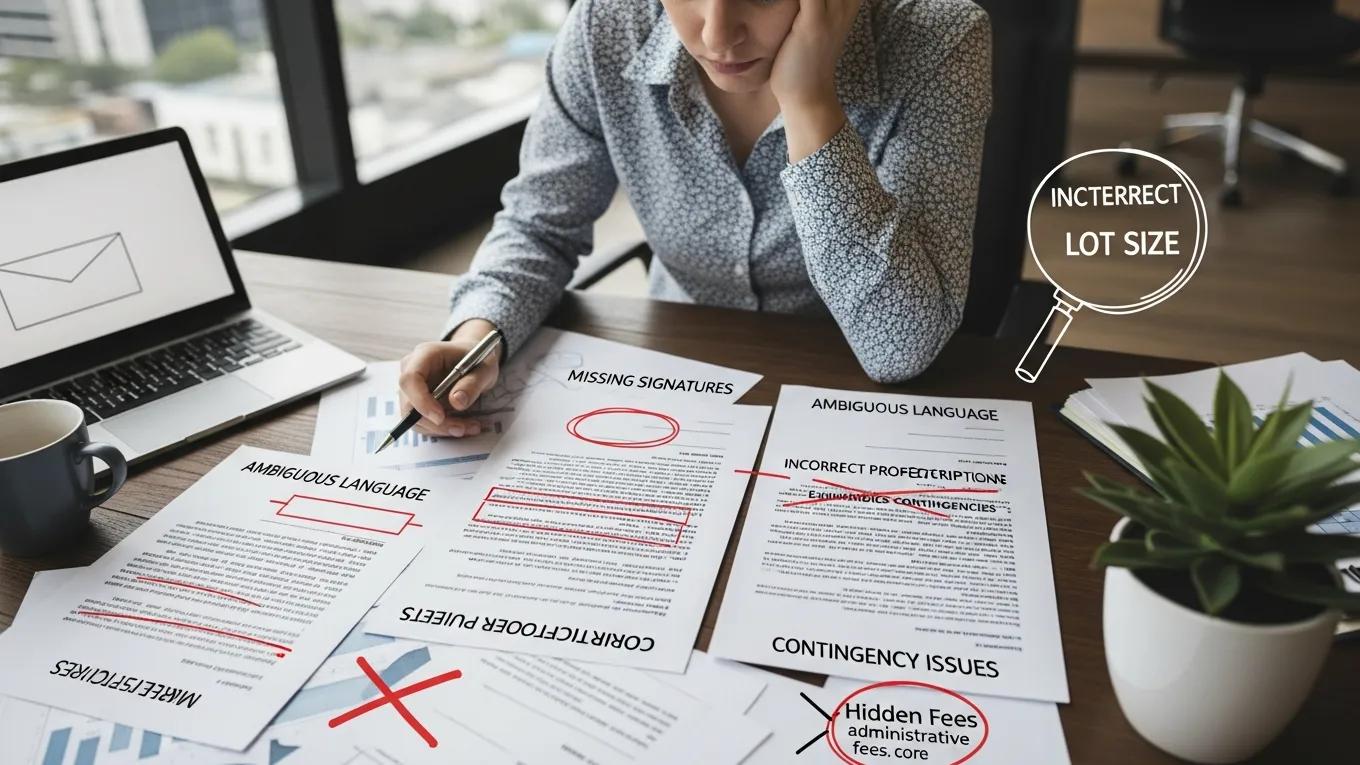
Contract-related delays often arise from errors in public records and outstanding liens. These issues can trigger renegotiation or legal intervention and thereby extend the transaction timeline.
How Can Buyers and Sellers Avoid Contract-Related Delays?
Begin due diligence early. Review all contractual documents in detail and schedule regular updates with your attorney. Prompt communication and early remediation reduce the chance that minor issues escalate into significant delays. For guidance on contract review and negotiation, reach out to the legal team at Moye Law Office.
Why Do Title Insurance and Lien Problems Delay Real Estate Closings?
Title insurance and lien issues prolong closings because underwriters require a clear title before issuing coverage. Title searches take time, and outstanding liens must be cleared or insured against prior to transfer, which can extend the closing schedule.
What Are Common Title Insurance Delays in West Virginia?
In West Virginia, unpaid liens and judgment liens commonly cause title-insurance delays. Underwriters generally require these encumbrances be resolved before issuing a policy, which lengthens the process.
How Does Property Lien Resolution Affect Closing Timelines?
Different lien types, such as tax liens or mechanic's liens, follow distinct procedures for discharge. Understanding the required steps and initiating resolution promptly helps minimise additional delay.
How Does Understanding West Virginia Real Estate Laws Help Prevent Closing Delays?
Familiarity with West Virginia real estate statutes, title defects, and disclosure duties enables parties to meet legal obligations and avoid disputes that stall closings. For comprehensive information on state laws, visit the About Us page of Moye Law Office.
This historical perspective highlights the persistent challenge that title defects pose to efficient real estate transactions.
Title Defects & Delays in Real Estate Closings
The historical account observes that objections to title and delays inherent in traditional title examination and transfer methods persist after registration and that these procedures do not provide an immediate remedy.
Defects in Titles to Real Estate and the Remedies, 1935
What Legal Requirements Should Buyers and Sellers Know?
Buyers and sellers must satisfy title requirements and statutory disclosure obligations. Knowing these duties ensures necessary steps are completed and reduces the likelihood of legal challenges at closing.
How Can a Real Estate Attorney Expedite the Closing Process?
A real estate attorney can accelerate closing by ordering early title searches, verifying document accuracy, and advising on resolution strategies. Legal review identifies potential defects and allows parties to address them before the scheduled closing.
Frequently Asked Questions
What should I do if I discover a title issue after closing?
If you discover a title defect after closing, act promptly. Review your title-insurance policy for coverage and notify the insurer. Contact your real estate attorney to evaluate remedies, which may include filing a claim with the insurer or pursuing legal action against the seller for nondisclosure. Timely action can limit financial exposure.
How can I ensure my real estate transaction complies with local laws?
Engage a real estate attorney experienced in West Virginia regulations to guide compliance with local statutes, required disclosures, and title procedures. Maintain regular communication with your attorney and agent, and consult reputable legal sources to remain informed. Visit the FAQs section for additional insights.
What are the consequences of not having a real estate attorney?
Proceeding without counsel increases the risk of overlooked title defects, misunderstood contract contingencies, and noncompliance with local regulations. These oversights can produce costly delays, disputes, or unfavourable contractual obligations. An attorney protects your legal interests and helps facilitate a smoother closing.
How long does the closing process typically take in West Virginia?
Typical closings in West Virginia require 30 to 60 days. Complexity, party responsiveness, and legal issues—such as title searches or lien resolution—affect timing. Prepare documents in advance and keep communication open to help expedite the process.
What role does a title search play in the closing process?
A title search verifies legal ownership and reveals liens or encumbrances that could impair transfer. Understanding common title issues in West Virginia early in the process can help buyers avoid costly surprises at closing. A thorough search confirms the seller's right to convey and supports issuance of title insurance, which protects buyers against unforeseen title defects. Buyers can also learn more abouttitle insurance vs. title searches before completing a transaction.
Can I negotiate terms after signing the closing documents?
After signing the closing documents, altering terms is difficult because the papers constitute the final agreement. If you identify an error or a post-signing issue, consult your attorney immediately to determine whether amendments or corrective filings are feasible. Address concerns before signing whenever possible.
What should I do if my closing is delayed?
If a closing is delayed, consult your real estate agent and attorney to identify the cause. Common sources include title issues, financing shortfalls, or incomplete documentation. Once identified, coordinate promptly with all parties to resolve the problem and maintain clear communication to minimise further delay.

Moye Law Offices
We have two offices in West Virginia: Winfield and Cross Lanes.
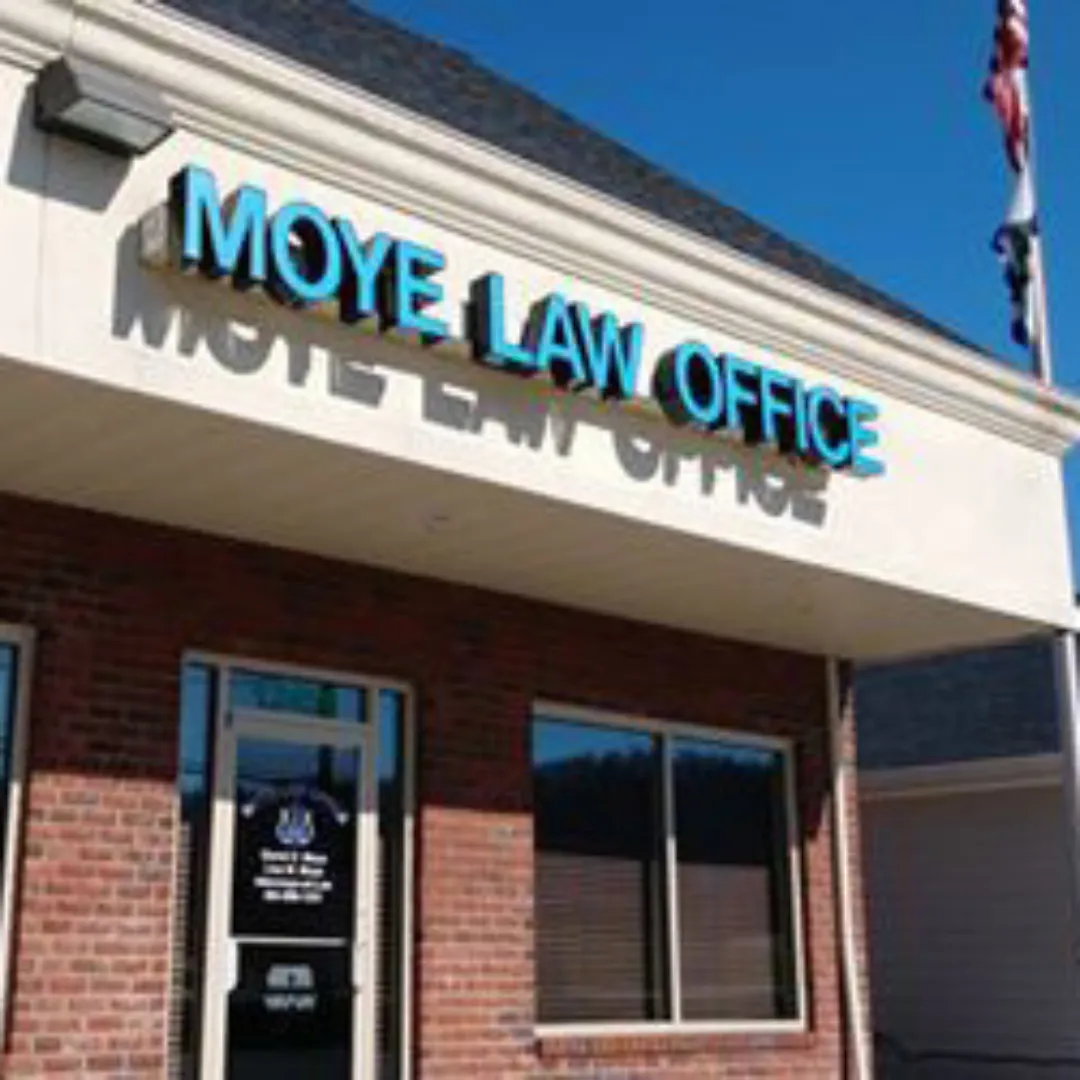
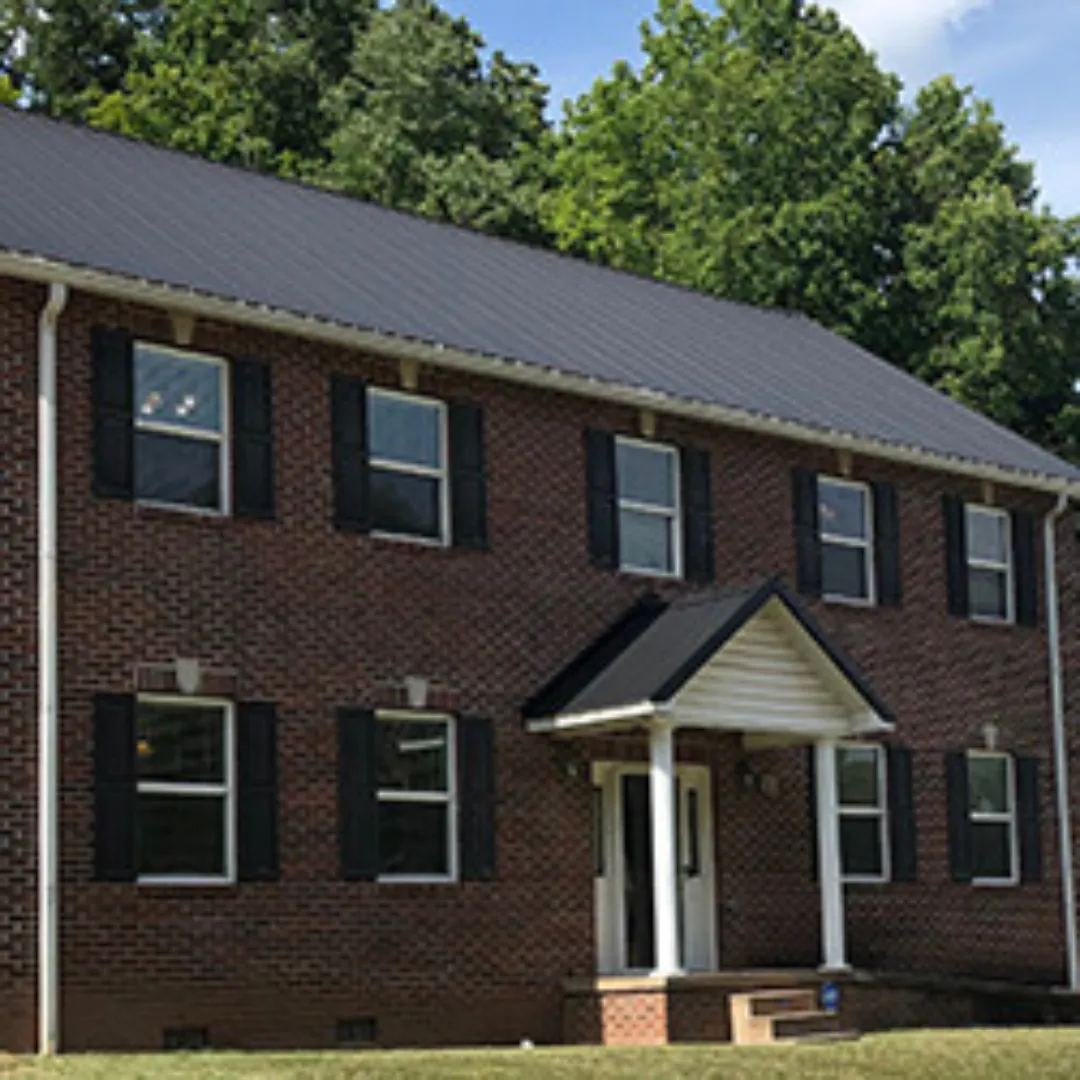
CROSS LANES
7 Costly Legal Errors Delaying Your Real Estate Closing
7 Legal Mistakes That Delay Real Estate Closings in West Virginia: Essential Guidance for Buyers and Sellers
Real estate closings in West Virginia involve multiple legal steps that can delay transactions. Buyers and sellers often encounter issues that postpone closing dates. This article identifies seven legal mistakes that frequently impede closings and offers practical guidance to avoid them. Topics include title defects, contract problems, and the value of consulting a real estate attorney. Recognising these risks helps you take proactive steps to protect your investment and promote a timely closing.
Essential Guidance for Buyers and Sellers
To prevent delays, adopt three core practices: conduct an early, comprehensive title search to surface liens or defects; consult a real estate attorney for legal review and strategy; and carefully review all transaction documents to confirm terms and obligations.
What Are the Most Common Legal Mistakes Causing Real Estate Closing Delays in West Virginia?
Certain legal errors commonly delay West Virginia closings. Awareness of these issues helps parties manage risk and reduce costly postponements.
Skipping a Full Title Search: Failing to conduct a comprehensive title search can lead to unexpected issues, such as undisclosed liens or ownership disputes.
Signing Closing Documents Without Review: Rushing through the signing process without thoroughly reviewing documents can result in agreeing to unfavorable terms or missing critical information.
Not Understanding Contract Contingencies: Buyers and sellers must be aware of the contingencies in their contracts, as misunderstandings can lead to disputes and delays.
How Do Title Issues Impact the Closing Process?
Defective title records create hurdles that must be cleared before transfer. Unpaid liens can prevent conveyance and errors in public records can obscure ownership. Resolving these matters often requires coordination with lienholders, recording offices, or counsel, which adds time to the closing. For expert assistance, consider consulting the real estate law services offered by Moye Law Office.
What Contract Problems Frequently Lead to Delays?
Contract-related delays often arise from errors in public records and outstanding liens. These issues can trigger renegotiation or legal intervention and thereby extend the transaction timeline.
How Can Buyers and Sellers Avoid Contract-Related Delays?
Begin due diligence early. Review all contractual documents in detail and schedule regular updates with your attorney. Prompt communication and early remediation reduce the chance that minor issues escalate into significant delays. For guidance on contract review and negotiation, reach out to the legal team at Moye Law Office.
Why Do Title Insurance and Lien Problems Delay Real Estate Closings?
Title insurance and lien issues prolong closings because underwriters require a clear title before issuing coverage. Title searches take time, and outstanding liens must be cleared or insured against prior to transfer, which can extend the closing schedule.
What Are Common Title Insurance Delays in West Virginia?
In West Virginia, unpaid liens and judgment liens commonly cause title-insurance delays. Underwriters generally require these encumbrances be resolved before issuing a policy, which lengthens the process.
How Does Property Lien Resolution Affect Closing Timelines?
Different lien types, such as tax liens or mechanic's liens, follow distinct procedures for discharge. Understanding the required steps and initiating resolution promptly helps minimise additional delay.
How Does Understanding West Virginia Real Estate Laws Help Prevent Closing Delays?
Familiarity with West Virginia real estate statutes, title defects, and disclosure duties enables parties to meet legal obligations and avoid disputes that stall closings. For comprehensive information on state laws, visit the About Us page of Moye Law Office.
This historical perspective highlights the persistent challenge that title defects pose to efficient real estate transactions.
Title Defects & Delays in Real Estate Closings
The historical account observes that objections to title and delays inherent in traditional title examination and transfer methods persist after registration and that these procedures do not provide an immediate remedy.
Defects in Titles to Real Estate and the Remedies, 1935
What Legal Requirements Should Buyers and Sellers Know?
Buyers and sellers must satisfy title requirements and statutory disclosure obligations. Knowing these duties ensures necessary steps are completed and reduces the likelihood of legal challenges at closing.
How Can a Real Estate Attorney Expedite the Closing Process?
A real estate attorney can accelerate closing by ordering early title searches, verifying document accuracy, and advising on resolution strategies. Legal review identifies potential defects and allows parties to address them before the scheduled closing.
Frequently Asked Questions
What should I do if I discover a title issue after closing?
If you discover a title defect after closing, act promptly. Review your title-insurance policy for coverage and notify the insurer. Contact your real estate attorney to evaluate remedies, which may include filing a claim with the insurer or pursuing legal action against the seller for nondisclosure. Timely action can limit financial exposure.
How can I ensure my real estate transaction complies with local laws?
Engage a real estate attorney experienced in West Virginia regulations to guide compliance with local statutes, required disclosures, and title procedures. Maintain regular communication with your attorney and agent, and consult reputable legal sources to remain informed. Visit the FAQs section for additional insights.
What are the consequences of not having a real estate attorney?
Proceeding without counsel increases the risk of overlooked title defects, misunderstood contract contingencies, and noncompliance with local regulations. These oversights can produce costly delays, disputes, or unfavourable contractual obligations. An attorney protects your legal interests and helps facilitate a smoother closing.
How long does the closing process typically take in West Virginia?
Typical closings in West Virginia require 30 to 60 days. Complexity, party responsiveness, and legal issues—such as title searches or lien resolution—affect timing. Prepare documents in advance and keep communication open to help expedite the process.
What role does a title search play in the closing process?
A title search verifies legal ownership and reveals liens or encumbrances that could impair transfer. Understanding common title issues in West Virginia early in the process can help buyers avoid costly surprises at closing. A thorough search confirms the seller's right to convey and supports issuance of title insurance, which protects buyers against unforeseen title defects. Buyers can also learn more abouttitle insurance vs. title searches before completing a transaction.
Can I negotiate terms after signing the closing documents?
After signing the closing documents, altering terms is difficult because the papers constitute the final agreement. If you identify an error or a post-signing issue, consult your attorney immediately to determine whether amendments or corrective filings are feasible. Address concerns before signing whenever possible.
What should I do if my closing is delayed?
If a closing is delayed, consult your real estate agent and attorney to identify the cause. Common sources include title issues, financing shortfalls, or incomplete documentation. Once identified, coordinate promptly with all parties to resolve the problem and maintain clear communication to minimise further delay.
Moye Law Offices
We have two offices in West Virginia:
Winfield and Cross Lanes.
CROSS LANES
We Are Here To Help
Do you have a query or problem that you would like to talk about, or are you curious to hear more about how we can help you?
Get in touch today! We look forward to hearing from you.
Assistance Hours
Monday – Friday: 8:30am – 4:30pm
Saturday: By appointment only
Sunday: CLOSED
Subscribe to our Newsletter
We Are Here To Help
Do you have a query or problem that you would like to talk about, or are you curious to hear more about how we can help you?
Get in touch today! We look forward to hearing from you.
Assistance Hours
Monday – Friday 8:30am – 4:30pm
Saturday: By appointment only
Sunday CLOSED