
Blog

Blog

Why Title Searches Are the Most Important Step in Any Real Estate Transaction
Why a Title Search Is the Most Important Step in a Real Estate Transaction — How the Process Protects Your Ownership
When you buy or sell real estate, the title search is the safeguard that confirms who really owns the property. A title search reviews public records to make sure the seller has the legal right to sell and to spot any claims, liens, or other problems that could follow the property to its next owner. Below we explain why title searches matter, the defects they commonly reveal, and how they protect both buyers and sellers in real estate transactions. Knowing this process helps you move forward with confidence.
Put simply: a thorough title search prevents surprises. This guide walks through the search itself, how title insurance fills the gaps, and the benefits of working with an experienced real estate attorney. We’ll also outline practical steps you can take if title issues appear so you’re prepared to resolve them quickly.
What Is a Title Search and How Does It Protect Property Ownership?
A title search is a careful review of public records to confirm legal ownership and to find any claims or restrictions on a property. Its purpose is to make sure the buyer receives a clear title — one free from hidden liens, judgments, or other encumbrances that could cause future disputes. Identifying issues early reduces the risk of costly legal problems down the road.
How Does the Title Search Process Verify Property Ownership?
The search verifies ownership by tracing the chain of title — the record of past transfers and documents that show who has held the property. Examiners look at deeds, mortgages, tax records, and other filings to ensure the seller can legally transfer the property.
The search also checks for outstanding claims against the property: unpaid taxes, mortgages, court judgments, easements, or other recorded interests. Finding these matters before closing gives buyers the chance to address them or walk away before committing their funds.
What Common Title Defects Can a Title Search Uncover?

Title searches can reveal a variety of defects that affect ownership. Common examples include:
Liens: Recorded debts or claims that attach to the property.
Easements: Legal rights allowing others to use part of the land, which can limit how you use it.
Fraudulent Transfers: Sales or transfers that occurred without proper consent, raising questions about who truly owns the property.
Encroachments: When a neighbor’s structure or use extends onto the property without permission.
Missing Heirs or Unknown Claims: Potential claims from individuals not identified during the initial review.
Spotting these issues during the title search is essential — unresolved defects can interfere with your use of the property or expose you to unexpected costs.
Why Are Title Searches Critical in Preventing Real Estate Title Issues?
Title searches matter because they catch problems before they become legal battles. Skipping or rushing the search can leave buyers and sellers exposed to financial losses, liens, and lengthy litigation.
For buyers, a title search provides the information needed to decide whether to proceed, negotiate repairs, or require protections at closing. For sellers, it confirms that the title they’re transferring is clear and marketable.
How Do Title Defects Affect Buyers and Sellers in Real Estate Transactions?
Title defects can be costly. Buyers who discover a defect after closing may face liens, boundary disputes, or even challenges to their ownership — all of which can mean legal fees and unexpected expense. Sellers who fail to disclose known defects risk lawsuits and claims for damages. A detailed title search protects both sides and helps close transactions cleanly.
What Role Does a West Virginia Real Estate Closing Attorney Play in Title Searches?
A West Virginia real estate closing attorney brings legal experience to the title search and closing process. An attorney reviews the title report, flags problems, and advises on solutions — from clearing liens to negotiating corrective steps. Their guidance reduces risk and helps keep the closing on track.
How Does Title Insurance Complement the Title Search Process?
Title insurance complements the search by protecting you against claims that surface after closing. While the search aims to identify existing problems, title insurance covers losses from hidden defects, fraud, or errors that weren’t discovered beforehand. It’s an important layer of financial protection for buyers and lenders alike.
What Is the Difference Between Title Search and Title Insurance?
The key distinction is proactive versus protective: a title search looks for known issues before closing; title insurance guards against unknown or future claims after closing.
AspectTitle SearchTitle InsurancePurposeFind existing title issuesProtect against future claimsTimingPerformed before closingTakes effect at closingCoverageLimited to recorded, discoverable issuesCovers unforeseen claims and covered defects
Together, the search and insurance create a much stronger shield for your property purchase than either would alone.
Why Is Title Insurance Important After a Title Search?

Even the best search can miss an error, fraud, or a claim from an unknown heir. Title insurance steps in to cover legal costs and losses from those surprises, so you can enjoy your property without carrying the full financial risk alone.
What Are the Advantages of Moye Law Office’s In-House Title Work in West Virginia?
Moye Law Office offers in-house title services that streamline closings and keep the process coordinated. Handling title work internally lets us move faster, communicate directly, and resolve issues without waiting on outside vendors.
That efficiency tends to shorten closing timelines and reduces the chances of delays. With our team managing title matters, you get consistent legal oversight from start to finish.
How Does In-House Title Work Streamline Real Estate Transactions?
Keeping title work in-house eliminates extra handoffs to third-party companies. That means clearer communication, quicker answers when questions arise, and faster problem resolution — all of which help transactions proceed smoothly.
Our dedicated title team and attorneys review documents together, which lowers the chance of errors and speeds up the steps needed to clear title issues before closing.
What Makes Moye Law Office a Trusted Real Estate Lawyer for Title Searches?
Moye Law Office is known locally for attentive client service and a deep understanding of West Virginia property law. We focus on clear communication, practical solutions, and protecting our clients’ interests at every stage of a transaction.
Our track record of successful closings and satisfied clients reflects that commitment — making us a dependable choice for individuals and families handling real estate matters in the state.
What Steps Should You Take If Title Issues Are Found During a Search?
If a title problem is identified, act quickly. The first step is to consult with a qualified real estate attorney who can explain the issue and recommend next steps. Early action helps minimize delays and limits exposure to risk.
How Can Title Defects Be Resolved Before Closing?
Common solutions include paying off or negotiating liens, obtaining releases from creditors, correcting record errors, or securing needed documentation from prior owners. Your attorney can negotiate or take legal steps to clear defects so the closing can move forward.
When Should You Consult a Real Estate Lawyer About Title Problems?
Consult a real estate lawyer as soon as any concerning title issues appear. Early legal advice often prevents small defects from becoming major obstacles and helps protect your investment.
Frequently Asked Questions
What is the typical duration of a title search process?
How long a title search takes depends on the property’s history and complexity. Most searches finish in a few days to a couple of weeks. Properties with long or complicated chains of title, multiple liens, or other claims can take longer. Start the search early to avoid closing delays.
Can a title search be conducted by the buyer, or is it necessary to hire a professional?
A buyer can review public records, but a professional — a real estate attorney or title company — brings experience and access to records and tools that make the search thorough and reliable. Professionals also interpret the findings and recommend how to handle any defects.
What happens if a title defect is discovered after the purchase?
If a defect appears after closing, consequences range from legal disputes to financial liability. Title insurance is designed to cover many of these situations, including legal defense costs and losses from covered claims. Contact your attorney and your title insurance provider right away if a post-closing defect surfaces.
Are there any exceptions to what a title search can uncover?
Yes. Title searches rely on recorded and discoverable documents, so they may not catch fraud, forgery, undisclosed heirs, or errors that aren’t in public records. That’s why title insurance is an important backup — it helps protect against the risks a search can miss.
How can buyers ensure a smooth title search process?
Choose an experienced local attorney or title company, provide requested documents promptly, and stay responsive to questions. The more cooperative and timely everyone is, the fewer surprises and delays you’ll face during closing.
What should sellers disclose about the title during a transaction?
Sellers must disclose known title problems, such as liens, easements, or disputes over boundaries. Full transparency protects both parties; failing to disclose material issues can lead to legal claims after closing. Work with your attorney to make sure all necessary disclosures are made.

Moye Law Offices
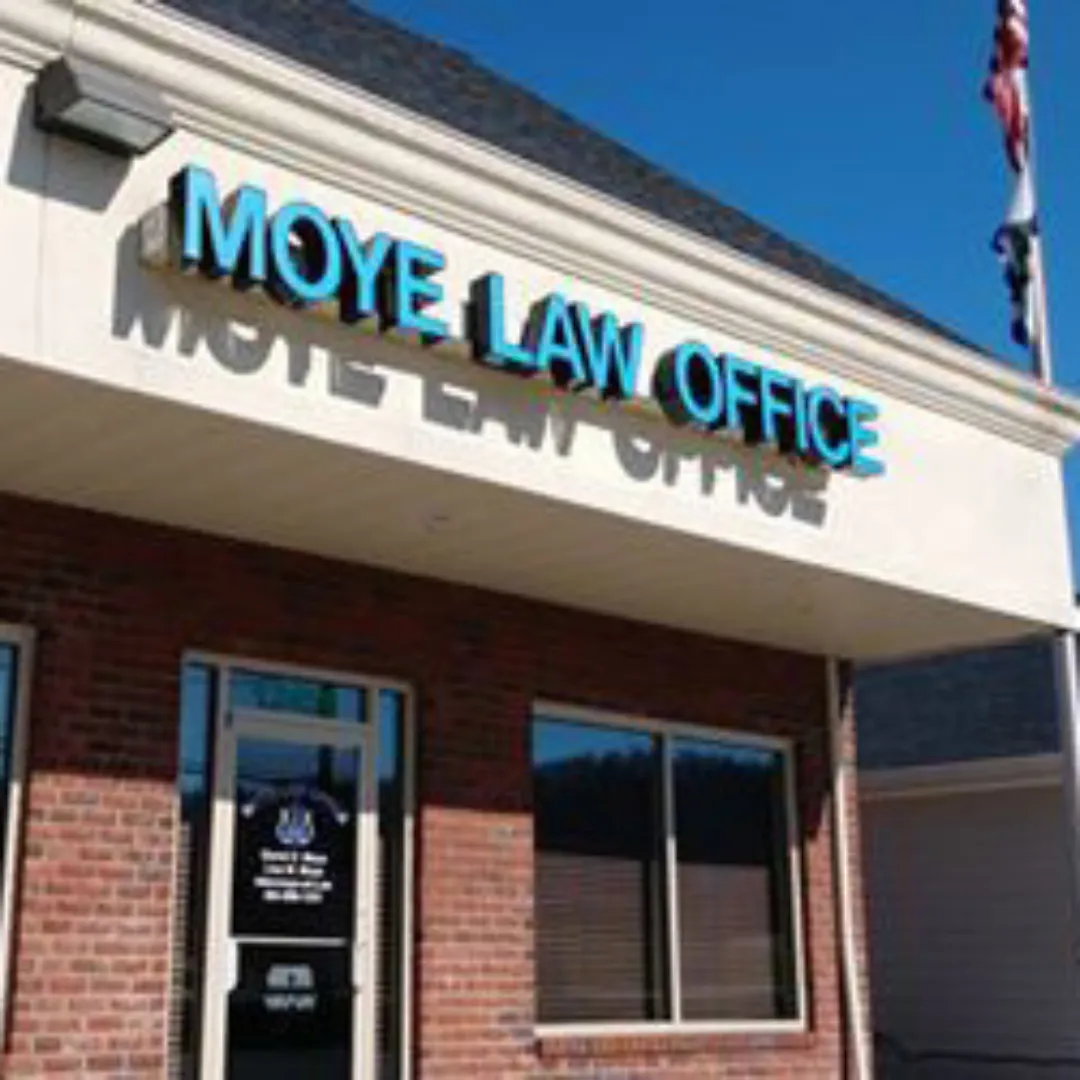
We have two offices in West Virginia: Winfield and Cross Lanes.
CROSS LANES
Why Title Searches Are the Most Important Step in Any Real Estate Transaction
Why a Title Search Is the Most Important Step in a Real Estate Transaction — How the Process Protects Your Ownership
When you buy or sell real estate, the title search is the safeguard that confirms who really owns the property. A title search reviews public records to make sure the seller has the legal right to sell and to spot any claims, liens, or other problems that could follow the property to its next owner. Below we explain why title searches matter, the defects they commonly reveal, and how they protect both buyers and sellers in real estate transactions. Knowing this process helps you move forward with confidence.
Put simply: a thorough title search prevents surprises. This guide walks through the search itself, how title insurance fills the gaps, and the benefits of working with an experienced real estate attorney. We’ll also outline practical steps you can take if title issues appear so you’re prepared to resolve them quickly.
What Is a Title Search and How Does It Protect Property Ownership?
A title search is a careful review of public records to confirm legal ownership and to find any claims or restrictions on a property. Its purpose is to make sure the buyer receives a clear title — one free from hidden liens, judgments, or other encumbrances that could cause future disputes. Identifying issues early reduces the risk of costly legal problems down the road.
How Does the Title Search Process Verify Property Ownership?
The search verifies ownership by tracing the chain of title — the record of past transfers and documents that show who has held the property. Examiners look at deeds, mortgages, tax records, and other filings to ensure the seller can legally transfer the property.
The search also checks for outstanding claims against the property: unpaid taxes, mortgages, court judgments, easements, or other recorded interests. Finding these matters before closing gives buyers the chance to address them or walk away before committing their funds.
What Common Title Defects Can a Title Search Uncover?
Title searches can reveal a variety of defects that affect ownership. Common examples include:
Liens: Recorded debts or claims that attach to the property.
Easements: Legal rights allowing others to use part of the land, which can limit how you use it.
Fraudulent Transfers: Sales or transfers that occurred without proper consent, raising questions about who truly owns the property.
Encroachments: When a neighbor’s structure or use extends onto the property without permission.
Missing Heirs or Unknown Claims: Potential claims from individuals not identified during the initial review.
Spotting these issues during the title search is essential — unresolved defects can interfere with your use of the property or expose you to unexpected costs.
Why Are Title Searches Critical in Preventing Real Estate Title Issues?
Title searches matter because they catch problems before they become legal battles. Skipping or rushing the search can leave buyers and sellers exposed to financial losses, liens, and lengthy litigation.
For buyers, a title search provides the information needed to decide whether to proceed, negotiate repairs, or require protections at closing. For sellers, it confirms that the title they’re transferring is clear and marketable.
How Do Title Defects Affect Buyers and Sellers in Real Estate Transactions?
Title defects can be costly. Buyers who discover a defect after closing may face liens, boundary disputes, or even challenges to their ownership — all of which can mean legal fees and unexpected expense. Sellers who fail to disclose known defects risk lawsuits and claims for damages. A detailed title search protects both sides and helps close transactions cleanly.
What Role Does a West Virginia Real Estate Closing Attorney Play in Title Searches?
A West Virginia real estate closing attorney brings legal experience to the title search and closing process. An attorney reviews the title report, flags problems, and advises on solutions — from clearing liens to negotiating corrective steps. Their guidance reduces risk and helps keep the closing on track.
How Does Title Insurance Complement the Title Search Process?
Title insurance complements the search by protecting you against claims that surface after closing. While the search aims to identify existing problems, title insurance covers losses from hidden defects, fraud, or errors that weren’t discovered beforehand. It’s an important layer of financial protection for buyers and lenders alike.
What Is the Difference Between Title Search and Title Insurance?
The key distinction is proactive versus protective: a title search looks for known issues before closing; title insurance guards against unknown or future claims after closing.
AspectTitle SearchTitle InsurancePurposeFind existing title issuesProtect against future claimsTimingPerformed before closingTakes effect at closingCoverageLimited to recorded, discoverable issuesCovers unforeseen claims and covered defects
Together, the search and insurance create a much stronger shield for your property purchase than either would alone.
Why Is Title Insurance Important After a Title Search?
Even the best search can miss an error, fraud, or a claim from an unknown heir. Title insurance steps in to cover legal costs and losses from those surprises, so you can enjoy your property without carrying the full financial risk alone.
What Are the Advantages of Moye Law Office’s In-House Title Work in West Virginia?
Moye Law Office offers in-house title services that streamline closings and keep the process coordinated. Handling title work internally lets us move faster, communicate directly, and resolve issues without waiting on outside vendors.
That efficiency tends to shorten closing timelines and reduces the chances of delays. With our team managing title matters, you get consistent legal oversight from start to finish.
How Does In-House Title Work Streamline Real Estate Transactions?
Keeping title work in-house eliminates extra handoffs to third-party companies. That means clearer communication, quicker answers when questions arise, and faster problem resolution — all of which help transactions proceed smoothly.
Our dedicated title team and attorneys review documents together, which lowers the chance of errors and speeds up the steps needed to clear title issues before closing.
What Makes Moye Law Office a Trusted Real Estate Lawyer for Title Searches?
Moye Law Office is known locally for attentive client service and a deep understanding of West Virginia property law. We focus on clear communication, practical solutions, and protecting our clients’ interests at every stage of a transaction.
Our track record of successful closings and satisfied clients reflects that commitment — making us a dependable choice for individuals and families handling real estate matters in the state.
What Steps Should You Take If Title Issues Are Found During a Search?
If a title problem is identified, act quickly. The first step is to consult with a qualified real estate attorney who can explain the issue and recommend next steps. Early action helps minimize delays and limits exposure to risk.
How Can Title Defects Be Resolved Before Closing?
Common solutions include paying off or negotiating liens, obtaining releases from creditors, correcting record errors, or securing needed documentation from prior owners. Your attorney can negotiate or take legal steps to clear defects so the closing can move forward.
When Should You Consult a Real Estate Lawyer About Title Problems?
Consult a real estate lawyer as soon as any concerning title issues appear. Early legal advice often prevents small defects from becoming major obstacles and helps protect your investment.
Frequently Asked Questions
What is the typical duration of a title search process?
How long a title search takes depends on the property’s history and complexity. Most searches finish in a few days to a couple of weeks. Properties with long or complicated chains of title, multiple liens, or other claims can take longer. Start the search early to avoid closing delays.
Can a title search be conducted by the buyer, or is it necessary to hire a professional?
A buyer can review public records, but a professional — a real estate attorney or title company — brings experience and access to records and tools that make the search thorough and reliable. Professionals also interpret the findings and recommend how to handle any defects.
What happens if a title defect is discovered after the purchase?
If a defect appears after closing, consequences range from legal disputes to financial liability. Title insurance is designed to cover many of these situations, including legal defense costs and losses from covered claims. Contact your attorney and your title insurance provider right away if a post-closing defect surfaces.
Are there any exceptions to what a title search can uncover?
Yes. Title searches rely on recorded and discoverable documents, so they may not catch fraud, forgery, undisclosed heirs, or errors that aren’t in public records. That’s why title insurance is an important backup — it helps protect against the risks a search can miss.
How can buyers ensure a smooth title search process?
Choose an experienced local attorney or title company, provide requested documents promptly, and stay responsive to questions. The more cooperative and timely everyone is, the fewer surprises and delays you’ll face during closing.
What should sellers disclose about the title during a transaction?
Sellers must disclose known title problems, such as liens, easements, or disputes over boundaries. Full transparency protects both parties; failing to disclose material issues can lead to legal claims after closing. Work with your attorney to make sure all necessary disclosures are made.
Moye Law Offices
We have two offices in West Virginia:
Winfield and Cross Lanes.
CROSS LANES
We Are Here To Help
Do you have a query or problem that you would like to talk about, or are you curious to hear more about how we can help you?
Get in touch today! We look forward to hearing from you.
Assistance Hours
Monday – Friday: 8:30am – 4:30pm
Saturday: By appointment only
Sunday: CLOSED
Subscribe to our Newsletter
We Are Here To Help
Do you have a query or problem that you would like to talk about, or are you curious to hear more about how we can help you?
Get in touch today! We look forward to hearing from you.
Assistance Hours
Monday – Friday 8:30am – 4:30pm
Saturday: By appointment only
Sunday CLOSED