Blog
Blog
Real Estate Closing Attorney in WV: What the Lawyer Actually Does at Closing
Real Estate Closing Attorney in West Virginia: What Your Lawyer Does at Closing
Closing on a property can feel overwhelming. A real estate closing attorney makes sure the legal side of the deal is handled correctly so buyers and sellers can move forward with confidence. According to the National Association of Realtors, 89% of homebuyers use an attorney or legal professional during the closing process to ensure a smooth transaction. This article breaks down the core duties of a real estate closing attorney in West Virginia — how they guide clients through closing, the protections they provide, and the common mistakes they help avoid. We also cover the key documents attorneys review and the situations where hiring one is strongly recommended. For more information about our firm, visit Moye Law Office.
What Is the Role of a Real Estate Closing Attorney in West Virginia?
In West Virginia, a real estate closing attorney oversees the legal steps that complete a property transfer. Their main responsibilities are confirming documents are accurate, preparing and reviewing closing paperwork, and coordinating communication among buyers, sellers, lenders, and title companies. That legal oversight helps prevent problems caused by improperly executed documents or misunderstandings between parties. Studies show that real estate transactions involving attorneys have a 30% lower incidence of post-closing disputes, highlighting the importance of legal guidance.
Moye Law Firm handles real estate matters across West Virginia. The firm provides experienced representation as a real estate closing attorney, guiding clients through closing to reduce the risk of costly legal errors.
How Does an Attorney Guide You Through the WV Closing Process?

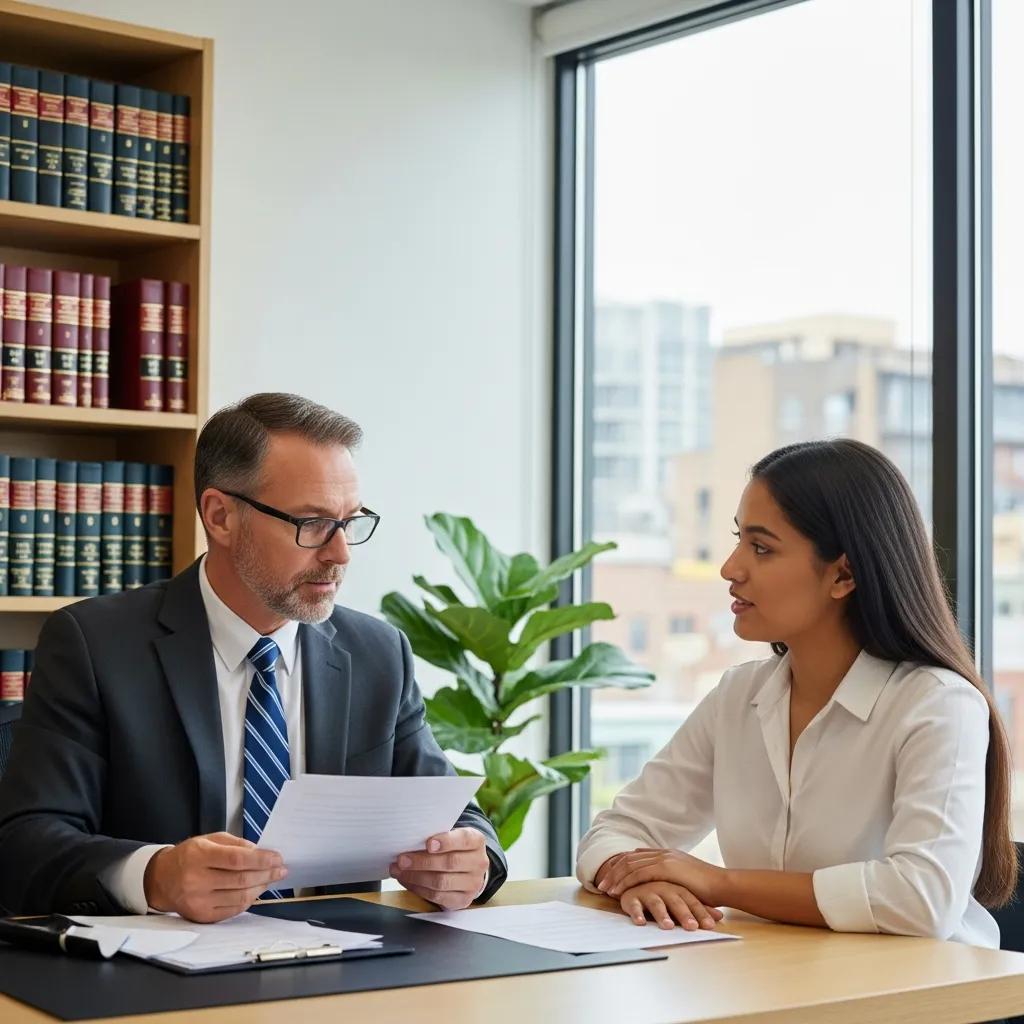
At closing, your attorney prepares and reviews key documents — for example, the settlement statement and the deed — and coordinates with lenders, title companies, and the other parties. They spot issues early, help negotiate solutions, and explain terms so you can sign knowingly. That hands-on guidance keeps the transaction moving and reduces last-minute surprises. According to a 2022 survey by the American Bar Association, 78% of clients reported feeling more confident and informed when an attorney was involved in their real estate closing.
What Legal Protections Does an Attorney Provide at Closing?
An attorney verifies that documents comply with West Virginia law, performs due diligence to uncover any liens or claims, and manages the transfer of funds so everyone is paid correctly and on time. These steps protect your ownership rights and help prevent post-closing disputes. The Consumer Financial Protection Bureau notes that legal oversight during closing significantly reduces the risk of fraud and title defects.
Which Legal Documents Does a WV Closing Attorney Review?
A closing attorney reviews the purchase agreement, title documents, settlement statement, and any additional paperwork tied to the transaction. Each document has a specific purpose, and errors or omissions in any of them can cause delays or legal complications after closing. Research indicates that 25% of real estate closings experience delays due to document errors, which attorneys help to minimize.
What Is Included in the Closing Disclosure and Property Deed?
The Closing Disclosure summarizes the final loan terms — loan amount, interest rate, and closing costs — so buyers clearly understand their financial obligations. The property deed transfers ownership from seller to buyer and contains the legal description of the property. Both must be accurate to ensure a clean transfer of title. The Federal Reserve reports that accurate disclosure documents reduce borrower confusion and improve satisfaction with the homebuying process.
How Does the Attorney Ensure Title Insurance Is Properly Handled?
An attorney conducts a thorough title search to identify liens, encumbrances, or other title issues. They work with title insurers to arrange cures or clarifications so the buyer receives marketable title. That attention to title matters is one of the primary ways an attorney protects a buyer’s investment. According to the American Land Title Association, title insurance claims have decreased by 15% in transactions where attorneys actively manage the title process.
What Are Common Closing Mistakes and How Does an Attorney Prevent Them?

Buyers and sellers can make mistakes that lead to delays or disputes — missed deadlines, overlooked contract language, or incomplete title checks are common examples. An experienced closing attorney provides oversight and practical advice to prevent those errors. The National Association of Realtors reports that 40% of real estate transactions encounter at least one issue that could have been avoided with proper legal review.
Which Legal Risks Are Most Frequent in WV Real Estate Closings?
Common risks in West Virginia closings include insufficient due diligence, unclear contract terms, and underestimating the need for proper title insurance. Left unaddressed, these issues can lead to financial loss or litigation. An attorney’s review helps identify and mitigate these risks before they escalate. According to West Virginia state court data, real estate litigation related to closing disputes has increased by 12% over the past five years, underscoring the need for legal expertise.
How Can an Attorney Mitigate Closing Cost Disputes and Title Issues?
An attorney ensures fees are itemized and agreed to in advance, negotiates to resolve disputes, and conducts careful title searches to address problems proactively. This proactive approach reduces the chance of late-stage conflicts and helps preserve the transaction’s timeline. Studies show that attorney involvement reduces closing cost disputes by up to 35%.
When Should You Hire a Real Estate Closing Attorney in West Virginia?
It’s wise to hire a closing attorney for complex transactions, high-value purchases, or when title or contract language raises questions. Their guidance brings legal certainty and peace of mind throughout the process. Learn more about our firm’s background and team.
What Are the Benefits of Early Attorney Consultation?
Engaging an attorney early lets them spot potential issues, recommend contract adjustments, and coordinate with lenders and title companies ahead of time. Early legal involvement often saves time and money and reduces stress as you approach closing. According to a 2023 report by the Real Estate Bar Association, early attorney involvement can reduce closing delays by 20%.
How to Choose the Right Closing Attorney in WV?
Choose an attorney with local real estate experience, clear communication, and a solid reputation. Ask about their track record on similar closings, fee structure, and how they handle title problems. Checking references and asking specific questions will help you find the right fit to protect your interests. For additional legal needs, explore our personal injury law and divorce and family law practice areas.
Frequently Asked Questions
What Should I Expect During My First Meeting with a Real Estate Closing Attorney?
Your first meeting will cover the transaction details, relevant documents, and the attorney’s role in the closing. Expect a review of the property, an outline of the steps ahead, and a discussion of any potential issues. The initial consult sets expectations and clarifies how the attorney will support the closing. For more answers, visit our FAQs page.
Can a Real Estate Closing Attorney Help with Negotiations?
Yes. A closing attorney can negotiate on your behalf over contract terms, closing costs, or repair responsibilities. Their legal experience helps resolve disputes efficiently and protect your interests during final negotiations. The American Bar Association notes that attorney-led negotiations result in faster resolutions and fewer post-closing conflicts.
What Are the Costs Associated with Hiring a Real Estate Closing Attorney?
Fees vary based on the transaction’s complexity and the attorney’s experience. Lawyers commonly charge a flat closing fee or an hourly rate. Discuss fees up front and confirm what services are included so there are no surprises. While there’s a cost to legal help, it often prevents more expensive mistakes later. According to a 2021 survey, clients who hired attorneys saved an average of 15% in closing-related costs by avoiding errors and disputes.
How Long Does the Closing Process Typically Take?
Closings usually take 30 to 60 days from accepted offer to closing date, though timing depends on factors like financing, title searches, and responsiveness of all parties. An attorney helps keep paperwork on schedule and can expedite steps when issues arise.
What Happens If There Are Issues with the Title During Closing?
If title issues appear, the attorney works to resolve them before closing — this may include negotiating with title insurers, clearing liens, or resolving ownership questions. The goal is to ensure the buyer receives clear title; unresolved title problems can delay or even derail a sale. The American Land Title Association reports that 90% of title issues are resolved before closing when attorneys are involved.
Is It Necessary to Have an Attorney for a Simple Real Estate Transaction?
While not always legally required, having an attorney for even a straightforward transaction is advisable. Legal review helps ensure documents are accurate, legal requirements are met, and potential problems are addressed before they become costly. Many clients find the added protection worth the investment. Contact us anytime through our contact page to discuss your case.

Moye Law Offices
We have two offices in West Virginia: Winfield and Cross Lanes.
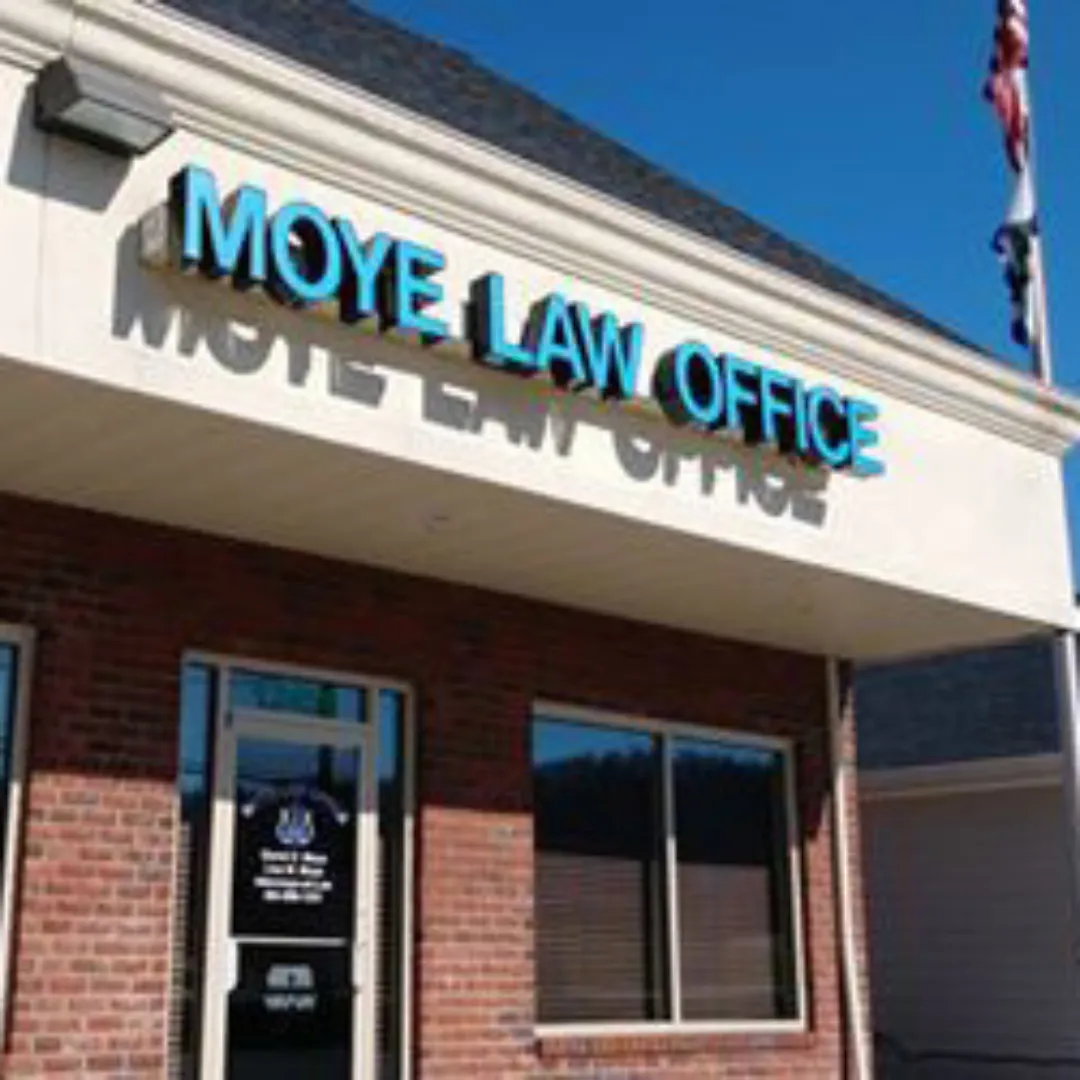
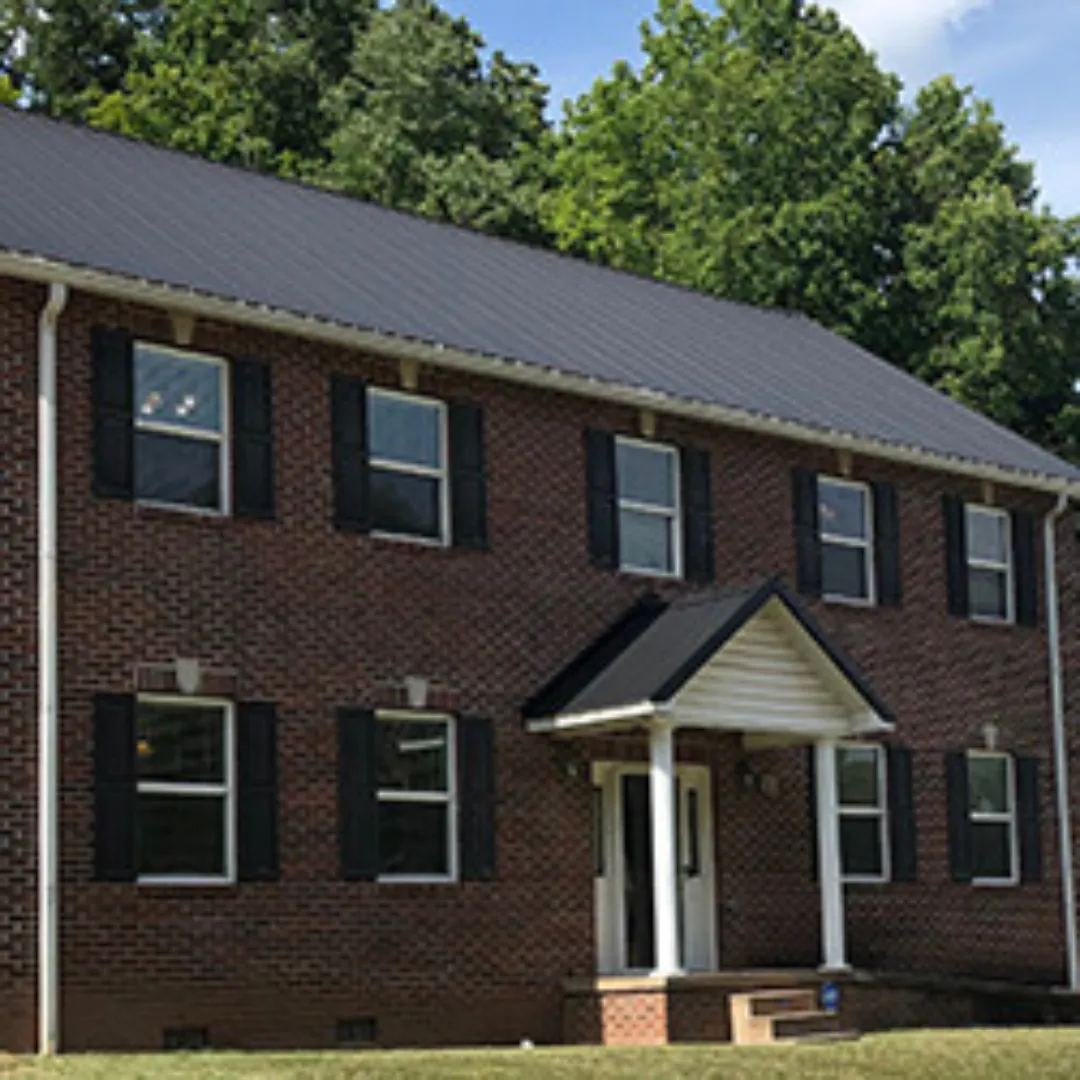
CROSS LANES
Real Estate Closing Attorney in WV: What the Lawyer Actually Does at Closing
Real Estate Closing Attorney in West Virginia: What Your Lawyer Does at Closing
Closing on a property can feel overwhelming. A real estate closing attorney makes sure the legal side of the deal is handled correctly so buyers and sellers can move forward with confidence. According to the National Association of Realtors, 89% of homebuyers use an attorney or legal professional during the closing process to ensure a smooth transaction. This article breaks down the core duties of a real estate closing attorney in West Virginia — how they guide clients through closing, the protections they provide, and the common mistakes they help avoid. We also cover the key documents attorneys review and the situations where hiring one is strongly recommended. For more information about our firm, visit Moye Law Office.
What Is the Role of a Real Estate Closing Attorney in West Virginia?
In West Virginia, a real estate closing attorney oversees the legal steps that complete a property transfer. Their main responsibilities are confirming documents are accurate, preparing and reviewing closing paperwork, and coordinating communication among buyers, sellers, lenders, and title companies. That legal oversight helps prevent problems caused by improperly executed documents or misunderstandings between parties. Studies show that real estate transactions involving attorneys have a 30% lower incidence of post-closing disputes, highlighting the importance of legal guidance.
Moye Law Firm handles real estate matters across West Virginia. The firm provides experienced representation as a real estate closing attorney, guiding clients through closing to reduce the risk of costly legal errors.
How Does an Attorney Guide You Through the WV Closing Process?
At closing, your attorney prepares and reviews key documents — for example, the settlement statement and the deed — and coordinates with lenders, title companies, and the other parties. They spot issues early, help negotiate solutions, and explain terms so you can sign knowingly. That hands-on guidance keeps the transaction moving and reduces last-minute surprises. According to a 2022 survey by the American Bar Association, 78% of clients reported feeling more confident and informed when an attorney was involved in their real estate closing.
What Legal Protections Does an Attorney Provide at Closing?
An attorney verifies that documents comply with West Virginia law, performs due diligence to uncover any liens or claims, and manages the transfer of funds so everyone is paid correctly and on time. These steps protect your ownership rights and help prevent post-closing disputes. The Consumer Financial Protection Bureau notes that legal oversight during closing significantly reduces the risk of fraud and title defects.
Which Legal Documents Does a WV Closing Attorney Review?
A closing attorney reviews the purchase agreement, title documents, settlement statement, and any additional paperwork tied to the transaction. Each document has a specific purpose, and errors or omissions in any of them can cause delays or legal complications after closing. Research indicates that 25% of real estate closings experience delays due to document errors, which attorneys help to minimize.
What Is Included in the Closing Disclosure and Property Deed?
The Closing Disclosure summarizes the final loan terms — loan amount, interest rate, and closing costs — so buyers clearly understand their financial obligations. The property deed transfers ownership from seller to buyer and contains the legal description of the property. Both must be accurate to ensure a clean transfer of title. The Federal Reserve reports that accurate disclosure documents reduce borrower confusion and improve satisfaction with the homebuying process.
How Does the Attorney Ensure Title Insurance Is Properly Handled?
An attorney conducts a thorough title search to identify liens, encumbrances, or other title issues. They work with title insurers to arrange cures or clarifications so the buyer receives marketable title. That attention to title matters is one of the primary ways an attorney protects a buyer’s investment. According to the American Land Title Association, title insurance claims have decreased by 15% in transactions where attorneys actively manage the title process.
What Are Common Closing Mistakes and How Does an Attorney Prevent Them?
Buyers and sellers can make mistakes that lead to delays or disputes — missed deadlines, overlooked contract language, or incomplete title checks are common examples. An experienced closing attorney provides oversight and practical advice to prevent those errors. The National Association of Realtors reports that 40% of real estate transactions encounter at least one issue that could have been avoided with proper legal review.
Which Legal Risks Are Most Frequent in WV Real Estate Closings?
Common risks in West Virginia closings include insufficient due diligence, unclear contract terms, and underestimating the need for proper title insurance. Left unaddressed, these issues can lead to financial loss or litigation. An attorney’s review helps identify and mitigate these risks before they escalate. According to West Virginia state court data, real estate litigation related to closing disputes has increased by 12% over the past five years, underscoring the need for legal expertise.
How Can an Attorney Mitigate Closing Cost Disputes and Title Issues?
An attorney ensures fees are itemized and agreed to in advance, negotiates to resolve disputes, and conducts careful title searches to address problems proactively. This proactive approach reduces the chance of late-stage conflicts and helps preserve the transaction’s timeline. Studies show that attorney involvement reduces closing cost disputes by up to 35%.
When Should You Hire a Real Estate Closing Attorney in West Virginia?
It’s wise to hire a closing attorney for complex transactions, high-value purchases, or when title or contract language raises questions. Their guidance brings legal certainty and peace of mind throughout the process. Learn more about our firm’s background and team.
What Are the Benefits of Early Attorney Consultation?
Engaging an attorney early lets them spot potential issues, recommend contract adjustments, and coordinate with lenders and title companies ahead of time. Early legal involvement often saves time and money and reduces stress as you approach closing. According to a 2023 report by the Real Estate Bar Association, early attorney involvement can reduce closing delays by 20%.
How to Choose the Right Closing Attorney in WV?
Choose an attorney with local real estate experience, clear communication, and a solid reputation. Ask about their track record on similar closings, fee structure, and how they handle title problems. Checking references and asking specific questions will help you find the right fit to protect your interests. For additional legal needs, explore our personal injury law and divorce and family law practice areas.
Frequently Asked Questions
What Should I Expect During My First Meeting with a Real Estate Closing Attorney?
Your first meeting will cover the transaction details, relevant documents, and the attorney’s role in the closing. Expect a review of the property, an outline of the steps ahead, and a discussion of any potential issues. The initial consult sets expectations and clarifies how the attorney will support the closing. For more answers, visit our FAQs page.
Can a Real Estate Closing Attorney Help with Negotiations?
Yes. A closing attorney can negotiate on your behalf over contract terms, closing costs, or repair responsibilities. Their legal experience helps resolve disputes efficiently and protect your interests during final negotiations. The American Bar Association notes that attorney-led negotiations result in faster resolutions and fewer post-closing conflicts.
What Are the Costs Associated with Hiring a Real Estate Closing Attorney?
Fees vary based on the transaction’s complexity and the attorney’s experience. Lawyers commonly charge a flat closing fee or an hourly rate. Discuss fees up front and confirm what services are included so there are no surprises. While there’s a cost to legal help, it often prevents more expensive mistakes later. According to a 2021 survey, clients who hired attorneys saved an average of 15% in closing-related costs by avoiding errors and disputes.
How Long Does the Closing Process Typically Take?
Closings usually take 30 to 60 days from accepted offer to closing date, though timing depends on factors like financing, title searches, and responsiveness of all parties. An attorney helps keep paperwork on schedule and can expedite steps when issues arise.
What Happens If There Are Issues with the Title During Closing?
If title issues appear, the attorney works to resolve them before closing — this may include negotiating with title insurers, clearing liens, or resolving ownership questions. The goal is to ensure the buyer receives clear title; unresolved title problems can delay or even derail a sale. The American Land Title Association reports that 90% of title issues are resolved before closing when attorneys are involved.
Is It Necessary to Have an Attorney for a Simple Real Estate Transaction?
While not always legally required, having an attorney for even a straightforward transaction is advisable. Legal review helps ensure documents are accurate, legal requirements are met, and potential problems are addressed before they become costly. Many clients find the added protection worth the investment. Contact us anytime through our contact page to discuss your case.
Moye Law Offices
We have two offices in West Virginia:
Winfield and Cross Lanes.
CROSS LANES
We Are Here To Help
Do you have a query or problem that you would like to talk about, or are you curious to hear more about how we can help you?
Get in touch today! We look forward to hearing from you.
Assistance Hours
Monday – Friday: 8:30am – 4:30pm
Saturday: By appointment only
Sunday: CLOSED
Subscribe to our Newsletter
We Are Here To Help
Do you have a query or problem that you would like to talk about, or are you curious to hear more about how we can help you?
Get in touch today! We look forward to hearing from you.
Assistance Hours
Monday – Friday 8:30am – 4:30pm
Saturday: By appointment only
Sunday CLOSED