Blog
Blog
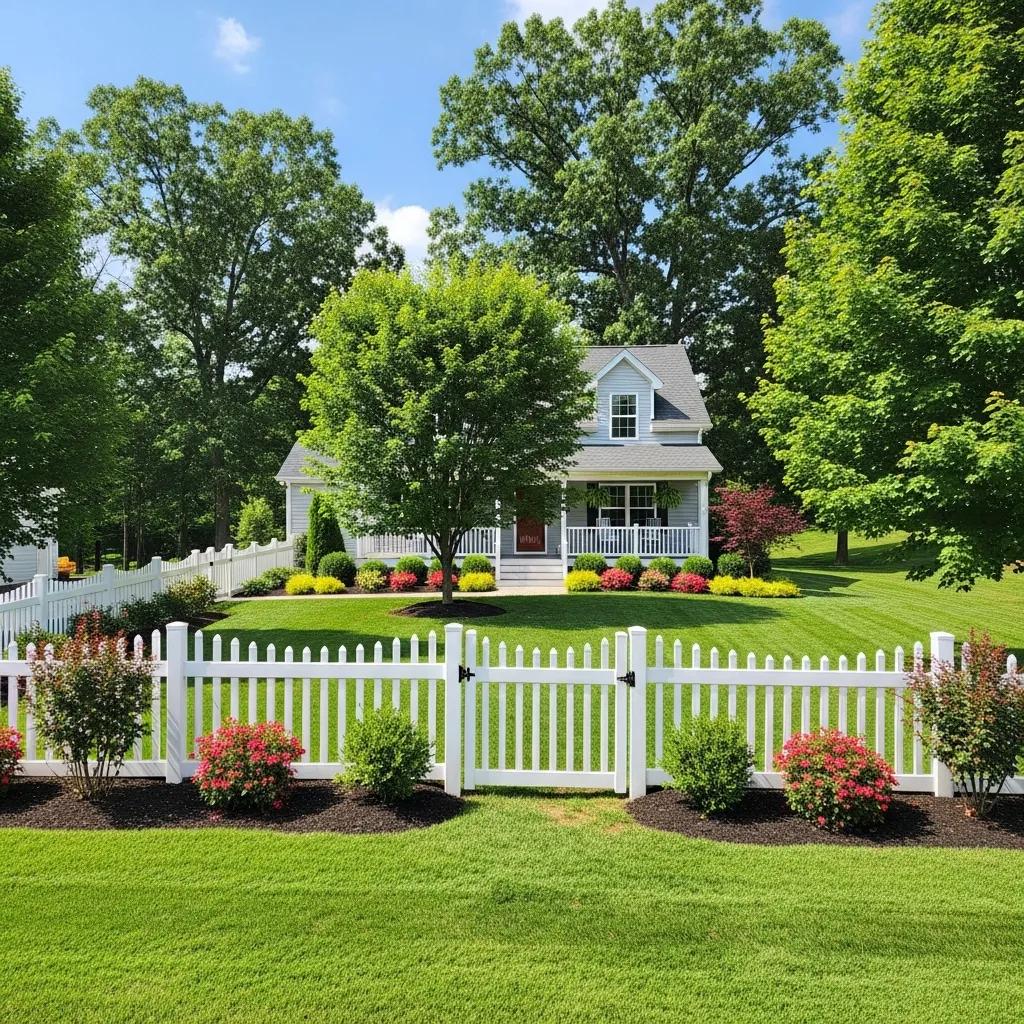
Property Title Work Explained: Liens, Easements, and Boundary Issues
Understanding Property Title Work: Liens, Easements, and Boundary Issues in West Virginia
Title work is a foundational part of real estate transactions. It confirms that a property's title is clear of defects, liens, and other claims that could threaten ownership. In West Virginia, careful title work protects buyers, sellers, and lenders from unexpected financial loss after closing. This article breaks down the key elements — liens, easements, and boundary disputes — so you can spot risks early and take the right steps to protect your investment.
What is Property Title Work and Why is it Important in West Virginia?
Property title work is the process of examining ownership records and related documents to verify who really owns a parcel and whether anything limits that ownership. In West Virginia, this work safeguards buyers and lenders from surprises like undisclosed heirs, unrecorded liens, or competing claims. Title insurance — often part of the process — provides ongoing protection against covered defects. A qualified real estate lawyer guides the review, ensures compliance with local rules, and helps structure protections that fit each transaction.
How Does a Property Title Search Work in West Virginia?
A typical title search in West Virginia follows a few clear steps. A title examiner traces the chain of ownership through public records, looking for recorded deeds, mortgages, liens, and judgments. The examiner also checks for outstanding tax liens and any recorded encumbrances that could limit use or transfer. Thorough title searches expose problems before closing so buyers can decide whether to proceed, require fixes, or seek title insurance endorsements.
What Are Common Property Title Issues in West Virginia?
Frequent title issues we see in West Virginia include defects in prior deeds, hidden or unrecorded liens, gaps in the chain of title, and claims from undisclosed heirs. Other risks — like zoning violations or environmental restrictions — may not surface in a basic title search but can still affect value and use. Identifying these issues early lets parties negotiate solutions, secure endorsements, or correct records before a sale completes.
What Are Liens on Property in West Virginia and How Do They Affect Ownership?

A lien is a legal claim against property to secure payment of a debt or obligation. In West Virginia, liens can come from unpaid taxes, mortgages, judgments, or debts to contractors. Liens can limit your ability to sell or refinance until they are cleared or otherwise resolved.
What Types of Real Estate Liens Exist in West Virginia?
Mortgage Liens: Lenders place these liens as security for mortgage loans. The lien remains until the loan is paid in full.
Tax Liens: These result from unpaid property taxes and give the government a priority claim against the property.
Mechanic’s Liens: Contractors and suppliers may file these when they haven’t been paid for work or materials supplied to improve a property.
How Can Liens Be Discovered and Resolved in West Virginia?
Liens are typically found during a comprehensive title review and through public-record searches performed in due diligence. When a hidden lien turns up, legal counsel can negotiate payoff arrangements, arrange for escrowed payments at closing, or obtain title endorsements to address risk. Early, transparent communication with clients lets them weigh options — accept negotiated remedies, require cures, or walk away if the risk is unacceptable. A seasoned real estate lawyer helps navigate these choices and coordinates with lenders and title insurers to resolve issues before closing. For more common questions, see our FAQs.
What Are Easements on Property in West Virginia and How Do They Impact Property Rights?
An easement gives someone the legal right to use part of another person’s land for a specified purpose. Easements can affect how you use or develop your property, so recognizing them during a title review is essential in West Virginia transactions.
What Are the Common Types of Easements in West Virginia?
Utility Easements: Allow utility providers to place and maintain infrastructure — power lines, pipes, or cables — on private land.
Access Easements: Grant a right of passage to reach landlocked parcels or shared driveways.
Conservation Easements: Restrict development to preserve natural resources or open space.
How Are Easement Disputes Resolved in West Virginia?
Easement disputes often stem from unclear terms or differing expectations about use. Start by discussing the issue with the other party to seek a practical solution. If that fails, a real estate attorney can negotiate on your behalf, draft clarifying agreements, or pursue mediation. When necessary, litigation may be required to enforce or modify an easement, but early legal advice can often avoid court and preserve neighborly relations.
How Can You Resolve Boundary Disputes in West Virginia?
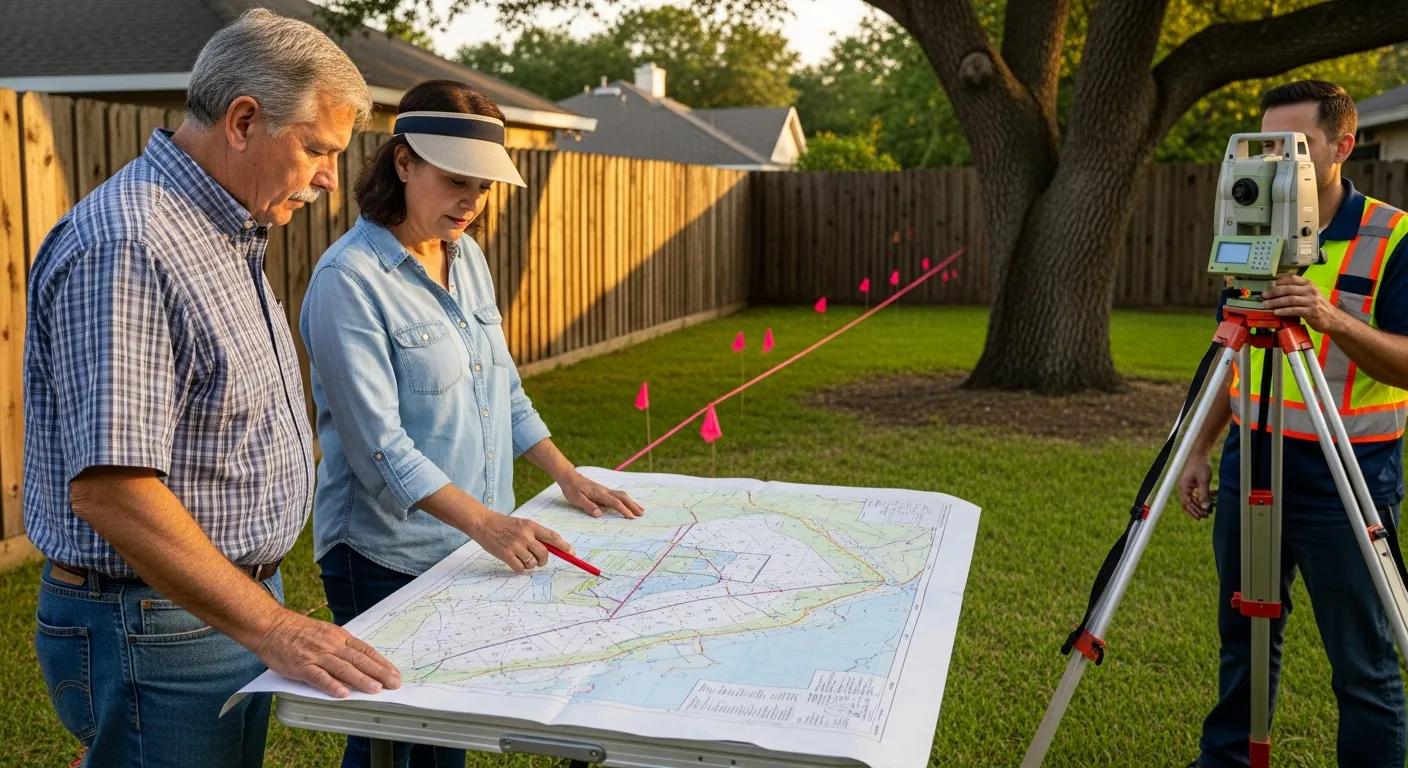
If you face a boundary dispute in West Virginia, engaging a real estate lawyer experienced with local property law is a smart first step. We can order or review surveys, negotiate with adjoining owners, and advise on title fixes or legal remedies. Early, practical steps often keep disputes out of court; when litigation is necessary, an attorney can manage the process and protect your property rights. To start, contact a trusted real estate lawyer through our contact page.
What Causes Boundary Disputes in West Virginia Properties?
Survey Errors: Outdated or inaccurate surveys can create confusion about true property lines.
Discrepancies in Property Deeds: Conflicting descriptions in deeds sometimes lead to overlapping claims.
Encroachments: Structures, fences, or improvements that extend onto a neighbor’s land can spark disputes.
What Legal Steps Can You Take to Settle Boundary Issues in West Virginia?
Obtain a Professional Survey: A licensed surveyor provides a current, authoritative boundary map.
Negotiate with Neighbors: Open discussion and written agreements often resolve issues cheaply and quickly.
File a Lawsuit: If negotiation fails, a property owner can seek a judicial declaration of boundary lines or damages through the courts.
What is Title Insurance in West Virginia and Why Is It Essential?
Title insurance protects buyers and lenders against financial loss from covered title defects discovered after closing — for example, undisclosed heirs, forged documents, or unrecorded liens. Unlike other insurance, title policies insure against past defects and provide legal defense for covered claims, giving long-term protection and peace of mind for your real estate investment.
What Does Title Insurance Cover in West Virginia Real Estate Transactions?
In West Virginia, title insurance typically covers losses from defects in the recorded chain of title, forged signatures, undisclosed heirs, and other matters that cloud ownership. A title policy also pays for a legal defense if a covered claim arises, helping protect the buyer’s or lender’s financial interest in the property.
How Much Does Title Insurance Cost in West Virginia?
Title insurance cost varies with the property’s purchase price and the complexity of the title work. As a general range, buyers often pay between $1,000 and $2,000, though actual premiums depend on the transaction. It’s a one-time expense at closing that can prevent far larger losses down the road.
How Does MOYE Law Office’s In-House Title Research Benefit West Virginia Property Owners?
MOYE Law Office’s in-house title research flags title defects early, negotiates practical remedies, and structures protections to keep disputes from turning into litigation. Our proactive process — from early document review to targeted inspections — helps protect client equity, smooth the closing process, and give clients clear options when issues arise.
What Is the Process of In-House Title Examination at MOYE Law Office?
Early Document Review: We review deeds, mortgages, and recorded instruments to spot inconsistencies or red flags.
Targeted Inspections: When needed, we order inspections or surveys to confirm facts on the ground.
Coordination with Title Insurers: We work with title companies and insurers to address recorded exceptions and secure appropriate endorsements.
Negotiation of Remedies: If defects appear, we negotiate cures, structure escrow protections, or obtain indemnities to resolve issues before closing.
Clear Communication: We explain findings in plain language so clients can decide whether to accept negotiated remedies or walk away.
Proactive Counsel: Our contract drafting and early investigation are designed to deter fraud and limit exposure to deceptive conduct.
How Does Expert Title Research Help Prevent and Resolve Title Issues?
Expert title research uncovers hidden defects early, enabling negotiated fixes, escrow arrangements, or indemnities that often avoid litigation. By finding problems before closing and giving clients clear, practical choices, thorough title work saves time and money and preserves the value of the transaction.
Frequently Asked Questions
What is the difference between a lien and an easement in property law?
A lien is a legal claim against a property to secure payment of a debt and can limit your ability to sell or refinance. An easement, by contrast, grants someone the right to use another person’s land for a specific purpose — such as access or utilities — but does not take ownership. Both affect how you use or transfer property, so it’s important to identify them during title review.
How can I protect my property from potential title issues?
The best protections are a thorough title search, a title insurance policy, and guidance from a qualified real estate lawyer. These steps uncover existing liens or claims, provide insurance against covered defects, and help structure closing protections. Regularly checking public records and maintaining good communication with neighbors also reduces future risks.
What steps should I take if I discover a hidden lien on my property?
If you find a hidden lien, consult a real estate attorney right away. Your lawyer can review the lien’s validity, negotiate with the lienholder, arrange a payoff or release, or seek title endorsements. Acting quickly helps prevent problems when you sell or refinance.
Can easements be revoked or modified in West Virginia?
Some easements can be modified or terminated, but that usually requires agreement by the parties or a court order. The original agreement creating the easement, evidence of abandonment, or a changed circumstance may affect whether modification is possible. Speak with a real estate attorney to review the specific terms and options.
What role does a title company play in real estate transactions?
A title company conducts the title search, issues title insurance, prepares closing documents, and handles funds at closing. Their work confirms the title is marketable, records necessary instruments, and helps ensure the transaction closes cleanly and securely.
How can I find a qualified real estate lawyer in West Virginia?
Start with recommendations from real estate professionals, friends, or family. Check local bar association directories and online reviews, and look for lawyers who focus on real estate law. Schedule consultations to discuss experience, approach, and fees so you can choose the attorney who best fits your needs.

Moye Law Offices
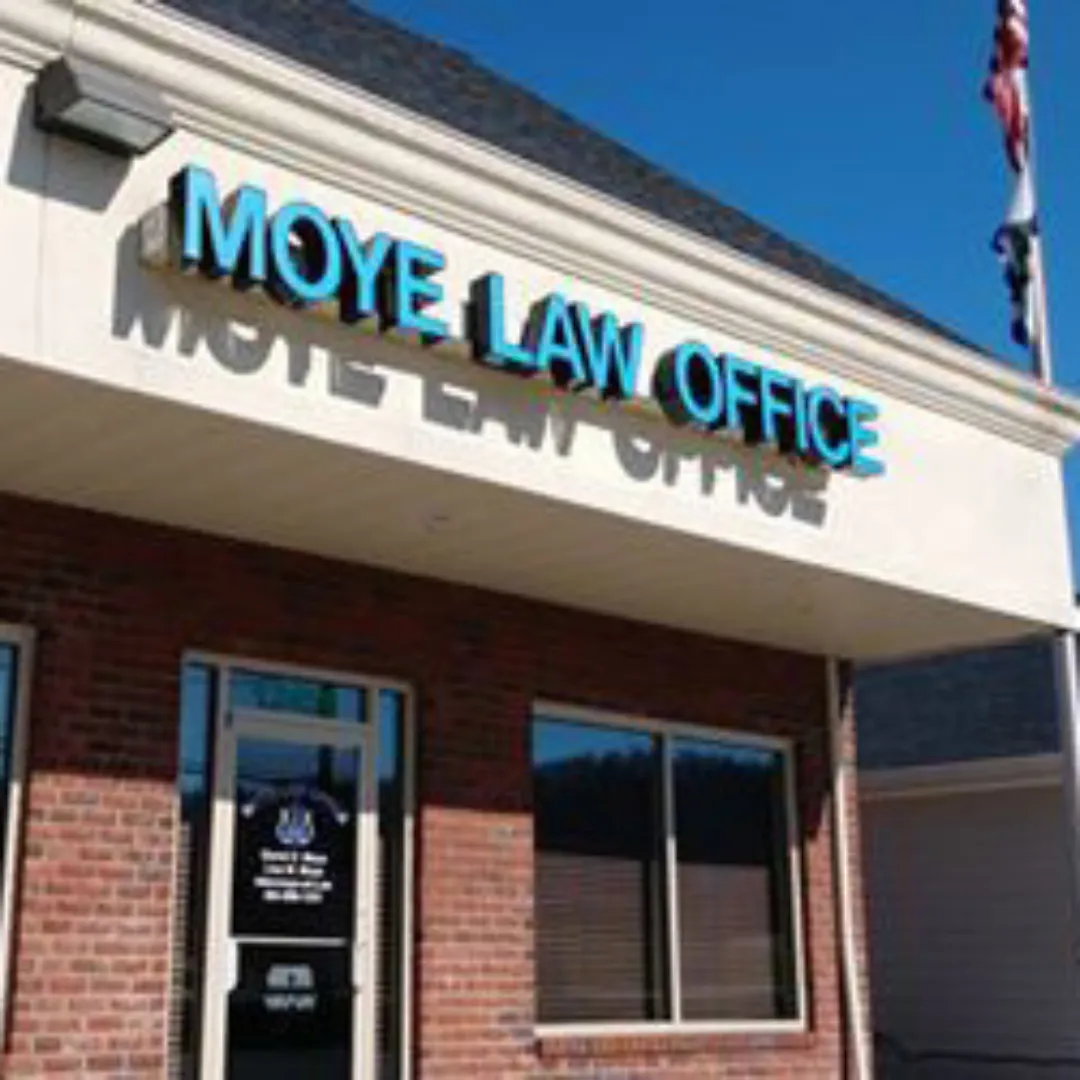
We have two offices in West Virginia: Winfield and Cross Lanes.
CROSS LANES
Property Title Work Explained: Liens, Easements, and Boundary Issues
Understanding Property Title Work: Liens, Easements, and Boundary Issues in West Virginia
Title work is a foundational part of real estate transactions. It confirms that a property's title is clear of defects, liens, and other claims that could threaten ownership. In West Virginia, careful title work protects buyers, sellers, and lenders from unexpected financial loss after closing. This article breaks down the key elements — liens, easements, and boundary disputes — so you can spot risks early and take the right steps to protect your investment.
What is Property Title Work and Why is it Important in West Virginia?
Property title work is the process of examining ownership records and related documents to verify who really owns a parcel and whether anything limits that ownership. In West Virginia, this work safeguards buyers and lenders from surprises like undisclosed heirs, unrecorded liens, or competing claims. Title insurance — often part of the process — provides ongoing protection against covered defects. A qualified real estate lawyer guides the review, ensures compliance with local rules, and helps structure protections that fit each transaction.
How Does a Property Title Search Work in West Virginia?
A typical title search in West Virginia follows a few clear steps. A title examiner traces the chain of ownership through public records, looking for recorded deeds, mortgages, liens, and judgments. The examiner also checks for outstanding tax liens and any recorded encumbrances that could limit use or transfer. Thorough title searches expose problems before closing so buyers can decide whether to proceed, require fixes, or seek title insurance endorsements.
What Are Common Property Title Issues in West Virginia?
Frequent title issues we see in West Virginia include defects in prior deeds, hidden or unrecorded liens, gaps in the chain of title, and claims from undisclosed heirs. Other risks — like zoning violations or environmental restrictions — may not surface in a basic title search but can still affect value and use. Identifying these issues early lets parties negotiate solutions, secure endorsements, or correct records before a sale completes.
What Are Liens on Property in West Virginia and How Do They Affect Ownership?
A lien is a legal claim against property to secure payment of a debt or obligation. In West Virginia, liens can come from unpaid taxes, mortgages, judgments, or debts to contractors. Liens can limit your ability to sell or refinance until they are cleared or otherwise resolved.
What Types of Real Estate Liens Exist in West Virginia?
Mortgage Liens: Lenders place these liens as security for mortgage loans. The lien remains until the loan is paid in full.
Tax Liens: These result from unpaid property taxes and give the government a priority claim against the property.
Mechanic’s Liens: Contractors and suppliers may file these when they haven’t been paid for work or materials supplied to improve a property.
How Can Liens Be Discovered and Resolved in West Virginia?
Liens are typically found during a comprehensive title review and through public-record searches performed in due diligence. When a hidden lien turns up, legal counsel can negotiate payoff arrangements, arrange for escrowed payments at closing, or obtain title endorsements to address risk. Early, transparent communication with clients lets them weigh options — accept negotiated remedies, require cures, or walk away if the risk is unacceptable. A seasoned real estate lawyer helps navigate these choices and coordinates with lenders and title insurers to resolve issues before closing. For more common questions, see our FAQs.
What Are Easements on Property in West Virginia and How Do They Impact Property Rights?
An easement gives someone the legal right to use part of another person’s land for a specified purpose. Easements can affect how you use or develop your property, so recognizing them during a title review is essential in West Virginia transactions.
What Are the Common Types of Easements in West Virginia?
Utility Easements: Allow utility providers to place and maintain infrastructure — power lines, pipes, or cables — on private land.
Access Easements: Grant a right of passage to reach landlocked parcels or shared driveways.
Conservation Easements: Restrict development to preserve natural resources or open space.
How Are Easement Disputes Resolved in West Virginia?
Easement disputes often stem from unclear terms or differing expectations about use. Start by discussing the issue with the other party to seek a practical solution. If that fails, a real estate attorney can negotiate on your behalf, draft clarifying agreements, or pursue mediation. When necessary, litigation may be required to enforce or modify an easement, but early legal advice can often avoid court and preserve neighborly relations.
How Can You Resolve Boundary Disputes in West Virginia?
If you face a boundary dispute in West Virginia, engaging a real estate lawyer experienced with local property law is a smart first step. We can order or review surveys, negotiate with adjoining owners, and advise on title fixes or legal remedies. Early, practical steps often keep disputes out of court; when litigation is necessary, an attorney can manage the process and protect your property rights. To start, contact a trusted real estate lawyer through our contact page.
What Causes Boundary Disputes in West Virginia Properties?
Survey Errors: Outdated or inaccurate surveys can create confusion about true property lines.
Discrepancies in Property Deeds: Conflicting descriptions in deeds sometimes lead to overlapping claims.
Encroachments: Structures, fences, or improvements that extend onto a neighbor’s land can spark disputes.
What Legal Steps Can You Take to Settle Boundary Issues in West Virginia?
Obtain a Professional Survey: A licensed surveyor provides a current, authoritative boundary map.
Negotiate with Neighbors: Open discussion and written agreements often resolve issues cheaply and quickly.
File a Lawsuit: If negotiation fails, a property owner can seek a judicial declaration of boundary lines or damages through the courts.
What is Title Insurance in West Virginia and Why Is It Essential?
Title insurance protects buyers and lenders against financial loss from covered title defects discovered after closing — for example, undisclosed heirs, forged documents, or unrecorded liens. Unlike other insurance, title policies insure against past defects and provide legal defense for covered claims, giving long-term protection and peace of mind for your real estate investment.
What Does Title Insurance Cover in West Virginia Real Estate Transactions?
In West Virginia, title insurance typically covers losses from defects in the recorded chain of title, forged signatures, undisclosed heirs, and other matters that cloud ownership. A title policy also pays for a legal defense if a covered claim arises, helping protect the buyer’s or lender’s financial interest in the property.
How Much Does Title Insurance Cost in West Virginia?
Title insurance cost varies with the property’s purchase price and the complexity of the title work. As a general range, buyers often pay between $1,000 and $2,000, though actual premiums depend on the transaction. It’s a one-time expense at closing that can prevent far larger losses down the road.
How Does MOYE Law Office’s In-House Title Research Benefit West Virginia Property Owners?
MOYE Law Office’s in-house title research flags title defects early, negotiates practical remedies, and structures protections to keep disputes from turning into litigation. Our proactive process — from early document review to targeted inspections — helps protect client equity, smooth the closing process, and give clients clear options when issues arise.
What Is the Process of In-House Title Examination at MOYE Law Office?
Early Document Review: We review deeds, mortgages, and recorded instruments to spot inconsistencies or red flags.
Targeted Inspections: When needed, we order inspections or surveys to confirm facts on the ground.
Coordination with Title Insurers: We work with title companies and insurers to address recorded exceptions and secure appropriate endorsements.
Negotiation of Remedies: If defects appear, we negotiate cures, structure escrow protections, or obtain indemnities to resolve issues before closing.
Clear Communication: We explain findings in plain language so clients can decide whether to accept negotiated remedies or walk away.
Proactive Counsel: Our contract drafting and early investigation are designed to deter fraud and limit exposure to deceptive conduct.
How Does Expert Title Research Help Prevent and Resolve Title Issues?
Expert title research uncovers hidden defects early, enabling negotiated fixes, escrow arrangements, or indemnities that often avoid litigation. By finding problems before closing and giving clients clear, practical choices, thorough title work saves time and money and preserves the value of the transaction.
Frequently Asked Questions
What is the difference between a lien and an easement in property law?
A lien is a legal claim against a property to secure payment of a debt and can limit your ability to sell or refinance. An easement, by contrast, grants someone the right to use another person’s land for a specific purpose — such as access or utilities — but does not take ownership. Both affect how you use or transfer property, so it’s important to identify them during title review.
How can I protect my property from potential title issues?
The best protections are a thorough title search, a title insurance policy, and guidance from a qualified real estate lawyer. These steps uncover existing liens or claims, provide insurance against covered defects, and help structure closing protections. Regularly checking public records and maintaining good communication with neighbors also reduces future risks.
What steps should I take if I discover a hidden lien on my property?
If you find a hidden lien, consult a real estate attorney right away. Your lawyer can review the lien’s validity, negotiate with the lienholder, arrange a payoff or release, or seek title endorsements. Acting quickly helps prevent problems when you sell or refinance.
Can easements be revoked or modified in West Virginia?
Some easements can be modified or terminated, but that usually requires agreement by the parties or a court order. The original agreement creating the easement, evidence of abandonment, or a changed circumstance may affect whether modification is possible. Speak with a real estate attorney to review the specific terms and options.
What role does a title company play in real estate transactions?
A title company conducts the title search, issues title insurance, prepares closing documents, and handles funds at closing. Their work confirms the title is marketable, records necessary instruments, and helps ensure the transaction closes cleanly and securely.
How can I find a qualified real estate lawyer in West Virginia?
Start with recommendations from real estate professionals, friends, or family. Check local bar association directories and online reviews, and look for lawyers who focus on real estate law. Schedule consultations to discuss experience, approach, and fees so you can choose the attorney who best fits your needs.
Moye Law Offices
We have two offices in West Virginia:
Winfield and Cross Lanes.
CROSS LANES
We Are Here To Help
Do you have a query or problem that you would like to talk about, or are you curious to hear more about how we can help you?
Get in touch today! We look forward to hearing from you.
Assistance Hours
Monday – Friday: 8:30am – 4:30pm
Saturday: By appointment only
Sunday: CLOSED
Subscribe to our Newsletter
We Are Here To Help
Do you have a query or problem that you would like to talk about, or are you curious to hear more about how we can help you?
Get in touch today! We look forward to hearing from you.
Assistance Hours
Monday – Friday 8:30am – 4:30pm
Saturday: By appointment only
Sunday CLOSED