
Blog

Blog

Property Ownership in WV: Tips for a Clear Title
Property Ownership in West Virginia: How to Keep Your Title Clear
A clear title means the recorded ownership of a property is free from unknown claims, liens, or defects that could threaten your right to possess, sell, or mortgage the land. This guide shows what a clear title looks like in West Virginia, how to check and protect the chain of title, and practical steps buyers, sellers, and owners can take to lower legal and financial risk. You’ll learn how a West Virginia title search works, common defects to watch for, the formal requirements for deeds and transfers, when quiet title or adverse possession may apply, and how title insurance helps protect ownership. If you need help interpreting records or fixing defects, experienced real estate attorneys can help — MOYE Law Office, with Lisa M. Moye and J. Scott Moye and active involvement in Putnam County, provides in-house title research and hands-on guidance for local transactions. The sections below walk through definitions, step-by-step checklists, and the options available if your search turns up problems with a West Virginia property title.
What Is a West Virginia Title Search and Why Is It Essential?
A West Virginia title search is a systematic review of public records and recorded documents that traces the chain of title and uncovers liens, encumbrances, or claims affecting a parcel. In practice, a title search reconstructs ownership through deeds, mortgages, liens, judgments, and probate records so any break or unexpected claim shows up before a transfer. Running this search protects buyers and current owners by identifying clouds on title that could block a sale or lead to loss. Doing the search early often reduces legal fees and negotiation surprises, because most problems discovered before closing can be resolved or factored into the deal.
This section lists the core benefits and outlines practical steps to perform a reliable search.
Confirms legal ownership and reconstructs the chain of title for the property.
Reveals recorded liens, unpaid taxes, or judgments that can attach to the property.
Identifies recorded easements, covenants, or restrictions that affect use or value.
These benefits make a title search a basic risk‑management step before major decisions. Understanding them leads naturally into how a search specifically protects ownership interests in West Virginia.
How Does a Title Search Protect Property Ownership in WV?

A title search protects ownership by revealing recorded interests — mortgages, tax liens, judgments — that may take priority over later buyers or lenders, so parties can remove or account for them before transfer. Searchers check county clerk indexes, grantor‑grantee records, mortgage filings, judgment dockets, and probate files to spot competing claims. For example, finding an unrecorded mortgage or a judgment lien lets a buyer or lender require payoff, a release, or escrowed funds before closing. Because West Virginia follows a race‑notice recording statute, early detection preserves value and legal certainty for purchasers and current owners.
Knowing the practical steps for a title search also clarifies when public tools are adequate and when attorney-led research is advisable.
What Are the Steps to Conduct a Property Title Search in West Virginia?
A clear, repeatable process helps ensure a thorough title search and reduces the chance of omissions that cause later disputes. Begin with the current deed and legal description, then trace prior deeds back through the chain of title while checking for recorded mortgages, releases, and assignments. Next, search for liens and encumbrances — tax liens, mechanic’s liens, and judgment liens — by reviewing county indices and judgment dockets; include probate records to catch potential undisclosed heirs or claims. Finally, verify document execution (signatures, acknowledgments, notarizations) and confirm proper recording. If you find gaps or irregularities, escalate to an attorney or professional title examiner for deeper investigation or corrective documents.
A numbered checklist clarifies the typical workflow for a comprehensive search.
Obtain the current deed and legal description; identify the grantor/grantee chain.
Search county records for recorded mortgages, liens, judgments, and releases affecting the title.
Review probate and tax records for possible heir claims or unpaid taxes.
Verify signatures, acknowledgments, and correct recording; flag discrepancies for attorney review.
Following these steps helps buyers and owners make informed decisions. When complex defects appear, professional title research or legal counsel is the next step.
How to Identify and Resolve Common West Virginia Property Title Issues
Title defects in West Virginia often fall into predictable categories that require specific detection and tailored remedies. Common problems include liens (tax, mortgage, mechanic’s, judgment), undisclosed heirs or probate claims, missing or defective signatures and acknowledgments, boundary and survey disputes, and unrecorded easements. Detect these issues through chain‑of‑title review, judgment docket searches, probate filings, current surveys, and local permit records. Many defects can be fixed by payoff and lien release, corrective or reformation deeds, affidavits of heirship, boundary agreements supported by new surveys, or, if negotiation fails, litigation such as a quiet title action.
Below is a quick reference showing common title issues, how to spot them, and typical resolution paths to guide next steps.
Title issue detection and resolution reference:
Title IssueHow to Find ItResolution Options / Who to ContactRecorded liens (tax, mortgage, judgment)County lien indices, tax records, judgment docketsPayoff, lien release, or escrow; contact lender, tax office, or judgment creditorUndisclosed heirs / probate claimsProbate court records, death certificates, genealogical recordsFile corrective deed, obtain court approval, or open probate; consult a probate attorneyMissing signatures / defective acknowledgmentReview the recorded deed and notary acknowledgment blocksExecute a corrective deed or affidavit; involve original parties or seek court reformationBoundary disputes / adverse claimsCurrent survey, plat maps, neighbor deeds, signs of adverse possessionOrder a new survey, negotiate a boundary agreement, or bring a quiet title action
This reference clarifies detection and resolution paths and helps owners gather the evidence needed for remediation. When a fix requires legal action or specialized title research, seek professional help.
When to consult an attorney or use in‑house title research:
If searches reveal recorded liens, unresolved probate matters, or suspected forged documents.
If chain‑of‑title gaps exist that block conveyance or mortgage financing.
For complex boundary disputes or when a quiet title action appears necessary.
MOYE Law Office’s in‑house title research can assemble the documentary record and outline practical resolution options; if you encounter any of the above issues, consider contacting counsel for an assessment.
What Types of Liens Affect West Virginia Property Titles?
Common liens in West Virginia include mortgage liens, property tax liens, mechanic’s liens for construction work, and judgment liens from court judgments against an owner. Mortgage liens are voluntary and usually recorded at closing, while tax and judgment liens are involuntary and can attach without the owner’s consent, sometimes taking priority if recorded earlier. Mechanic’s liens arise from unpaid labor or materials and show up in county lien records or contractor filings. Remedies differ: mortgages are paid at closing or refinanced, tax liens require payoff or negotiation with the tax authority, mechanic’s liens often need payoff or a bond, and judgment liens require satisfaction or release by the creditor.
Finding and addressing liens promptly prevents surprises at closing and protects future purchasers.
How to Address Undisclosed Heirs, Missing Signatures, and Boundary Disputes in WV?
Undisclosed heirs often surface when probate records conflict with recorded deeds or when an estate was not properly administered; resolving them may require probate, corrective deeds, or court approval. Missing or defective signatures and acknowledgments usually require corrective deeds, affidavits of lost deed, or re‑execution before a notary to cure defects. Boundary disputes begin with an up‑to‑date survey and title‑line research; solutions include boundary agreements, mediation, or — when needed — adverse possession claims or quiet title litigation. For each issue, gather deeds, death certificates, wills, and surveys, and consult an attorney to decide whether negotiation, corrective instruments, or litigation best clears the title.
Assembling the right evidence and choosing the correct remedy reduces the risk of lingering clouds on title and protects property value.
What Are the Legal Requirements for Property Deeds and Transfers in West Virginia?

Valid deed transfers in West Virginia require clear identification of grantor and grantee, an accurate legal description of the property, the grantor’s signature, and recording in the county where the property is located to provide constructive notice. Notarization or acknowledgment is required for recording and helps guard against forged signatures; recording establishes priority against later claimants. As of mid‑2024 there were no confirmed 2025 statutory changes affecting deed transfer mechanics; practitioners should watch for updates but rely on current law requiring proper execution, acknowledgment, and timely recording to maintain marketable title.
Deed transfer checklist:
Confirm grantor and grantee names and legal capacity.
Verify the legal description matches county records.
Ensure the grantor’s signature and required notarization/acknowledgment.
Record the deed promptly with the county clerk to preserve priority.
A comparison table below summarizes common deed types and formal requirements to help buyers assess risk.
Deed TypeFormality / RequirementsRecording & Typical UseGeneral Warranty DeedGrantor warrants title against all defectsRecorded; offers the highest buyer protection in a saleSpecial Warranty DeedGrantor warrants only against acts during their ownershipRecorded; used in some commercial or limited transfersQuitclaim DeedNo warranty; transfers whatever interest the grantor hasRecorded; common for intra‑family transfers or to clear technical issuesTransfer on Death DeedRequires specific statutory form and executionFiled or recorded per statute; used for nonprobate transfer
Which Types of Deeds Are Used in West Virginia Real Estate Transactions?
In West Virginia, general warranty deeds are common for traditional sales, special warranty deeds appear in some commercial or limited transfers, quitclaim deeds are used for low‑risk transfers or to clear technical defects, and transfer‑on‑death deeds support nonprobate succession planning. Each deed type carries different warranties: general warranty deeds provide the broadest protection by promising against prior defects, while quitclaim deeds convey only the grantor’s present interest with no warranties. Recording any deed gives constructive notice and affects priority; buyers often insist on general warranty deeds or other assurances, especially when title insurance is involved. Choose the deed type based on negotiating leverage, risk tolerance, and whether title insurance will be obtained.
Understanding these differences helps practitioners anticipate risks and advise clients appropriately as statutes evolve.
What Are the 2025 Legislative Updates Affecting WV Deed Transfers?
As of mid‑2024, no confirmed 2025 legislative changes affecting deed formalities or recording requirements in West Virginia had been enacted. Proposed bills such as Senate Bill 102, House Bill 3501, and House Bill 2434 had been discussed in various sessions but were not law. Those proposals address topics like grantee acknowledgments, wholesaling disclosures, and adverse possession; practitioners should verify current status through official legislative sources. Until changes are enacted, existing statutes and case law govern deed execution and recording.
Because proposals evolve, attorneys and title examiners should monitor legislation and update pre‑closing checks as needed.
How Do Quiet Title Actions and Adverse Possession Laws Clear Property Titles in West Virginia?
Quiet title actions and adverse possession are two legal routes to resolve ownership disputes, but they serve different purposes and require different proof. A quiet title action is a court proceeding asking a judge to adjudicate competing claims and declare ownership; the judgment, when recorded, clears the public record and is appropriate when defects can’t be fixed by agreement or corrective deeds. Adverse possession can transfer title to a possessor who meets statutory elements — actual, open, notorious, exclusive, hostile, and continuous possession for the required period — though proposed legislation may alter particulars. Choosing between remedies depends on the facts: quiet title resolves competing recorded claims, while adverse possession applies where long‑term possession meets statutory criteria and eviction or agreement is impractical.
Both remedies carry procedural and evidentiary burdens, so counsel’s guidance is usually necessary to evaluate likelihood of success and timing.
What Is the Process and Requirement for a Quiet Title Action in WV?
A quiet title action starts by filing a complaint naming all parties with potential claims, giving constructive notice through service and publication where required, and presenting documentary and testimonial proof of title and priority. The plaintiff must establish a basis for title and address any asserted interests; if the court rules for the plaintiff, it issues an order adjudicating ownership that can be recorded to clear the chain of title. Timelines vary with local dockets and the case’s complexity, but parties should expect months for service, discovery, and hearings. Because service and proof rules are exacting, assemble a comprehensive title history and a clear legal theory before filing.
After reviewing quiet title procedures, property owners should also consider how statutory developments could affect adverse possession claims.
How Do 2025 Updates Impact Adverse Possession and Squatters' Rights in West Virginia?
As of mid‑2024 there were no enacted 2025 changes to West Virginia’s adverse possession laws or squatters’ rights. Proposed bills remain under consideration but had not become law. If you suspect adverse possession or squatters, document the activity, secure property boundaries, and consult counsel promptly to protect your rights and pursue removal or quiet title strategies. Early legal action improves chances of preventing title loss and limits potential damages.
Owners must balance enforcement with legal strategy to protect title and value.
Why Is Title Insurance Important for Protecting Property Ownership in West Virginia?
Title insurance is a risk‑management product that protects against covered title defects — forged deeds, undisclosed liens, or recording errors — that existed at closing or arose from past mistakes. Unlike other insurance that covers future events, title insurance insures against covered retrospective defects and is backed by a pre‑issuance examination of public records. Owner’s policies protect the purchaser’s equity, while lender (loan) policies protect the mortgagee’s security interest; both rely on an initial title exam to set exceptions and determine insurability. Buying title insurance shifts financial exposure from the owner or lender to the insurer for covered losses and is often a prudent step when records are older or irregular.
The short comparison below clarifies key policy types and coverage differences.
Policy TypeWho It ProtectsCoverage Differences / Cost FactorsOwner’s PolicyPurchaser / ownerProtects owner’s equity against covered title defects; one‑time premium based on purchase priceLoan (Lender) PolicyMortgage lenderProtects lender’s lien position up to the loan amount; often required by lendersEndorsements / ExceptionsPolicyholder as specifiedExpand or limit coverage; cost varies by endorsement and risk profile
What Is Title Insurance and Do You Need It in West Virginia?
Title insurance protects against covered losses from preexisting title defects a search might miss or hidden issues in the chain of title. Consider an owner’s policy when the title search shows prior transfers, older records, or irregularities, or when you want long‑term protection for equity; lenders typically require a loan policy to protect their security interest. You obtain title insurance at closing after a title examination and issuance of a commitment; the one‑time premium reflects property value, county risk, and exceptions. For many buyers, the cost of an owner’s policy is modest compared to potential litigation or title loss, making it a valuable transfer of risk.
Comparing owner and loan policies clarifies who benefits and what each covers.
How Do Owner’s and Loan Policies Differ in WV Title Insurance?
An owner’s policy protects the purchaser’s ownership interest and stays in force as long as the insured or their heirs hold an interest, while a loan policy protects only the lender and typically ends when the loan is repaid. Owner’s policies defend against covered title defects and reimburse covered losses; loan policies protect the lender’s lien position up to the loan amount. Cost factors include purchase price, exceptions or endorsements, and county recording risk; endorsements broaden coverage but raise the premium. Given the complexity of title risk and insurance options, consult counsel and a title professional before closing to choose appropriate coverage and negotiate exceptions.
For help reviewing title searches, evaluating deed formalities, or pursuing corrective remedies, contact MOYE Law Office by email at info@MoyeLawOffice.com to schedule a consultation. Attorneys Lisa M. Moye and J. Scott Moye can explain your options, use the firm’s in‑house title research to analyze records, and advise whether quiet title, corrective deeds, or insurance fit your situation.
Frequently Asked Questions
What should I do if I discover a title defect after purchasing a property?
First, check your title insurance policy — many policies cover defects missed during the title search. Report the issue to your title insurer and start a claim. If the defect isn’t covered or you need additional help, contact a real estate attorney. An attorney can review your options, which may include negotiating with the seller, seeking a corrective deed, or filing a quiet title action.
How long does a title search typically take in West Virginia?
Timing varies with the property’s history and the county records office. A straightforward search can take a few days to a couple of weeks. If the chain of title is complex or there are unresolved liens, expect more time. A professional title examiner or attorney familiar with local records can usually move the process along faster.
Can I perform a title search on my own, or should I hire a professional?
You can search public records yourself, but hiring a professional is often the safer choice. Title examiners and attorneys spot obscure liens, recording errors, or boundary issues a layperson might miss. If you’re not experienced in real estate transactions, paying for professional help can save time and avoid costly mistakes.
What are the costs associated with a title search in West Virginia?
Costs vary by complexity and provider. A typical professional title search ranges roughly from $200 to $500, which usually covers the record review and a title report. Additional fees may arise if deeper investigation or legal work is required. Ask for a written estimate so you know what to expect.
What is the difference between a quiet title action and adverse possession?
A quiet title action is a court proceeding to resolve competing claims and clear the public record; it’s based on legal arguments and documentary proof. Adverse possession allows someone to acquire title by meeting statutory elements of long‑term possession (actual, open, notorious, exclusive, hostile, continuous). Quiet title addresses disputed claims; adverse possession is based on possession over time.
How can I prevent title issues before purchasing a property?
To avoid title problems, run a thorough title search and buy title insurance. Review the property’s history, check for easements and restrictions, and consult a real estate attorney if anything looks unclear. These steps reduce risk and help ensure a smoother, more secure transaction.

Moye Law Offices
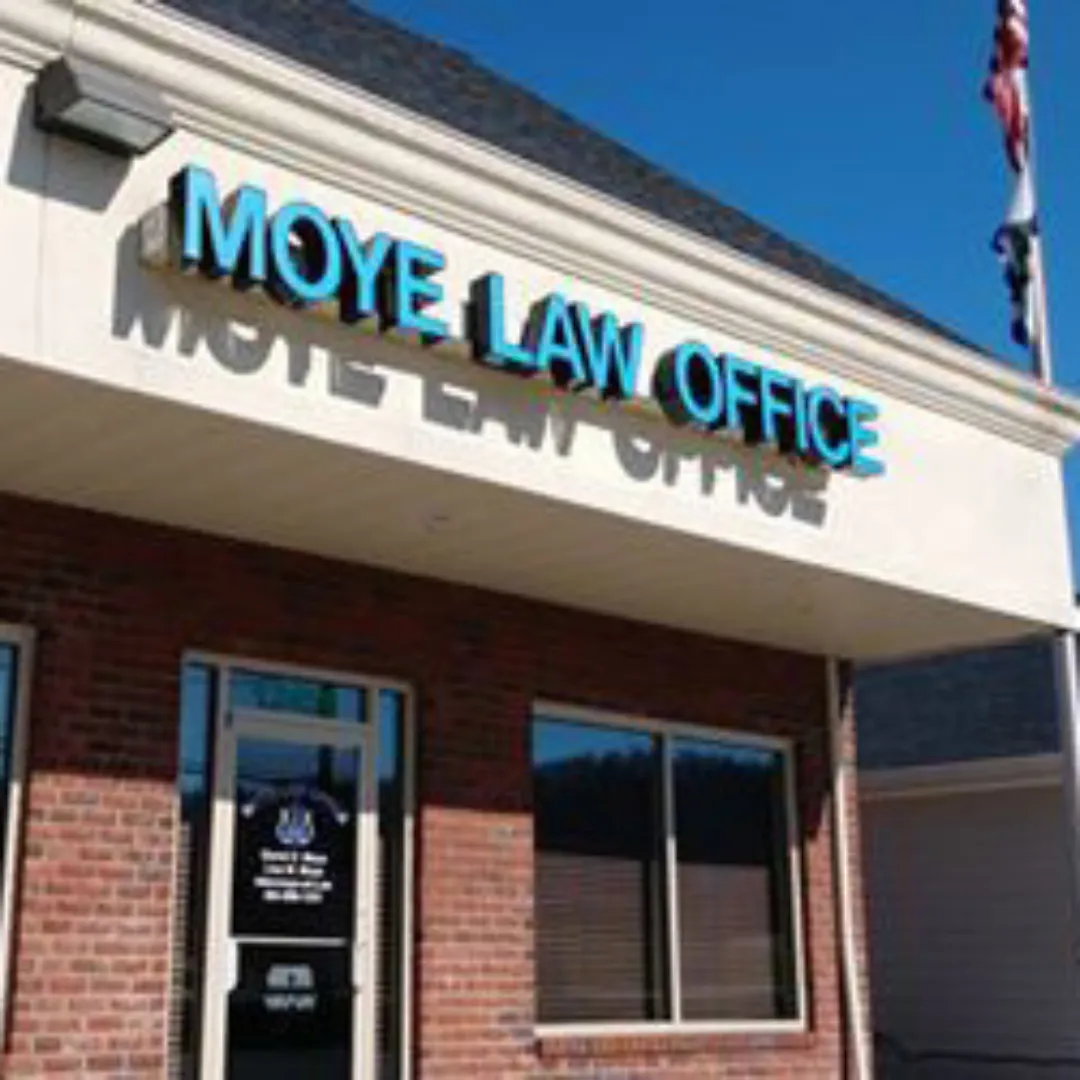
We have two offices in West Virginia: Winfield and Cross Lanes.
CROSS LANES
Property Ownership in WV: Tips for a Clear Title
Property Ownership in West Virginia: How to Keep Your Title Clear
A clear title means the recorded ownership of a property is free from unknown claims, liens, or defects that could threaten your right to possess, sell, or mortgage the land. This guide shows what a clear title looks like in West Virginia, how to check and protect the chain of title, and practical steps buyers, sellers, and owners can take to lower legal and financial risk. You’ll learn how a West Virginia title search works, common defects to watch for, the formal requirements for deeds and transfers, when quiet title or adverse possession may apply, and how title insurance helps protect ownership. If you need help interpreting records or fixing defects, experienced real estate attorneys can help — MOYE Law Office, with Lisa M. Moye and J. Scott Moye and active involvement in Putnam County, provides in-house title research and hands-on guidance for local transactions. The sections below walk through definitions, step-by-step checklists, and the options available if your search turns up problems with a West Virginia property title.
What Is a West Virginia Title Search and Why Is It Essential?
A West Virginia title search is a systematic review of public records and recorded documents that traces the chain of title and uncovers liens, encumbrances, or claims affecting a parcel. In practice, a title search reconstructs ownership through deeds, mortgages, liens, judgments, and probate records so any break or unexpected claim shows up before a transfer. Running this search protects buyers and current owners by identifying clouds on title that could block a sale or lead to loss. Doing the search early often reduces legal fees and negotiation surprises, because most problems discovered before closing can be resolved or factored into the deal.
This section lists the core benefits and outlines practical steps to perform a reliable search.
Confirms legal ownership and reconstructs the chain of title for the property.
Reveals recorded liens, unpaid taxes, or judgments that can attach to the property.
Identifies recorded easements, covenants, or restrictions that affect use or value.
These benefits make a title search a basic risk‑management step before major decisions. Understanding them leads naturally into how a search specifically protects ownership interests in West Virginia.
How Does a Title Search Protect Property Ownership in WV?
A title search protects ownership by revealing recorded interests — mortgages, tax liens, judgments — that may take priority over later buyers or lenders, so parties can remove or account for them before transfer. Searchers check county clerk indexes, grantor‑grantee records, mortgage filings, judgment dockets, and probate files to spot competing claims. For example, finding an unrecorded mortgage or a judgment lien lets a buyer or lender require payoff, a release, or escrowed funds before closing. Because West Virginia follows a race‑notice recording statute, early detection preserves value and legal certainty for purchasers and current owners.
Knowing the practical steps for a title search also clarifies when public tools are adequate and when attorney-led research is advisable.
What Are the Steps to Conduct a Property Title Search in West Virginia?
A clear, repeatable process helps ensure a thorough title search and reduces the chance of omissions that cause later disputes. Begin with the current deed and legal description, then trace prior deeds back through the chain of title while checking for recorded mortgages, releases, and assignments. Next, search for liens and encumbrances — tax liens, mechanic’s liens, and judgment liens — by reviewing county indices and judgment dockets; include probate records to catch potential undisclosed heirs or claims. Finally, verify document execution (signatures, acknowledgments, notarizations) and confirm proper recording. If you find gaps or irregularities, escalate to an attorney or professional title examiner for deeper investigation or corrective documents.
A numbered checklist clarifies the typical workflow for a comprehensive search.
Obtain the current deed and legal description; identify the grantor/grantee chain.
Search county records for recorded mortgages, liens, judgments, and releases affecting the title.
Review probate and tax records for possible heir claims or unpaid taxes.
Verify signatures, acknowledgments, and correct recording; flag discrepancies for attorney review.
Following these steps helps buyers and owners make informed decisions. When complex defects appear, professional title research or legal counsel is the next step.
How to Identify and Resolve Common West Virginia Property Title Issues
Title defects in West Virginia often fall into predictable categories that require specific detection and tailored remedies. Common problems include liens (tax, mortgage, mechanic’s, judgment), undisclosed heirs or probate claims, missing or defective signatures and acknowledgments, boundary and survey disputes, and unrecorded easements. Detect these issues through chain‑of‑title review, judgment docket searches, probate filings, current surveys, and local permit records. Many defects can be fixed by payoff and lien release, corrective or reformation deeds, affidavits of heirship, boundary agreements supported by new surveys, or, if negotiation fails, litigation such as a quiet title action.
Below is a quick reference showing common title issues, how to spot them, and typical resolution paths to guide next steps.
Title issue detection and resolution reference:
Title IssueHow to Find ItResolution Options / Who to ContactRecorded liens (tax, mortgage, judgment)County lien indices, tax records, judgment docketsPayoff, lien release, or escrow; contact lender, tax office, or judgment creditorUndisclosed heirs / probate claimsProbate court records, death certificates, genealogical recordsFile corrective deed, obtain court approval, or open probate; consult a probate attorneyMissing signatures / defective acknowledgmentReview the recorded deed and notary acknowledgment blocksExecute a corrective deed or affidavit; involve original parties or seek court reformationBoundary disputes / adverse claimsCurrent survey, plat maps, neighbor deeds, signs of adverse possessionOrder a new survey, negotiate a boundary agreement, or bring a quiet title action
This reference clarifies detection and resolution paths and helps owners gather the evidence needed for remediation. When a fix requires legal action or specialized title research, seek professional help.
When to consult an attorney or use in‑house title research:
If searches reveal recorded liens, unresolved probate matters, or suspected forged documents.
If chain‑of‑title gaps exist that block conveyance or mortgage financing.
For complex boundary disputes or when a quiet title action appears necessary.
MOYE Law Office’s in‑house title research can assemble the documentary record and outline practical resolution options; if you encounter any of the above issues, consider contacting counsel for an assessment.
What Types of Liens Affect West Virginia Property Titles?
Common liens in West Virginia include mortgage liens, property tax liens, mechanic’s liens for construction work, and judgment liens from court judgments against an owner. Mortgage liens are voluntary and usually recorded at closing, while tax and judgment liens are involuntary and can attach without the owner’s consent, sometimes taking priority if recorded earlier. Mechanic’s liens arise from unpaid labor or materials and show up in county lien records or contractor filings. Remedies differ: mortgages are paid at closing or refinanced, tax liens require payoff or negotiation with the tax authority, mechanic’s liens often need payoff or a bond, and judgment liens require satisfaction or release by the creditor.
Finding and addressing liens promptly prevents surprises at closing and protects future purchasers.
How to Address Undisclosed Heirs, Missing Signatures, and Boundary Disputes in WV?
Undisclosed heirs often surface when probate records conflict with recorded deeds or when an estate was not properly administered; resolving them may require probate, corrective deeds, or court approval. Missing or defective signatures and acknowledgments usually require corrective deeds, affidavits of lost deed, or re‑execution before a notary to cure defects. Boundary disputes begin with an up‑to‑date survey and title‑line research; solutions include boundary agreements, mediation, or — when needed — adverse possession claims or quiet title litigation. For each issue, gather deeds, death certificates, wills, and surveys, and consult an attorney to decide whether negotiation, corrective instruments, or litigation best clears the title.
Assembling the right evidence and choosing the correct remedy reduces the risk of lingering clouds on title and protects property value.
What Are the Legal Requirements for Property Deeds and Transfers in West Virginia?
Valid deed transfers in West Virginia require clear identification of grantor and grantee, an accurate legal description of the property, the grantor’s signature, and recording in the county where the property is located to provide constructive notice. Notarization or acknowledgment is required for recording and helps guard against forged signatures; recording establishes priority against later claimants. As of mid‑2024 there were no confirmed 2025 statutory changes affecting deed transfer mechanics; practitioners should watch for updates but rely on current law requiring proper execution, acknowledgment, and timely recording to maintain marketable title.
Deed transfer checklist:
Confirm grantor and grantee names and legal capacity.
Verify the legal description matches county records.
Ensure the grantor’s signature and required notarization/acknowledgment.
Record the deed promptly with the county clerk to preserve priority.
A comparison table below summarizes common deed types and formal requirements to help buyers assess risk.
Deed TypeFormality / RequirementsRecording & Typical UseGeneral Warranty DeedGrantor warrants title against all defectsRecorded; offers the highest buyer protection in a saleSpecial Warranty DeedGrantor warrants only against acts during their ownershipRecorded; used in some commercial or limited transfersQuitclaim DeedNo warranty; transfers whatever interest the grantor hasRecorded; common for intra‑family transfers or to clear technical issuesTransfer on Death DeedRequires specific statutory form and executionFiled or recorded per statute; used for nonprobate transfer
Which Types of Deeds Are Used in West Virginia Real Estate Transactions?
In West Virginia, general warranty deeds are common for traditional sales, special warranty deeds appear in some commercial or limited transfers, quitclaim deeds are used for low‑risk transfers or to clear technical defects, and transfer‑on‑death deeds support nonprobate succession planning. Each deed type carries different warranties: general warranty deeds provide the broadest protection by promising against prior defects, while quitclaim deeds convey only the grantor’s present interest with no warranties. Recording any deed gives constructive notice and affects priority; buyers often insist on general warranty deeds or other assurances, especially when title insurance is involved. Choose the deed type based on negotiating leverage, risk tolerance, and whether title insurance will be obtained.
Understanding these differences helps practitioners anticipate risks and advise clients appropriately as statutes evolve.
What Are the 2025 Legislative Updates Affecting WV Deed Transfers?
As of mid‑2024, no confirmed 2025 legislative changes affecting deed formalities or recording requirements in West Virginia had been enacted. Proposed bills such as Senate Bill 102, House Bill 3501, and House Bill 2434 had been discussed in various sessions but were not law. Those proposals address topics like grantee acknowledgments, wholesaling disclosures, and adverse possession; practitioners should verify current status through official legislative sources. Until changes are enacted, existing statutes and case law govern deed execution and recording.
Because proposals evolve, attorneys and title examiners should monitor legislation and update pre‑closing checks as needed.
How Do Quiet Title Actions and Adverse Possession Laws Clear Property Titles in West Virginia?
Quiet title actions and adverse possession are two legal routes to resolve ownership disputes, but they serve different purposes and require different proof. A quiet title action is a court proceeding asking a judge to adjudicate competing claims and declare ownership; the judgment, when recorded, clears the public record and is appropriate when defects can’t be fixed by agreement or corrective deeds. Adverse possession can transfer title to a possessor who meets statutory elements — actual, open, notorious, exclusive, hostile, and continuous possession for the required period — though proposed legislation may alter particulars. Choosing between remedies depends on the facts: quiet title resolves competing recorded claims, while adverse possession applies where long‑term possession meets statutory criteria and eviction or agreement is impractical.
Both remedies carry procedural and evidentiary burdens, so counsel’s guidance is usually necessary to evaluate likelihood of success and timing.
What Is the Process and Requirement for a Quiet Title Action in WV?
A quiet title action starts by filing a complaint naming all parties with potential claims, giving constructive notice through service and publication where required, and presenting documentary and testimonial proof of title and priority. The plaintiff must establish a basis for title and address any asserted interests; if the court rules for the plaintiff, it issues an order adjudicating ownership that can be recorded to clear the chain of title. Timelines vary with local dockets and the case’s complexity, but parties should expect months for service, discovery, and hearings. Because service and proof rules are exacting, assemble a comprehensive title history and a clear legal theory before filing.
After reviewing quiet title procedures, property owners should also consider how statutory developments could affect adverse possession claims.
How Do 2025 Updates Impact Adverse Possession and Squatters' Rights in West Virginia?
As of mid‑2024 there were no enacted 2025 changes to West Virginia’s adverse possession laws or squatters’ rights. Proposed bills remain under consideration but had not become law. If you suspect adverse possession or squatters, document the activity, secure property boundaries, and consult counsel promptly to protect your rights and pursue removal or quiet title strategies. Early legal action improves chances of preventing title loss and limits potential damages.
Owners must balance enforcement with legal strategy to protect title and value.
Why Is Title Insurance Important for Protecting Property Ownership in West Virginia?
Title insurance is a risk‑management product that protects against covered title defects — forged deeds, undisclosed liens, or recording errors — that existed at closing or arose from past mistakes. Unlike other insurance that covers future events, title insurance insures against covered retrospective defects and is backed by a pre‑issuance examination of public records. Owner’s policies protect the purchaser’s equity, while lender (loan) policies protect the mortgagee’s security interest; both rely on an initial title exam to set exceptions and determine insurability. Buying title insurance shifts financial exposure from the owner or lender to the insurer for covered losses and is often a prudent step when records are older or irregular.
The short comparison below clarifies key policy types and coverage differences.
Policy TypeWho It ProtectsCoverage Differences / Cost FactorsOwner’s PolicyPurchaser / ownerProtects owner’s equity against covered title defects; one‑time premium based on purchase priceLoan (Lender) PolicyMortgage lenderProtects lender’s lien position up to the loan amount; often required by lendersEndorsements / ExceptionsPolicyholder as specifiedExpand or limit coverage; cost varies by endorsement and risk profile
What Is Title Insurance and Do You Need It in West Virginia?
Title insurance protects against covered losses from preexisting title defects a search might miss or hidden issues in the chain of title. Consider an owner’s policy when the title search shows prior transfers, older records, or irregularities, or when you want long‑term protection for equity; lenders typically require a loan policy to protect their security interest. You obtain title insurance at closing after a title examination and issuance of a commitment; the one‑time premium reflects property value, county risk, and exceptions. For many buyers, the cost of an owner’s policy is modest compared to potential litigation or title loss, making it a valuable transfer of risk.
Comparing owner and loan policies clarifies who benefits and what each covers.
How Do Owner’s and Loan Policies Differ in WV Title Insurance?
An owner’s policy protects the purchaser’s ownership interest and stays in force as long as the insured or their heirs hold an interest, while a loan policy protects only the lender and typically ends when the loan is repaid. Owner’s policies defend against covered title defects and reimburse covered losses; loan policies protect the lender’s lien position up to the loan amount. Cost factors include purchase price, exceptions or endorsements, and county recording risk; endorsements broaden coverage but raise the premium. Given the complexity of title risk and insurance options, consult counsel and a title professional before closing to choose appropriate coverage and negotiate exceptions.
For help reviewing title searches, evaluating deed formalities, or pursuing corrective remedies, contact MOYE Law Office by email at info@MoyeLawOffice.com to schedule a consultation. Attorneys Lisa M. Moye and J. Scott Moye can explain your options, use the firm’s in‑house title research to analyze records, and advise whether quiet title, corrective deeds, or insurance fit your situation.
Frequently Asked Questions
What should I do if I discover a title defect after purchasing a property?
First, check your title insurance policy — many policies cover defects missed during the title search. Report the issue to your title insurer and start a claim. If the defect isn’t covered or you need additional help, contact a real estate attorney. An attorney can review your options, which may include negotiating with the seller, seeking a corrective deed, or filing a quiet title action.
How long does a title search typically take in West Virginia?
Timing varies with the property’s history and the county records office. A straightforward search can take a few days to a couple of weeks. If the chain of title is complex or there are unresolved liens, expect more time. A professional title examiner or attorney familiar with local records can usually move the process along faster.
Can I perform a title search on my own, or should I hire a professional?
You can search public records yourself, but hiring a professional is often the safer choice. Title examiners and attorneys spot obscure liens, recording errors, or boundary issues a layperson might miss. If you’re not experienced in real estate transactions, paying for professional help can save time and avoid costly mistakes.
What are the costs associated with a title search in West Virginia?
Costs vary by complexity and provider. A typical professional title search ranges roughly from $200 to $500, which usually covers the record review and a title report. Additional fees may arise if deeper investigation or legal work is required. Ask for a written estimate so you know what to expect.
What is the difference between a quiet title action and adverse possession?
A quiet title action is a court proceeding to resolve competing claims and clear the public record; it’s based on legal arguments and documentary proof. Adverse possession allows someone to acquire title by meeting statutory elements of long‑term possession (actual, open, notorious, exclusive, hostile, continuous). Quiet title addresses disputed claims; adverse possession is based on possession over time.
How can I prevent title issues before purchasing a property?
To avoid title problems, run a thorough title search and buy title insurance. Review the property’s history, check for easements and restrictions, and consult a real estate attorney if anything looks unclear. These steps reduce risk and help ensure a smoother, more secure transaction.
Moye Law Offices
We have two offices in West Virginia:
Winfield and Cross Lanes.
CROSS LANES
We Are Here To Help
Do you have a query or problem that you would like to talk about, or are you curious to hear more about how we can help you?
Get in touch today! We look forward to hearing from you.
Assistance Hours
Monday – Friday: 8:30am – 4:30pm
Saturday: By appointment only
Sunday: CLOSED
Subscribe to our Newsletter
We Are Here To Help
Do you have a query or problem that you would like to talk about, or are you curious to hear more about how we can help you?
Get in touch today! We look forward to hearing from you.
Assistance Hours
Monday – Friday 8:30am – 4:30pm
Saturday: By appointment only
Sunday CLOSED