Blog
Blog

Do You Need Title Insurance in West Virginia? What Buyers Should Know
Do You Need Title Insurance in West Virginia? What Homebuyers Should Know
Title insurance is an important protection for homebuyers in West Virginia. It guards buyers and lenders against financial loss from title problems discovered after closing — things like undisclosed heirs, forged documents, or unrecorded liens. Unlike other insurance, it addresses past recorded issues and gives lasting protection for your investment.
What Is Title Insurance and Why Is It Important for West Virginia Buyers?
Title insurance is a policy that covers loss from defects in a property's title that existed before you closed. It protects both buyers and lenders by paying for defense or settlement of covered claims and by insuring against defects that show up after the sale. For West Virginia buyers, title insurance is a practical layer of protection against hidden, historical problems that can threaten your ownership.
For decades, title insurance has stood as a practical safeguard against the uncertainties tied to land titles.
What is Title Insurance? Protecting Against Land Title Defects
Title insurance reduces the risk that comes with uncertain land titles: it identifies some defects and promises protection against financial loss from others.
Title insurance, 1956
What Does Title Insurance Protect Against in WV Real Estate Transactions?
In West Virginia transactions, title insurance protects buyers and lenders from financial loss caused by covered title defects discovered after closing. Typical examples include undisclosed heirs, forged documents, unrecorded liens, and problems in the chain of title. The policy provides both a defense against claims and potential recovery, so it helps preserve the value of your purchase over the long term.
Legal analysis repeatedly emphasizes how title insurance shields owners and lenders from defects that predate their ownership.
Title Insurance: Protection for Owners & Lenders from Defects
Coverage generally applies to defects that existed when the policy was issued, unless a specific exclusion applies. In some cases, insured parties may also have tort remedies against a title insurer for undisclosed defects.
More Than They Bargained for: Are Title Insurance Companies Liable in Tort for Undisclosed Title Defects, 1995
What Are the Main Types of Title Insurance Policies in West Virginia?
There are two primary policies you’ll see in West Virginia: an owner’s policy and a lender’s policy. An owner’s policy protects the buyer’s equity and ownership rights. A lender’s policy protects the mortgage lender’s interest. Both serve different purposes, and understanding each helps you decide what coverage you need for a secure real estate transaction.
Owner's Title Insurance Benefits in West Virginia: What Buyers Should Know

Owner’s title insurance protects you from financial loss when covered title defects surface after closing. It covers past recorded problems, pays for defense against covered claims, and can provide recovery for losses — in short, it protects your home equity and gives you practical peace of mind.
How Does Owner's Title Insurance Protect Your Home Equity in WV?
Owner’s title insurance preserves your equity by covering claims that threaten your ownership interest. If a covered defect appears—an heir asserting rights, a forged signature, an unrecorded lien—the policy can fund legal defense or settlement, so your investment is defended without leaving you to bear the cost alone.
What Common Title Defects Does Owner's Title Insurance Cover?
Owner’s policies commonly cover defects such as undisclosed heirs, forged documents, unrecorded liens, and ambiguities in the chain of title. Knowing these typical exposures helps buyers understand why title insurance matters before you complete a purchase.
Lender's Title Insurance in West Virginia: Requirements and Buyer Implications

Lender’s title insurance protects the lender’s financial interest in the property. Lenders typically require this coverage when you take out a mortgage, so it directly affects financing and the closing process. Buyers should understand what the lender’s policy covers and how it differs from an owner’s policy.
Is Lender's Title Insurance Mandatory for WV Homebuyers?
Yes — when you finance a purchase, lenders usually require a lender’s title insurance policy to protect their loan. It’s a common lender condition and part of standard mortgage underwriting in West Virginia.
How Does Lender's Title Insurance Differ from Owner's Policy?
The key difference is who is protected. Lender’s title insurance protects the lender’s loan amount; an owner’s policy protects the buyer’s ownership interest. The coverages overlap in purpose but serve different parties, so buyers should consider an owner’s policy to protect their own equity.
Is Title Insurance Mandatory in West Virginia? Legal Requirements Explained
Title insurance is not legally required for every real estate sale in West Virginia, but it is highly recommended. Whether it’s mandatory depends on your lender and the transaction; regardless, buyers often benefit from the added protection it provides.
What Does West Virginia Code § 33-11A-11 Mandate About Title Opinions?
West Virginia Code § 33-11A-11 requires that title opinions be prepared by a licensed attorney. That ensures a qualified professional reviews the record and flags potential issues before closing.
How Does Attorney Involvement Affect Title Insurance Issuance in WV?
An attorney’s role matters: a local real estate lawyer runs zoning and permit checks, performs title and survey reviews, drafts protective contract language, and coordinates with title companies. Early attorney involvement helps prevent loss by spotting red flags and negotiating remedies before they become costly problems.
Common Title Defects in West Virginia and How Title Insurance Protects You
Common defects in West Virginia include undisclosed heirs, forged documents, unrecorded liens, and chain-of-title ambiguities. Title insurance protects buyers and lenders from financial loss caused by these issues by providing a defense and potential recovery for covered claims.
What Are Typical Title Defects in WV Real Estate?
Typical defects include undisclosed heirs asserting ownership, forged signatures on deeds, liens that were not recorded properly, and unclear title chains from older transfers. These problems can threaten ownership and value if they surface after closing.
How Does West Virginia's Unique Land History Impact Title Issues?
West Virginia’s land history — with long-running grants, transfers, and quieting proceedings — can complicate modern title searches. Historical ownership patterns sometimes leave gaps or ambiguities that require careful review during a transaction.
Indeed, West Virginia’s historical land ownership patterns have shaped how courts and practitioners approach clear title today.
West Virginia Land Titles: History of Quieting Ownership Conflicts
Legal history in West Virginia shows how quieting title actions and constitutional developments helped resolve longstanding ownership conflicts stemming from early land grants and transfers, producing the clearer title market that exists today.
Benjamin Harrison Smith, Land Titles, and the West Virginia Constitution, 2012
What Is the Cost of Title Insurance in West Virginia? Factors and Expectations
Title insurance cost varies. Factors include the property’s sale price, the type of policy you buy, the complexity of the title search, and the title company or attorney you use. Knowing these drivers helps you budget for the transaction.
What Influences Title Insurance Premiums in WV?
Premiums reflect the purchase price, the difficulty of tracing title (complex chains or historical issues), and the coverage options you select. Higher-value properties and complex titles usually mean higher premiums.
How Does Regulation by the West Virginia Office of the Insurance Commissioner Affect Costs?
The West Virginia Office of the Insurance Commissioner regulates title insurance practices and rates, which helps maintain fair pricing and consumer protections across the market.
Title Insurance TypeCoverageTypical CostOwner's Title InsuranceProtects buyer's interestsVaries based on property valueLender's Title InsuranceProtects lender's investmentTypically required for mortgagesCombined PoliciesCovers both buyer and lenderOften more cost-effective
For more detailed answers to common questions, explore our comprehensive FAQs page.
Frequently Asked Questions
What is the process for obtaining title insurance in West Virginia?
Start by working with a reputable title company or an attorney who handles real estate closings. They perform a title search to uncover any claims or defects. Once the search is complete, the title company issues a policy. Review the policy carefully with your attorney so you understand the coverage and any exclusions.
Can title insurance be purchased after closing on a property?
It’s possible to buy an owner’s policy after closing in some cases, but it’s not ideal. Title insurance is designed to protect you from defects that arose before your purchase, so getting coverage at or before closing gives you the fullest protection.
How long does title insurance coverage last in West Virginia?
Title insurance in West Virginia lasts as long as you or your heirs have an interest in the property. It does not require renewal and provides long-term protection against covered defects that existed before your ownership.
Are there any exclusions in title insurance policies?
Yes. Policies commonly exclude matters like zoning violations, certain environmental issues, and defects known to the buyer before purchase. Always read the policy and ask your attorney to explain any exclusions that could matter for your property.
What should I do if I discover a title defect after purchasing insurance?
Contact your title insurer right away. Provide any documentation you have and follow the insurer’s claims process. Title insurers are generally obligated to defend covered claims and may pay losses if the defect is within policy coverage.
How can I choose the right title insurance provider in West Virginia?
Choose a provider with a strong reputation for title searches and claims handling. Ask for references from real estate agents or attorneys, compare costs and services, and make sure you understand the coverage limits and any endorsements that may be helpful for your transaction.
If you have further questions or need personalized legal assistance with your West Virginia real estate transaction, don't hesitate to contact us today.

Moye Law Offices
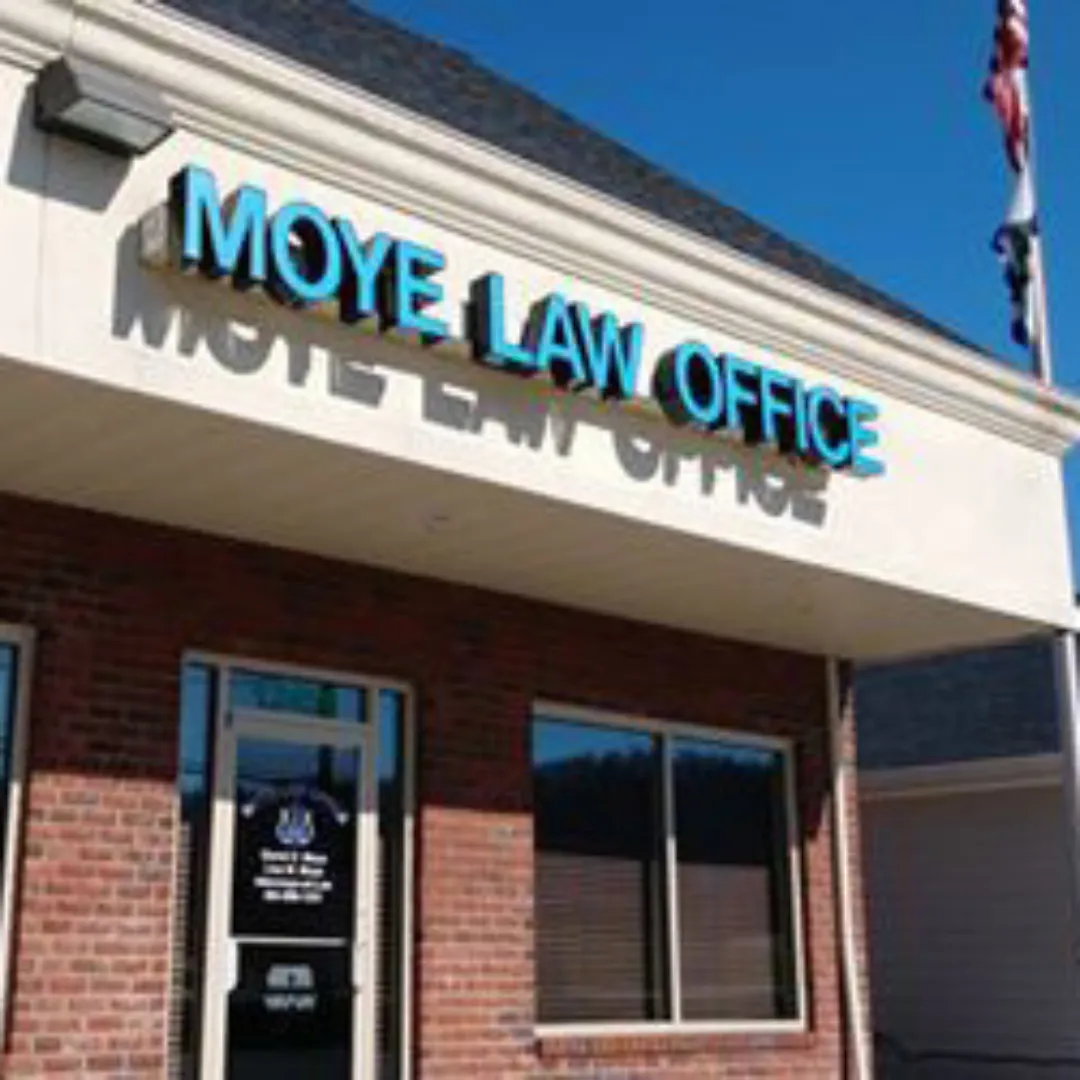
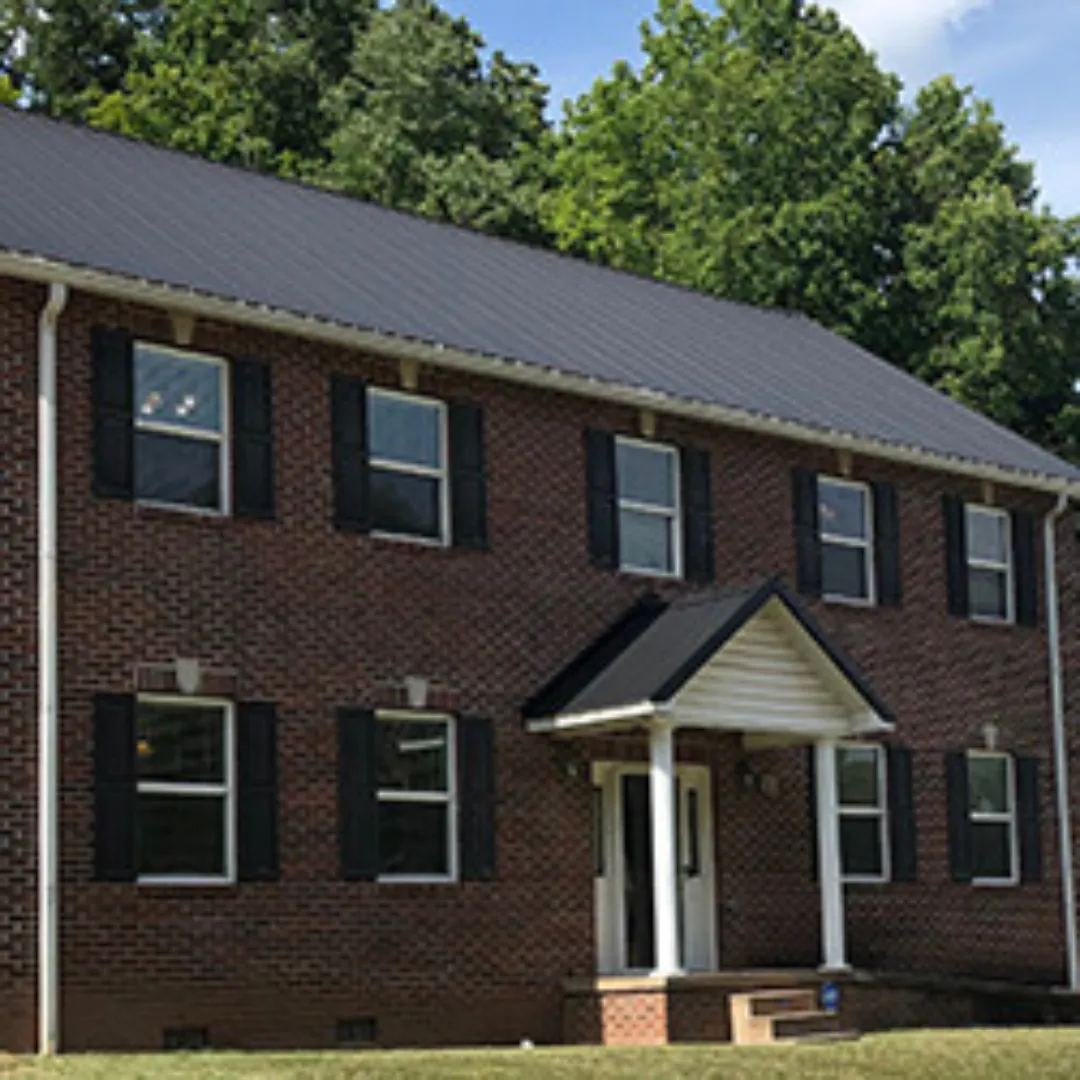
We have two offices in West Virginia: Winfield and Cross Lanes.
CROSS LANES
Do You Need Title Insurance in West Virginia? What Buyers Should Know
Do You Need Title Insurance in West Virginia? What Homebuyers Should Know
Title insurance is an important protection for homebuyers in West Virginia. It guards buyers and lenders against financial loss from title problems discovered after closing — things like undisclosed heirs, forged documents, or unrecorded liens. Unlike other insurance, it addresses past recorded issues and gives lasting protection for your investment.
What Is Title Insurance and Why Is It Important for West Virginia Buyers?
Title insurance is a policy that covers loss from defects in a property's title that existed before you closed. It protects both buyers and lenders by paying for defense or settlement of covered claims and by insuring against defects that show up after the sale. For West Virginia buyers, title insurance is a practical layer of protection against hidden, historical problems that can threaten your ownership.
For decades, title insurance has stood as a practical safeguard against the uncertainties tied to land titles.
What is Title Insurance? Protecting Against Land Title Defects
Title insurance reduces the risk that comes with uncertain land titles: it identifies some defects and promises protection against financial loss from others.
Title insurance, 1956
What Does Title Insurance Protect Against in WV Real Estate Transactions?
In West Virginia transactions, title insurance protects buyers and lenders from financial loss caused by covered title defects discovered after closing. Typical examples include undisclosed heirs, forged documents, unrecorded liens, and problems in the chain of title. The policy provides both a defense against claims and potential recovery, so it helps preserve the value of your purchase over the long term.
Legal analysis repeatedly emphasizes how title insurance shields owners and lenders from defects that predate their ownership.
Title Insurance: Protection for Owners & Lenders from Defects
Coverage generally applies to defects that existed when the policy was issued, unless a specific exclusion applies. In some cases, insured parties may also have tort remedies against a title insurer for undisclosed defects.
More Than They Bargained for: Are Title Insurance Companies Liable in Tort for Undisclosed Title Defects, 1995
What Are the Main Types of Title Insurance Policies in West Virginia?
There are two primary policies you’ll see in West Virginia: an owner’s policy and a lender’s policy. An owner’s policy protects the buyer’s equity and ownership rights. A lender’s policy protects the mortgage lender’s interest. Both serve different purposes, and understanding each helps you decide what coverage you need for a secure real estate transaction.
Owner's Title Insurance Benefits in West Virginia: What Buyers Should Know
Owner’s title insurance protects you from financial loss when covered title defects surface after closing. It covers past recorded problems, pays for defense against covered claims, and can provide recovery for losses — in short, it protects your home equity and gives you practical peace of mind.
How Does Owner's Title Insurance Protect Your Home Equity in WV?
Owner’s title insurance preserves your equity by covering claims that threaten your ownership interest. If a covered defect appears—an heir asserting rights, a forged signature, an unrecorded lien—the policy can fund legal defense or settlement, so your investment is defended without leaving you to bear the cost alone.
What Common Title Defects Does Owner's Title Insurance Cover?
Owner’s policies commonly cover defects such as undisclosed heirs, forged documents, unrecorded liens, and ambiguities in the chain of title. Knowing these typical exposures helps buyers understand why title insurance matters before you complete a purchase.
Lender's Title Insurance in West Virginia: Requirements and Buyer Implications
Lender’s title insurance protects the lender’s financial interest in the property. Lenders typically require this coverage when you take out a mortgage, so it directly affects financing and the closing process. Buyers should understand what the lender’s policy covers and how it differs from an owner’s policy.
Is Lender's Title Insurance Mandatory for WV Homebuyers?
Yes — when you finance a purchase, lenders usually require a lender’s title insurance policy to protect their loan. It’s a common lender condition and part of standard mortgage underwriting in West Virginia.
How Does Lender's Title Insurance Differ from Owner's Policy?
The key difference is who is protected. Lender’s title insurance protects the lender’s loan amount; an owner’s policy protects the buyer’s ownership interest. The coverages overlap in purpose but serve different parties, so buyers should consider an owner’s policy to protect their own equity.
Is Title Insurance Mandatory in West Virginia? Legal Requirements Explained
Title insurance is not legally required for every real estate sale in West Virginia, but it is highly recommended. Whether it’s mandatory depends on your lender and the transaction; regardless, buyers often benefit from the added protection it provides.
What Does West Virginia Code § 33-11A-11 Mandate About Title Opinions?
West Virginia Code § 33-11A-11 requires that title opinions be prepared by a licensed attorney. That ensures a qualified professional reviews the record and flags potential issues before closing.
How Does Attorney Involvement Affect Title Insurance Issuance in WV?
An attorney’s role matters: a local real estate lawyer runs zoning and permit checks, performs title and survey reviews, drafts protective contract language, and coordinates with title companies. Early attorney involvement helps prevent loss by spotting red flags and negotiating remedies before they become costly problems.
Common Title Defects in West Virginia and How Title Insurance Protects You
Common defects in West Virginia include undisclosed heirs, forged documents, unrecorded liens, and chain-of-title ambiguities. Title insurance protects buyers and lenders from financial loss caused by these issues by providing a defense and potential recovery for covered claims.
What Are Typical Title Defects in WV Real Estate?
Typical defects include undisclosed heirs asserting ownership, forged signatures on deeds, liens that were not recorded properly, and unclear title chains from older transfers. These problems can threaten ownership and value if they surface after closing.
How Does West Virginia's Unique Land History Impact Title Issues?
West Virginia’s land history — with long-running grants, transfers, and quieting proceedings — can complicate modern title searches. Historical ownership patterns sometimes leave gaps or ambiguities that require careful review during a transaction.
Indeed, West Virginia’s historical land ownership patterns have shaped how courts and practitioners approach clear title today.
West Virginia Land Titles: History of Quieting Ownership Conflicts
Legal history in West Virginia shows how quieting title actions and constitutional developments helped resolve longstanding ownership conflicts stemming from early land grants and transfers, producing the clearer title market that exists today.
Benjamin Harrison Smith, Land Titles, and the West Virginia Constitution, 2012
What Is the Cost of Title Insurance in West Virginia? Factors and Expectations
Title insurance cost varies. Factors include the property’s sale price, the type of policy you buy, the complexity of the title search, and the title company or attorney you use. Knowing these drivers helps you budget for the transaction.
What Influences Title Insurance Premiums in WV?
Premiums reflect the purchase price, the difficulty of tracing title (complex chains or historical issues), and the coverage options you select. Higher-value properties and complex titles usually mean higher premiums.
How Does Regulation by the West Virginia Office of the Insurance Commissioner Affect Costs?
The West Virginia Office of the Insurance Commissioner regulates title insurance practices and rates, which helps maintain fair pricing and consumer protections across the market.
Title Insurance TypeCoverageTypical CostOwner's Title InsuranceProtects buyer's interestsVaries based on property valueLender's Title InsuranceProtects lender's investmentTypically required for mortgagesCombined PoliciesCovers both buyer and lenderOften more cost-effective
For more detailed answers to common questions, explore our comprehensive FAQs page.
Frequently Asked Questions
What is the process for obtaining title insurance in West Virginia?
Start by working with a reputable title company or an attorney who handles real estate closings. They perform a title search to uncover any claims or defects. Once the search is complete, the title company issues a policy. Review the policy carefully with your attorney so you understand the coverage and any exclusions.
Can title insurance be purchased after closing on a property?
It’s possible to buy an owner’s policy after closing in some cases, but it’s not ideal. Title insurance is designed to protect you from defects that arose before your purchase, so getting coverage at or before closing gives you the fullest protection.
How long does title insurance coverage last in West Virginia?
Title insurance in West Virginia lasts as long as you or your heirs have an interest in the property. It does not require renewal and provides long-term protection against covered defects that existed before your ownership.
Are there any exclusions in title insurance policies?
Yes. Policies commonly exclude matters like zoning violations, certain environmental issues, and defects known to the buyer before purchase. Always read the policy and ask your attorney to explain any exclusions that could matter for your property.
What should I do if I discover a title defect after purchasing insurance?
Contact your title insurer right away. Provide any documentation you have and follow the insurer’s claims process. Title insurers are generally obligated to defend covered claims and may pay losses if the defect is within policy coverage.
How can I choose the right title insurance provider in West Virginia?
Choose a provider with a strong reputation for title searches and claims handling. Ask for references from real estate agents or attorneys, compare costs and services, and make sure you understand the coverage limits and any endorsements that may be helpful for your transaction.
If you have further questions or need personalized legal assistance with your West Virginia real estate transaction, don't hesitate to contact us today.
Moye Law Offices
We have two offices in West Virginia:
Winfield and Cross Lanes.
CROSS LANES
We Are Here To Help
Do you have a query or problem that you would like to talk about, or are you curious to hear more about how we can help you?
Get in touch today! We look forward to hearing from you.
Assistance Hours
Monday – Friday: 8:30am – 4:30pm
Saturday: By appointment only
Sunday: CLOSED
Subscribe to our Newsletter
We Are Here To Help
Do you have a query or problem that you would like to talk about, or are you curious to hear more about how we can help you?
Get in touch today! We look forward to hearing from you.
Assistance Hours
Monday – Friday 8:30am – 4:30pm
Saturday: By appointment only
Sunday CLOSED