Blog
Blog

Common Title Problems in WV: Liens, Heirs, Boundary Issues, and Fixes
Common Title Problems in West Virginia Real Estate: Understanding Liens, Heirs, Boundary Issues, and Legal Fixes
Real estate transactions in West Virginia are often delayed or complicated by title defects. This guide summarises common issues—liens, heir disputes, and boundary conflicts—their typical causes (unclear ownership, unpaid debts, family disagreements), and practical remedies. It aims to give buyers, sellers, and investors concise, actionable information about the legal steps needed to clear title before closing.
Liens - definition, types, WV-specific laws, removal steps
A lien is a legal claim on property to secure a debt. In West Virginia, common liens include mortgage, tax, and judgment liens. Any lien can restrict the sale or refinancing until resolved.
Removing a lien usually involves paying the debt, negotiating a settlement, or obtaining a court order to discharge the encumbrance. These steps can be technical; experienced legal help is often advisable.
For lien resolution and title examination, Moye Law Firm assists clients in clearing encumbrances so property is marketable prior to transfer.
Types of Liens in West Virginia
Common lien types that affect ownership and marketability include:
Mortgage Liens: Created when a property is financed; the lender's lien remains until repayment.
Tax Liens: Imposed for unpaid taxes and potentially leading to foreclosure if unresolved.
Judgment Liens: Result from court judgments and can encumber property until satisfied.
Recognising each lien type helps owners and buyers assess risk and plan remediation.
Steps to Remove a Lien
Typical removal steps include:
Pay Off the Debt: Satisfy the obligation that created the lien.
Negotiate with the Lienholder: Settle for a reduced amount or payment plan when possible.
Seek Legal Assistance: Challenge improper liens or obtain court relief when negotiations fail.
Clearing liens restores marketable title and enables sale or financing.
Heirs - legal rights, dispute resolution, mediation

Heir property disputes commonly arise when a decedent dies intestate or when title is not updated. West Virginia law gives heirs inheritance rights and remedies to protect their interests when ownership is contested.
Mediation is often an efficient way to resolve heir disputes, preserving relationships and reducing litigation costs.
Moye Law Firm represents families in heir property matters and provides mediation and counsel to reach enforceable agreements.
Legal Rights of Heirs
Heirs in West Virginia have statutory and common-law rights, including:
Right to Inherit: Distribution under state law or a valid will.
Right to Challenge Claims: Ability to contest unjust claims against the estate.
Right to Mediate Disputes: Use mediation to settle disagreements without litigation; see the About Moye Law Firm page for how the firm assists.
Knowing these rights helps heirs protect their position and pursue remedies when disagreements occur.
Common Disputes and Resolution Methods
Frequent disputes involve valuation disagreements, creditor claims, and differing views on use or management. Combining mediation with legal counsel often yields enforceable, practical outcomes.
Disagreements Over Property Value: Conflicts about fair market value during division.
Claims by Creditors: Debts asserted against the estate can complicate distribution.
Disputes Over Property Use: Differing opinions on managing or using inherited property.
Mediation and counsel typically reduce time and expense compared with litigation.
Boundary Issues - identification and legal fixes

Boundary disputes occur when parcel limits are unclear or contested. These can escalate if a party alleges infringement. Title records and a professional survey are the primary tools to identify problems in West Virginia.
Remedies range from negotiated boundary agreements and formal adjustments to court actions to establish title and lines; the best approach depends on the evidence and circumstances.
If you have more questions about real estate law, check out these FAQs.
Common Boundary Issues
Common problems include encroachments, disputed lines, and easements that affect property use. Early survey and title review reduce the risk of protracted disputes.
Encroachments: Improvements that extend beyond the property line.
Disputed Property Lines: Conflicts over where one parcel ends and another begins.
Easements: Rights allowing others limited use of a portion of the property.
Early identification can prevent costly legal battles.
Legal Remedies for Boundary Disputes
Resolution methods include negotiation to reach an agreement, mediation with a neutral facilitator, or litigation to obtain a judicial determination when other methods fail.
Negotiation: Direct agreement on property lines.
Mediation: Facilitated discussion to find a compromise.
Litigation: Court action to establish boundaries when necessary.
These options clarify rights and reduce future conflict risk.
Fixes Before Closing - title insurance, legal checks, firm services
Before closing, perform thorough legal checks to confirm title clarity. Title insurance protects buyers against many pre‑existing claims or defects that surface after purchase.
Moye Law Firm performs detailed title examinations and works to resolve liens, heir matters, and boundary defects before closing to limit post‑closing exposure.
For help with transactions, consider contacting Moye Law Firm.
Importance of Title Insurance
Title insurance provides three core benefits: it defends against covered claims, offers financial coverage for legal defence, and gives buyers greater confidence in ownership.
Protection Against Claims: Covers specified title claims discovered after purchase.
Peace of Mind: Reduces transaction risk for buyers.
Financial Security: May cover legal fees to defend covered claims.
Understanding title insurance helps manage transaction risk effectively.
Legal Checks Before Closing
Key pre‑closing checks include a title examination, lien searches, and a boundary survey to confirm property limits and reveal encumbrances.
Title Examination: Review historical records for potential issues.
Lien Searches: Identify outstanding encumbrances early.
Boundary Surveys: Verify property lines to avoid disputes.
Completing these checks lowers the chance of post‑closing disputes and protects your investment.
If you need to contact the firm, please visit the Contact Moye Law Firm page.
Frequently Asked Questions
What should I do if I discover a lien on a property I want to buy?
Obtain a title report immediately to identify the lien type and require resolution before closing. Insist the seller clear the lien or negotiate protections in the contract. Consult a real estate attorney to protect your interests.
How can I prevent boundary disputes when purchasing property?
Commission a professional boundary survey before purchase, review the title history, and retain a real estate attorney to interpret findings and advise on contract protections.
What are the potential consequences of not resolving title issues before closing?
Unresolved title defects can create financial liability, lead to litigation over ownership or boundaries, and hinder resale. Title insurance helps, but resolving defects beforehand is the most reliable protection.
Can heirs sell inherited property without resolving disputes?
They may attempt to sell, but unresolved disputes can delay or invalidate a sale. It is prudent to settle ownership questions by mediation or court action before marketing the property.
What role does mediation play in resolving real estate disputes?
Mediation offers a structured, cost‑effective forum for negotiation with a neutral facilitator and often yields enforceable, mutually acceptable agreements in heir and boundary disputes.
How does title insurance protect buyers in West Virginia?
Title insurance covers legal costs and losses from covered defects discovered after closing—such as undisclosed liens, ownership disputes, or recording errors—supporting buyer confidence in the purchase.
What steps should I take if I suspect a boundary encroachment?
Order a professional boundary survey to confirm lines. If an encroachment exists, attempt negotiation or mediation with the neighbor; if that fails, consult a real estate attorney about legal remedies.

Moye Law Offices
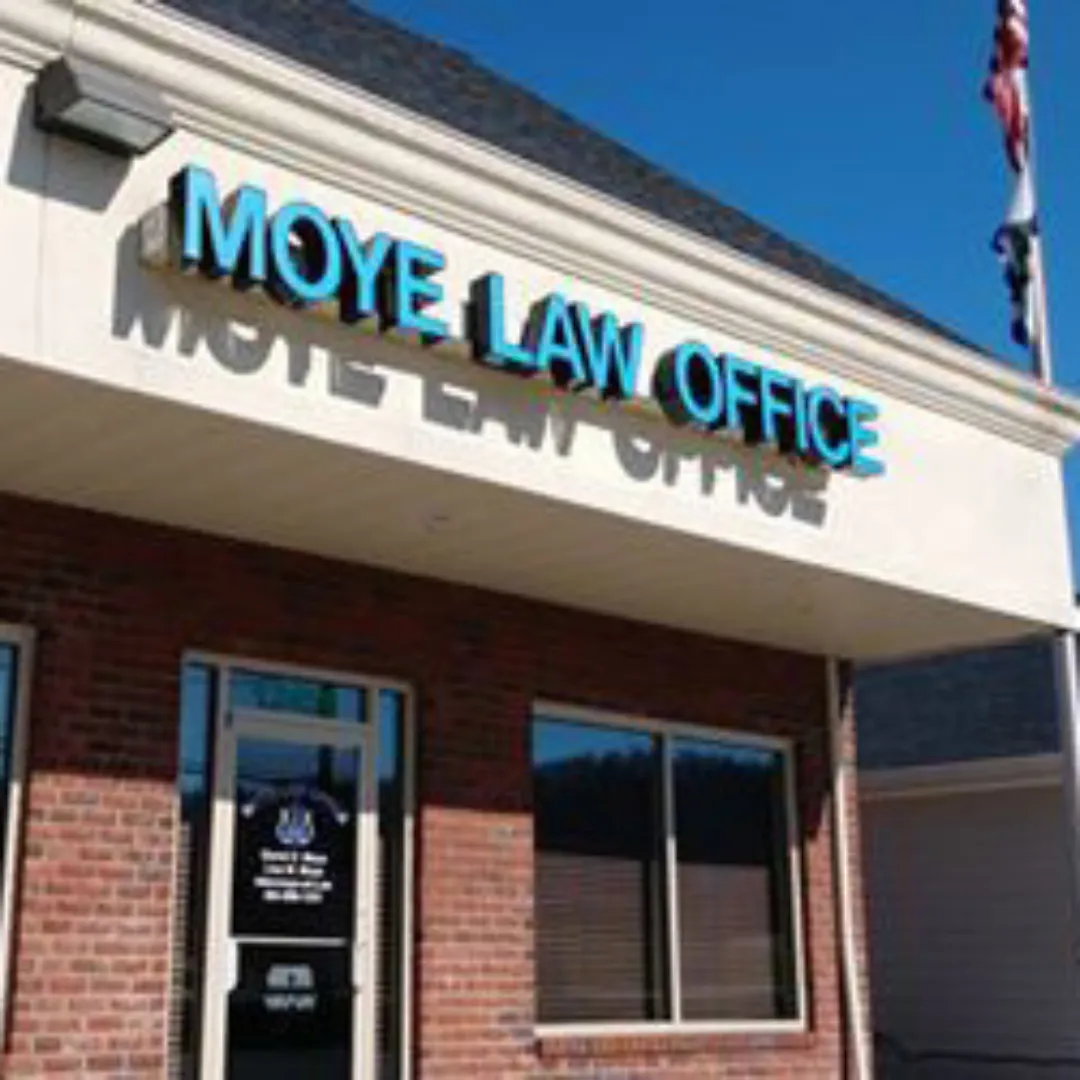
We have two offices in West Virginia: Winfield and Cross Lanes.
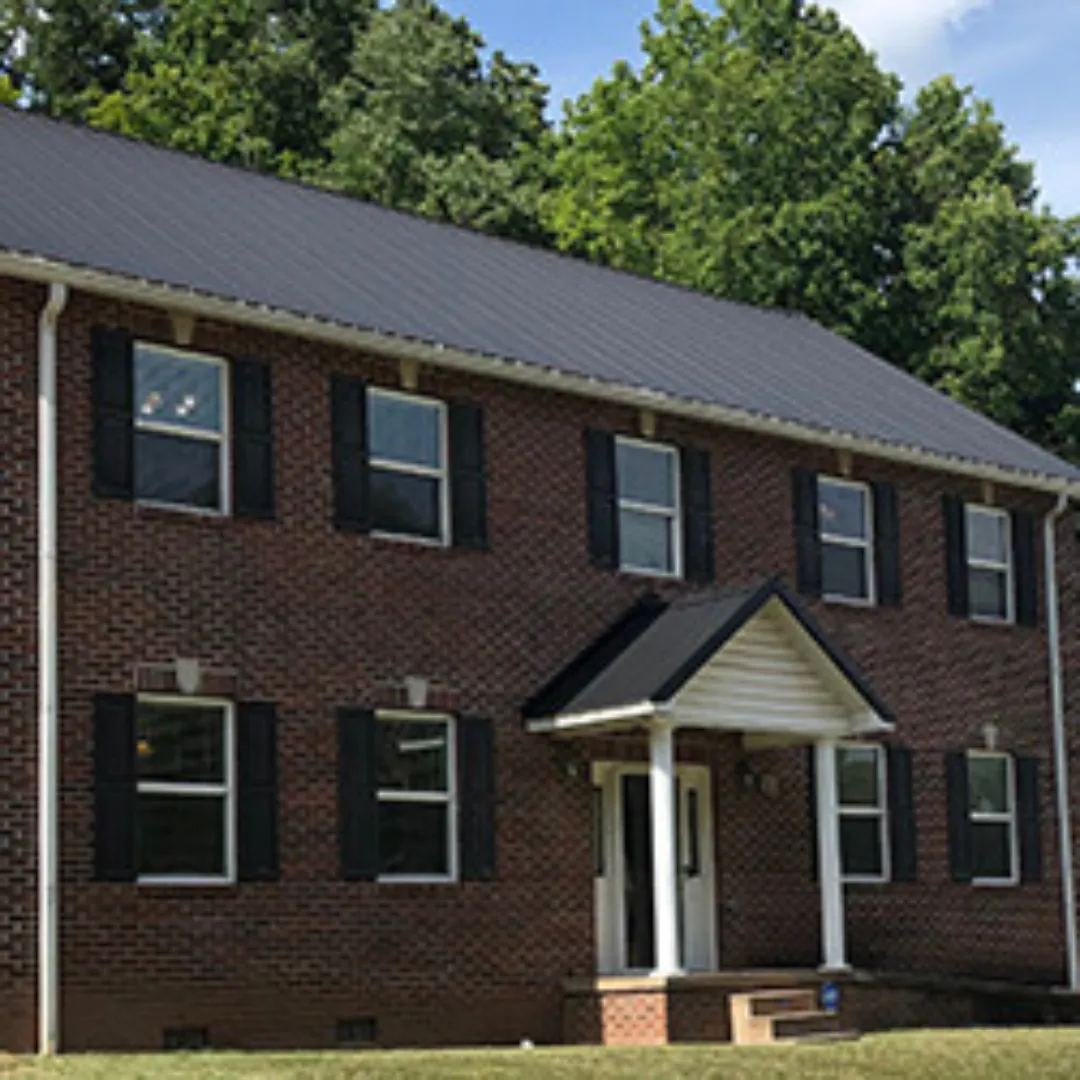
CROSS LANES
Common Title Problems in WV: Liens, Heirs, Boundary Issues, and Fixes
Common Title Problems in West Virginia Real Estate: Understanding Liens, Heirs, Boundary Issues, and Legal Fixes
Real estate transactions in West Virginia are often delayed or complicated by title defects. This guide summarises common issues—liens, heir disputes, and boundary conflicts—their typical causes (unclear ownership, unpaid debts, family disagreements), and practical remedies. It aims to give buyers, sellers, and investors concise, actionable information about the legal steps needed to clear title before closing.
Liens - definition, types, WV-specific laws, removal steps
A lien is a legal claim on property to secure a debt. In West Virginia, common liens include mortgage, tax, and judgment liens. Any lien can restrict the sale or refinancing until resolved.
Removing a lien usually involves paying the debt, negotiating a settlement, or obtaining a court order to discharge the encumbrance. These steps can be technical; experienced legal help is often advisable.
For lien resolution and title examination, Moye Law Firm assists clients in clearing encumbrances so property is marketable prior to transfer.
Types of Liens in West Virginia
Common lien types that affect ownership and marketability include:
Mortgage Liens: Created when a property is financed; the lender's lien remains until repayment.
Tax Liens: Imposed for unpaid taxes and potentially leading to foreclosure if unresolved.
Judgment Liens: Result from court judgments and can encumber property until satisfied.
Recognising each lien type helps owners and buyers assess risk and plan remediation.
Steps to Remove a Lien
Typical removal steps include:
Pay Off the Debt: Satisfy the obligation that created the lien.
Negotiate with the Lienholder: Settle for a reduced amount or payment plan when possible.
Seek Legal Assistance: Challenge improper liens or obtain court relief when negotiations fail.
Clearing liens restores marketable title and enables sale or financing.
Heirs - legal rights, dispute resolution, mediation
Heir property disputes commonly arise when a decedent dies intestate or when title is not updated. West Virginia law gives heirs inheritance rights and remedies to protect their interests when ownership is contested.
Mediation is often an efficient way to resolve heir disputes, preserving relationships and reducing litigation costs.
Moye Law Firm represents families in heir property matters and provides mediation and counsel to reach enforceable agreements.
Legal Rights of Heirs
Heirs in West Virginia have statutory and common-law rights, including:
Right to Inherit: Distribution under state law or a valid will.
Right to Challenge Claims: Ability to contest unjust claims against the estate.
Right to Mediate Disputes: Use mediation to settle disagreements without litigation; see the About Moye Law Firm page for how the firm assists.
Knowing these rights helps heirs protect their position and pursue remedies when disagreements occur.
Common Disputes and Resolution Methods
Frequent disputes involve valuation disagreements, creditor claims, and differing views on use or management. Combining mediation with legal counsel often yields enforceable, practical outcomes.
Disagreements Over Property Value: Conflicts about fair market value during division.
Claims by Creditors: Debts asserted against the estate can complicate distribution.
Disputes Over Property Use: Differing opinions on managing or using inherited property.
Mediation and counsel typically reduce time and expense compared with litigation.
Boundary Issues - identification and legal fixes
Boundary disputes occur when parcel limits are unclear or contested. These can escalate if a party alleges infringement. Title records and a professional survey are the primary tools to identify problems in West Virginia.
Remedies range from negotiated boundary agreements and formal adjustments to court actions to establish title and lines; the best approach depends on the evidence and circumstances.
If you have more questions about real estate law, check out these FAQs.
Common Boundary Issues
Common problems include encroachments, disputed lines, and easements that affect property use. Early survey and title review reduce the risk of protracted disputes.
Encroachments: Improvements that extend beyond the property line.
Disputed Property Lines: Conflicts over where one parcel ends and another begins.
Easements: Rights allowing others limited use of a portion of the property.
Early identification can prevent costly legal battles.
Legal Remedies for Boundary Disputes
Resolution methods include negotiation to reach an agreement, mediation with a neutral facilitator, or litigation to obtain a judicial determination when other methods fail.
Negotiation: Direct agreement on property lines.
Mediation: Facilitated discussion to find a compromise.
Litigation: Court action to establish boundaries when necessary.
These options clarify rights and reduce future conflict risk.
Fixes Before Closing - title insurance, legal checks, firm services
Before closing, perform thorough legal checks to confirm title clarity. Title insurance protects buyers against many pre‑existing claims or defects that surface after purchase.
Moye Law Firm performs detailed title examinations and works to resolve liens, heir matters, and boundary defects before closing to limit post‑closing exposure.
For help with transactions, consider contacting Moye Law Firm.
Importance of Title Insurance
Title insurance provides three core benefits: it defends against covered claims, offers financial coverage for legal defence, and gives buyers greater confidence in ownership.
Protection Against Claims: Covers specified title claims discovered after purchase.
Peace of Mind: Reduces transaction risk for buyers.
Financial Security: May cover legal fees to defend covered claims.
Understanding title insurance helps manage transaction risk effectively.
Legal Checks Before Closing
Key pre‑closing checks include a title examination, lien searches, and a boundary survey to confirm property limits and reveal encumbrances.
Title Examination: Review historical records for potential issues.
Lien Searches: Identify outstanding encumbrances early.
Boundary Surveys: Verify property lines to avoid disputes.
Completing these checks lowers the chance of post‑closing disputes and protects your investment.
If you need to contact the firm, please visit the Contact Moye Law Firm page.
Frequently Asked Questions
What should I do if I discover a lien on a property I want to buy?
Obtain a title report immediately to identify the lien type and require resolution before closing. Insist the seller clear the lien or negotiate protections in the contract. Consult a real estate attorney to protect your interests.
How can I prevent boundary disputes when purchasing property?
Commission a professional boundary survey before purchase, review the title history, and retain a real estate attorney to interpret findings and advise on contract protections.
What are the potential consequences of not resolving title issues before closing?
Unresolved title defects can create financial liability, lead to litigation over ownership or boundaries, and hinder resale. Title insurance helps, but resolving defects beforehand is the most reliable protection.
Can heirs sell inherited property without resolving disputes?
They may attempt to sell, but unresolved disputes can delay or invalidate a sale. It is prudent to settle ownership questions by mediation or court action before marketing the property.
What role does mediation play in resolving real estate disputes?
Mediation offers a structured, cost‑effective forum for negotiation with a neutral facilitator and often yields enforceable, mutually acceptable agreements in heir and boundary disputes.
How does title insurance protect buyers in West Virginia?
Title insurance covers legal costs and losses from covered defects discovered after closing—such as undisclosed liens, ownership disputes, or recording errors—supporting buyer confidence in the purchase.
What steps should I take if I suspect a boundary encroachment?
Order a professional boundary survey to confirm lines. If an encroachment exists, attempt negotiation or mediation with the neighbor; if that fails, consult a real estate attorney about legal remedies.
Moye Law Offices
We have two offices in West Virginia:
Winfield and Cross Lanes.
CROSS LANES
We Are Here To Help
Do you have a query or problem that you would like to talk about, or are you curious to hear more about how we can help you?
Get in touch today! We look forward to hearing from you.
Assistance Hours
Monday – Friday: 8:30am – 4:30pm
Saturday: By appointment only
Sunday: CLOSED
Subscribe to our Newsletter
We Are Here To Help
Do you have a query or problem that you would like to talk about, or are you curious to hear more about how we can help you?
Get in touch today! We look forward to hearing from you.
Assistance Hours
Monday – Friday 8:30am – 4:30pm
Saturday: By appointment only
Sunday CLOSED