Blog
Blog
Common Title Problems in West Virginia (And How a Lawyer Fixes Them)
Common Title Problems in West Virginia and How a Lawyer Fixes Them
Title issues in West Virginia often show up as defects, hidden liens, or unclear chain‑of‑title entries. At Moye Law Office we spot those problems early, negotiate practical cures, and build escrow or endorsement protections when needed. That can mean negotiating escrowed payoffs for undisclosed liens, obtaining title endorsements to fix chain‑of‑title questions, and keeping clients informed so they can accept a remedy or walk away when risks are too high. Taken together, these steps reduce the chance of dispute or litigation and save time and money at closing.
What Are the Most Common Title Defects in West Virginia Real Estate?

Title defects can derail transfers and threaten ownership. Frequent problems include unresolved liens, fraudulent or forged deeds, and clerical errors in public records. These issues can create disputes, delay closings, and expose buyers or lenders to financial loss. Recognizing those risks during due diligence is essential to protecting the property’s marketability and your investment.
Which Types of Liens Affect West Virginia Property Titles?
Liens are legal claims that travel with a property and can block or complicate a sale. Common lien types in West Virginia include:
Mortgage Liens: Created by home loans — if payments stop, the lender may foreclose.
Tax Liens: Placed for unpaid property taxes; they must be cleared before a clean transfer.
Judgment Liens: Result from court judgments against an owner and can attach to real property.
Knowing how these liens work helps buyers spot complications early and decide the best path forward.
How Do Fraudulent Deeds and Forgery Impact Property Ownership in WV?
Fraudulent deeds and forgery create competing claims to ownership and can leave buyers or lenders exposed to loss. These problems often stem from undisclosed heirs, forged signatures, or documents that were never properly recorded. Title insurance typically covers certain past defects and offers a defense for covered claims, but proactive legal review is still critical. A lawyer will flag red flags, preserve claims with timely notices, and negotiate contractual fixes to limit exposure.
How Can a West Virginia Lawyer Resolve Property Line and Boundary Disputes?
A lawyer brings both legal analysis and practical transaction management to boundary disputes. We conduct careful due diligence, coordinate with surveyors, and negotiate agreements or easements that prevent the dispute from becoming expensive litigation. Local experience in West Virginia real estate law ensures filings, notices, and evidence collection happen on time and in the right way to preserve your rights.
What Are Typical Causes of Boundary Disputes in West Virginia?

Boundary disagreements most often start from:
Misplaced Survey Markers: Old or inaccurate surveys that don’t match current boundaries.
Fences and Structures: Improvements built close to or over perceived lines.
Natural Changes: Erosion, shifting waterways, or other landscape changes that alter visible boundaries.
Spotting these causes early lets owners resolve matters through agreement, corrective surveys, or recorded boundary adjustments.
How Do Easements and Encumbrances Affect Property Rights in WV?
Easements allow others limited use of your land (for example, utility access), while encumbrances like liens or deed restrictions can limit sale or development. Knowing existing easements and encumbrances is essential before buying or planning work on a property — they define what you can and cannot do with the land.
What Legal Steps Are Involved in Clearing Title Defects in West Virginia?
Clearing title defects requires methodical work. A lawyer will review disclosure requirements, run zoning and permit checks, and comb public records for red flags such as conflicting entries or undisclosed alterations. When issues appear, counsel negotiates cures, structures escrow protections, and prepares seller representations or indemnities. We also work with title insurers and relevant authorities to preserve claims and move the transaction forward compliantly.
How Does a Lawyer Conduct Title Research and Identify Defects?
Title research is a step‑by‑step review of public records and transaction documents. Typical steps include:
Reviewing Disclosure Statutes: Confirming required seller disclosures have been made under West Virginia law.
Running Zoning Checks: Verifying the property’s permitted uses and any municipal restrictions.
Identifying Title Defects: Spotting liens, easements, or ownership discrepancies that need correction.
That thorough approach detects problems early so they can be fixed before closing.
When and How Is a Quiet Title Action Used in West Virginia?
A quiet title action is a court process used when ownership is uncertain or multiple claims exist. The plaintiff files in the appropriate court and must prove their right to title. If successful, the court issues a judgment that removes competing claims and produces a clear, marketable title — a useful remedy when negotiation won’t resolve the dispute.
How Does Title Insurance Protect Against Common Title Problems in West Virginia?
Title insurance protects buyers and lenders from losses tied to covered defects discovered after closing — for example, undisclosed heirs, forged documents, or unrecorded liens. Unlike other policies, title insurance addresses past recorded issues and can provide a defense and recovery for covered claims. Combined with careful legal review before closing, it gives lasting protection for your investment.
What Title Issues Does Title Insurance Cover in WV?
Undisclosed Heirs: Coverage against claims by heirs not revealed during the sale.
Forged Documents: Protection where fraudulent instruments affect ownership.
Unrecorded Liens: Defense against liens that weren’t recorded at closing.
Why Is Title Insurance Essential for West Virginia Property Buyers?
Title insurance is a key safeguard because it addresses defects that predate closing and may not be discoverable through a routine search. It provides long‑term protection and a built‑in defense if covered claims arise — an important peace‑of‑mind tool when you’re protecting a major investment.
What Are the Causes and Solutions for Errors in Public Records and Closing in West Virginia?
Errors in public records and closing can stem from clerical mistakes, documents filed under the wrong parties, or outdated information. Those mistakes can create title defects and complicate transfers. Correcting them promptly reduces the risk of future disputes.
How Do Escrow and Closing Errors Affect Property Titles in WV?
Mistakes at closing or in escrow handling can leave unresolved claims attached to a title. Common examples include funds misapplied, missing documents, or overlooked liens. Title insurance helps where covered defects surface after closing, and experienced counsel helps prevent or correct closing errors so the transaction completes cleanly.
What Legal Remedies Exist for Correcting Public Record Errors?
Fixing public record errors usually involves:
Gathering Evidence: Assembling documents that show the correct record.
Filing a Petition: Asking the court to correct or reform the public record.
Court Hearing: Presenting the evidence so a judge can order the correction.
An attorney guides you through each step, improving the chance of a favorable and enforceable correction.
Why Choose MOYE Law Office for Resolving Title Problems in West Virginia?
Choose MOYE Law Office for client‑centered legal protection backed by local experience in Winfield and Cross Lanes. Our attorneys focus on real estate matters, title analysis, and transaction risk management. We explain findings in plain language, coordinate with title companies and surveyors, and negotiate remedies that protect client equity — all aimed at resolving issues before they become costly litigation.
How Does MOYE Law Office Provide Clear and Responsive Legal Help?
We provide honest, straightforward advice and stay responsive throughout the process. Our team helps you understand risks, reviews documents with you in plain terms, and answers questions so you can make informed choices. If you need specific assistance, we’re available to discuss your transaction and next steps.
What Expertise Does MOYE Law Office Offer in Real Estate Title Research?
MOYE Law Office delivers precise title analysis and practical contract drafting designed to prevent loss. Our work includes early document review, targeted inspections, negotiating cures, and structuring escrow protections or seller representations when necessary so transactions close smoothly and client equity is protected.
Frequently Asked Questions
What should I do if I discover a title defect after purchasing a property in West Virginia?
If you find a title defect after closing, consult a real estate attorney right away. Your lawyer will review your title insurance coverage, preserve any claims, and advise whether to pursue a claim with the insurer, negotiate with the seller, or take other legal steps to protect your investment.
How can I prevent title issues before buying a property?
Prevent title problems by ordering a thorough title search, buying title insurance, and engaging a real estate lawyer to review contracts and disclosures. Early review of survey, permit, and public‑record information reduces surprises at closing.
What role does a title company play in real estate transactions in West Virginia?
Title companies search the public record, issue title commitments and insurance, and often handle closing logistics and escrow accounts. They help confirm the title’s status and coordinate the flow of funds and documents at closing — but legal counsel still plays a key role in addressing complex issues.
Can I resolve a title dispute without going to court?
Yes. Many disputes settle through negotiation, mediation, or recorded agreements. A skilled attorney can often achieve a practical settlement or corrective instrument that avoids litigation and preserves value for all parties.
What is the importance of a title search in real estate transactions?
A title search uncovers existing liens, claims, and defects that could affect ownership. Identifying problems before closing lets you negotiate remedies, obtain insurance, or walk away if the risk is unacceptable — protecting you from future disputes and financial loss.
How does a quiet title action differ from a regular lawsuit?
A quiet title action is a focused lawsuit whose sole purpose is to clear competing claims and establish a single, marketable title. It differs from broader civil litigation because it targets title clarity and, when successful, results in a court order that removes or settles competing claims.

Moye Law Offices
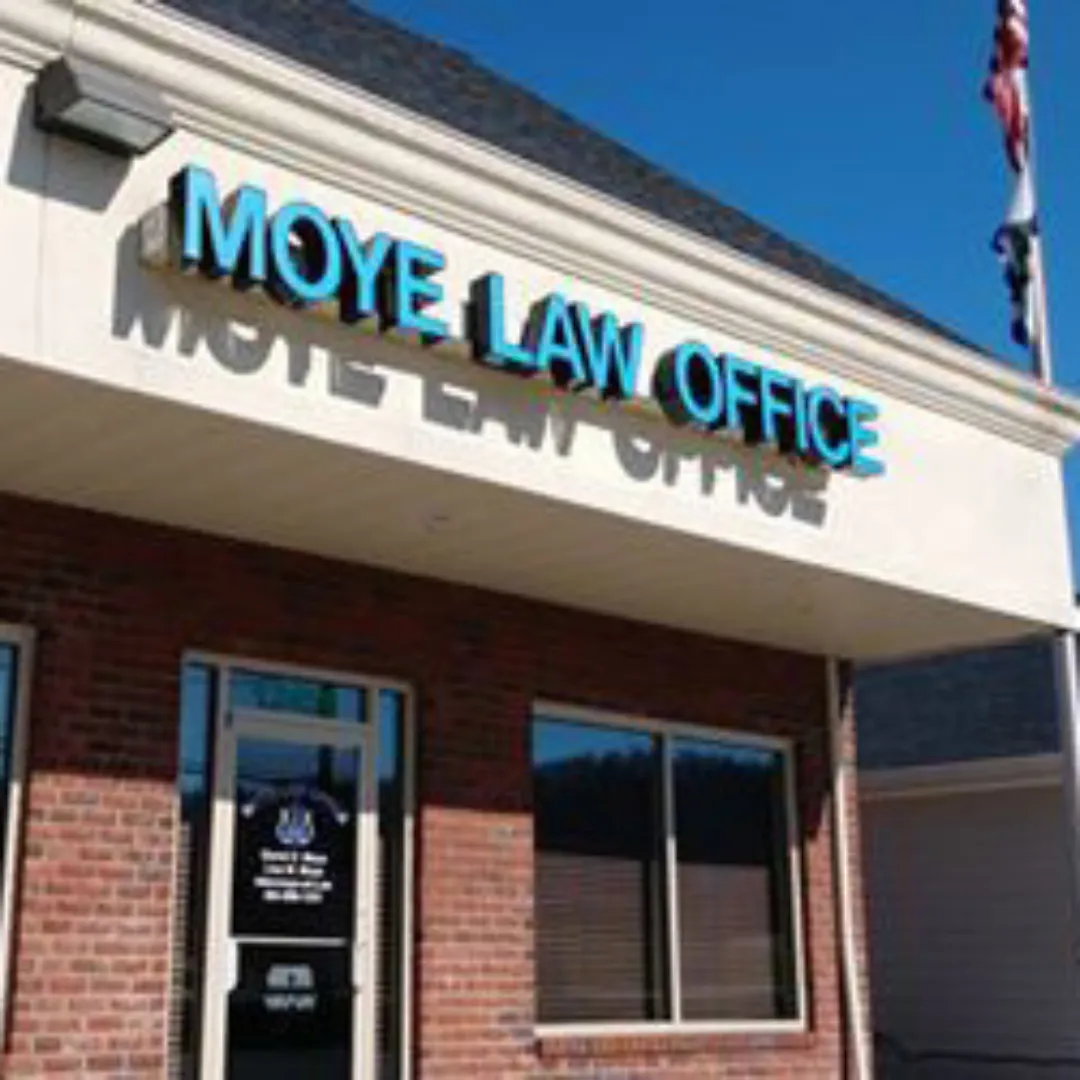
We have two offices in West Virginia: Winfield and Cross Lanes.
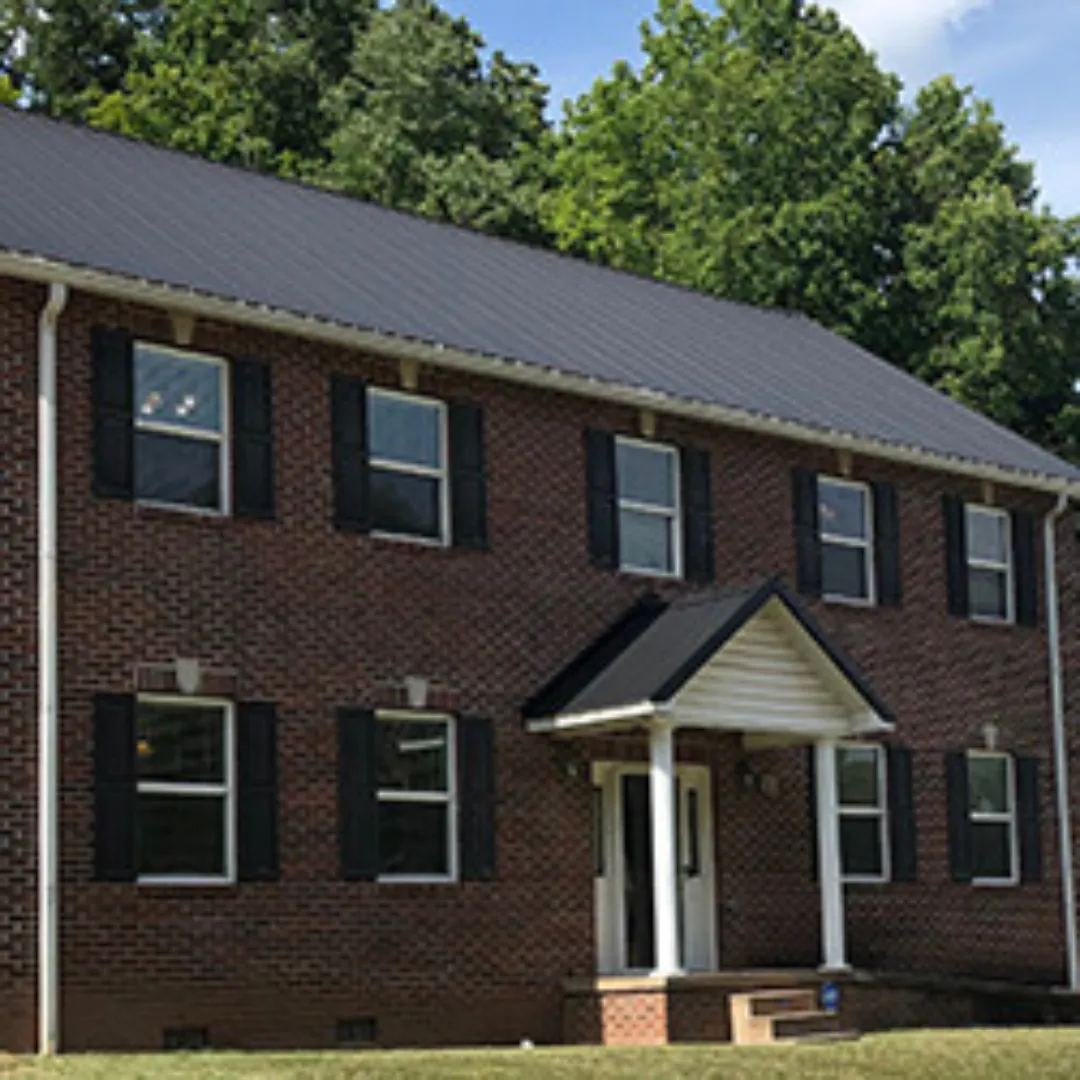
CROSS LANES
Common Title Problems in West Virginia (And How a Lawyer Fixes Them)
Common Title Problems in West Virginia and How a Lawyer Fixes Them
Title issues in West Virginia often show up as defects, hidden liens, or unclear chain‑of‑title entries. At Moye Law Office we spot those problems early, negotiate practical cures, and build escrow or endorsement protections when needed. That can mean negotiating escrowed payoffs for undisclosed liens, obtaining title endorsements to fix chain‑of‑title questions, and keeping clients informed so they can accept a remedy or walk away when risks are too high. Taken together, these steps reduce the chance of dispute or litigation and save time and money at closing.
What Are the Most Common Title Defects in West Virginia Real Estate?
Title defects can derail transfers and threaten ownership. Frequent problems include unresolved liens, fraudulent or forged deeds, and clerical errors in public records. These issues can create disputes, delay closings, and expose buyers or lenders to financial loss. Recognizing those risks during due diligence is essential to protecting the property’s marketability and your investment.
Which Types of Liens Affect West Virginia Property Titles?
Liens are legal claims that travel with a property and can block or complicate a sale. Common lien types in West Virginia include:
Mortgage Liens: Created by home loans — if payments stop, the lender may foreclose.
Tax Liens: Placed for unpaid property taxes; they must be cleared before a clean transfer.
Judgment Liens: Result from court judgments against an owner and can attach to real property.
Knowing how these liens work helps buyers spot complications early and decide the best path forward.
How Do Fraudulent Deeds and Forgery Impact Property Ownership in WV?
Fraudulent deeds and forgery create competing claims to ownership and can leave buyers or lenders exposed to loss. These problems often stem from undisclosed heirs, forged signatures, or documents that were never properly recorded. Title insurance typically covers certain past defects and offers a defense for covered claims, but proactive legal review is still critical. A lawyer will flag red flags, preserve claims with timely notices, and negotiate contractual fixes to limit exposure.
How Can a West Virginia Lawyer Resolve Property Line and Boundary Disputes?
A lawyer brings both legal analysis and practical transaction management to boundary disputes. We conduct careful due diligence, coordinate with surveyors, and negotiate agreements or easements that prevent the dispute from becoming expensive litigation. Local experience in West Virginia real estate law ensures filings, notices, and evidence collection happen on time and in the right way to preserve your rights.
What Are Typical Causes of Boundary Disputes in West Virginia?
Boundary disagreements most often start from:
Misplaced Survey Markers: Old or inaccurate surveys that don’t match current boundaries.
Fences and Structures: Improvements built close to or over perceived lines.
Natural Changes: Erosion, shifting waterways, or other landscape changes that alter visible boundaries.
Spotting these causes early lets owners resolve matters through agreement, corrective surveys, or recorded boundary adjustments.
How Do Easements and Encumbrances Affect Property Rights in WV?
Easements allow others limited use of your land (for example, utility access), while encumbrances like liens or deed restrictions can limit sale or development. Knowing existing easements and encumbrances is essential before buying or planning work on a property — they define what you can and cannot do with the land.
What Legal Steps Are Involved in Clearing Title Defects in West Virginia?
Clearing title defects requires methodical work. A lawyer will review disclosure requirements, run zoning and permit checks, and comb public records for red flags such as conflicting entries or undisclosed alterations. When issues appear, counsel negotiates cures, structures escrow protections, and prepares seller representations or indemnities. We also work with title insurers and relevant authorities to preserve claims and move the transaction forward compliantly.
How Does a Lawyer Conduct Title Research and Identify Defects?
Title research is a step‑by‑step review of public records and transaction documents. Typical steps include:
Reviewing Disclosure Statutes: Confirming required seller disclosures have been made under West Virginia law.
Running Zoning Checks: Verifying the property’s permitted uses and any municipal restrictions.
Identifying Title Defects: Spotting liens, easements, or ownership discrepancies that need correction.
That thorough approach detects problems early so they can be fixed before closing.
When and How Is a Quiet Title Action Used in West Virginia?
A quiet title action is a court process used when ownership is uncertain or multiple claims exist. The plaintiff files in the appropriate court and must prove their right to title. If successful, the court issues a judgment that removes competing claims and produces a clear, marketable title — a useful remedy when negotiation won’t resolve the dispute.
How Does Title Insurance Protect Against Common Title Problems in West Virginia?
Title insurance protects buyers and lenders from losses tied to covered defects discovered after closing — for example, undisclosed heirs, forged documents, or unrecorded liens. Unlike other policies, title insurance addresses past recorded issues and can provide a defense and recovery for covered claims. Combined with careful legal review before closing, it gives lasting protection for your investment.
What Title Issues Does Title Insurance Cover in WV?
Undisclosed Heirs: Coverage against claims by heirs not revealed during the sale.
Forged Documents: Protection where fraudulent instruments affect ownership.
Unrecorded Liens: Defense against liens that weren’t recorded at closing.
Why Is Title Insurance Essential for West Virginia Property Buyers?
Title insurance is a key safeguard because it addresses defects that predate closing and may not be discoverable through a routine search. It provides long‑term protection and a built‑in defense if covered claims arise — an important peace‑of‑mind tool when you’re protecting a major investment.
What Are the Causes and Solutions for Errors in Public Records and Closing in West Virginia?
Errors in public records and closing can stem from clerical mistakes, documents filed under the wrong parties, or outdated information. Those mistakes can create title defects and complicate transfers. Correcting them promptly reduces the risk of future disputes.
How Do Escrow and Closing Errors Affect Property Titles in WV?
Mistakes at closing or in escrow handling can leave unresolved claims attached to a title. Common examples include funds misapplied, missing documents, or overlooked liens. Title insurance helps where covered defects surface after closing, and experienced counsel helps prevent or correct closing errors so the transaction completes cleanly.
What Legal Remedies Exist for Correcting Public Record Errors?
Fixing public record errors usually involves:
Gathering Evidence: Assembling documents that show the correct record.
Filing a Petition: Asking the court to correct or reform the public record.
Court Hearing: Presenting the evidence so a judge can order the correction.
An attorney guides you through each step, improving the chance of a favorable and enforceable correction.
Why Choose MOYE Law Office for Resolving Title Problems in West Virginia?
Choose MOYE Law Office for client‑centered legal protection backed by local experience in Winfield and Cross Lanes. Our attorneys focus on real estate matters, title analysis, and transaction risk management. We explain findings in plain language, coordinate with title companies and surveyors, and negotiate remedies that protect client equity — all aimed at resolving issues before they become costly litigation.
How Does MOYE Law Office Provide Clear and Responsive Legal Help?
We provide honest, straightforward advice and stay responsive throughout the process. Our team helps you understand risks, reviews documents with you in plain terms, and answers questions so you can make informed choices. If you need specific assistance, we’re available to discuss your transaction and next steps.
What Expertise Does MOYE Law Office Offer in Real Estate Title Research?
MOYE Law Office delivers precise title analysis and practical contract drafting designed to prevent loss. Our work includes early document review, targeted inspections, negotiating cures, and structuring escrow protections or seller representations when necessary so transactions close smoothly and client equity is protected.
Frequently Asked Questions
What should I do if I discover a title defect after purchasing a property in West Virginia?
If you find a title defect after closing, consult a real estate attorney right away. Your lawyer will review your title insurance coverage, preserve any claims, and advise whether to pursue a claim with the insurer, negotiate with the seller, or take other legal steps to protect your investment.
How can I prevent title issues before buying a property?
Prevent title problems by ordering a thorough title search, buying title insurance, and engaging a real estate lawyer to review contracts and disclosures. Early review of survey, permit, and public‑record information reduces surprises at closing.
What role does a title company play in real estate transactions in West Virginia?
Title companies search the public record, issue title commitments and insurance, and often handle closing logistics and escrow accounts. They help confirm the title’s status and coordinate the flow of funds and documents at closing — but legal counsel still plays a key role in addressing complex issues.
Can I resolve a title dispute without going to court?
Yes. Many disputes settle through negotiation, mediation, or recorded agreements. A skilled attorney can often achieve a practical settlement or corrective instrument that avoids litigation and preserves value for all parties.
What is the importance of a title search in real estate transactions?
A title search uncovers existing liens, claims, and defects that could affect ownership. Identifying problems before closing lets you negotiate remedies, obtain insurance, or walk away if the risk is unacceptable — protecting you from future disputes and financial loss.
How does a quiet title action differ from a regular lawsuit?
A quiet title action is a focused lawsuit whose sole purpose is to clear competing claims and establish a single, marketable title. It differs from broader civil litigation because it targets title clarity and, when successful, results in a court order that removes or settles competing claims.
Moye Law Offices
We have two offices in West Virginia:
Winfield and Cross Lanes.
CROSS LANES
We Are Here To Help
Do you have a query or problem that you would like to talk about, or are you curious to hear more about how we can help you?
Get in touch today! We look forward to hearing from you.
Assistance Hours
Monday – Friday: 8:30am – 4:30pm
Saturday: By appointment only
Sunday: CLOSED
Subscribe to our Newsletter
We Are Here To Help
Do you have a query or problem that you would like to talk about, or are you curious to hear more about how we can help you?
Get in touch today! We look forward to hearing from you.
Assistance Hours
Monday – Friday 8:30am – 4:30pm
Saturday: By appointment only
Sunday CLOSED