Blog
Blog
Protect Your Property: Why You Need Real Estate Closing Help
Don’t Close on Property in West Virginia Without a Real Estate Lawyer
Closing on a home or piece of land is one of the biggest legal steps most people make. It’s also when small mistakes can become expensive problems. Many buyers and sellers assume a title company or the other party can handle everything — but an experienced real estate lawyer adds protection, clarity, and peace of mind. This article explains the role an attorney plays at closing, the risks of going without one, and the advantages Moye Law Office brings to West Virginia closings. You’ll also find a quick comparison of attorney-handled closings versus those run by title companies and practical tips for protecting your purchase. Learn more about our real estate practice at real estate legal assistance in West Virginia, and explore our full range of legal services.
Legal scholars have long stressed the value of early legal advice in property deals:
Legal Counsel Essential for Real Estate Transactions
Prior to the time the contract is signed, the buyer and the seller should have detailed advice about many legal aspects of the transaction.
RESIDENTIAL REAL ESTATE TRANSACTIONS: THE LAWYER'S PROPER ROLE—SERVICES—COMPENSATION, 1979
What Are the Key Benefits of Hiring a Real Estate Closing Lawyer?
Having a real estate lawyer at closing gives you practical protections that matter on day one and years down the road.
Legal protection: Your attorney watches for clauses or obligations that could hurt you and makes sure your legal rights are preserved.
Help with complex documents: Real estate closings involve many legal forms — an attorney reads them with an eye for details other parties might miss.
Prevents avoidable problems: By spotting title issues, contract gaps, or unclear terms before closing, a lawyer can save you time, stress, and money.
How Does a Real Estate Attorney Protect Your Property Investment?
An attorney reviews contracts, explains what each term means for you, and negotiates changes when needed. We look for title issues — liens, judgments, or competing claims — and work to clear them before you take ownership. If problems arise, your lawyer represents your interests and pushes for solutions that protect your investment.
What Legal Services Does a Real Estate Lawyer Provide During Closing?

At closing, your attorney typically handles:
Document preparation and review: Verifying accuracy, identifying unfavorable terms, and confirming all required signatures.
Title searches and insurance: Coordinating thorough title checks and advising on title insurance to guard against unexpected claims.
Closing coordination: Communicating with lenders, sellers, title companies, and other parties so the process stays on track.
How Does an Attorney-Handled Closing Differ from a Title Company or Non-Attorney Closing?
Knowing the distinction helps you choose the level of protection you want.
Roles and responsibilities: Attorneys provide legal advice and representation; title companies primarily handle paperwork, escrow, and insurance.
Legal protections: A lawyer can offer legal counsel, negotiate on your behalf, and step in if disputes arise — services a title company typically won’t provide.
Risks of non-attorney closings: Without legal representation, buyers and sellers may miss legal problems that lead to disputes or costly fixes later.
What Roles Do Real Estate Lawyers Play That Title Companies Cannot?
Lawyers give tailored legal advice, represent you in negotiations, and handle disputes that come up before or after closing. Title companies are valuable for escrow and insurance, but they aren’t substitutes for legal representation when you need rights protected or issues resolved.
Why Is Attorney Representation Crucial in West Virginia Property Closings?
West Virginia commonly involves attorneys in closings and has state-specific requirements and practices. Local counsel understands county recording rules, local custom, and state statutes that can affect your transaction. That local knowledge reduces the chance of filing errors, missed disclosures, or other procedural problems that can cause delays or legal exposure.
What Are the Risks of Closing Property Without a Real Estate Lawyer in West Virginia?

Skipping legal representation can leave you vulnerable to issues that surface after the keys are handed over.
Consumer protection in property law is an ongoing concern, especially where legal frameworks and remedies vary:
Safeguarding Consumer Rights in Property Transactions
Consumer protection in real estate disputes remains a critical issue across jurisdictions due to variations in legal frameworks, enforcement mechanisms, and dispute resolution procedures. This study adopts a qualitative legal research methodology, employing doctrinal and comparative legal analyses to examine statutory protections, contractual obligations, and judicial precedents related to consumer rights in property transactions.
Protecting Homebuyers: Legal Solutions for Real Estate Disputes, B Sendy, 2025
Title defects: Hidden liens, unresolved judgments, or recording mistakes can threaten your ownership if not caught before closing.
Post-closing disputes: Issues left unaddressed at closing — boundary disputes, seller misstatements, or missing disclosures — can lead to litigation.
Financial exposure: Errors in documents, missed contingencies, or overlooked obligations can result in unexpected costs.
Which Title Issues and Defects Can an Attorney Identify and Resolve?
An attorney can spot and work to resolve problems like:
Undisclosed liens: Claims against the property that should be cleared before you buy.
Boundary disputes: Questions about property lines that may require surveys or negotiation.
Easements and encroachments: Third‑party rights or physical encroachments that limit property use.
How Can a Lawyer Help Avoid Costly Disputes and Litigation Post-Closing?
By reviewing documents thoroughly, confirming title status, and communicating clearly with all parties, a lawyer reduces the chance of surprises. If a dispute appears, early legal involvement often allows for negotiation or corrective steps that avoid costly court battles.
Why Is Moye Law Office the Trusted Choice for Real Estate Closing Legal Advice in West Virginia?
Moye Law Office combines practical experience with a client-first approach to make closings less stressful and more secure for buyers and sellers across the state. Beyond real estate, we also provide dedicated representation in areas such as personal injury and divorce and family law.
Clear, plain-English guidance: We explain each step and every document so you understand what you’re signing.
In-house title research: Our title checks help uncover and resolve issues before closing.
Client protection focused: We prioritize your rights and work to minimize risk throughout the transaction.
How Does Moye Law Provide Clear, Easy-to-Understand Guidance During Closing?
Moye Law focuses on straightforward communication and practical advice. We walk through your contract, point out important deadlines and obligations, and answer questions so you feel confident at every step.
What Advantages Does Moye Law’s In-House Title Research Offer for Secure Transactions?
Our in-house title work aims to:
Find issues early: Thorough title checks reveal problems while there’s still time to fix them.
Resolve problems faster: Addressing title matters in-house shortens delays and keeps your closing on schedule.
Give clients confidence: Knowing a lawyer has reviewed title and documents helps buyers and sellers move forward with less worry.
How Much Does Hiring a Real Estate Lawyer for Closing Cost in West Virginia?
Planning for attorney fees helps avoid surprises when budgeting your transaction. For more on typical costs, see our FAQ page: hiring a real estate lawyer.
Fee structures vary: Lawyers may charge a flat fee for a straightforward closing or an hourly rate for more complex matters.
Cost vs. savings: A lawyer’s upfront fee can prevent larger expenses later by avoiding title problems or contract pitfalls.
Worth the investment: Legal help is an investment in a secure transaction and your peace of mind.
Is Attorney Fee an Investment in Legal Protection and Peace of Mind?
Yes. The cost of addressing avoidable legal problems after the fact often exceeds the fee for competent counsel at closing. Having a lawyer on your side reduces risk and uncertainty.
Research shows legal representation can have meaningful, positive outcomes for people facing housing-related legal issues:
Positive Impact of Legal Representation in Property Cases
Housing is one of the areas where it may be most critical for poor people to have access to legal representation in civil cases. We find that tenants who gain lawyers are less likely to be subject to possessory judgments, face smaller monetary judgments, are less likely to have eviction warrants issued against them, and are less likely to be evicted. Our results support the idea that legal representation in civil procedures can have important positive impacts on the lives of poor people.
The effects of legal representation on tenant outcomes in housing court: Evidence from New York City's
Universal Access program, MT Cassidy, 2022
Who Typically Pays for the Closing Attorney in West Virginia?
Who pays for closing counsel depends on the transaction and what the buyer and seller agree to. Often the buyer hires and pays their own attorney, but fee arrangements can vary and are negotiable during the sale.
When Should You Definitely Hire a Real Estate Attorney for Your Property Closing?
Certain situations make hiring an attorney especially important.
Complex transactions: Multiple parties, unusual financing, or complicated title histories warrant legal help.
For sale by owner (FSBO): Without a listing agent, legal oversight helps ensure paperwork and disclosures are handled correctly.
Disputes or complications: If there are boundary questions, liens, or disagreements, an attorney protects your position.
What Complex Situations Require Legal Expertise Beyond Title Insurance?
Examples include:
Inherited properties: Probate or multiple heirs can complicate ownership transfer.
Commercial transactions: These often include leases, zoning, and contract issues beyond typical residential sales.
Properties with liens or disputes: Resolving existing claims or contested title requires legal action.
How Does Moye Law Assist Buyers and Sellers in For Sale By Owner Transactions?
Moye Law helps FSBO clients by:
Preparing and reviewing documents: Making sure contracts and closing paperwork are complete and correct.
Helping with negotiations: Protecting your interests when terms are discussed or amended.
Ensuring compliance: Guiding you through West Virginia’s legal requirements for transfers and disclosures.
To discuss your closing or schedule a consultation, please contact Moye Law Office.
Frequently Asked Questions
What should I look for when choosing a real estate lawyer in West Virginia?
Look for experience with West Virginia closings and familiarity with the county where the property is located. Check client reviews and ask about prior transactions like yours. Confirm communication style and fee structure up front. A good lawyer explains risks in plain language and responds promptly to your questions.
Can I represent myself in a real estate closing in West Virginia?
Yes, you can legally represent yourself, but it’s usually not advisable. Real estate paperwork, title issues, and state-specific rules can be complex. Without legal experience you risk overlooking problems that could be costly later. Having a lawyer reduces that risk and helps ensure the transaction is handled correctly.
What are the common mistakes to avoid when closing on a property?
Common errors include skipping a full title search, signing closing documents without review, and not understanding contract contingencies or deadlines. Overlooking liens, survey issues, or required disclosures can cause trouble after closing. A lawyer helps you avoid these pitfalls.
How can I prepare for my first meeting with a real estate lawyer?
Bring all transaction paperwork: the purchase agreement, any title reports, prior surveys, lender documents, and correspondence with the other party. Make a list of questions and your timeline. Being organized lets your lawyer give focused, practical advice from the start.
What happens if I encounter a legal issue after closing?
If a post-closing problem appears — a boundary dispute, undisclosed lien, or seller misrepresentation — contact a real estate attorney right away. We’ll assess remedies, which may include negotiation, title insurance claims, or litigation if needed. Early action improves the chance of a favorable outcome.
Are there specific laws in West Virginia that affect real estate transactions?
Yes. West Virginia has specific requirements for disclosures, title handling, and common practices around attorney involvement in closings. County recording rules, liens, easements, and zoning laws can also affect a transaction. A local lawyer helps you navigate those details correctly.

Moye Law Offices
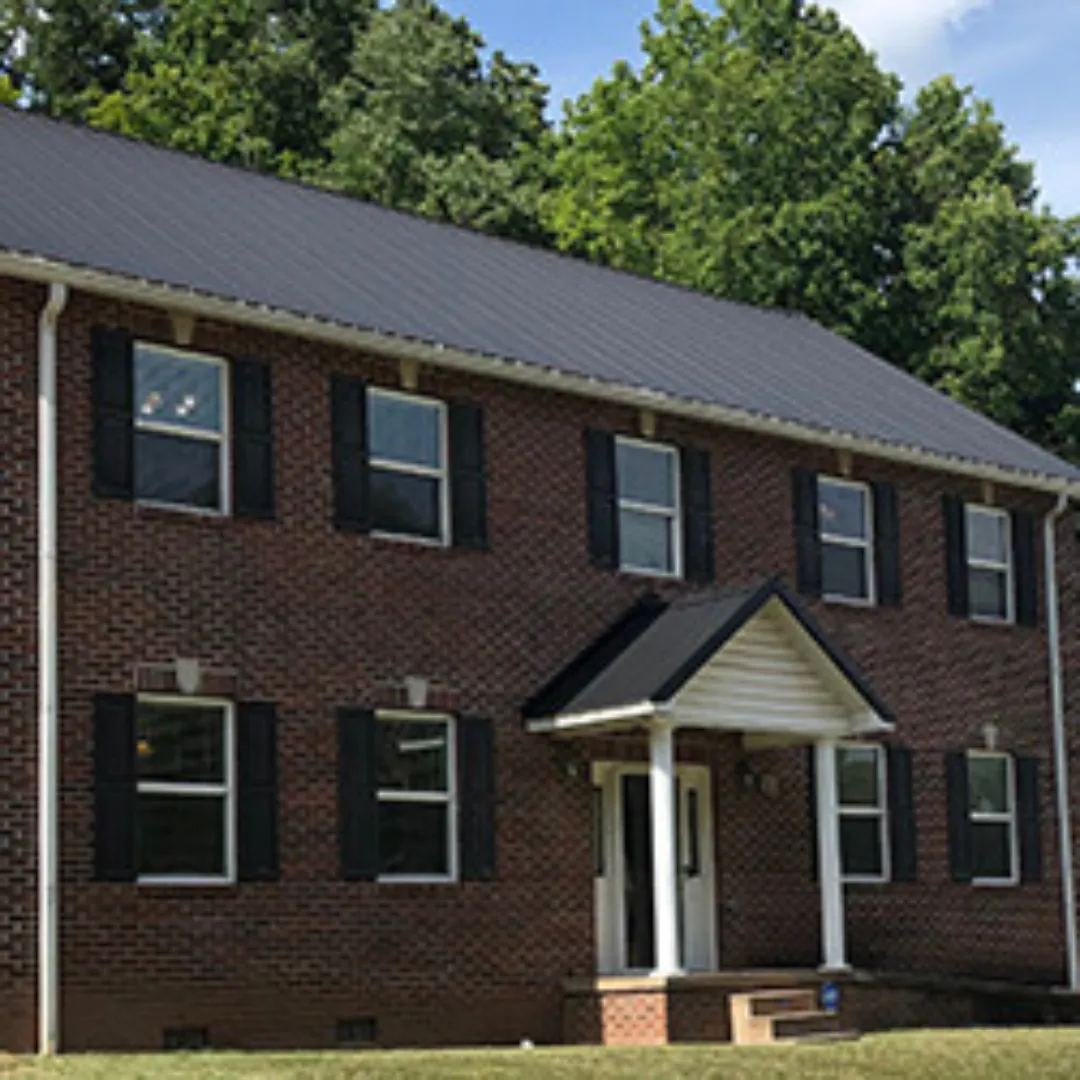
We have two offices in West Virginia: Winfield and Cross Lanes.
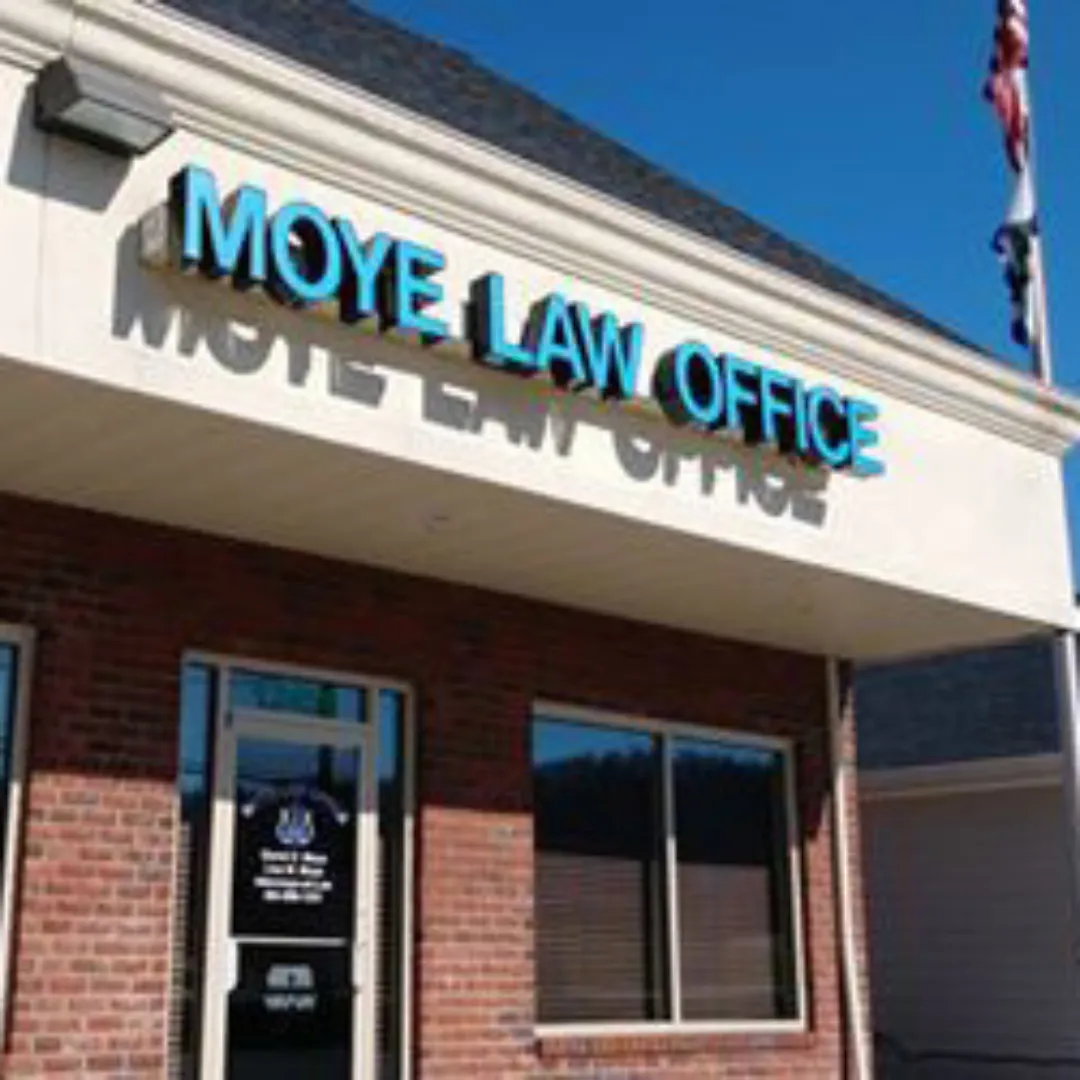
CROSS LANES
Protect Your Property: Why You Need Real Estate Closing Help
Don’t Close on Property in West Virginia Without a Real Estate Lawyer
Closing on a home or piece of land is one of the biggest legal steps most people make. It’s also when small mistakes can become expensive problems. Many buyers and sellers assume a title company or the other party can handle everything — but an experienced real estate lawyer adds protection, clarity, and peace of mind. This article explains the role an attorney plays at closing, the risks of going without one, and the advantages Moye Law Office brings to West Virginia closings. You’ll also find a quick comparison of attorney-handled closings versus those run by title companies and practical tips for protecting your purchase. Learn more about our real estate practice at real estate legal assistance in West Virginia, and explore our full range of legal services.
Legal scholars have long stressed the value of early legal advice in property deals:
Legal Counsel Essential for Real Estate Transactions
Prior to the time the contract is signed, the buyer and the seller should have detailed advice about many legal aspects of the transaction.
RESIDENTIAL REAL ESTATE TRANSACTIONS: THE LAWYER'S PROPER ROLE—SERVICES—COMPENSATION, 1979
What Are the Key Benefits of Hiring a Real Estate Closing Lawyer?
Having a real estate lawyer at closing gives you practical protections that matter on day one and years down the road.
Legal protection: Your attorney watches for clauses or obligations that could hurt you and makes sure your legal rights are preserved.
Help with complex documents: Real estate closings involve many legal forms — an attorney reads them with an eye for details other parties might miss.
Prevents avoidable problems: By spotting title issues, contract gaps, or unclear terms before closing, a lawyer can save you time, stress, and money.
How Does a Real Estate Attorney Protect Your Property Investment?
An attorney reviews contracts, explains what each term means for you, and negotiates changes when needed. We look for title issues — liens, judgments, or competing claims — and work to clear them before you take ownership. If problems arise, your lawyer represents your interests and pushes for solutions that protect your investment.
What Legal Services Does a Real Estate Lawyer Provide During Closing?
At closing, your attorney typically handles:
Document preparation and review: Verifying accuracy, identifying unfavorable terms, and confirming all required signatures.
Title searches and insurance: Coordinating thorough title checks and advising on title insurance to guard against unexpected claims.
Closing coordination: Communicating with lenders, sellers, title companies, and other parties so the process stays on track.
How Does an Attorney-Handled Closing Differ from a Title Company or Non-Attorney Closing?
Knowing the distinction helps you choose the level of protection you want.
Roles and responsibilities: Attorneys provide legal advice and representation; title companies primarily handle paperwork, escrow, and insurance.
Legal protections: A lawyer can offer legal counsel, negotiate on your behalf, and step in if disputes arise — services a title company typically won’t provide.
Risks of non-attorney closings: Without legal representation, buyers and sellers may miss legal problems that lead to disputes or costly fixes later.
What Roles Do Real Estate Lawyers Play That Title Companies Cannot?
Lawyers give tailored legal advice, represent you in negotiations, and handle disputes that come up before or after closing. Title companies are valuable for escrow and insurance, but they aren’t substitutes for legal representation when you need rights protected or issues resolved.
Why Is Attorney Representation Crucial in West Virginia Property Closings?
West Virginia commonly involves attorneys in closings and has state-specific requirements and practices. Local counsel understands county recording rules, local custom, and state statutes that can affect your transaction. That local knowledge reduces the chance of filing errors, missed disclosures, or other procedural problems that can cause delays or legal exposure.
What Are the Risks of Closing Property Without a Real Estate Lawyer in West Virginia?
Skipping legal representation can leave you vulnerable to issues that surface after the keys are handed over.
Consumer protection in property law is an ongoing concern, especially where legal frameworks and remedies vary:
Safeguarding Consumer Rights in Property Transactions
Consumer protection in real estate disputes remains a critical issue across jurisdictions due to variations in legal frameworks, enforcement mechanisms, and dispute resolution procedures. This study adopts a qualitative legal research methodology, employing doctrinal and comparative legal analyses to examine statutory protections, contractual obligations, and judicial precedents related to consumer rights in property transactions.
Protecting Homebuyers: Legal Solutions for Real Estate Disputes, B Sendy, 2025
Title defects: Hidden liens, unresolved judgments, or recording mistakes can threaten your ownership if not caught before closing.
Post-closing disputes: Issues left unaddressed at closing — boundary disputes, seller misstatements, or missing disclosures — can lead to litigation.
Financial exposure: Errors in documents, missed contingencies, or overlooked obligations can result in unexpected costs.
Which Title Issues and Defects Can an Attorney Identify and Resolve?
An attorney can spot and work to resolve problems like:
Undisclosed liens: Claims against the property that should be cleared before you buy.
Boundary disputes: Questions about property lines that may require surveys or negotiation.
Easements and encroachments: Third‑party rights or physical encroachments that limit property use.
How Can a Lawyer Help Avoid Costly Disputes and Litigation Post-Closing?
By reviewing documents thoroughly, confirming title status, and communicating clearly with all parties, a lawyer reduces the chance of surprises. If a dispute appears, early legal involvement often allows for negotiation or corrective steps that avoid costly court battles.
Why Is Moye Law Office the Trusted Choice for Real Estate Closing Legal Advice in West Virginia?
Moye Law Office combines practical experience with a client-first approach to make closings less stressful and more secure for buyers and sellers across the state. Beyond real estate, we also provide dedicated representation in areas such as personal injury and divorce and family law.
Clear, plain-English guidance: We explain each step and every document so you understand what you’re signing.
In-house title research: Our title checks help uncover and resolve issues before closing.
Client protection focused: We prioritize your rights and work to minimize risk throughout the transaction.
How Does Moye Law Provide Clear, Easy-to-Understand Guidance During Closing?
Moye Law focuses on straightforward communication and practical advice. We walk through your contract, point out important deadlines and obligations, and answer questions so you feel confident at every step.
What Advantages Does Moye Law’s In-House Title Research Offer for Secure Transactions?
Our in-house title work aims to:
Find issues early: Thorough title checks reveal problems while there’s still time to fix them.
Resolve problems faster: Addressing title matters in-house shortens delays and keeps your closing on schedule.
Give clients confidence: Knowing a lawyer has reviewed title and documents helps buyers and sellers move forward with less worry.
How Much Does Hiring a Real Estate Lawyer for Closing Cost in West Virginia?
Planning for attorney fees helps avoid surprises when budgeting your transaction. For more on typical costs, see our FAQ page: hiring a real estate lawyer.
Fee structures vary: Lawyers may charge a flat fee for a straightforward closing or an hourly rate for more complex matters.
Cost vs. savings: A lawyer’s upfront fee can prevent larger expenses later by avoiding title problems or contract pitfalls.
Worth the investment: Legal help is an investment in a secure transaction and your peace of mind.
Is Attorney Fee an Investment in Legal Protection and Peace of Mind?
Yes. The cost of addressing avoidable legal problems after the fact often exceeds the fee for competent counsel at closing. Having a lawyer on your side reduces risk and uncertainty.
Research shows legal representation can have meaningful, positive outcomes for people facing housing-related legal issues:
Positive Impact of Legal Representation in Property Cases
Housing is one of the areas where it may be most critical for poor people to have access to legal representation in civil cases. We find that tenants who gain lawyers are less likely to be subject to possessory judgments, face smaller monetary judgments, are less likely to have eviction warrants issued against them, and are less likely to be evicted. Our results support the idea that legal representation in civil procedures can have important positive impacts on the lives of poor people.
The effects of legal representation on tenant outcomes in housing court: Evidence from New York City's
Universal Access program, MT Cassidy, 2022
Who Typically Pays for the Closing Attorney in West Virginia?
Who pays for closing counsel depends on the transaction and what the buyer and seller agree to. Often the buyer hires and pays their own attorney, but fee arrangements can vary and are negotiable during the sale.
When Should You Definitely Hire a Real Estate Attorney for Your Property Closing?
Certain situations make hiring an attorney especially important.
Complex transactions: Multiple parties, unusual financing, or complicated title histories warrant legal help.
For sale by owner (FSBO): Without a listing agent, legal oversight helps ensure paperwork and disclosures are handled correctly.
Disputes or complications: If there are boundary questions, liens, or disagreements, an attorney protects your position.
What Complex Situations Require Legal Expertise Beyond Title Insurance?
Examples include:
Inherited properties: Probate or multiple heirs can complicate ownership transfer.
Commercial transactions: These often include leases, zoning, and contract issues beyond typical residential sales.
Properties with liens or disputes: Resolving existing claims or contested title requires legal action.
How Does Moye Law Assist Buyers and Sellers in For Sale By Owner Transactions?
Moye Law helps FSBO clients by:
Preparing and reviewing documents: Making sure contracts and closing paperwork are complete and correct.
Helping with negotiations: Protecting your interests when terms are discussed or amended.
Ensuring compliance: Guiding you through West Virginia’s legal requirements for transfers and disclosures.
To discuss your closing or schedule a consultation, please contact Moye Law Office.
Frequently Asked Questions
What should I look for when choosing a real estate lawyer in West Virginia?
Look for experience with West Virginia closings and familiarity with the county where the property is located. Check client reviews and ask about prior transactions like yours. Confirm communication style and fee structure up front. A good lawyer explains risks in plain language and responds promptly to your questions.
Can I represent myself in a real estate closing in West Virginia?
Yes, you can legally represent yourself, but it’s usually not advisable. Real estate paperwork, title issues, and state-specific rules can be complex. Without legal experience you risk overlooking problems that could be costly later. Having a lawyer reduces that risk and helps ensure the transaction is handled correctly.
What are the common mistakes to avoid when closing on a property?
Common errors include skipping a full title search, signing closing documents without review, and not understanding contract contingencies or deadlines. Overlooking liens, survey issues, or required disclosures can cause trouble after closing. A lawyer helps you avoid these pitfalls.
How can I prepare for my first meeting with a real estate lawyer?
Bring all transaction paperwork: the purchase agreement, any title reports, prior surveys, lender documents, and correspondence with the other party. Make a list of questions and your timeline. Being organized lets your lawyer give focused, practical advice from the start.
What happens if I encounter a legal issue after closing?
If a post-closing problem appears — a boundary dispute, undisclosed lien, or seller misrepresentation — contact a real estate attorney right away. We’ll assess remedies, which may include negotiation, title insurance claims, or litigation if needed. Early action improves the chance of a favorable outcome.
Are there specific laws in West Virginia that affect real estate transactions?
Yes. West Virginia has specific requirements for disclosures, title handling, and common practices around attorney involvement in closings. County recording rules, liens, easements, and zoning laws can also affect a transaction. A local lawyer helps you navigate those details correctly.
Moye Law Offices
We have two offices in West Virginia:
Winfield and Cross Lanes.
CROSS LANES
We Are Here To Help
Do you have a query or problem that you would like to talk about, or are you curious to hear more about how we can help you?
Get in touch today! We look forward to hearing from you.
Assistance Hours
Monday – Friday: 8:30am – 4:30pm
Saturday: By appointment only
Sunday: CLOSED
Subscribe to our Newsletter
We Are Here To Help
Do you have a query or problem that you would like to talk about, or are you curious to hear more about how we can help you?
Get in touch today! We look forward to hearing from you.
Assistance Hours
Monday – Friday 8:30am – 4:30pm
Saturday: By appointment only
Sunday CLOSED