
Blog

Blog

Protect Your FSBO Deal: The Role of a Real Estate Lawyer
Why FSBO Transactions Still Need a Real Estate Lawyer: Essential Legal Guidance for Secure Property Transfers
By Sean Hyde, Moye Law Office
Selling a home as For Sale By Owner (FSBO) can reduce commission costs but places legal responsibilities on the homeowner. Without counsel, parties risk defective contracts, missed disclosures, and procedural mistakes. A real estate lawyer helps identify and address these issues, reducing transactional risk and protecting property rights. For legal support, consider consulting experienced real estate lawyers.
Legal Guidance for Secure Property Transfers
Retaining a lawyer ensures the transfer follows applicable statutes and case law. An attorney reviews and prepares key documents—purchase agreements, seller disclosures, and title materials—to confirm legal sufficiency and minimise the chance of post-closing disputes.
Identifying Potential Legal Risks
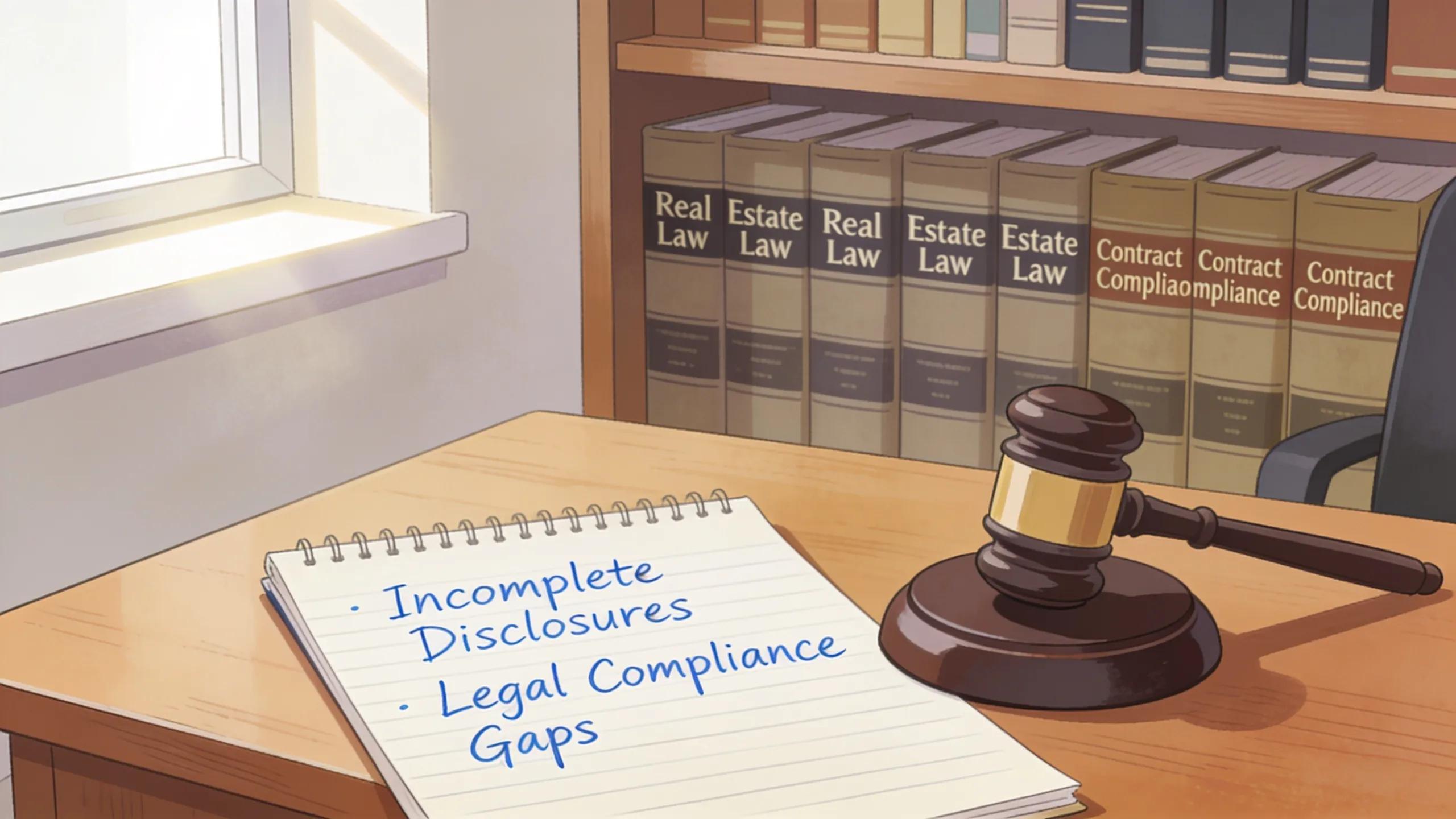
Early identification of foreseeable risks enables targeted mitigation and smoother closings.
Incomplete Disclosure: Failing to disclose known defects can trigger disputes after closing.
Contractual Mistakes: Ambiguous or incorrect wording can create loopholes or unenforceable terms.
Title Issues: Unresolved liens or claims can delay or prevent transfer of ownership.
If you have questions about these risks or need legal advice, consult a firm that provides comprehensive legal services.
Common Challenges Faced by Sellers and Buyers
FSBO sales often leave sellers handling complex paperwork and buyers without formal representation, increasing the chance of procedural errors and miscommunications.
Navigating disclosure and documentation requirements.
Resolving disputes over condition or contract terms.
Negotiating terms that protect each party’s interests.
Engaging a lawyer helps manage documentation, clarify obligations, and resolve issues before they escalate.
Benefits of Professional Legal Assistance
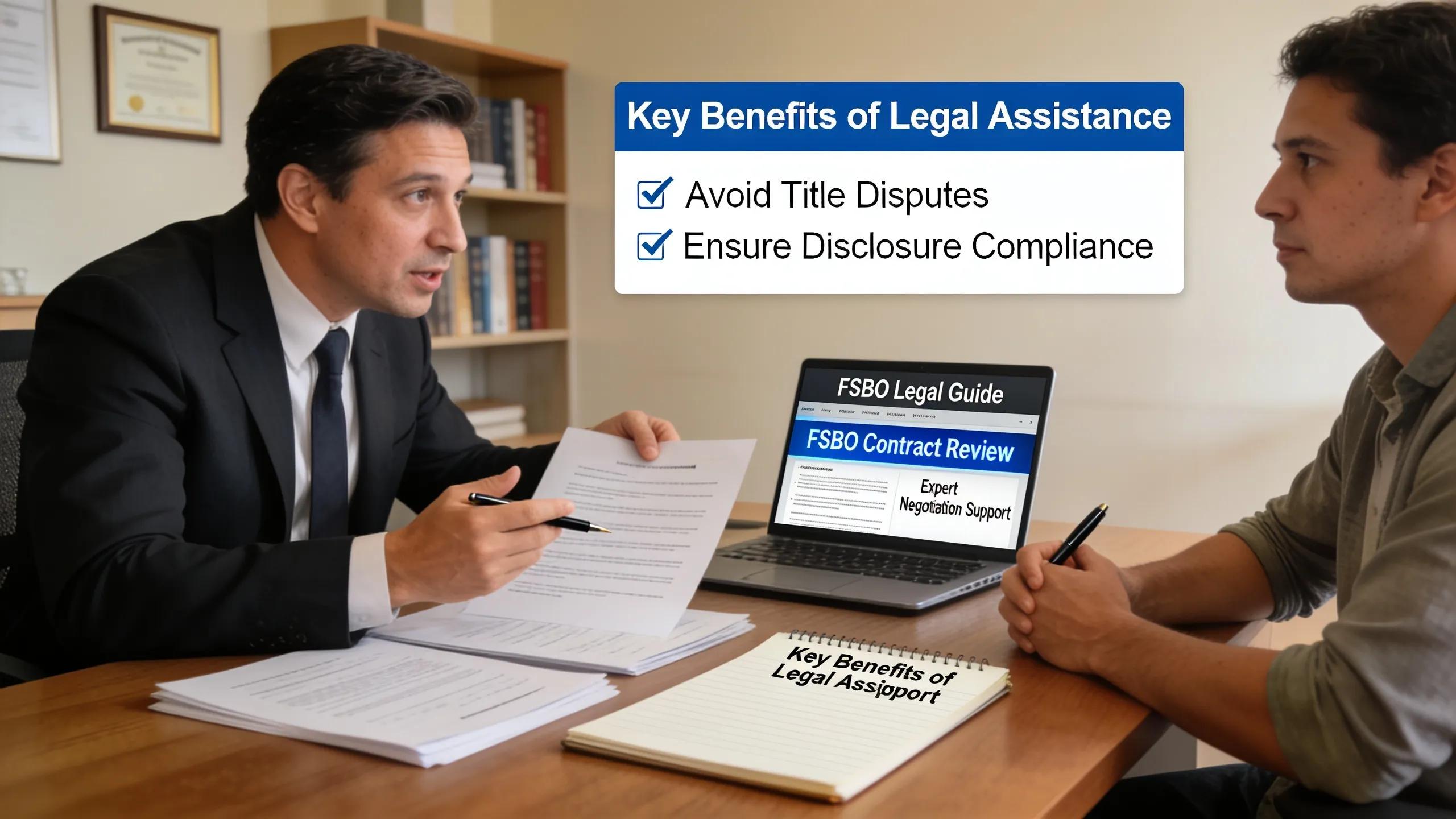
A real estate lawyer streamlines FSBO transactions, reduces exposure to claims, and ensures documents reflect the parties’ intent to support a timely closing.
Document Preparation and Review
Lawyers draft and inspect purchase agreements, disclosures, and title documents to ensure clarity and enforceability.
Negotiation Support
An attorney structures terms, addresses contingencies, and advocates for legal and financial protections during negotiation.
Dispute Resolution
If disputes arise, counsel pursues resolution through negotiation, mediation, or litigation as needed to protect clients’ rights.
What Are the Legal Risks Involved in FSBO Transactions?
Sellers can miss required disclosures or mandated procedures, exposing themselves to liability; buyers may lack documentation to assert rights in a dispute. Working with counsel reduces the likelihood of post-closing claims and financial loss. To review the firm’s credentials, learn more about our team.
Which Common Legal Challenges Do Sellers and Buyers Face?
Key obstacles include lack of representation, miscommunication between parties, and noncompliance with regulatory requirements—each of which can jeopardise a sale. Early recognition prompts timely legal assistance.
Lack of Representation: Increases exposure to avoidable errors.
Miscommunication: Can lead to disputes over expectations and contract terms.
Regulatory Compliance: Local rules and statutes must be followed to avoid administrative or legal problems.
How Can a Real Estate Lawyer Mitigate These Risks?
A lawyer reduces transactional risk through targeted legal work and oversight, providing certainty throughout negotiation and closing.
Contract Management: Drafting and reviewing contracts to protect clients from unfavorable terms.
Compliance Checks: Ensuring adherence to state and local regulations.
Risk Assessment: Identifying title, zoning, or disclosure issues and advising on mitigation.
Early involvement helps prevent common errors and lowers the chance of future litigation.
What Legal Services Does a Real Estate Lawyer Provide for FSBO Transactions?
Attorneys commonly offer contract review, negotiation assistance, and closing guidance to ensure lawful, enforceable outcomes for sellers and buyers.
Contract Review: Clarifying terms and removing ambiguity.
Negotiation Assistance: Advocating for protective and commercially sound terms.
Guidance Through the Closing Process: Verifying execution of deeds, settlement statements, and other instruments.
Contract Review
Review focuses on ambiguous provisions, contingencies, and deadlines to reduce the risk of disputes.
Negotiation Assistance
Attorneys use transaction experience to secure terms that align legal protections with commercial objectives.
Guidance Through the Closing Process
Counsel explains closing documents and confirms proper execution so title conveys lawfully.
How Does Contract Review and Drafting Protect FSBO Parties?
Careful drafting ensures agreements reflect parties’ intent, comply with statutory requirements, and contain remedies for common gaps that cause disputes or losses.
Why Is Title Search and Closing Oversight Critical?
A title search reveals liens or encumbrances that could impair transfer; closing oversight confirms documents are executed correctly and title conveys free of unexpected claims.
What Are the Specific West Virginia Legal Requirements Affecting FSBO Sales?
West Virginia imposes disclosure and procedural requirements for property transfers. Sellers must present required disclosures and comply with state statutes to avoid penalties or challenges to the sale’s validity.
Which County-Level Regulations Impact FSBO Transactions in WV?
County ordinances affect zoning, recording, and tax procedures. Sellers should verify county-specific rules to prevent administrative delays or complications.
How Do State Laws Influence FSBO Contract Validity and Closing Procedures?
State law defines required disclosures, conveyance formalities, and statutory protections; compliance ensures contracts are enforceable and closings effectuate the transfer of rights.
How Can FSBO Sellers and Buyers Access Expert Legal Advice?
Begin by assembling property documents and listing specific questions for consultation. Search for local attorneys who specialise in real estate law, review credentials, and schedule a meeting to address transaction-specific legal issues. For common inquiries, see the FAQs page.
What Steps Should You Take to Schedule a Consultation with a Real Estate Lawyer?
Gather deeds, tax records, contracts, and inspection reports. Prepare a concise list of questions and research attorneys with real estate experience to identify suitable counsel.
Gather relevant property documents.
List questions or concerns to address in the meeting.
Research attorneys specialising in real estate law.
These steps make consultations more efficient. To contact the firm directly, view their contact information.
Where Can FSBO Parties Find Answers to Common Legal Questions?
Consult state bar associations, local real estate organisations, and reputable online legal resources. For transaction-specific answers, consult a qualified real estate attorney.
Frequently Asked Questions
1. What are the initial steps to take when considering an FSBO sale?
Research local market conditions and set a realistic price. Collect deeds, tax records, and inspection reports, then consult a real estate lawyer to confirm required disclosures and reduce legal risk.
2. How can I ensure accurate property valuation during an FSBO sale?
Use a comparative market analysis (CMA) and consider a professional appraisal for an objective valuation; online tools can supplement but not replace professional assessment.
3. Are there specific disclosures I must make as an FSBO seller?
Yes. Sellers must disclose known material defects and safety issues—requirements vary by state, so consult an attorney for your jurisdiction’s specifics.
4. What role does a title company play in an FSBO transaction?
A title company conducts a title search, issues title insurance, and manages closing paperwork to protect ownership and ensure proper transfer.
5. How can conflicts be resolved during FSBO transactions?
Attempt resolution through documentation and direct negotiation; if unresolved, consider mediation or arbitration before litigation. Legal counsel can advise on the best path.
6. What are the financial implications of hiring a real estate lawyer in an FSBO transaction?
Legal fees are an upfront cost but can prevent larger expenses from disputes, title defects, or contract failures. Lawyers also help negotiate terms that protect financial interests.
7. Can I use standard real estate forms for my FSBO transaction?
Standard forms can be a starting point but should be tailored to local law and the transaction’s specifics; a lawyer can review or customise forms to ensure compliance and address risks.

Moye Law Offices
We have two offices in West Virginia: Winfield and Cross Lanes.
CROSS LANES
Protect Your FSBO Deal: The Role of a Real Estate Lawyer
Why FSBO Transactions Still Need a Real Estate Lawyer: Essential Legal Guidance for Secure Property Transfers
By Sean Hyde, Moye Law Office
Selling a home as For Sale By Owner (FSBO) can reduce commission costs but places legal responsibilities on the homeowner. Without counsel, parties risk defective contracts, missed disclosures, and procedural mistakes. A real estate lawyer helps identify and address these issues, reducing transactional risk and protecting property rights. For legal support, consider consulting experienced real estate lawyers.
Legal Guidance for Secure Property Transfers
Retaining a lawyer ensures the transfer follows applicable statutes and case law. An attorney reviews and prepares key documents—purchase agreements, seller disclosures, and title materials—to confirm legal sufficiency and minimise the chance of post-closing disputes.
Identifying Potential Legal Risks
Early identification of foreseeable risks enables targeted mitigation and smoother closings.
Incomplete Disclosure: Failing to disclose known defects can trigger disputes after closing.
Contractual Mistakes: Ambiguous or incorrect wording can create loopholes or unenforceable terms.
Title Issues: Unresolved liens or claims can delay or prevent transfer of ownership.
If you have questions about these risks or need legal advice, consult a firm that provides comprehensive legal services.
Common Challenges Faced by Sellers and Buyers
FSBO sales often leave sellers handling complex paperwork and buyers without formal representation, increasing the chance of procedural errors and miscommunications.
Navigating disclosure and documentation requirements.
Resolving disputes over condition or contract terms.
Negotiating terms that protect each party’s interests.
Engaging a lawyer helps manage documentation, clarify obligations, and resolve issues before they escalate.
Benefits of Professional Legal Assistance
A real estate lawyer streamlines FSBO transactions, reduces exposure to claims, and ensures documents reflect the parties’ intent to support a timely closing.
Document Preparation and Review
Lawyers draft and inspect purchase agreements, disclosures, and title documents to ensure clarity and enforceability.
Negotiation Support
An attorney structures terms, addresses contingencies, and advocates for legal and financial protections during negotiation.
Dispute Resolution
If disputes arise, counsel pursues resolution through negotiation, mediation, or litigation as needed to protect clients’ rights.
What Are the Legal Risks Involved in FSBO Transactions?
Sellers can miss required disclosures or mandated procedures, exposing themselves to liability; buyers may lack documentation to assert rights in a dispute. Working with counsel reduces the likelihood of post-closing claims and financial loss. To review the firm’s credentials, learn more about our team.
Which Common Legal Challenges Do Sellers and Buyers Face?
Key obstacles include lack of representation, miscommunication between parties, and noncompliance with regulatory requirements—each of which can jeopardise a sale. Early recognition prompts timely legal assistance.
Lack of Representation: Increases exposure to avoidable errors.
Miscommunication: Can lead to disputes over expectations and contract terms.
Regulatory Compliance: Local rules and statutes must be followed to avoid administrative or legal problems.
How Can a Real Estate Lawyer Mitigate These Risks?
A lawyer reduces transactional risk through targeted legal work and oversight, providing certainty throughout negotiation and closing.
Contract Management: Drafting and reviewing contracts to protect clients from unfavorable terms.
Compliance Checks: Ensuring adherence to state and local regulations.
Risk Assessment: Identifying title, zoning, or disclosure issues and advising on mitigation.
Early involvement helps prevent common errors and lowers the chance of future litigation.
What Legal Services Does a Real Estate Lawyer Provide for FSBO Transactions?
Attorneys commonly offer contract review, negotiation assistance, and closing guidance to ensure lawful, enforceable outcomes for sellers and buyers.
Contract Review: Clarifying terms and removing ambiguity.
Negotiation Assistance: Advocating for protective and commercially sound terms.
Guidance Through the Closing Process: Verifying execution of deeds, settlement statements, and other instruments.
Contract Review
Review focuses on ambiguous provisions, contingencies, and deadlines to reduce the risk of disputes.
Negotiation Assistance
Attorneys use transaction experience to secure terms that align legal protections with commercial objectives.
Guidance Through the Closing Process
Counsel explains closing documents and confirms proper execution so title conveys lawfully.
How Does Contract Review and Drafting Protect FSBO Parties?
Careful drafting ensures agreements reflect parties’ intent, comply with statutory requirements, and contain remedies for common gaps that cause disputes or losses.
Why Is Title Search and Closing Oversight Critical?
A title search reveals liens or encumbrances that could impair transfer; closing oversight confirms documents are executed correctly and title conveys free of unexpected claims.
What Are the Specific West Virginia Legal Requirements Affecting FSBO Sales?
West Virginia imposes disclosure and procedural requirements for property transfers. Sellers must present required disclosures and comply with state statutes to avoid penalties or challenges to the sale’s validity.
Which County-Level Regulations Impact FSBO Transactions in WV?
County ordinances affect zoning, recording, and tax procedures. Sellers should verify county-specific rules to prevent administrative delays or complications.
How Do State Laws Influence FSBO Contract Validity and Closing Procedures?
State law defines required disclosures, conveyance formalities, and statutory protections; compliance ensures contracts are enforceable and closings effectuate the transfer of rights.
How Can FSBO Sellers and Buyers Access Expert Legal Advice?
Begin by assembling property documents and listing specific questions for consultation. Search for local attorneys who specialise in real estate law, review credentials, and schedule a meeting to address transaction-specific legal issues. For common inquiries, see the FAQs page.
What Steps Should You Take to Schedule a Consultation with a Real Estate Lawyer?
Gather deeds, tax records, contracts, and inspection reports. Prepare a concise list of questions and research attorneys with real estate experience to identify suitable counsel.
Gather relevant property documents.
List questions or concerns to address in the meeting.
Research attorneys specialising in real estate law.
These steps make consultations more efficient. To contact the firm directly, view their contact information.
Where Can FSBO Parties Find Answers to Common Legal Questions?
Consult state bar associations, local real estate organisations, and reputable online legal resources. For transaction-specific answers, consult a qualified real estate attorney.
Frequently Asked Questions
1. What are the initial steps to take when considering an FSBO sale?
Research local market conditions and set a realistic price. Collect deeds, tax records, and inspection reports, then consult a real estate lawyer to confirm required disclosures and reduce legal risk.
2. How can I ensure accurate property valuation during an FSBO sale?
Use a comparative market analysis (CMA) and consider a professional appraisal for an objective valuation; online tools can supplement but not replace professional assessment.
3. Are there specific disclosures I must make as an FSBO seller?
Yes. Sellers must disclose known material defects and safety issues—requirements vary by state, so consult an attorney for your jurisdiction’s specifics.
4. What role does a title company play in an FSBO transaction?
A title company conducts a title search, issues title insurance, and manages closing paperwork to protect ownership and ensure proper transfer.
5. How can conflicts be resolved during FSBO transactions?
Attempt resolution through documentation and direct negotiation; if unresolved, consider mediation or arbitration before litigation. Legal counsel can advise on the best path.
6. What are the financial implications of hiring a real estate lawyer in an FSBO transaction?
Legal fees are an upfront cost but can prevent larger expenses from disputes, title defects, or contract failures. Lawyers also help negotiate terms that protect financial interests.
7. Can I use standard real estate forms for my FSBO transaction?
Standard forms can be a starting point but should be tailored to local law and the transaction’s specifics; a lawyer can review or customise forms to ensure compliance and address risks.
Moye Law Offices
We have two offices in West Virginia:
Winfield and Cross Lanes.
CROSS LANES
We Are Here To Help
Do you have a query or problem that you would like to talk about, or are you curious to hear more about how we can help you?
Get in touch today! We look forward to hearing from you.
Assistance Hours
Monday – Friday: 8:30am – 4:30pm
Saturday: By appointment only
Sunday: CLOSED
Subscribe to our Newsletter
We Are Here To Help
Do you have a query or problem that you would like to talk about, or are you curious to hear more about how we can help you?
Get in touch today! We look forward to hearing from you.
Assistance Hours
Monday – Friday 8:30am – 4:30pm
Saturday: By appointment only
Sunday CLOSED