
Blog

Blog

Do I Need a Real Estate Attorney? Key Reasons Explained
When Should You Hire a Real Estate Attorney? A Complete Guide for West Virginia Buyers, Sellers & Property Owners
Buying, selling, or investing in real estate is one of the largest financial decisions most people make. While many transactions proceed without major issues, contract disputes, title defects, zoning restrictions, boundary disagreements, and closing complications can quickly turn a routine purchase into an expensive legal problem.
A real estate attorney helps buyers, sellers, landlords, investors, developers, and property owners protect their interests throughout every stage of a transaction. From reviewing contracts before they're signed to resolving title issues and ensuring a smooth closing, legal guidance can prevent costly mistakes before they occur.
This guide explains when you should hire a real estate attorney in West Virginia, the situations where legal representation is most valuable, and how an attorney can protect your investment.
What Does a Real Estate Attorney Do?
Buying, selling, leasing, or investing in real estate involves far more than signing paperwork. Every transaction creates legal rights and obligations that can affect ownership, finances, and future use of the property. A real estate attorney helps clients navigate these legal complexities by reviewing documents, identifying risks, resolving disputes, and ensuring transactions comply with West Virginia law.
Whether you're purchasing your first home, selling commercial property, transferring inherited real estate, or resolving a property dispute, a real estate attorney provides legal guidance throughout the process. Their goal is to protect your interests, minimise risk, and prevent issues that could delay closing or lead to costly litigation after the transaction is complete.
Below are some of the primary responsibilities a real estate attorney performs and why each one matters.
Reviews Purchase Contracts
A purchase agreement is one of the most important documents in a real estate transaction. It establishes the rights and responsibilities of both parties, outlines deadlines, contingencies, financing terms, inspection requirements, and the conditions that must be satisfied before closing. A real estate attorney reviews these agreements to ensure the terms are legally enforceable, clearly written, and protect your interests before you sign.
Drafts and Reviews Legal Documents
Real estate transactions often require numerous legal documents beyond the purchase agreement. Attorneys prepare or review deeds, leases, easement agreements, settlement documents, disclosures, affidavits, and other legally binding paperwork. Careful drafting helps eliminate ambiguity and reduces the likelihood of future disputes.
Performs Title Reviews
Before property changes hands, attorneys examine title reports to verify that ownership can be transferred without legal complications. They identify problems such as title defects, ownership disputes, recording errors, or unresolved claims that could affect your ability to obtain clear title.
Resolves Liens and Ownership Issues
Outstanding mortgages, tax liens, mechanic's liens, or judgments can delay or even prevent a real estate closing. A real estate attorney works to identify these issues early, negotiate resolutions where possible, and ensure they are properly addressed before ownership transfers.
Negotiates Legal Disputes
Not every issue requires litigation. Attorneys frequently negotiate solutions when disagreements arise over inspections, repair requests, contract terms, title concerns, financing issues, or closing deadlines. Effective legal negotiation often allows transactions to proceed without unnecessary delays or court involvement.
Handles the Closing Process
Closing is the final legal step in transferring ownership. A real estate attorney reviews settlement statements, deeds, loan documents, title documents, and other closing paperwork to ensure everything is accurate, legally compliant, and properly executed before funds and ownership are exchanged.
Reviews Residential and Commercial Leases
Attorneys also assist landlords, tenants, and businesses by reviewing and preparing lease agreements. They help ensure lease terms clearly define responsibilities, payment obligations, maintenance requirements, renewal provisions, and remedies if either party breaches the agreement.
Assists With Commercial Real Estate Transactions
Commercial real estate transactions typically involve greater financial risk and more complex legal considerations than residential purchases. Attorneys help negotiate purchase agreements, review financing documents, conduct due diligence, analyse zoning and land use issues, and protect clients throughout acquisitions, sales, and development projects.
Represents Clients in Real Estate Litigation
When disputes cannot be resolved through negotiation, a real estate attorney can represent clients in court or alternative dispute resolution. Litigation may involve contract breaches, title disputes, ownership claims, landlord-tenant conflicts, construction disputes, or other property-related legal matters.
Resolves Easement and Boundary Disputes
Property owners occasionally discover disagreements involving property lines, shared access roads, utility easements, fences, or encroachments. A real estate attorney evaluates deeds, surveys, title records, and applicable laws to determine property rights and pursue practical solutions that protect ownership interests.
How These Services Protect Property Owners
Although every transaction is unique, the objective remains the same: identifying legal risks before they become costly problems. By reviewing contracts, investigating title issues, resolving disputes, ensuring compliance, and guiding clients through closing, a real estate attorney helps buyers, sellers, investors, landlords, and business owners complete transactions with greater confidence and legal protection.
When to Seek Legal Guidance
Get counsel at key moments to protect your interests and reduce delays:
Before Signing Contracts: Have a lawyer review terms to confirm they are fair and enforceable.
During Due Diligence: Counsel helps identify legal issues early, such as liens or zoning problems.
At Closing: An attorney can resolve last-minute title or document issues and ensure compliance.
These steps reduce legal exposure and improve the chance of a smooth transaction.
Quick Self-Check: Do You Need a Real Estate Attorney?
Work through the questions below. If any apply to your situation, it's a sign you should consult a real estate attorney before moving forward:
Are you about to sign a purchase agreement, listing agreement, or lease? → Have the terms reviewed before you sign.
Did due diligence turn up liens, title defects, or zoning problems? → Counsel can resolve these before they delay closing.
Is your deal commercial, multi-party, or does it involve an inherited or estate property? → These transactions often call for specialized legal oversight.
Are any contract terms, easements, or encroachments unclear to you? → An attorney can clarify obligations and protect your interests.
Have you had a prior property dispute or a contested title? → Past legal issues are a strong signal to bring in counsel now.
Are you close to closing with unresolved documents or compliance questions? → An attorney can verify paperwork and keep the closing on track.
Key Considerations
Decide on counsel based on:
Transaction Complexity: Commercial deals, multiple parties, or unusual property types often need legal oversight.
Local Laws and Practices: Rules vary by jurisdiction; local legal knowledge matters.
Potential Risks: Title defects, regulatory issues, or contested ownership signal the need for an attorney.
For comprehensive support, consider Moyelawoffice.
Benefits of Hiring an Attorney

A qualified attorney streamlines the deal and limits liability. Typical benefits include:
Expert Guidance: Specialized knowledge of contracts, title, and local practice.
Negotiation Support: Lawyers can negotiate and protect your contract terms.
Risk Management: Early identification of pitfalls reduces future disputes and costs.
Protection in Real Estate Transactions
Attorneys commonly perform these protective actions:
Contract Review: Clarify obligations and remove ambiguous clauses.
Title Review: Address claims or defects affecting ownership.
Closing Oversight: Verify documents and local compliance at closing.
See about us for attorney qualifications.
Potential Risks Avoided

Common issues an attorney helps avoid:
Title Defects: Unresolved claims that threaten ownership.
Post-Closing Disputes: Problems that arise after closing, which can be costly.
Financial Exposure: Errors or omissions that increase liability.
Common Signs Indicating the Need for a Lawyer
Complex Transactions: Multi-party or commercial deals.
Unclear Contract Terms: Ambiguity that could cause disagreement.
Previous Legal Issues: Prior disputes or contested titles.
Legal Issues During Contract Review
Watch for these contract concerns:
Undisclosed Liens: Liens can block clear transfer of title.
Boundary Disputes: Unclear lines may lead to neighbor conflicts.
Easements and Encroachments: Hidden rights can limit use or value.
What Are the Key Benefits of Hiring a Real Estate Attorney?
In short:
Legal Protection: Professional defense of your rights throughout the transaction.
Document Management: Accurate preparation and review of required paperwork.
Preventing Future Issues: Addressing risks before they escalate.
How Does Legal Representation Protect Your Real Estate Transactions?
Risk Mitigation: Identify and address legal risks early.
Regulatory Compliance: Ensure the deal follows local laws and regulations.
Document Oversight: Proper filings and deadlines are met.
What Risks Can a Real Estate Lawyer Help You Avoid?
Title Defects: Clear title issues before closing.
Contract Disputes: Clarify terms to prevent litigation.
Boundary Disputes: Resolve ambiguous property lines proactively.
What Are the Common Signs You Need a Real Estate Lawyer?
Complex Transactions: Intricate deals need counsel.
Prior Disputes: Past legal problems can complicate new deals.
Vague Contract Language: Any confusing clause should prompt review.
When Should Buyers and Sellers Consult a Real Estate Attorney?
First-Time Homebuyers: Early legal help reduces risk and confusion.
Estate Sales: Estate transactions often raise title and probate issues.
Commercial Transactions: Businesses should secure counsel for compliance and protection.
How Do Legal Issues During Contract Review Signal the Need for Lawyer Involvement?
Indicators include contract conflicts, newly discovered problems, or industry-specific regulations that exceed general knowledge; these warrant attorney involvement.
How Is the Cost of Hiring a Real Estate Attorney Determined?
Costs depend on billing method, transaction complexity, and local rates. Key factors:
Fee Structures: Flat fees, hourly rates, or percentage arrangements are possible.
Transaction Complexity: More work usually increases fees.
Average Costs: Local market and attorney experience influence pricing.
Refer to the FAQs for more on fees.
What Are Typical Legal Fees for Real Estate Consultation and Representation?
Standard Ranges: Some attorneys charge between $150 to $500 per hour depending on market and experience.
Flat vs Hourly: Consider which structure fits the scope of your matter.
Additional Costs: Expect possible filing or document fees.
How Does Cost Compare to Potential Savings in Legal Risk Management?
Long-Term Savings: Proper counsel can prevent expensive litigation later.
Avoiding Litigation: Early intervention reduces court costs.
Value: Legal protection often outweighs immediate fees when it prevents significant exposure.
The Influence of Legal Advocacy on Litigation Outcomes Across a broad spectrum of legal areas — including housing, public benefits, family law, employment, small claims, taxation, bankruptcy, and torts — professional legal representation is associated with more favorable outcomes for litigants. The evidence is less clear for juvenile court proceedings and possibly for claims to government benefits. Do lawyers matter? The effect of legal representation in civil disputes, E.S. Taylor Poppe, 2016
This evidence supports the financial prudence of securing legal representation.
What Are the Critical Legal Situations in West Virginia Real Estate That Demand an Attorney?
In West Virginia, common matters needing counsel include multi-party or complex transactions, inherited property transfers, and For Sale By Owner (FSBO) deals where title and contract clarity are essential.
How Do Title Issues and Closing Disputes Require Legal Expertise?
Undisclosed Claims: Attorneys identify and address hidden claims against title.
Title Disputes: Counsel crafts solutions to resolve ownership conflicts.
Closing Complications: Legal oversight ensures closing follows regulations and protects client interests.
When Should Investors Seek Specialized Real Estate Legal Representation?
Investors should engage specialized counsel for FSBO purchases, resale of inherited properties, and commercial acquisitions to ensure title clarity, regulatory compliance, and protection of investment value.
If you are facing legal challenges in criminal defense, Moyelawoffice also offers services in that area: criminal defense attorney. For inquiries or to discuss a case, please contact us.
Frequently Asked Questions
What qualifications should a real estate attorney have?
A qualified attorney should hold a Juris Doctor (JD), be licensed in the relevant state, and have demonstrable experience in real estate transactions and continuing education focused on property matters.
Can a real estate attorney help in negotiation processes?
Yes. Attorneys apply legal and market knowledge to negotiate terms, advocate positions, and reduce exposure to future disputes.
How can a real estate attorney mitigate financial risks in transactions?
By conducting due diligence (liens, title, zoning), drafting clear obligations, and advising on compliance, attorneys reduce the chance of costly errors.
What is the typical timeline for hiring a real estate attorney during a transaction?
Engage counsel as early as possible—ideally before signing contracts—so they can review agreements, support due diligence, and be present at closing.
How can I prepare for my first meeting with a real estate attorney?
Bring property agreements, title documents, correspondence, and a list of questions and objectives to help the attorney assess your matter quickly.
Are there specific local laws to consider when hiring a real estate attorney?
Yes. Zoning rules, tax provisions, and title practices vary by jurisdiction; a local attorney ensures compliance with regional requirements.
What should I expect regarding attorney fees for real estate services?
Fees vary by experience, complexity, and location. Discuss fee structure up front and request a written estimate; many attorneys charge hourly rates (often in the range noted above) or flat fees for specific services.

Moye Law Offices
We have two offices in West Virginia: Winfield and Cross Lanes.
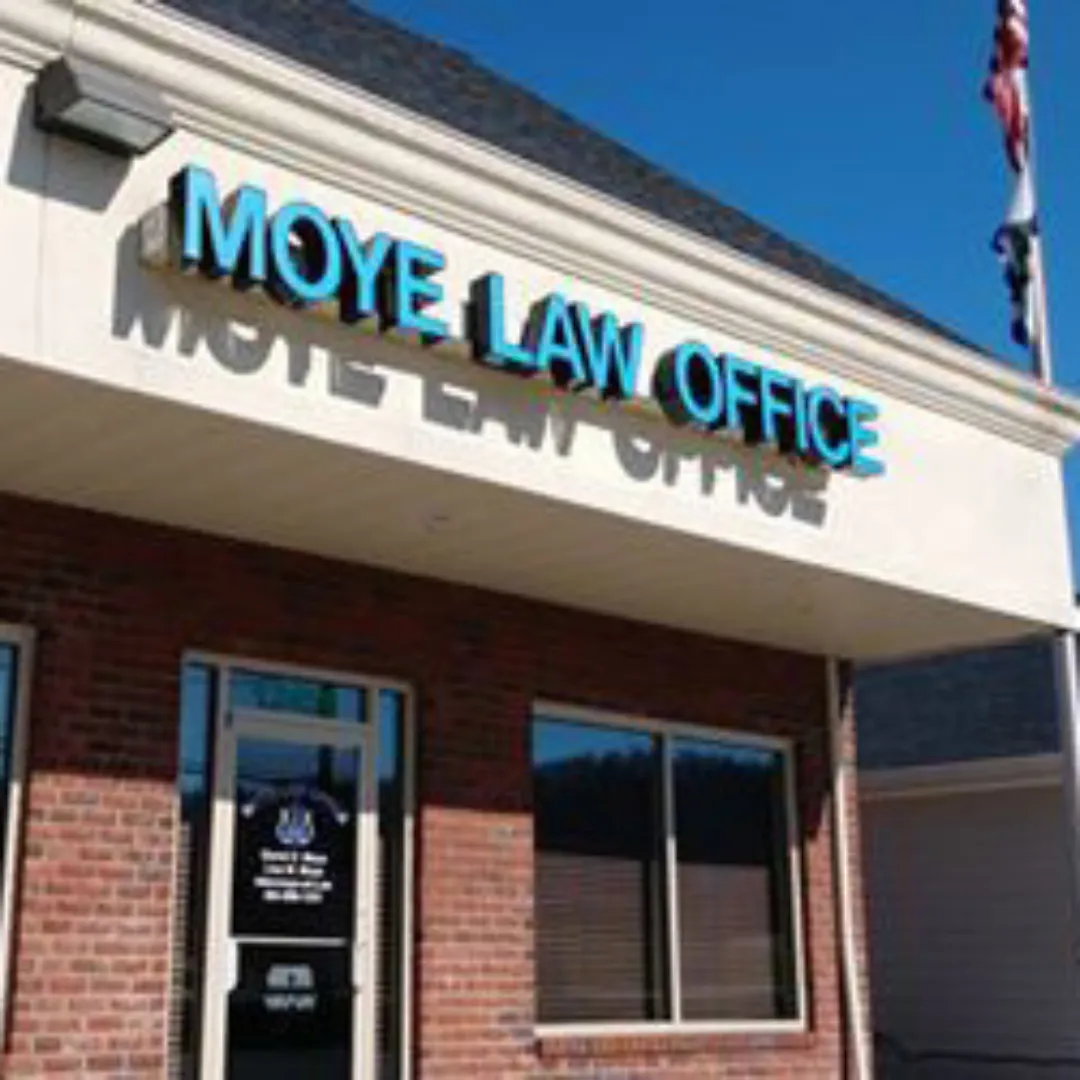

CROSS LANES
Do I Need a Real Estate Attorney? Key Reasons Explained
When Should You Hire a Real Estate Attorney? A Complete Guide for West Virginia Buyers, Sellers & Property Owners
Buying, selling, or investing in real estate is one of the largest financial decisions most people make. While many transactions proceed without major issues, contract disputes, title defects, zoning restrictions, boundary disagreements, and closing complications can quickly turn a routine purchase into an expensive legal problem.
A real estate attorney helps buyers, sellers, landlords, investors, developers, and property owners protect their interests throughout every stage of a transaction. From reviewing contracts before they're signed to resolving title issues and ensuring a smooth closing, legal guidance can prevent costly mistakes before they occur.
This guide explains when you should hire a real estate attorney in West Virginia, the situations where legal representation is most valuable, and how an attorney can protect your investment.
What Does a Real Estate Attorney Do?
Buying, selling, leasing, or investing in real estate involves far more than signing paperwork. Every transaction creates legal rights and obligations that can affect ownership, finances, and future use of the property. A real estate attorney helps clients navigate these legal complexities by reviewing documents, identifying risks, resolving disputes, and ensuring transactions comply with West Virginia law.
Whether you're purchasing your first home, selling commercial property, transferring inherited real estate, or resolving a property dispute, a real estate attorney provides legal guidance throughout the process. Their goal is to protect your interests, minimise risk, and prevent issues that could delay closing or lead to costly litigation after the transaction is complete.
Below are some of the primary responsibilities a real estate attorney performs and why each one matters.
Reviews Purchase Contracts
A purchase agreement is one of the most important documents in a real estate transaction. It establishes the rights and responsibilities of both parties, outlines deadlines, contingencies, financing terms, inspection requirements, and the conditions that must be satisfied before closing. A real estate attorney reviews these agreements to ensure the terms are legally enforceable, clearly written, and protect your interests before you sign.
Drafts and Reviews Legal Documents
Real estate transactions often require numerous legal documents beyond the purchase agreement. Attorneys prepare or review deeds, leases, easement agreements, settlement documents, disclosures, affidavits, and other legally binding paperwork. Careful drafting helps eliminate ambiguity and reduces the likelihood of future disputes.
Performs Title Reviews
Before property changes hands, attorneys examine title reports to verify that ownership can be transferred without legal complications. They identify problems such as title defects, ownership disputes, recording errors, or unresolved claims that could affect your ability to obtain clear title.
Resolves Liens and Ownership Issues
Outstanding mortgages, tax liens, mechanic's liens, or judgments can delay or even prevent a real estate closing. A real estate attorney works to identify these issues early, negotiate resolutions where possible, and ensure they are properly addressed before ownership transfers.
Negotiates Legal Disputes
Not every issue requires litigation. Attorneys frequently negotiate solutions when disagreements arise over inspections, repair requests, contract terms, title concerns, financing issues, or closing deadlines. Effective legal negotiation often allows transactions to proceed without unnecessary delays or court involvement.
Handles the Closing Process
Closing is the final legal step in transferring ownership. A real estate attorney reviews settlement statements, deeds, loan documents, title documents, and other closing paperwork to ensure everything is accurate, legally compliant, and properly executed before funds and ownership are exchanged.
Reviews Residential and Commercial Leases
Attorneys also assist landlords, tenants, and businesses by reviewing and preparing lease agreements. They help ensure lease terms clearly define responsibilities, payment obligations, maintenance requirements, renewal provisions, and remedies if either party breaches the agreement.
Assists With Commercial Real Estate Transactions
Commercial real estate transactions typically involve greater financial risk and more complex legal considerations than residential purchases. Attorneys help negotiate purchase agreements, review financing documents, conduct due diligence, analyse zoning and land use issues, and protect clients throughout acquisitions, sales, and development projects.
Represents Clients in Real Estate Litigation
When disputes cannot be resolved through negotiation, a real estate attorney can represent clients in court or alternative dispute resolution. Litigation may involve contract breaches, title disputes, ownership claims, landlord-tenant conflicts, construction disputes, or other property-related legal matters.
Resolves Easement and Boundary Disputes
Property owners occasionally discover disagreements involving property lines, shared access roads, utility easements, fences, or encroachments. A real estate attorney evaluates deeds, surveys, title records, and applicable laws to determine property rights and pursue practical solutions that protect ownership interests.
How These Services Protect Property Owners
Although every transaction is unique, the objective remains the same: identifying legal risks before they become costly problems. By reviewing contracts, investigating title issues, resolving disputes, ensuring compliance, and guiding clients through closing, a real estate attorney helps buyers, sellers, investors, landlords, and business owners complete transactions with greater confidence and legal protection.
When to Seek Legal Guidance
Get counsel at key moments to protect your interests and reduce delays:
Before Signing Contracts: Have a lawyer review terms to confirm they are fair and enforceable.
During Due Diligence: Counsel helps identify legal issues early, such as liens or zoning problems.
At Closing: An attorney can resolve last-minute title or document issues and ensure compliance.
These steps reduce legal exposure and improve the chance of a smooth transaction.
Quick Self-Check: Do You Need a Real Estate Attorney?
Work through the questions below. If any apply to your situation, it's a sign you should consult a real estate attorney before moving forward:
Are you about to sign a purchase agreement, listing agreement, or lease? → Have the terms reviewed before you sign.
Did due diligence turn up liens, title defects, or zoning problems? → Counsel can resolve these before they delay closing.
Is your deal commercial, multi-party, or does it involve an inherited or estate property? → These transactions often call for specialized legal oversight.
Are any contract terms, easements, or encroachments unclear to you? → An attorney can clarify obligations and protect your interests.
Have you had a prior property dispute or a contested title? → Past legal issues are a strong signal to bring in counsel now.
Are you close to closing with unresolved documents or compliance questions? → An attorney can verify paperwork and keep the closing on track.
Key Considerations
Decide on counsel based on:
Transaction Complexity: Commercial deals, multiple parties, or unusual property types often need legal oversight.
Local Laws and Practices: Rules vary by jurisdiction; local legal knowledge matters.
Potential Risks: Title defects, regulatory issues, or contested ownership signal the need for an attorney.
For comprehensive support, consider Moyelawoffice.
Benefits of Hiring an Attorney
A qualified attorney streamlines the deal and limits liability. Typical benefits include:
Expert Guidance: Specialized knowledge of contracts, title, and local practice.
Negotiation Support: Lawyers can negotiate and protect your contract terms.
Risk Management: Early identification of pitfalls reduces future disputes and costs.
Protection in Real Estate Transactions
Attorneys commonly perform these protective actions:
Contract Review: Clarify obligations and remove ambiguous clauses.
Title Review: Address claims or defects affecting ownership.
Closing Oversight: Verify documents and local compliance at closing.
See about us for attorney qualifications.
Potential Risks Avoided
Common issues an attorney helps avoid:
Title Defects: Unresolved claims that threaten ownership.
Post-Closing Disputes: Problems that arise after closing, which can be costly.
Financial Exposure: Errors or omissions that increase liability.
Common Signs Indicating the Need for a Lawyer
Complex Transactions: Multi-party or commercial deals.
Unclear Contract Terms: Ambiguity that could cause disagreement.
Previous Legal Issues: Prior disputes or contested titles.
Legal Issues During Contract Review
Watch for these contract concerns:
Undisclosed Liens: Liens can block clear transfer of title.
Boundary Disputes: Unclear lines may lead to neighbor conflicts.
Easements and Encroachments: Hidden rights can limit use or value.
What Are the Key Benefits of Hiring a Real Estate Attorney?
In short:
Legal Protection: Professional defense of your rights throughout the transaction.
Document Management: Accurate preparation and review of required paperwork.
Preventing Future Issues: Addressing risks before they escalate.
How Does Legal Representation Protect Your Real Estate Transactions?
Risk Mitigation: Identify and address legal risks early.
Regulatory Compliance: Ensure the deal follows local laws and regulations.
Document Oversight: Proper filings and deadlines are met.
What Risks Can a Real Estate Lawyer Help You Avoid?
Title Defects: Clear title issues before closing.
Contract Disputes: Clarify terms to prevent litigation.
Boundary Disputes: Resolve ambiguous property lines proactively.
What Are the Common Signs You Need a Real Estate Lawyer?
Complex Transactions: Intricate deals need counsel.
Prior Disputes: Past legal problems can complicate new deals.
Vague Contract Language: Any confusing clause should prompt review.
When Should Buyers and Sellers Consult a Real Estate Attorney?
First-Time Homebuyers: Early legal help reduces risk and confusion.
Estate Sales: Estate transactions often raise title and probate issues.
Commercial Transactions: Businesses should secure counsel for compliance and protection.
How Do Legal Issues During Contract Review Signal the Need for Lawyer Involvement?
Indicators include contract conflicts, newly discovered problems, or industry-specific regulations that exceed general knowledge; these warrant attorney involvement.
How Is the Cost of Hiring a Real Estate Attorney Determined?
Costs depend on billing method, transaction complexity, and local rates. Key factors:
Fee Structures: Flat fees, hourly rates, or percentage arrangements are possible.
Transaction Complexity: More work usually increases fees.
Average Costs: Local market and attorney experience influence pricing.
Refer to the FAQs for more on fees.
What Are Typical Legal Fees for Real Estate Consultation and Representation?
Standard Ranges: Some attorneys charge between $150 to $500 per hour depending on market and experience.
Flat vs Hourly: Consider which structure fits the scope of your matter.
Additional Costs: Expect possible filing or document fees.
How Does Cost Compare to Potential Savings in Legal Risk Management?
Long-Term Savings: Proper counsel can prevent expensive litigation later.
Avoiding Litigation: Early intervention reduces court costs.
Value: Legal protection often outweighs immediate fees when it prevents significant exposure.
The Influence of Legal Advocacy on Litigation Outcomes Across a broad spectrum of legal areas — including housing, public benefits, family law, employment, small claims, taxation, bankruptcy, and torts — professional legal representation is associated with more favorable outcomes for litigants. The evidence is less clear for juvenile court proceedings and possibly for claims to government benefits. Do lawyers matter? The effect of legal representation in civil disputes, E.S. Taylor Poppe, 2016
This evidence supports the financial prudence of securing legal representation.
What Are the Critical Legal Situations in West Virginia Real Estate That Demand an Attorney?
In West Virginia, common matters needing counsel include multi-party or complex transactions, inherited property transfers, and For Sale By Owner (FSBO) deals where title and contract clarity are essential.
How Do Title Issues and Closing Disputes Require Legal Expertise?
Undisclosed Claims: Attorneys identify and address hidden claims against title.
Title Disputes: Counsel crafts solutions to resolve ownership conflicts.
Closing Complications: Legal oversight ensures closing follows regulations and protects client interests.
When Should Investors Seek Specialized Real Estate Legal Representation?
Investors should engage specialized counsel for FSBO purchases, resale of inherited properties, and commercial acquisitions to ensure title clarity, regulatory compliance, and protection of investment value.
If you are facing legal challenges in criminal defense, Moyelawoffice also offers services in that area: criminal defense attorney. For inquiries or to discuss a case, please contact us.
Frequently Asked Questions
What qualifications should a real estate attorney have?
A qualified attorney should hold a Juris Doctor (JD), be licensed in the relevant state, and have demonstrable experience in real estate transactions and continuing education focused on property matters.
Can a real estate attorney help in negotiation processes?
Yes. Attorneys apply legal and market knowledge to negotiate terms, advocate positions, and reduce exposure to future disputes.
How can a real estate attorney mitigate financial risks in transactions?
By conducting due diligence (liens, title, zoning), drafting clear obligations, and advising on compliance, attorneys reduce the chance of costly errors.
What is the typical timeline for hiring a real estate attorney during a transaction?
Engage counsel as early as possible—ideally before signing contracts—so they can review agreements, support due diligence, and be present at closing.
How can I prepare for my first meeting with a real estate attorney?
Bring property agreements, title documents, correspondence, and a list of questions and objectives to help the attorney assess your matter quickly.
Are there specific local laws to consider when hiring a real estate attorney?
Yes. Zoning rules, tax provisions, and title practices vary by jurisdiction; a local attorney ensures compliance with regional requirements.
What should I expect regarding attorney fees for real estate services?
Fees vary by experience, complexity, and location. Discuss fee structure up front and request a written estimate; many attorneys charge hourly rates (often in the range noted above) or flat fees for specific services.
Moye Law Offices
We have two offices in West Virginia:
Winfield and Cross Lanes.
CROSS LANES
We Are Here To Help
Do you have a query or problem that you would like to talk about, or are you curious to hear more about how we can help you?
Get in touch today! We look forward to hearing from you.
Assistance Hours
Monday – Friday: 8:30am – 4:30pm
Saturday: By appointment only
Sunday: CLOSED
Subscribe to our Newsletter
We Are Here To Help
Do you have a query or problem that you would like to talk about, or are you curious to hear more about how we can help you?
Get in touch today! We look forward to hearing from you.
Assistance Hours
Monday – Friday 8:30am – 4:30pm
Saturday: By appointment only
Sunday CLOSED