Blog

Blog

Uncover Hidden Risks: Property Due Diligence and Title Work
The Hidden Risks of Buying Property Without Professional Title Work in West Virginia
Buying property without professional title work exposes buyers to hidden legal and financial risks that can erase equity and cloud ownership for years. This article explains what professional title work entails, why it matters for property due diligence, and the specific dangers West Virginia buyers face when they skip a thorough title search or title examination. Readers will learn how title defects like liens, forgery, undisclosed heirs, and boundary disputes arise, the likely financial and legal consequences of unresolved defects, and practical prevention steps including surveys, title insurance, and attorney-led title review. The piece also describes how Moye Law Office applies in-house title research and attorney expertise to protect West Virginia buyers and how to contact the firm for help. Each section offers actionable guidance, checklists, and tables you can use when evaluating a purchase, so you leave with a concrete plan to reduce title risk before closing. Understanding these steps up front is the best way to avoid surprises after you own the property and to preserve your investment and peace of mind.
What Is Professional Title Work and Why Is It Essential for Property Buyers?
Professional title work is a structured investigation and legal review that confirms who legally owns property and what interests, liens, or encumbrances affect it. It combines a title search of public records with a title examination by a trained title examiner or attorney to identify defects that impair marketable title and to recommend curative steps. The result is clarity about ownership, potential legal liabilities, and a basis for obtaining title insurance or pursuing corrective actions before closing. Buyers who skip this process risk inheriting unresolved claims and surprises that can lead to financial loss or complex litigation, which makes professional title work essential to sound property due diligence. Below is a concise breakdown of the typical components that professional title work covers and why each part matters to a buyer's outcome.
A title search and examination typically looks at historical deeds, liens, tax records, probate files, and encumbrance records to confirm chain-of-title and uncover charges against the property. This procedural focus informs practical remedies such as releasing liens, correcting recordings, or initiating quiet title actions when necessary.
Different elements of professional title work give buyers distinct protections and options:
Title Work ComponentRecords or Source CheckedTypical PurposeChain-of-title reviewDeeds, mortgage records, recorded transfersVerify successive ownership and identify breaks in titleLien and judgment searchCounty clerk, judgment dockets, tax recordsDetect tax liens, contractor liens, and judgment liens that attach to propertyProbate and heirs checkProbate court records, wills, estate inventoriesIdentify potential claims from undisclosed heirs or missing interestsEncumbrance and easement searchRecorded easements, covenants, restrictionsReveal rights that limit use of the property (easements, restrictive covenants)
This table shows why a comprehensive scope is necessary: legal defects live in different record sets and require different remedies, and a thorough search reduces the chance of a post-closing surprise. Understanding these components leads directly into the step-by-step mechanics of a title search and how an examiner confirms marketable title.
What Does a Title Search and Title Examination Involve?

A title search is the methodical retrieval and review of public records that relate to the property, and a title examination is the attorney-led legal analysis that interprets those records to determine marketability. The search phase collects deeds, mortgages, tax liens, judgment entries, recorded easements, and probate filings from county recorders and clerks, while the examination assesses whether recorded items create defects or exceptions. Examiners confirm the chain-of-title by tracing successive conveyances back to a root deed and note any irregular instruments, missing releases, or ambiguous legal descriptions that could cloud the title. This combined process allows counsel to recommend curative actions—such as obtaining releases, corrective deeds, or quiet title suits—before a buyer closes, which significantly reduces downstream risk.
A clear title opinion or report generated after the examination is typically used to support issuance of owner's title insurance and to inform lenders about insurability. The practical takeaway is that a thorough search plus legal analysis produces actionable outcomes rather than uncertain assumptions, and that legal interpretation is critical because records often require contextual judgment.
How Does Professional Title Work Protect Your Property Ownership?
Professional title work protects ownership by identifying and resolving defects that could later deprive a buyer of use, equity, or legal possession. When a title search uncovers a contractor lien, unpaid taxes, or a mistakenly recorded deed, the title examiner and counsel can pursue releases, negotiate payoffs, or prepare curative instruments so the defect is cleared before closing. This preemptive approach preserves marketable title and enables issuance of owner’s title insurance with fewer exceptions, which in turn gives buyers broader protection against covered risks. Additionally, a legal opinion on title helps lenders and buyers understand what exceptions will remain and what remedies might be required if a claim arises after purchase.
Because title insurance policies rely on accurate prior reporting, professional title work complements insurance rather than replaces it. The next section enumerates the most common title risks buyers face when they skip these protective steps, showing how defects manifest and why prevention is better than cure.
What Are the Most Common Property Title Risks When Skipping Title Work?
Skipping professional title work increases the likelihood that a buyer will inherit title defects that can restrict use, reduce value, or invite litigation. Common risks include undisclosed liens and encumbrances, errors in public records, forgery and fraudulent transfers, claims by undisclosed heirs, and boundary disputes or hidden easements. Each of these risks has distinct legal mechanics: liens survive transfers and attach to the property, recording errors can create ambiguity about who owns which parcel, forged instruments can create false transfers, and unclear boundaries can lead to disputes about fences, driveways, or building rights. Understanding these categories helps buyers prioritize targeted searches and preventive measures tailored to West Virginia's recording and probate practices.
Below is a straightforward enumeration of the top title risks buyers encounter when title work is skipped, suitable for quick scanning and planning.
Undisclosed Liens: Unpaid taxes, contractor or judgment liens that attach to the property and may require payoff.
Clerical and Recording Errors: Misindexed deeds or incorrect legal descriptions that cloud chain-of-title.
Forgery and Fraud: Forged signatures or fraudulent transfers that produce invalid conveyances.
Undisclosed Heirs and Missing Interests: Heir claims that surface after probate revealing competing ownership claims.
Boundary Disputes and Hidden Easements: Unknown easements or disputed lines that limit property use.
This list clarifies categories of exposure and transitions naturally into deeper explanations of each type of defect so buyers can anticipate and address specific problems during due diligence.
What Are Undisclosed Liens and Encumbrances?
Undisclosed liens and encumbrances are recorded or unrecorded claims—such as tax liens, contractor liens, or judgment liens—that can attach to property and survive a transfer to a new owner. These liens create financial obligations tied to the land, meaning a buyer may be legally responsible for satisfying them unless the seller clears the lien prior to closing. Priority rules determine which liens are paid first, and certain liens (for example, property tax liens) often hold superior priority and can lead to foreclosure if unpaid. Discovering liens in the title search phase allows the buyer or seller to negotiate payoffs, obtain releases, or require escrowed settlements to protect the new owner.
Because liens often arise from events predating the sale, verifying lien status with county records and through targeted searches is a high-return step in any pre-purchase review. Identifying liens early leads directly to options for resolving them before the buyer completes the purchase.
How Do Errors in Public Records Affect Property Titles?
Errors in public records—like misindexed deeds, transcription mistakes, or wrong legal descriptions—can sever the chain-of-title or create ambiguity about who holds legal interest in the property. These clerical mistakes often mean that a seemingly valid conveyance is not properly recorded against the correct parcel, which clouds the marketability of title and can prevent lenders from underwriting a mortgage. Remedies for recording errors include filing corrective deeds, re-recordings, or pursuing quiet title litigation to clear ambiguities and restore marketability. A targeted public-records review during title work uncovers these errors and allows counsel to chart a corrective path before the buyer assumes ownership.
Correcting records can be time-consuming but is typically less costly than litigation after a claim arises, so the proactive detection of recording errors is an essential benefit of a professional title examination.
What Are the Risks of Forgery and Fraudulent Transfers?
Forgery and fraudulent transfers occur when someone fabricates signatures or uses stolen identities to convey property without true authority, and these schemes can result in invalid deeds that appear valid in the public record. Deed theft and identity-based fraud can strip rightful owners of title or create competing claims that only surface months or years after a closing. Immediate remedial measures include filing criminal complaints, initiating quiet title actions, and seeking injunctive relief to prevent further transfers. Preventive measures during title work include careful verification of signatures, chain-of-title scrutiny, and attorney oversight of closing documents to detect anomalies that suggest fraud.
Early detection and rapid legal action minimize exposure and help recover or protect equity, which emphasizes why buyers should insist on professional review prior to closing.
How Can Undisclosed Heirs and Missing Interests Impact Ownership?
Claims by undisclosed heirs arise when prior owners die without clearly transferring property or when heirs are omitted from a chain of title, leading to later challenges to ownership. These missing interests commonly surface after probate searches reveal heirs whose rights were not extinguished by prior conveyances. A title search that includes probate records and will examinations helps identify potential heir claims and allows counsel to require probate clearances or secure quiet title remedies. When heirs are unknown or unlocatable, courts may require service by publication or other curative steps, which can delay transfers and increase costs substantially.
Because heir claims attack the fundamental question of who has the right to convey property, addressing probate-related gaps is a crucial component of title work that protects buyers from future ownership disputes.
Heirs' Property in Virginia: Clouded Titles and Fractional Ownership
Heirs' property refers to land that has been passed down informally through multiple generations via intestate succession. Each generation of intestate succession can significantly increase the number of heirs holding the property as tenants-in-common, to the extent that many may be unaware of their heirship status. This situation clouds the property's title and results in more fractionalized ownership. Because heirs' property operates outside of formal estate and title systems, owners are vulnerable at both community and individual levels for three primary reasons.
Heirs' Property in Virginia: Filling in the Gaps, 2023
Claims by undisclosed heirs arise when prior owners die without clearly transferring property or when heirs are omitted from a chain of title, leading to later challenges to ownership. These missing interests commonly surface after probate searches reveal heirs whose rights were not extinguished by prior conveyances. A title search that includes probate records and will examinations helps identify potential heir claims and allows counsel to require probate clearances or secure quiet title remedies. When heirs are unknown or unlocatable, courts may require service by publication or other curative steps, which can delay transfers and increase costs substantially.
Because heir claims attack the fundamental question of who has the right to convey property, addressing probate-related gaps is a crucial component of title work that protects buyers from future ownership disputes.
What Are Boundary Disputes and Easement Problems?
Boundary disputes and undisclosed easements limit a buyer’s expected use of property and can produce neighbor disputes, injunctions, or forced removal of structures. Problems arise from inaccurate legal descriptions, historical encroachments, or implied easements created by long-term use. A professional title review recommends obtaining a current boundary survey and examines recorded easements and plats to identify potential conflicts. When disputes arise, remedies include re-surveying, negotiating recorded easement modifications, or filing for declaratory relief to fix boundaries—actions that are faster and less expensive when undertaken before closing.
A combination of title work and a modern survey is the most effective way to detect these use-limiting interests early and to preserve the buyer’s intended enjoyment of the property.
What Are the Financial and Legal Consequences of Skipping Professional Title Work?
Failing to perform professional title work can produce immediate out-of-pocket costs and long-term legal burdens that erode property value and complicate future transactions. Financial consequences range from paying unexpected lien payoffs and curative instrument fees to bearing the costs of litigation, lost sale opportunities, and reduced refinancing options. Legally, buyers may face quiet title suits, eviction actions, or protracted disputes with claimants that require attorney involvement and court time. The following table maps common title defects to likely cost, time, and legal remedies so buyers can grasp the scale of impact when defects are discovered after closing.
Title DefectPotential Financial ImpactTypical Legal Remedy / TimelineTax lienHigh — could lead to foreclosure if unpaidPayoff or lien resolution; timeline weeks–monthsContractor lienModerate to high — may need negotiation/payoffRelease negotiation or bond; timeline weeks–monthsForged deedPotential total loss of equityQuiet title and criminal proceedings; timeline months–yearsUndisclosed heir claimVariable — can force sale or partitionQuiet title action; timeline months–yearsBoundary disputeRepair/removal costs, reduced useSurvey and litigation or settlement; timeline months–over a year
This mapping demonstrates that the financial and temporal costs of curing defects are often significant and that prevention through title work is usually less costly than retroactive remedies. The next subsections quantify typical cost types and outline the legal actions buyers should anticipate if defects surface.
How Can Title Problems Lead to Financial Losses?
Title problems lead to direct financial losses when buyers must pay to remove liens, settle claims, or repair encroachments after closing, and these expenses are often unexpected and substantial. For example, resolving a contractor lien can require full payoff or negotiated settlement, while clearing a tax lien may include penalties and interest that compound the cost. Even when title insurance covers certain losses, policies often exclude problems that could have been discovered and cured before issuance or have exceptions for specific risks. The cumulative effect is that out-of-pocket expenses, reduced resale value, and delayed refinancing can materially decrease the return on investment for a property purchase.
Because many of these costs are foreseeable with proper pre-purchase review, investing in professional title work tends to be cost-effective compared with the likely remediation expenses after a defect becomes apparent.
What Legal Disputes and Ownership Challenges Can Arise?
Legal disputes stemming from title defects frequently take the form of quiet title actions, ejectment or eviction suits, partition lawsuits, and fraud litigation seeking declaratory relief and damages. Quiet title actions are a common remedy to resolve competing claims and to obtain a court order confirming clear ownership, but they require litigation expenses and court timelines that can span months or longer. Fraud-related disputes may involve criminal referrals as well as civil claims, and resolving forged deeds often requires both criminal and civil remedies. Attorney involvement is essential in navigating these processes, which underscores the value of early legal review to prevent or shorten contentious proceedings.
Understanding the types of legal remedies and their timelines helps buyers appreciate why proactive legal involvement at the title stage reduces both risk and cost.
How Do Title Issues Cause Delays in Selling or Refinancing Property?
Unresolved title issues can block closings, prevent lenders from issuing mortgage commitments, and derail refinancing because lenders require insurable, marketable title. Even minor defects—like a misindexed deed or a clerical error—can trigger lender underwriting exceptions that must be cleared before funds are disbursed. The timeframes to cure defects vary: simple recording errors may be fixed in days to weeks, while quiet title litigation or complex heir claims can take months or years. These delays not only create carrying costs and missed market opportunities but also increase the likelihood of deteriorating market conditions between purchase and eventual sale or refinance.
Because most lending transactions require clean title, buyers who want flexibility to refinance or sell soon after purchase should prioritize title clearance before taking ownership.
How Does Moye Law Office Protect West Virginia Buyers Through In-House Title Research?
Moye Law Office provides attorney-led, in-house title research as part of its real estate services to give West Virginia buyers a local, accurate foundation for closing decisions. The firm combines trained title examiners with attorney review to search county clerk and probate records, confirm chain-of-title, and identify liens, easements, and probate-related interests that could affect ownership. Those results inform practical curative steps—such as negotiating lien releases or preparing corrective instruments—and support recommendation of title insurance or further legal action when needed. Highlight Moye Law’s local experience and accuracy: the office brings community ties, knowledge of county recording nuances, and careful legal analysis to reduce surprises at closing and to secure marketable title for buyers.
The following table summarizes the firm’s internal workflow and the intended client outcome at each step to make the process clear for prospective clients.
Process StepWho Does ItExpected OutcomeInitial record retrievalTitle examinerComprehensive list of recorded instruments and visible encumbrancesAttorney title examinationReal estate attorney at Moye Law OfficeLegal assessment of marketability and recommended curesCurative negotiationsAttorney + staffReleased liens, corrected recordings, or settlement termsClosing support & insurance referralAttorneyClear closing documents and guidance on owner’s policy options
This process illustrates how Moye Law Office blends detailed record work with legal judgment to protect buyers, and it sets up how attorney expertise and local knowledge produce faster, more effective resolutions.
What Is Moye Law Office’s Comprehensive Title Examination Process?
Moye Law Office’s comprehensive title examination begins with a targeted search of county clerk, recorder, and probate files to identify recorded deeds, mortgages, liens, and potential heir claims. Title examiners compile a chronological summary of transfers and recorded matters, and the assigned attorney conducts a legal review to interpret exceptions, determine priorities, and recommend curative tasks. When defects are found, the firm outlines remedial options—including negotiating payoffs, preparing corrective deeds, or initiating quiet title filings—and advises the client on cost, timeline, and risk. This integrated approach ensures buyers receive actionable recommendations rather than just raw records, which helps secure marketable title before the buyer completes the purchase.
Providing stepwise legal guidance during the title phase reduces the probability of post-closing disputes and positions buyers to obtain broader title insurance coverage where appropriate.
How Does Attorney Lisa M. Moye’s Expertise Benefit Property Buyers?
Attorney Lisa M. Moye brings focused real estate law experience to title examinations, paired with knowledge of wills and estates that is useful for probate-related title issues. Her legal training enables precise interpretation of record anomalies and practical negotiation with creditors, surveyors, and local officials to cure defects efficiently. Local community ties and familiarity with West Virginia county procedures improve the accuracy and speed of curative measures, reducing client cost and delay. These advantages translate into clearer title opinions, informed risk assessments, and more confident closings for buyers who rely on attorney-led review during due diligence.
Attorney oversight makes the difference between detecting a problem and resolving it cost-effectively, which is why early legal engagement is a recommended step for buyers.
Why Is Local West Virginia Knowledge Critical in Title Work?
Local West Virginia knowledge matters because counties vary in indexing practices, probate procedures, and the practical availability of older records, which affects how easily issues are discovered and corrected. Familiarity with county clerk workflows and local surveyors speeds searches and curative negotiations, and relationships with local officials can sometimes expedite recordings or clarifications. Certain title defects—such as unique indexing patterns or localized easement customs—are best recognized by practitioners who regularly work in the same jurisdictions. That local insight shortens resolution times and reduces the cost of clearing title, making local expertise a tangible advantage for buyers.
Local knowledge also guides decisions about when to recommend a survey, when to pursue quiet title, and how aggressively to negotiate lien releases, all of which protect a buyer’s investment.
How Can Buyers Prevent Real Estate Fraud and Protect Their Investment?

Buyers can prevent real estate fraud and guard their investment by combining thorough title searches, attorney review, practical verification steps at closing, and appropriate insurance. Common schemes—like deed theft, forged documents, wire fraud on closings, and identity theft—are detectable through careful scrutiny of chain-of-title, confirmation of signer identities, and secure closing procedures. A prioritized due diligence checklist that sequences title search, survey, inspections, and legal review reduces blind spots and makes fraud harder to execute. Title insurance provides an additional layer of protection for covered losses, but it is most effective when paired with pre-purchase professional title work rather than relied upon as a first line of defense.
The following list gives a compact prevention checklist buyers can adopt and use when planning a purchase.
Order a full title search and attorney examination early in the process to detect recorded defects.
Obtain a current boundary survey to identify encroachments and easements that affect use.
Verify seller identity and authority to convey through probates or corporate filings where required.
Use secure closing practices and attorney oversight to reduce wire fraud and document tampering.
Adopting these steps as standard practice reduces the risk of fraud and preserves negotiation leverage if defects appear, and the next subsection describes common fraud schemes and tangible red flags to watch for.
What Are Common Real Estate Fraud Schemes to Watch For?
Common fraud schemes include deed theft (where an imposter conveys property), forged signatures on transfer instruments, closing-time wire fraud that diverts funds, and fraudulent releases that appear to clear liens. Red flags include last-minute changes to payee wiring instructions, unfamiliar names on the chain-of-title, or public records that show multiple recent transfers inconsistent with the seller’s statements. When fraud is suspected, immediate steps include notifying law enforcement, preserving all transaction records, and contacting counsel to evaluate options for emergency relief and quiet title actions. Early detection and rapid legal response are critical to stopping losses and recovering funds when schemes are underway.
Being vigilant at signature and wiring stages is often the most practical way for buyers to prevent these common schemes from causing irreversible harm.
What Steps Should Buyers Take for Comprehensive Property Due Diligence?
Comprehensive due diligence follows a prioritized sequence that generally begins with ordering a title search and an attorney examination, then obtaining a boundary survey, conducting physical inspections, and confirming any reported easements or covenants. Involve an attorney, title examiner, and surveyor early to coordinate findings and to prevent duplicative costs or missed issues. Set realistic timelines—allow weeks for curative work and possible quiet title steps—and require clear seller disclosures and escrow protections when risks exist. Documenting each step and using an attorney to interpret results ensures that discovered defects are addressed with legally enforceable resolutions before closing.
This ordered approach gives buyers the best chance to close with marketable title and to avoid expensive post-closing surprises that reduce equity or use of the property.
How Does Title Insurance Complement Professional Title Work?
Title insurance complements professional title work by providing financial protection against covered defects that escape detection, but it does not substitute for a careful title search and legal examination. Owner’s title insurance protects the buyer’s equity from covered title defects, while lender’s policies protect the lender’s security interest in the loan amount; both rely on accurate prior reporting. Insurance underwriting often depends on the results of a title search and may exclude certain known issues or require curative conditions. Therefore, buyers should pursue professional title work to minimize exceptions and to ensure that an owner’s policy, if obtained, offers meaningful coverage for unanticipated defects.
In practice, title insurance is most effective when obtained after thorough title work reduces the number and scope of policy exceptions, which strengthens the buyer’s overall protection.
What Is the Difference Between Owner’s and Lender’s Title Insurance?
Owner’s and lender’s title insurance cover different beneficiaries and interests: an owner’s policy protects the buyer’s equity and rights in the property, while a lender’s policy protects the mortgagee’s security interest in the loan amount; both rely on accurate prior reporting. The lender’s policy typically covers the outstanding loan balance and decreases as the mortgage is paid, whereas an owner’s policy protects the buyer for as long as they or their heirs hold title. Local practice varies regarding who pays for each policy, but buyers should understand that only an owner’s policy protects their personal investment in the property. Knowing these distinctions helps buyers decide whether to purchase an owner’s policy in addition to any lender requirement.
Understanding these coverage differences clarifies why both title work and appropriate insurance choices are part of a complete risk-management strategy for buyers.
How Can You Schedule a Consultation to Secure Your Property Purchase?
Early legal guidance shortens problem resolution time and reduces the chance that title defects will disrupt a purchase, so arranging a consultation before making binding commitments is prudent for most buyers. In an initial consultation, expect the attorney to review available property documents, explain the scope of title search and examination services, and outline likely curative steps and costs if defects appear. For West Virginia buyers seeking local expertise, Moye Law Office offers attorney-led title review and in-house research to help identify risks and plan remedial steps. To schedule a consultation, contact the firm by phone at (304) 586-1251 or (304) 693-2331, or email info@MoyeLawOffice.com to describe your property and request next steps.
Prepare for a productive first meeting by bringing the purchase contract, any seller disclosures, current deed, tax information, and any survey or inspection reports you have; this allows the attorney to give targeted advice on what searches and curative actions will be needed. Early engagement of counsel increases the odds of a clean closing and preserves buyer leverage during negotiations.
Why Is Professional Legal Guidance Crucial Before Buying Property?
Professional legal guidance identifies issues that non-lawyers can miss, translates record findings into practical legal risk, and frames negotiating strategies to protect a buyer’s interests. An attorney evaluates whether discovered issues require releases, re-recordings, or court actions and can coordinate with title examiners, surveyors, and creditors to implement solutions. Legal oversight at the title phase also helps ensure that closing documents accurately reflect agreed remedies and that escrow arrangements protect buyers from residual risks. Ultimately, early legal involvement converts uncertainty into a manageable plan, lowering both the probability and cost of post-closing disputes.
Those practical benefits make legal guidance an essential element of a defensible, risk-aware property purchase strategy.
How to Contact Moye Law Office for Title Work and Real Estate Law Services?
To request title work or schedule a real estate consultation with Moye Law Office, call (304) 586-1251 or (304) 693-2331, or send an email describing your matter to info@MoyeLawOffice.com. When you contact the office, briefly describe the property, provide the county where it is located, and attach any available documents such as the current deed, sale contract, survey, or seller disclosures to accelerate the initial review. The office will explain its title research process, outline expected timelines for searches and curative steps, and describe what to bring to an initial appointment. Clear, early communication with counsel ensures the firm can prioritize searches and advise on next steps to secure your purchase effectively.
Bringing documentation to the first meeting allows the attorney to give more precise guidance on likely exposures and the most effective path to clear and insurable title.

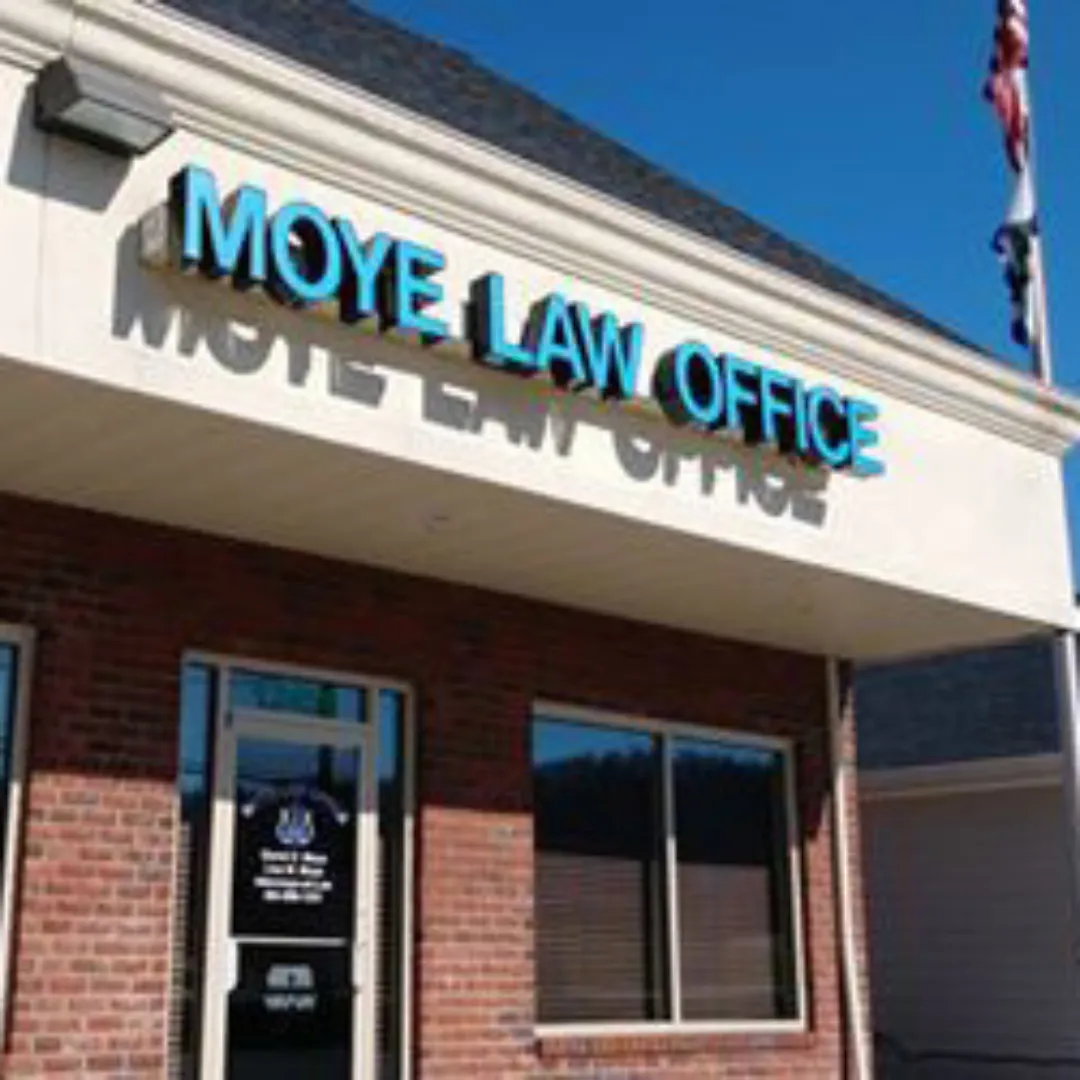
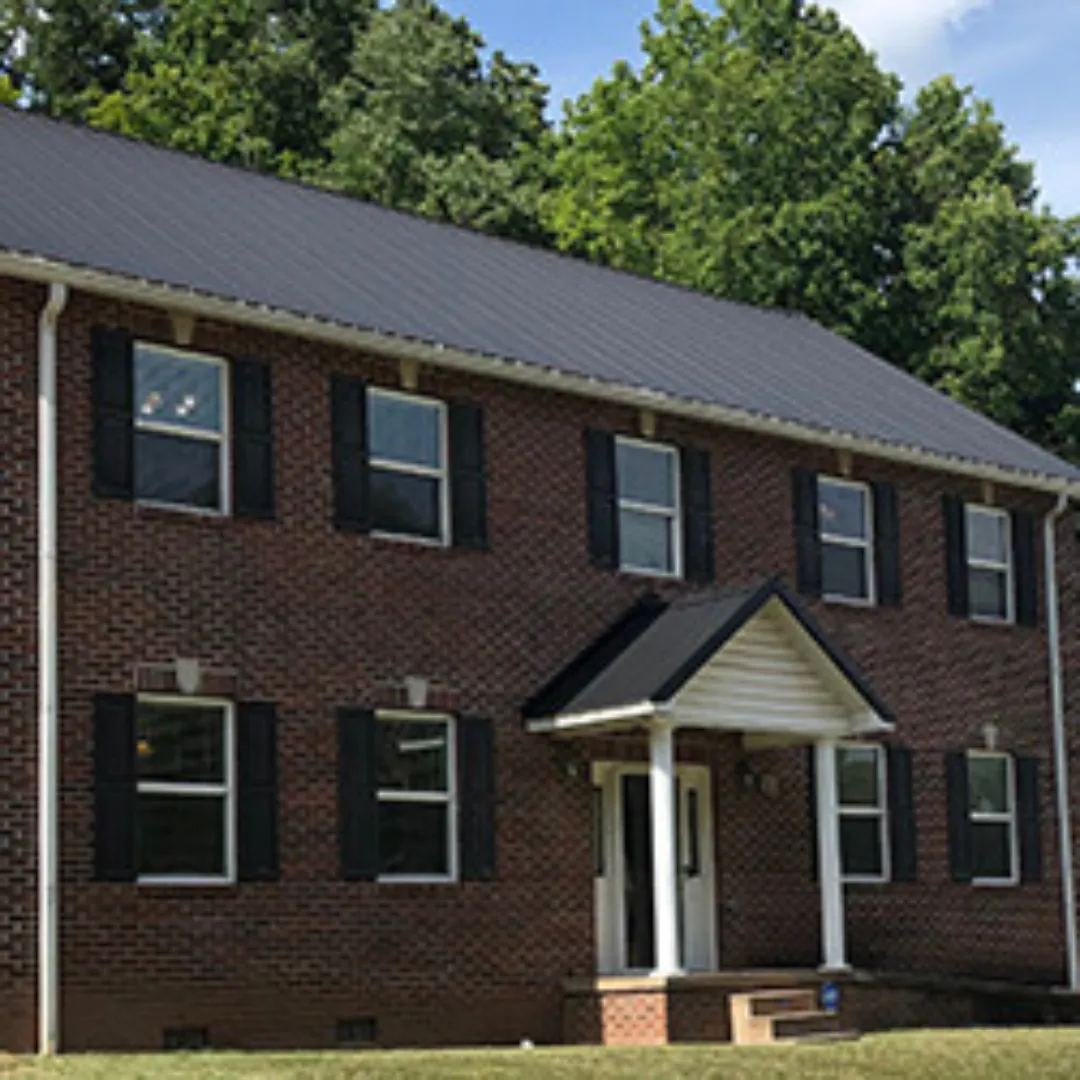
Moye Law Offices
We have two offices in West Virginia: Winfield and Cross Lanes.
CROSS LANES
Uncover Hidden Risks: Property Due Diligence and Title Work
The Hidden Risks of Buying Property Without Professional Title Work in West Virginia
Buying property without professional title work exposes buyers to hidden legal and financial risks that can erase equity and cloud ownership for years. This article explains what professional title work entails, why it matters for property due diligence, and the specific dangers West Virginia buyers face when they skip a thorough title search or title examination. Readers will learn how title defects like liens, forgery, undisclosed heirs, and boundary disputes arise, the likely financial and legal consequences of unresolved defects, and practical prevention steps including surveys, title insurance, and attorney-led title review. The piece also describes how Moye Law Office applies in-house title research and attorney expertise to protect West Virginia buyers and how to contact the firm for help. Each section offers actionable guidance, checklists, and tables you can use when evaluating a purchase, so you leave with a concrete plan to reduce title risk before closing. Understanding these steps up front is the best way to avoid surprises after you own the property and to preserve your investment and peace of mind.
What Is Professional Title Work and Why Is It Essential for Property Buyers?
Professional title work is a structured investigation and legal review that confirms who legally owns property and what interests, liens, or encumbrances affect it. It combines a title search of public records with a title examination by a trained title examiner or attorney to identify defects that impair marketable title and to recommend curative steps. The result is clarity about ownership, potential legal liabilities, and a basis for obtaining title insurance or pursuing corrective actions before closing. Buyers who skip this process risk inheriting unresolved claims and surprises that can lead to financial loss or complex litigation, which makes professional title work essential to sound property due diligence. Below is a concise breakdown of the typical components that professional title work covers and why each part matters to a buyer's outcome.
A title search and examination typically looks at historical deeds, liens, tax records, probate files, and encumbrance records to confirm chain-of-title and uncover charges against the property. This procedural focus informs practical remedies such as releasing liens, correcting recordings, or initiating quiet title actions when necessary.
Different elements of professional title work give buyers distinct protections and options:
Title Work ComponentRecords or Source CheckedTypical PurposeChain-of-title reviewDeeds, mortgage records, recorded transfersVerify successive ownership and identify breaks in titleLien and judgment searchCounty clerk, judgment dockets, tax recordsDetect tax liens, contractor liens, and judgment liens that attach to propertyProbate and heirs checkProbate court records, wills, estate inventoriesIdentify potential claims from undisclosed heirs or missing interestsEncumbrance and easement searchRecorded easements, covenants, restrictionsReveal rights that limit use of the property (easements, restrictive covenants)
This table shows why a comprehensive scope is necessary: legal defects live in different record sets and require different remedies, and a thorough search reduces the chance of a post-closing surprise. Understanding these components leads directly into the step-by-step mechanics of a title search and how an examiner confirms marketable title.
What Does a Title Search and Title Examination Involve?
A title search is the methodical retrieval and review of public records that relate to the property, and a title examination is the attorney-led legal analysis that interprets those records to determine marketability. The search phase collects deeds, mortgages, tax liens, judgment entries, recorded easements, and probate filings from county recorders and clerks, while the examination assesses whether recorded items create defects or exceptions. Examiners confirm the chain-of-title by tracing successive conveyances back to a root deed and note any irregular instruments, missing releases, or ambiguous legal descriptions that could cloud the title. This combined process allows counsel to recommend curative actions—such as obtaining releases, corrective deeds, or quiet title suits—before a buyer closes, which significantly reduces downstream risk.
A clear title opinion or report generated after the examination is typically used to support issuance of owner's title insurance and to inform lenders about insurability. The practical takeaway is that a thorough search plus legal analysis produces actionable outcomes rather than uncertain assumptions, and that legal interpretation is critical because records often require contextual judgment.
How Does Professional Title Work Protect Your Property Ownership?
Professional title work protects ownership by identifying and resolving defects that could later deprive a buyer of use, equity, or legal possession. When a title search uncovers a contractor lien, unpaid taxes, or a mistakenly recorded deed, the title examiner and counsel can pursue releases, negotiate payoffs, or prepare curative instruments so the defect is cleared before closing. This preemptive approach preserves marketable title and enables issuance of owner’s title insurance with fewer exceptions, which in turn gives buyers broader protection against covered risks. Additionally, a legal opinion on title helps lenders and buyers understand what exceptions will remain and what remedies might be required if a claim arises after purchase.
Because title insurance policies rely on accurate prior reporting, professional title work complements insurance rather than replaces it. The next section enumerates the most common title risks buyers face when they skip these protective steps, showing how defects manifest and why prevention is better than cure.
What Are the Most Common Property Title Risks When Skipping Title Work?
Skipping professional title work increases the likelihood that a buyer will inherit title defects that can restrict use, reduce value, or invite litigation. Common risks include undisclosed liens and encumbrances, errors in public records, forgery and fraudulent transfers, claims by undisclosed heirs, and boundary disputes or hidden easements. Each of these risks has distinct legal mechanics: liens survive transfers and attach to the property, recording errors can create ambiguity about who owns which parcel, forged instruments can create false transfers, and unclear boundaries can lead to disputes about fences, driveways, or building rights. Understanding these categories helps buyers prioritize targeted searches and preventive measures tailored to West Virginia's recording and probate practices.
Below is a straightforward enumeration of the top title risks buyers encounter when title work is skipped, suitable for quick scanning and planning.
Undisclosed Liens: Unpaid taxes, contractor or judgment liens that attach to the property and may require payoff.
Clerical and Recording Errors: Misindexed deeds or incorrect legal descriptions that cloud chain-of-title.
Forgery and Fraud: Forged signatures or fraudulent transfers that produce invalid conveyances.
Undisclosed Heirs and Missing Interests: Heir claims that surface after probate revealing competing ownership claims.
Boundary Disputes and Hidden Easements: Unknown easements or disputed lines that limit property use.
This list clarifies categories of exposure and transitions naturally into deeper explanations of each type of defect so buyers can anticipate and address specific problems during due diligence.
What Are Undisclosed Liens and Encumbrances?
Undisclosed liens and encumbrances are recorded or unrecorded claims—such as tax liens, contractor liens, or judgment liens—that can attach to property and survive a transfer to a new owner. These liens create financial obligations tied to the land, meaning a buyer may be legally responsible for satisfying them unless the seller clears the lien prior to closing. Priority rules determine which liens are paid first, and certain liens (for example, property tax liens) often hold superior priority and can lead to foreclosure if unpaid. Discovering liens in the title search phase allows the buyer or seller to negotiate payoffs, obtain releases, or require escrowed settlements to protect the new owner.
Because liens often arise from events predating the sale, verifying lien status with county records and through targeted searches is a high-return step in any pre-purchase review. Identifying liens early leads directly to options for resolving them before the buyer completes the purchase.
How Do Errors in Public Records Affect Property Titles?
Errors in public records—like misindexed deeds, transcription mistakes, or wrong legal descriptions—can sever the chain-of-title or create ambiguity about who holds legal interest in the property. These clerical mistakes often mean that a seemingly valid conveyance is not properly recorded against the correct parcel, which clouds the marketability of title and can prevent lenders from underwriting a mortgage. Remedies for recording errors include filing corrective deeds, re-recordings, or pursuing quiet title litigation to clear ambiguities and restore marketability. A targeted public-records review during title work uncovers these errors and allows counsel to chart a corrective path before the buyer assumes ownership.
Correcting records can be time-consuming but is typically less costly than litigation after a claim arises, so the proactive detection of recording errors is an essential benefit of a professional title examination.
What Are the Risks of Forgery and Fraudulent Transfers?
Forgery and fraudulent transfers occur when someone fabricates signatures or uses stolen identities to convey property without true authority, and these schemes can result in invalid deeds that appear valid in the public record. Deed theft and identity-based fraud can strip rightful owners of title or create competing claims that only surface months or years after a closing. Immediate remedial measures include filing criminal complaints, initiating quiet title actions, and seeking injunctive relief to prevent further transfers. Preventive measures during title work include careful verification of signatures, chain-of-title scrutiny, and attorney oversight of closing documents to detect anomalies that suggest fraud.
Early detection and rapid legal action minimize exposure and help recover or protect equity, which emphasizes why buyers should insist on professional review prior to closing.
How Can Undisclosed Heirs and Missing Interests Impact Ownership?
Claims by undisclosed heirs arise when prior owners die without clearly transferring property or when heirs are omitted from a chain of title, leading to later challenges to ownership. These missing interests commonly surface after probate searches reveal heirs whose rights were not extinguished by prior conveyances. A title search that includes probate records and will examinations helps identify potential heir claims and allows counsel to require probate clearances or secure quiet title remedies. When heirs are unknown or unlocatable, courts may require service by publication or other curative steps, which can delay transfers and increase costs substantially.
Because heir claims attack the fundamental question of who has the right to convey property, addressing probate-related gaps is a crucial component of title work that protects buyers from future ownership disputes.
Heirs' Property in Virginia: Clouded Titles and Fractional Ownership
Heirs' property refers to land that has been passed down informally through multiple generations via intestate succession. Each generation of intestate succession can significantly increase the number of heirs holding the property as tenants-in-common, to the extent that many may be unaware of their heirship status. This situation clouds the property's title and results in more fractionalized ownership. Because heirs' property operates outside of formal estate and title systems, owners are vulnerable at both community and individual levels for three primary reasons.
Heirs' Property in Virginia: Filling in the Gaps, 2023
Claims by undisclosed heirs arise when prior owners die without clearly transferring property or when heirs are omitted from a chain of title, leading to later challenges to ownership. These missing interests commonly surface after probate searches reveal heirs whose rights were not extinguished by prior conveyances. A title search that includes probate records and will examinations helps identify potential heir claims and allows counsel to require probate clearances or secure quiet title remedies. When heirs are unknown or unlocatable, courts may require service by publication or other curative steps, which can delay transfers and increase costs substantially.
Because heir claims attack the fundamental question of who has the right to convey property, addressing probate-related gaps is a crucial component of title work that protects buyers from future ownership disputes.
What Are Boundary Disputes and Easement Problems?
Boundary disputes and undisclosed easements limit a buyer’s expected use of property and can produce neighbor disputes, injunctions, or forced removal of structures. Problems arise from inaccurate legal descriptions, historical encroachments, or implied easements created by long-term use. A professional title review recommends obtaining a current boundary survey and examines recorded easements and plats to identify potential conflicts. When disputes arise, remedies include re-surveying, negotiating recorded easement modifications, or filing for declaratory relief to fix boundaries—actions that are faster and less expensive when undertaken before closing.
A combination of title work and a modern survey is the most effective way to detect these use-limiting interests early and to preserve the buyer’s intended enjoyment of the property.
What Are the Financial and Legal Consequences of Skipping Professional Title Work?
Failing to perform professional title work can produce immediate out-of-pocket costs and long-term legal burdens that erode property value and complicate future transactions. Financial consequences range from paying unexpected lien payoffs and curative instrument fees to bearing the costs of litigation, lost sale opportunities, and reduced refinancing options. Legally, buyers may face quiet title suits, eviction actions, or protracted disputes with claimants that require attorney involvement and court time. The following table maps common title defects to likely cost, time, and legal remedies so buyers can grasp the scale of impact when defects are discovered after closing.
Title DefectPotential Financial ImpactTypical Legal Remedy / TimelineTax lienHigh — could lead to foreclosure if unpaidPayoff or lien resolution; timeline weeks–monthsContractor lienModerate to high — may need negotiation/payoffRelease negotiation or bond; timeline weeks–monthsForged deedPotential total loss of equityQuiet title and criminal proceedings; timeline months–yearsUndisclosed heir claimVariable — can force sale or partitionQuiet title action; timeline months–yearsBoundary disputeRepair/removal costs, reduced useSurvey and litigation or settlement; timeline months–over a year
This mapping demonstrates that the financial and temporal costs of curing defects are often significant and that prevention through title work is usually less costly than retroactive remedies. The next subsections quantify typical cost types and outline the legal actions buyers should anticipate if defects surface.
How Can Title Problems Lead to Financial Losses?
Title problems lead to direct financial losses when buyers must pay to remove liens, settle claims, or repair encroachments after closing, and these expenses are often unexpected and substantial. For example, resolving a contractor lien can require full payoff or negotiated settlement, while clearing a tax lien may include penalties and interest that compound the cost. Even when title insurance covers certain losses, policies often exclude problems that could have been discovered and cured before issuance or have exceptions for specific risks. The cumulative effect is that out-of-pocket expenses, reduced resale value, and delayed refinancing can materially decrease the return on investment for a property purchase.
Because many of these costs are foreseeable with proper pre-purchase review, investing in professional title work tends to be cost-effective compared with the likely remediation expenses after a defect becomes apparent.
What Legal Disputes and Ownership Challenges Can Arise?
Legal disputes stemming from title defects frequently take the form of quiet title actions, ejectment or eviction suits, partition lawsuits, and fraud litigation seeking declaratory relief and damages. Quiet title actions are a common remedy to resolve competing claims and to obtain a court order confirming clear ownership, but they require litigation expenses and court timelines that can span months or longer. Fraud-related disputes may involve criminal referrals as well as civil claims, and resolving forged deeds often requires both criminal and civil remedies. Attorney involvement is essential in navigating these processes, which underscores the value of early legal review to prevent or shorten contentious proceedings.
Understanding the types of legal remedies and their timelines helps buyers appreciate why proactive legal involvement at the title stage reduces both risk and cost.
How Do Title Issues Cause Delays in Selling or Refinancing Property?
Unresolved title issues can block closings, prevent lenders from issuing mortgage commitments, and derail refinancing because lenders require insurable, marketable title. Even minor defects—like a misindexed deed or a clerical error—can trigger lender underwriting exceptions that must be cleared before funds are disbursed. The timeframes to cure defects vary: simple recording errors may be fixed in days to weeks, while quiet title litigation or complex heir claims can take months or years. These delays not only create carrying costs and missed market opportunities but also increase the likelihood of deteriorating market conditions between purchase and eventual sale or refinance.
Because most lending transactions require clean title, buyers who want flexibility to refinance or sell soon after purchase should prioritize title clearance before taking ownership.
How Does Moye Law Office Protect West Virginia Buyers Through In-House Title Research?
Moye Law Office provides attorney-led, in-house title research as part of its real estate services to give West Virginia buyers a local, accurate foundation for closing decisions. The firm combines trained title examiners with attorney review to search county clerk and probate records, confirm chain-of-title, and identify liens, easements, and probate-related interests that could affect ownership. Those results inform practical curative steps—such as negotiating lien releases or preparing corrective instruments—and support recommendation of title insurance or further legal action when needed. Highlight Moye Law’s local experience and accuracy: the office brings community ties, knowledge of county recording nuances, and careful legal analysis to reduce surprises at closing and to secure marketable title for buyers.
The following table summarizes the firm’s internal workflow and the intended client outcome at each step to make the process clear for prospective clients.
Process StepWho Does ItExpected OutcomeInitial record retrievalTitle examinerComprehensive list of recorded instruments and visible encumbrancesAttorney title examinationReal estate attorney at Moye Law OfficeLegal assessment of marketability and recommended curesCurative negotiationsAttorney + staffReleased liens, corrected recordings, or settlement termsClosing support & insurance referralAttorneyClear closing documents and guidance on owner’s policy options
This process illustrates how Moye Law Office blends detailed record work with legal judgment to protect buyers, and it sets up how attorney expertise and local knowledge produce faster, more effective resolutions.
What Is Moye Law Office’s Comprehensive Title Examination Process?
Moye Law Office’s comprehensive title examination begins with a targeted search of county clerk, recorder, and probate files to identify recorded deeds, mortgages, liens, and potential heir claims. Title examiners compile a chronological summary of transfers and recorded matters, and the assigned attorney conducts a legal review to interpret exceptions, determine priorities, and recommend curative tasks. When defects are found, the firm outlines remedial options—including negotiating payoffs, preparing corrective deeds, or initiating quiet title filings—and advises the client on cost, timeline, and risk. This integrated approach ensures buyers receive actionable recommendations rather than just raw records, which helps secure marketable title before the buyer completes the purchase.
Providing stepwise legal guidance during the title phase reduces the probability of post-closing disputes and positions buyers to obtain broader title insurance coverage where appropriate.
How Does Attorney Lisa M. Moye’s Expertise Benefit Property Buyers?
Attorney Lisa M. Moye brings focused real estate law experience to title examinations, paired with knowledge of wills and estates that is useful for probate-related title issues. Her legal training enables precise interpretation of record anomalies and practical negotiation with creditors, surveyors, and local officials to cure defects efficiently. Local community ties and familiarity with West Virginia county procedures improve the accuracy and speed of curative measures, reducing client cost and delay. These advantages translate into clearer title opinions, informed risk assessments, and more confident closings for buyers who rely on attorney-led review during due diligence.
Attorney oversight makes the difference between detecting a problem and resolving it cost-effectively, which is why early legal engagement is a recommended step for buyers.
Why Is Local West Virginia Knowledge Critical in Title Work?
Local West Virginia knowledge matters because counties vary in indexing practices, probate procedures, and the practical availability of older records, which affects how easily issues are discovered and corrected. Familiarity with county clerk workflows and local surveyors speeds searches and curative negotiations, and relationships with local officials can sometimes expedite recordings or clarifications. Certain title defects—such as unique indexing patterns or localized easement customs—are best recognized by practitioners who regularly work in the same jurisdictions. That local insight shortens resolution times and reduces the cost of clearing title, making local expertise a tangible advantage for buyers.
Local knowledge also guides decisions about when to recommend a survey, when to pursue quiet title, and how aggressively to negotiate lien releases, all of which protect a buyer’s investment.
How Can Buyers Prevent Real Estate Fraud and Protect Their Investment?
Buyers can prevent real estate fraud and guard their investment by combining thorough title searches, attorney review, practical verification steps at closing, and appropriate insurance. Common schemes—like deed theft, forged documents, wire fraud on closings, and identity theft—are detectable through careful scrutiny of chain-of-title, confirmation of signer identities, and secure closing procedures. A prioritized due diligence checklist that sequences title search, survey, inspections, and legal review reduces blind spots and makes fraud harder to execute. Title insurance provides an additional layer of protection for covered losses, but it is most effective when paired with pre-purchase professional title work rather than relied upon as a first line of defense.
The following list gives a compact prevention checklist buyers can adopt and use when planning a purchase.
Order a full title search and attorney examination early in the process to detect recorded defects.
Obtain a current boundary survey to identify encroachments and easements that affect use.
Verify seller identity and authority to convey through probates or corporate filings where required.
Use secure closing practices and attorney oversight to reduce wire fraud and document tampering.
Adopting these steps as standard practice reduces the risk of fraud and preserves negotiation leverage if defects appear, and the next subsection describes common fraud schemes and tangible red flags to watch for.
What Are Common Real Estate Fraud Schemes to Watch For?
Common fraud schemes include deed theft (where an imposter conveys property), forged signatures on transfer instruments, closing-time wire fraud that diverts funds, and fraudulent releases that appear to clear liens. Red flags include last-minute changes to payee wiring instructions, unfamiliar names on the chain-of-title, or public records that show multiple recent transfers inconsistent with the seller’s statements. When fraud is suspected, immediate steps include notifying law enforcement, preserving all transaction records, and contacting counsel to evaluate options for emergency relief and quiet title actions. Early detection and rapid legal response are critical to stopping losses and recovering funds when schemes are underway.
Being vigilant at signature and wiring stages is often the most practical way for buyers to prevent these common schemes from causing irreversible harm.
What Steps Should Buyers Take for Comprehensive Property Due Diligence?
Comprehensive due diligence follows a prioritized sequence that generally begins with ordering a title search and an attorney examination, then obtaining a boundary survey, conducting physical inspections, and confirming any reported easements or covenants. Involve an attorney, title examiner, and surveyor early to coordinate findings and to prevent duplicative costs or missed issues. Set realistic timelines—allow weeks for curative work and possible quiet title steps—and require clear seller disclosures and escrow protections when risks exist. Documenting each step and using an attorney to interpret results ensures that discovered defects are addressed with legally enforceable resolutions before closing.
This ordered approach gives buyers the best chance to close with marketable title and to avoid expensive post-closing surprises that reduce equity or use of the property.
How Does Title Insurance Complement Professional Title Work?
Title insurance complements professional title work by providing financial protection against covered defects that escape detection, but it does not substitute for a careful title search and legal examination. Owner’s title insurance protects the buyer’s equity from covered title defects, while lender’s policies protect the lender’s security interest in the loan amount; both rely on accurate prior reporting. Insurance underwriting often depends on the results of a title search and may exclude certain known issues or require curative conditions. Therefore, buyers should pursue professional title work to minimize exceptions and to ensure that an owner’s policy, if obtained, offers meaningful coverage for unanticipated defects.
In practice, title insurance is most effective when obtained after thorough title work reduces the number and scope of policy exceptions, which strengthens the buyer’s overall protection.
What Is the Difference Between Owner’s and Lender’s Title Insurance?
Owner’s and lender’s title insurance cover different beneficiaries and interests: an owner’s policy protects the buyer’s equity and rights in the property, while a lender’s policy protects the mortgagee’s security interest in the loan amount; both rely on accurate prior reporting. The lender’s policy typically covers the outstanding loan balance and decreases as the mortgage is paid, whereas an owner’s policy protects the buyer for as long as they or their heirs hold title. Local practice varies regarding who pays for each policy, but buyers should understand that only an owner’s policy protects their personal investment in the property. Knowing these distinctions helps buyers decide whether to purchase an owner’s policy in addition to any lender requirement.
Understanding these coverage differences clarifies why both title work and appropriate insurance choices are part of a complete risk-management strategy for buyers.
How Can You Schedule a Consultation to Secure Your Property Purchase?
Early legal guidance shortens problem resolution time and reduces the chance that title defects will disrupt a purchase, so arranging a consultation before making binding commitments is prudent for most buyers. In an initial consultation, expect the attorney to review available property documents, explain the scope of title search and examination services, and outline likely curative steps and costs if defects appear. For West Virginia buyers seeking local expertise, Moye Law Office offers attorney-led title review and in-house research to help identify risks and plan remedial steps. To schedule a consultation, contact the firm by phone at (304) 586-1251 or (304) 693-2331, or email info@MoyeLawOffice.com to describe your property and request next steps.
Prepare for a productive first meeting by bringing the purchase contract, any seller disclosures, current deed, tax information, and any survey or inspection reports you have; this allows the attorney to give targeted advice on what searches and curative actions will be needed. Early engagement of counsel increases the odds of a clean closing and preserves buyer leverage during negotiations.
Why Is Professional Legal Guidance Crucial Before Buying Property?
Professional legal guidance identifies issues that non-lawyers can miss, translates record findings into practical legal risk, and frames negotiating strategies to protect a buyer’s interests. An attorney evaluates whether discovered issues require releases, re-recordings, or court actions and can coordinate with title examiners, surveyors, and creditors to implement solutions. Legal oversight at the title phase also helps ensure that closing documents accurately reflect agreed remedies and that escrow arrangements protect buyers from residual risks. Ultimately, early legal involvement converts uncertainty into a manageable plan, lowering both the probability and cost of post-closing disputes.
Those practical benefits make legal guidance an essential element of a defensible, risk-aware property purchase strategy.
How to Contact Moye Law Office for Title Work and Real Estate Law Services?
To request title work or schedule a real estate consultation with Moye Law Office, call (304) 586-1251 or (304) 693-2331, or send an email describing your matter to info@MoyeLawOffice.com. When you contact the office, briefly describe the property, provide the county where it is located, and attach any available documents such as the current deed, sale contract, survey, or seller disclosures to accelerate the initial review. The office will explain its title research process, outline expected timelines for searches and curative steps, and describe what to bring to an initial appointment. Clear, early communication with counsel ensures the firm can prioritize searches and advise on next steps to secure your purchase effectively.
Bringing documentation to the first meeting allows the attorney to give more precise guidance on likely exposures and the most effective path to clear and insurable title.
Moye Law Offices
We have two offices in West Virginia:
Winfield and Cross Lanes.
CROSS LANES
We Are Here To Help
Do you have a query or problem that you would like to talk about, or are you curious to hear more about how we can help you?
Get in touch today! We look forward to hearing from you.
Assistance Hours
Monday – Friday: 8:30am – 4:30pm
Saturday: By appointment only
Sunday: CLOSED
Subscribe to our Newsletter
We Are Here To Help
Do you have a query or problem that you would like to talk about, or are you curious to hear more about how we can help you?
Get in touch today! We look forward to hearing from you.
Assistance Hours
Monday – Friday 8:30am – 4:30pm
Saturday: By appointment only
Sunday CLOSED