Blog
Blog

Title Problems That Can Delay or Derail Your Closing
Title Problems That Can Delay or Derail Your Closing — A Practical Guide for West Virginia Homeowners
Buying or selling a home brings many moving parts, and few things cause more frustration than title problems. Whether you’re closing next month or planning ahead, title issues can delay or even stop a sale — leaving homeowners unsure what to do next. This guide explains the title problems West Virginia homeowners encounter most often, what they mean, and practical steps to resolve them. We’ll walk through typical title defects, undisclosed heirs and probate complications, the value of legal oversight, fraud and forgery risks, and how to spot and address problems before closing.
What are the most common title defects that cause closing delays?
Title defects are legal or record-based issues that cloud a property’s ownership and often block a closing until they’re cleared. Common problems include unpaid liens, mistakes in public records, and deed-related errors. These issues create uncertainty about who actually owns the property and typically must be resolved before a transaction can move forward. Knowing these common defects helps you avoid unpleasant surprises at closing.
How do unpaid liens and judgments affect property closings?
\

Liens and judgments are legal claims that attach to a property because of unpaid debts — for example, unpaid taxes, contractor bills, or court judgments. A property with an active lien typically cannot be transferred cleanly until the debt is paid or otherwise resolved. If property taxes are unpaid, the taxing authority can place a lien that must be cleared before closing, which can add days or weeks to the timeline while sellers arrange payment or negotiate payoff terms.
What errors in public records and deeds can impact your title?
Mistakes in public records or on deeds — like misspelled names, incorrect legal descriptions, or outdated ownership information — can create real obstacles at closing. Even small clerical errors may raise questions about who holds title and require corrective filings or court action. Regularly reviewing recorded documents and correcting inaccuracies early can prevent these record errors from becoming costly delays.
How do undisclosed heirs and probate issues delay real estate transactions?
When a property owner dies, undisclosed heirs or unresolved probate matters often complicate sales. If a potential heir surfaces or the estate hasn’t been properly administered, buyers and lenders will typically pause the transaction until ownership is clarified. Understanding heirship and probate implications can help sellers and executors keep a sale on track.
What are heirship issues and how do they affect property sales?
Heirship issues arise when ownership isn’t clearly established after an owner’s death — for instance, when there’s no will or heirs weren’t identified. That uncertainty can trigger disputes that halt a sale until the court or parties resolve competing claims. Good estate planning and timely disclosure of heirs can prevent these disputes from derailing a closing.
How does probate complicate title clearance in West Virginia?
Probate is the court-supervised process for settling a decedent’s estate. In West Virginia, probate can take time — especially when heirs disagree or the estate is complex. During probate the court confirms the will (if any) and supervises asset distribution, which can delay a property transfer until the court issues the necessary authority or a clear title is established.
What role does legal oversight play in preventing title problems?

Legal oversight is one of the most effective ways to prevent title problems from becoming closing-day crises. A qualified real estate attorney helps identify risks early, interprets search results, prepares corrective documents, and negotiates solutions so transactions stay on schedule. In short, experienced counsel turns unknown risks into manageable tasks.
Why is hiring a real estate attorney essential for title issue resolution in WV?
A real estate attorney brings legal experience and local knowledge: they run thorough title searches, spot defects others may miss, and advise on the best remedy — whether paying off a lien, correcting a record, or pursuing a quiet title action. When a title search uncovers an unpaid lien or a cloud on the deed, an attorney can often resolve the issue faster and with less stress than handling it alone.
How does Moye Law Office provide clear and effective title problem solutions?
At Moye Law Office, we combine practical experience with focused attention to clear title issues efficiently. Our team conducts comprehensive title reviews, explains the legal options in plain language, and implements tailored solutions so you can close with confidence. We understand West Virginia practice and work directly with sellers, buyers, lenders, and title companies to keep transactions moving. Beyond real estate, our firm also provides dedicated legal support in areas such as personal injury law and divorce and family law, ensuring comprehensive assistance for our clients.
How can specific title defects like fraud, forgery, and easements derail your closing?
Certain title defects — including fraud, forged documents, and unresolved easements or boundary disputes — can pose serious risks to a transaction. Knowing how these defects appear and what they mean for your ownership helps you protect your interests and avoid last-minute surprises.
What are the risks of fraudulent deeds and forged signatures?
Fraudulent deeds or forged signatures can invalidate transfers and trigger litigation. If a deed is later proven fraudulent, the sale may be reversed or subject to costly disputes. Verifying signatures, relying on trusted title searches, and having title insurance are key steps to catch and limit the impact of fraud.
How do easements and boundary disputes affect property ownership?
Easements give another party a legal right to use part of your property (for access, utilities, etc.). Boundary disputes arise when neighbors disagree about property lines. Both issues can reduce the buyer’s usable property or raise financing concerns, so they commonly delay closings until the easement terms are clarified or boundaries are legally resolved.
What steps can you take to identify and resolve title issues before closing?
Proactive steps greatly reduce the risk of a delayed closing. Early title searches, clear communication with your attorney and title company, and fixing known defects before listing or contract ratification are practical ways to keep a sale on schedule.
How does a title search work in West Virginia real estate transactions?
A title search reviews recorded documents to confirm ownership history and reveal liens, judgments, deeds, easements, and other matters affecting title. In West Virginia this typically includes checking deed records, tax records, and court filings. The sooner you run a search, the more time you’ll have to address issues before closing.
What are quiet title actions and how do they help clear title defects?
Quiet title actions are court proceedings used to resolve competing claims and declare who holds clear title to the property. When negotiations, payoffs, or corrective recordings won’t fix a cloud on title, a quiet title suit can remove competing claims and give buyers and lenders the certainty they need. Homeowners facing significant title disputes should consider this option with experienced counsel.
Title Defect TypeDescriptionPotential ImpactUnpaid LiensLegal claims attached to the property because debts remain unpaidClosing delayed until debts are satisfied or otherwise resolvedPublic Record ErrorsInaccuracies in recorded deeds, legal descriptions, or owner namesOwnership questions that require correction or court actionUndisclosed HeirsIndividuals with possible inheritance claims not disclosed during saleLegal disputes that can pause or complicate a transaction
This table summarizes common title defects that can affect a closing. Identifying and addressing these issues early reduces risk and keeps transactions on track.
In short, recognizing common title problems — unpaid liens, record errors, undisclosed heirs, fraud, easements, and more — lets you take action before closing day. Working with a qualified real estate attorney, like the team at Moye Law Office, provides practical guidance and the legal tools to resolve title defects and protect your sale. Explore our full range of legal practice areas to see how we can assist you further.
Frequently Asked Questions
What steps can homeowners take early to avoid title problems?
Start with an early title search to uncover issues before you list the property. Keep mortgage and tax records organized, update deeds after life changes, and resolve outstanding contractor bills. Most importantly, consult a real estate attorney at the first sign of a defect — early legal help prevents small problems from becoming deal stoppers.
How can homeowners resolve disputes related to easements?
Begin by reviewing the recorded easement documents to understand rights and limits. Try to negotiate an agreement with the other party; many disputes are resolved through compromise or clarification of the easement terms. If negotiations fail, mediation or legal action may be necessary — an attorney can advise which path is best given the circumstances.
Why is title insurance important?
Title insurance protects owners and lenders from financial loss due to covered title defects that surface after closing, like undiscovered liens or forged documents. It covers legal defense costs and certain losses, giving homeowners and lenders added protection and peace of mind.
What should homeowners do if they discover a title defect after closing?
First, review your title insurance policy and contact the title insurer to file a claim. The insurer will investigate and often provide legal defense or compensation for covered defects. If you don’t have title insurance, consult a real estate attorney right away to explore remedies, including corrective recordings or litigation if needed.
How does legal oversight help identify potential title issues?
An attorney brings experience in reading title searches, spotting troublesome liens or gaps in the chain of title, and recommending fixes that a layperson might miss. That legal perspective helps prevent problems from slipping through and gives you options to clear title or pursue a quiet title action when necessary.
What happens if title issues aren’t addressed before closing?
Unresolved title defects can delay or cancel a closing, cause financing refusals, or expose new owners to legal claims after the sale. Addressing title issues in advance protects your timeline, your finances, and your ownership rights — so it’s always better to resolve problems before the closing date.

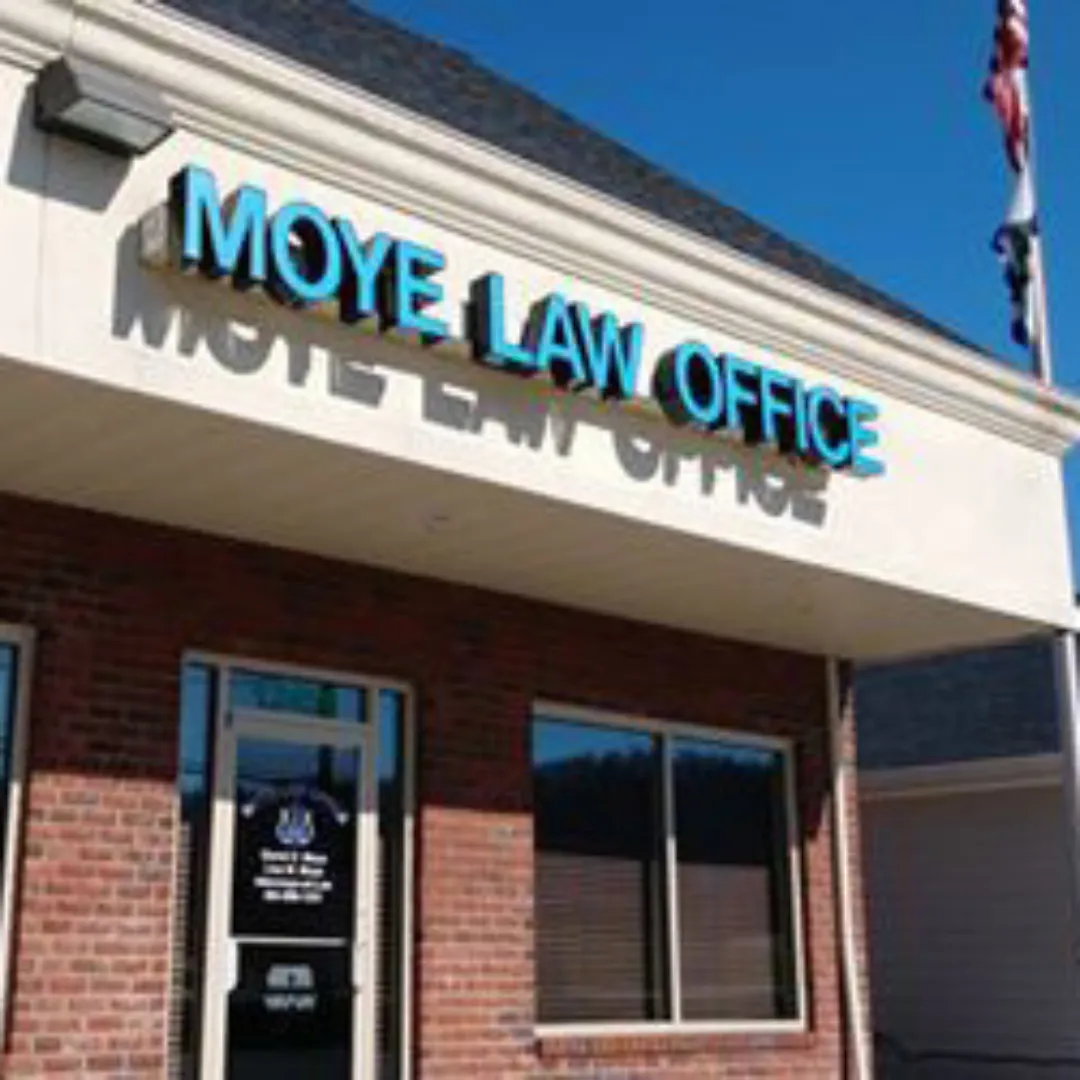
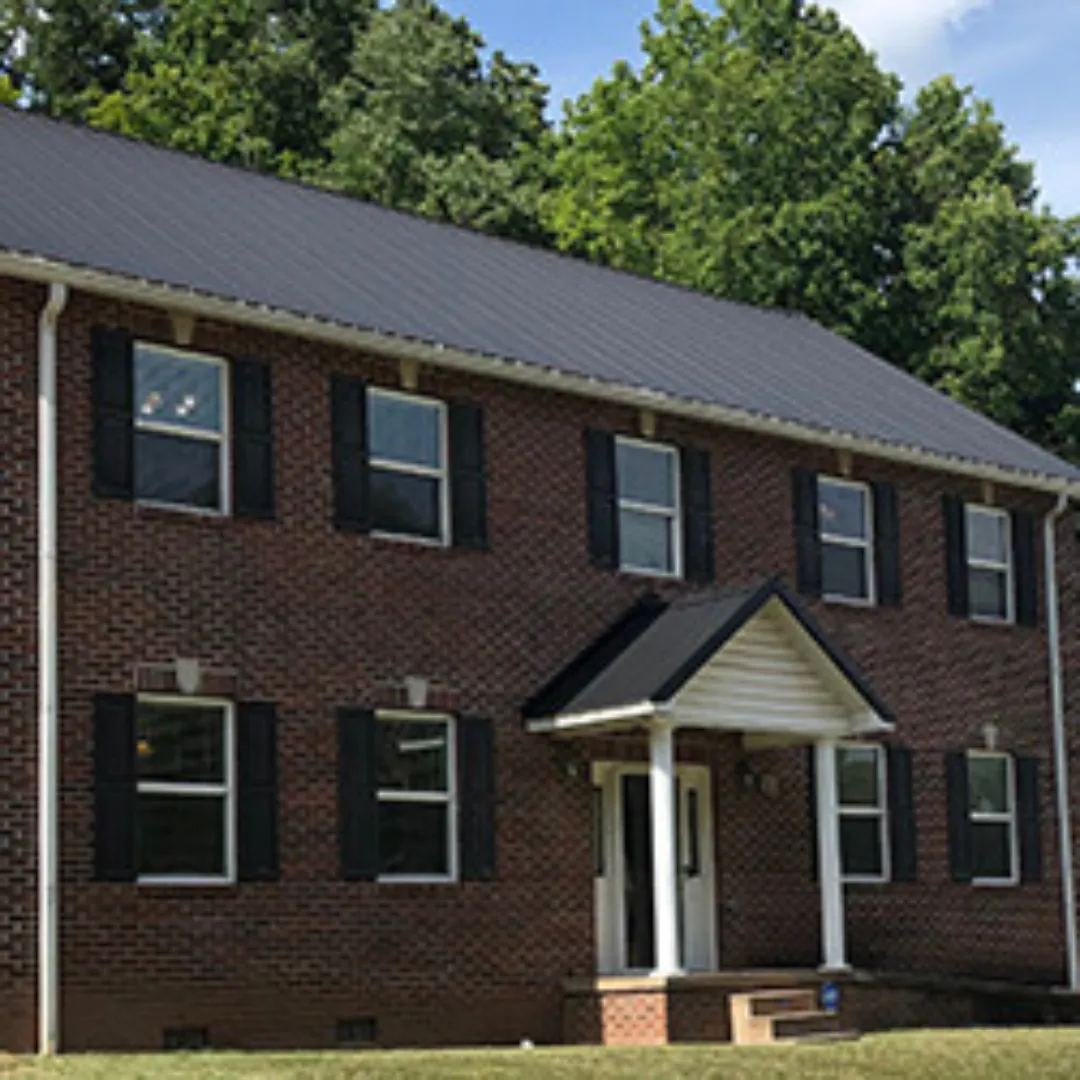
Moye Law Offices
We have two offices in West Virginia: Winfield and Cross Lanes.
CROSS LANES
Title Problems That Can Delay or Derail Your Closing
Title Problems That Can Delay or Derail Your Closing — A Practical Guide for West Virginia Homeowners
Buying or selling a home brings many moving parts, and few things cause more frustration than title problems. Whether you’re closing next month or planning ahead, title issues can delay or even stop a sale — leaving homeowners unsure what to do next. This guide explains the title problems West Virginia homeowners encounter most often, what they mean, and practical steps to resolve them. We’ll walk through typical title defects, undisclosed heirs and probate complications, the value of legal oversight, fraud and forgery risks, and how to spot and address problems before closing.
What are the most common title defects that cause closing delays?
Title defects are legal or record-based issues that cloud a property’s ownership and often block a closing until they’re cleared. Common problems include unpaid liens, mistakes in public records, and deed-related errors. These issues create uncertainty about who actually owns the property and typically must be resolved before a transaction can move forward. Knowing these common defects helps you avoid unpleasant surprises at closing.
How do unpaid liens and judgments affect property closings?
\
Liens and judgments are legal claims that attach to a property because of unpaid debts — for example, unpaid taxes, contractor bills, or court judgments. A property with an active lien typically cannot be transferred cleanly until the debt is paid or otherwise resolved. If property taxes are unpaid, the taxing authority can place a lien that must be cleared before closing, which can add days or weeks to the timeline while sellers arrange payment or negotiate payoff terms.
What errors in public records and deeds can impact your title?
Mistakes in public records or on deeds — like misspelled names, incorrect legal descriptions, or outdated ownership information — can create real obstacles at closing. Even small clerical errors may raise questions about who holds title and require corrective filings or court action. Regularly reviewing recorded documents and correcting inaccuracies early can prevent these record errors from becoming costly delays.
How do undisclosed heirs and probate issues delay real estate transactions?
When a property owner dies, undisclosed heirs or unresolved probate matters often complicate sales. If a potential heir surfaces or the estate hasn’t been properly administered, buyers and lenders will typically pause the transaction until ownership is clarified. Understanding heirship and probate implications can help sellers and executors keep a sale on track.
What are heirship issues and how do they affect property sales?
Heirship issues arise when ownership isn’t clearly established after an owner’s death — for instance, when there’s no will or heirs weren’t identified. That uncertainty can trigger disputes that halt a sale until the court or parties resolve competing claims. Good estate planning and timely disclosure of heirs can prevent these disputes from derailing a closing.
How does probate complicate title clearance in West Virginia?
Probate is the court-supervised process for settling a decedent’s estate. In West Virginia, probate can take time — especially when heirs disagree or the estate is complex. During probate the court confirms the will (if any) and supervises asset distribution, which can delay a property transfer until the court issues the necessary authority or a clear title is established.
What role does legal oversight play in preventing title problems?
Legal oversight is one of the most effective ways to prevent title problems from becoming closing-day crises. A qualified real estate attorney helps identify risks early, interprets search results, prepares corrective documents, and negotiates solutions so transactions stay on schedule. In short, experienced counsel turns unknown risks into manageable tasks.
Why is hiring a real estate attorney essential for title issue resolution in WV?
A real estate attorney brings legal experience and local knowledge: they run thorough title searches, spot defects others may miss, and advise on the best remedy — whether paying off a lien, correcting a record, or pursuing a quiet title action. When a title search uncovers an unpaid lien or a cloud on the deed, an attorney can often resolve the issue faster and with less stress than handling it alone.
How does Moye Law Office provide clear and effective title problem solutions?
At Moye Law Office, we combine practical experience with focused attention to clear title issues efficiently. Our team conducts comprehensive title reviews, explains the legal options in plain language, and implements tailored solutions so you can close with confidence. We understand West Virginia practice and work directly with sellers, buyers, lenders, and title companies to keep transactions moving. Beyond real estate, our firm also provides dedicated legal support in areas such as personal injury law and divorce and family law, ensuring comprehensive assistance for our clients.
How can specific title defects like fraud, forgery, and easements derail your closing?
Certain title defects — including fraud, forged documents, and unresolved easements or boundary disputes — can pose serious risks to a transaction. Knowing how these defects appear and what they mean for your ownership helps you protect your interests and avoid last-minute surprises.
What are the risks of fraudulent deeds and forged signatures?
Fraudulent deeds or forged signatures can invalidate transfers and trigger litigation. If a deed is later proven fraudulent, the sale may be reversed or subject to costly disputes. Verifying signatures, relying on trusted title searches, and having title insurance are key steps to catch and limit the impact of fraud.
How do easements and boundary disputes affect property ownership?
Easements give another party a legal right to use part of your property (for access, utilities, etc.). Boundary disputes arise when neighbors disagree about property lines. Both issues can reduce the buyer’s usable property or raise financing concerns, so they commonly delay closings until the easement terms are clarified or boundaries are legally resolved.
What steps can you take to identify and resolve title issues before closing?
Proactive steps greatly reduce the risk of a delayed closing. Early title searches, clear communication with your attorney and title company, and fixing known defects before listing or contract ratification are practical ways to keep a sale on schedule.
How does a title search work in West Virginia real estate transactions?
A title search reviews recorded documents to confirm ownership history and reveal liens, judgments, deeds, easements, and other matters affecting title. In West Virginia this typically includes checking deed records, tax records, and court filings. The sooner you run a search, the more time you’ll have to address issues before closing.
What are quiet title actions and how do they help clear title defects?
Quiet title actions are court proceedings used to resolve competing claims and declare who holds clear title to the property. When negotiations, payoffs, or corrective recordings won’t fix a cloud on title, a quiet title suit can remove competing claims and give buyers and lenders the certainty they need. Homeowners facing significant title disputes should consider this option with experienced counsel.
Title Defect TypeDescriptionPotential ImpactUnpaid LiensLegal claims attached to the property because debts remain unpaidClosing delayed until debts are satisfied or otherwise resolvedPublic Record ErrorsInaccuracies in recorded deeds, legal descriptions, or owner namesOwnership questions that require correction or court actionUndisclosed HeirsIndividuals with possible inheritance claims not disclosed during saleLegal disputes that can pause or complicate a transaction
This table summarizes common title defects that can affect a closing. Identifying and addressing these issues early reduces risk and keeps transactions on track.
In short, recognizing common title problems — unpaid liens, record errors, undisclosed heirs, fraud, easements, and more — lets you take action before closing day. Working with a qualified real estate attorney, like the team at Moye Law Office, provides practical guidance and the legal tools to resolve title defects and protect your sale. Explore our full range of legal practice areas to see how we can assist you further.
Frequently Asked Questions
What steps can homeowners take early to avoid title problems?
Start with an early title search to uncover issues before you list the property. Keep mortgage and tax records organized, update deeds after life changes, and resolve outstanding contractor bills. Most importantly, consult a real estate attorney at the first sign of a defect — early legal help prevents small problems from becoming deal stoppers.
How can homeowners resolve disputes related to easements?
Begin by reviewing the recorded easement documents to understand rights and limits. Try to negotiate an agreement with the other party; many disputes are resolved through compromise or clarification of the easement terms. If negotiations fail, mediation or legal action may be necessary — an attorney can advise which path is best given the circumstances.
Why is title insurance important?
Title insurance protects owners and lenders from financial loss due to covered title defects that surface after closing, like undiscovered liens or forged documents. It covers legal defense costs and certain losses, giving homeowners and lenders added protection and peace of mind.
What should homeowners do if they discover a title defect after closing?
First, review your title insurance policy and contact the title insurer to file a claim. The insurer will investigate and often provide legal defense or compensation for covered defects. If you don’t have title insurance, consult a real estate attorney right away to explore remedies, including corrective recordings or litigation if needed.
How does legal oversight help identify potential title issues?
An attorney brings experience in reading title searches, spotting troublesome liens or gaps in the chain of title, and recommending fixes that a layperson might miss. That legal perspective helps prevent problems from slipping through and gives you options to clear title or pursue a quiet title action when necessary.
What happens if title issues aren’t addressed before closing?
Unresolved title defects can delay or cancel a closing, cause financing refusals, or expose new owners to legal claims after the sale. Addressing title issues in advance protects your timeline, your finances, and your ownership rights — so it’s always better to resolve problems before the closing date.
Moye Law Offices
We have two offices in West Virginia:
Winfield and Cross Lanes.
CROSS LANES
We Are Here To Help
Do you have a query or problem that you would like to talk about, or are you curious to hear more about how we can help you?
Get in touch today! We look forward to hearing from you.
Assistance Hours
Monday – Friday: 8:30am – 4:30pm
Saturday: By appointment only
Sunday: CLOSED
Subscribe to our Newsletter
We Are Here To Help
Do you have a query or problem that you would like to talk about, or are you curious to hear more about how we can help you?
Get in touch today! We look forward to hearing from you.
Assistance Hours
Monday – Friday 8:30am – 4:30pm
Saturday: By appointment only
Sunday CLOSED