Blog
Blog

Title Insurance vs. Title Search: Key Info for WV Homeowners
Title Search vs. Title Insurance — What West Virginia Homebuyers Need to Know
Buying a home in West Virginia isn’t just about finding the right house or securing a mortgage — it’s also about being sure the title actually conveys what you expect. Below we explain what a title search does, what title insurance covers, and why both matter here in West Virginia where issues like severed mineral rights and old land grants are common. You’ll get clear definitions of “title” and “deed,” a step-by-step look at a WV title search and typical findings, how insurance differs from a search, practical cost and payment norms, and when attorney involvement makes a difference. Read on for checklists, side-by-side comparisons, and specific ways MOYE Law Office helps buyers through searches, legal opinions, and insurance decisions.
What Is a Property Title and Why Is It Important for WV Homebuyers?

A property title is the legal concept that describes who holds the bundle of rights in a parcel of land — the rights to possess, use, sell, mortgage, or transfer the property. The deed is the written instrument that shows a transfer of those rights; the title is the bigger legal picture those documents create. Clear title is required for financing and resale; unresolved title problems can delay or block a closing or expose a buyer to future claims. In West Virginia, particular concerns — severed mineral estates, century-old grants, and incomplete chains of title — make careful documentation and verification especially important to protect your investment and intended use.
Title rights in WV typically include possession, exclusion, transfer, and the right to encumber the land, but recorded instruments can limit or fragment those rights. When interests are divided or encumbrances exist, the property’s marketability and the owner’s legal exposure are affected. Understanding these basic rights is the foundation for the next step: a title search that confirms who actually owns the property and what claims or limits attach to it.
What Does a Property Title Represent in West Virginia Real Estate?
In West Virginia, a property title represents legal ownership plus the enforceable bundle of rights tied to the land — the ability to use it, sell it, and borrow against it. The title is shaped by documents recorded over time (deeds, easements, mortgages, liens) that together define current rights and restrictions; the deed is simply the instrument that transfers those rights. For a buyer, clear title means peaceful possession and the freedom to convey later; for a lender, it secures loan priority. For example, buying a property without clearing an older, unrecorded lien could expose a new owner to a creditor’s claim down the road — which is why verifying title before closing matters.
That practical concern leads directly into how a title search uncovers the recorded history behind the title and what buyers should expect to find.
How Do Mineral Rights and Historical Land Grants Affect WV Property Titles?
In West Virginia, mineral rights are often severed from surface ownership, so someone other than the surface owner may retain rights to extract coal, gas, or other minerals. That separation can materially affect value and allowable uses. Likewise, historical land grants and gaps in older records can create ambiguous ownership lines or prompt claims by undisclosed heirs decades later. These WV-specific features make targeted searches — mineral-rights checks and historical grant reviews — essential, because many encumbrances won’t be obvious from a simple deed review. Identifying severances or old grant terms is a common reason buyers and attorneys insist on thorough searches before closing.
Understanding Appalachian land grants and their legacy is important when evaluating titles in parts of West Virginia.
Appalachian Land Claims, Grants, and Deeds
The Land Law of 1779 and related early grant practices helped shape land ownership in the region that later became West Virginia. Those early grants and settlement patterns still influence chain-of-title issues today.
With those state-specific complications in mind, the next section explains the title search process in West Virginia and the kinds of matters it typically uncovers.
What Is a Title Search in West Virginia and How Does It Protect Homebuyers?
A title search in West Virginia is a systematic review of public records and related sources to confirm the chain of ownership and find liens, encumbrances, or defects that could affect the buyer’s rights. The search traces the chain of title through recorded deeds, mortgages, liens, probate files, tax records, and municipal filings to reveal recorded claims or gaps. A thorough search protects buyers by identifying problems that can often be resolved before closing — payoffs, releases, corrective deeds, or legal actions — which lowers the chance of post-closing disputes. The search also flags WV-specific risks like severed mineral rights or historical grants so tailored curative steps or endorsements can be pursued.
MOYE Law Office supervises and conducts West Virginia title searches with attorney oversight, identifying mineral-rights issues and historical grant concerns and then advising on remedies or endorsements to reduce risk. Attorney review adds legal interpretation to raw record findings and often determines whether additional steps (probate checks, quiet-title suits) are necessary before an insurer will issue a title protection policy.
Typical title search steps and likely outcomes follow.
Initial Record Pull: Pull deeds and recorded instruments to map the chain of title and spot breaks or gaps.
Lien and Judgment Search: Check county and state records for liens, judgments, and tax delinquencies that must be cleared.
Probate and Heirs Review: Review probate files to identify potential undisclosed heirs or estate claims.
Municipal and Utility Records: Look for permits, code liens, assessments, and utility easements that affect property use.
Mineral Rights Check: Search mineral conveyances and historical grants for severed mineral estates or royalty claims.
Mineral-rights issues — including questions about geothermal resources — are a recurring consideration in WV title examinations.
Geothermal Resources: Mineral Rights in West Virginia
West Virginia case law has addressed ownership disputes where estates were split into surface and mineral interests. Whether geothermal resources fall within mineral rights can have important consequences for surface owners and mineral holders.
Those search steps translate into concrete outcomes — locating liens that require payoff, uncovering probate issues that need resolution, or identifying title defects that call for curative work — so buyers know what must be addressed before closing.
Below is a short table showing how common search components map to practical outcomes in WV transactions.
Search ComponentWhat It ExaminesTypical OutcomeDeed chain reviewRecorded deeds and conveyancesIdentifies ownership breaks, corrective deed needsLien and tax searchCounty liens, tax records, judgmentsReveals payoffs needed before clear titleProbate searchEstate files and heir recordsUncovers undisclosed heirs or need for quiet titleMunicipal recordsPermits, code liens, assessmentsFinds local encumbrances affecting useMineral-rights checkMineral deeds, historical grantsDetermines severed mineral estates or royalty claims
This table shows how each discrete search action produces specific remedies or next steps that protect the buyer’s ownership rights and helps prioritize curative work.
Summary: An attorney-reviewed search is vital in West Virginia — once issues are found, counsel can cure defects, negotiate credits, or secure insurance endorsements to preserve marketable title.
What Is Title Insurance and Why Is It Essential for WV Homebuyers?

Title insurance is a one-time purchase that protects an owner or lender against covered losses from title defects that existed before the policy date but were unknown at closing. Unlike property or casualty insurance (which guards against future events), title insurance indemnifies against past mistakes, fraud, clerical errors, or undisclosed heirs that could cloud ownership. For West Virginia buyers it’s particularly useful because it can cover risks tied to severed mineral rights and historical grant disputes that sometimes surface after purchase. A policy gives you a legal and financial backstop when curative actions can’t fully eliminate risk.
Insurers typically defend covered claims and indemnify the insured for losses up to the policy limit, so title insurance acts as the final layer of protection after searches and curative steps. Deciding what to buy involves choosing owner versus lender policies and selecting endorsements that address identified risks — steps that usually follow an attorney-reviewed search and negotiated remedies. Below are the core protections title insurance commonly provides in West Virginia.
Protection from fraud and forged documents: Covers losses from forged deeds or fraudulent conveyances recorded before the policy date.
Coverage for errors in public records: Insures against mistakes or omissions in recorded documents that affect ownership.
Defense against undisclosed heirs or probate claims: Pays for defense and for covered losses if a hidden heir asserts title.
Relief for certain unrecorded claims: Depending on policy language and endorsements, may cover some claims not revealed in the search.
These protections show why title insurance complements a professional search.
Intro to the comparison table: The chart below contrasts Owner’s and Lender’s title insurance in straightforward terms.
Policy TypePrimary ProtectionTypical Cost/TimingOwner's Title InsuranceProtects the homeowner’s equity and ownership rightsOne-time premium at closing; protects the owner while they hold titleLender's Title InsuranceProtects the mortgage lender’s lien priority and loan securityOne-time premium at closing, typically tied to loan amount; protects the lender’s interestExtended/Endorsement OptionsAdded protections (e.g., survey issues, mineral-rights endorsements)Additional one-time cost; chosen based on property risks
This comparison clarifies who each policy protects, how long coverage lasts, and how endorsements can address WV-specific exposures like mineral severances.
Summary: Title insurance indemnifies against latent defects that survive search-based remedies. Choosing the right policy and endorsements ensures coverage aligns with the property’s unique risks.
What Are the Differences Between Owner’s Title Insurance and Lender’s Title Insurance?
Owner’s title insurance protects the homeowner’s equity and ownership rights; lender’s title insurance protects only the lender’s security interest in the mortgage. Owner’s policies remain in effect while the owner (or their heirs) holds title; lender’s policies terminate as the mortgage is paid because they insure the lender’s lien priority. An owner’s policy reimburses loss of equity and legal costs for covered claims, while the lender’s policy protects the lender’s financial interest. Knowing this distinction helps buyers decide whether purchasing an owner’s policy is worth the long-term protection of their investment.
Next, we’ll look at the kinds of defects title insurance commonly covers in West Virginia and how those protections apply in practice.
What Title Defects Does Title Insurance Protect Against in West Virginia?
Title insurance in West Virginia typically covers defects from fraud or forgery, mistakes in public records, undisclosed heirs, improper marital signatures, and some undisclosed liens, subject to policy exceptions and endorsements. In WV, policies can be particularly valuable where mineral-rights severances or ambiguous historical grants could later cloud title. Standard exclusions include matters known to the buyer or certain government actions, but endorsements can expand coverage for targeted risks. Paired with a careful search and an attorney’s opinion, a policy creates a layered defense that reduces immediate exposure and provides recourse for latent defects that emerge later.
These protections explain why most buyers use both a search and insurance together, which we cover next.
Do West Virginia Homebuyers Need Both a Title Search and Title Insurance?
Yes. A title search and title insurance serve complementary purposes: the search finds and lets you fix known problems; insurance protects against unknown or unresolvable defects. A professional search uncovers recorded claims and defects that can often be cured before closing; title insurance then covers residual or hidden issues the search could not detect. Together they form a prevention-and-protection strategy that minimizes the chance of loss and provides a legal defense if a covered claim arises. Skipping either step increases the buyer’s exposure to litigation, loss of property, or costly corrective work.
A simple workflow illustrates how the two work together: Search → Cure/Resolve → Insure Remaining Risk. For example, a search may reveal an old mortgage that requires payoff; the policy will then cover certain latent claims such as an undisclosed heir. Attorney oversight often makes insurer acceptance smoother by translating search findings into legally sufficient remedies.
Search: Identify recorded defects and potential encumbrances before closing.
Cure or negotiate: Resolve liens, secure releases, or obtain corrective documents.
Insure residual risk: Purchase owner’s and/or lender’s policies to cover unknown or latent defects.
This structured approach reduces the chance of post-closing surprises and provides both preventive correction and reactive financial protection.
How Do Title Search and Title Insurance Work Together to Protect Your Investment?
The search uncovers recorded and discoverable problems; the cure process removes or mitigates them; title insurance covers latent defects and provides legal defense if a covered claim arises later. Put another way: Title Search → Identifies Defect → Legal Remedy or Negotiation → Title Insurance → Indemnifies and Defends. For example, if a previously unrecorded lien appears after closing and it was not discoverable through a reasonable search, an owner’s policy may provide defense and compensation. Attorney involvement improves each stage by interpreting records, preparing curative documents, and giving the insurer the legal opinion it often requires.
The takeaway: the search narrows risk, and insurance transfers remaining liability — neither step fully replaces the other.
What Are the Risks of Skipping Either Title Search or Title Insurance in WV?
Skipping a title search risks closing with unresolved liens, boundary disputes, or undisclosed heirs; skipping title insurance leaves the buyer exposed to hidden defects that may surface years later and lead to litigation or loss of equity. Nationwide data show a significant share of transactions uncover issues that require attention; in West Virginia, mineral-rights and historical grant complexities raise that likelihood. Without a search, buyers may miss recorded judgments or tax liens; without insurance, buyers must bear the full cost of defending and settling latent claims. These problems can block refinancing, hinder resale, or interrupt your peaceful enjoyment of the property.
Given these stakes, best practice is a thorough search, attorney review, and appropriate title insurance to complete a layered protection strategy that preserves value and reduces future legal expense.
How Much Does Title Insurance Cost in West Virginia and Who Typically Pays?
Title insurance in West Virginia commonly costs roughly 0.5% to 1% of the sale price, depending on policy type, endorsements, and county variations — a useful ballpark when budgeting closing costs. The premium is a one-time fee paid at closing and varies with the policy amount, title complexity, and any endorsements (for example, for surveys or mineral-rights coverage). Lenders customarily require a lender’s policy (often paid by the buyer), and buyers frequently purchase an owner’s policy to protect their equity; who actually pays is negotiable in the purchase contract. Understanding these cost drivers helps buyers anticipate expenses and negotiate payment responsibilities early.
Factors that commonly influence premium amounts include:
Sale price / policy amount: Most premiums are percentage-based, so higher sale prices mean higher premiums.
Policy type and endorsements: Owner’s versus lender’s policies and added endorsements increase the one-time premium.
Title complexity: Severed mineral rights, old grants, or unresolved liens raise search time and may increase costs.
County recording and administrative fees: Local variations in recording and search procedures affect total closing charges.
The table below summarizes how those drivers typically affect cost in West Virginia.
Cost DriverHow It Affects PriceTypical Effect in WVHome sale pricePercentage basis for premiumPrimary driver; higher-priced homes have larger premiumsPolicy typeOwner vs lender vs endorsementsOwner's policy adds cost; endorsements add incremental feesTitle complexityAdditional search and curative workIncreases search costs and may require endorsementsCounty varianceLocal recording/search fees varyRegional differences across WV counties affect final charges
Summary: Plan for a one-time premium roughly between 0.5% and 1% of the purchase price and negotiate who pays as part of the purchase agreement; endorsements and complexity can change the final number.
What Factors Influence the Cost of Title Insurance in WV?
Key cost drivers are the sale price (policy amount), whether the buyer purchases an owner’s policy in addition to the lender’s policy, the need for endorsements for specific risks, and the complexity of the title history — especially when severed mineral rights or unresolved probate matters are involved. Each factor either raises the base premium or adds separately priced endorsements or curative expenses. For instance, a property with a long chain of transfers or recorded easements may require extra attorney time and insurer review, which increases closing costs. Knowing these drivers helps buyers and their counsel weigh endorsements versus curative work that reduces long-term risk.
This naturally leads to who typically pays and how payment is negotiated in WV transactions.
Who Usually Pays for Title Insurance in West Virginia Real Estate Transactions?
Customarily, the borrower pays for the lender’s title insurance policy because lenders require it to secure their loan; buyers often purchase an owner’s policy to protect their equity. That said, payment responsibility is negotiable and sometimes varies by local custom. Sellers occasionally pay for the owner’s policy as a selling concession, or parties may split closing costs by agreement. Buyers should discuss allocation with their agent and attorney early so the purchase contract clearly reflects who pays. Negotiation tools include seller contributions, credits, or rolling the cost into other concessions.
Early attorney involvement helps structure protections and negotiate payment responsibility efficiently.
How Does MOYE Law Office Help WV Homebuyers Navigate Title Insurance and Title Search?
MOYE Law Office explains the difference between a title search and title insurance, why both are important, and how we guide clients through practical protections for their purchase.
MOYE Law Office offers attorney-led real estate services that combine title search oversight, attorney title opinions, and closing support so West Virginia buyers move from discovery to cure to insured title with fewer surprises. We pair careful public-record review with legal analysis tailored to WV risks — severed mineral rights, historical grants, and probate issues — and then recommend curative steps or endorsements to reduce exposure. Services include contract review, insurer coordination, preparing corrective documents, representation at closing, and, when needed, quiet-title or probate actions to clear defects. Attorney Lisa M. Moye concentrates in Real Estate Law and Wills & Estates and provides the legal opinion and advocacy insurers and buyers often require.
Key title-protection services MOYE Law Office provides:
Title search oversight and legal opinion: Attorney review of search results and a written opinion on insurability.
Contract and closing document review: Make sure purchase agreements and closing papers reflect negotiated protections.
Remedial actions: Prepare releases, corrective deeds, or start quiet-title proceedings when necessary.
Insurance coordination: Advise on owner and lender policies and recommend endorsements suited to WV risks.
These services help reduce legal exposure and smooth insurer acceptance of policies, especially in cases with complex West Virginia title histories.
What Real Estate Legal Services Does MOYE Law Provide for Title Protection?
MOYE Law Office provides focused real estate services: supervising title searches, issuing attorney title opinions, negotiating and preparing curative documents, and representing clients at settlement to secure title protections. Attorney involvement turns search findings into legally sufficient remedies and produces the documentation insurers require for coverage and endorsements. Our local WV experience — offices in Winfield and Cross Lanes — helps spot county-specific record issues and mineral-rights histories, giving buyers a clearer path to insurable title and a more predictable closing.
This service overview leads to why attorney oversight matters in the WV context and what specific value Lisa M. Moye adds to title opinions.
Why Is Attorney Lisa M. Moye’s Role Critical in WV Title Opinions and Insurance?
Lisa M. Moye’s role is critical because West Virginia practice often relies on attorney-prepared title opinions for insurer acceptance and because legal analysis converts record searches into actionable remedies. Under local practice and insurer expectations, an attorney evaluates chain-of-title, assesses the legal effect of severed mineral estates or historical grants, and advises whether curative litigation such as a quiet-title suit is necessary. Lisa M. Moye’s background in Real Estate Law and Wills & Estates equips her to identify probate-related risks and prepare the instruments insurers and buyers need to secure clear title. Her involvement strengthens a buyer’s position when negotiating cures, endorsements, or settlement terms and helps protect the client’s ownership and equity.
MOYE Law Office can explain the difference between title insurance and a title search, why both matter, and how we help clients pick the right protections for their purchase.
For a consultation about title search oversight, attorney title opinions, or help negotiating title insurance and endorsements in West Virginia real estate transactions, MOYE Law Office can advise on next steps and represent you through closing and any necessary curative work.
Frequently Asked Questions
What are the potential consequences of not conducting a title search before purchasing a property in West Virginia?
Skipping a title search can expose buyers to serious legal and financial problems. Without a search you may inherit unresolved liens, boundary disputes, or claims by undisclosed heirs — issues that can trigger costly litigation, threaten your ownership, or reduce your equity. In West Virginia, severed mineral rights and historical grant complications make these risks more likely. A title search helps spot and address problems before closing.
How long does a title search typically take in West Virginia?
Timing varies with the property’s history and local record-keeping. A routine search can take a few days, while a complex file — multiple prior owners, probate matters, or mineral-rights issues — may take several weeks. Working with an experienced attorney can help speed the review and ensure thoroughness.
Can title insurance be purchased after closing on a property?
While you can sometimes buy title insurance after closing, it’s not ideal. Title insurance covers defects that existed before the policy date; if you wait, claims that arise between closing and the policy’s start may not be covered. It’s best to secure title insurance at closing whenever possible.
What should homebuyers look for when selecting a title insurance provider in West Virginia?
Look for a provider with strong local experience, a solid reputation, and clear claims procedures. Experience with West Virginia-specific issues — severed mineral rights, historical grants, probate concerns — is important. Ask about available endorsements, typical turnaround times, and how the company handles claims and customer support.
Are there any specific endorsements that West Virginia homebuyers should consider for title insurance?
Yes. West Virginia buyers often consider endorsements for mineral-rights issues, survey-related protections, or coverage against claims by undisclosed heirs. Discuss potential endorsements with your attorney and insurer so your policy addresses the risks revealed by the search.
What role does an attorney play in the title search and insurance process in West Virginia?
An attorney interprets search results, recommends and prepares curative documents, negotiates with insurers, and provides the written opinions insurers often require. Attorney involvement reduces the chance of post-closing surprises and helps ensure the buyer’s interests are protected throughout the transaction.

Moye Law Offices
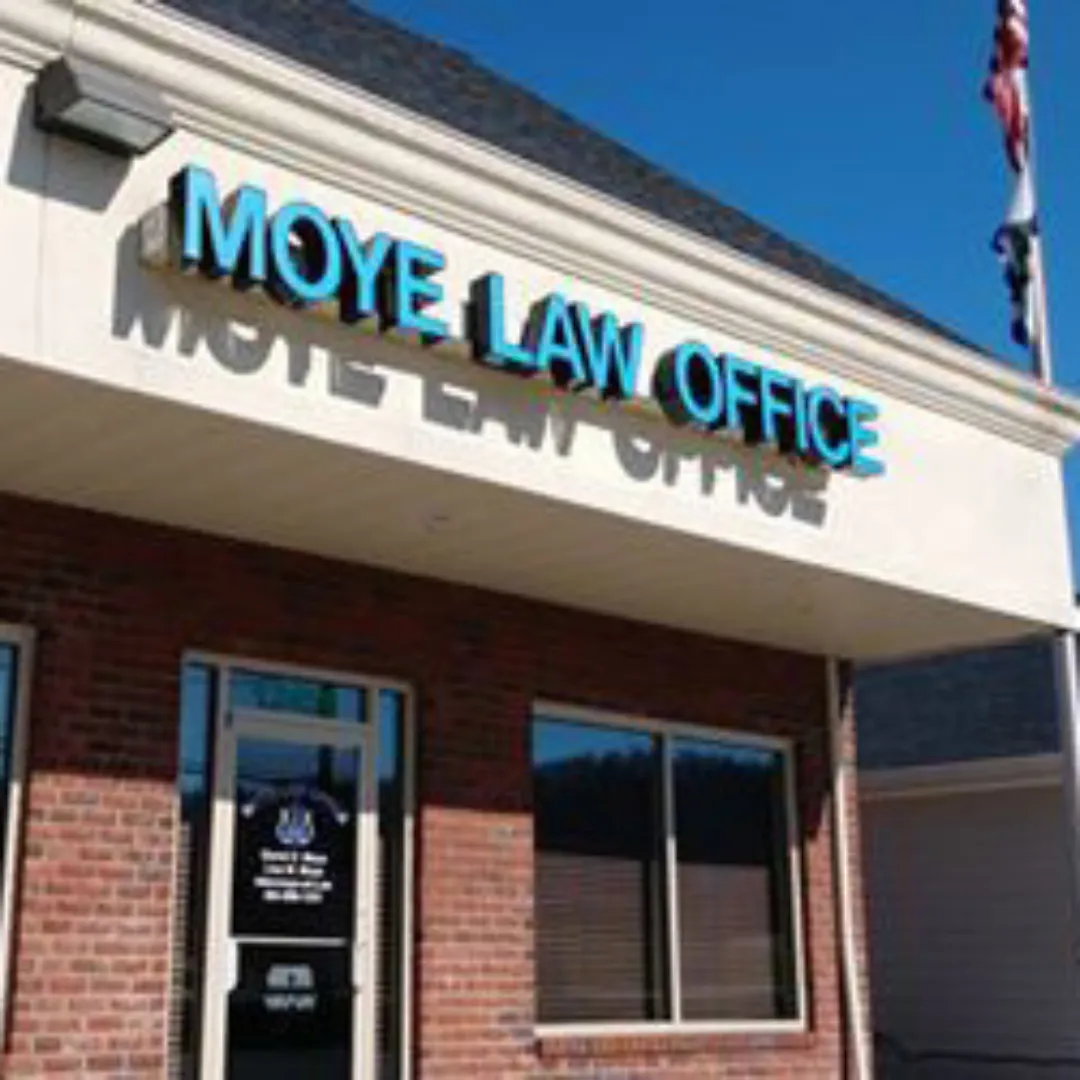
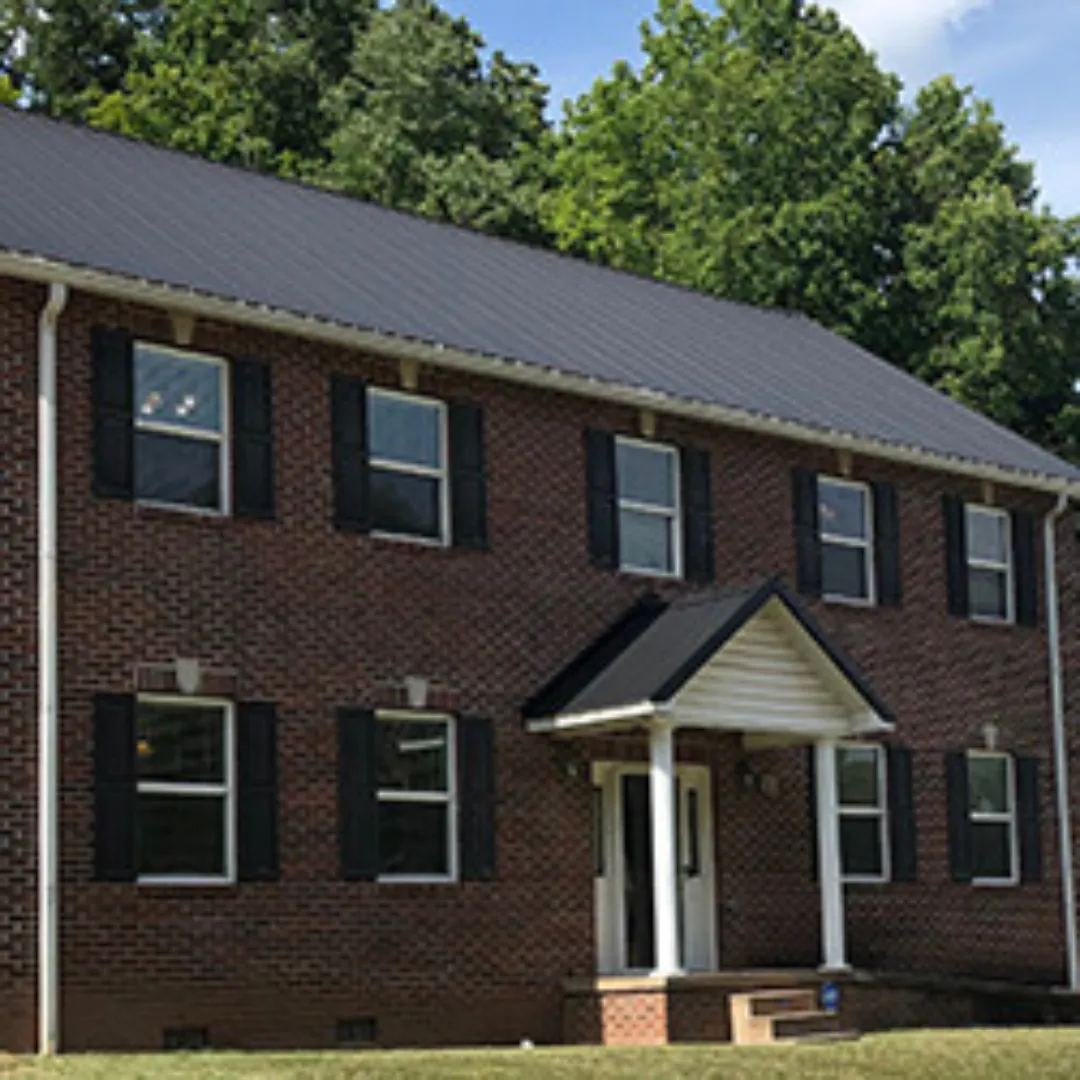
We have two offices in West Virginia: Winfield and Cross Lanes.
CROSS LANES
Title Insurance vs. Title Search: Key Info for WV Homeowners
Title Search vs. Title Insurance — What West Virginia Homebuyers Need to Know
Buying a home in West Virginia isn’t just about finding the right house or securing a mortgage — it’s also about being sure the title actually conveys what you expect. Below we explain what a title search does, what title insurance covers, and why both matter here in West Virginia where issues like severed mineral rights and old land grants are common. You’ll get clear definitions of “title” and “deed,” a step-by-step look at a WV title search and typical findings, how insurance differs from a search, practical cost and payment norms, and when attorney involvement makes a difference. Read on for checklists, side-by-side comparisons, and specific ways MOYE Law Office helps buyers through searches, legal opinions, and insurance decisions.
What Is a Property Title and Why Is It Important for WV Homebuyers?
A property title is the legal concept that describes who holds the bundle of rights in a parcel of land — the rights to possess, use, sell, mortgage, or transfer the property. The deed is the written instrument that shows a transfer of those rights; the title is the bigger legal picture those documents create. Clear title is required for financing and resale; unresolved title problems can delay or block a closing or expose a buyer to future claims. In West Virginia, particular concerns — severed mineral estates, century-old grants, and incomplete chains of title — make careful documentation and verification especially important to protect your investment and intended use.
Title rights in WV typically include possession, exclusion, transfer, and the right to encumber the land, but recorded instruments can limit or fragment those rights. When interests are divided or encumbrances exist, the property’s marketability and the owner’s legal exposure are affected. Understanding these basic rights is the foundation for the next step: a title search that confirms who actually owns the property and what claims or limits attach to it.
What Does a Property Title Represent in West Virginia Real Estate?
In West Virginia, a property title represents legal ownership plus the enforceable bundle of rights tied to the land — the ability to use it, sell it, and borrow against it. The title is shaped by documents recorded over time (deeds, easements, mortgages, liens) that together define current rights and restrictions; the deed is simply the instrument that transfers those rights. For a buyer, clear title means peaceful possession and the freedom to convey later; for a lender, it secures loan priority. For example, buying a property without clearing an older, unrecorded lien could expose a new owner to a creditor’s claim down the road — which is why verifying title before closing matters.
That practical concern leads directly into how a title search uncovers the recorded history behind the title and what buyers should expect to find.
How Do Mineral Rights and Historical Land Grants Affect WV Property Titles?
In West Virginia, mineral rights are often severed from surface ownership, so someone other than the surface owner may retain rights to extract coal, gas, or other minerals. That separation can materially affect value and allowable uses. Likewise, historical land grants and gaps in older records can create ambiguous ownership lines or prompt claims by undisclosed heirs decades later. These WV-specific features make targeted searches — mineral-rights checks and historical grant reviews — essential, because many encumbrances won’t be obvious from a simple deed review. Identifying severances or old grant terms is a common reason buyers and attorneys insist on thorough searches before closing.
Understanding Appalachian land grants and their legacy is important when evaluating titles in parts of West Virginia.
Appalachian Land Claims, Grants, and Deeds
The Land Law of 1779 and related early grant practices helped shape land ownership in the region that later became West Virginia. Those early grants and settlement patterns still influence chain-of-title issues today.
With those state-specific complications in mind, the next section explains the title search process in West Virginia and the kinds of matters it typically uncovers.
What Is a Title Search in West Virginia and How Does It Protect Homebuyers?
A title search in West Virginia is a systematic review of public records and related sources to confirm the chain of ownership and find liens, encumbrances, or defects that could affect the buyer’s rights. The search traces the chain of title through recorded deeds, mortgages, liens, probate files, tax records, and municipal filings to reveal recorded claims or gaps. A thorough search protects buyers by identifying problems that can often be resolved before closing — payoffs, releases, corrective deeds, or legal actions — which lowers the chance of post-closing disputes. The search also flags WV-specific risks like severed mineral rights or historical grants so tailored curative steps or endorsements can be pursued.
MOYE Law Office supervises and conducts West Virginia title searches with attorney oversight, identifying mineral-rights issues and historical grant concerns and then advising on remedies or endorsements to reduce risk. Attorney review adds legal interpretation to raw record findings and often determines whether additional steps (probate checks, quiet-title suits) are necessary before an insurer will issue a title protection policy.
Typical title search steps and likely outcomes follow.
Initial Record Pull: Pull deeds and recorded instruments to map the chain of title and spot breaks or gaps.
Lien and Judgment Search: Check county and state records for liens, judgments, and tax delinquencies that must be cleared.
Probate and Heirs Review: Review probate files to identify potential undisclosed heirs or estate claims.
Municipal and Utility Records: Look for permits, code liens, assessments, and utility easements that affect property use.
Mineral Rights Check: Search mineral conveyances and historical grants for severed mineral estates or royalty claims.
Mineral-rights issues — including questions about geothermal resources — are a recurring consideration in WV title examinations.
Geothermal Resources: Mineral Rights in West Virginia
West Virginia case law has addressed ownership disputes where estates were split into surface and mineral interests. Whether geothermal resources fall within mineral rights can have important consequences for surface owners and mineral holders.
Those search steps translate into concrete outcomes — locating liens that require payoff, uncovering probate issues that need resolution, or identifying title defects that call for curative work — so buyers know what must be addressed before closing.
Below is a short table showing how common search components map to practical outcomes in WV transactions.
Search ComponentWhat It ExaminesTypical OutcomeDeed chain reviewRecorded deeds and conveyancesIdentifies ownership breaks, corrective deed needsLien and tax searchCounty liens, tax records, judgmentsReveals payoffs needed before clear titleProbate searchEstate files and heir recordsUncovers undisclosed heirs or need for quiet titleMunicipal recordsPermits, code liens, assessmentsFinds local encumbrances affecting useMineral-rights checkMineral deeds, historical grantsDetermines severed mineral estates or royalty claims
This table shows how each discrete search action produces specific remedies or next steps that protect the buyer’s ownership rights and helps prioritize curative work.
Summary: An attorney-reviewed search is vital in West Virginia — once issues are found, counsel can cure defects, negotiate credits, or secure insurance endorsements to preserve marketable title.
What Is Title Insurance and Why Is It Essential for WV Homebuyers?
Title insurance is a one-time purchase that protects an owner or lender against covered losses from title defects that existed before the policy date but were unknown at closing. Unlike property or casualty insurance (which guards against future events), title insurance indemnifies against past mistakes, fraud, clerical errors, or undisclosed heirs that could cloud ownership. For West Virginia buyers it’s particularly useful because it can cover risks tied to severed mineral rights and historical grant disputes that sometimes surface after purchase. A policy gives you a legal and financial backstop when curative actions can’t fully eliminate risk.
Insurers typically defend covered claims and indemnify the insured for losses up to the policy limit, so title insurance acts as the final layer of protection after searches and curative steps. Deciding what to buy involves choosing owner versus lender policies and selecting endorsements that address identified risks — steps that usually follow an attorney-reviewed search and negotiated remedies. Below are the core protections title insurance commonly provides in West Virginia.
Protection from fraud and forged documents: Covers losses from forged deeds or fraudulent conveyances recorded before the policy date.
Coverage for errors in public records: Insures against mistakes or omissions in recorded documents that affect ownership.
Defense against undisclosed heirs or probate claims: Pays for defense and for covered losses if a hidden heir asserts title.
Relief for certain unrecorded claims: Depending on policy language and endorsements, may cover some claims not revealed in the search.
These protections show why title insurance complements a professional search.
Intro to the comparison table: The chart below contrasts Owner’s and Lender’s title insurance in straightforward terms.
Policy TypePrimary ProtectionTypical Cost/TimingOwner's Title InsuranceProtects the homeowner’s equity and ownership rightsOne-time premium at closing; protects the owner while they hold titleLender's Title InsuranceProtects the mortgage lender’s lien priority and loan securityOne-time premium at closing, typically tied to loan amount; protects the lender’s interestExtended/Endorsement OptionsAdded protections (e.g., survey issues, mineral-rights endorsements)Additional one-time cost; chosen based on property risks
This comparison clarifies who each policy protects, how long coverage lasts, and how endorsements can address WV-specific exposures like mineral severances.
Summary: Title insurance indemnifies against latent defects that survive search-based remedies. Choosing the right policy and endorsements ensures coverage aligns with the property’s unique risks.
What Are the Differences Between Owner’s Title Insurance and Lender’s Title Insurance?
Owner’s title insurance protects the homeowner’s equity and ownership rights; lender’s title insurance protects only the lender’s security interest in the mortgage. Owner’s policies remain in effect while the owner (or their heirs) holds title; lender’s policies terminate as the mortgage is paid because they insure the lender’s lien priority. An owner’s policy reimburses loss of equity and legal costs for covered claims, while the lender’s policy protects the lender’s financial interest. Knowing this distinction helps buyers decide whether purchasing an owner’s policy is worth the long-term protection of their investment.
Next, we’ll look at the kinds of defects title insurance commonly covers in West Virginia and how those protections apply in practice.
What Title Defects Does Title Insurance Protect Against in West Virginia?
Title insurance in West Virginia typically covers defects from fraud or forgery, mistakes in public records, undisclosed heirs, improper marital signatures, and some undisclosed liens, subject to policy exceptions and endorsements. In WV, policies can be particularly valuable where mineral-rights severances or ambiguous historical grants could later cloud title. Standard exclusions include matters known to the buyer or certain government actions, but endorsements can expand coverage for targeted risks. Paired with a careful search and an attorney’s opinion, a policy creates a layered defense that reduces immediate exposure and provides recourse for latent defects that emerge later.
These protections explain why most buyers use both a search and insurance together, which we cover next.
Do West Virginia Homebuyers Need Both a Title Search and Title Insurance?
Yes. A title search and title insurance serve complementary purposes: the search finds and lets you fix known problems; insurance protects against unknown or unresolvable defects. A professional search uncovers recorded claims and defects that can often be cured before closing; title insurance then covers residual or hidden issues the search could not detect. Together they form a prevention-and-protection strategy that minimizes the chance of loss and provides a legal defense if a covered claim arises. Skipping either step increases the buyer’s exposure to litigation, loss of property, or costly corrective work.
A simple workflow illustrates how the two work together: Search → Cure/Resolve → Insure Remaining Risk. For example, a search may reveal an old mortgage that requires payoff; the policy will then cover certain latent claims such as an undisclosed heir. Attorney oversight often makes insurer acceptance smoother by translating search findings into legally sufficient remedies.
Search: Identify recorded defects and potential encumbrances before closing.
Cure or negotiate: Resolve liens, secure releases, or obtain corrective documents.
Insure residual risk: Purchase owner’s and/or lender’s policies to cover unknown or latent defects.
This structured approach reduces the chance of post-closing surprises and provides both preventive correction and reactive financial protection.
How Do Title Search and Title Insurance Work Together to Protect Your Investment?
The search uncovers recorded and discoverable problems; the cure process removes or mitigates them; title insurance covers latent defects and provides legal defense if a covered claim arises later. Put another way: Title Search → Identifies Defect → Legal Remedy or Negotiation → Title Insurance → Indemnifies and Defends. For example, if a previously unrecorded lien appears after closing and it was not discoverable through a reasonable search, an owner’s policy may provide defense and compensation. Attorney involvement improves each stage by interpreting records, preparing curative documents, and giving the insurer the legal opinion it often requires.
The takeaway: the search narrows risk, and insurance transfers remaining liability — neither step fully replaces the other.
What Are the Risks of Skipping Either Title Search or Title Insurance in WV?
Skipping a title search risks closing with unresolved liens, boundary disputes, or undisclosed heirs; skipping title insurance leaves the buyer exposed to hidden defects that may surface years later and lead to litigation or loss of equity. Nationwide data show a significant share of transactions uncover issues that require attention; in West Virginia, mineral-rights and historical grant complexities raise that likelihood. Without a search, buyers may miss recorded judgments or tax liens; without insurance, buyers must bear the full cost of defending and settling latent claims. These problems can block refinancing, hinder resale, or interrupt your peaceful enjoyment of the property.
Given these stakes, best practice is a thorough search, attorney review, and appropriate title insurance to complete a layered protection strategy that preserves value and reduces future legal expense.
How Much Does Title Insurance Cost in West Virginia and Who Typically Pays?
Title insurance in West Virginia commonly costs roughly 0.5% to 1% of the sale price, depending on policy type, endorsements, and county variations — a useful ballpark when budgeting closing costs. The premium is a one-time fee paid at closing and varies with the policy amount, title complexity, and any endorsements (for example, for surveys or mineral-rights coverage). Lenders customarily require a lender’s policy (often paid by the buyer), and buyers frequently purchase an owner’s policy to protect their equity; who actually pays is negotiable in the purchase contract. Understanding these cost drivers helps buyers anticipate expenses and negotiate payment responsibilities early.
Factors that commonly influence premium amounts include:
Sale price / policy amount: Most premiums are percentage-based, so higher sale prices mean higher premiums.
Policy type and endorsements: Owner’s versus lender’s policies and added endorsements increase the one-time premium.
Title complexity: Severed mineral rights, old grants, or unresolved liens raise search time and may increase costs.
County recording and administrative fees: Local variations in recording and search procedures affect total closing charges.
The table below summarizes how those drivers typically affect cost in West Virginia.
Cost DriverHow It Affects PriceTypical Effect in WVHome sale pricePercentage basis for premiumPrimary driver; higher-priced homes have larger premiumsPolicy typeOwner vs lender vs endorsementsOwner's policy adds cost; endorsements add incremental feesTitle complexityAdditional search and curative workIncreases search costs and may require endorsementsCounty varianceLocal recording/search fees varyRegional differences across WV counties affect final charges
Summary: Plan for a one-time premium roughly between 0.5% and 1% of the purchase price and negotiate who pays as part of the purchase agreement; endorsements and complexity can change the final number.
What Factors Influence the Cost of Title Insurance in WV?
Key cost drivers are the sale price (policy amount), whether the buyer purchases an owner’s policy in addition to the lender’s policy, the need for endorsements for specific risks, and the complexity of the title history — especially when severed mineral rights or unresolved probate matters are involved. Each factor either raises the base premium or adds separately priced endorsements or curative expenses. For instance, a property with a long chain of transfers or recorded easements may require extra attorney time and insurer review, which increases closing costs. Knowing these drivers helps buyers and their counsel weigh endorsements versus curative work that reduces long-term risk.
This naturally leads to who typically pays and how payment is negotiated in WV transactions.
Who Usually Pays for Title Insurance in West Virginia Real Estate Transactions?
Customarily, the borrower pays for the lender’s title insurance policy because lenders require it to secure their loan; buyers often purchase an owner’s policy to protect their equity. That said, payment responsibility is negotiable and sometimes varies by local custom. Sellers occasionally pay for the owner’s policy as a selling concession, or parties may split closing costs by agreement. Buyers should discuss allocation with their agent and attorney early so the purchase contract clearly reflects who pays. Negotiation tools include seller contributions, credits, or rolling the cost into other concessions.
Early attorney involvement helps structure protections and negotiate payment responsibility efficiently.
How Does MOYE Law Office Help WV Homebuyers Navigate Title Insurance and Title Search?
MOYE Law Office explains the difference between a title search and title insurance, why both are important, and how we guide clients through practical protections for their purchase.
MOYE Law Office offers attorney-led real estate services that combine title search oversight, attorney title opinions, and closing support so West Virginia buyers move from discovery to cure to insured title with fewer surprises. We pair careful public-record review with legal analysis tailored to WV risks — severed mineral rights, historical grants, and probate issues — and then recommend curative steps or endorsements to reduce exposure. Services include contract review, insurer coordination, preparing corrective documents, representation at closing, and, when needed, quiet-title or probate actions to clear defects. Attorney Lisa M. Moye concentrates in Real Estate Law and Wills & Estates and provides the legal opinion and advocacy insurers and buyers often require.
Key title-protection services MOYE Law Office provides:
Title search oversight and legal opinion: Attorney review of search results and a written opinion on insurability.
Contract and closing document review: Make sure purchase agreements and closing papers reflect negotiated protections.
Remedial actions: Prepare releases, corrective deeds, or start quiet-title proceedings when necessary.
Insurance coordination: Advise on owner and lender policies and recommend endorsements suited to WV risks.
These services help reduce legal exposure and smooth insurer acceptance of policies, especially in cases with complex West Virginia title histories.
What Real Estate Legal Services Does MOYE Law Provide for Title Protection?
MOYE Law Office provides focused real estate services: supervising title searches, issuing attorney title opinions, negotiating and preparing curative documents, and representing clients at settlement to secure title protections. Attorney involvement turns search findings into legally sufficient remedies and produces the documentation insurers require for coverage and endorsements. Our local WV experience — offices in Winfield and Cross Lanes — helps spot county-specific record issues and mineral-rights histories, giving buyers a clearer path to insurable title and a more predictable closing.
This service overview leads to why attorney oversight matters in the WV context and what specific value Lisa M. Moye adds to title opinions.
Why Is Attorney Lisa M. Moye’s Role Critical in WV Title Opinions and Insurance?
Lisa M. Moye’s role is critical because West Virginia practice often relies on attorney-prepared title opinions for insurer acceptance and because legal analysis converts record searches into actionable remedies. Under local practice and insurer expectations, an attorney evaluates chain-of-title, assesses the legal effect of severed mineral estates or historical grants, and advises whether curative litigation such as a quiet-title suit is necessary. Lisa M. Moye’s background in Real Estate Law and Wills & Estates equips her to identify probate-related risks and prepare the instruments insurers and buyers need to secure clear title. Her involvement strengthens a buyer’s position when negotiating cures, endorsements, or settlement terms and helps protect the client’s ownership and equity.
MOYE Law Office can explain the difference between title insurance and a title search, why both matter, and how we help clients pick the right protections for their purchase.
For a consultation about title search oversight, attorney title opinions, or help negotiating title insurance and endorsements in West Virginia real estate transactions, MOYE Law Office can advise on next steps and represent you through closing and any necessary curative work.
Frequently Asked Questions
What are the potential consequences of not conducting a title search before purchasing a property in West Virginia?
Skipping a title search can expose buyers to serious legal and financial problems. Without a search you may inherit unresolved liens, boundary disputes, or claims by undisclosed heirs — issues that can trigger costly litigation, threaten your ownership, or reduce your equity. In West Virginia, severed mineral rights and historical grant complications make these risks more likely. A title search helps spot and address problems before closing.
How long does a title search typically take in West Virginia?
Timing varies with the property’s history and local record-keeping. A routine search can take a few days, while a complex file — multiple prior owners, probate matters, or mineral-rights issues — may take several weeks. Working with an experienced attorney can help speed the review and ensure thoroughness.
Can title insurance be purchased after closing on a property?
While you can sometimes buy title insurance after closing, it’s not ideal. Title insurance covers defects that existed before the policy date; if you wait, claims that arise between closing and the policy’s start may not be covered. It’s best to secure title insurance at closing whenever possible.
What should homebuyers look for when selecting a title insurance provider in West Virginia?
Look for a provider with strong local experience, a solid reputation, and clear claims procedures. Experience with West Virginia-specific issues — severed mineral rights, historical grants, probate concerns — is important. Ask about available endorsements, typical turnaround times, and how the company handles claims and customer support.
Are there any specific endorsements that West Virginia homebuyers should consider for title insurance?
Yes. West Virginia buyers often consider endorsements for mineral-rights issues, survey-related protections, or coverage against claims by undisclosed heirs. Discuss potential endorsements with your attorney and insurer so your policy addresses the risks revealed by the search.
What role does an attorney play in the title search and insurance process in West Virginia?
An attorney interprets search results, recommends and prepares curative documents, negotiates with insurers, and provides the written opinions insurers often require. Attorney involvement reduces the chance of post-closing surprises and helps ensure the buyer’s interests are protected throughout the transaction.
Moye Law Offices
We have two offices in West Virginia:
Winfield and Cross Lanes.
CROSS LANES
We Are Here To Help
Do you have a query or problem that you would like to talk about, or are you curious to hear more about how we can help you?
Get in touch today! We look forward to hearing from you.
Assistance Hours
Monday – Friday: 8:30am – 4:30pm
Saturday: By appointment only
Sunday: CLOSED
Subscribe to our Newsletter
We Are Here To Help
Do you have a query or problem that you would like to talk about, or are you curious to hear more about how we can help you?
Get in touch today! We look forward to hearing from you.
Assistance Hours
Monday – Friday 8:30am – 4:30pm
Saturday: By appointment only
Sunday CLOSED