
Blog

Blog

Selling Property in West Virginia: What Sellers Need to Know About Title Work
Selling Property in West Virginia: Essential Title Work Requirements and Payoff Guidance for Sellers
Selling property in West Virginia requires attention to title work and statutory obligations. Understanding these procedures helps sellers complete transactions efficiently and avoid legal pitfalls. This article reviews title requirements, how to obtain and review payoff statements, and practical steps to prevent title delays so sellers can reach a successful closing. For more information on legal services, visit our main website.
What Are the Key Title Requirements for West Virginia Property Sellers?

In West Virginia, sellers must meet specific title requirements to complete a valid transfer. These typically include:
Preparation of Title Opinions: A legal opinion on title status prepared by a qualified attorney.
Clear Identification of Parties: All persons and entities involved must be correctly named in title documents.
Accurate Legal Description: A precise property description, including boundaries and recorded encumbrances.
Meeting these requirements reduces the risk of post-closing disputes and helps the sale proceed smoothly. For legal expertise in these areas, explore our practice areas.
How Is a Title Search Conducted for WV Home Sellers?
A title search is a core step in preparing a property for sale. It generally follows these steps:
Obtain Legal Description: Use the recorded legal description from public records.
Search County Records: Check for liens, encumbrances, easements, and other claims.
Review Tax and Judgment Records: Confirm taxes, assessments, and judgments are current or identified.
A thorough search confirms the seller holds a clear, marketable title and identifies issues to resolve before closing.
What Legal Documents Define Property Title Status and Encumbrances?
Core documents that determine title status in West Virginia include:
Deeds: Documents that transfer ownership and must be executed and recorded correctly.
Mortgages and Satisfactions: Mortgages show loans secured by the property; satisfactions show paid loans.
Tax and Assessment Records: Records indicating property taxes owed and assessments that could affect title.
Knowing these documents helps sellers confirm the title is marketable before listing or closing.
How Do Sellers Obtain and Understand Payoff Statements in West Virginia?

When a property carries a mortgage, obtaining an accurate payoff statement is essential. Sellers should follow this process:
Requesting Payoff Statements: Contact the mortgage lender for a current payoff figure.
Understanding Payoff Details: Review principal, accrued interest, and any lender fees listed.
Verifying Accuracy: Confirm calculations and payoff date to prevent shortfalls or delays at closing.
Legal counsel can assist in interpreting payoff terms and evaluating closing figures. For assistance, contact our team.
What Are Common Title Delays in West Virginia Real Estate Transactions?
Common title delays include:
Unpaid Liens: Unresolved liens that must be cleared before transfer.
Mistakes in Public Records: Recording errors that create ownership or boundary questions.
Undisclosed Heirs: Heirs or claims not reflected in records that complicate conveyance.
Identifying these issues early lets sellers take corrective steps before closing.
How Can Sellers Proactively Avoid or Resolve Title Delays?
Sellers can reduce the risk of title delays by taking proactive steps:
Conduct Early Title Searches: Start the search soon after listing to surface problems early.
Consult a Real Estate Attorney: An attorney helps resolve legal defects and ensure compliance.
Address Title Defects Promptly: Clear liens, obtain releases, or secure curative documents without delay.
These measures streamline the transaction and cut the chance of last‑minute issues. Learn more about our personal injury law and divorce and family law services as well.
What Is the Recommended Closing and Title Transfer Checklist for WV Sellers?
A simple checklist helps manage closing tasks. Include these essentials:
Offer & Contract: Confirm all contract terms are complete and signed.
Financing: Verify that buyer financing and any lender requirements are in place.
Title Search: Ensure the title search is complete and issues are resolved.
Title Insurance: Obtain title insurance to protect against future claims and ensure marketability.
Payoff Statement Review: Confirm payoff amounts and terms with lenders to avoid surprises at closing.
Final Walkthrough: Conduct a final property inspection to verify condition and agreed-upon repairs.
Use the checklist to verify that the required steps are finished before the scheduled closing.
How Does Legal Assistance Support Title Work and Closing in West Virginia?
Legal assistance provides specialised support and oversight. Core benefits include:
Interpreting Legal Implications: Attorneys explain legal risks and obligations.
Drafting or Reviewing Closing Documents: Legal review reduces errors in closing paperwork.
Coordinating the Transfer: Attorneys coordinate parties to ensure a smooth conveyance.
Resolving Complex Title Issues: Legal professionals can address complicated title defects, boundary disputes, or unresolved liens that may delay closing.
Negotiating Payoff and Settlement Terms: Attorneys can assist in negotiating with lenders or lienholders to clarify payoff amounts and terms, potentially saving sellers money and time.
Engaging legal assistance can give sellers confidence and lower transactional risk. For personalised support with your real estate matter, contact our team.
To learn more about our firm and services, visit our about us page. For answers to common questions, see our FAQ page.
Frequently Asked Questions
What are the costs associated with title work in West Virginia?
Costs depend on property value and transaction complexity. Typical expenses include title search fees, title insurance premiums, and attorney fees for document review and closing. Ask multiple title companies and attorneys for estimates to compare likely costs.
How long does the title search process take in West Virginia?
Timing varies by property history and provider. A routine search often takes a few days to a week; complicated histories with liens or disputes can extend the timeline. Begin the search early to reduce the risk of closing delays.
What should sellers do if they discover title defects?
Address defects promptly. Consult a qualified real estate attorney to evaluate options such as clearing liens, obtaining releases, or negotiating settlements. Quick action helps protect the sale and closing schedule.
Can sellers negotiate title insurance costs?
While title insurance rates may be regulated, sellers can compare title companies and attorney services to find competitive fees. Request multiple quotes and clarify the scope of coverage and services to identify savings.
What role does a title company play in the closing process?
A title company conducts the title search, prepares closing documents, facilitates closing, and issues title insurance to protect the buyer and lender against covered claims. Their involvement helps ensure legal requirements are met, and the transfer proceeds smoothly.
What happens if a seller fails to disclose property issues?
Failing to disclose known defects can create legal liability, including claims for misrepresentation. Buyers expect accurate information; undisclosed problems may lead to disputes after closing. Sellers should be transparent and consult an attorney about disclosure duties and risk mitigation.
Are there specific West Virginia laws that affect title work and disclosures?
Yes, West Virginia has statutes governing real estate disclosures and title requirements. Sellers must comply with state laws regarding disclosure of known defects, environmental hazards, and title encumbrances. Understanding these laws helps prevent legal challenges and ensures a smoother transaction.
How can sellers prepare for potential title insurance claims?
Sellers should maintain thorough records of all title-related documents, promptly address any liens or encumbrances, and disclose known issues to buyers. Working with experienced legal counsel and title professionals reduces the risk of future claims and protects both parties.

Moye Law Offices
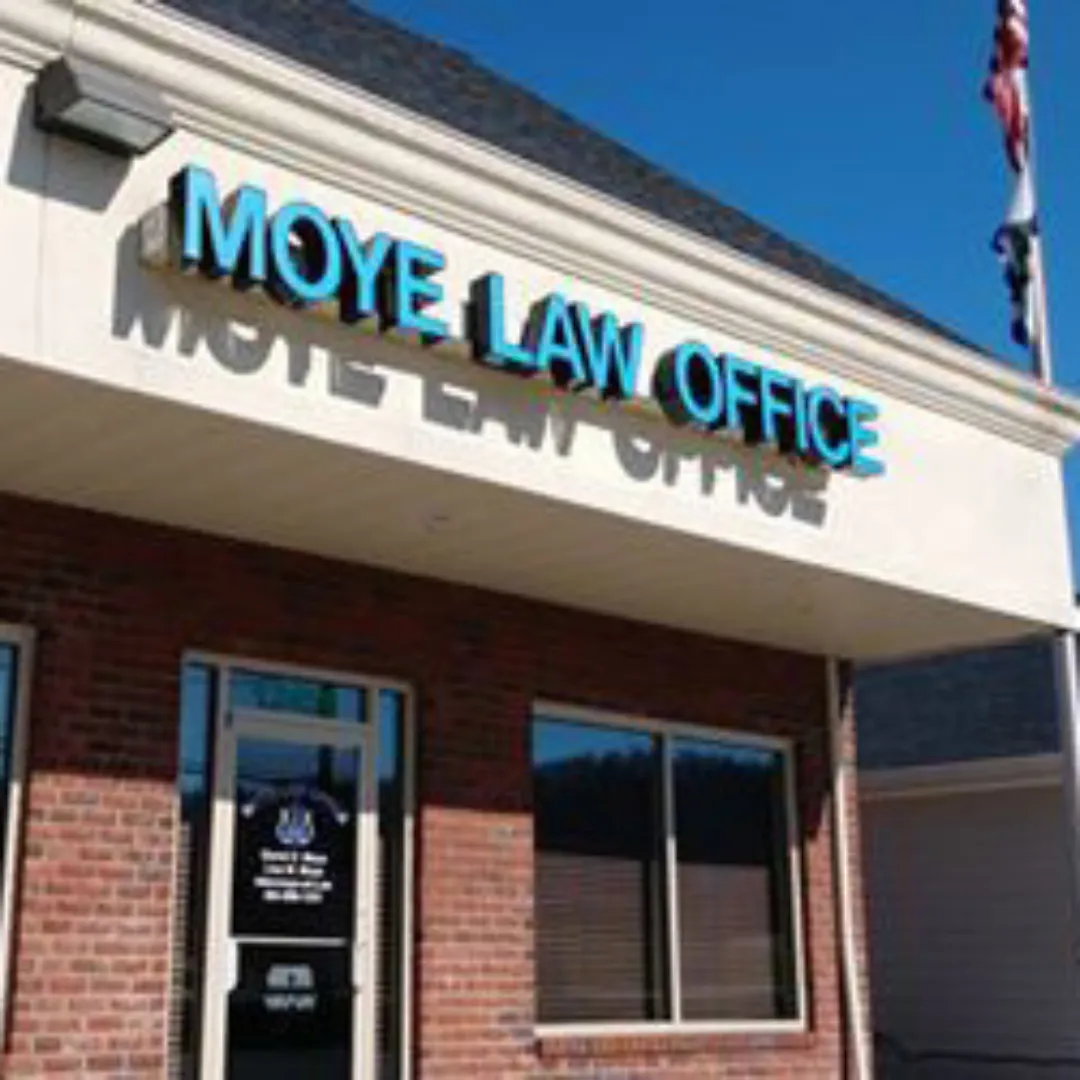
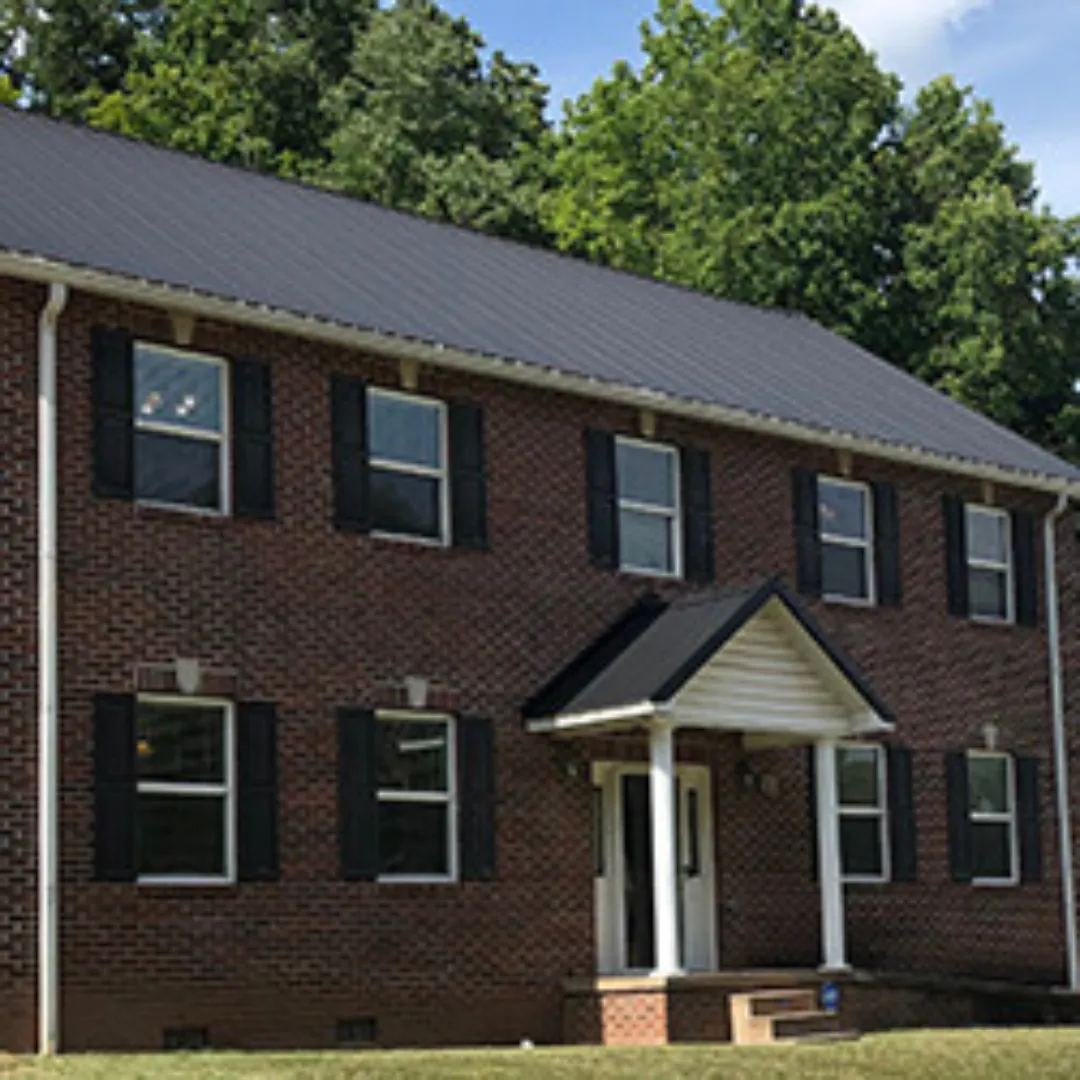
We have two offices in West Virginia: Winfield and Cross Lanes.
CROSS LANES
Selling Property in West Virginia: What Sellers Need to Know About Title Work
Selling Property in West Virginia: Essential Title Work Requirements and Payoff Guidance for Sellers
Selling property in West Virginia requires attention to title work and statutory obligations. Understanding these procedures helps sellers complete transactions efficiently and avoid legal pitfalls. This article reviews title requirements, how to obtain and review payoff statements, and practical steps to prevent title delays so sellers can reach a successful closing. For more information on legal services, visit our main website.
What Are the Key Title Requirements for West Virginia Property Sellers?
In West Virginia, sellers must meet specific title requirements to complete a valid transfer. These typically include:
Preparation of Title Opinions: A legal opinion on title status prepared by a qualified attorney.
Clear Identification of Parties: All persons and entities involved must be correctly named in title documents.
Accurate Legal Description: A precise property description, including boundaries and recorded encumbrances.
Meeting these requirements reduces the risk of post-closing disputes and helps the sale proceed smoothly. For legal expertise in these areas, explore our practice areas.
How Is a Title Search Conducted for WV Home Sellers?
A title search is a core step in preparing a property for sale. It generally follows these steps:
Obtain Legal Description: Use the recorded legal description from public records.
Search County Records: Check for liens, encumbrances, easements, and other claims.
Review Tax and Judgment Records: Confirm taxes, assessments, and judgments are current or identified.
A thorough search confirms the seller holds a clear, marketable title and identifies issues to resolve before closing.
What Legal Documents Define Property Title Status and Encumbrances?
Core documents that determine title status in West Virginia include:
Deeds: Documents that transfer ownership and must be executed and recorded correctly.
Mortgages and Satisfactions: Mortgages show loans secured by the property; satisfactions show paid loans.
Tax and Assessment Records: Records indicating property taxes owed and assessments that could affect title.
Knowing these documents helps sellers confirm the title is marketable before listing or closing.
How Do Sellers Obtain and Understand Payoff Statements in West Virginia?
When a property carries a mortgage, obtaining an accurate payoff statement is essential. Sellers should follow this process:
Requesting Payoff Statements: Contact the mortgage lender for a current payoff figure.
Understanding Payoff Details: Review principal, accrued interest, and any lender fees listed.
Verifying Accuracy: Confirm calculations and payoff date to prevent shortfalls or delays at closing.
Legal counsel can assist in interpreting payoff terms and evaluating closing figures. For assistance, contact our team.
What Are Common Title Delays in West Virginia Real Estate Transactions?
Common title delays include:
Unpaid Liens: Unresolved liens that must be cleared before transfer.
Mistakes in Public Records: Recording errors that create ownership or boundary questions.
Undisclosed Heirs: Heirs or claims not reflected in records that complicate conveyance.
Identifying these issues early lets sellers take corrective steps before closing.
How Can Sellers Proactively Avoid or Resolve Title Delays?
Sellers can reduce the risk of title delays by taking proactive steps:
Conduct Early Title Searches: Start the search soon after listing to surface problems early.
Consult a Real Estate Attorney: An attorney helps resolve legal defects and ensure compliance.
Address Title Defects Promptly: Clear liens, obtain releases, or secure curative documents without delay.
These measures streamline the transaction and cut the chance of last‑minute issues. Learn more about our personal injury law and divorce and family law services as well.
What Is the Recommended Closing and Title Transfer Checklist for WV Sellers?
A simple checklist helps manage closing tasks. Include these essentials:
Offer & Contract: Confirm all contract terms are complete and signed.
Financing: Verify that buyer financing and any lender requirements are in place.
Title Search: Ensure the title search is complete and issues are resolved.
Title Insurance: Obtain title insurance to protect against future claims and ensure marketability.
Payoff Statement Review: Confirm payoff amounts and terms with lenders to avoid surprises at closing.
Final Walkthrough: Conduct a final property inspection to verify condition and agreed-upon repairs.
Use the checklist to verify that the required steps are finished before the scheduled closing.
How Does Legal Assistance Support Title Work and Closing in West Virginia?
Legal assistance provides specialised support and oversight. Core benefits include:
Interpreting Legal Implications: Attorneys explain legal risks and obligations.
Drafting or Reviewing Closing Documents: Legal review reduces errors in closing paperwork.
Coordinating the Transfer: Attorneys coordinate parties to ensure a smooth conveyance.
Resolving Complex Title Issues: Legal professionals can address complicated title defects, boundary disputes, or unresolved liens that may delay closing.
Negotiating Payoff and Settlement Terms: Attorneys can assist in negotiating with lenders or lienholders to clarify payoff amounts and terms, potentially saving sellers money and time.
Engaging legal assistance can give sellers confidence and lower transactional risk. For personalised support with your real estate matter, contact our team.
To learn more about our firm and services, visit our about us page. For answers to common questions, see our FAQ page.
Frequently Asked Questions
What are the costs associated with title work in West Virginia?
Costs depend on property value and transaction complexity. Typical expenses include title search fees, title insurance premiums, and attorney fees for document review and closing. Ask multiple title companies and attorneys for estimates to compare likely costs.
How long does the title search process take in West Virginia?
Timing varies by property history and provider. A routine search often takes a few days to a week; complicated histories with liens or disputes can extend the timeline. Begin the search early to reduce the risk of closing delays.
What should sellers do if they discover title defects?
Address defects promptly. Consult a qualified real estate attorney to evaluate options such as clearing liens, obtaining releases, or negotiating settlements. Quick action helps protect the sale and closing schedule.
Can sellers negotiate title insurance costs?
While title insurance rates may be regulated, sellers can compare title companies and attorney services to find competitive fees. Request multiple quotes and clarify the scope of coverage and services to identify savings.
What role does a title company play in the closing process?
A title company conducts the title search, prepares closing documents, facilitates closing, and issues title insurance to protect the buyer and lender against covered claims. Their involvement helps ensure legal requirements are met, and the transfer proceeds smoothly.
What happens if a seller fails to disclose property issues?
Failing to disclose known defects can create legal liability, including claims for misrepresentation. Buyers expect accurate information; undisclosed problems may lead to disputes after closing. Sellers should be transparent and consult an attorney about disclosure duties and risk mitigation.
Are there specific West Virginia laws that affect title work and disclosures?
Yes, West Virginia has statutes governing real estate disclosures and title requirements. Sellers must comply with state laws regarding disclosure of known defects, environmental hazards, and title encumbrances. Understanding these laws helps prevent legal challenges and ensures a smoother transaction.
How can sellers prepare for potential title insurance claims?
Sellers should maintain thorough records of all title-related documents, promptly address any liens or encumbrances, and disclose known issues to buyers. Working with experienced legal counsel and title professionals reduces the risk of future claims and protects both parties.
Moye Law Offices
We have two offices in West Virginia:
Winfield and Cross Lanes.
CROSS LANES
We Are Here To Help
Do you have a query or problem that you would like to talk about, or are you curious to hear more about how we can help you?
Get in touch today! We look forward to hearing from you.
Assistance Hours
Monday – Friday: 8:30am – 4:30pm
Saturday: By appointment only
Sunday: CLOSED
Subscribe to our Newsletter
We Are Here To Help
Do you have a query or problem that you would like to talk about, or are you curious to hear more about how we can help you?
Get in touch today! We look forward to hearing from you.
Assistance Hours
Monday – Friday 8:30am – 4:30pm
Saturday: By appointment only
Sunday CLOSED