
Blog

Blog

Land Purchases in West Virginia: Title Searches, Right-of-Way, and Access Issues
West Virginia Land Title Search and Access Issues: Essential Guide for Land Buyers
Successfully buying land in West Virginia requires a clear understanding of title searches and access issues. This guide gives prospective buyers concise, practical information on the title search process, common title defects, right-of-way and easement rules, and how to secure legal access. Common problems—such as landlocked parcels or unclear access rights—can be costly if unaddressed; knowing the essentials helps buyers avoid those pitfalls.
What Is a West Virginia Land Title Search and Why Is It Crucial?
A land title search is a review of public records to confirm legal ownership and reveal claims, liens, or encumbrances. It helps ensure the buyer receives a clear, marketable title. Skipping a thorough search can leave new owners responsible for undisclosed debts or ownership disputes, so the title search is a foundational step in any purchase.
Understanding the historical context of land titles in West Virginia further emphasizes the importance of a thorough title search.
West Virginia Land Titles: History, Legal Framework & Clear Ownership
Perhaps no single person in West Virginia’s history has been as influential in the creation of a legal framework to provide clear titles for land transfers as Benjamin Harrison Smith. This history of quieting land titles shows the primary role played by Smith, and provides a new interpretation of the impact of the 1862 and 1872 West Virginia Constitutional Conventions as they relate to waste and unappropriated land, delinquent land, and forfeited land. The quieting of land titles refers to the process of settling ownership conflicts. It provides for clear and marketable title to land. Clear title to lands in western Virginia had been an ongoing problem since the eighteenth-century land grants to large land companies.
Benjamin Harrison Smith, Land Titles, and the West Virginia Constitution, 2012
Moye Law Firm conducts title searches and advises buyers on issues that might affect a sale, helping identify problems before closing. For more information on their practice areas, visit their website.
How Does the Title Search Process Identify Property Ownership and Risks?

A title examiner reviews deeds, mortgages, tax records, and other public filings to trace ownership and spot claims that affect title. The search reveals risks such as ownership disputes, unpaid liens, and recorded easements—issues that can limit use or transfer of the property.
Common defects identified during a title search include:
Ownership disputes: Conflicts over who holds legal title.
Liens: Claims for unpaid debts (taxes, mortgages, contractors).
Easements: Recorded rights allowing others limited use of the land.
Recognizing these risks early lets buyers negotiate solutions or require curative work before closing.
What Legal Implications Arise from Title Defects in West Virginia?
Title defects discovered after purchase can create ownership disputes, unexpected liabilities, and problems obtaining financing or insurance. A hidden lien, for example, can leave the new owner responsible for payment. Clearing defects before closing is important to preserve marketability and protect the buyer's investment.
How Do Right-of-Way Laws and Easements Affect Land Access in West Virginia?
Right-of-way law and easements determine how a property may be accessed and used. An easement grants a defined right to use another person's land for a purpose—utilities, access roads, or conservation—so buyers must confirm existing easements and understand their scope before buying.
Easements can include:
Utility easements: Allow utilities to install and maintain lines.
Access easements: Provide routes to landlocked parcels.
Conservation easements: Restrict development to protect resources.
Recorded easements can materially affect value and permitted uses, so verify them during the title search.
What Are the Types of Easements and Their Legal Definitions?
Different easement types serve different purposes and carry distinct legal rights and limits. Buyers should understand the form, duration, and restrictions tied to any easement on a parcel.
Easement TypeDefinitionPurposeUtility EasementGrants utility companies the right to access and maintain infrastructure.Ensures reliable utility services.Access EasementProvides access to a property that lacks direct road access.Facilitates entry to landlocked properties.Conservation EasementLimits development to protect natural resources.Preserves environmental integrity.
Review easement language carefully to learn who holds rights and what actions are allowed or prohibited.
How Can Buyers Verify and Secure Access Rights Through Easements?
Start with a comprehensive title search to find recorded easements and obtain a current survey to confirm boundaries and access points. Read recorded documents to understand the easement's scope—who benefits, who is burdened, and any maintenance obligations.
Consulting a real estate attorney helps interpret legal language and negotiate or draft easement agreements when needed. Moye Law Firm provides assistance in securing and clarifying access rights. Learn more about the firm on their about us page.
What Are the Risks and Legal Remedies for Landlocked Property in West Virginia?

Landlocked parcels lack legal access and may be hard to develop or sell. Risks include limited access, reduced value, and disputes with neighbors. Remedies include negotiating an access easement, purchasing a strip of land, or seeking a judicial right-of-way (often via a quiet title or access action). An attorney can advise which remedy fits the situation.
How to Identify If Land Is Landlocked Before Purchase?
To confirm access before buying:
Conduct a title search: Look for recorded easements or rights of way.
Obtain a current survey: Verify boundaries and physical access.
Check local zoning regulations: Learn access and development requirements.
These steps help buyers avoid purchasing land without legal access.
What Legal Steps Can Resolve Access Disputes for Landlocked Properties?
If access disputes arise, consider:
Consult a real estate attorney: Get guidance on options and likely outcomes.
Negotiate with property owners: Voluntary easements or agreements can be faster and less costly.
File a quiet title or access action: Ask a court to establish rights when negotiation fails.
Legal counsel improves the chance of resolving disputes efficiently. Contact Moye Law Firm for assistance.
How Can a West Virginia Real Estate Attorney Assist in Land Purchases and Access Issues?
A West Virginia real estate attorney helps by conducting or reviewing title searches, explaining easement and access implications, negotiating agreements, and representing buyers in curative or court actions. Attorneys protect buyer rights and reduce transaction risk.
To learn about the firm's background, visit Moye Law Firm's about page. The firm offers tailored legal services for land buyers dealing with title and access matters. They also provide expertise in personal injury law and divorce and family law.
What Services Do Attorneys Provide for Title and Access Due Diligence?
Common attorney services include:
Title search and curative work: Identify and clear defects before closing.
Legal opinions: Explain easement scope and access risks.
Closing coordination: Ensure documents and protections are in place at closing.
These services help buyers mitigate risk and complete successful purchases.
When Should Buyers Consult Legal Counsel to Prevent Costly Mistakes?
Consult an attorney early—before making an offer, during the title search, and before closing. Early counsel clarifies risks, guides negotiation, and reduces the chance of post-closing complications. For quick answers, see the frequently asked questions.
Frequently Asked Questions
What are the common challenges faced during a land title search in West Virginia?
Challenges include locating complete historical records, identifying hidden liens or easements, and resolving ownership gaps. Complex histories or incomplete records make professional title examiners valuable.
How can buyers protect themselves from title defects after purchasing land?
Buyers should obtain title insurance to cover certain post-closing claims and ensure a thorough title search and any needed curative work before closing.
What steps should buyers take if they discover a title defect after purchase?
Review the title insurance policy, notify the insurer, and consult a real estate attorney to pursue curative action, negotiation, or litigation if necessary.
What role do local zoning regulations play in land access issues?
Zoning and local ordinances can limit development, set access standards, or affect the availability of permits; check local rules early in due diligence.
How can buyers ensure they have legal access to their property?
Confirm recorded easements in the title, obtain a current survey, and, if needed, secure a written easement agreement or obtain court-ordered access.
What are the potential financial implications of purchasing land with access issues?
Access problems can lower value, complicate financing or resale, and create legal costs to secure access—factors that reduce return on investment.

Moye Law Offices
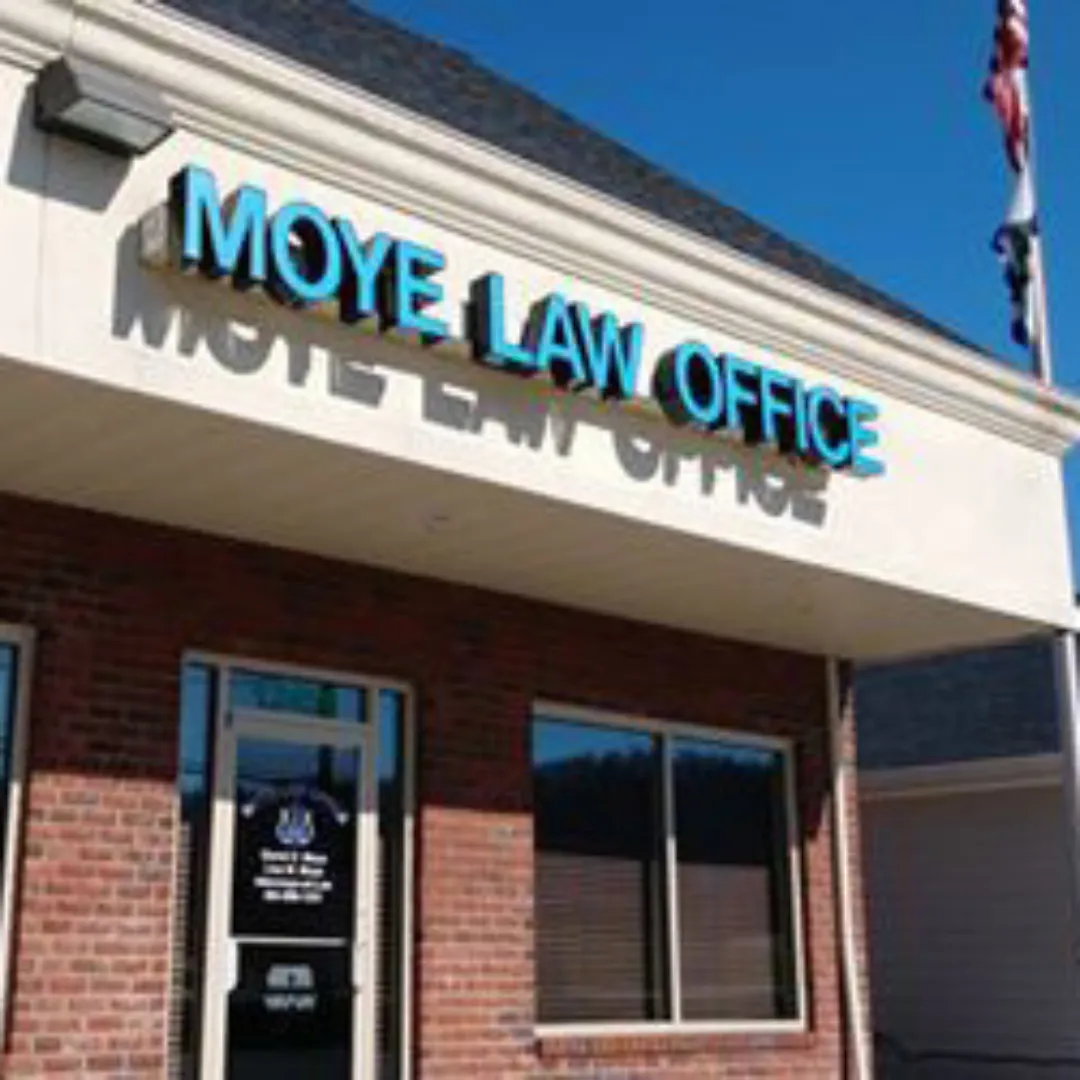
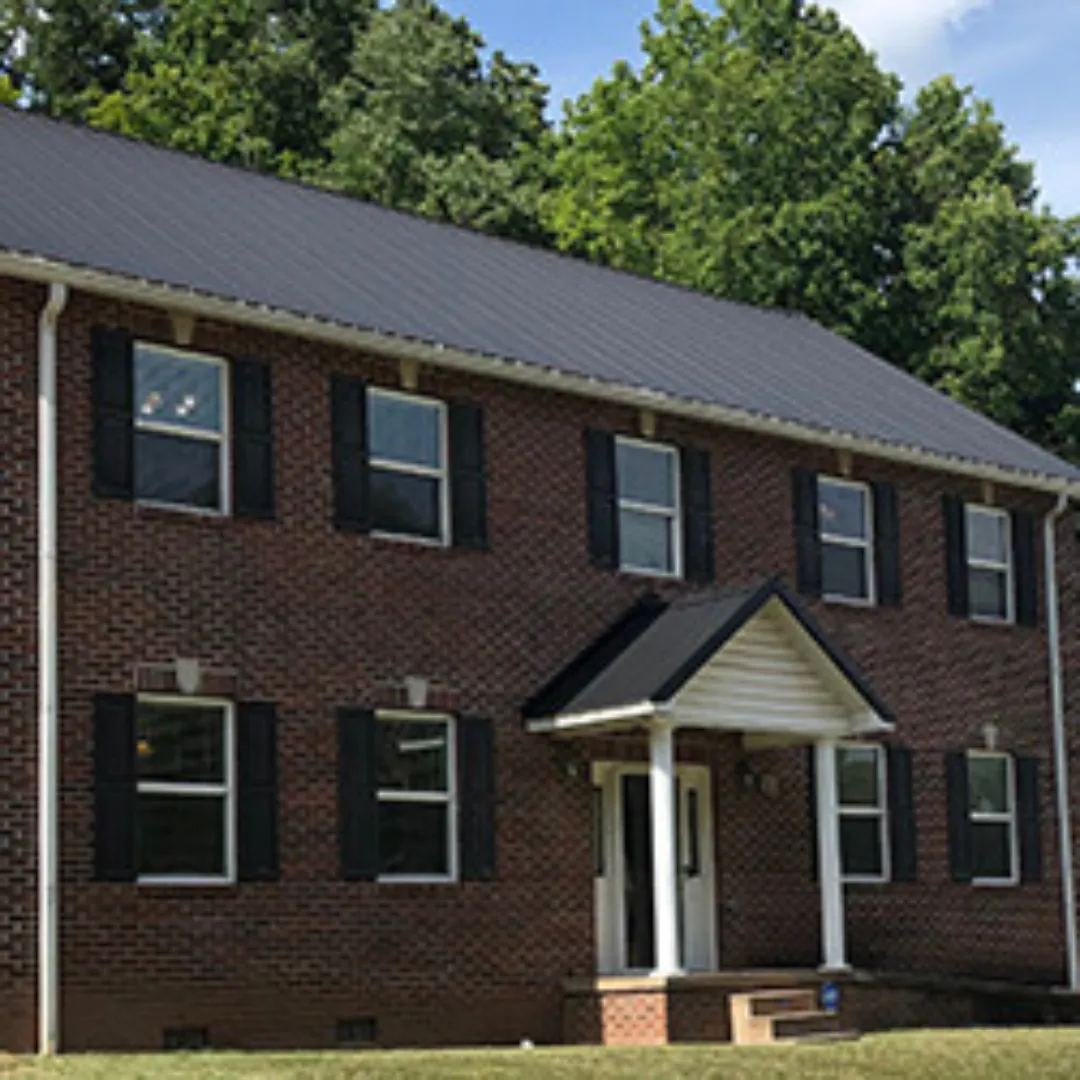
We have two offices in West Virginia: Winfield and Cross Lanes.
CROSS LANES
Land Purchases in West Virginia: Title Searches, Right-of-Way, and Access Issues
West Virginia Land Title Search and Access Issues: Essential Guide for Land Buyers
Successfully buying land in West Virginia requires a clear understanding of title searches and access issues. This guide gives prospective buyers concise, practical information on the title search process, common title defects, right-of-way and easement rules, and how to secure legal access. Common problems—such as landlocked parcels or unclear access rights—can be costly if unaddressed; knowing the essentials helps buyers avoid those pitfalls.
What Is a West Virginia Land Title Search and Why Is It Crucial?
A land title search is a review of public records to confirm legal ownership and reveal claims, liens, or encumbrances. It helps ensure the buyer receives a clear, marketable title. Skipping a thorough search can leave new owners responsible for undisclosed debts or ownership disputes, so the title search is a foundational step in any purchase.
Understanding the historical context of land titles in West Virginia further emphasizes the importance of a thorough title search.
West Virginia Land Titles: History, Legal Framework & Clear Ownership
Perhaps no single person in West Virginia’s history has been as influential in the creation of a legal framework to provide clear titles for land transfers as Benjamin Harrison Smith. This history of quieting land titles shows the primary role played by Smith, and provides a new interpretation of the impact of the 1862 and 1872 West Virginia Constitutional Conventions as they relate to waste and unappropriated land, delinquent land, and forfeited land. The quieting of land titles refers to the process of settling ownership conflicts. It provides for clear and marketable title to land. Clear title to lands in western Virginia had been an ongoing problem since the eighteenth-century land grants to large land companies.
Benjamin Harrison Smith, Land Titles, and the West Virginia Constitution, 2012
Moye Law Firm conducts title searches and advises buyers on issues that might affect a sale, helping identify problems before closing. For more information on their practice areas, visit their website.
How Does the Title Search Process Identify Property Ownership and Risks?
A title examiner reviews deeds, mortgages, tax records, and other public filings to trace ownership and spot claims that affect title. The search reveals risks such as ownership disputes, unpaid liens, and recorded easements—issues that can limit use or transfer of the property.
Common defects identified during a title search include:
Ownership disputes: Conflicts over who holds legal title.
Liens: Claims for unpaid debts (taxes, mortgages, contractors).
Easements: Recorded rights allowing others limited use of the land.
Recognizing these risks early lets buyers negotiate solutions or require curative work before closing.
What Legal Implications Arise from Title Defects in West Virginia?
Title defects discovered after purchase can create ownership disputes, unexpected liabilities, and problems obtaining financing or insurance. A hidden lien, for example, can leave the new owner responsible for payment. Clearing defects before closing is important to preserve marketability and protect the buyer's investment.
How Do Right-of-Way Laws and Easements Affect Land Access in West Virginia?
Right-of-way law and easements determine how a property may be accessed and used. An easement grants a defined right to use another person's land for a purpose—utilities, access roads, or conservation—so buyers must confirm existing easements and understand their scope before buying.
Easements can include:
Utility easements: Allow utilities to install and maintain lines.
Access easements: Provide routes to landlocked parcels.
Conservation easements: Restrict development to protect resources.
Recorded easements can materially affect value and permitted uses, so verify them during the title search.
What Are the Types of Easements and Their Legal Definitions?
Different easement types serve different purposes and carry distinct legal rights and limits. Buyers should understand the form, duration, and restrictions tied to any easement on a parcel.
Easement TypeDefinitionPurposeUtility EasementGrants utility companies the right to access and maintain infrastructure.Ensures reliable utility services.Access EasementProvides access to a property that lacks direct road access.Facilitates entry to landlocked properties.Conservation EasementLimits development to protect natural resources.Preserves environmental integrity.
Review easement language carefully to learn who holds rights and what actions are allowed or prohibited.
How Can Buyers Verify and Secure Access Rights Through Easements?
Start with a comprehensive title search to find recorded easements and obtain a current survey to confirm boundaries and access points. Read recorded documents to understand the easement's scope—who benefits, who is burdened, and any maintenance obligations.
Consulting a real estate attorney helps interpret legal language and negotiate or draft easement agreements when needed. Moye Law Firm provides assistance in securing and clarifying access rights. Learn more about the firm on their about us page.
What Are the Risks and Legal Remedies for Landlocked Property in West Virginia?
Landlocked parcels lack legal access and may be hard to develop or sell. Risks include limited access, reduced value, and disputes with neighbors. Remedies include negotiating an access easement, purchasing a strip of land, or seeking a judicial right-of-way (often via a quiet title or access action). An attorney can advise which remedy fits the situation.
How to Identify If Land Is Landlocked Before Purchase?
To confirm access before buying:
Conduct a title search: Look for recorded easements or rights of way.
Obtain a current survey: Verify boundaries and physical access.
Check local zoning regulations: Learn access and development requirements.
These steps help buyers avoid purchasing land without legal access.
What Legal Steps Can Resolve Access Disputes for Landlocked Properties?
If access disputes arise, consider:
Consult a real estate attorney: Get guidance on options and likely outcomes.
Negotiate with property owners: Voluntary easements or agreements can be faster and less costly.
File a quiet title or access action: Ask a court to establish rights when negotiation fails.
Legal counsel improves the chance of resolving disputes efficiently. Contact Moye Law Firm for assistance.
How Can a West Virginia Real Estate Attorney Assist in Land Purchases and Access Issues?
A West Virginia real estate attorney helps by conducting or reviewing title searches, explaining easement and access implications, negotiating agreements, and representing buyers in curative or court actions. Attorneys protect buyer rights and reduce transaction risk.
To learn about the firm's background, visit Moye Law Firm's about page. The firm offers tailored legal services for land buyers dealing with title and access matters. They also provide expertise in personal injury law and divorce and family law.
What Services Do Attorneys Provide for Title and Access Due Diligence?
Common attorney services include:
Title search and curative work: Identify and clear defects before closing.
Legal opinions: Explain easement scope and access risks.
Closing coordination: Ensure documents and protections are in place at closing.
These services help buyers mitigate risk and complete successful purchases.
When Should Buyers Consult Legal Counsel to Prevent Costly Mistakes?
Consult an attorney early—before making an offer, during the title search, and before closing. Early counsel clarifies risks, guides negotiation, and reduces the chance of post-closing complications. For quick answers, see the frequently asked questions.
Frequently Asked Questions
What are the common challenges faced during a land title search in West Virginia?
Challenges include locating complete historical records, identifying hidden liens or easements, and resolving ownership gaps. Complex histories or incomplete records make professional title examiners valuable.
How can buyers protect themselves from title defects after purchasing land?
Buyers should obtain title insurance to cover certain post-closing claims and ensure a thorough title search and any needed curative work before closing.
What steps should buyers take if they discover a title defect after purchase?
Review the title insurance policy, notify the insurer, and consult a real estate attorney to pursue curative action, negotiation, or litigation if necessary.
What role do local zoning regulations play in land access issues?
Zoning and local ordinances can limit development, set access standards, or affect the availability of permits; check local rules early in due diligence.
How can buyers ensure they have legal access to their property?
Confirm recorded easements in the title, obtain a current survey, and, if needed, secure a written easement agreement or obtain court-ordered access.
What are the potential financial implications of purchasing land with access issues?
Access problems can lower value, complicate financing or resale, and create legal costs to secure access—factors that reduce return on investment.
Moye Law Offices
We have two offices in West Virginia:
Winfield and Cross Lanes.
CROSS LANES
We Are Here To Help
Do you have a query or problem that you would like to talk about, or are you curious to hear more about how we can help you?
Get in touch today! We look forward to hearing from you.
Assistance Hours
Monday – Friday: 8:30am – 4:30pm
Saturday: By appointment only
Sunday: CLOSED
Subscribe to our Newsletter
We Are Here To Help
Do you have a query or problem that you would like to talk about, or are you curious to hear more about how we can help you?
Get in touch today! We look forward to hearing from you.
Assistance Hours
Monday – Friday 8:30am – 4:30pm
Saturday: By appointment only
Sunday CLOSED