
Blog

Blog
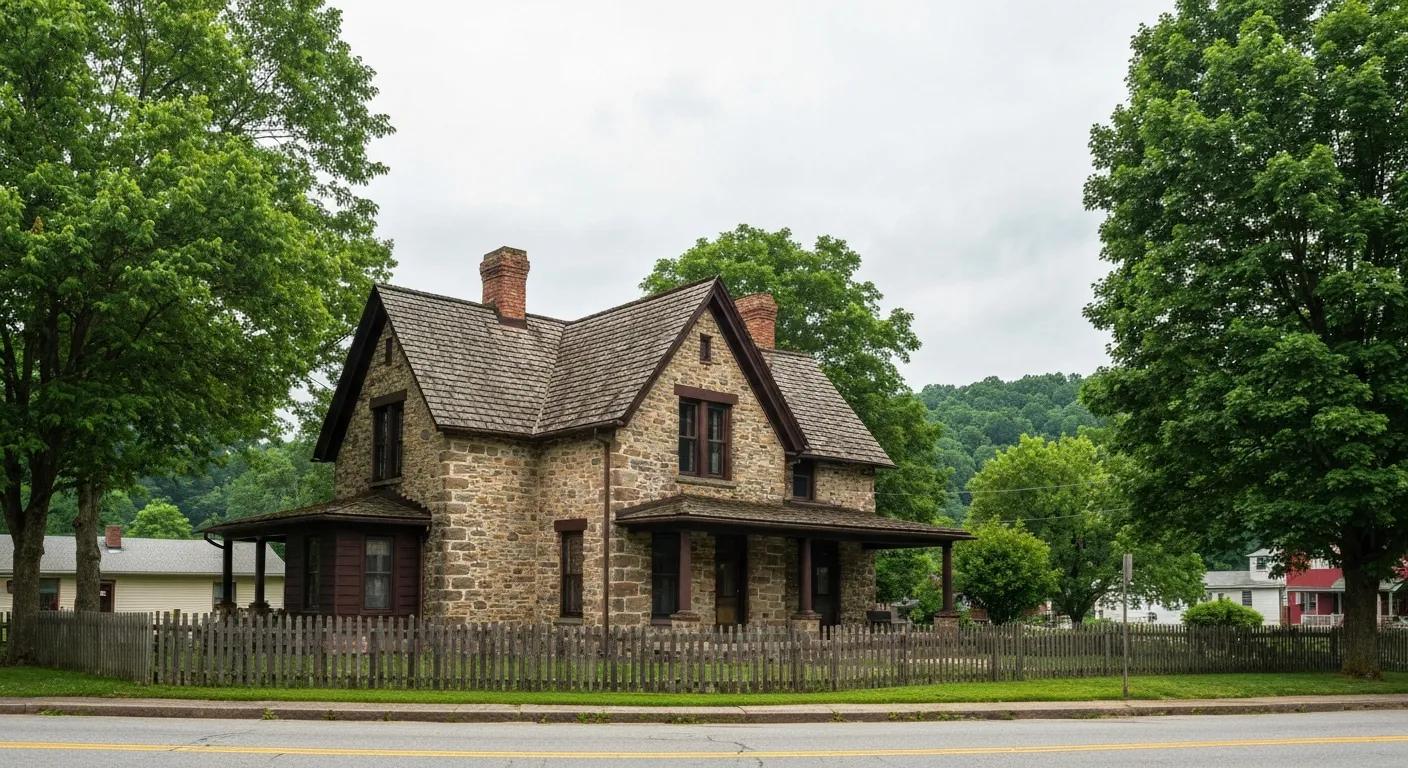
How a Title Search Safeguards Your Property Ownership in WV
Understanding Property Ownership: How Title Searches Protect Buyers and Sellers in West Virginia
A title search is a focused review of public records that traces ownership, liens, and other claims on real property. It confirms who holds legal title and exposes risks before closing by examining deeds, mortgages and satisfactions, tax and judgment records, probate filings, and recorded easements to rebuild the chain of title and spot encumbrances that could cloud ownership.
For buyers and sellers in West Virginia, a careful title search reduces financial exposure by uncovering hidden claims, clarifying how title is vested, and identifying the steps needed to secure marketable title.
This article explains what a title search includes, the benefits for West Virginia property owners, common local title defects and typical remedies, how title insurance works with a search, and practical next steps when issues arise. Along the way we show how an attorney-led review improves outcomes and how MOYE Law office helps local clients with in-house research and lawyer analysis. You’ll finish with a clear roadmap for protecting your real estate investment in West Virginia.
What Is a Title Search and Why Is It Important for Property Ownership?
A title search is an investigative review of recorded documents and public records designed to verify legal ownership, identify encumbrances, and assess whether property can be transferred cleanly. It serves as due diligence that prevents surprises at closing. Searchers trace the chain of title through recorded deeds and related instruments, then flag liens, judgments, tax claims, easements, and probate matters that might prevent a seller from conveying clear title. The key benefit is that buyers learn whether the seller holds marketable title or whether curative steps are necessary—protecting both purchase funds and future ownership rights. In West Virginia, local recording practices and heirs’ property issues can make searches more complex, so a methodical review is essential before moving forward.
Most title searches start with the county recorder’s or clerk’s records where the property sits, then follow prior instruments that establish the chain of title. Researchers confirm the legal description, vesting names, mortgage releases, tax history, and recorded judgments to produce a title search report or abstract. That report becomes the basis for an owner’s or lender’s title insurance policy and for any curative work, such as obtaining releases or filing quiet title actions. Older or rural properties sometimes have incomplete records, which may require checking probate indexes and tracing historic deeds to close gaps in the chain.
MOYE Law office provides local, attorney-led title search services that combine in-house record retrieval with lawyer review to identify and address defects specific to West Virginia transactions. Their approach pairs factual record-gathering with legal analysis to recommend curative steps, title insurance solutions, or negotiated fixes at closing. That attorney review can shorten closing delays and reduce the risk of post-closing disputes by applying local experience to practical solutions.
What Public Records Are Examined During a Title Search?
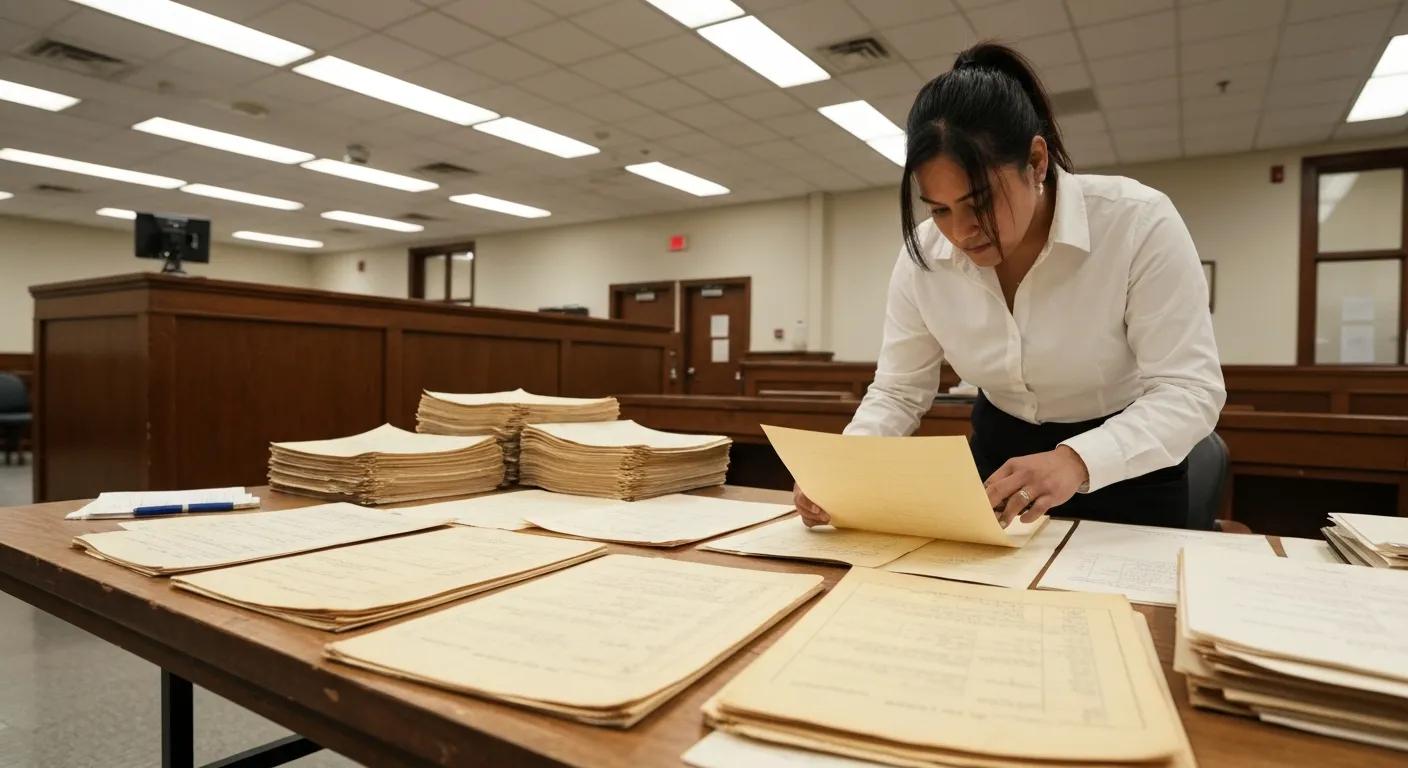
A title search pulls a defined set of public records to reconstruct ownership and reveal encumbrances that affect transferability and marketable title.
Typical records include deeds, mortgages and satisfactions, tax lien records, recorded judgments, easement and plat records, and probate filings that indicate heirs or transfers through estates. Researchers also check county assessor and treasurer files for unpaid taxes and municipal records for special assessments, since these can create liens on the property.
Deeds: Confirm chain of title and legal descriptions.
Mortgages & Satisfactions: Show current liens and releases of paid loans.
Tax & Assessment Records: Reveal delinquent taxes and special assessments.
Judgments & Probate Filings: Identify judgment liens and potential heirs' claims.
Together these records form the chain of title and surface items that may require curative action; after the review, the next step is deciding whether title insurance or legal remedies are needed to secure ownership.
How Does a Title Search Prevent Property Ownership Risks?
A title search reduces ownership risk by identifying liens, forged documents, undisclosed heirs, and other encumbrances before money changes hands. With those issues identified, buyers and their attorneys can negotiate cures or require protections at closing. When a search reveals a problem—such as a contractor’s mechanic’s lien or a recorded judgment—parties can arrange payoffs, escrowed settlement funds, or legal releases so the title transfers free of clouds.
Prevention works through transparency: informing buyers and lenders about existing burdens lets parties allocate risk by negotiation, title insurance, or litigation if necessary. For example, finding a recorded tax lien before closing lets the buyer insist the seller clear it or require escrow until it’s paid, avoiding surprise obligations later. If a deed chain shows a gap or unclear vesting, an attorney can pursue a quiet title action or prepare affidavits to reestablish marketable title. These pre-closing remedies lower the chance of future disputes and protect the buyer’s investment.
What Are the Key Benefits of a Title Search for West Virginia Buyers?
A title search gives concrete protections that preserve a property’s value and usability for West Virginia buyers: it confirms ownership, uncovers encumbrances, and helps allocate risk through insurance or legal remedies.
Key benefits are verification that the seller has the right to convey, discovery of hidden liens or encumbrances that could become financial obligations, and guidance on whether curative filings or quiet title suits are needed to obtain marketable title. In West Virginia, searches often reveal probate-related issues, heirs’ property concerns, or older recorded instruments that demand targeted solutions.
Ownership Confirmation: Verifies who holds legal title and highlights chain defects.
Lien Discovery: Identifies tax liens, mechanics' liens, and judgments that attach to the property.
Fraud & Forgery Detection: Flags forged deeds or improper transfers that threaten ownership.
Negotiation Leverage: Gives grounds to insist on seller cure, escrow, or title insurance before closing.
Those benefits translate into fewer post-closing surprises, clearer paths to financing, and stronger resale prospects. An attorney-led review magnifies these advantages by interpreting findings and recommending specific remediations under West Virginia law.
Before closing, a buyer should expect a title search report listing recorded items and recommendations for next steps—such as payoff demands or curative filings. MOYE Law office helps West Virginia buyers by pairing in-house title research with attorney analysis to turn search findings into actionable remedies, coordinating with title companies and preparing documents to clear defects. That attorney involvement helps protect your investment.
Introductory table: how benefits map to practical impact and remediation.
BenefitPractical ImpactTypical RemediationOwnership ConfirmationEnsures the property can be transferred cleanlyCorrective deeds, affidavits, updated instrumentsLien DiscoveryPrevents unexpected financial obligationsPayoff, escrow holdback, seller cure before closingFraud DetectionAvoids buying clouded or forged titleInvestigation, quiet title, insurance claimNegotiation LeverageLets parties allocate risk at closingEscrow agreements, seller warranties, insurance endorsements
This comparison shows how each benefit reduces transaction risk and points to common remediation steps buyers can expect.
How Does a Title Search Confirm Legal Ownership and Clear Title?
A chain-of-title review confirms legal ownership by tracing successive conveyances and recorded instruments to show an unbroken path from prior owners to the current seller. The review compares recorded deeds, matches legal descriptions, and verifies mortgage releases; any gap, inconsistent vesting, or missing release becomes a red flag. When problems appear—like a missing conveyance or an outdated vesting name—curative actions such as corrective deeds, affidavits of heirship, or a quiet title action may be required to reestablish marketable title.
Buyers gain confidence when the title search produces a clear abstract or title report and an attorney confirms that any remaining items are either cleared or protected by title insurance. That assurance also supports lender confidence and reduces the risk of later claims that could cloud ownership or hinder resale.
What Hidden Liens and Encumbrances Can a Title Search Reveal?
A title search can uncover various hidden claims that attach to property and survive transfer unless addressed, including federal or state tax liens, contractor/mechanic’s liens, judgment liens, and recorded easements. In West Virginia, mechanics’ liens follow specific statutory procedures and priority rules that affect attachment, while tax liens often take priority and may require immediate payment to clear title. Remedies depend on the encumbrance and can include payoffs, bonding, negotiated settlements, or litigation to remove the claim.
Finding these issues early lets buyers and attorneys negotiate repairs, require payoffs at closing, or place funds in escrow as protection. If left unaddressed, hidden liens can lead to foreclosure, enforcement actions, or reduced equity for the new owner—so early identification and resolution are essential to secure a stable ownership interest.
What Common Real Estate Title Defects Occur in West Virginia?
Common title defects in West Virginia include recorded tax liens and unpaid mortgages, mechanics' liens for unpaid contractors, claims from undisclosed heirs due to probate gaps, boundary disputes from ambiguous descriptions, and adverse possession claims by long-term occupants. These defects often result from failures to record releases, incomplete probate administration, drafting errors in deeds, or prolonged use by third parties without formal conveyance. Each defect carries different legal and financial consequences, from required payoff to defending or pursuing a quiet title action in court.
Tax Liens: Arise from unpaid taxes and often have priority.
Mechanics’ Liens: Created by unpaid contractors and can force sale.
Undisclosed Heirs / Probate Issues: Lead to competing claims to title.
Boundary & Easement Disputes: Affect usable land and access rights.
A systematic approach—starting with recorded lien searches, probate indexes, surveys, and local use history—helps buyers anticipate these issues. When defects appear, typical remedies include negotiating payoffs, securing releases, purchasing an owner’s title policy, initiating curative court proceedings, or arranging escrow to protect purchase funds.
Introductory defects table with causes and consequences.
Defect TypeHow It OccursPotential ConsequencesTax LienUnpaid federal or property taxes recorded against the parcelRisk of foreclosure; payoff may be required at closingMechanics' LienContractor records claim for unpaid work or materialsCloud on title; possible forced sale to satisfy lienHeirs' Claim / Probate GapProperty passed without proper record or missing heir documentationCompeting ownership claims; likely need for quiet titleAdverse PossessionContinuous, open possession by another over the statutory periodPotential loss of part or all property rights
Which Liens and Judgments Affect Property Titles in WV?
Liens and judgments attach to property when creditors record claims in the county land records. These include mortgage liens, tax liens, judgment liens from court judgments, and mechanics’ liens created under state law for unpaid labor or materials. Recording order often determines priority, although certain liens—like tax liens—may take precedence. Resolving recorded liens typically requires payoff demands, negotiated settlements, or bonding to permit a clean transfer at closing; unresolved judgment liens can later be enforced through levy or sale if the debt stays unpaid.
An attorney’s review focuses on priority analysis and a remediation strategy, advising whether to demand payoff before closing, require escrow, or pursue releases. Understanding lien priorities and the practical steps to remove or subordinate claims protects the buyer’s equity and prevents unexpected encumbrances from surviving the transfer.
How Do Easements, Boundary Disputes, and Adverse Possession Impact Ownership?
Easements grant others limited use of property and are often valid when recorded or when they arise by long-standing use. Boundary disputes stem from conflicting descriptions, surveys, or historical use, and adverse possession claims arise when a third party openly occupies land for the statutory period under West Virginia law. These issues affect usable acreage and the rights a buyer acquires, sometimes reducing value or limiting development potential. Practical steps include ordering a current land survey, reviewing recorded easements and plats, and researching long-term uses that could support an adverse possession claim.
When disputes or exposures exist, buyers and attorneys can negotiate easement relocations, obtain indemnity covenants, require seller curative action, or, if necessary, litigate to quiet title and resolve competing claims. Remedies vary in cost and time, so early detection through a title search and survey work is critical to informed purchase decisions.
How Does Title Insurance Complement a Title Search in Protecting Your Property?
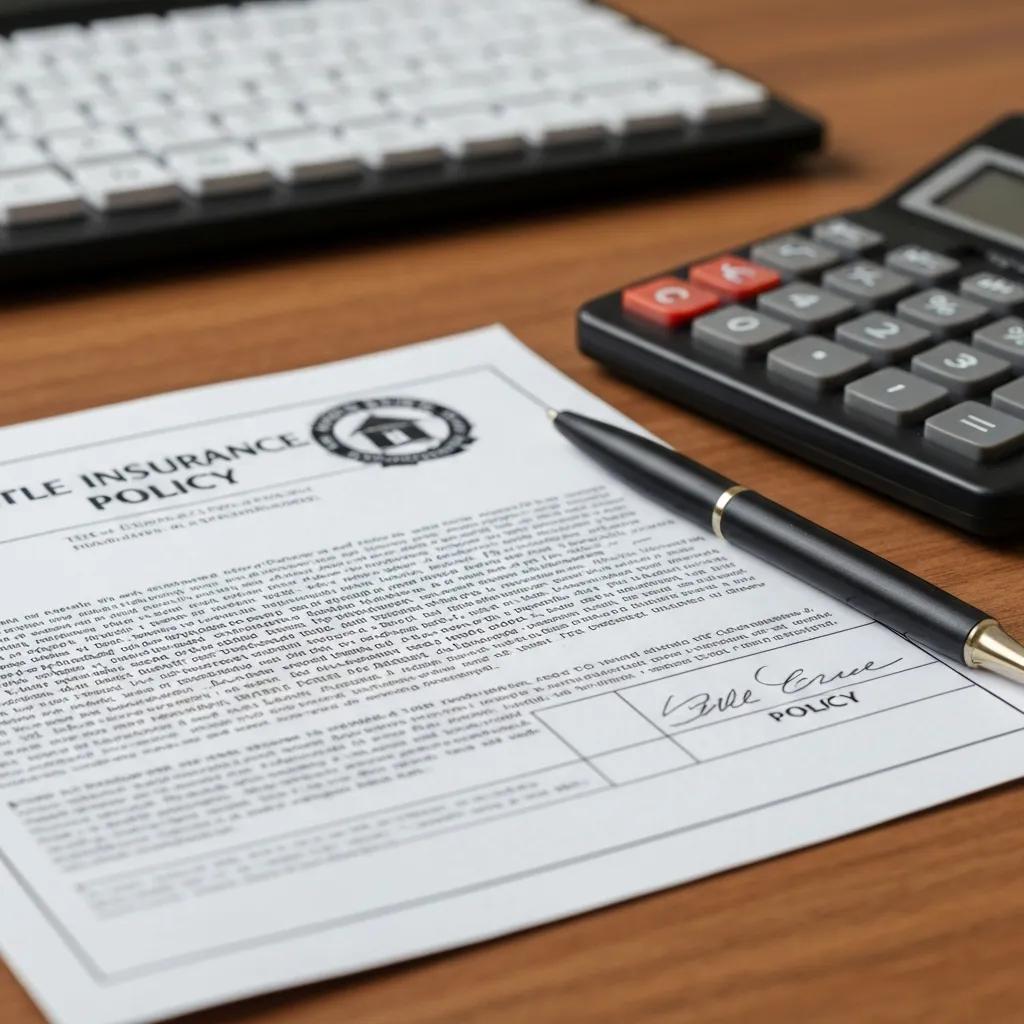
A title search discovers and discloses recorded matters that affect title, while title insurance provides financial protection against covered defects missed by the search or from matters not discoverable in public records. The two work together: a thorough search reduces the insurer’s risk and identifies items needing cure, while an insurance policy protects the insured against monetary loss or legal costs from covered defects after closing. Title insurance is paid once and secures coverage for as long as the owner holds the property (owner’s policy) or until the lender’s mortgage is paid (lender’s policy), bridging the investigative work of a search with long-term protection.
Before buying a policy, buyers should understand common exclusions and exceptions—such as unrecorded rights, environmental issues, and some boundary disputes. An attorney can review the title commitment and advise which exceptions should be removed or insured through endorsements or additional curative steps.
Policy TypeCoverage FocusTypical Protections/LimitationsOwner’s PolicyProtects the buyer’s ownership interestCovers financial loss from covered past defects; one-time premium; may exclude unrecorded mattersLender’s PolicyProtects the lender’s mortgage interestSecures lender’s lien priority; ends with mortgage payoff; does not protect the ownerEndorsementsTargeted additions to a policyCan cover specific exceptions (for example, survey-related issues) for an extra fee
This table shows how insurance fills gaps left by searches and why buyers often buy an owner’s policy to protect long-term equity.
What Is the Difference Between Owner’s and Lender’s Title Insurance?
Owner’s title insurance protects the buyer’s equity and ownership rights against covered defects that existed before closing but were missed by the search. The owner’s policy remains in effect while the owner holds the property. Lender’s title insurance protects the lender’s security interest and generally lasts until the mortgage is paid in full; it covers the outstanding loan amount, not the owner’s equity. The practical difference: an owner’s policy defends and indemnifies the buyer, while a lender’s policy only defends the lender—so a buyer can still face loss even if a lender has coverage.
Because lender coverage doesn’t replace owner protection, West Virginia buyers are usually advised to consider an owner’s policy to safeguard their investment and ease future resale. The owner’s policy is typically a one-time cost paid at closing; lenders will also require their own policy when financing the purchase.
Why Is Owner’s Title Insurance Recommended for West Virginia Buyers?
Owner’s title insurance is recommended because it provides long-term protection against defects that a search may not uncover, such as hidden heirs, forged documents, or recording errors that surface after closing and threaten ownership or marketability. Given West Virginia’s documented issues with heirs’ property and older rural records, an owner’s policy helps shield buyers from costly litigation and loss of equity. Many policies also cover legal defense costs for covered claims, which can be a significant financial advantage compared with pursuing curative litigation alone.
Paying for an owner’s policy is a one-time expense that converts uncertain historical title risk into managed insurance protection, increasing security for homeowners and simplifying future transfers. Paired with attorney review and a current survey, an owner’s policy completes a layered strategy to protect title and provide peace of mind.
How Does MOYE Law Office Protect Your Property Investment Through Title Searches?
MOYE Law office protects West Virginia property investments by combining in-house title research with attorney-led legal analysis to identify, prioritize, and cure title defects before closing. The firm’s process begins with targeted retrieval of county records to assemble an abstract or report, followed by lawyer review to interpret findings, assess remediations, and coordinate with title companies and closing agents. That attorney involvement turns search results into practical next steps—negotiating payoffs, drafting corrective deeds, preparing affidavits of heirship, or recommending title insurance endorsements—to preserve clients’ ownership rights.
Clients benefit from the firm’s West Virginia focus and practical problem-solving, which reduces closing delays and prevents post-closing surprises. MOYE Law office emphasizes clear communication and client-centered care, walking buyers through prioritized options that balance speed, cost, and legal protection. When litigation or a quiet title action is needed, the firm provides litigation-ready guidance and coordination to pursue curative court remedies when negotiations fail.
What Title Search and Review Services Does MOYE Law Office Provide?
MOYE Law office conducts in-house title research to retrieve deeds, liens, judgments, and probate records for a specific parcel, then applies attorney review to determine legal implications and curative paths. Services include chain-of-title reconstruction, identification of encumbrances, drafting or reviewing corrective deeds, coordinating payoffs or escrows with closing agents, and advising on owner’s title insurance. The firm also helps compile documentation to resolve heirs’ property issues and can recommend or pursue quiet title actions when necessary to clear competing claims.
This workflow gives buyers both the factual record and the legal interpretation they need to make informed decisions at closing, minimizing post-closing disputes and protecting long-term ownership interests in West Virginia.
How Does Attorney Lisa M. Moye’s Expertise Benefit Your Real Estate Transaction?
Attorney Lisa M. Moye’s practice focuses on real estate law and wills & estates, bringing detailed knowledge of West Virginia recording practices, probate-related title issues, and practical curative strategies. Her experience lets the firm evaluate vesting language, spot heirship indicators, and apply statutory lien priority rules to produce tailored recommendations under local law. Clients receive proactive guidance on when to seek negotiated cures, when to obtain title insurance endorsements, and when court remedies are warranted—saving time and reducing unexpected costs tied to unresolved title defects.
This attorney-led approach adds legal strategy to factual findings, helping buyers resolve problems efficiently and preserve equity. MOYE Law office’s local experience and coordination with title companies and closing professionals make transactions smoother and more secure for West Virginia clients.
Frequently Asked Questions
What is the role of an attorney in a title search process?
An attorney adds legal expertise to the title search by interpreting public-record findings, identifying legal risks, and recommending curative actions. Attorneys can negotiate with sellers or other parties, draft corrective documents, and advise on whether litigation is needed. That legal oversight helps ensure defects are addressed before closing and reduces the chance of future disputes.
How can buyers prepare for potential title issues before closing?
Buyers should start due diligence early: review the title search report closely, discuss any recorded liens or encumbrances with their attorney, and gather relevant documents such as prior deeds or seller communications. Keep open lines of communication with your attorney and real estate agent so issues can be handled promptly and efficiently.
What steps should be taken if a title defect is discovered?
If a defect appears, notify your agent and attorney right away. Request that the seller clear the problem—by payoff, release, or corrective deed—or require escrow or seller warranties at closing. Consider purchasing owner’s title insurance and, if necessary, engage an attorney to pursue a quiet title action or other court remedies to clear competing claims.
Are there specific title issues unique to West Virginia?
Yes. West Virginia frequently presents heirs’ property issues and older recorded instruments that complicate chains of title—especially in rural areas with incomplete records. These situations can produce undisclosed heirs or gaps in probate documentation. Working with an attorney experienced in local practice helps navigate these challenges.
What is the significance of title insurance in property transactions?
Title insurance protects against covered defects that a search may miss—such as undisclosed heirs, forgery, or recording errors—by covering financial loss and often legal defense costs. It acts as a safety net for buyers, preserving ownership rights and the property’s marketability.
How can buyers ensure a smooth closing process?
To keep closing on track, stay organized and communicate proactively with your attorney and agent. Address title issues as soon as they arise, secure necessary documents, and review the closing statement ahead of time. Being prepared and informed helps minimize delays and complications.
How Long Does a Title Search Take and What Does It Cost in West Virginia?
A routine title search usually takes one to three weeks, depending on county backlogs, title complexity, and whether probate or out-of-county records are needed; older properties and probate-linked transactions can extend that timeline. Costs vary by provider and scope and typically include search fees plus title insurance premiums at closing; attorney review and curative work add fees based on services rendered. Missing records, unresolved liens, heirs’ property issues, and the need for a current survey increase time and cost.
Buyers should plan for possible delays on properties with complex histories and discuss estimated timelines with their attorney or title researcher early in the transaction. An attorney-led search may cost more upfront but can avoid larger expenses later by resolving defects before closing.
What Should Buyers Do If Title Defects Are Found During a Search?
When defects appear during a title search, follow a prioritized response: notify your agent and attorney immediately, ask the seller to cure or provide payoff documentation, consider escrow or seller warranties at closing, and evaluate owner’s title insurance and curative litigation if needed. Timely attorney involvement helps determine whether a defect can be cleared with documentation, negotiated settlement, or requires a quiet title suit. If a defect threatens the deal, buyers can pause closing until satisfactory protections are in place or pursue contract remedies under the purchase agreement.
Notify counsel and agent: Share the title report and supporting documents right away.
Request seller action: Insist on payoff, release, or a corrective deed as appropriate.
Secure protections: Obtain an owner’s title policy, escrow funds, or seller warranties.
Pursue curative actions: If necessary, engage an attorney to file a quiet title or other court remedies.
MOYE Law office can assist at every step—reviewing title reports, preparing cure documents, negotiating with opposing parties, and initiating litigation when needed to clear title and protect client interests.

Moye Law Offices
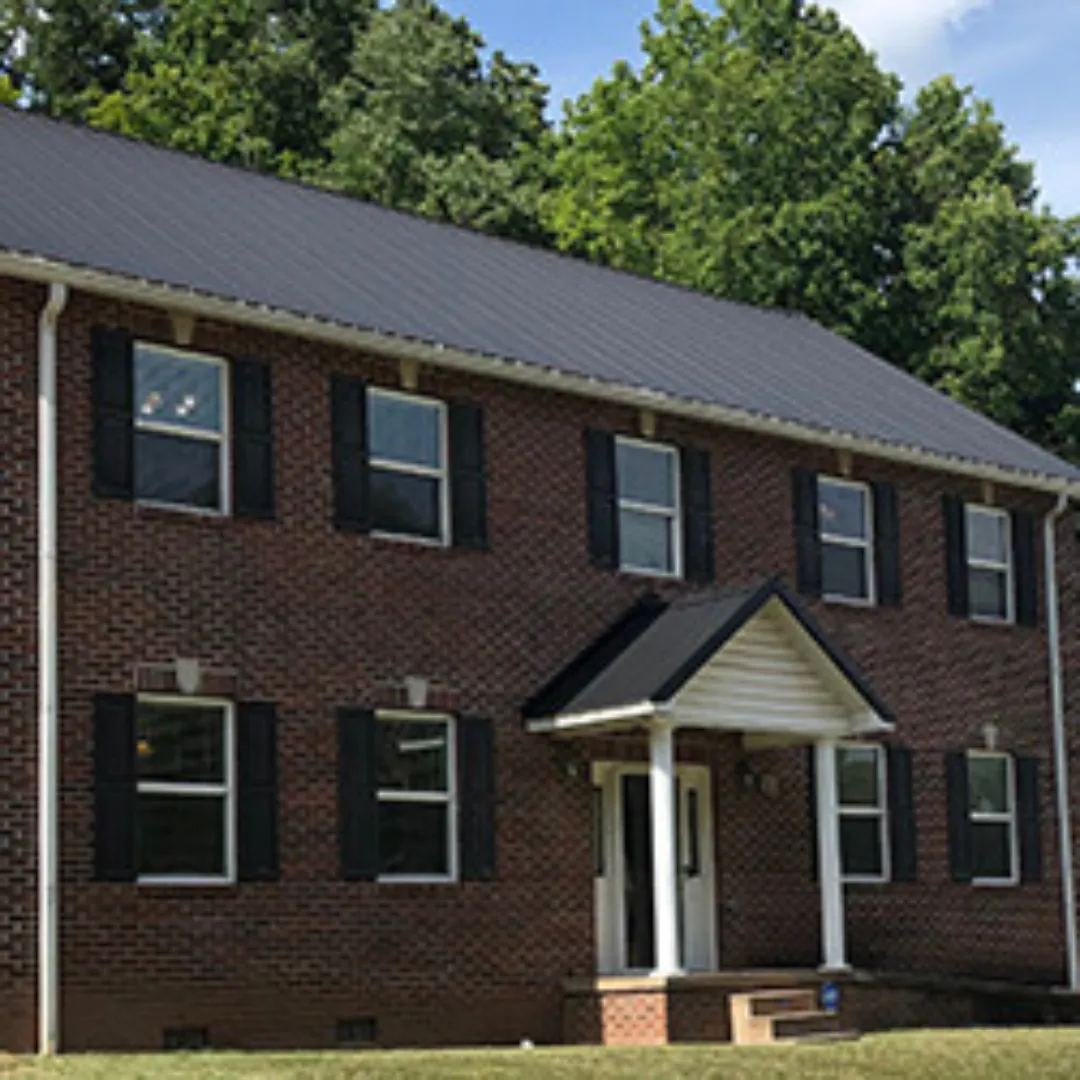
We have two offices in West Virginia: Winfield and Cross Lanes.
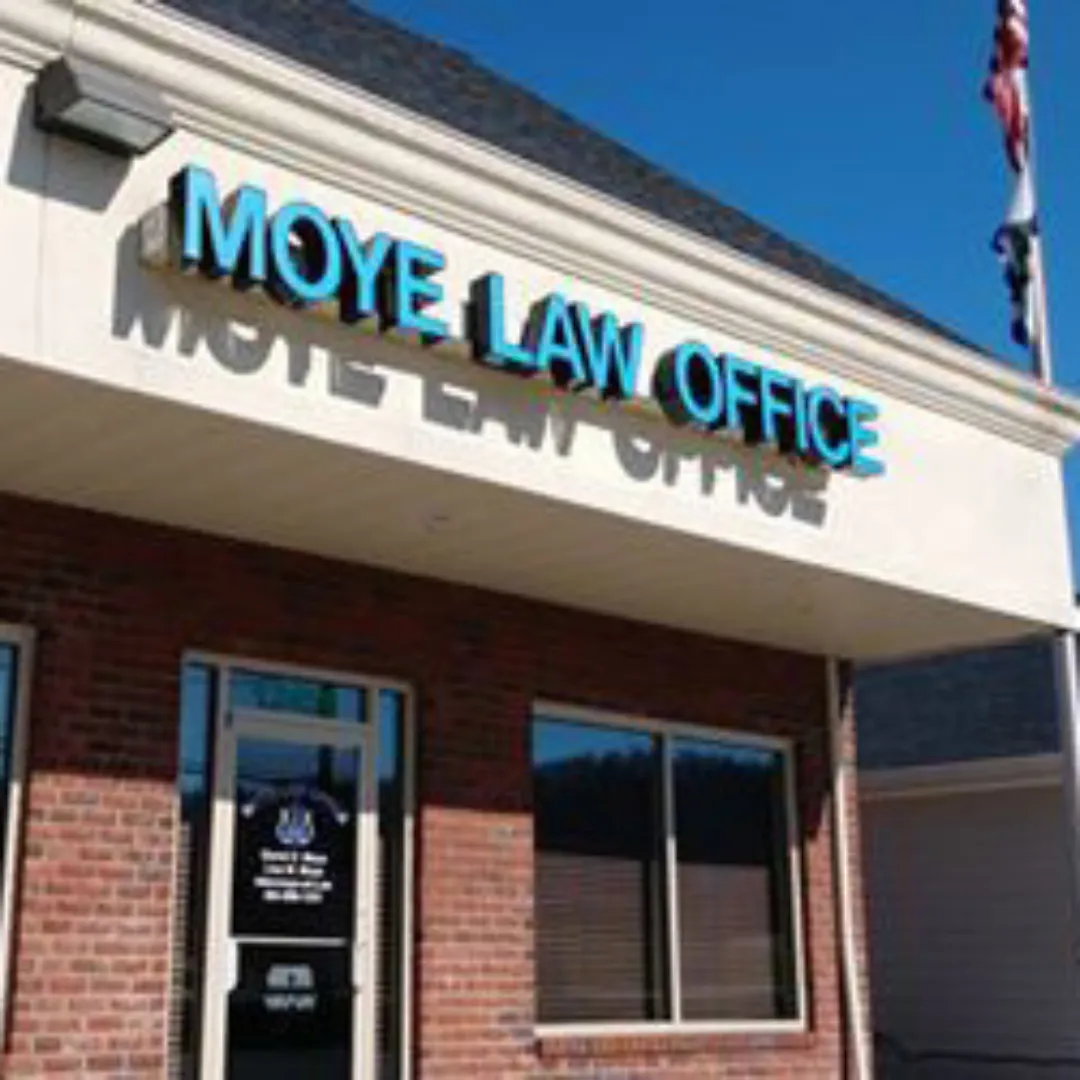
CROSS LANES
How a Title Search Safeguards Your Property Ownership in WV
Understanding Property Ownership: How Title Searches Protect Buyers and Sellers in West Virginia
A title search is a focused review of public records that traces ownership, liens, and other claims on real property. It confirms who holds legal title and exposes risks before closing by examining deeds, mortgages and satisfactions, tax and judgment records, probate filings, and recorded easements to rebuild the chain of title and spot encumbrances that could cloud ownership.
For buyers and sellers in West Virginia, a careful title search reduces financial exposure by uncovering hidden claims, clarifying how title is vested, and identifying the steps needed to secure marketable title.
This article explains what a title search includes, the benefits for West Virginia property owners, common local title defects and typical remedies, how title insurance works with a search, and practical next steps when issues arise. Along the way we show how an attorney-led review improves outcomes and how MOYE Law office helps local clients with in-house research and lawyer analysis. You’ll finish with a clear roadmap for protecting your real estate investment in West Virginia.
What Is a Title Search and Why Is It Important for Property Ownership?
A title search is an investigative review of recorded documents and public records designed to verify legal ownership, identify encumbrances, and assess whether property can be transferred cleanly. It serves as due diligence that prevents surprises at closing. Searchers trace the chain of title through recorded deeds and related instruments, then flag liens, judgments, tax claims, easements, and probate matters that might prevent a seller from conveying clear title. The key benefit is that buyers learn whether the seller holds marketable title or whether curative steps are necessary—protecting both purchase funds and future ownership rights. In West Virginia, local recording practices and heirs’ property issues can make searches more complex, so a methodical review is essential before moving forward.
Most title searches start with the county recorder’s or clerk’s records where the property sits, then follow prior instruments that establish the chain of title. Researchers confirm the legal description, vesting names, mortgage releases, tax history, and recorded judgments to produce a title search report or abstract. That report becomes the basis for an owner’s or lender’s title insurance policy and for any curative work, such as obtaining releases or filing quiet title actions. Older or rural properties sometimes have incomplete records, which may require checking probate indexes and tracing historic deeds to close gaps in the chain.
MOYE Law office provides local, attorney-led title search services that combine in-house record retrieval with lawyer review to identify and address defects specific to West Virginia transactions. Their approach pairs factual record-gathering with legal analysis to recommend curative steps, title insurance solutions, or negotiated fixes at closing. That attorney review can shorten closing delays and reduce the risk of post-closing disputes by applying local experience to practical solutions.
What Public Records Are Examined During a Title Search?
A title search pulls a defined set of public records to reconstruct ownership and reveal encumbrances that affect transferability and marketable title.
Typical records include deeds, mortgages and satisfactions, tax lien records, recorded judgments, easement and plat records, and probate filings that indicate heirs or transfers through estates. Researchers also check county assessor and treasurer files for unpaid taxes and municipal records for special assessments, since these can create liens on the property.
Deeds: Confirm chain of title and legal descriptions.
Mortgages & Satisfactions: Show current liens and releases of paid loans.
Tax & Assessment Records: Reveal delinquent taxes and special assessments.
Judgments & Probate Filings: Identify judgment liens and potential heirs' claims.
Together these records form the chain of title and surface items that may require curative action; after the review, the next step is deciding whether title insurance or legal remedies are needed to secure ownership.
How Does a Title Search Prevent Property Ownership Risks?
A title search reduces ownership risk by identifying liens, forged documents, undisclosed heirs, and other encumbrances before money changes hands. With those issues identified, buyers and their attorneys can negotiate cures or require protections at closing. When a search reveals a problem—such as a contractor’s mechanic’s lien or a recorded judgment—parties can arrange payoffs, escrowed settlement funds, or legal releases so the title transfers free of clouds.
Prevention works through transparency: informing buyers and lenders about existing burdens lets parties allocate risk by negotiation, title insurance, or litigation if necessary. For example, finding a recorded tax lien before closing lets the buyer insist the seller clear it or require escrow until it’s paid, avoiding surprise obligations later. If a deed chain shows a gap or unclear vesting, an attorney can pursue a quiet title action or prepare affidavits to reestablish marketable title. These pre-closing remedies lower the chance of future disputes and protect the buyer’s investment.
What Are the Key Benefits of a Title Search for West Virginia Buyers?
A title search gives concrete protections that preserve a property’s value and usability for West Virginia buyers: it confirms ownership, uncovers encumbrances, and helps allocate risk through insurance or legal remedies.
Key benefits are verification that the seller has the right to convey, discovery of hidden liens or encumbrances that could become financial obligations, and guidance on whether curative filings or quiet title suits are needed to obtain marketable title. In West Virginia, searches often reveal probate-related issues, heirs’ property concerns, or older recorded instruments that demand targeted solutions.
Ownership Confirmation: Verifies who holds legal title and highlights chain defects.
Lien Discovery: Identifies tax liens, mechanics' liens, and judgments that attach to the property.
Fraud & Forgery Detection: Flags forged deeds or improper transfers that threaten ownership.
Negotiation Leverage: Gives grounds to insist on seller cure, escrow, or title insurance before closing.
Those benefits translate into fewer post-closing surprises, clearer paths to financing, and stronger resale prospects. An attorney-led review magnifies these advantages by interpreting findings and recommending specific remediations under West Virginia law.
Before closing, a buyer should expect a title search report listing recorded items and recommendations for next steps—such as payoff demands or curative filings. MOYE Law office helps West Virginia buyers by pairing in-house title research with attorney analysis to turn search findings into actionable remedies, coordinating with title companies and preparing documents to clear defects. That attorney involvement helps protect your investment.
Introductory table: how benefits map to practical impact and remediation.
BenefitPractical ImpactTypical RemediationOwnership ConfirmationEnsures the property can be transferred cleanlyCorrective deeds, affidavits, updated instrumentsLien DiscoveryPrevents unexpected financial obligationsPayoff, escrow holdback, seller cure before closingFraud DetectionAvoids buying clouded or forged titleInvestigation, quiet title, insurance claimNegotiation LeverageLets parties allocate risk at closingEscrow agreements, seller warranties, insurance endorsements
This comparison shows how each benefit reduces transaction risk and points to common remediation steps buyers can expect.
How Does a Title Search Confirm Legal Ownership and Clear Title?
A chain-of-title review confirms legal ownership by tracing successive conveyances and recorded instruments to show an unbroken path from prior owners to the current seller. The review compares recorded deeds, matches legal descriptions, and verifies mortgage releases; any gap, inconsistent vesting, or missing release becomes a red flag. When problems appear—like a missing conveyance or an outdated vesting name—curative actions such as corrective deeds, affidavits of heirship, or a quiet title action may be required to reestablish marketable title.
Buyers gain confidence when the title search produces a clear abstract or title report and an attorney confirms that any remaining items are either cleared or protected by title insurance. That assurance also supports lender confidence and reduces the risk of later claims that could cloud ownership or hinder resale.
What Hidden Liens and Encumbrances Can a Title Search Reveal?
A title search can uncover various hidden claims that attach to property and survive transfer unless addressed, including federal or state tax liens, contractor/mechanic’s liens, judgment liens, and recorded easements. In West Virginia, mechanics’ liens follow specific statutory procedures and priority rules that affect attachment, while tax liens often take priority and may require immediate payment to clear title. Remedies depend on the encumbrance and can include payoffs, bonding, negotiated settlements, or litigation to remove the claim.
Finding these issues early lets buyers and attorneys negotiate repairs, require payoffs at closing, or place funds in escrow as protection. If left unaddressed, hidden liens can lead to foreclosure, enforcement actions, or reduced equity for the new owner—so early identification and resolution are essential to secure a stable ownership interest.
What Common Real Estate Title Defects Occur in West Virginia?
Common title defects in West Virginia include recorded tax liens and unpaid mortgages, mechanics' liens for unpaid contractors, claims from undisclosed heirs due to probate gaps, boundary disputes from ambiguous descriptions, and adverse possession claims by long-term occupants. These defects often result from failures to record releases, incomplete probate administration, drafting errors in deeds, or prolonged use by third parties without formal conveyance. Each defect carries different legal and financial consequences, from required payoff to defending or pursuing a quiet title action in court.
Tax Liens: Arise from unpaid taxes and often have priority.
Mechanics’ Liens: Created by unpaid contractors and can force sale.
Undisclosed Heirs / Probate Issues: Lead to competing claims to title.
Boundary & Easement Disputes: Affect usable land and access rights.
A systematic approach—starting with recorded lien searches, probate indexes, surveys, and local use history—helps buyers anticipate these issues. When defects appear, typical remedies include negotiating payoffs, securing releases, purchasing an owner’s title policy, initiating curative court proceedings, or arranging escrow to protect purchase funds.
Introductory defects table with causes and consequences.
Defect TypeHow It OccursPotential ConsequencesTax LienUnpaid federal or property taxes recorded against the parcelRisk of foreclosure; payoff may be required at closingMechanics' LienContractor records claim for unpaid work or materialsCloud on title; possible forced sale to satisfy lienHeirs' Claim / Probate GapProperty passed without proper record or missing heir documentationCompeting ownership claims; likely need for quiet titleAdverse PossessionContinuous, open possession by another over the statutory periodPotential loss of part or all property rights
Which Liens and Judgments Affect Property Titles in WV?
Liens and judgments attach to property when creditors record claims in the county land records. These include mortgage liens, tax liens, judgment liens from court judgments, and mechanics’ liens created under state law for unpaid labor or materials. Recording order often determines priority, although certain liens—like tax liens—may take precedence. Resolving recorded liens typically requires payoff demands, negotiated settlements, or bonding to permit a clean transfer at closing; unresolved judgment liens can later be enforced through levy or sale if the debt stays unpaid.
An attorney’s review focuses on priority analysis and a remediation strategy, advising whether to demand payoff before closing, require escrow, or pursue releases. Understanding lien priorities and the practical steps to remove or subordinate claims protects the buyer’s equity and prevents unexpected encumbrances from surviving the transfer.
How Do Easements, Boundary Disputes, and Adverse Possession Impact Ownership?
Easements grant others limited use of property and are often valid when recorded or when they arise by long-standing use. Boundary disputes stem from conflicting descriptions, surveys, or historical use, and adverse possession claims arise when a third party openly occupies land for the statutory period under West Virginia law. These issues affect usable acreage and the rights a buyer acquires, sometimes reducing value or limiting development potential. Practical steps include ordering a current land survey, reviewing recorded easements and plats, and researching long-term uses that could support an adverse possession claim.
When disputes or exposures exist, buyers and attorneys can negotiate easement relocations, obtain indemnity covenants, require seller curative action, or, if necessary, litigate to quiet title and resolve competing claims. Remedies vary in cost and time, so early detection through a title search and survey work is critical to informed purchase decisions.
How Does Title Insurance Complement a Title Search in Protecting Your Property?
A title search discovers and discloses recorded matters that affect title, while title insurance provides financial protection against covered defects missed by the search or from matters not discoverable in public records. The two work together: a thorough search reduces the insurer’s risk and identifies items needing cure, while an insurance policy protects the insured against monetary loss or legal costs from covered defects after closing. Title insurance is paid once and secures coverage for as long as the owner holds the property (owner’s policy) or until the lender’s mortgage is paid (lender’s policy), bridging the investigative work of a search with long-term protection.
Before buying a policy, buyers should understand common exclusions and exceptions—such as unrecorded rights, environmental issues, and some boundary disputes. An attorney can review the title commitment and advise which exceptions should be removed or insured through endorsements or additional curative steps.
Policy TypeCoverage FocusTypical Protections/LimitationsOwner’s PolicyProtects the buyer’s ownership interestCovers financial loss from covered past defects; one-time premium; may exclude unrecorded mattersLender’s PolicyProtects the lender’s mortgage interestSecures lender’s lien priority; ends with mortgage payoff; does not protect the ownerEndorsementsTargeted additions to a policyCan cover specific exceptions (for example, survey-related issues) for an extra fee
This table shows how insurance fills gaps left by searches and why buyers often buy an owner’s policy to protect long-term equity.
What Is the Difference Between Owner’s and Lender’s Title Insurance?
Owner’s title insurance protects the buyer’s equity and ownership rights against covered defects that existed before closing but were missed by the search. The owner’s policy remains in effect while the owner holds the property. Lender’s title insurance protects the lender’s security interest and generally lasts until the mortgage is paid in full; it covers the outstanding loan amount, not the owner’s equity. The practical difference: an owner’s policy defends and indemnifies the buyer, while a lender’s policy only defends the lender—so a buyer can still face loss even if a lender has coverage.
Because lender coverage doesn’t replace owner protection, West Virginia buyers are usually advised to consider an owner’s policy to safeguard their investment and ease future resale. The owner’s policy is typically a one-time cost paid at closing; lenders will also require their own policy when financing the purchase.
Why Is Owner’s Title Insurance Recommended for West Virginia Buyers?
Owner’s title insurance is recommended because it provides long-term protection against defects that a search may not uncover, such as hidden heirs, forged documents, or recording errors that surface after closing and threaten ownership or marketability. Given West Virginia’s documented issues with heirs’ property and older rural records, an owner’s policy helps shield buyers from costly litigation and loss of equity. Many policies also cover legal defense costs for covered claims, which can be a significant financial advantage compared with pursuing curative litigation alone.
Paying for an owner’s policy is a one-time expense that converts uncertain historical title risk into managed insurance protection, increasing security for homeowners and simplifying future transfers. Paired with attorney review and a current survey, an owner’s policy completes a layered strategy to protect title and provide peace of mind.
How Does MOYE Law Office Protect Your Property Investment Through Title Searches?
MOYE Law office protects West Virginia property investments by combining in-house title research with attorney-led legal analysis to identify, prioritize, and cure title defects before closing. The firm’s process begins with targeted retrieval of county records to assemble an abstract or report, followed by lawyer review to interpret findings, assess remediations, and coordinate with title companies and closing agents. That attorney involvement turns search results into practical next steps—negotiating payoffs, drafting corrective deeds, preparing affidavits of heirship, or recommending title insurance endorsements—to preserve clients’ ownership rights.
Clients benefit from the firm’s West Virginia focus and practical problem-solving, which reduces closing delays and prevents post-closing surprises. MOYE Law office emphasizes clear communication and client-centered care, walking buyers through prioritized options that balance speed, cost, and legal protection. When litigation or a quiet title action is needed, the firm provides litigation-ready guidance and coordination to pursue curative court remedies when negotiations fail.
What Title Search and Review Services Does MOYE Law Office Provide?
MOYE Law office conducts in-house title research to retrieve deeds, liens, judgments, and probate records for a specific parcel, then applies attorney review to determine legal implications and curative paths. Services include chain-of-title reconstruction, identification of encumbrances, drafting or reviewing corrective deeds, coordinating payoffs or escrows with closing agents, and advising on owner’s title insurance. The firm also helps compile documentation to resolve heirs’ property issues and can recommend or pursue quiet title actions when necessary to clear competing claims.
This workflow gives buyers both the factual record and the legal interpretation they need to make informed decisions at closing, minimizing post-closing disputes and protecting long-term ownership interests in West Virginia.
How Does Attorney Lisa M. Moye’s Expertise Benefit Your Real Estate Transaction?
Attorney Lisa M. Moye’s practice focuses on real estate law and wills & estates, bringing detailed knowledge of West Virginia recording practices, probate-related title issues, and practical curative strategies. Her experience lets the firm evaluate vesting language, spot heirship indicators, and apply statutory lien priority rules to produce tailored recommendations under local law. Clients receive proactive guidance on when to seek negotiated cures, when to obtain title insurance endorsements, and when court remedies are warranted—saving time and reducing unexpected costs tied to unresolved title defects.
This attorney-led approach adds legal strategy to factual findings, helping buyers resolve problems efficiently and preserve equity. MOYE Law office’s local experience and coordination with title companies and closing professionals make transactions smoother and more secure for West Virginia clients.
Frequently Asked Questions
What is the role of an attorney in a title search process?
An attorney adds legal expertise to the title search by interpreting public-record findings, identifying legal risks, and recommending curative actions. Attorneys can negotiate with sellers or other parties, draft corrective documents, and advise on whether litigation is needed. That legal oversight helps ensure defects are addressed before closing and reduces the chance of future disputes.
How can buyers prepare for potential title issues before closing?
Buyers should start due diligence early: review the title search report closely, discuss any recorded liens or encumbrances with their attorney, and gather relevant documents such as prior deeds or seller communications. Keep open lines of communication with your attorney and real estate agent so issues can be handled promptly and efficiently.
What steps should be taken if a title defect is discovered?
If a defect appears, notify your agent and attorney right away. Request that the seller clear the problem—by payoff, release, or corrective deed—or require escrow or seller warranties at closing. Consider purchasing owner’s title insurance and, if necessary, engage an attorney to pursue a quiet title action or other court remedies to clear competing claims.
Are there specific title issues unique to West Virginia?
Yes. West Virginia frequently presents heirs’ property issues and older recorded instruments that complicate chains of title—especially in rural areas with incomplete records. These situations can produce undisclosed heirs or gaps in probate documentation. Working with an attorney experienced in local practice helps navigate these challenges.
What is the significance of title insurance in property transactions?
Title insurance protects against covered defects that a search may miss—such as undisclosed heirs, forgery, or recording errors—by covering financial loss and often legal defense costs. It acts as a safety net for buyers, preserving ownership rights and the property’s marketability.
How can buyers ensure a smooth closing process?
To keep closing on track, stay organized and communicate proactively with your attorney and agent. Address title issues as soon as they arise, secure necessary documents, and review the closing statement ahead of time. Being prepared and informed helps minimize delays and complications.
How Long Does a Title Search Take and What Does It Cost in West Virginia?
A routine title search usually takes one to three weeks, depending on county backlogs, title complexity, and whether probate or out-of-county records are needed; older properties and probate-linked transactions can extend that timeline. Costs vary by provider and scope and typically include search fees plus title insurance premiums at closing; attorney review and curative work add fees based on services rendered. Missing records, unresolved liens, heirs’ property issues, and the need for a current survey increase time and cost.
Buyers should plan for possible delays on properties with complex histories and discuss estimated timelines with their attorney or title researcher early in the transaction. An attorney-led search may cost more upfront but can avoid larger expenses later by resolving defects before closing.
What Should Buyers Do If Title Defects Are Found During a Search?
When defects appear during a title search, follow a prioritized response: notify your agent and attorney immediately, ask the seller to cure or provide payoff documentation, consider escrow or seller warranties at closing, and evaluate owner’s title insurance and curative litigation if needed. Timely attorney involvement helps determine whether a defect can be cleared with documentation, negotiated settlement, or requires a quiet title suit. If a defect threatens the deal, buyers can pause closing until satisfactory protections are in place or pursue contract remedies under the purchase agreement.
Notify counsel and agent: Share the title report and supporting documents right away.
Request seller action: Insist on payoff, release, or a corrective deed as appropriate.
Secure protections: Obtain an owner’s title policy, escrow funds, or seller warranties.
Pursue curative actions: If necessary, engage an attorney to file a quiet title or other court remedies.
MOYE Law office can assist at every step—reviewing title reports, preparing cure documents, negotiating with opposing parties, and initiating litigation when needed to clear title and protect client interests.
Moye Law Offices
We have two offices in West Virginia:
Winfield and Cross Lanes.
CROSS LANES
We Are Here To Help
Do you have a query or problem that you would like to talk about, or are you curious to hear more about how we can help you?
Get in touch today! We look forward to hearing from you.
Assistance Hours
Monday – Friday: 8:30am – 4:30pm
Saturday: By appointment only
Sunday: CLOSED
Subscribe to our Newsletter
We Are Here To Help
Do you have a query or problem that you would like to talk about, or are you curious to hear more about how we can help you?
Get in touch today! We look forward to hearing from you.
Assistance Hours
Monday – Friday 8:30am – 4:30pm
Saturday: By appointment only
Sunday CLOSED