
Blog

Blog

Heir Property in West Virginia: How Ownership Works When Someone Passes Away
Navigating Heir Property in WV
Heir property is real estate that passes to family members when an owner dies without a valid will. In West Virginia, heirs need to understand intestate succession, probate, and common title risks. This article outlines key concepts and practical steps to protect inherited property and clear title.
What Is Heir Property and How Is Ownership Determined in West Virginia?
Heir property results when land passes informally under intestate succession, creating fractional ownership among multiple heirs. West Virginia probate law prioritizes heirs—surviving spouse, children, parents, then more distant relatives—and prescribes share allocation. Identifying lawful heirs and each person’s fractional interest is essential to resolving title issues and avoiding disputes.
Moye Law Firm is a West Virginia practice specializing in real estate and estate matters and can advise families on procedural and title issues related to heir property.
Defining Heir Property and Its Legal Implications
Heir property often produces a clouded or non‑marketable title that can impede sale, refinancing, or control. Fragmented fractional ownership raises the likelihood of contested claims. Heirs should consider legal measures to secure a recorded, marketable title when feasible.
Understanding legal definitions helps clarify the risks informal inheritance and fragmented ownership pose to title stability.
Defining Heir Property: Intestate Succession & Clouded Titles
The term heirs’ property refers to land that has been passed down informally for multiple generations through intestate succession. Each generation of intestate succession can drastically increase the number of heirs who own the property as tenants-in-common to the point that many may not even know their heirship status. This clouds the title to the property and makes ownership more fractionalized. Because heirs’ property exists outside of the official estate and title systems, owners are vulnerable both at the community and individual levels for three main reasons.
Heirs' Property in Virginia: Filling in the Gaps, 2023
Recording clear title reduces future claims and improves marketability. When the title is clouded, legal assistance can pursue probate or other remedies to establish ownership.
Who Qualifies as an Heir Under West Virginia Probate Law?
If someone dies intestate, West Virginia statutes identify heirs in a set order. Priority typically goes to a surviving spouse and children, then parents, and more distant relatives if no closer heirs exist. Determining heirship may require genealogical research and application of the probate code.
Accurate heir identification prevents competing claims and ensures distribution under state law.
What Is the Probate Process in West Virginia for Inherited Property?

Probate is the court‑supervised process that settles a decedent’s estate and establishes legal title for heirs. Typical steps include:
Filing a Petition: Open the probate case with the court.
Appointment of Executor/Administrator: The court names a representative to manage the estate.
Inventory: Identify assets, including real estate and accounts.
Settling Debts: Pay valid claims and taxes from estate assets.
Distribution: Distribute remaining assets to heirs under the law.
These steps form the legal framework to satisfy liabilities and transfer title to heirs when appropriate.
Step-by-Step Overview of Probate Administration
Probate administration follows core stages: initiate the proceeding, appoint a representative, inventory assets, resolve debts, and effect final distribution. Familiarity with this sequence helps heirs monitor progress and protect their interests.
Initiation: File the will (if any) and petition for probate.
Executor Appointment: The court appoints an executor or administrator.
Asset Inventory: Document estate assets.
Debt Settlement: Pay valid claims before distribution.
Final Distribution: Transfer assets to heirs per court order.
Maintain records and communicate with the estate representative to stay informed throughout administration.
Role of the Estate Administrator in Title Transfer
The estate administrator oversees probate and handles key tasks to transfer title. Typical duties include:
Managing the estate: Ensure legal requirements are met.
Title transfer: Prepare and file deeds or conveyance documents.
Resolving disputes: Facilitate resolution among heirs or seek court guidance.
The administrator protects estate assets and works to remove encumbrances so lawful transfer can occur.
How Can Title Be Cleared on Inherited Property in West Virginia?
Clearing title usually requires documentation, proof of heirship, identifying liens, and remedying defects. Common steps include:
Gathering documentation: Death certificate, deed history, will (if any).
Probate petition: Ask the court to recognize heirs and authorize transfers.
Title search: Locate liens, encumbrances, or competing claims.
Resolve issues: Pay or remove liens, settle disputes, or obtain court orders.
Moye Law Firm can assist with these steps and advise on the most effective route to a marketable title.
Legal Procedures for Clearing Title on Heir Property
Common legal tools include probate filings, title examinations, court orders to resolve competing claims, and conveyance documents. The right combination depends on each case’s facts.
Probate filing: Establish legal ownership through the court.
Title examination: Identify defects and liens.
Court orders: Ask the court to resolve disputes where needed.
Document preparation: Draft deeds or quiet‑title pleadings as appropriate.
Completing these steps secures a marketable title and allows heirs to use or sell the property without lingering impediments.
Common Challenges and Solutions in Title Clearing
Frequent obstacles include family disputes, unresolved liens or taxes, and incomplete records. Practical responses include mediation, targeted legal actions, and organized document collection.
Disputes among heirs: Use mediation or court proceedings to resolve ownership and use.
Unresolved liens: Identify and satisfy or contest liens before transfer.
Missing documentation: Reconstruct ownership through records, affidavits, or court orders.
Timely, well‑documented actions and experienced legal assistance increase the chance of a prompt resolution.
Mediation: Seek an amicable settlement when feasible.
Legal assistance: Retain counsel experienced in estate and real property law (Real Estate Law).
Thorough documentation: Collect deeds, tax records, and account statements early.
Addressing issues quickly helps secure clear ownership and preserve estate value.
When Should You Seek Legal Help for Heir Property Issues in West Virginia?

Retain an attorney when ownership is unclear, multiple heirs hold fractional interests, or liens and title defects complicate disposition. Early counsel clarifies rights, recommends efficient remedies, and reduces the risk of protracted litigation.
Complex ownership: Legal review defines shares and options.
Heir disputes: Counsel can propose mediation or represent you in court.
Title issues: Attorneys evaluate remedies and necessary filings.
An experienced attorney provides procedural guidance, court representation when needed, and practical options for resolving title and ownership matters.
Benefits of Hiring a West Virginia Real Estate Attorney
An experienced attorney offers expertise in estate and real property law, expedites title clearing, and helps resolve family disputes that affect property.
Expert guidance: Navigate probate and property rules.
Efficient title clearing: Streamline document and court work.
Conflict resolution: Mediate or litigate to protect heirs’ interests.
Trusted counsel reduces delays and helps secure the best outcome for the estate.
How Moye Law Firm Assists with Heir Property and Title Disputes
Moye Law Firm represents clients in probate, assists with title clearance, and offers mediation to resolve family disputes and facilitate orderly transfers of property.
Legal representation: Advocate for clients in probate court.
Title clearing assistance: Identify and remedy title defects.
Conflict mediation: Facilitate settlements among heirs when possible.
With experience in estate and real property matters, Moye Law Firm is prepared to guide clients through heir property matters.
For common questions, see our FAQs. To discuss your case, contact us.
Frequently Asked Questions
What steps can heirs take to prevent disputes over inherited property?
To reduce disputes, heirs should communicate early, hold family meetings to set expectations, and document agreements. Engage a neutral mediator or attorney to facilitate discussions. A written agreement on property use and maintenance can limit misunderstandings.
What are the implications of fractional ownership in heir property?
Fractional ownership complicates decision‑making and property management because owners may have divergent interests. It can also hinder financing or sale, as lenders may be reluctant to underwrite properties with multiple owners. Heirs should consider legal remedies, including partition actions, to resolve ownership and clarify rights.
How can heirs protect their interests during the probate process?
Heirs should stay informed by reviewing documents, attending hearings, and communicating with the executor or administrator. Keep detailed records of communications and decisions. If concerns arise, consult an attorney experienced in probate to protect your rights and ensure proper administration.
What are the potential tax implications for heirs inheriting property in West Virginia?
In West Virginia, heirs may face property tax obligations after inheriting real estate. While the state imposes no inheritance tax, heirs should be aware of the potential capital gains tax if they sell the property later. The property's tax basis generally steps up to fair market value at the decedent’s death, which can reduce capital gains exposure. Consult a tax professional for tailored advice.
What role does a title search play in the process of clearing title on inherited property?
A title search is essential to identify existing liens, encumbrances, or competing claims against the property. It clarifies the property's legal status and highlights issues that must be resolved before transfer. Engaging a title company or attorney facilitates the search and subsequent resolution steps.
When is it advisable to consider partitioning inherited property?
Consider partition when co‑owners cannot agree on use or management and disputes persist. A partition action can divide the property into separate parcels or order its sale, providing a definitive resolution. Consult a real estate attorney to evaluate the implications and process.
What should heirs do if there are disputes among them regarding the inherited property?
Address disputes promptly: document communications, seek agreement through negotiation or mediation, and, if unresolved, retain an estate attorney to protect your rights and pursue court remedies.
How long does the probate process typically take in West Virginia?
Timing varies by complexity and contest. Simple estates may close in months; contested or complex matters can take a year or longer. Prompt documentation and competent counsel can help accelerate the process.
What are the risks of not clearing the title on inherited property?
An uncleared title can prevent sale or refinancing, invite claims from unknown relatives, and leave liens attached to the property. Clearing the title preserves marketability and protects ownership rights.
Can heirs be held liable for the debts of the deceased?
Generally, heirs are not personally liable for the decedent’s debts unless they personally guaranteed them. Valid claims are paid from the estate before distribution; consult an attorney if liabilities are a concern.
What documentation is needed to initiate the probate process?
Collect the death certificate, any will, a probate petition, an inventory of assets, deeds, account statements, and records of debts. An attorney can confirm the specific documentation required for your case.
How can heirs ensure they receive their fair share of the inheritance?
Participate actively in probate: review documents, attend hearings, and communicate with the executor. Maintain records of decisions and obtain counsel if you suspect irregularities so you can assert your rights.

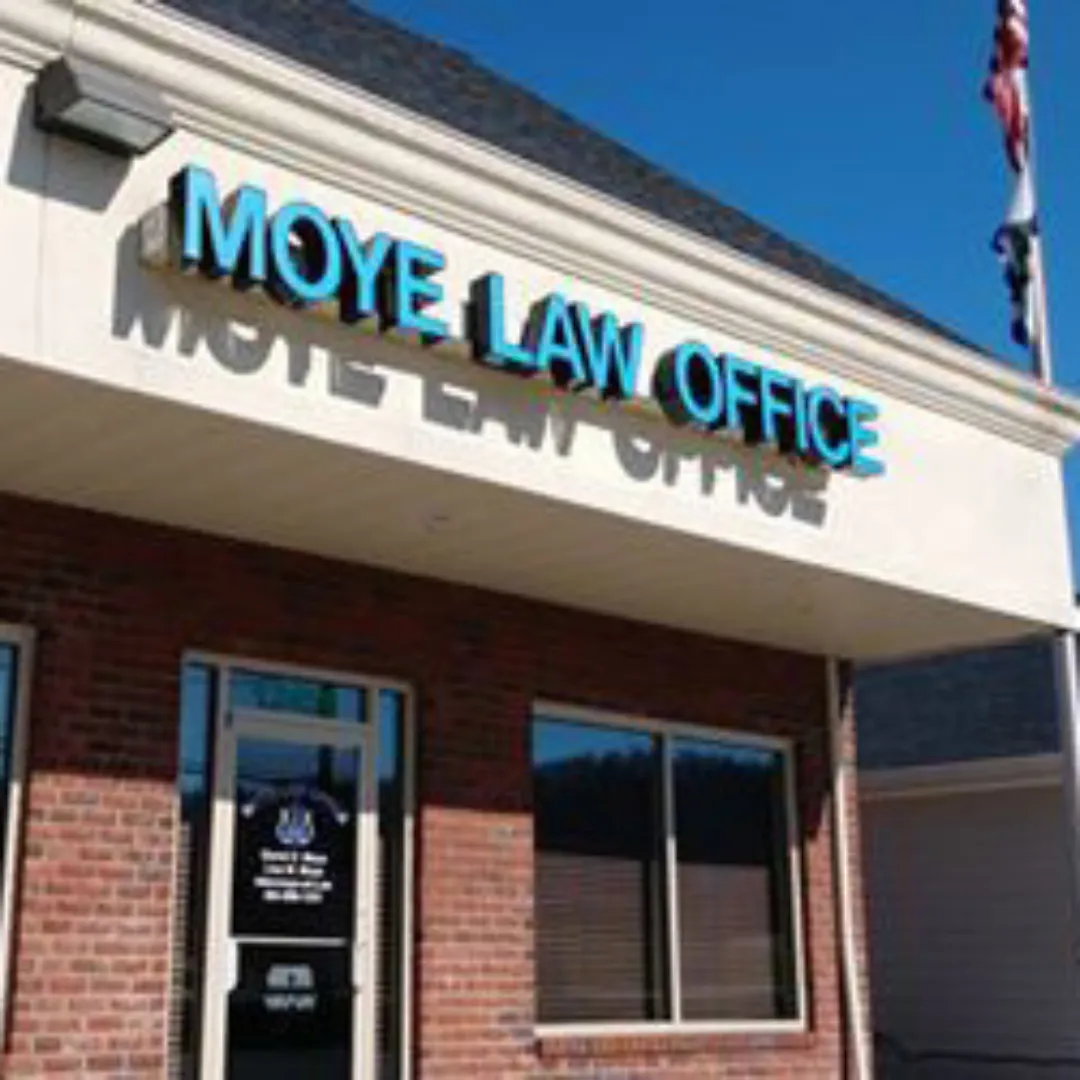
Moye Law Offices
We have two offices in West Virginia: Winfield and Cross Lanes.
CROSS LANES
Heir Property in West Virginia: How Ownership Works When Someone Passes Away
Navigating Heir Property in WV
Heir property is real estate that passes to family members when an owner dies without a valid will. In West Virginia, heirs need to understand intestate succession, probate, and common title risks. This article outlines key concepts and practical steps to protect inherited property and clear title.
What Is Heir Property and How Is Ownership Determined in West Virginia?
Heir property results when land passes informally under intestate succession, creating fractional ownership among multiple heirs. West Virginia probate law prioritizes heirs—surviving spouse, children, parents, then more distant relatives—and prescribes share allocation. Identifying lawful heirs and each person’s fractional interest is essential to resolving title issues and avoiding disputes.
Moye Law Firm is a West Virginia practice specializing in real estate and estate matters and can advise families on procedural and title issues related to heir property.
Defining Heir Property and Its Legal Implications
Heir property often produces a clouded or non‑marketable title that can impede sale, refinancing, or control. Fragmented fractional ownership raises the likelihood of contested claims. Heirs should consider legal measures to secure a recorded, marketable title when feasible.
Understanding legal definitions helps clarify the risks informal inheritance and fragmented ownership pose to title stability.
Defining Heir Property: Intestate Succession & Clouded Titles
The term heirs’ property refers to land that has been passed down informally for multiple generations through intestate succession. Each generation of intestate succession can drastically increase the number of heirs who own the property as tenants-in-common to the point that many may not even know their heirship status. This clouds the title to the property and makes ownership more fractionalized. Because heirs’ property exists outside of the official estate and title systems, owners are vulnerable both at the community and individual levels for three main reasons.
Heirs' Property in Virginia: Filling in the Gaps, 2023
Recording clear title reduces future claims and improves marketability. When the title is clouded, legal assistance can pursue probate or other remedies to establish ownership.
Who Qualifies as an Heir Under West Virginia Probate Law?
If someone dies intestate, West Virginia statutes identify heirs in a set order. Priority typically goes to a surviving spouse and children, then parents, and more distant relatives if no closer heirs exist. Determining heirship may require genealogical research and application of the probate code.
Accurate heir identification prevents competing claims and ensures distribution under state law.
What Is the Probate Process in West Virginia for Inherited Property?
Probate is the court‑supervised process that settles a decedent’s estate and establishes legal title for heirs. Typical steps include:
Filing a Petition: Open the probate case with the court.
Appointment of Executor/Administrator: The court names a representative to manage the estate.
Inventory: Identify assets, including real estate and accounts.
Settling Debts: Pay valid claims and taxes from estate assets.
Distribution: Distribute remaining assets to heirs under the law.
These steps form the legal framework to satisfy liabilities and transfer title to heirs when appropriate.
Step-by-Step Overview of Probate Administration
Probate administration follows core stages: initiate the proceeding, appoint a representative, inventory assets, resolve debts, and effect final distribution. Familiarity with this sequence helps heirs monitor progress and protect their interests.
Initiation: File the will (if any) and petition for probate.
Executor Appointment: The court appoints an executor or administrator.
Asset Inventory: Document estate assets.
Debt Settlement: Pay valid claims before distribution.
Final Distribution: Transfer assets to heirs per court order.
Maintain records and communicate with the estate representative to stay informed throughout administration.
Role of the Estate Administrator in Title Transfer
The estate administrator oversees probate and handles key tasks to transfer title. Typical duties include:
Managing the estate: Ensure legal requirements are met.
Title transfer: Prepare and file deeds or conveyance documents.
Resolving disputes: Facilitate resolution among heirs or seek court guidance.
The administrator protects estate assets and works to remove encumbrances so lawful transfer can occur.
How Can Title Be Cleared on Inherited Property in West Virginia?
Clearing title usually requires documentation, proof of heirship, identifying liens, and remedying defects. Common steps include:
Gathering documentation: Death certificate, deed history, will (if any).
Probate petition: Ask the court to recognize heirs and authorize transfers.
Title search: Locate liens, encumbrances, or competing claims.
Resolve issues: Pay or remove liens, settle disputes, or obtain court orders.
Moye Law Firm can assist with these steps and advise on the most effective route to a marketable title.
Legal Procedures for Clearing Title on Heir Property
Common legal tools include probate filings, title examinations, court orders to resolve competing claims, and conveyance documents. The right combination depends on each case’s facts.
Probate filing: Establish legal ownership through the court.
Title examination: Identify defects and liens.
Court orders: Ask the court to resolve disputes where needed.
Document preparation: Draft deeds or quiet‑title pleadings as appropriate.
Completing these steps secures a marketable title and allows heirs to use or sell the property without lingering impediments.
Common Challenges and Solutions in Title Clearing
Frequent obstacles include family disputes, unresolved liens or taxes, and incomplete records. Practical responses include mediation, targeted legal actions, and organized document collection.
Disputes among heirs: Use mediation or court proceedings to resolve ownership and use.
Unresolved liens: Identify and satisfy or contest liens before transfer.
Missing documentation: Reconstruct ownership through records, affidavits, or court orders.
Timely, well‑documented actions and experienced legal assistance increase the chance of a prompt resolution.
Mediation: Seek an amicable settlement when feasible.
Legal assistance: Retain counsel experienced in estate and real property law (Real Estate Law).
Thorough documentation: Collect deeds, tax records, and account statements early.
Addressing issues quickly helps secure clear ownership and preserve estate value.
When Should You Seek Legal Help for Heir Property Issues in West Virginia?
Retain an attorney when ownership is unclear, multiple heirs hold fractional interests, or liens and title defects complicate disposition. Early counsel clarifies rights, recommends efficient remedies, and reduces the risk of protracted litigation.
Complex ownership: Legal review defines shares and options.
Heir disputes: Counsel can propose mediation or represent you in court.
Title issues: Attorneys evaluate remedies and necessary filings.
An experienced attorney provides procedural guidance, court representation when needed, and practical options for resolving title and ownership matters.
Benefits of Hiring a West Virginia Real Estate Attorney
An experienced attorney offers expertise in estate and real property law, expedites title clearing, and helps resolve family disputes that affect property.
Expert guidance: Navigate probate and property rules.
Efficient title clearing: Streamline document and court work.
Conflict resolution: Mediate or litigate to protect heirs’ interests.
Trusted counsel reduces delays and helps secure the best outcome for the estate.
How Moye Law Firm Assists with Heir Property and Title Disputes
Moye Law Firm represents clients in probate, assists with title clearance, and offers mediation to resolve family disputes and facilitate orderly transfers of property.
Legal representation: Advocate for clients in probate court.
Title clearing assistance: Identify and remedy title defects.
Conflict mediation: Facilitate settlements among heirs when possible.
With experience in estate and real property matters, Moye Law Firm is prepared to guide clients through heir property matters.
For common questions, see our FAQs. To discuss your case, contact us.
Frequently Asked Questions
What steps can heirs take to prevent disputes over inherited property?
To reduce disputes, heirs should communicate early, hold family meetings to set expectations, and document agreements. Engage a neutral mediator or attorney to facilitate discussions. A written agreement on property use and maintenance can limit misunderstandings.
What are the implications of fractional ownership in heir property?
Fractional ownership complicates decision‑making and property management because owners may have divergent interests. It can also hinder financing or sale, as lenders may be reluctant to underwrite properties with multiple owners. Heirs should consider legal remedies, including partition actions, to resolve ownership and clarify rights.
How can heirs protect their interests during the probate process?
Heirs should stay informed by reviewing documents, attending hearings, and communicating with the executor or administrator. Keep detailed records of communications and decisions. If concerns arise, consult an attorney experienced in probate to protect your rights and ensure proper administration.
What are the potential tax implications for heirs inheriting property in West Virginia?
In West Virginia, heirs may face property tax obligations after inheriting real estate. While the state imposes no inheritance tax, heirs should be aware of the potential capital gains tax if they sell the property later. The property's tax basis generally steps up to fair market value at the decedent’s death, which can reduce capital gains exposure. Consult a tax professional for tailored advice.
What role does a title search play in the process of clearing title on inherited property?
A title search is essential to identify existing liens, encumbrances, or competing claims against the property. It clarifies the property's legal status and highlights issues that must be resolved before transfer. Engaging a title company or attorney facilitates the search and subsequent resolution steps.
When is it advisable to consider partitioning inherited property?
Consider partition when co‑owners cannot agree on use or management and disputes persist. A partition action can divide the property into separate parcels or order its sale, providing a definitive resolution. Consult a real estate attorney to evaluate the implications and process.
What should heirs do if there are disputes among them regarding the inherited property?
Address disputes promptly: document communications, seek agreement through negotiation or mediation, and, if unresolved, retain an estate attorney to protect your rights and pursue court remedies.
How long does the probate process typically take in West Virginia?
Timing varies by complexity and contest. Simple estates may close in months; contested or complex matters can take a year or longer. Prompt documentation and competent counsel can help accelerate the process.
What are the risks of not clearing the title on inherited property?
An uncleared title can prevent sale or refinancing, invite claims from unknown relatives, and leave liens attached to the property. Clearing the title preserves marketability and protects ownership rights.
Can heirs be held liable for the debts of the deceased?
Generally, heirs are not personally liable for the decedent’s debts unless they personally guaranteed them. Valid claims are paid from the estate before distribution; consult an attorney if liabilities are a concern.
What documentation is needed to initiate the probate process?
Collect the death certificate, any will, a probate petition, an inventory of assets, deeds, account statements, and records of debts. An attorney can confirm the specific documentation required for your case.
How can heirs ensure they receive their fair share of the inheritance?
Participate actively in probate: review documents, attend hearings, and communicate with the executor. Maintain records of decisions and obtain counsel if you suspect irregularities so you can assert your rights.
Moye Law Offices
We have two offices in West Virginia:
Winfield and Cross Lanes.
CROSS LANES
We Are Here To Help
Do you have a query or problem that you would like to talk about, or are you curious to hear more about how we can help you?
Get in touch today! We look forward to hearing from you.
Assistance Hours
Monday – Friday: 8:30am – 4:30pm
Saturday: By appointment only
Sunday: CLOSED
Subscribe to our Newsletter
We Are Here To Help
Do you have a query or problem that you would like to talk about, or are you curious to hear more about how we can help you?
Get in touch today! We look forward to hearing from you.
Assistance Hours
Monday – Friday 8:30am – 4:30pm
Saturday: By appointment only
Sunday CLOSED