Blog
Blog

Enhance Your Transaction: Local WV Title Attorney Insights
Why Local Knowledge Matters: The Benefit of a West Virginia Real Estate Attorney for Title Work
Title work confirms who legally owns a property and uncovers any claims, liens, or encumbrances that could affect that ownership. It matters because real estate deals carry significant financial and legal risk. In West Virginia, differences in county record systems, recording practices, and local lien patterns change how searches should be run and how defects are fixed. This article walks through what title work looks like in West Virginia, why local expertise matters, and how a West Virginia real estate attorney can protect buyers, sellers, and lenders. You’ll get a step-by-step look at a WV title search, learn how county records and local liens affect outcomes, see when it’s wise to involve an attorney, and find out how MOYE Law Office handles in-house title research and personalized representation. By the end, you’ll have a practical checklist for when to hire counsel and clear steps for scheduling a consultation.
What Is Real Estate Title Work and Why Is It Important in West Virginia?
Title work is the systematic review of public records and legal documents to confirm ownership, spot liens and encumbrances, and reveal defects that could cloud a property’s title. The process includes searching county land records, tracing the chain of title through recorded deeds, reviewing mortgages and releases, and checking for judgments, tax liens, easements, and other instruments that run with the land. Done right, title work lowers the risk of future ownership disputes, ensures a clean transfer to the buyer, and gives lenders and insurers confidence. In West Virginia—where county indexing practices and gaps in electronic records affect search strategy—a thorough title review prevents last-minute delays and costly surprises at closing. These basics set the stage for the concrete steps in a WV title search.
What Does Title Work Include in West Virginia Real Estate Transactions?
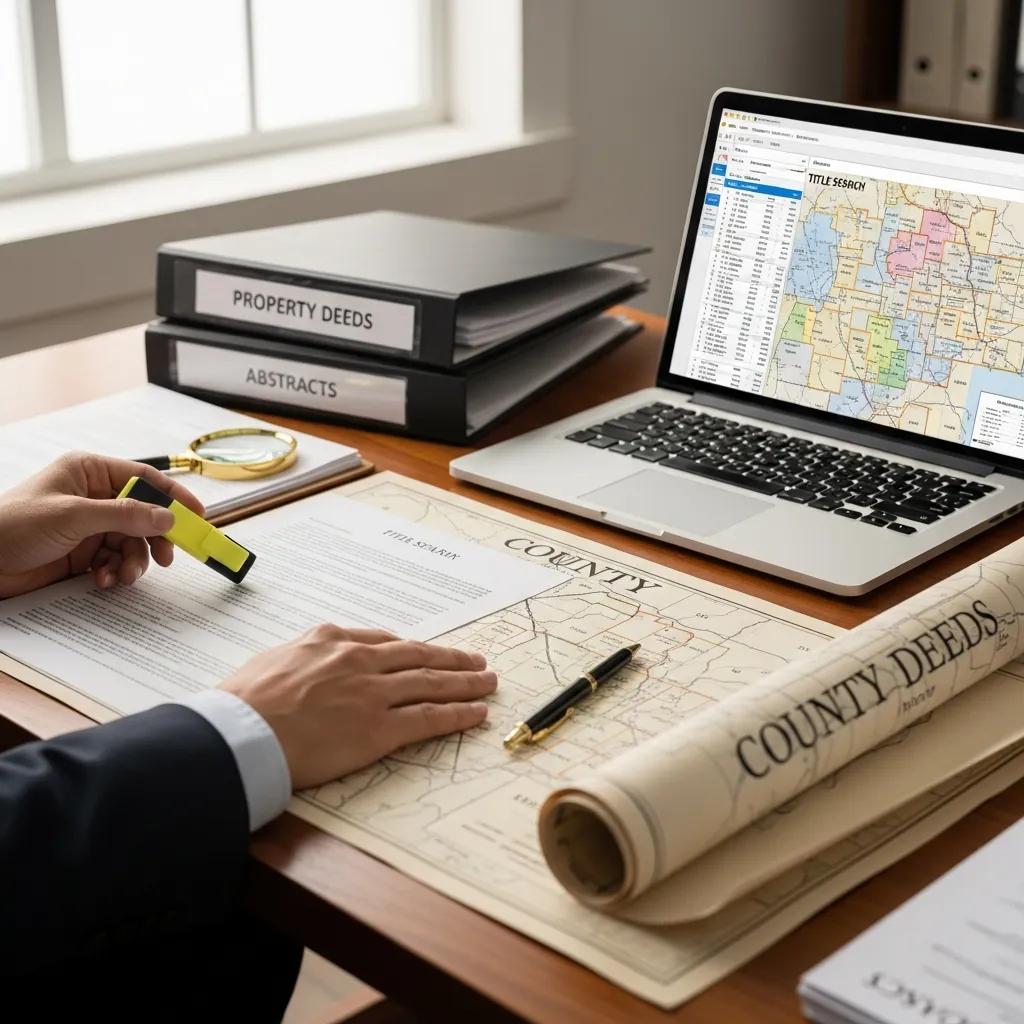
In West Virginia, title work usually starts at the county clerk or recorder’s office to find recorded deeds and mortgages, then moves on to tax records, judgment indexes, and filings like mechanic’s liens. A searcher assembles a chain of title back to the root grantor, verifies conveyances and releases, and flags instruments that might impair marketable title. The work often involves plat maps, surveys, and municipal records to confirm legal descriptions and recorded encumbrances. The result is typically a title opinion that clears the property for transfer, a recommendation to obtain title insurance, or a list of actions needed to cure defects before closing.
How Does Title Work Protect Your Property Investment?
Title work protects your investment by uncovering problems that could lead to litigation, unpaid debts, or competing ownership claims. By finding tax liens, judgment liens, or improperly executed deeds before closing, buyers and lenders can insist on cures, arrange escrowed payoffs, or adjust terms. When defects surface, attorneys can draft corrective deeds, obtain releases, or bring quiet title actions to remove clouds on title. Because hidden encumbrances can create months or years of legal exposure, detecting issues early with a thorough title review preserves value and reduces downstream costs.
How Does Local Expertise Improve Title Work in West Virginia?
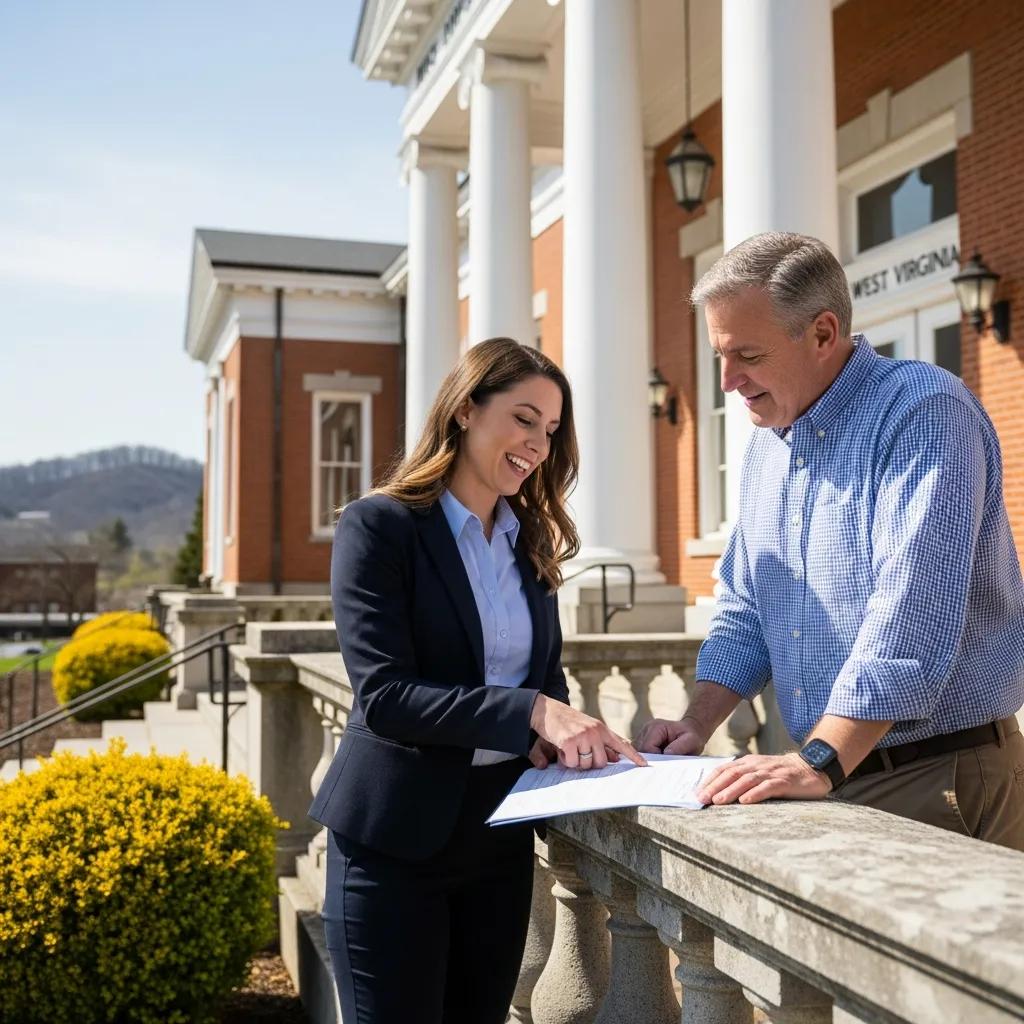
Local expertise sharpens title work by applying county-specific knowledge to searches, spotting regional recording quirks, and anticipating recurring lien or boundary issues unique to particular areas. Local practitioners know which clerks maintain full electronic indexes and which still require paper searches, how grantor/grantee indexing errors tend to appear in a county, and where historical instruments are often misfiled. That familiarity produces faster, more accurate searches and targeted remedies that reduce closing delays. A local attorney’s knowledge of community practices and land history also helps when negotiating curative steps or resolving survey discrepancies.
What Are West Virginia’s County Record Systems and Why Do They Matter?
West Virginia’s 55 counties vary in how they index records, what’s available online, and how much historical material remains only in paper books. Some counties offer comprehensive online grantor/grantee indexes; others require book-and-page research and clerk consultation. Local attorneys know which counties need in-person searches or clerk certifications and where historical liens commonly surface in unindexed records. That county-level insight is essential for complete title searches and leads to focused lien checks and cure strategies that save time and uncover hidden problems.
Different counties present different practical record challenges; the table below gives examples of what a local title searcher will check in representative West Virginia counties.
CountyRecord System / ResourceWhat to CheckPutnam CountyMixed electronic index + historic paper booksGrantor/grantee indexing quirks; older mortgage releases; probate recordsKanawha CountyLarger electronic database with some legacy gapsRecorded easements; municipal liens; chain breaks in early 20th‑century deedsMason CountyLimited online search; clerk’s office relies on book/page copiesHistorical liens, misindexed conveyances, isolated survey notes
How Do Local Liens and Encumbrances Affect Title Searches in WV?
Local liens and encumbrances shape what must be cleared or disclosed before a transfer. Common items include tax liens, mechanic’s liens, judgment liens, and recorded easements. Where a lien was filed affects how it’s discovered: a tax lien may only show in county tax records, while a mechanic’s lien could be in a different office or misindexed. Attorneys evaluate lien priority, advise on payoff procedures, and negotiate releases or escrow arrangements to settle competing claims. Knowing local lien patterns and recording practices lowers the risk of leaving unresolved obligations tied to the property.
Why Choose a West Virginia Real Estate Attorney Instead of a National Title Company?
Choose a West Virginia real estate attorney when you need legal advice, advocacy, or remedies beyond what a national title company provides. Attorneys give legal analysis, draft and record curative instruments, represent clients in quiet title or foreclosure matters, and negotiate on behalf of buyers or sellers. Title companies usually act as neutral facilitators—issuing title insurance and coordinating closings—but they don’t provide client-directed legal counsel or courtroom representation. For complex transactions—boundary disputes, inheritance transfers, or unresolved liens—attorney advocacy expands the options and protections available to you.
What Legal Advantages Does an Attorney Offer That Title Companies Don’t?
An attorney offers personalized legal advice, drafts and records corrective documents, and can bring litigation such as quiet title actions when administrative fixes won’t do. In contested situations, an attorney negotiates payoffs, structures escrow arrangements, and represents clients in court to secure clear title. Attorneys can issue a title opinion that evaluates the legal consequences of discovered issues—different from the risk-based insurance approach used by title companies. Those advocacy and remedial tools change outcomes when defects require legal strategy rather than administrative workarounds.
EntityRoleLimitation / AdvantageAttorneyProvides legal advice and representationAdvantage: Can litigate, prepare legal instruments, and advocate for client interestsTitle CompanyNeutral facilitator and insurerLimitation: Issues insurance and handles closings but does not provide client-directed legal counselLenderProvides financing and sets underwriting requirementsLimitation: Focuses on lien priority for the loan, not on litigating defects for the borrower
When Does West Virginia Law Call for Attorney Involvement in Title Insurance and Closings?
West Virginia practice often requires or recommends attorney opinions in certain contexts—especially for commercial title insurance and complex conveyances. Statutory and underwriting rules can require attorney title opinions in commercial deals, which affects how insurers underwrite and issue commitments. Even in residential transactions, lenders or insurers may request legal analysis, curative action may be necessary, or closing documents may need legal interpretation. Engaging an attorney aligns the transaction with statutory and underwriting expectations and positions clients to resolve issues before they escalate.
Who Is Lisa M. Moye and How Does Her Local Experience Help Your Title Work?
Lisa M. Moye concentrates her practice on real estate and wills & estates. Her participation in local bar activities and teaching experience bring practical benefits: up‑to‑date knowledge of county procedures, familiarity with common local title problems, and connections that help move matters forward. MOYE Law Office performs in-house title research so Lisa and the team can oversee searches directly, spot anomalies early, and coordinate curative steps without the delay of outside vendors. That combination of local legal expertise and direct research produces clearer, faster results for clients facing title questions.
What Is Lisa M. Moye’s Role in West Virginia Real Estate Law and Local Bar Associations?
Lisa M. Moye’s focus on real estate and wills/estates equips her to handle matters where property and probate overlap—situations that often cause title complications in family transfers. Her activity in local bar associations and teaching paralegal studies strengthens relationships with county clerks, court staff, and local professionals, creating practical networks that speed research and problem‑solving. Those connections translate into more efficient access to records, clearer interpretation of county practices, and credibility when coordinating curative steps with other stakeholders. Clients get counsel from someone who understands both the law and the people who implement it locally.
How Does MOYE Law Office’s In‑House Title Research Improve Accuracy and Speed?
Keeping title research in‑house gives MOYE Law Office control over search scope, quality checks, and attorney review, which cuts communication delays and reduces the chance of incomplete searches. In‑house workflows let attorneys act quickly on red flags—ordering surveys, drafting corrective deeds, or negotiating payoffs—without waiting for third‑party reports. This integrated approach aligns legal advice and research from the start, improves accuracy, and shortens timelines to closing. For clients, that usually means a smoother transaction, fewer last‑minute surprises, and clearer counsel on resolving issues.
If you have more questions about a specific title problem or general real estate concerns, a helpful list of frequently asked questions is available for quick answers and deeper explanation.
An immediate advantage of in‑house research is the ability to coordinate title findings with estate planning and other legal tasks handled by the firm, keeping strategy consistent across related matters.
When Should You Hire a Local West Virginia Real Estate Attorney for Title Work?
Hire a local West Virginia real estate attorney when the transaction carries elevated title risk, involves nonstandard transfers, or when legal remedies may be needed to secure clear title. Attorney involvement is advisable for inherited property transfers, boundary disputes, transactions with known defects, commercial purchases that require title opinions, and cases where lenders or insurers seek legal analysis. Early attorney engagement lets you proactively clear liens, prepare corrective instruments, and negotiate payoffs—rather than reacting after a closing dispute arises. Weigh the transaction’s complexity against potential exposure to decide when legal representation moves from optional to essential.
What Types of Real Estate Transactions Need Specialized Local Legal Guidance?
Certain transactions routinely benefit from local legal guidance: probate transfers where an estate creates title gaps; boundary disputes that turn on historical deeds or surveys; and commercial acquisitions that require formal attorney title opinions for underwriting. Each presents unique risks—probate transfers may reveal heirship questions, boundary disputes can involve adverse possession or vague descriptions, and commercial deals often include layered easements and lender demands. Local counsel uses county‑specific strategies and, when needed, files court actions or negotiates settlements to secure marketable title.
The following table helps you match transaction types with common risks and recommended attorney actions.
Transaction TypeTitle Risk FactorsRecommended Attorney ActionsInherited / Probate TransfersMissing heirs, unclear conveyances, probate issuesVerify chain of title, coordinate probate paperwork, prepare corrective deedsBoundary / Survey DisputesConflicting survey lines, vague recorded descriptionsOrder an updated survey, negotiate easement or resolution, file quiet title if neededCommercial PurchasesComplex encumbrances, lender underwriting requirementsProvide an attorney title opinion, negotiate cures, coordinate insurer requirements
How Does Personalized Legal Advice Protect You at Closing in WV?
Personalized legal advice protects you by making sure contract terms reflect title findings, negotiating payoffs and escrow terms that address encumbrances, and representing your interests at the closing table. Attorneys review closing documents to confirm that deed language, mortgage releases, and policy commitments match prior searches and negotiated agreements. If an unexpected lien or defect appears at closing, an attorney can pause the transaction, require corrective action, or structure escrow to protect you. That hands‑on role prevents rushed decisions and provides clear legal options rather than uncertain administrative fixes.
Checklist: When to involve an attorney before closing
Title searches reveal liens or gaps in the chain of title.
The property transfer involves probate or inheritance.
Survey or boundary issues are present.
How Can You Schedule a Consultation with MOYE Law Office for Your West Virginia Title Needs?
To schedule a consultation, gather the documents and facts you have and contact MOYE Law Office by phone or through the firm’s website to request an appointment. Typical intake includes deeds, any recent title commitments or reports, surveys, and a clear description of the transaction or dispute. At the first meeting, the attorney will review documents, identify key issues, and outline recommended next steps, likely timelines, and the scope of representation needed to cure title defects or complete a secure closing. The process focuses on individualized advice and a practical plan to resolve identified concerns.
What Should You Expect During Your Initial Consultation for Title Work?
Expect a focused document review, a clear explanation of any issues discovered, and an outline of possible remedies with steps and timelines. Bring deeds, surveys, tax statements, title commitments, and any correspondence from lenders or insurers to speed analysis. The attorney will point out immediate red flags, recommend in‑house title research or further county searches if needed, and propose next steps—curative drafting, escrow arrangements, or litigation when necessary. You’ll leave the consultation with a clear picture of your options, priorities, and likely costs to resolve title concerns.
Documents to bring to your consultation
Deed(s) showing current ownership.
Any recent title commitment or abstract.
Survey or plat, if available.
Correspondence from lenders, insurers, or opposing parties.
How Does MOYE Law Office Support West Virginia Families Through Real Estate Transactions?
MOYE Law Office helps families by coordinating real estate work with estate planning, probate assistance, and clear, client-centered communication that respects the personal nature of property transfers. The firm emphasizes straightforward explanations of legal options, coordination with family members and fiduciaries when appropriate, and step‑by‑step plans to resolve title issues with minimal disruption. In‑house title research and local bar relationships help the firm move matters forward efficiently for families handling inheritance, sale, or purchase. The outcome is practical, compassionate legal service that protects both property and family interests.
How MOYE Law Office typically proceeds after a consultation
Confirm the scope of work and engagement terms.
Order in‑house title research and county searches.
Present a remediation plan and begin curative actions.
Frequently Asked Questions
What are the common issues that arise during title work in West Virginia?
Common issues include discovering liens, unclear boundaries, and gaps in the chain of title. Liens may be tax‑related, mechanic’s, or judgment liens that don’t always appear at first glance in public records. Historical documents can be misfiled or poorly indexed, which complicates searches. Boundary disputes often stem from ambiguous descriptions or conflicting surveys. These problems can delay a transaction and may require legal action, which is why thorough title work is essential for a smooth closing.
How can I prepare for a title search in West Virginia?
Gather all documents related to the property: the current deed, any prior title reports, surveys, and correspondence with lenders or insurers. Knowing the property’s ownership history and any known liens helps. Consider consulting a local real estate attorney early—an experienced lawyer can point out likely issues and make the title search more efficient.
What should I do if a title defect is discovered?
If you find a title defect, consult a qualified real estate attorney who can evaluate the situation. Depending on the defect, the lawyer may negotiate with lienholders, prepare corrective deeds, or bring a quiet title action. Addressing defects promptly helps avoid complications at closing and ensures the property can be transferred free of encumbrances.
How long does the title search process typically take in West Virginia?
Timing depends on the property’s history and the county’s record system. A straightforward search can take a few days to a week; more complex matters with multiple liens or boundary disputes can take several weeks. Working with a local attorney familiar with the county’s records usually speeds the process and helps resolve challenges more quickly.
What are the costs associated with hiring a real estate attorney for title work?
Costs vary with the attorney’s experience, transaction complexity, and the services needed. Some attorneys charge a flat fee for a title search; others bill hourly for more complex work. Additional expenses may include filing fees for documents or court actions. Discuss fees up front during your initial consultation to understand expected costs.
Can I conduct a title search myself, or should I hire a professional?
You can perform a title search yourself, but hiring a professional—especially a local real estate attorney—is often the safer choice. Professionals understand complex county records, spot issues a layperson might miss, and can recommend or implement legal remedies if defects are found. If you do it yourself, be prepared to invest time to ensure a thorough and accurate search.

Moye Law Offices
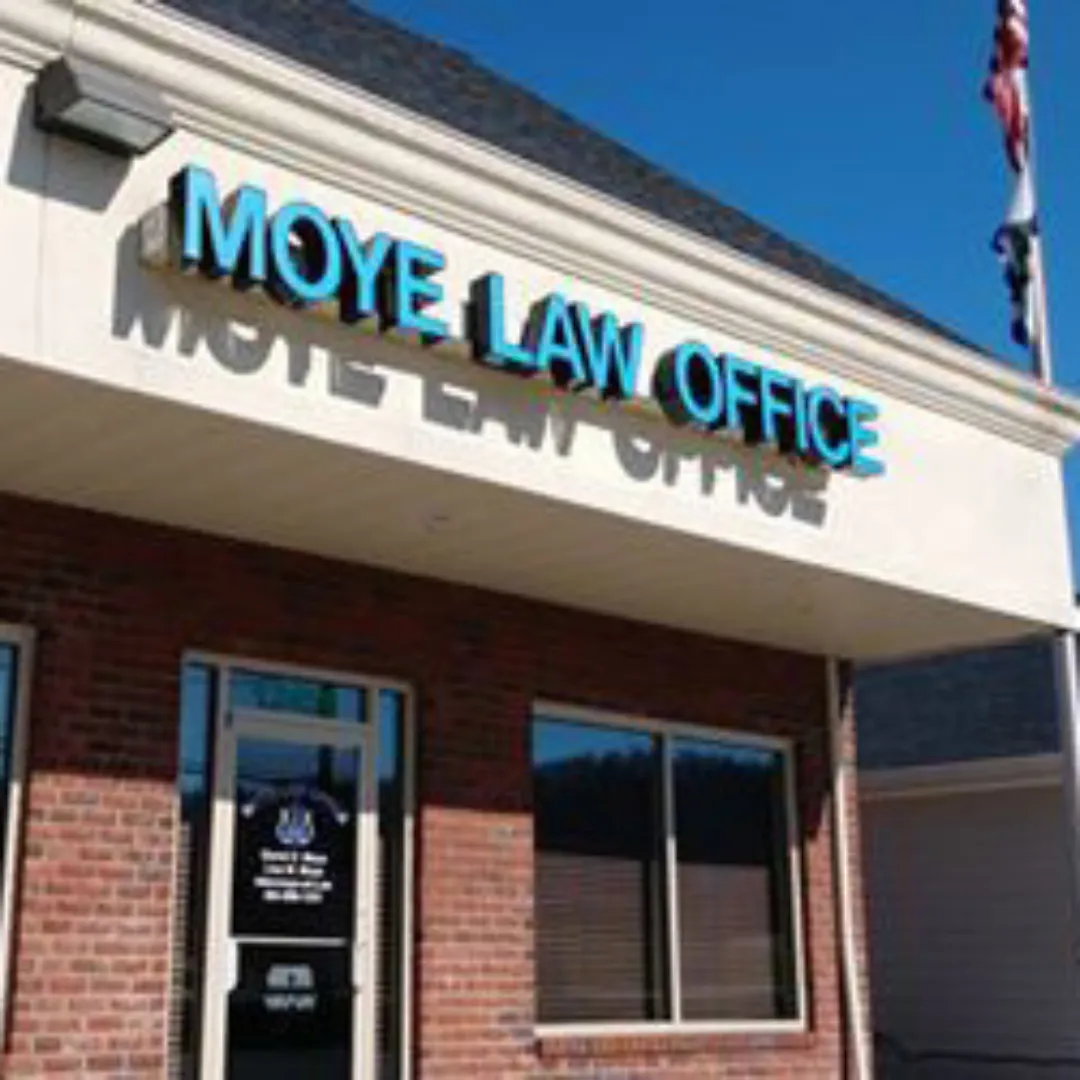
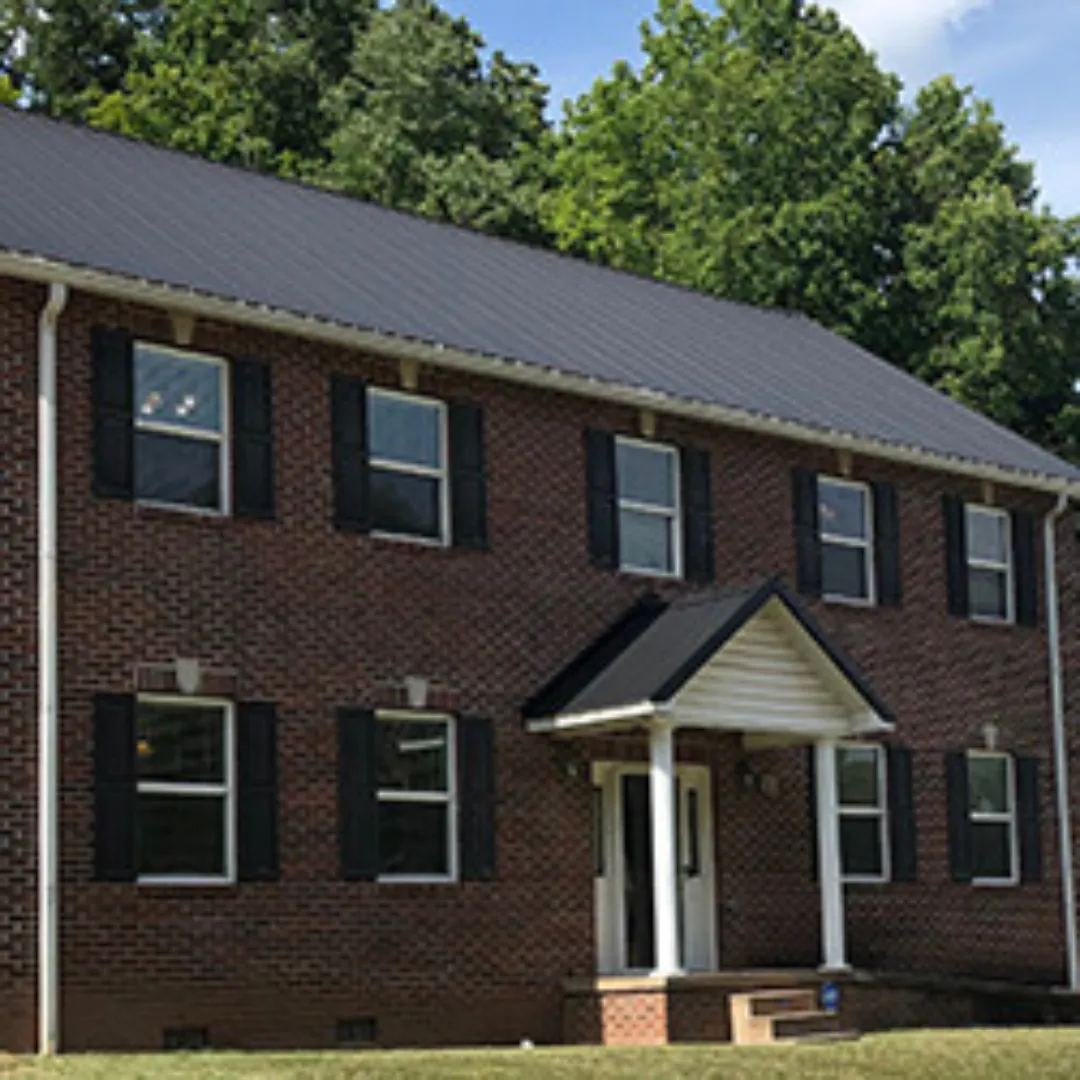
We have two offices in West Virginia: Winfield and Cross Lanes.
CROSS LANES
Enhance Your Transaction: Local WV Title Attorney Insights
Why Local Knowledge Matters: The Benefit of a West Virginia Real Estate Attorney for Title Work
Title work confirms who legally owns a property and uncovers any claims, liens, or encumbrances that could affect that ownership. It matters because real estate deals carry significant financial and legal risk. In West Virginia, differences in county record systems, recording practices, and local lien patterns change how searches should be run and how defects are fixed. This article walks through what title work looks like in West Virginia, why local expertise matters, and how a West Virginia real estate attorney can protect buyers, sellers, and lenders. You’ll get a step-by-step look at a WV title search, learn how county records and local liens affect outcomes, see when it’s wise to involve an attorney, and find out how MOYE Law Office handles in-house title research and personalized representation. By the end, you’ll have a practical checklist for when to hire counsel and clear steps for scheduling a consultation.
What Is Real Estate Title Work and Why Is It Important in West Virginia?
Title work is the systematic review of public records and legal documents to confirm ownership, spot liens and encumbrances, and reveal defects that could cloud a property’s title. The process includes searching county land records, tracing the chain of title through recorded deeds, reviewing mortgages and releases, and checking for judgments, tax liens, easements, and other instruments that run with the land. Done right, title work lowers the risk of future ownership disputes, ensures a clean transfer to the buyer, and gives lenders and insurers confidence. In West Virginia—where county indexing practices and gaps in electronic records affect search strategy—a thorough title review prevents last-minute delays and costly surprises at closing. These basics set the stage for the concrete steps in a WV title search.
What Does Title Work Include in West Virginia Real Estate Transactions?
In West Virginia, title work usually starts at the county clerk or recorder’s office to find recorded deeds and mortgages, then moves on to tax records, judgment indexes, and filings like mechanic’s liens. A searcher assembles a chain of title back to the root grantor, verifies conveyances and releases, and flags instruments that might impair marketable title. The work often involves plat maps, surveys, and municipal records to confirm legal descriptions and recorded encumbrances. The result is typically a title opinion that clears the property for transfer, a recommendation to obtain title insurance, or a list of actions needed to cure defects before closing.
How Does Title Work Protect Your Property Investment?
Title work protects your investment by uncovering problems that could lead to litigation, unpaid debts, or competing ownership claims. By finding tax liens, judgment liens, or improperly executed deeds before closing, buyers and lenders can insist on cures, arrange escrowed payoffs, or adjust terms. When defects surface, attorneys can draft corrective deeds, obtain releases, or bring quiet title actions to remove clouds on title. Because hidden encumbrances can create months or years of legal exposure, detecting issues early with a thorough title review preserves value and reduces downstream costs.
How Does Local Expertise Improve Title Work in West Virginia?
Local expertise sharpens title work by applying county-specific knowledge to searches, spotting regional recording quirks, and anticipating recurring lien or boundary issues unique to particular areas. Local practitioners know which clerks maintain full electronic indexes and which still require paper searches, how grantor/grantee indexing errors tend to appear in a county, and where historical instruments are often misfiled. That familiarity produces faster, more accurate searches and targeted remedies that reduce closing delays. A local attorney’s knowledge of community practices and land history also helps when negotiating curative steps or resolving survey discrepancies.
What Are West Virginia’s County Record Systems and Why Do They Matter?
West Virginia’s 55 counties vary in how they index records, what’s available online, and how much historical material remains only in paper books. Some counties offer comprehensive online grantor/grantee indexes; others require book-and-page research and clerk consultation. Local attorneys know which counties need in-person searches or clerk certifications and where historical liens commonly surface in unindexed records. That county-level insight is essential for complete title searches and leads to focused lien checks and cure strategies that save time and uncover hidden problems.
Different counties present different practical record challenges; the table below gives examples of what a local title searcher will check in representative West Virginia counties.
CountyRecord System / ResourceWhat to CheckPutnam CountyMixed electronic index + historic paper booksGrantor/grantee indexing quirks; older mortgage releases; probate recordsKanawha CountyLarger electronic database with some legacy gapsRecorded easements; municipal liens; chain breaks in early 20th‑century deedsMason CountyLimited online search; clerk’s office relies on book/page copiesHistorical liens, misindexed conveyances, isolated survey notes
How Do Local Liens and Encumbrances Affect Title Searches in WV?
Local liens and encumbrances shape what must be cleared or disclosed before a transfer. Common items include tax liens, mechanic’s liens, judgment liens, and recorded easements. Where a lien was filed affects how it’s discovered: a tax lien may only show in county tax records, while a mechanic’s lien could be in a different office or misindexed. Attorneys evaluate lien priority, advise on payoff procedures, and negotiate releases or escrow arrangements to settle competing claims. Knowing local lien patterns and recording practices lowers the risk of leaving unresolved obligations tied to the property.
Why Choose a West Virginia Real Estate Attorney Instead of a National Title Company?
Choose a West Virginia real estate attorney when you need legal advice, advocacy, or remedies beyond what a national title company provides. Attorneys give legal analysis, draft and record curative instruments, represent clients in quiet title or foreclosure matters, and negotiate on behalf of buyers or sellers. Title companies usually act as neutral facilitators—issuing title insurance and coordinating closings—but they don’t provide client-directed legal counsel or courtroom representation. For complex transactions—boundary disputes, inheritance transfers, or unresolved liens—attorney advocacy expands the options and protections available to you.
What Legal Advantages Does an Attorney Offer That Title Companies Don’t?
An attorney offers personalized legal advice, drafts and records corrective documents, and can bring litigation such as quiet title actions when administrative fixes won’t do. In contested situations, an attorney negotiates payoffs, structures escrow arrangements, and represents clients in court to secure clear title. Attorneys can issue a title opinion that evaluates the legal consequences of discovered issues—different from the risk-based insurance approach used by title companies. Those advocacy and remedial tools change outcomes when defects require legal strategy rather than administrative workarounds.
EntityRoleLimitation / AdvantageAttorneyProvides legal advice and representationAdvantage: Can litigate, prepare legal instruments, and advocate for client interestsTitle CompanyNeutral facilitator and insurerLimitation: Issues insurance and handles closings but does not provide client-directed legal counselLenderProvides financing and sets underwriting requirementsLimitation: Focuses on lien priority for the loan, not on litigating defects for the borrower
When Does West Virginia Law Call for Attorney Involvement in Title Insurance and Closings?
West Virginia practice often requires or recommends attorney opinions in certain contexts—especially for commercial title insurance and complex conveyances. Statutory and underwriting rules can require attorney title opinions in commercial deals, which affects how insurers underwrite and issue commitments. Even in residential transactions, lenders or insurers may request legal analysis, curative action may be necessary, or closing documents may need legal interpretation. Engaging an attorney aligns the transaction with statutory and underwriting expectations and positions clients to resolve issues before they escalate.
Who Is Lisa M. Moye and How Does Her Local Experience Help Your Title Work?
Lisa M. Moye concentrates her practice on real estate and wills & estates. Her participation in local bar activities and teaching experience bring practical benefits: up‑to‑date knowledge of county procedures, familiarity with common local title problems, and connections that help move matters forward. MOYE Law Office performs in-house title research so Lisa and the team can oversee searches directly, spot anomalies early, and coordinate curative steps without the delay of outside vendors. That combination of local legal expertise and direct research produces clearer, faster results for clients facing title questions.
What Is Lisa M. Moye’s Role in West Virginia Real Estate Law and Local Bar Associations?
Lisa M. Moye’s focus on real estate and wills/estates equips her to handle matters where property and probate overlap—situations that often cause title complications in family transfers. Her activity in local bar associations and teaching paralegal studies strengthens relationships with county clerks, court staff, and local professionals, creating practical networks that speed research and problem‑solving. Those connections translate into more efficient access to records, clearer interpretation of county practices, and credibility when coordinating curative steps with other stakeholders. Clients get counsel from someone who understands both the law and the people who implement it locally.
How Does MOYE Law Office’s In‑House Title Research Improve Accuracy and Speed?
Keeping title research in‑house gives MOYE Law Office control over search scope, quality checks, and attorney review, which cuts communication delays and reduces the chance of incomplete searches. In‑house workflows let attorneys act quickly on red flags—ordering surveys, drafting corrective deeds, or negotiating payoffs—without waiting for third‑party reports. This integrated approach aligns legal advice and research from the start, improves accuracy, and shortens timelines to closing. For clients, that usually means a smoother transaction, fewer last‑minute surprises, and clearer counsel on resolving issues.
If you have more questions about a specific title problem or general real estate concerns, a helpful list of frequently asked questions is available for quick answers and deeper explanation.
An immediate advantage of in‑house research is the ability to coordinate title findings with estate planning and other legal tasks handled by the firm, keeping strategy consistent across related matters.
When Should You Hire a Local West Virginia Real Estate Attorney for Title Work?
Hire a local West Virginia real estate attorney when the transaction carries elevated title risk, involves nonstandard transfers, or when legal remedies may be needed to secure clear title. Attorney involvement is advisable for inherited property transfers, boundary disputes, transactions with known defects, commercial purchases that require title opinions, and cases where lenders or insurers seek legal analysis. Early attorney engagement lets you proactively clear liens, prepare corrective instruments, and negotiate payoffs—rather than reacting after a closing dispute arises. Weigh the transaction’s complexity against potential exposure to decide when legal representation moves from optional to essential.
What Types of Real Estate Transactions Need Specialized Local Legal Guidance?
Certain transactions routinely benefit from local legal guidance: probate transfers where an estate creates title gaps; boundary disputes that turn on historical deeds or surveys; and commercial acquisitions that require formal attorney title opinions for underwriting. Each presents unique risks—probate transfers may reveal heirship questions, boundary disputes can involve adverse possession or vague descriptions, and commercial deals often include layered easements and lender demands. Local counsel uses county‑specific strategies and, when needed, files court actions or negotiates settlements to secure marketable title.
The following table helps you match transaction types with common risks and recommended attorney actions.
Transaction TypeTitle Risk FactorsRecommended Attorney ActionsInherited / Probate TransfersMissing heirs, unclear conveyances, probate issuesVerify chain of title, coordinate probate paperwork, prepare corrective deedsBoundary / Survey DisputesConflicting survey lines, vague recorded descriptionsOrder an updated survey, negotiate easement or resolution, file quiet title if neededCommercial PurchasesComplex encumbrances, lender underwriting requirementsProvide an attorney title opinion, negotiate cures, coordinate insurer requirements
How Does Personalized Legal Advice Protect You at Closing in WV?
Personalized legal advice protects you by making sure contract terms reflect title findings, negotiating payoffs and escrow terms that address encumbrances, and representing your interests at the closing table. Attorneys review closing documents to confirm that deed language, mortgage releases, and policy commitments match prior searches and negotiated agreements. If an unexpected lien or defect appears at closing, an attorney can pause the transaction, require corrective action, or structure escrow to protect you. That hands‑on role prevents rushed decisions and provides clear legal options rather than uncertain administrative fixes.
Checklist: When to involve an attorney before closing
Title searches reveal liens or gaps in the chain of title.
The property transfer involves probate or inheritance.
Survey or boundary issues are present.
How Can You Schedule a Consultation with MOYE Law Office for Your West Virginia Title Needs?
To schedule a consultation, gather the documents and facts you have and contact MOYE Law Office by phone or through the firm’s website to request an appointment. Typical intake includes deeds, any recent title commitments or reports, surveys, and a clear description of the transaction or dispute. At the first meeting, the attorney will review documents, identify key issues, and outline recommended next steps, likely timelines, and the scope of representation needed to cure title defects or complete a secure closing. The process focuses on individualized advice and a practical plan to resolve identified concerns.
What Should You Expect During Your Initial Consultation for Title Work?
Expect a focused document review, a clear explanation of any issues discovered, and an outline of possible remedies with steps and timelines. Bring deeds, surveys, tax statements, title commitments, and any correspondence from lenders or insurers to speed analysis. The attorney will point out immediate red flags, recommend in‑house title research or further county searches if needed, and propose next steps—curative drafting, escrow arrangements, or litigation when necessary. You’ll leave the consultation with a clear picture of your options, priorities, and likely costs to resolve title concerns.
Documents to bring to your consultation
Deed(s) showing current ownership.
Any recent title commitment or abstract.
Survey or plat, if available.
Correspondence from lenders, insurers, or opposing parties.
How Does MOYE Law Office Support West Virginia Families Through Real Estate Transactions?
MOYE Law Office helps families by coordinating real estate work with estate planning, probate assistance, and clear, client-centered communication that respects the personal nature of property transfers. The firm emphasizes straightforward explanations of legal options, coordination with family members and fiduciaries when appropriate, and step‑by‑step plans to resolve title issues with minimal disruption. In‑house title research and local bar relationships help the firm move matters forward efficiently for families handling inheritance, sale, or purchase. The outcome is practical, compassionate legal service that protects both property and family interests.
How MOYE Law Office typically proceeds after a consultation
Confirm the scope of work and engagement terms.
Order in‑house title research and county searches.
Present a remediation plan and begin curative actions.
Frequently Asked Questions
What are the common issues that arise during title work in West Virginia?
Common issues include discovering liens, unclear boundaries, and gaps in the chain of title. Liens may be tax‑related, mechanic’s, or judgment liens that don’t always appear at first glance in public records. Historical documents can be misfiled or poorly indexed, which complicates searches. Boundary disputes often stem from ambiguous descriptions or conflicting surveys. These problems can delay a transaction and may require legal action, which is why thorough title work is essential for a smooth closing.
How can I prepare for a title search in West Virginia?
Gather all documents related to the property: the current deed, any prior title reports, surveys, and correspondence with lenders or insurers. Knowing the property’s ownership history and any known liens helps. Consider consulting a local real estate attorney early—an experienced lawyer can point out likely issues and make the title search more efficient.
What should I do if a title defect is discovered?
If you find a title defect, consult a qualified real estate attorney who can evaluate the situation. Depending on the defect, the lawyer may negotiate with lienholders, prepare corrective deeds, or bring a quiet title action. Addressing defects promptly helps avoid complications at closing and ensures the property can be transferred free of encumbrances.
How long does the title search process typically take in West Virginia?
Timing depends on the property’s history and the county’s record system. A straightforward search can take a few days to a week; more complex matters with multiple liens or boundary disputes can take several weeks. Working with a local attorney familiar with the county’s records usually speeds the process and helps resolve challenges more quickly.
What are the costs associated with hiring a real estate attorney for title work?
Costs vary with the attorney’s experience, transaction complexity, and the services needed. Some attorneys charge a flat fee for a title search; others bill hourly for more complex work. Additional expenses may include filing fees for documents or court actions. Discuss fees up front during your initial consultation to understand expected costs.
Can I conduct a title search myself, or should I hire a professional?
You can perform a title search yourself, but hiring a professional—especially a local real estate attorney—is often the safer choice. Professionals understand complex county records, spot issues a layperson might miss, and can recommend or implement legal remedies if defects are found. If you do it yourself, be prepared to invest time to ensure a thorough and accurate search.
Moye Law Offices
We have two offices in West Virginia:
Winfield and Cross Lanes.
CROSS LANES
We Are Here To Help
Do you have a query or problem that you would like to talk about, or are you curious to hear more about how we can help you?
Get in touch today! We look forward to hearing from you.
Assistance Hours
Monday – Friday: 8:30am – 4:30pm
Saturday: By appointment only
Sunday: CLOSED
Subscribe to our Newsletter
We Are Here To Help
Do you have a query or problem that you would like to talk about, or are you curious to hear more about how we can help you?
Get in touch today! We look forward to hearing from you.
Assistance Hours
Monday – Friday 8:30am – 4:30pm
Saturday: By appointment only
Sunday CLOSED