Blog
Blog

Common Seller Mistakes During Real Estate Transactions
Common Seller Mistakes During Real Estate Transactions: How to Avoid Legal and Financial Errors
Real estate transactions present legal and financial complexities that can cause costly seller errors. This article identifies common pitfalls and practical strategies to avoid them. By following real estate law and keeping accurate records, sellers can reduce liability and financial loss. Key areas include precise contracts, comprehensive title searches, and correct closing procedures. Early legal counsel is discussed as a preventive measure.
Negotiate Clear Contracts

Contracts should state terms and obligations precisely to reduce misunderstandings and disputes. Specify core contingencies—such as financing and inspection clauses—and record any negotiated amendments in writing to protect the seller. Obtaining legal review during contract negotiation is essential to avoid costly errors.
Conduct Thorough Title Searches

A thorough title search identifies liens, encumbrances and ownership disputes that affect transferability. Detecting defects early lets sellers clear or disclose issues before closing, protecting marketability and buyer confidence. Working with a real estate attorney can help ensure a comprehensive title examination.
Commission Current Surveys
Obtain a current property survey to confirm boundaries and identify encroachments or easements. An up-to-date survey reduces the risk of boundary disputes and clarifies the property's legal description for buyers and lenders.
Ensure Proper Closing Procedures
Follow closing protocols and verify all documents are prepared and executed correctly. Understanding what to expect during real estate closings in West Virginia can help sellers avoid common procedural mistakes. Confirm the required deed form, proper signatures and notarisation where necessary, since non-compliance can cause delays or post-closing challenges. Legal oversight during closing can prevent common procedural errors.
Record the Deed Promptly
Record the deed with the appropriate local office immediately after closing to protect priority of ownership. Delays in recording can allow competing claims to take precedence; confirm the recording with the local authority.
Engage a Real Estate Attorney Early
Engaging a real estate attorney early gives legal review and practical guidance. An attorney can spot title or contract issues, ensure local compliance, and recommend risk-mitigation steps that preserve the seller's interests throughout the transaction.
Order Title Insurance
Title insurance protects against post-closing claims by covering defence costs and certain losses from title defects. Securing title insurance limits exposure to unforeseen claims and gives buyers additional assurance.
Confirm Lien Releases
Obtain written lien releases from lienholders and ensure they are recorded. Unreleased or unrecorded liens may complicate or invalidate the transfer, so document lien satisfaction before closing.
Maintain a Checklist
Use a detailed checklist to track milestones and required actions: contract deadlines, inspection windows, title search completion, lien releases and closing deliverables. A systematic checklist reduces oversights and post-closing complications.
Stay Informed About Local Laws
Local recording procedures and state statutes affect transactions. Monitor regulatory changes and consult a real estate attorney for authoritative interpretation to avoid procedural errors that could delay or invalidate a sale.
What Are the Most Frequent Disclosure Mistakes Sellers Make in West Virginia?
Sellers in West Virginia commonly commit the following disclosure errors:
- Failing to Disclose Known Defects: Sellers must disclose any known issues with the property, such as structural problems or pest infestations.
- Overlooking Required Disclosures: Certain disclosures are legally mandated, and failing to provide them can lead to legal repercussions.
- Inaccurate or Incomplete Documentation: Providing incomplete or misleading information can result in disputes and potential lawsuits.
These errors may lead to financial liability, litigation or delays in completing the sale.
How Do Disclosure Omissions Impact Real Estate Closings?
Failure to disclose material defects exposes sellers to breach-of-disclosure claims and suits for damages. Post-closing remediation and legal fees can be substantial. Full and accurate disclosure fosters buyer trust and reduces contested closings.
How Can Contract Issues Cause Delays or Legal Problems for Sellers?
Contract deficiencies can cause delays and legal exposure. Common problems include:
- Missing Contingencies: Failing to include necessary contingencies can leave sellers vulnerable to unexpected complications.
- Vague Conveyance Terms: Ambiguous language can lead to disputes over the terms of the sale, delaying the process.
- Title Exceptions: Unclear title exceptions can create confusion and potential legal challenges.
Address contract issues during negotiation and obtain legal counsel to reduce dispute risk and speed closing.
What Are Common Real Estate Contract Contingencies Sellers Should Understand?
Sellers should be aware of contingencies that affect negotiations and performance:
- Inspection Contingency: Allows buyers to conduct inspections and negotiate repairs or credits based on findings.
- Financing Contingency: Protects buyers if they are unable to secure financing for the purchase.
- Appraisal Contingency: Ensures that the property appraises for a value that meets or exceeds the purchase price.
Recognising these contingencies helps sellers negotiate terms that protect their interests and limit exposure to last-minute terminations.
How Do Contractual Errors Affect the Sale Process?
Contractual errors can derail a transaction and expose sellers to liability. Common errors include:
- Missing Contingencies: Omitting necessary contingencies can leave sellers exposed to risks.
- Vague Terms: Ambiguous language can lead to disputes and delays.
- Clerical Mistakes: Simple errors in documentation can complicate the transaction and lead to legal challenges.
Ensuring contractual accuracy, clarity and legal review mitigates these risks and supports a timely closing.
What Title and Ownership Problems Commonly Affect Sellers?
Sellers may face title and ownership issues that affect marketability:
- Liens: Outstanding debts can create complications during the sale process.
- Easements: Rights of way or other easements can affect property use and value.
- Encroachments: Disputes over property boundaries can lead to legal challenges.
Identifying and resolving title and ownership matters before closing is critical to avoid last-minute impediments.
How Do Title Defects Arise and What Are Their Consequences?
Title defects commonly originate from:
- Clerical Errors: Mistakes in public records can create confusion over ownership.
- Unresolved Liens: Outstanding debts can complicate the sale process.
- Fraudulent Claims: Fraudulent actions can lead to disputes over property ownership.
Title defects can lead to litigation, financial exposure and reduced marketability. Thorough title searches and prompt remedial action limit those consequences.
What Steps Can Sellers Take to Resolve Title Issues Before Closing?
Sellers can take targeted steps to clear title concerns:
- Conducting a Title Search: Identifying potential issues early allows for proactive resolution.
- Engaging a Real Estate Attorney: Legal guidance can help navigate complex title issues.
- Clearing Liens and Encumbrances: Addressing outstanding debts ensures a smoother transaction.
These measures mitigate risk and improve the chances of an uncontested closing.
How Can Sellers Prevent Closing Delays and Ensure a Smooth Transaction?
Sellers can adopt several practices to reduce delay risk:
- Early Due Diligence: Conducting thorough research and preparation can identify potential issues.
- Clear Purchase Contract: Ensuring clarity in the contract helps avoid misunderstandings.
- Securing Financing: Confirming financing arrangements in advance can prevent last-minute complications.
Proactive preparation and regular communication with all parties increase the likelihood of a timely closing.
What Are Typical Causes of Closing Delays in West Virginia?
In West Virginia, common causes of delay include:
- Title Defects: Issues with the title can halt the closing process.
- Unpaid Liens: Outstanding debts can complicate the sale.
- Document Errors: Mistakes in documentation can lead to significant delays.
Recognising these risks enables sellers to take corrective steps before closing commences.
How Does Moye Law Firm Support Sellers in Avoiding Closing Problems?
Moye Law Firm provides legal services for real estate transactions in West Virginia focused on preventing common legal and financial errors. The firm’s support includes:
- Document Review and Preparation: Ensuring all paperwork is accurate and complete.
- Title Issue Identification: Proactively addressing potential title problems.
- Closing Document Accuracy: Verifying that all closing documents are correct to prevent delays.
By engaging Moye Law Firm, sellers receive experienced legal oversight designed to streamline the process and protect their interests.
Frequently Asked Questions
What should sellers do if they discover a title defect after closing?
If a title defect appears post-closing, consult a real estate attorney promptly to assess options. Depending on the defect, coordinate with the buyer or the title insurer; notify the insurer without delay. Timely legal action limits exposure and improves resolution prospects.
How can sellers ensure they are compliant with local real estate laws?
Stay informed of local recording rules, zoning requirements and disclosure statutes. Seek counsel from a knowledgeable real estate lawyer to interpret applicable rules and ensure compliance. Local seminars and authoritative resources can also help maintain awareness.
What role does a real estate attorney play in preventing seller mistakes?
A real estate attorney advises on legal obligations, reviews contracts for clarity, and identifies title or lien issues early. Counsel ensures compliance with local laws and negotiates remedial measures when problems arise, reducing transactional risk.
What are the potential consequences of failing to disclose property defects?
Omitting material defects can expose sellers to lawsuits, monetary damages and defence costs. Buyers may seek rescission or monetary relief if undisclosed issues appear post-closing. Transparent, accurate disclosures reduce legal exposure and protect reputation.
How can sellers effectively manage their real estate transaction timeline?
Create and maintain a detailed timeline listing contract deadlines, inspection windows and closing requirements. Communicate regularly with the agent, attorney and lender, and address title searches and lien confirmations early to reduce last-minute delays. For additional guidance, visit our FAQs page.
What should sellers know about the importance of accurate property surveys?
Accurate surveys define legal boundaries and disclose encroachments or easements that affect value or use. Outdated surveys can prompt neighbour disputes or delay closings. Commissioning a current survey clarifies the property description, reduces post-closing risk and supports buyer confidence.

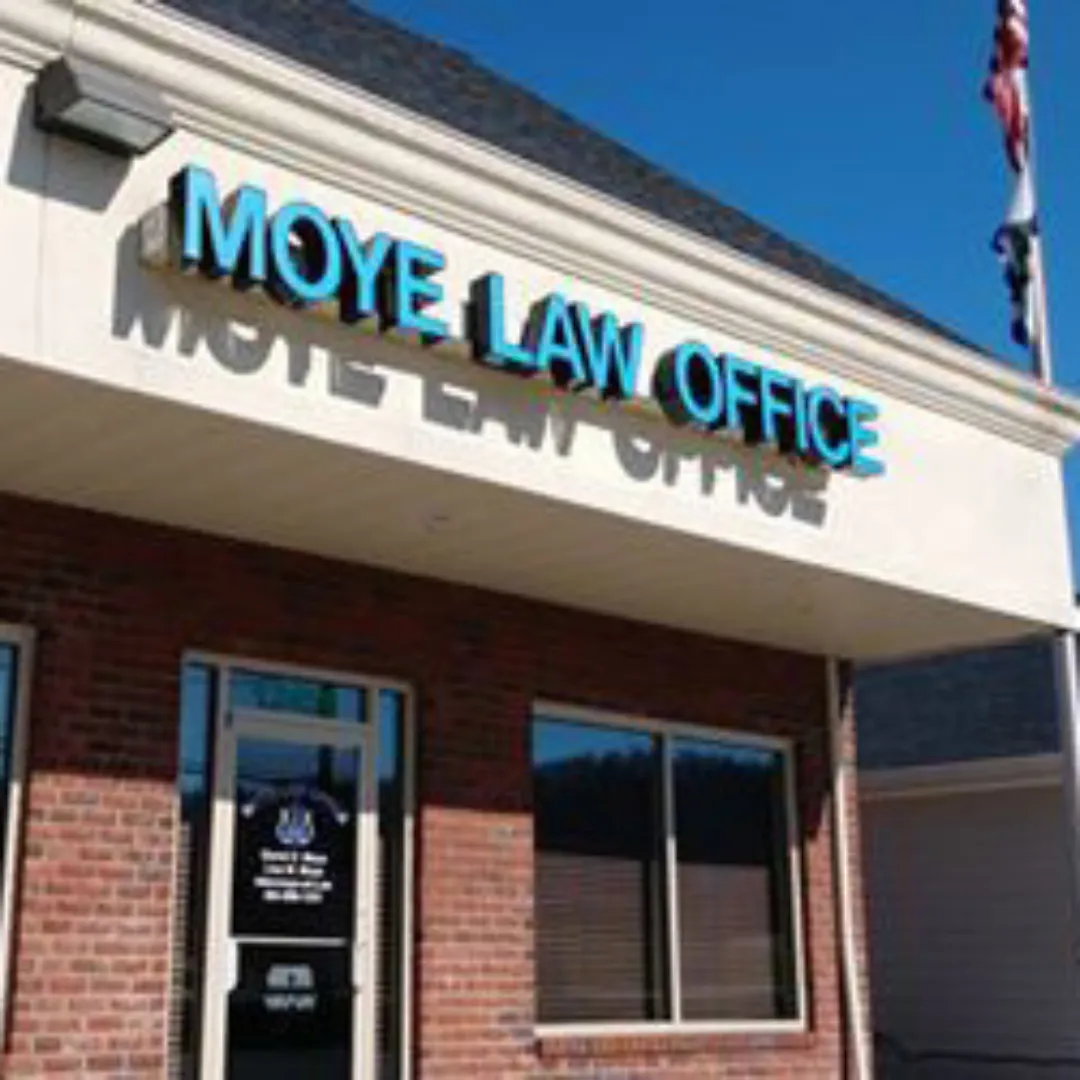
Moye Law Offices
We have two offices in West Virginia: Winfield and Cross Lanes.
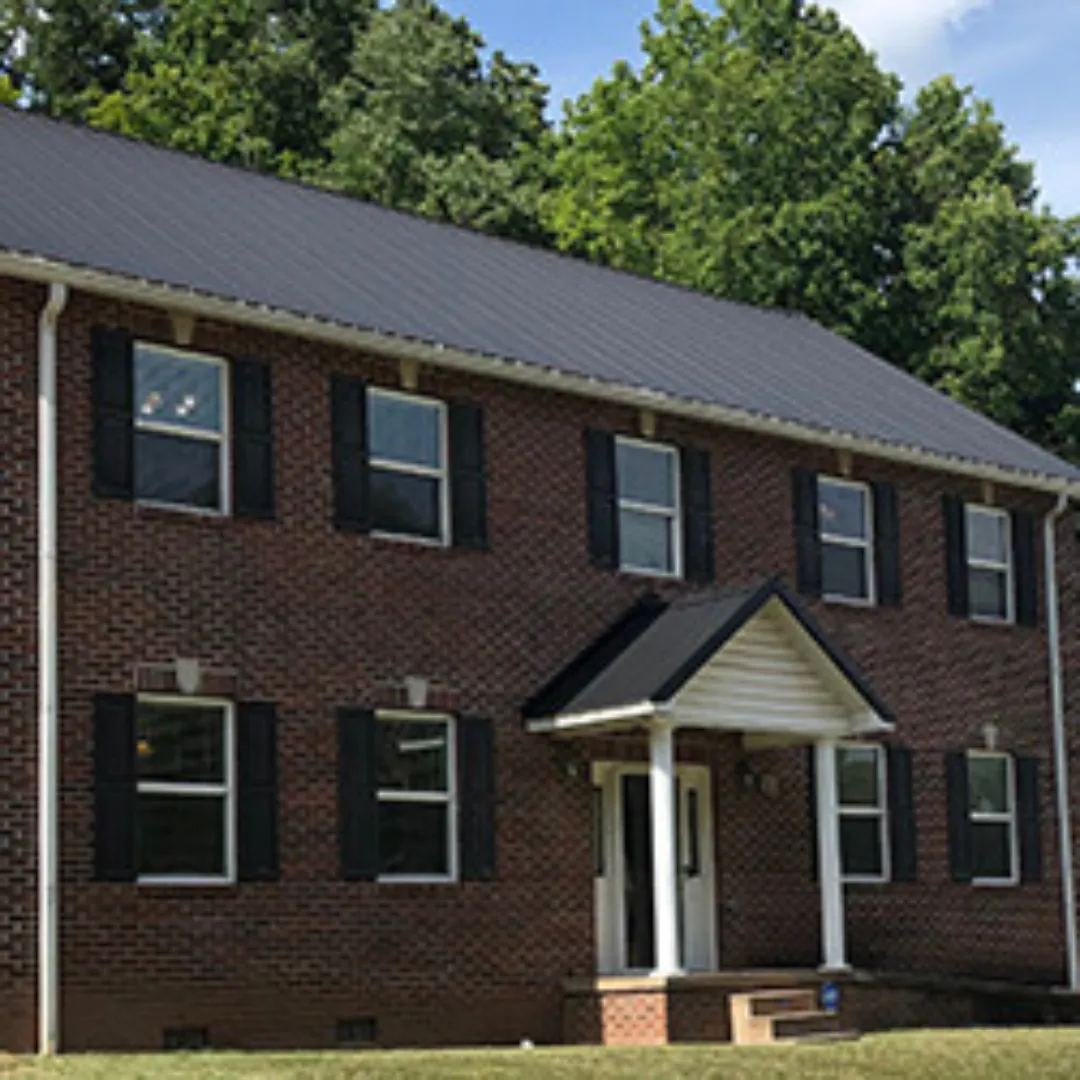
CROSS LANES
Common Seller Mistakes During Real Estate Transactions
Common Seller Mistakes During Real Estate Transactions: How to Avoid Legal and Financial Errors
Real estate transactions present legal and financial complexities that can cause costly seller errors. This article identifies common pitfalls and practical strategies to avoid them. By following real estate law and keeping accurate records, sellers can reduce liability and financial loss. Key areas include precise contracts, comprehensive title searches, and correct closing procedures. Early legal counsel is discussed as a preventive measure.
Negotiate Clear Contracts
Contracts should state terms and obligations precisely to reduce misunderstandings and disputes. Specify core contingencies—such as financing and inspection clauses—and record any negotiated amendments in writing to protect the seller. Obtaining legal review during contract negotiation is essential to avoid costly errors.
Conduct Thorough Title Searches
A thorough title search identifies liens, encumbrances and ownership disputes that affect transferability. Detecting defects early lets sellers clear or disclose issues before closing, protecting marketability and buyer confidence. Working with a real estate attorney can help ensure a comprehensive title examination.
Commission Current Surveys
Obtain a current property survey to confirm boundaries and identify encroachments or easements. An up-to-date survey reduces the risk of boundary disputes and clarifies the property's legal description for buyers and lenders.
Ensure Proper Closing Procedures
Follow closing protocols and verify all documents are prepared and executed correctly. Understanding what to expect during real estate closings in West Virginia can help sellers avoid common procedural mistakes. Confirm the required deed form, proper signatures and notarisation where necessary, since non-compliance can cause delays or post-closing challenges. Legal oversight during closing can prevent common procedural errors.
Record the Deed Promptly
Record the deed with the appropriate local office immediately after closing to protect priority of ownership. Delays in recording can allow competing claims to take precedence; confirm the recording with the local authority.
Engage a Real Estate Attorney Early
Engaging a real estate attorney early gives legal review and practical guidance. An attorney can spot title or contract issues, ensure local compliance, and recommend risk-mitigation steps that preserve the seller's interests throughout the transaction.
Order Title Insurance
Title insurance protects against post-closing claims by covering defence costs and certain losses from title defects. Securing title insurance limits exposure to unforeseen claims and gives buyers additional assurance.
Confirm Lien Releases
Obtain written lien releases from lienholders and ensure they are recorded. Unreleased or unrecorded liens may complicate or invalidate the transfer, so document lien satisfaction before closing.
Maintain a Checklist
Use a detailed checklist to track milestones and required actions: contract deadlines, inspection windows, title search completion, lien releases and closing deliverables. A systematic checklist reduces oversights and post-closing complications.
Stay Informed About Local Laws
Local recording procedures and state statutes affect transactions. Monitor regulatory changes and consult a real estate attorney for authoritative interpretation to avoid procedural errors that could delay or invalidate a sale.
What Are the Most Frequent Disclosure Mistakes Sellers Make in West Virginia?
Sellers in West Virginia commonly commit the following disclosure errors:
- Failing to Disclose Known Defects: Sellers must disclose any known issues with the property, such as structural problems or pest infestations.
- Overlooking Required Disclosures: Certain disclosures are legally mandated, and failing to provide them can lead to legal repercussions.
- Inaccurate or Incomplete Documentation: Providing incomplete or misleading information can result in disputes and potential lawsuits.
These errors may lead to financial liability, litigation or delays in completing the sale.
How Do Disclosure Omissions Impact Real Estate Closings?
Failure to disclose material defects exposes sellers to breach-of-disclosure claims and suits for damages. Post-closing remediation and legal fees can be substantial. Full and accurate disclosure fosters buyer trust and reduces contested closings.
How Can Contract Issues Cause Delays or Legal Problems for Sellers?
Contract deficiencies can cause delays and legal exposure. Common problems include:
- Missing Contingencies: Failing to include necessary contingencies can leave sellers vulnerable to unexpected complications.
- Vague Conveyance Terms: Ambiguous language can lead to disputes over the terms of the sale, delaying the process.
- Title Exceptions: Unclear title exceptions can create confusion and potential legal challenges.
Address contract issues during negotiation and obtain legal counsel to reduce dispute risk and speed closing.
What Are Common Real Estate Contract Contingencies Sellers Should Understand?
Sellers should be aware of contingencies that affect negotiations and performance:
- Inspection Contingency: Allows buyers to conduct inspections and negotiate repairs or credits based on findings.
- Financing Contingency: Protects buyers if they are unable to secure financing for the purchase.
- Appraisal Contingency: Ensures that the property appraises for a value that meets or exceeds the purchase price.
Recognising these contingencies helps sellers negotiate terms that protect their interests and limit exposure to last-minute terminations.
How Do Contractual Errors Affect the Sale Process?
Contractual errors can derail a transaction and expose sellers to liability. Common errors include:
- Missing Contingencies: Omitting necessary contingencies can leave sellers exposed to risks.
- Vague Terms: Ambiguous language can lead to disputes and delays.
- Clerical Mistakes: Simple errors in documentation can complicate the transaction and lead to legal challenges.
Ensuring contractual accuracy, clarity and legal review mitigates these risks and supports a timely closing.
What Title and Ownership Problems Commonly Affect Sellers?
Sellers may face title and ownership issues that affect marketability:
- Liens: Outstanding debts can create complications during the sale process.
- Easements: Rights of way or other easements can affect property use and value.
- Encroachments: Disputes over property boundaries can lead to legal challenges.
Identifying and resolving title and ownership matters before closing is critical to avoid last-minute impediments.
How Do Title Defects Arise and What Are Their Consequences?
Title defects commonly originate from:
- Clerical Errors: Mistakes in public records can create confusion over ownership.
- Unresolved Liens: Outstanding debts can complicate the sale process.
- Fraudulent Claims: Fraudulent actions can lead to disputes over property ownership.
Title defects can lead to litigation, financial exposure and reduced marketability. Thorough title searches and prompt remedial action limit those consequences.
What Steps Can Sellers Take to Resolve Title Issues Before Closing?
Sellers can take targeted steps to clear title concerns:
- Conducting a Title Search: Identifying potential issues early allows for proactive resolution.
- Engaging a Real Estate Attorney: Legal guidance can help navigate complex title issues.
- Clearing Liens and Encumbrances: Addressing outstanding debts ensures a smoother transaction.
These measures mitigate risk and improve the chances of an uncontested closing.
How Can Sellers Prevent Closing Delays and Ensure a Smooth Transaction?
Sellers can adopt several practices to reduce delay risk:
- Early Due Diligence: Conducting thorough research and preparation can identify potential issues.
- Clear Purchase Contract: Ensuring clarity in the contract helps avoid misunderstandings.
- Securing Financing: Confirming financing arrangements in advance can prevent last-minute complications.
Proactive preparation and regular communication with all parties increase the likelihood of a timely closing.
What Are Typical Causes of Closing Delays in West Virginia?
In West Virginia, common causes of delay include:
- Title Defects: Issues with the title can halt the closing process.
- Unpaid Liens: Outstanding debts can complicate the sale.
- Document Errors: Mistakes in documentation can lead to significant delays.
Recognising these risks enables sellers to take corrective steps before closing commences.
How Does Moye Law Firm Support Sellers in Avoiding Closing Problems?
Moye Law Firm provides legal services for real estate transactions in West Virginia focused on preventing common legal and financial errors. The firm’s support includes:
- Document Review and Preparation: Ensuring all paperwork is accurate and complete.
- Title Issue Identification: Proactively addressing potential title problems.
- Closing Document Accuracy: Verifying that all closing documents are correct to prevent delays.
By engaging Moye Law Firm, sellers receive experienced legal oversight designed to streamline the process and protect their interests.
Frequently Asked Questions
What should sellers do if they discover a title defect after closing?
If a title defect appears post-closing, consult a real estate attorney promptly to assess options. Depending on the defect, coordinate with the buyer or the title insurer; notify the insurer without delay. Timely legal action limits exposure and improves resolution prospects.
How can sellers ensure they are compliant with local real estate laws?
Stay informed of local recording rules, zoning requirements and disclosure statutes. Seek counsel from a knowledgeable real estate lawyer to interpret applicable rules and ensure compliance. Local seminars and authoritative resources can also help maintain awareness.
What role does a real estate attorney play in preventing seller mistakes?
A real estate attorney advises on legal obligations, reviews contracts for clarity, and identifies title or lien issues early. Counsel ensures compliance with local laws and negotiates remedial measures when problems arise, reducing transactional risk.
What are the potential consequences of failing to disclose property defects?
Omitting material defects can expose sellers to lawsuits, monetary damages and defence costs. Buyers may seek rescission or monetary relief if undisclosed issues appear post-closing. Transparent, accurate disclosures reduce legal exposure and protect reputation.
How can sellers effectively manage their real estate transaction timeline?
Create and maintain a detailed timeline listing contract deadlines, inspection windows and closing requirements. Communicate regularly with the agent, attorney and lender, and address title searches and lien confirmations early to reduce last-minute delays. For additional guidance, visit our FAQs page.
What should sellers know about the importance of accurate property surveys?
Accurate surveys define legal boundaries and disclose encroachments or easements that affect value or use. Outdated surveys can prompt neighbour disputes or delay closings. Commissioning a current survey clarifies the property description, reduces post-closing risk and supports buyer confidence.
Moye Law Offices
We have two offices in West Virginia:
Winfield and Cross Lanes.
CROSS LANES
We Are Here To Help
Do you have a query or problem that you would like to talk about, or are you curious to hear more about how we can help you?
Get in touch today! We look forward to hearing from you.
Assistance Hours
Monday – Friday: 8:30am – 4:30pm
Saturday: By appointment only
Sunday: CLOSED
Subscribe to our Newsletter
We Are Here To Help
Do you have a query or problem that you would like to talk about, or are you curious to hear more about how we can help you?
Get in touch today! We look forward to hearing from you.
Assistance Hours
Monday – Friday 8:30am – 4:30pm
Saturday: By appointment only
Sunday CLOSED