
Blog

Blog
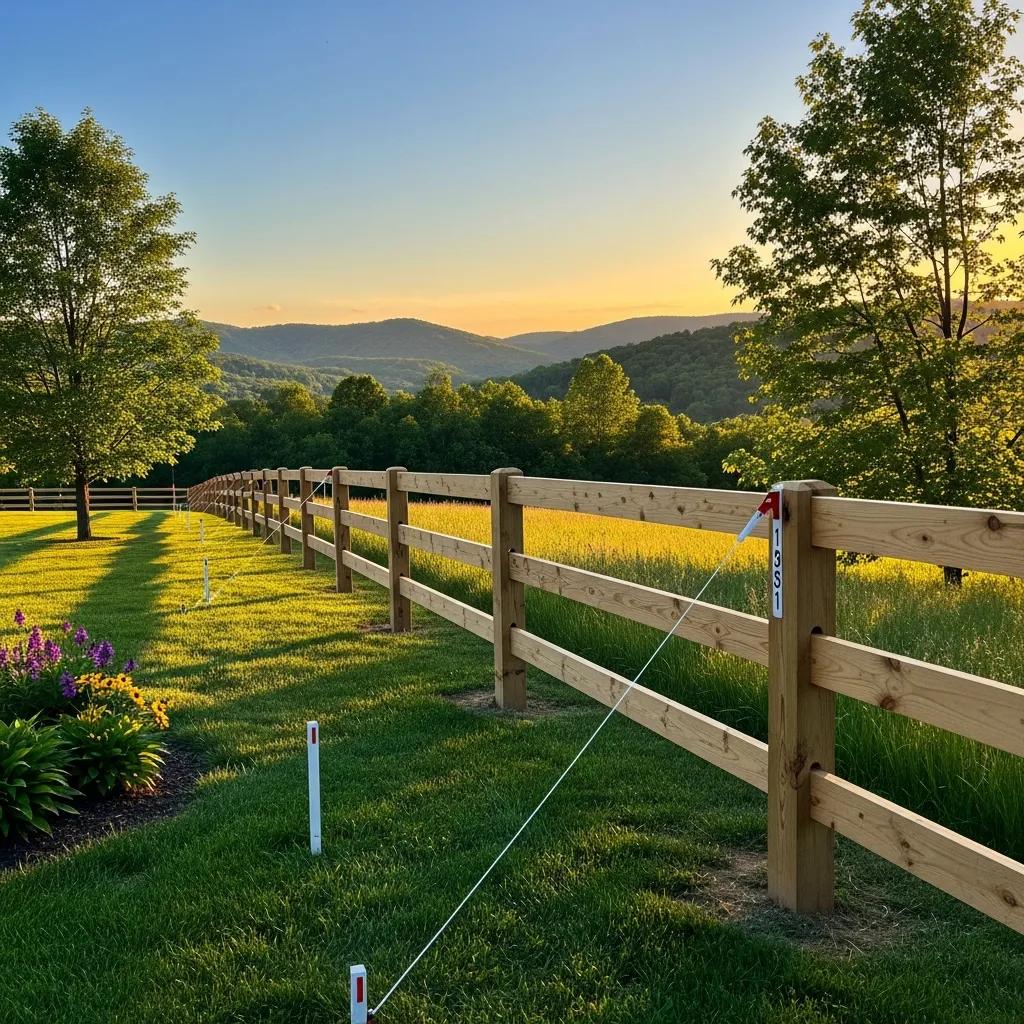
Navigating Property Line Disputes in West Virginia: A Guide
Property Line Dispute West Virginia: Understanding Boundary Disputes and Surveys When Lines Don’t Match
Boundary disputes in West Virginia most often stem from unclear lines or survey mismatches and create stress and risk for property owners and buyers. This guide summarizes common causes, practical steps to resolve conflicts, and the professionals involved so owners can protect their rights efficiently.
What Causes Property Boundary Disputes in West Virginia?
Disputes usually arise from survey errors, unclear or inconsistent deed descriptions, and encroachments. Survey mistakes come from measurement or recording errors; deed language may be vague; and structures or improvements sometimes extend across lines. Identifying the cause narrows the right resolution path.
How Do Survey Discrepancies Lead to Boundary Conflicts?

Recorded surveys can differ from current conditions for many reasons: older surveys, imprecise work, or changes to the land. A current boundary survey reconciles recorded descriptions with visible markers and is often the first step to resolving disputes.
What Are Common Examples of Property Line Encroachments in WV?
Common encroachments include:
Misplaced Survey Markers: Markers set in the wrong location create immediate confusion.
Fences and Structures: Fences, sheds, decks, or driveways that cross a line are frequent sources of conflict.
Natural Changes: Erosion or shifts in terrain can change the perceived boundary over time.
Clear communication and an up-to-date survey reduce the risk of long-term disputes.
How Do Land Surveys Affect Real Estate Transactions in West Virginia?
Surveys define usable property, reveal encroachments or easements, and affect marketability. Buyers and sellers rely on surveys to confirm what is included with the property and to avoid surprises that can delay or derail closings.
What Is the Role of a Surveyor in Boundary Verification?
Surveyors compare legal descriptions, past plats, and current site conditions, then produce an updated plat showing measured boundaries. Their work provides the factual basis for negotiation, title work, or legal action and can shorten dispute resolution time.
How Can Survey Issues Delay Property Closings?
When a survey reveals conflicting boundaries, undisclosed easements, or potential title defects, parties may need time to negotiate, correct records, or pursue legal remedies. That process can postpone closing until the issues are resolved or appropriately insured against.
What Legal Steps Resolve Boundary Disputes Before Closing in West Virginia?

Before closing, common steps include:
Obtain a Professional Survey: A current, precise survey clarifies lines and flags encroachments.
Negotiate with Neighbors: Direct, documented agreements can settle small disputes quickly.
File a Quiet Title Action: When negotiation fails, a quiet title action can establish legal ownership.
These options help clear title issues so a transaction can proceed. The practice of quieting titles has historical roots in the region and still serves to formalize ownership.
West Virginia Land Titles: Settling Ownership Conflicts
The quieting of land titles is the process used to resolve ownership conflicts and produce clear, marketable title. Clear title to lands in western Virginia had been an ongoing problem since the eighteenth-century land grants to large land companies such as the Ohio Company, the Greenbrier Company, and the Loyal Company.
Benjamin Harrison Smith, Land Titles, and the West Virginia Constitution, 2012
Moye Law Firm provides legal services in West Virginia for real estate matters including boundary disputes and survey conflicts, representing individuals and families in Cabell, Kanawha, Lincoln, Mason, and Putnam counties.
How Does Moye Law Firm Assist in Resolving Survey Conflicts?
Moye Law Firm reviews ownership records, orders or reviews surveys, negotiates with neighbors, and provides litigation support if needed. Their experience helps clients choose the quickest, most cost-effective path to clear title and use rights. For more information on their services, visit their practice areas page.
What Are Mediation and Litigation Options for Boundary Conflicts?
Resolution options include:
Negotiation: Direct discussion to reach an agreed solution.
Mediation: A neutral facilitator helps negotiate without court intervention.
Quiet Title Actions: Court actions to resolve ownership when other options fail.
Many owners prefer negotiation or mediation to avoid the cost and delay of litigation.
How Can Property Owners Prevent Boundary Survey Problems in West Virginia?
Proactive steps include:
Ordering an Up-to-Date Survey: Keep surveys current, especially before transactions or improvements.
Verifying Recorded Easements: Know any rights others have that affect your use.
Engaging a Surveyor Early: Early involvement flags issues before they become disputes.
Routine surveys and clear records reduce long-term risk.
What Role Does Title Insurance Play in Boundary Dispute Protection?
Title insurance can cover some title defects and provide legal defense against certain ownership claims. Buyers commonly purchase title insurance to protect against hidden issues discovered after closing.
How to Select a Qualified Surveyor for Accurate Boundary Lines?
When choosing a surveyor:
Identify Your Needs: Choose the survey type based on property size and complexity.
Research Licensed Surveyors: Confirm state licensure and local experience.
Check Credentials and Experience: Ask for references and sample plats from similar projects.
These checks improve the chance of a reliable, useful survey.
Boundary disputes can be stressful. For legal assistance, contact Moye Law Firm. For firm details, see the about us page, review common questions on the FAQs page, learn about services on the practice areas page, or use the contact us page to reach the firm. The firm also handles personal injury and family law matters; see their personal injury law and divorce and family law resources if needed.
Frequently Asked Questions
What should I do if I suspect a boundary dispute?
Check your deed and any existing surveys, talk with your neighbor, and if unresolved, hire a licensed surveyor. A current survey is the primary document used for negotiation or legal steps.
How can I ensure my property boundaries are accurately marked?
Order a current survey from a licensed surveyor, install durable markers if appropriate, and update records after changes to the property or the surrounding area.
What are the potential costs associated with resolving boundary disputes?
Costs depend on complexity and may include survey fees, legal consultations, mediation, and, if necessary, litigation. Ask a surveyor and an attorney for an initial estimate.
Can I build on my property if there is a boundary dispute?
It is usually unwise to build until the dispute is resolved. Construction can worsen disputes and create exposure to legal claims if it encroaches on another parcel.
What is the difference between mediation and litigation in boundary disputes?
Mediation uses a neutral facilitator to reach a voluntary agreement and is typically faster and less costly. Litigation seeks a court decision, which is binding but often slower and more expensive.
How can I protect myself from future boundary disputes?
Purchase comprehensive title insurance where appropriate, maintain updated surveys, keep good records of any agreements with neighbors, and communicate changes in writing.
What should I include in a boundary dispute agreement with my neighbor?
Base agreements on a recent survey, state any agreed line changes, allocate maintenance and access responsibilities, include steps for future disputes, and have all parties sign—ideally after legal review.

Moye Law Offices
We have two offices in West Virginia: Winfield and Cross Lanes.
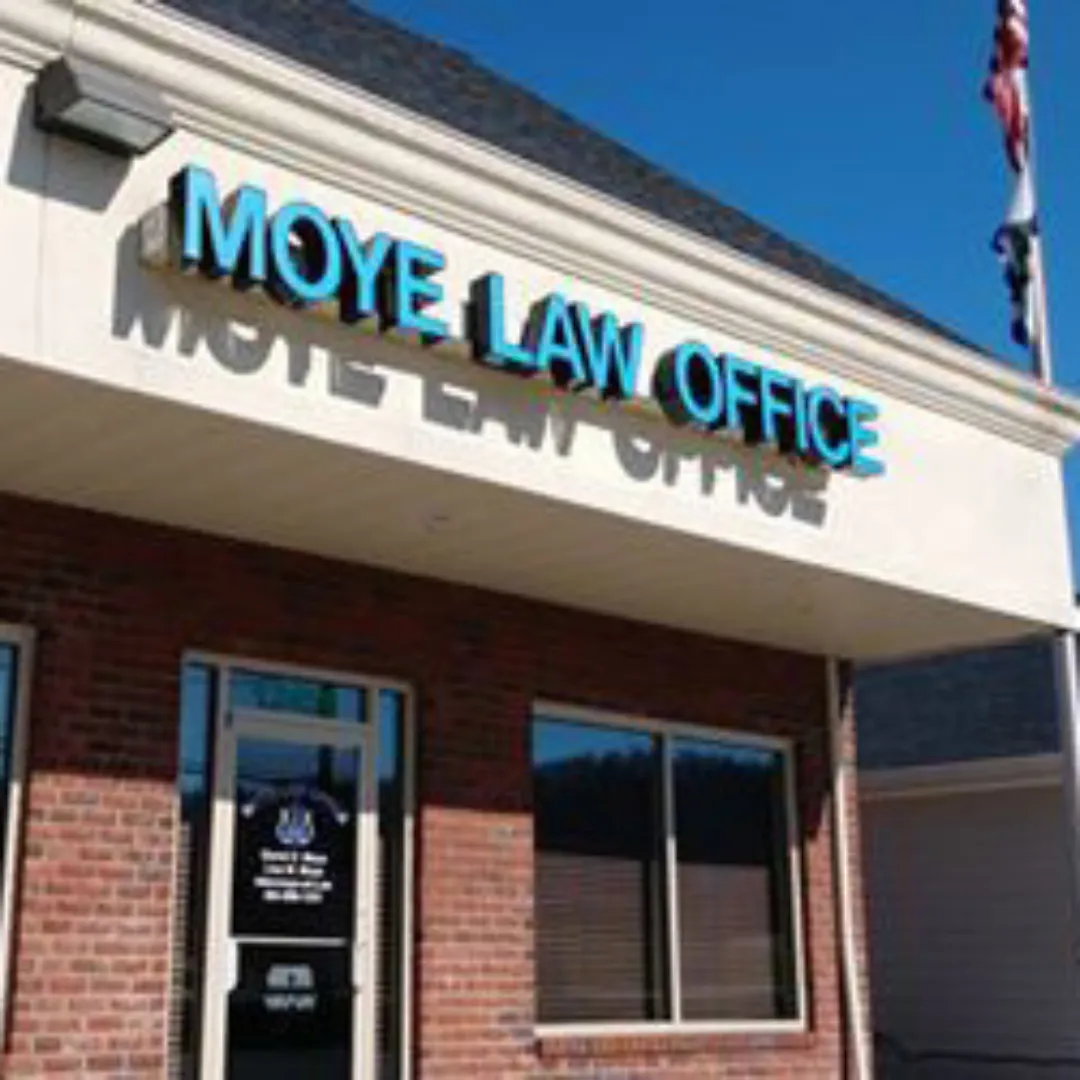
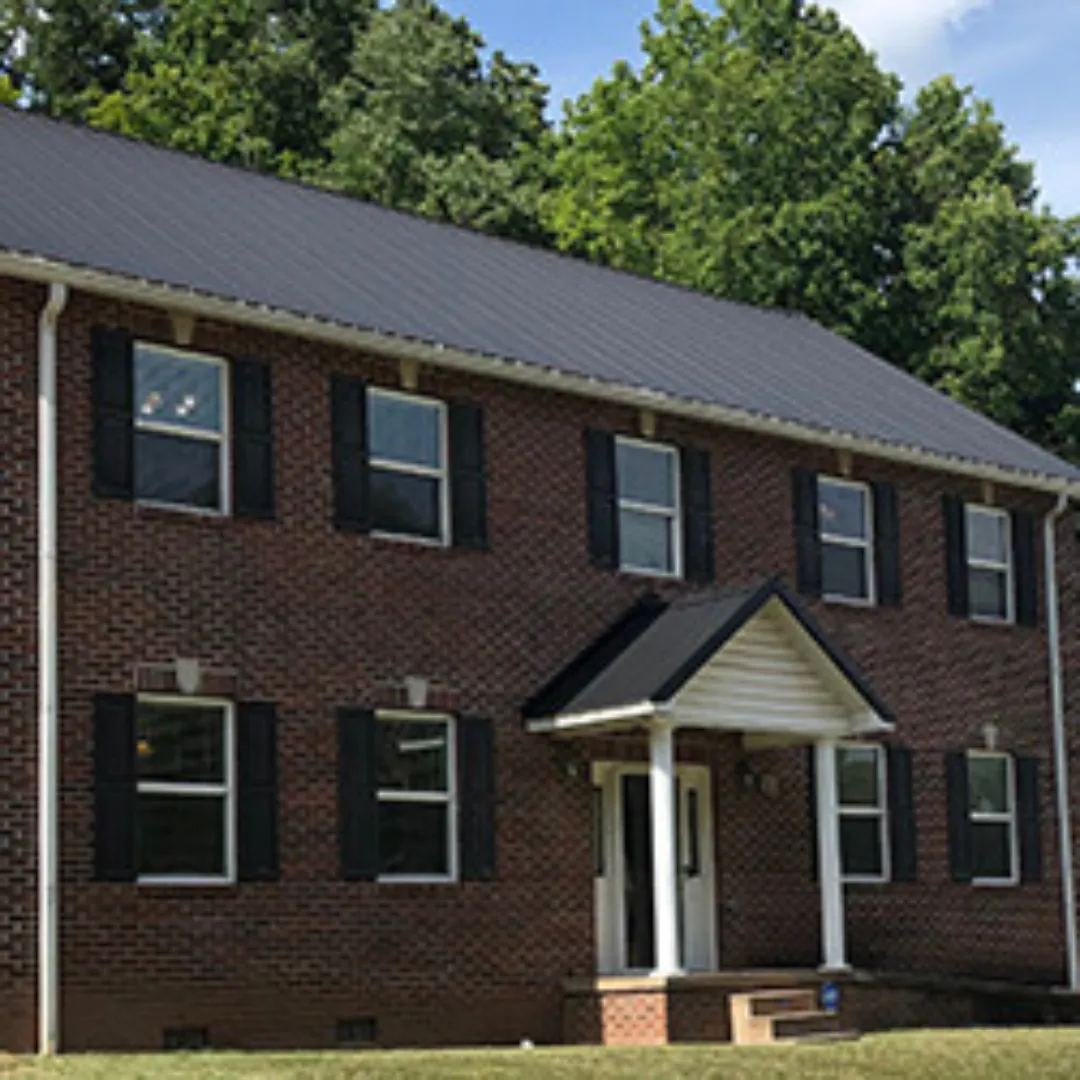
CROSS LANES
Navigating Property Line Disputes in West Virginia: A Guide
Property Line Dispute West Virginia: Understanding Boundary Disputes and Surveys When Lines Don’t Match
Boundary disputes in West Virginia most often stem from unclear lines or survey mismatches and create stress and risk for property owners and buyers. This guide summarizes common causes, practical steps to resolve conflicts, and the professionals involved so owners can protect their rights efficiently.
What Causes Property Boundary Disputes in West Virginia?
Disputes usually arise from survey errors, unclear or inconsistent deed descriptions, and encroachments. Survey mistakes come from measurement or recording errors; deed language may be vague; and structures or improvements sometimes extend across lines. Identifying the cause narrows the right resolution path.
How Do Survey Discrepancies Lead to Boundary Conflicts?
Recorded surveys can differ from current conditions for many reasons: older surveys, imprecise work, or changes to the land. A current boundary survey reconciles recorded descriptions with visible markers and is often the first step to resolving disputes.
What Are Common Examples of Property Line Encroachments in WV?
Common encroachments include:
Misplaced Survey Markers: Markers set in the wrong location create immediate confusion.
Fences and Structures: Fences, sheds, decks, or driveways that cross a line are frequent sources of conflict.
Natural Changes: Erosion or shifts in terrain can change the perceived boundary over time.
Clear communication and an up-to-date survey reduce the risk of long-term disputes.
How Do Land Surveys Affect Real Estate Transactions in West Virginia?
Surveys define usable property, reveal encroachments or easements, and affect marketability. Buyers and sellers rely on surveys to confirm what is included with the property and to avoid surprises that can delay or derail closings.
What Is the Role of a Surveyor in Boundary Verification?
Surveyors compare legal descriptions, past plats, and current site conditions, then produce an updated plat showing measured boundaries. Their work provides the factual basis for negotiation, title work, or legal action and can shorten dispute resolution time.
How Can Survey Issues Delay Property Closings?
When a survey reveals conflicting boundaries, undisclosed easements, or potential title defects, parties may need time to negotiate, correct records, or pursue legal remedies. That process can postpone closing until the issues are resolved or appropriately insured against.
What Legal Steps Resolve Boundary Disputes Before Closing in West Virginia?
Before closing, common steps include:
Obtain a Professional Survey: A current, precise survey clarifies lines and flags encroachments.
Negotiate with Neighbors: Direct, documented agreements can settle small disputes quickly.
File a Quiet Title Action: When negotiation fails, a quiet title action can establish legal ownership.
These options help clear title issues so a transaction can proceed. The practice of quieting titles has historical roots in the region and still serves to formalize ownership.
West Virginia Land Titles: Settling Ownership Conflicts
The quieting of land titles is the process used to resolve ownership conflicts and produce clear, marketable title. Clear title to lands in western Virginia had been an ongoing problem since the eighteenth-century land grants to large land companies such as the Ohio Company, the Greenbrier Company, and the Loyal Company.
Benjamin Harrison Smith, Land Titles, and the West Virginia Constitution, 2012
Moye Law Firm provides legal services in West Virginia for real estate matters including boundary disputes and survey conflicts, representing individuals and families in Cabell, Kanawha, Lincoln, Mason, and Putnam counties.
How Does Moye Law Firm Assist in Resolving Survey Conflicts?
Moye Law Firm reviews ownership records, orders or reviews surveys, negotiates with neighbors, and provides litigation support if needed. Their experience helps clients choose the quickest, most cost-effective path to clear title and use rights. For more information on their services, visit their practice areas page.
What Are Mediation and Litigation Options for Boundary Conflicts?
Resolution options include:
Negotiation: Direct discussion to reach an agreed solution.
Mediation: A neutral facilitator helps negotiate without court intervention.
Quiet Title Actions: Court actions to resolve ownership when other options fail.
Many owners prefer negotiation or mediation to avoid the cost and delay of litigation.
How Can Property Owners Prevent Boundary Survey Problems in West Virginia?
Proactive steps include:
Ordering an Up-to-Date Survey: Keep surveys current, especially before transactions or improvements.
Verifying Recorded Easements: Know any rights others have that affect your use.
Engaging a Surveyor Early: Early involvement flags issues before they become disputes.
Routine surveys and clear records reduce long-term risk.
What Role Does Title Insurance Play in Boundary Dispute Protection?
Title insurance can cover some title defects and provide legal defense against certain ownership claims. Buyers commonly purchase title insurance to protect against hidden issues discovered after closing.
How to Select a Qualified Surveyor for Accurate Boundary Lines?
When choosing a surveyor:
Identify Your Needs: Choose the survey type based on property size and complexity.
Research Licensed Surveyors: Confirm state licensure and local experience.
Check Credentials and Experience: Ask for references and sample plats from similar projects.
These checks improve the chance of a reliable, useful survey.
Boundary disputes can be stressful. For legal assistance, contact Moye Law Firm. For firm details, see the about us page, review common questions on the FAQs page, learn about services on the practice areas page, or use the contact us page to reach the firm. The firm also handles personal injury and family law matters; see their personal injury law and divorce and family law resources if needed.
Frequently Asked Questions
What should I do if I suspect a boundary dispute?
Check your deed and any existing surveys, talk with your neighbor, and if unresolved, hire a licensed surveyor. A current survey is the primary document used for negotiation or legal steps.
How can I ensure my property boundaries are accurately marked?
Order a current survey from a licensed surveyor, install durable markers if appropriate, and update records after changes to the property or the surrounding area.
What are the potential costs associated with resolving boundary disputes?
Costs depend on complexity and may include survey fees, legal consultations, mediation, and, if necessary, litigation. Ask a surveyor and an attorney for an initial estimate.
Can I build on my property if there is a boundary dispute?
It is usually unwise to build until the dispute is resolved. Construction can worsen disputes and create exposure to legal claims if it encroaches on another parcel.
What is the difference between mediation and litigation in boundary disputes?
Mediation uses a neutral facilitator to reach a voluntary agreement and is typically faster and less costly. Litigation seeks a court decision, which is binding but often slower and more expensive.
How can I protect myself from future boundary disputes?
Purchase comprehensive title insurance where appropriate, maintain updated surveys, keep good records of any agreements with neighbors, and communicate changes in writing.
What should I include in a boundary dispute agreement with my neighbor?
Base agreements on a recent survey, state any agreed line changes, allocate maintenance and access responsibilities, include steps for future disputes, and have all parties sign—ideally after legal review.
Moye Law Offices
We have two offices in West Virginia:
Winfield and Cross Lanes.
CROSS LANES
We Are Here To Help
Do you have a query or problem that you would like to talk about, or are you curious to hear more about how we can help you?
Get in touch today! We look forward to hearing from you.
Assistance Hours
Monday – Friday: 8:30am – 4:30pm
Saturday: By appointment only
Sunday: CLOSED
Subscribe to our Newsletter
We Are Here To Help
Do you have a query or problem that you would like to talk about, or are you curious to hear more about how we can help you?
Get in touch today! We look forward to hearing from you.
Assistance Hours
Monday – Friday 8:30am – 4:30pm
Saturday: By appointment only
Sunday CLOSED