
Blog

Blog
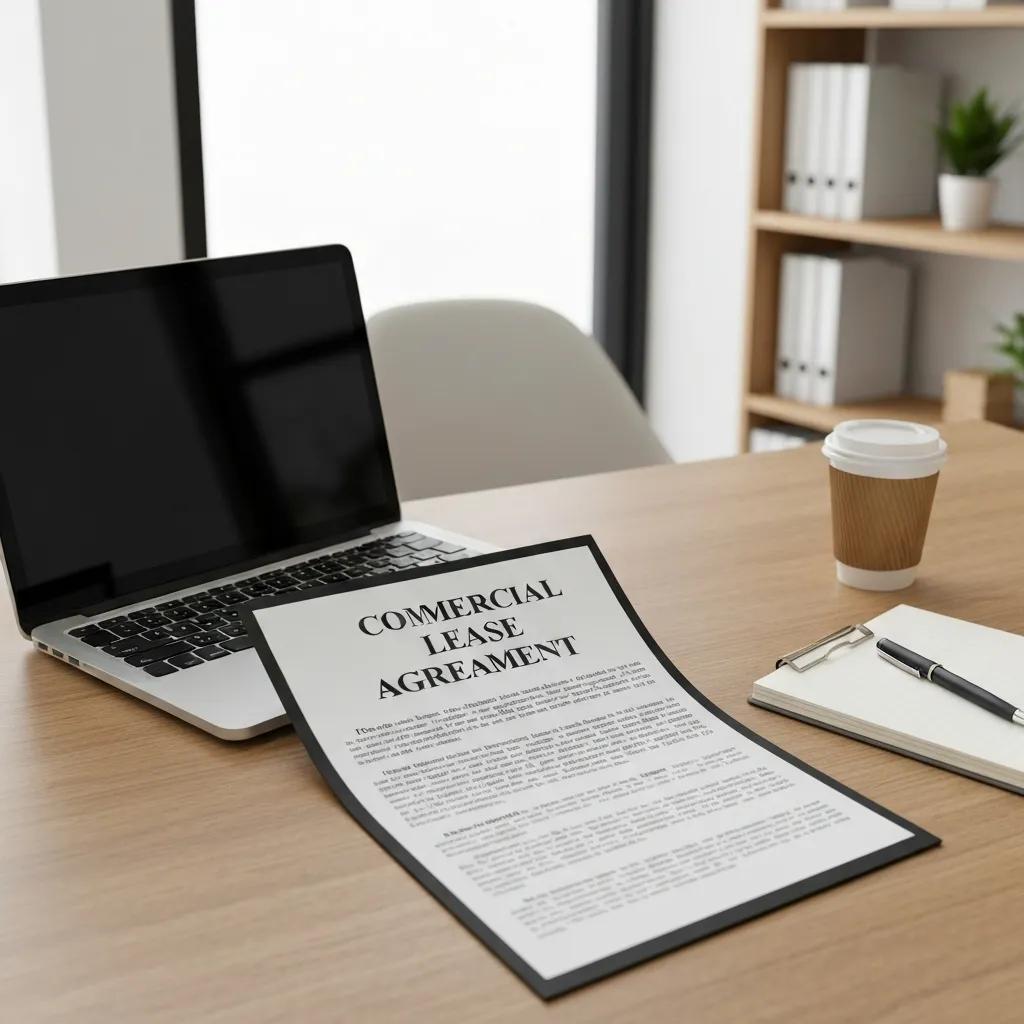
Navigating Commercial Property Leasing Agreements with Ease
Commercial Lease Agreements in West Virginia: A Practical, Step‑by‑Step Guide to Negotiation and Review
Commercial leases define how a business occupies, uses, and pays for a commercial property. Successfully navigating them means understanding contract mechanics, who pays what, and how to negotiate terms that protect your operation. This guide explains what a commercial lease is, how it differs from residential agreements, and the common lease structures—gross, net, and modified gross. You’ll find a clear walkthrough of the clauses to check before signing, practical negotiation steps, pre‑deal due diligence, West Virginia–specific concerns about tenant rights and landlord duties, and useful checklists to simplify review and decisions. After a concise overview of core concepts and red‑flag clauses, we offer negotiation language, sample calculations for escalations and CAM charges, and tips for preparing a productive attorney meeting. If you want local counsel, Moye Law Office and attorney J. Scott Moye are available for West Virginia real estate matters; this guide explains when to consult counsel without replacing the practical steps below.
What Is a Commercial Lease Agreement and How Does It Differ from Residential Leases?
A commercial lease is the contract that sets the rules for renting business property: who pays rent, which operating expenses each party covers, maintenance obligations, permitted uses, and remedies for breaches. Unlike most residential leases, commercial leases are negotiated agreements that rely heavily on contract terms rather than statutory consumer protections. The advantage for both sides is certainty—tenants can forecast occupancy costs and landlords can secure predictable income. Knowing these basics helps business owners and property owners prioritize risks and negotiating points before they sign.
What Are the Key Features of Commercial Lease Contracts?
Typical commercial leases cover lease length, base rent, escalation clauses, common area maintenance (CAM) allocations, tenant improvement (TI) allowances, permitted use, security deposits, and insurance requirements. Each item affects cash flow and operational flexibility: longer terms provide rent stability but can lock tenants into unsuitable space; TI allowances shift upfront costs between parties. In negotiations, seek caps on pass‑through expenses, clear CAM reconciliation rules, and specific repair responsibilities to avoid later disputes. Precise drafting of these features determines predictable occupancy costs for tenants and manageable obligations for landlords.
How Do Commercial Leases Differ from Residential Leases?
Commercial leases differ from residential agreements in legal protections, habitability standards, and negotiability. Commercial tenants typically have fewer statutory safeguards and more freedom—and responsibility—to negotiate contract terms. Practically, commercial leases often shift insurance, repairs, and CAM fees to tenants, while residential law imposes minimum habitability requirements and other consumer protections. That makes careful contract drafting, risk assessment, and due diligence—like title and zoning review—especially important for businesses. Understanding these differences lets tenants focus on clauses that preserve operations and cash flow.
What Are the Types of Commercial Lease Agreements?

Lease structure determines who pays which operating expenses and how predictable tenant costs will be. The main options are gross leases, net leases (single, double, triple), and modified gross leases. Each shifts expense responsibility in different ways; choosing the right structure depends on tenant risk tolerance and property type. Look beyond base rent to total occupancy cost when comparing offers. The short definitions below make those trade‑offs easy to compare.
Gross lease: The landlord pays most operating expenses; the tenant pays a single rent amount that covers those costs.
Single net lease: The tenant pays base rent plus property taxes; the landlord retains other operating expense responsibilities.
Double net lease: The tenant pays base rent plus property taxes and insurance; the landlord typically covers major structural maintenance.
Triple net lease: The tenant pays base rent plus taxes, insurance, and maintenance (NNN); common in single‑tenant retail or industrial deals.
Modified gross lease: A hybrid where specific expenses are split by negotiation; clarity about which items are included is essential.
Use this shortlist to match lease type to a tenant’s need for predictability or a landlord’s desire to pass through variable expenses.
Lease TypeWho Pays (Rent/Expenses)Typical Use Case / Pros & ConsGross LeaseTenant pays a single rent amount; landlord covers most operating expensesCommon for small offices—offers tenant cost predictability, adds administrative burden for landlordSingle Net LeaseTenant pays rent + property taxes; landlord covers remaining expensesSimpler pass‑through model; tenant bears some tax increase riskDouble Net LeaseTenant pays rent + taxes + insurance; landlord covers major maintenanceFrequent in multi‑tenant properties; splits responsibilities between partiesTriple Net Lease (NNN)Tenant pays rent + taxes + insurance + maintenanceTypical for single‑tenant retail/industrial—shifts variable costs to tenantModified GrossParties negotiate which expenses are included in rentFlexible for both sides; needs precise drafting to avoid disputes
What Is a Gross Lease and When Is It Used?
In a gross lease, most operating expenses are bundled into one rent payment, giving tenants predictable monthly obligations while the landlord handles taxes, insurance, and many maintenance tasks. This works well for office tenants and small businesses that prefer budgeting certainty and limited exposure to CAM or tax swings. When negotiating a gross lease, clarify the base rent, caps on increases, and exactly which expenses are included. Even with a gross structure, ask for periodic statements or audit rights to ensure transparency if costs are later reallocated.
How Do Net Leases Work: Single, Double, and Triple Net Explained?
Net leases move particular expense categories to the tenant: a single net lease adds property taxes, a double net adds taxes and insurance, and a triple net (NNN) adds maintenance and other pass‑throughs so the tenant covers most variable costs. Tenants typically pay estimated amounts monthly with annual reconciliations (true‑ups) based on actual expenses. Key negotiation points are caps on increases, precise definitions of excluded items, and audit rights for reconciliations to avoid surprise charges. Identifying the exact expense buckets in the lease is critical for long‑term cost forecasting.
What Is a Modified Gross Lease and Its Benefits?
A modified gross lease is a hybrid: certain costs—like utilities or janitorial—are assigned to one party while other expenses stay bundled in rent. This balances predictability with transparency. It’s useful for tenants who want partial cost certainty and for landlords who want to pass through select expenses without full NNN complexity. Negotiate a clear list of included and excluded expenses, reconciliation timing, and whether the lease converts to a net structure after an initial period. Tenants should also ask for caps or fixed‑increase formulas on pass‑throughs to preserve budgeting ability.
What Are the Essential Clauses in Commercial Lease Contracts?
Essential clauses allocate financial duties, define permitted operations, set transfer rights, and establish remedies. Commonly negotiated provisions include rent and escalations, CAM allocations, permitted use and exclusivity, assignment and subletting, TI and restoration obligations, insurance and indemnity, defaults and termination, and dispute resolution. Precise language reduces ambiguity and future disputes; a clause‑by‑clause review helps landlords and tenants focus negotiation leverage and avoid common pitfalls. The table below summarizes typical clauses with practical negotiation tips.
ClauseAttribute / DetailNegotiation Tip / Common PitfallRent & EscalationCPI adjustments, fixed steps, or percentage increasesNegotiate caps, offsets, or market‑tied steps to limit surprisesCAM FeesWhich items are included, allocation method, reconciliation timingAsk for caps, exclusions, and audit rights to ensure transparencyUse ClausePermitted activities, exclusivity, prohibited operationsSeek broad permitted‑use language and narrowly tailored restrictionsAssignment/SublettingConsent standard, financial qualifications, transfer feesPush for "reasonable consent," limit transferee tests, and cap feesDefault/TerminationEvents of default, cure periods, remedies availableNegotiate reasonable cure periods and restrict landlord self‑help
How Do Rent and Escalation Clauses Affect Your Lease?
Rent clauses set the base rent and how it rises over time—by fixed steps, CPI indexing, or market reviews. The escalation method drives long‑term occupancy costs: CPI links increases to inflation but often needs floors or caps; fixed steps offer predictability but may drift from market rates. Negotiation tactics include adding caps or ceilings, using offsets (like TI amortization) to lower effective increases, and running sample escalation scenarios across the lease term so you understand cumulative costs before agreeing.
What Are Common Area Maintenance Fees and How Are They Calculated?
CAM fees cover shared property expenses—landscaping, security, exterior upkeep, and some utilities—and are usually allocated pro rata by rentable square footage with annual reconciliations to actual costs. Disputes often stem from vague inclusions, administrative fees, or unclear calculation bases, so insist on line‑item definitions and reconciliation timelines. Negotiable points include maximum annual increases, excluding management fees, and securing audit rights to review invoices. A CAM cap or fixed contribution during initial years improves budgeting certainty.
What Are Use Clauses and How Do They Limit Property Use?
Use clauses spell out permitted business activities and any exclusive rights or restrictions that affect operations. Overly narrow language can block growth, limit ancillary revenue, or forbid complementary services. Examples include bans on certain product lines, restricted hours, or limits on service types—each of which can hinder business models that mix retail and services. Tenants should push for broad, purpose‑based permitted‑use language with narrowly tailored prohibitions and express rights for reasonable ancillary uses to avoid unintended breaches as the business evolves.
How Do Assignment, Subletting, and Renewal Clauses Impact Tenants and Landlords?
Assignment transfers the tenant’s entire interest to another party; subletting creates a secondary tenancy. Both usually require landlord consent, and the consent standard controls transferability. Landlords often require financial tests, guarantees, or transfer fees; tenants should seek "reasonableness" standards, fee caps, and clear commercial criteria for sublets. Renewal clauses set the terms for extensions and may use preset rent formulas or market reviews—negotiating predefined renewal terms reduces future uncertainty. Clear transfer rules preserve tenant flexibility and protect landlord cash flow.
What Are Default and Termination Clauses and Their Implications?
Default clauses identify breaches that trigger remedies, set cure periods, and outline landlord options such as acceleration, termination, or self‑help. Broad default definitions can expose tenants to significant risk; common triggers include nonpayment, unauthorized use, insolvency, and failure to maintain insurance. Negotiate reasonable cure windows, clear notice procedures, and graduated remedies. Early termination or break options give tenants flexibility but usually come with fees or notice requirements. Strong cure periods and limited landlord remedies reduce the chance of catastrophic outcomes from technical defaults.
If you still have questions about commercial leases, our Frequently Asked Questions section addresses common concerns about process, services, and client steps—and can help you prepare for more detailed conversations.
Lease Agreements: Significance in Commercial Real Estate Investment
Because commercial leases are the primary source of income for many investment properties, they play a central role in a building’s value. For owners who lease business premises rather than occupy them, steady rental income under existing leases is the foundation for expected returns. When investors buy income properties, purchase prices often reflect current or prospective lease agreements and the rental streams they generate. In many cases, an investor is buying the leases and cash flow as much as the physical real estate.
Lease Agreements, 2012
How Can You Effectively Negotiate Commercial Lease Terms?

Good negotiation starts with preparation: market data, a ranked list of priorities, and an understanding of what landlords value. Preparation gives you leverage and helps structure trade‑offs that both sides can accept. Typical negotiation trade‑offs include exchanging rent concessions for tenant improvements, phasing TI disbursements, or accepting a longer term for a rent‑free period. The checklist below is a practical workflow to follow from initial offer through lease execution.
Conduct thorough due diligence: Confirm title, zoning, and any recorded encumbrances before making an offer.
Build financial models: Project base rent plus likely escalations, CAM, taxes, and insurance over the lease term.
Rank priorities: Put rent, TI, lease term, assignment rights, and exit options in order of importance.
Propose trade‑offs: Offer longer terms for TI dollars, or accept higher rent in exchange for expanded use rights.
Document and review: Get negotiated points in writing and have counsel review final drafts before signing.
What Pre-Negotiation Research Should You Conduct?
Before you negotiate, verify title status and recorded easements, confirm zoning and permit requirements, inspect the premises, and review any existing leases that affect occupancy. Title and encumbrance searches reveal liens or restrictions that could interfere with your plans; zoning checks confirm permitted uses. A site visit and a look at neighboring tenants help assess competition and operations. Market rent benchmarking and financial modeling of escalations and CAM reconciliations turn subjective offers into data‑driven decisions.
What Are Proven Strategies for Negotiating Lease Terms?
Effective strategies include separating economic from non‑economic items, pressing for caps on pass‑through expenses, seeking phased TI tied to milestones, and requiring audit rights for CAM reconciliations. Use comparables selectively to support your offer, and prioritize non‑monetary concessions such as exclusivity or signage where money is tight. When you offer concessions, present clear trade‑offs—e.g., accept a modest rent increase for a fixed TI allowance and an early termination option. Put agreed points into a term sheet to avoid later backtracking in drafting.
When Should You Consult a Commercial Lease Lawyer in West Virginia?
Call a commercial lease attorney when lease terms are complex, TI or assignment provisions are substantial, or ambiguous default and indemnity language could expose the business to outsized risk. Red flags include open‑ended CAM definitions, vague restoration obligations, unusual indemnities, or clauses that permit unilateral rent increases. Local counsel is especially valuable in West Virginia where courtroom practices and statutory nuances affect remedies and enforceability. Moye Law Office can review drafts, highlight WV‑specific issues, and represent clients in negotiation or disputes. Schedule a consultation through the firm’s website or by contacting the office when the lease has meaningful financial or operational consequences.
What Are Tenant Rights and Landlord Responsibilities in West Virginia Commercial Leases?
Commercial leasing in West Virginia is governed primarily by contract law and the terms the parties negotiate, rather than the residential statutes that protect consumers. That makes clear, detailed drafting—assigning repair duties, insurance obligations, and liability allocations—critical. West Virginia courts interpret commercial contracts under general contract principles, so precise definitions, incorporated exhibits (like work letters), and unambiguous notice procedures reduce litigation risk. Understanding local practice and procedural timelines helps parties choose dispute resolution methods that fit their needs.
What West Virginia Laws Govern Commercial Property Leasing?
West Virginia commercial leases are shaped mainly by general contract and property law, with specific statutes addressing areas like landlord remedies and foreclosure. Unlike residential leases, commercial agreements are less constrained by consumer protections. Practitioners consult the West Virginia Code, relevant case law, and local court practices for guidance on enforcing lease terms, remedies for default, and interpreting ambiguous clauses. Knowing where statute ends and contract governs helps draft enforceable, WV‑compliant leases.
How Are Tenant Protections and Landlord Obligations Defined in WV?
In West Virginia, tenant protections and landlord duties in commercial leases flow from the contract and general legal principles—such as the covenant of quiet enjoyment—so parties should expressly allocate maintenance responsibilities and insurance coverage. Tenants commonly negotiate explicit maintenance thresholds for landlord responsibility, limits on pass‑through charges, and indemnity language tied to fault. Landlords typically insist on insurance, security deposits, and remedies for nonpayment; balancing these with clear cure periods and notice procedures lowers the risk of post‑execution conflict. Draft sample clauses that set precise thresholds and timelines to protect both sides.
How Are Commercial Lease Disputes Resolved in West Virginia?
Dispute resolution options include direct negotiation, mediation, arbitration, and litigation, each with tradeoffs in cost, speed, and confidentiality. Mediation helps preserve business relationships through a facilitated settlement; arbitration provides a binding private decision with limited appeal; litigation is public and can set precedent but is usually slower and costlier. For many WV disputes—like CAM reconciliations or rent defaults—starting with mediation and keeping litigation as a last resort is practical. Selecting the right dispute resolution clause and timelines during drafting avoids procedural surprises later.
What Tools and Checklists Can Help You Navigate Commercial Lease Agreements?
Using structured tools—a lease checklist, annotated sample clauses, hypothetical negotiation scenarios, and a document request list—makes lease review systematic and reduces missed items. A robust checklist covers title, zoning, financial modeling, TI scopes, permitted uses, assignment standards, CAM calculations, insurance limits, default remedies, and dispute processes. The table below links common tools to what they verify and why they matter, so you can turn abstract risks into verifiable documents and focused negotiation points. Coming to negotiations prepared also makes attorney time more efficient.
Tool / Checklist ItemWhat It VerifiesWhy It MattersTitle & Encumbrance SearchConfirms ownership, liens, and easementsPrevents surprises that could block occupancy or improvementsZoning & Use ConfirmationVerifies permitted business activitiesAvoids enforcement for non‑conforming usesCAM Reconciliation WorksheetTracks allocable expenses and year‑end reconciliationsHelps prevent unexpected pass‑through chargesTenant Improvement (TI) Work LetterDefines scope, allowance amounts, and timingAligns build‑out expectations and payment responsibilitiesInsurance & Indemnity ChecklistVerifies required policies and coverage limitsProtects against uninsured losses and liability gaps
What Should a Commercial Lease Agreement Checklist Include?
Your checklist should cover title and zoning verification, lease term and renewal options, base rent and escalation methods, CAM details and reconciliation rules, TI scope and payment timing, assignment and subletting standards, insurance and indemnity requirements, default remedies and cure periods, and dispute resolution procedures. For each item, list the supporting documents you need—CAM statements, current insurance certificates, estoppel letters, and copies of existing leases—to verify representations. Bringing that package to negotiations streamlines the process and signals professionalism to landlords and brokers.
How Can Sample Lease Clauses and Hypothetical Scenarios Improve Understanding?
Annotated sample clauses and short hypothetical scenarios translate legal language into concrete outcomes, showing how small wording changes affect costs or obligations. For instance, a CAM clause that excludes capital repairs versus one that includes them can significantly affect annual costs; a reconciliation example shows how monthly estimates can produce a sizable year‑end true‑up if there are no caps. Working through examples prepares negotiators to suggest alternative language and quantify trade‑offs so both parties can reach practical compromises.
Where Can You Find Expert Legal Guidance and Consultation?
When a lease allocates substantial costs, contains ambiguous remedies, or involves significant TI commitments, schedule a focused attorney review so counsel can identify WV‑specific issues and propose precise edits. Prepare by gathering the lease draft, recent CAM statements, title report, zoning confirmation, and any TI budgets to help counsel assess exposure and draft alternative language efficiently. For West Virginia matters, Moye Law Office—whose attorneys have experience in real estate law and community ties—offers consultations to review leases, advise on strategy, and represent clients if disputes arise. A concise attorney review often uncovers high‑value edits that materially reduce future legal and financial risk.
Prepare documents: Bring the lease draft, recent CAM statements, title report, and zoning info to your meeting.
List priorities: Identify the top three negotiation items to focus counsel’s review.
Ask for redlines: Request specific alternative clauses and a short memo summarizing material risks.
Frequently Asked Questions
What Should You Consider Before Signing a Commercial Lease?
Before you sign, review the lease term, rent structure, escalation clauses, and who is responsible for maintenance and CAM charges. Confirm zoning and the location’s suitability for your business, and watch for ambiguous language that could create future disputes. If anything is unclear, consult an attorney to ensure your interests are protected before you commit.
How Can You Prepare for a Commercial Lease Negotiation?
Preparation means market research, clear priorities, and financial modeling. Collect comparable rent data, decide which terms matter most—like TI, assignment rights, or lease term—and project total occupancy costs including CAM and escalations. A well‑prepared position and a prioritized wish list make negotiations more focused and effective.
What Are the Risks of Not Understanding Your Lease Terms?
Not fully understanding the lease can lead to unexpected costs (for example, high CAM fees), unintended repair obligations, or exposure to defaults and early termination. Ambiguous provisions can trigger disputes or penalties. Reviewing every clause thoroughly—ideally with counsel—reduces financial and operational risk.
What Role Does a Commercial Lease Lawyer Play in Negotiations?
A commercial lease lawyer identifies legal pitfalls, suggests protective language, and negotiates on your behalf. Counsel ensures the lease complies with local law and translates complex terms into practical implications for your business. Investing in legal review can prevent costly mistakes down the road.
How Can You Ensure Compliance with Local Laws in Your Lease?
To ensure compliance, become familiar with West Virginia zoning rules, permit requirements, and relevant property statutes. Have a local attorney review the lease for conflicts with state law and request amendments where necessary. Regularly updating your understanding of local regulations helps you stay compliant during the lease term.
What Are the Benefits of Using a Lease Checklist?
A checklist helps you systematically cover critical items—rent terms, CAM fees, maintenance responsibilities, TI scopes, insurance, and dispute resolution—so nothing is overlooked. It also organizes supporting documents and clarifies negotiation points, improving your credibility with landlords and making attorney reviews more efficient.

Moye Law Offices
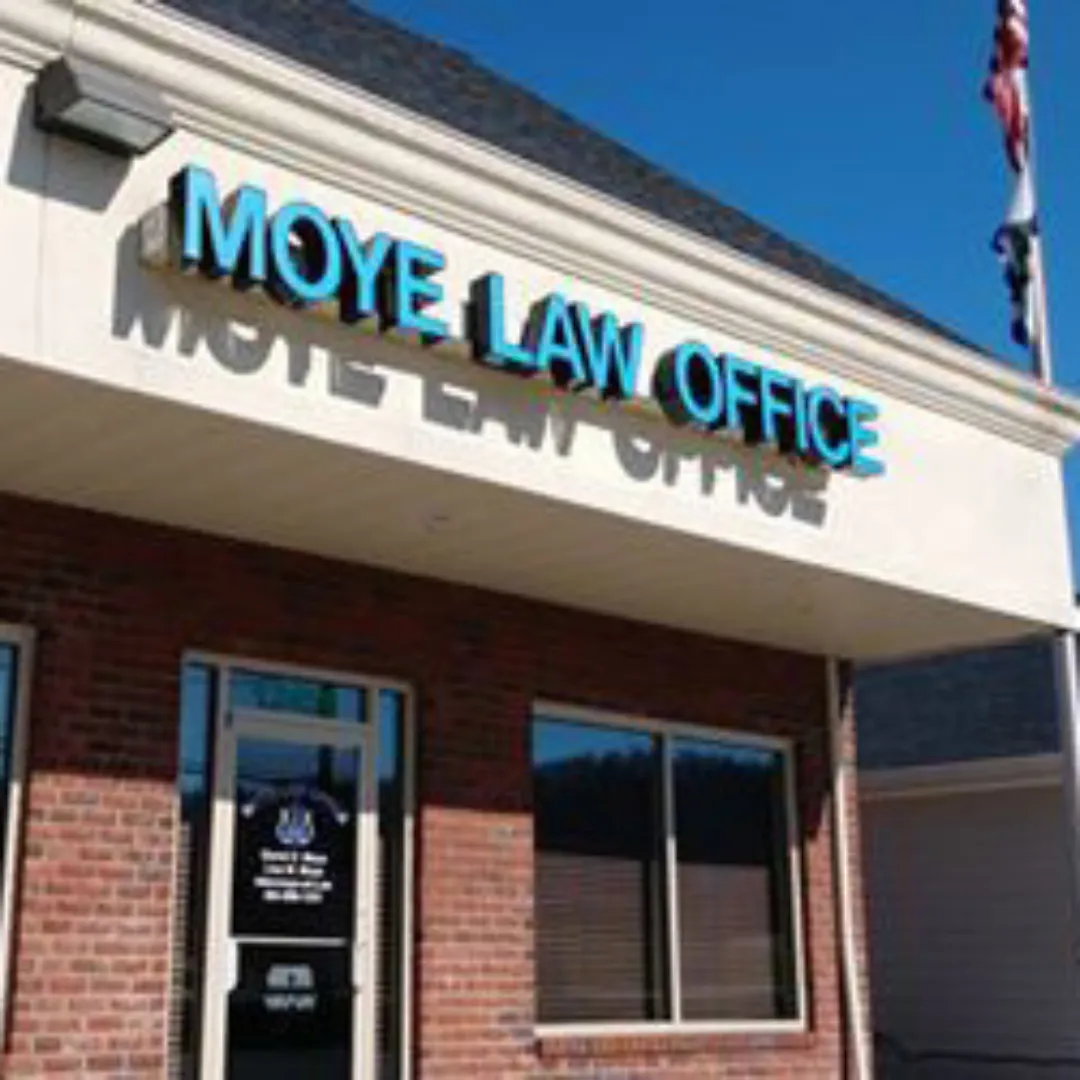
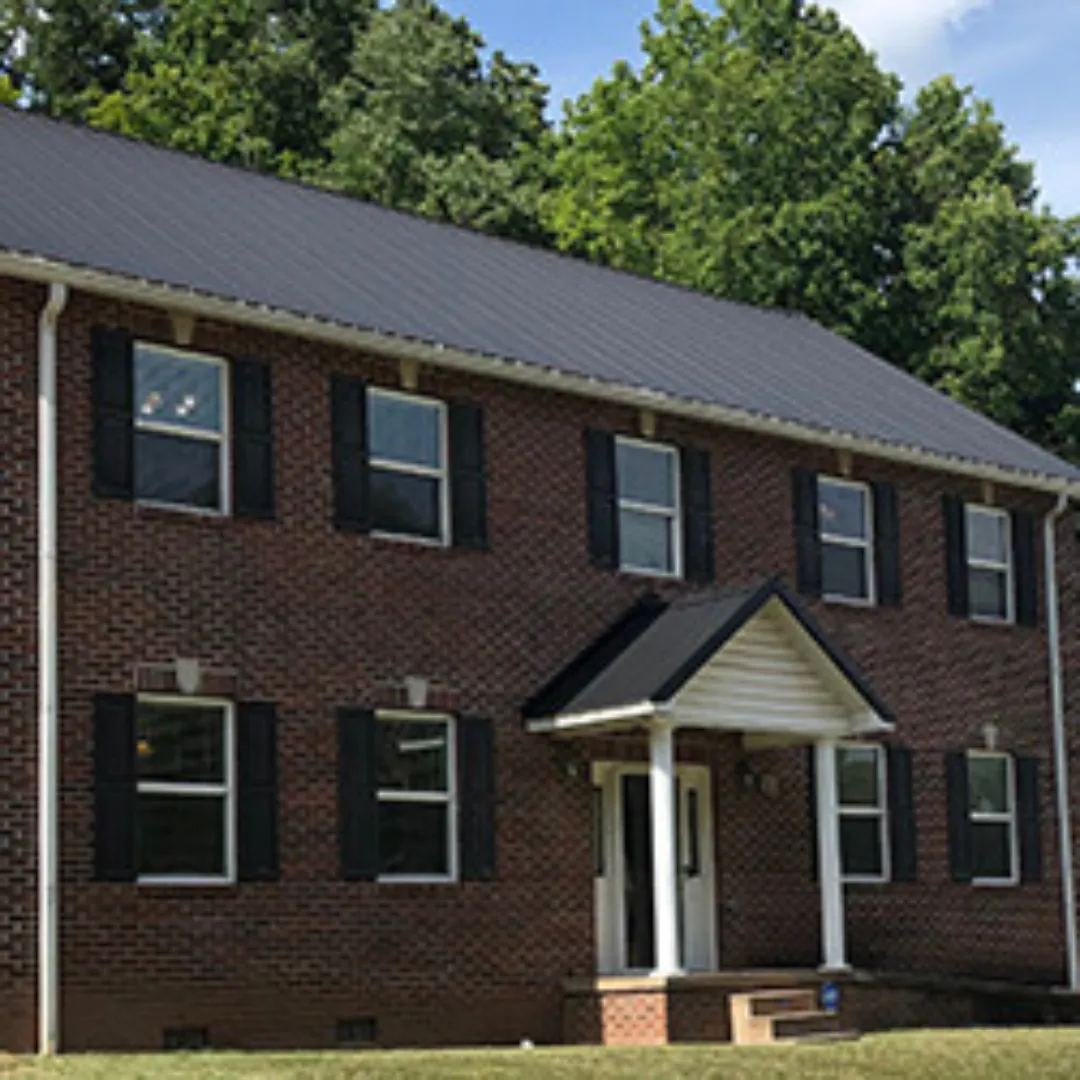
We have two offices in West Virginia: Winfield and Cross Lanes.
CROSS LANES
Navigating Commercial Property Leasing Agreements with Ease
Commercial Lease Agreements in West Virginia: A Practical, Step‑by‑Step Guide to Negotiation and Review
Commercial leases define how a business occupies, uses, and pays for a commercial property. Successfully navigating them means understanding contract mechanics, who pays what, and how to negotiate terms that protect your operation. This guide explains what a commercial lease is, how it differs from residential agreements, and the common lease structures—gross, net, and modified gross. You’ll find a clear walkthrough of the clauses to check before signing, practical negotiation steps, pre‑deal due diligence, West Virginia–specific concerns about tenant rights and landlord duties, and useful checklists to simplify review and decisions. After a concise overview of core concepts and red‑flag clauses, we offer negotiation language, sample calculations for escalations and CAM charges, and tips for preparing a productive attorney meeting. If you want local counsel, Moye Law Office and attorney J. Scott Moye are available for West Virginia real estate matters; this guide explains when to consult counsel without replacing the practical steps below.
What Is a Commercial Lease Agreement and How Does It Differ from Residential Leases?
A commercial lease is the contract that sets the rules for renting business property: who pays rent, which operating expenses each party covers, maintenance obligations, permitted uses, and remedies for breaches. Unlike most residential leases, commercial leases are negotiated agreements that rely heavily on contract terms rather than statutory consumer protections. The advantage for both sides is certainty—tenants can forecast occupancy costs and landlords can secure predictable income. Knowing these basics helps business owners and property owners prioritize risks and negotiating points before they sign.
What Are the Key Features of Commercial Lease Contracts?
Typical commercial leases cover lease length, base rent, escalation clauses, common area maintenance (CAM) allocations, tenant improvement (TI) allowances, permitted use, security deposits, and insurance requirements. Each item affects cash flow and operational flexibility: longer terms provide rent stability but can lock tenants into unsuitable space; TI allowances shift upfront costs between parties. In negotiations, seek caps on pass‑through expenses, clear CAM reconciliation rules, and specific repair responsibilities to avoid later disputes. Precise drafting of these features determines predictable occupancy costs for tenants and manageable obligations for landlords.
How Do Commercial Leases Differ from Residential Leases?
Commercial leases differ from residential agreements in legal protections, habitability standards, and negotiability. Commercial tenants typically have fewer statutory safeguards and more freedom—and responsibility—to negotiate contract terms. Practically, commercial leases often shift insurance, repairs, and CAM fees to tenants, while residential law imposes minimum habitability requirements and other consumer protections. That makes careful contract drafting, risk assessment, and due diligence—like title and zoning review—especially important for businesses. Understanding these differences lets tenants focus on clauses that preserve operations and cash flow.
What Are the Types of Commercial Lease Agreements?
Lease structure determines who pays which operating expenses and how predictable tenant costs will be. The main options are gross leases, net leases (single, double, triple), and modified gross leases. Each shifts expense responsibility in different ways; choosing the right structure depends on tenant risk tolerance and property type. Look beyond base rent to total occupancy cost when comparing offers. The short definitions below make those trade‑offs easy to compare.
Gross lease: The landlord pays most operating expenses; the tenant pays a single rent amount that covers those costs.
Single net lease: The tenant pays base rent plus property taxes; the landlord retains other operating expense responsibilities.
Double net lease: The tenant pays base rent plus property taxes and insurance; the landlord typically covers major structural maintenance.
Triple net lease: The tenant pays base rent plus taxes, insurance, and maintenance (NNN); common in single‑tenant retail or industrial deals.
Modified gross lease: A hybrid where specific expenses are split by negotiation; clarity about which items are included is essential.
Use this shortlist to match lease type to a tenant’s need for predictability or a landlord’s desire to pass through variable expenses.
Lease TypeWho Pays (Rent/Expenses)Typical Use Case / Pros & ConsGross LeaseTenant pays a single rent amount; landlord covers most operating expensesCommon for small offices—offers tenant cost predictability, adds administrative burden for landlordSingle Net LeaseTenant pays rent + property taxes; landlord covers remaining expensesSimpler pass‑through model; tenant bears some tax increase riskDouble Net LeaseTenant pays rent + taxes + insurance; landlord covers major maintenanceFrequent in multi‑tenant properties; splits responsibilities between partiesTriple Net Lease (NNN)Tenant pays rent + taxes + insurance + maintenanceTypical for single‑tenant retail/industrial—shifts variable costs to tenantModified GrossParties negotiate which expenses are included in rentFlexible for both sides; needs precise drafting to avoid disputes
What Is a Gross Lease and When Is It Used?
In a gross lease, most operating expenses are bundled into one rent payment, giving tenants predictable monthly obligations while the landlord handles taxes, insurance, and many maintenance tasks. This works well for office tenants and small businesses that prefer budgeting certainty and limited exposure to CAM or tax swings. When negotiating a gross lease, clarify the base rent, caps on increases, and exactly which expenses are included. Even with a gross structure, ask for periodic statements or audit rights to ensure transparency if costs are later reallocated.
How Do Net Leases Work: Single, Double, and Triple Net Explained?
Net leases move particular expense categories to the tenant: a single net lease adds property taxes, a double net adds taxes and insurance, and a triple net (NNN) adds maintenance and other pass‑throughs so the tenant covers most variable costs. Tenants typically pay estimated amounts monthly with annual reconciliations (true‑ups) based on actual expenses. Key negotiation points are caps on increases, precise definitions of excluded items, and audit rights for reconciliations to avoid surprise charges. Identifying the exact expense buckets in the lease is critical for long‑term cost forecasting.
What Is a Modified Gross Lease and Its Benefits?
A modified gross lease is a hybrid: certain costs—like utilities or janitorial—are assigned to one party while other expenses stay bundled in rent. This balances predictability with transparency. It’s useful for tenants who want partial cost certainty and for landlords who want to pass through select expenses without full NNN complexity. Negotiate a clear list of included and excluded expenses, reconciliation timing, and whether the lease converts to a net structure after an initial period. Tenants should also ask for caps or fixed‑increase formulas on pass‑throughs to preserve budgeting ability.
What Are the Essential Clauses in Commercial Lease Contracts?
Essential clauses allocate financial duties, define permitted operations, set transfer rights, and establish remedies. Commonly negotiated provisions include rent and escalations, CAM allocations, permitted use and exclusivity, assignment and subletting, TI and restoration obligations, insurance and indemnity, defaults and termination, and dispute resolution. Precise language reduces ambiguity and future disputes; a clause‑by‑clause review helps landlords and tenants focus negotiation leverage and avoid common pitfalls. The table below summarizes typical clauses with practical negotiation tips.
ClauseAttribute / DetailNegotiation Tip / Common PitfallRent & EscalationCPI adjustments, fixed steps, or percentage increasesNegotiate caps, offsets, or market‑tied steps to limit surprisesCAM FeesWhich items are included, allocation method, reconciliation timingAsk for caps, exclusions, and audit rights to ensure transparencyUse ClausePermitted activities, exclusivity, prohibited operationsSeek broad permitted‑use language and narrowly tailored restrictionsAssignment/SublettingConsent standard, financial qualifications, transfer feesPush for "reasonable consent," limit transferee tests, and cap feesDefault/TerminationEvents of default, cure periods, remedies availableNegotiate reasonable cure periods and restrict landlord self‑help
How Do Rent and Escalation Clauses Affect Your Lease?
Rent clauses set the base rent and how it rises over time—by fixed steps, CPI indexing, or market reviews. The escalation method drives long‑term occupancy costs: CPI links increases to inflation but often needs floors or caps; fixed steps offer predictability but may drift from market rates. Negotiation tactics include adding caps or ceilings, using offsets (like TI amortization) to lower effective increases, and running sample escalation scenarios across the lease term so you understand cumulative costs before agreeing.
What Are Common Area Maintenance Fees and How Are They Calculated?
CAM fees cover shared property expenses—landscaping, security, exterior upkeep, and some utilities—and are usually allocated pro rata by rentable square footage with annual reconciliations to actual costs. Disputes often stem from vague inclusions, administrative fees, or unclear calculation bases, so insist on line‑item definitions and reconciliation timelines. Negotiable points include maximum annual increases, excluding management fees, and securing audit rights to review invoices. A CAM cap or fixed contribution during initial years improves budgeting certainty.
What Are Use Clauses and How Do They Limit Property Use?
Use clauses spell out permitted business activities and any exclusive rights or restrictions that affect operations. Overly narrow language can block growth, limit ancillary revenue, or forbid complementary services. Examples include bans on certain product lines, restricted hours, or limits on service types—each of which can hinder business models that mix retail and services. Tenants should push for broad, purpose‑based permitted‑use language with narrowly tailored prohibitions and express rights for reasonable ancillary uses to avoid unintended breaches as the business evolves.
How Do Assignment, Subletting, and Renewal Clauses Impact Tenants and Landlords?
Assignment transfers the tenant’s entire interest to another party; subletting creates a secondary tenancy. Both usually require landlord consent, and the consent standard controls transferability. Landlords often require financial tests, guarantees, or transfer fees; tenants should seek "reasonableness" standards, fee caps, and clear commercial criteria for sublets. Renewal clauses set the terms for extensions and may use preset rent formulas or market reviews—negotiating predefined renewal terms reduces future uncertainty. Clear transfer rules preserve tenant flexibility and protect landlord cash flow.
What Are Default and Termination Clauses and Their Implications?
Default clauses identify breaches that trigger remedies, set cure periods, and outline landlord options such as acceleration, termination, or self‑help. Broad default definitions can expose tenants to significant risk; common triggers include nonpayment, unauthorized use, insolvency, and failure to maintain insurance. Negotiate reasonable cure windows, clear notice procedures, and graduated remedies. Early termination or break options give tenants flexibility but usually come with fees or notice requirements. Strong cure periods and limited landlord remedies reduce the chance of catastrophic outcomes from technical defaults.
If you still have questions about commercial leases, our Frequently Asked Questions section addresses common concerns about process, services, and client steps—and can help you prepare for more detailed conversations.
Lease Agreements: Significance in Commercial Real Estate Investment
Because commercial leases are the primary source of income for many investment properties, they play a central role in a building’s value. For owners who lease business premises rather than occupy them, steady rental income under existing leases is the foundation for expected returns. When investors buy income properties, purchase prices often reflect current or prospective lease agreements and the rental streams they generate. In many cases, an investor is buying the leases and cash flow as much as the physical real estate.
Lease Agreements, 2012
How Can You Effectively Negotiate Commercial Lease Terms?
Good negotiation starts with preparation: market data, a ranked list of priorities, and an understanding of what landlords value. Preparation gives you leverage and helps structure trade‑offs that both sides can accept. Typical negotiation trade‑offs include exchanging rent concessions for tenant improvements, phasing TI disbursements, or accepting a longer term for a rent‑free period. The checklist below is a practical workflow to follow from initial offer through lease execution.
Conduct thorough due diligence: Confirm title, zoning, and any recorded encumbrances before making an offer.
Build financial models: Project base rent plus likely escalations, CAM, taxes, and insurance over the lease term.
Rank priorities: Put rent, TI, lease term, assignment rights, and exit options in order of importance.
Propose trade‑offs: Offer longer terms for TI dollars, or accept higher rent in exchange for expanded use rights.
Document and review: Get negotiated points in writing and have counsel review final drafts before signing.
What Pre-Negotiation Research Should You Conduct?
Before you negotiate, verify title status and recorded easements, confirm zoning and permit requirements, inspect the premises, and review any existing leases that affect occupancy. Title and encumbrance searches reveal liens or restrictions that could interfere with your plans; zoning checks confirm permitted uses. A site visit and a look at neighboring tenants help assess competition and operations. Market rent benchmarking and financial modeling of escalations and CAM reconciliations turn subjective offers into data‑driven decisions.
What Are Proven Strategies for Negotiating Lease Terms?
Effective strategies include separating economic from non‑economic items, pressing for caps on pass‑through expenses, seeking phased TI tied to milestones, and requiring audit rights for CAM reconciliations. Use comparables selectively to support your offer, and prioritize non‑monetary concessions such as exclusivity or signage where money is tight. When you offer concessions, present clear trade‑offs—e.g., accept a modest rent increase for a fixed TI allowance and an early termination option. Put agreed points into a term sheet to avoid later backtracking in drafting.
When Should You Consult a Commercial Lease Lawyer in West Virginia?
Call a commercial lease attorney when lease terms are complex, TI or assignment provisions are substantial, or ambiguous default and indemnity language could expose the business to outsized risk. Red flags include open‑ended CAM definitions, vague restoration obligations, unusual indemnities, or clauses that permit unilateral rent increases. Local counsel is especially valuable in West Virginia where courtroom practices and statutory nuances affect remedies and enforceability. Moye Law Office can review drafts, highlight WV‑specific issues, and represent clients in negotiation or disputes. Schedule a consultation through the firm’s website or by contacting the office when the lease has meaningful financial or operational consequences.
What Are Tenant Rights and Landlord Responsibilities in West Virginia Commercial Leases?
Commercial leasing in West Virginia is governed primarily by contract law and the terms the parties negotiate, rather than the residential statutes that protect consumers. That makes clear, detailed drafting—assigning repair duties, insurance obligations, and liability allocations—critical. West Virginia courts interpret commercial contracts under general contract principles, so precise definitions, incorporated exhibits (like work letters), and unambiguous notice procedures reduce litigation risk. Understanding local practice and procedural timelines helps parties choose dispute resolution methods that fit their needs.
What West Virginia Laws Govern Commercial Property Leasing?
West Virginia commercial leases are shaped mainly by general contract and property law, with specific statutes addressing areas like landlord remedies and foreclosure. Unlike residential leases, commercial agreements are less constrained by consumer protections. Practitioners consult the West Virginia Code, relevant case law, and local court practices for guidance on enforcing lease terms, remedies for default, and interpreting ambiguous clauses. Knowing where statute ends and contract governs helps draft enforceable, WV‑compliant leases.
How Are Tenant Protections and Landlord Obligations Defined in WV?
In West Virginia, tenant protections and landlord duties in commercial leases flow from the contract and general legal principles—such as the covenant of quiet enjoyment—so parties should expressly allocate maintenance responsibilities and insurance coverage. Tenants commonly negotiate explicit maintenance thresholds for landlord responsibility, limits on pass‑through charges, and indemnity language tied to fault. Landlords typically insist on insurance, security deposits, and remedies for nonpayment; balancing these with clear cure periods and notice procedures lowers the risk of post‑execution conflict. Draft sample clauses that set precise thresholds and timelines to protect both sides.
How Are Commercial Lease Disputes Resolved in West Virginia?
Dispute resolution options include direct negotiation, mediation, arbitration, and litigation, each with tradeoffs in cost, speed, and confidentiality. Mediation helps preserve business relationships through a facilitated settlement; arbitration provides a binding private decision with limited appeal; litigation is public and can set precedent but is usually slower and costlier. For many WV disputes—like CAM reconciliations or rent defaults—starting with mediation and keeping litigation as a last resort is practical. Selecting the right dispute resolution clause and timelines during drafting avoids procedural surprises later.
What Tools and Checklists Can Help You Navigate Commercial Lease Agreements?
Using structured tools—a lease checklist, annotated sample clauses, hypothetical negotiation scenarios, and a document request list—makes lease review systematic and reduces missed items. A robust checklist covers title, zoning, financial modeling, TI scopes, permitted uses, assignment standards, CAM calculations, insurance limits, default remedies, and dispute processes. The table below links common tools to what they verify and why they matter, so you can turn abstract risks into verifiable documents and focused negotiation points. Coming to negotiations prepared also makes attorney time more efficient.
Tool / Checklist ItemWhat It VerifiesWhy It MattersTitle & Encumbrance SearchConfirms ownership, liens, and easementsPrevents surprises that could block occupancy or improvementsZoning & Use ConfirmationVerifies permitted business activitiesAvoids enforcement for non‑conforming usesCAM Reconciliation WorksheetTracks allocable expenses and year‑end reconciliationsHelps prevent unexpected pass‑through chargesTenant Improvement (TI) Work LetterDefines scope, allowance amounts, and timingAligns build‑out expectations and payment responsibilitiesInsurance & Indemnity ChecklistVerifies required policies and coverage limitsProtects against uninsured losses and liability gaps
What Should a Commercial Lease Agreement Checklist Include?
Your checklist should cover title and zoning verification, lease term and renewal options, base rent and escalation methods, CAM details and reconciliation rules, TI scope and payment timing, assignment and subletting standards, insurance and indemnity requirements, default remedies and cure periods, and dispute resolution procedures. For each item, list the supporting documents you need—CAM statements, current insurance certificates, estoppel letters, and copies of existing leases—to verify representations. Bringing that package to negotiations streamlines the process and signals professionalism to landlords and brokers.
How Can Sample Lease Clauses and Hypothetical Scenarios Improve Understanding?
Annotated sample clauses and short hypothetical scenarios translate legal language into concrete outcomes, showing how small wording changes affect costs or obligations. For instance, a CAM clause that excludes capital repairs versus one that includes them can significantly affect annual costs; a reconciliation example shows how monthly estimates can produce a sizable year‑end true‑up if there are no caps. Working through examples prepares negotiators to suggest alternative language and quantify trade‑offs so both parties can reach practical compromises.
Where Can You Find Expert Legal Guidance and Consultation?
When a lease allocates substantial costs, contains ambiguous remedies, or involves significant TI commitments, schedule a focused attorney review so counsel can identify WV‑specific issues and propose precise edits. Prepare by gathering the lease draft, recent CAM statements, title report, zoning confirmation, and any TI budgets to help counsel assess exposure and draft alternative language efficiently. For West Virginia matters, Moye Law Office—whose attorneys have experience in real estate law and community ties—offers consultations to review leases, advise on strategy, and represent clients if disputes arise. A concise attorney review often uncovers high‑value edits that materially reduce future legal and financial risk.
Prepare documents: Bring the lease draft, recent CAM statements, title report, and zoning info to your meeting.
List priorities: Identify the top three negotiation items to focus counsel’s review.
Ask for redlines: Request specific alternative clauses and a short memo summarizing material risks.
Frequently Asked Questions
What Should You Consider Before Signing a Commercial Lease?
Before you sign, review the lease term, rent structure, escalation clauses, and who is responsible for maintenance and CAM charges. Confirm zoning and the location’s suitability for your business, and watch for ambiguous language that could create future disputes. If anything is unclear, consult an attorney to ensure your interests are protected before you commit.
How Can You Prepare for a Commercial Lease Negotiation?
Preparation means market research, clear priorities, and financial modeling. Collect comparable rent data, decide which terms matter most—like TI, assignment rights, or lease term—and project total occupancy costs including CAM and escalations. A well‑prepared position and a prioritized wish list make negotiations more focused and effective.
What Are the Risks of Not Understanding Your Lease Terms?
Not fully understanding the lease can lead to unexpected costs (for example, high CAM fees), unintended repair obligations, or exposure to defaults and early termination. Ambiguous provisions can trigger disputes or penalties. Reviewing every clause thoroughly—ideally with counsel—reduces financial and operational risk.
What Role Does a Commercial Lease Lawyer Play in Negotiations?
A commercial lease lawyer identifies legal pitfalls, suggests protective language, and negotiates on your behalf. Counsel ensures the lease complies with local law and translates complex terms into practical implications for your business. Investing in legal review can prevent costly mistakes down the road.
How Can You Ensure Compliance with Local Laws in Your Lease?
To ensure compliance, become familiar with West Virginia zoning rules, permit requirements, and relevant property statutes. Have a local attorney review the lease for conflicts with state law and request amendments where necessary. Regularly updating your understanding of local regulations helps you stay compliant during the lease term.
What Are the Benefits of Using a Lease Checklist?
A checklist helps you systematically cover critical items—rent terms, CAM fees, maintenance responsibilities, TI scopes, insurance, and dispute resolution—so nothing is overlooked. It also organizes supporting documents and clarifies negotiation points, improving your credibility with landlords and making attorney reviews more efficient.
Moye Law Offices
We have two offices in West Virginia:
Winfield and Cross Lanes.
CROSS LANES
We Are Here To Help
Do you have a query or problem that you would like to talk about, or are you curious to hear more about how we can help you?
Get in touch today! We look forward to hearing from you.
Assistance Hours
Monday – Friday: 8:30am – 4:30pm
Saturday: By appointment only
Sunday: CLOSED
Subscribe to our Newsletter
We Are Here To Help
Do you have a query or problem that you would like to talk about, or are you curious to hear more about how we can help you?
Get in touch today! We look forward to hearing from you.
Assistance Hours
Monday – Friday 8:30am – 4:30pm
Saturday: By appointment only
Sunday CLOSED