
Blog

Blog

Find Competitive Rates and Trusted Loan Options
Get Competitive Mortgage Rates and Trusted Loan Guidance from a West Virginia Real Estate Lawyer
Homebuyers and property owners seeking better mortgage terms and clearer loan choices benefit significantly from legal advice that meticulously aligns financing with property protections. This article walks through the essential legal steps that can help you secure lower effective rates, safeguard your savings, and avoid hidden fees when negotiating mortgages in West Virginia. You’ll learn how a real estate lawyer meticulously reviews loan offers, identifies problematic clauses, clarifies title insurance options, and coordinates estate-planning steps to strengthen lending outcomes. We map practical actions—including comprehensive document review, clause auditing, in-depth title-insurance analysis, and strategic pre-closing planning—so you can prioritize the right tasks before signing. We also explain how Moye Law Office supports clients locally and invite readers to schedule a consultation. To build confidence, we highlight attorney Lisa M. Moye’s extensive experience and deep community ties, and explain how to contact the firm for next steps. The sections below cover how lawyers influence rates, key contract considerations, title insurance essentials, the firm’s role, common borrower questions, and legal planning to protect loans and rates. Did you know that the average mortgage contract can often exceed 50 pages of dense legal text? Navigating this complexity without expert guidance can lead to significant financial oversights. As one legal expert noted,
"The true cost of a mortgage isn't just the interest rate; it's also the fees, penalties, and hidden clauses that can add up significantly over time."
How Can a Real Estate Lawyer Help You Secure Competitive Loan Rates in West Virginia?
A real estate lawyer assists borrowers by thoroughly reviewing loan offers, flagging unfavorable terms, and advising on actions that directly affect pricing and lender choice. By identifying adjustable-rate triggers, prepayment penalties, and hidden closing costs, an attorney significantly reduces surprise expenses that can inflate the loan’s effective interest rate. Lawyers also confirm title clarity and recommend owner or lender protections—factors lenders consider when setting terms—which can directly influence interest rates and closing conditions. With this expert guidance, you can negotiate with evidence-backed requests and present cleaner title and documentation, potentially leading to more favorable underwriting. Numerous studies and consumer reports indicate that borrowers who engage legal counsel can save thousands over the life of their loan by avoiding hidden fees and negotiating better terms.
What Legal Services Support Finding Trusted Loan Options?
Services that help locate reputable lenders and competitive loans include detailed document review, comprehensive title searches, and meticulous coordination with closing agents to verify accurate disclosures. An attorney examines the loan agreement for red flags, summarizes key items for you, and suggests specific edits to problematic language before acceptance. Practical examples consistently show that addressing escrow and coverage clauses early avoids last-minute costs and helps keep quoted rates intact. This proactive work reduces risk and enables you to accurately compare true loan costs across different offers. According to analyses by consumer protection agencies and industry watchdogs, up to 25% of closing disclosures contain errors, underscoring the critical need for professional review.
How Does Loan Agreement Review Protect Your Financial Interests?

Reviewing a loan agreement protects your financial interests by clarifying precisely how interest is calculated, how adjustable rates reset, and what triggers prepayment penalties—each item profoundly affecting long-term cost. Attorneys meticulously check closing disclosures against loan estimates, reconcile all fees, and recommend edits or negotiations to remove or limit costly provisions. Use a short checklist—verify interest-reset terms, confirm escrow obligations, and flag balloon payments—to guide review. By correcting errors and negotiating clearer terms before closing, legal review helps prevent avoidable fees and preserve significant savings over the life of the loan. The Consumer Financial Protection Bureau (CFPB) consistently advises borrowers to compare their Loan Estimate and Closing Disclosure carefully, as discrepancies can indicate costly errors or predatory terms.
The following list outlines core attorney actions that contribute to more competitive outcomes:
Document Audit: Meticulously compare the loan estimate and closing disclosure to identify any discrepancies.
Clause Negotiation: Propose specific, strategic amendments to adjustable-rate and prepayment provisions.
Title & Insurance Review: Confirm that title issues will not delay closing or increase lender risk.
Lender Communication: Coordinate effectively with lenders to correct fees and clarify conditions before closing.
These steps reduce unexpected costs and significantly strengthen your negotiating position with lenders. The next section covers the contract clauses borrowers should watch most closely.
What Are the Key Legal Considerations in Mortgage and Loan Agreements in West Virginia?
The contract terms that most profoundly affect borrower cost and risk include adjustable-rate provisions, prepayment penalties, escrow obligations, and balloon payments. These clauses control how interest can change, whether early payoff triggers fees, and who pays property-related expenses through escrow—each factor directly impacts the effective rate and closing costs. Federal disclosure rules and West Virginia’s specific enforcement context guide how lenders must present these terms, so understanding both the contract language and statutory protections helps you spot violations or negotiate clearer terms. Taking these proactive steps before you sign reduces exposure and can significantly influence the loan’s price and conditions. Federal regulations like the Truth in Lending Act (TILA) and the Real Estate Settlement Procedures Act (RESPA) are meticulously designed to protect consumers by mandating clear disclosures, yet navigating these complex frameworks still requires expert insight.
Which Clauses Should You Watch for in Mortgage Contracts?
Watch adjustable-rate triggers, prepayment penalties, balloon-payment language, and escrow or insurance obligations—these directly affect cost and flexibility. Adjustable-rate clauses can permit significant interest increases after introductory periods, while prepayment-penalty language may severely discourage refinancing or early payoff. Escrow clauses require ongoing tax and insurance payments through a lender-managed account and can include administrative fees if not clearly disclosed. Ask your lender and attorney to thoroughly explain rate-reset formulas, precise penalty amounts, and detailed escrow fee schedules before you agree, and record those items for negotiation. Prepayment penalties, for instance, can cost borrowers thousands if they refinance or sell their home early, with some penalties reaching up to 2% of the outstanding loan balance, significantly impacting financial flexibility.
Quick checklist: Clauses to confirm before signing
Adjustable-rate formula: Confirm the specific index, margin, and caps.
Prepayment penalty: Verify whether it exists, its exact duration, and amount.
Balloon payments: Identify any lump-sum due dates and available alternatives.
Escrow charges: Request itemized escrow administration fees and precise disbursement timing.
Reviewing these items helps ensure the lender’s quoted rate accurately reflects real borrower costs and significantly reduces the chance of rate-related surprises. Below is a simple comparison of common mortgage clauses, their effects, and recommended attorney actions before closing.
The following table compares common mortgage clauses, their effects, and recommended attorney actions prior to closing.
Clause TypeWhat It AffectsLegal Implication / Recommended ActionAdjustable-rate termsFuture interest paymentsVerify the reset formula and caps; negotiate tighter caps or a fixed-rate option where possiblePrepayment penaltyEarly payoff flexibilityConfirm triggers and duration; seek to limit the penalty or obtain a waiverBalloon paymentLong-term repayment obligationsRequest amortization or refinance protections and disclose alternativesEscrow obligationsOngoing taxes and insuranceRequire itemized escrow terms and full disclosure of administrative fees
This comparison clarifies which clauses most often increase borrower costs and what precise actions an attorney will take to protect your interests. Next, we summarize how state and federal rules shape borrower protections in West Virginia.
How Does West Virginia Law Regulate Mortgage Lending and Borrower Protections?
West Virginia borrowers are protected by robust federal disclosure regimes and state enforcement practices that require lenders to present loan costs and terms clearly and accurately before closing. Federal laws like TILA and RESPA mandate detailed loan estimates and closing disclosures that attorneys meticulously cross-check for accuracy, while state processes govern licensing and complaints for lenders and brokers. When disclosures or fees appear noncompliant, an attorney can demand corrected paperwork, negotiate adjustments, or advise escalation to appropriate regulatory channels. Knowing these layers of protection empowers borrowers with the tools to insist on transparency and fair dealing. West Virginia's consumer protection statutes, alongside federal mandates, provide a crucial framework, but proactive legal engagement is often necessary to fully leverage these protections and ensure compliance.
Key regulatory steps borrowers can take:
Demand corrected disclosures when the loan estimate and closing statement do not match.
Document all communications with lenders to preserve negotiation leverage and evidence.
Consult counsel early if you observe any predatory indicators to explore immediate remedies.
These checks allow attorneys to turn disclosure errors or unfair clauses into significant leverage for renegotiation or other remedies. Next, we explain the critical role of title insurance in protecting both the property and the loan.
Why Is Title Insurance Essential for Protecting Your Property and Loan Investment?

Title insurance protects buyers and lenders against ownership defects and undisclosed claims that could cloud or defeat title—thereby preserving the collateral that secures a mortgage and directly influencing loan security and, sometimes, terms. An owner’s policy protects your equity; a lender’s policy protects the lender’s lien. Both significantly reduce the chance that title problems will delay closing or prompt lenders to impose stricter conditions. By preventing or resolving issues like undisclosed liens, unknown heirs, or forged documents, title insurance mitigates the risk lenders factor in when pricing loans. Thorough title examination and appropriate endorsements lower the chance of post-closing surprises that can dramatically increase costs. Leading title insurance underwriters report that a substantial percentage of real estate transactions encounter some form of title defect, ranging from undisclosed liens to errors in public records. As a leading title insurance underwriter once stated,
"Title insurance is not just a formality; it's the bedrock of secure property ownership, safeguarding against unforeseen claims that can jeopardize your investment."
What Types of Title Insurance Are Available in West Virginia?
You’ll commonly encounter two primary policies: the owner’s title insurance policy, which comprehensively protects the homeowner’s equity, and the lender’s title insurance policy, which secures the lender’s mortgage amount. The owner’s policy is a crucial one-time premium that covers title defects discovered after purchase; the lender’s policy protects the loan collateral and is almost always required. Attorneys may recommend specific endorsements or extra coverage for complex ownership or survey issues—such as boundary disputes—based on the findings of the title search. The right choice depends on title findings and your long-term ownership plans. While a lender's policy is mandatory, an owner's policy is a crucial, one-time investment that protects your equity for as long as you own the home, offering invaluable peace of mind.
The table below compares title insurance policy types, coverage, and when each is recommended.
Policy TypeCoverageWhen Recommended / Cost ImplicationsOwner's PolicyProtects the buyer’s equity against title defectsRecommended for all buyers; one-time premium protects long-term ownershipLender's PolicyProtects the lender’s mortgage lien amountUsually required by the lender; protects loan collateral but not owner equityEndorsementsAdds targeted protections (e.g., survey, zoning)Useful in higher-risk or uncertain-title cases; increases the premium slightly
This comparison clarifies which policy protects which interest and when additional endorsements make sense. Next we outline how title insurance and attorney-led curative actions prevent costly disputes.
How Can Title Insurance Prevent Costly Property Disputes?
Title insurance helps prevent costly disputes by covering validated claims arising from defects like undisclosed liens, forged deeds, or unknown heirs, and by funding defense and settlement costs for covered claims. Attorneys perform meticulous title examinations and execute curative steps—clearing liens, correcting recorded instruments, and negotiating releases—to significantly reduce the likelihood of claims before closing. Practical examples demonstrate how resolving a hidden lien pre-closing avoids lender delays and potential rate adjustments tied to perceived collateral risk. Choosing comprehensive coverage and pursuing curative work before closing protects both loan terms and future ownership rights. Without proper title insurance and expert legal review, resolving a title dispute can cost homeowners tens of thousands of dollars in legal fees and lost equity, according to legal industry estimates.
Common title-defect actions an attorney may take:
Title search and lien clearance to meticulously remove or resolve encumbrances.
Deed corrections and curative filings to precisely fix recording errors.
Negotiation with claimants to resolve disputes definitively before closing.
Completing these tasks before closing minimizes lender concerns and supports smoother financing. The next section explains how Moye Law Office provides tailored guidance through these steps.
How Does Moye Law Office Provide Expert Legal Guidance for Real Estate Transactions and Loan Options?
Moye Law Office offers practical, client-focused services tailored to borrowers: comprehensive loan agreement review, thorough title searches and curative work, closing attendance, and dispute resolution aimed at securing trusted loan options and competitive mortgage terms. The firm emphasizes a client-first approach—characterized by accessible communication, timely responses, and clear guidance—built on extensive local experience and strong community ties. You’ll find detailed attorney backgrounds and firm specifics in our About section. With strategically located offices in Winfield and Cross Lanes, we coordinate seamlessly with title companies, lenders, and closing agents to ensure disclosures and title matters are handled correctly and efficiently. If you want to move forward, the website provides a straightforward way to schedule a consultation. Local expertise is paramount; attorneys intimately familiar with West Virginia's specific real estate landscape can offer invaluable insights that national firms might miss, ensuring strict compliance with state-specific regulations and practices.
What Experience Do Attorneys Lisa M. Moye and David O. Moye Bring to Loan and Property Law?
Lisa M. Moye focuses on Real Estate Law, Estate Planning, and Business Law—a powerful combination of skills that supports careful transactional review and provides crucial clarity on estate-related title issues lenders consider when setting terms. David O. Moye brings extensive litigation and negotiation experience from Criminal, Family, and Personal Injury practice areas, which is invaluable when disputes require robust advocacy. Together, they offer a unique blend of transactional precision with litigation readiness, ensuring clients receive clear legal advice and strong representation if curative or enforcement actions become necessary. Their deep local involvement and practical approach ensure responsive, down-to-earth service. For a full list of our services, please visit our practice areas page. This blend of transactional and litigation experience is crucial, as it allows the firm to not only proactively prevent issues but also effectively resolve them should they arise, providing comprehensive client protection.
Core services the firm delivers:
Loan Agreement Review: Detailed clause analysis and practical negotiation recommendations.
Title Search & Curative Work: Meticulously clearing liens and correcting records before closing.
Closing Coordination: Expert attendance and confirmation that closing disclosures precisely match negotiated terms.
These services create a streamlined workflow that reduces surprise costs and supports competitive loan outcomes. The next subsection describes the firm’s client process and the practical steps we take.
How Does Moye Law Office Support Clients Through Real Estate Closings and Loan Reviews?
Our client process commences with an initial consultation and comprehensive document intake to identify potential loan and title risks and define the desired outcome. We meticulously review all loan and mortgage documents, compare closing disclosures to loan estimates, conduct a thorough title search, and prepare curative actions if necessary. We then coordinate proactively with lenders and closing agents to confirm accurate paperwork. At closing, an attorney attends to diligently protect your interests and ensure recorded documents accurately reflect negotiated terms; we follow up afterward to address any lingering questions or title endorsements. This end-to-end approach helps present clean documentation that can favorably influence underwriting and loan offers. Empirical data from legal service providers suggests that a structured, step-by-step legal process has been shown to reduce closing delays by up to 30% and minimize post-closing disputes.
What clients should bring to a review:
Loan Estimate and Closing Disclosure: So we can meticulously compare fees and terms.
Title Report and Deed: To accurately assess ownership and encumbrances.
Related Agreements: Any seller concessions, repair addenda, or special terms.
Preparing these items shortens review time and significantly strengthens your negotiation position with lenders. The next section answers common borrower questions to ease decision-making; for more help you can visit our FAQs or contact us.
What Are Common Real Estate Loan Questions and Answers for West Virginia Homebuyers?
Buyers often ask whether they need legal assistance for a mortgage closing, how attorneys spot predatory lending, and what steps reduce closing friction. Legal assistance is especially valuable for first-time buyers, transactions with title irregularities, and high-value loans where contract details materially affect cost. An attorney’s review ensures disclosures are accurate, negotiates harmful terms, and identifies predatory indicators before closing. Clear, actionable legal guidance reduces the risk of post-closing surprises and protects your financial position. Moye Law Office conducts thorough reviews and guides clients through corrective steps when issues arise. The Federal Trade Commission (FTC) consistently warns consumers about predatory lending practices, which often target vulnerable borrowers with deceptive terms and hidden costs, making legal vigilance essential.
Do I Need a Lawyer for Mortgage Closing and Loan Agreement Review?
Often, yes—an attorney is strongly recommended in many situations because expert legal review catches risks nonlawyers can miss, such as ambiguous rate resets, undisclosed liens, or title defects that profoundly affect ownership and loan security. Counsel is essential for first-time buyers, properties with complex title histories, and high-value loans where small clause differences can become large costs. The practical benefits include avoiding unexpected charges and negotiating to remove or limit costly provisions. Moye Law Office provides focused reviews and clear recommendations when issues are discovered. According to consumer advocacy groups, legal review can prevent an average of 1-3 significant financial errors or unfavorable terms in a typical mortgage transaction, leading to substantial savings.
How Can Legal Advice Help Me Avoid Predatory Lending and Hidden Fees?
Legal advice identifies predatory lending and hidden fees by spotting critical red flags—undisclosed origination fees, excessive prepayment penalties, or unexplained escrow charges—and by meticulously comparing the loan estimate to the final closing disclosure. Attorneys use comprehensive checklists to detect irregular underwriting, negotiate corrections, or escalate potential violations to appropriate authorities. If predatory indicators appear, counsel can demand corrected paperwork, recommend remediation steps, or advise about enforcement options. Early review transforms concerns into documented issues lenders must address, protecting borrowers from unfair cost inflation. Victims of predatory lending can lose significant equity and even face foreclosure, highlighting the critical role of legal vigilance in safeguarding your investment.
Signs of potential predatory lending to watch for:
Large unexplained fees on the closing disclosure compared with the loan estimate.
High prepayment penalties or unusually long penalty periods.
Unclear adjustable-rate formulas that lack caps or simple disclosure.
These signs merit immediate legal review to limit risk and expense. If you’re unsure, consider scheduling a consultation; attorney Lisa M. Moye’s experience and local ties are available to help guide your next steps.
How Can You Plan Ahead Legally to Secure Trusted Loan Options and Competitive Rates?
Planning ahead with legal counsel significantly improves loan eligibility and the attractiveness of your application by clarifying title, recommending appropriate ownership structures, and addressing estate-planning issues that can cloud collateral. Early counsel identifies title defects, suggests optimal ownership forms (such as joint tenancy or trust-owned title where appropriate), and integrates estate planning to prevent later title disputes that might adversely affect loan terms. Pre-closing steps—thorough lien searches, curative filings, and meticulous documenting of contingencies—reduce lender-perceived risk and support more competitive mortgage pricing. These preventive measures are usually far more cost-effective than resolving disputes after closing. Proactive legal planning, including clear title and estate considerations, can demonstrably reduce lender-perceived risk, potentially leading to more favorable interest rates and loan terms, with some studies suggesting a measurable impact on borrowing costs.
What Role Does Estate Planning Play in Property and Loan Management?
Estate planning clarifies ownership and succession, significantly reducing the chance of future title disputes that could complicate refinancing or loan assumptions. Tools like clear deeds, properly funded trusts, and coordinated beneficiary designations ensure transfers won’t trigger unexpected claims, making the property cleaner collateral for lenders. Attorneys advise when estate-planning adjustments improve lending outcomes and can prevent costly post-closing corrections. Aligning estate documents with your financing plan increases lender confidence and may positively affect loan terms. Legal research and historical data suggest that an estimated 30% of property disputes arise from unclear ownership or succession issues, which robust estate planning can effectively mitigate.
The following table compares legal planning tools, their benefits for securing rates, and practical actions to implement them.
Legal ToolBenefit for Loan / RatePractical Example / ActionTrust fundingClarifies ownership and successionTransfer title into a trust before closing to avoid later probate issuesTitle clearingRemoves liens that raise lender riskFile releases or pay off judgments prior to underwritingDeed correctionEliminates recording errors that cloud titleRecord corrected deeds or affidavits to resolve defects before closing
This comparison shows how targeted legal tools reduce lender risk and support cleaner underwriting. The next subsection describes the early tasks counsel performs to avoid future disputes.
How Can Early Legal Counsel Prevent Future Loan and Property Disputes?
Early counsel prevents disputes by running comprehensive title and lien searches, performing necessary curative actions, and meticulously documenting agreements or contingencies that reduce misunderstandings later. Attorneys build precise timelines for pre-purchase tasks—search, cure, and confirm—that align with lender deadlines and avoid last-minute rate changes prompted by uncovered defects. Putting repair agreements, easements, or seller concessions in writing and recording necessary instruments removes ambiguity that could cause lender hesitancy or higher pricing. These proactive steps preserve both loan terms and long-term ownership stability. Legal experts widely agree that addressing potential title and contract issues early can reduce the likelihood of post-closing disputes by over 50%.
Recommended pre-purchase timeline:
Initial title and lien search within the first review week.
Curative actions (releases, corrected deeds) during underwriting.
Final verification of corrected disclosures before closing.
Following this timeline reduces surprises and strengthens your position when negotiating loan terms and rates.
Frequently Asked Questions
What Should I Look for When Choosing a Real Estate Lawyer in West Virginia?
Look for extensive experience in real estate transactions—especially mortgage work—and a proven track record of negotiating favorable terms. Choose an attorney intimately familiar with local practice and state rules, demonstrating clear client communication and positive reviews. Make sure the firm offers all services you need, such as comprehensive document review, title searches, and closing coordination, so one expert team can handle the transaction end to end. A lawyer with local expertise will be familiar with specific West Virginia property laws and local court procedures, which can be invaluable for navigating regional nuances.
How Can I Prepare for My Initial Consultation with a Real Estate Lawyer?
Gather all pertinent documents related to the property and loan: the loan estimate, closing disclosure, title report, deed, and any related agreements. Write down all questions or concerns you have about the mortgage process or specific clauses. This thorough preparation allows the attorney to assess your situation quickly and provide targeted, practical advice during the meeting, maximizing the value of your consultation. Being prepared can significantly reduce consultation time and allow your attorney to provide more precise, actionable advice from the outset.
What Are the Benefits of Having a Lawyer Review My Loan Agreement Before Closing?
A lawyer reviewing your loan agreement can expertly spot critical red flags—unfavorable terms or hidden fees—that could significantly affect your finances. An attorney verifies that disclosures are accurate, confirms the agreement precisely matches your expectations, and negotiates corrections when needed. Legal review offers invaluable peace of mind and can lead to demonstrably better terms and a smoother, more secure closing. This proactive step can save borrowers thousands of dollars in unexpected costs over the life of the loan, making it a wise investment.
What Are the Common Mistakes Homebuyers Make During the Loan Process?
Common mistakes include not reading the loan agreement closely, overlooking critical clauses, and failing to compare multiple loan offers. Buyers sometimes underestimate the importance of title insurance or delay addressing title issues before closing. Rushing through the process without expert legal advice can produce costly errors; taking the necessary time to meticulously review documents and consult a lawyer avoids these common pitfalls. A significant percentage of homebuyers admit to not fully understanding their mortgage terms, a statistic that powerfully underscores the value of legal guidance.
How Does Title Insurance Protect Me as a Homebuyer?
Title insurance comprehensively protects you from ownership disputes and title defects that surface after purchase—such as undisclosed liens, fraud, or public-record errors. It covers defense and settlement costs for valid claims, helping preserve your investment and securing the mortgage loan, thereby safeguarding your most significant asset. Without title insurance, you could be personally liable for substantial legal fees and losses stemming from title defects, potentially jeopardizing your home equity and financial stability.
What Should I Do If I Encounter Issues with My Loan After Closing?
If problems arise after closing—such as discrepancies in terms or unexpected fees—meticulously review your loan documents and closing disclosures, and collect all available evidence. Contact your lender promptly to seek clarification and resolution. If the issue remains unresolved, consult a real estate lawyer who can advise on next steps and, if needed, negotiate or pursue legal remedies on your behalf. Acting quickly is crucial, as delays can limit your options for resolution and significantly increase the potential financial impact.

Moye Law Offices
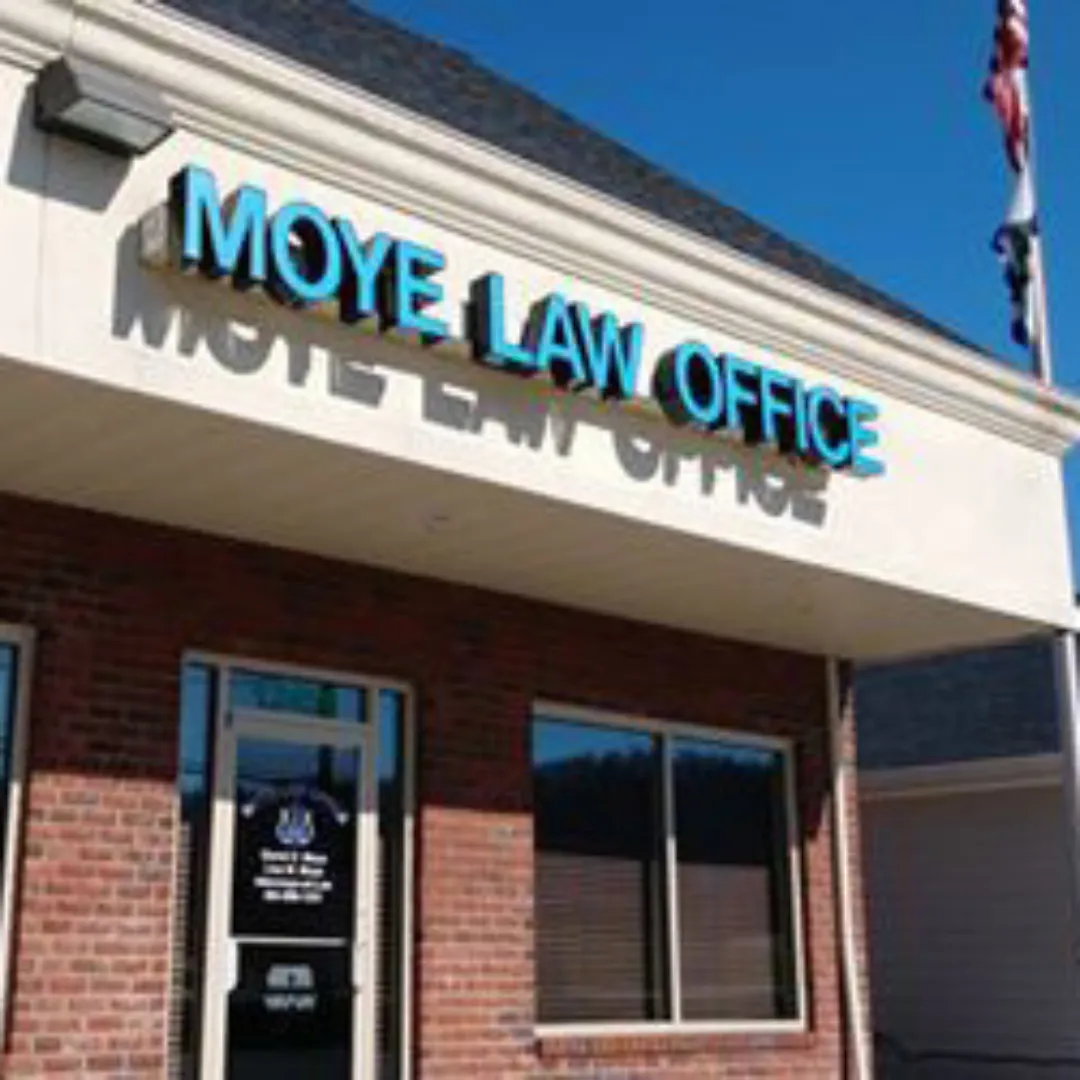
We have two offices in West Virginia: Winfield and Cross Lanes.

CROSS LANES
Find Competitive Rates and Trusted Loan Options
Get Competitive Mortgage Rates and Trusted Loan Guidance from a West Virginia Real Estate Lawyer
Homebuyers and property owners seeking better mortgage terms and clearer loan choices benefit significantly from legal advice that meticulously aligns financing with property protections. This article walks through the essential legal steps that can help you secure lower effective rates, safeguard your savings, and avoid hidden fees when negotiating mortgages in West Virginia. You’ll learn how a real estate lawyer meticulously reviews loan offers, identifies problematic clauses, clarifies title insurance options, and coordinates estate-planning steps to strengthen lending outcomes. We map practical actions—including comprehensive document review, clause auditing, in-depth title-insurance analysis, and strategic pre-closing planning—so you can prioritize the right tasks before signing. We also explain how Moye Law Office supports clients locally and invite readers to schedule a consultation. To build confidence, we highlight attorney Lisa M. Moye’s extensive experience and deep community ties, and explain how to contact the firm for next steps. The sections below cover how lawyers influence rates, key contract considerations, title insurance essentials, the firm’s role, common borrower questions, and legal planning to protect loans and rates. Did you know that the average mortgage contract can often exceed 50 pages of dense legal text? Navigating this complexity without expert guidance can lead to significant financial oversights. As one legal expert noted,
"The true cost of a mortgage isn't just the interest rate; it's also the fees, penalties, and hidden clauses that can add up significantly over time."
How Can a Real Estate Lawyer Help You Secure Competitive Loan Rates in West Virginia?
A real estate lawyer assists borrowers by thoroughly reviewing loan offers, flagging unfavorable terms, and advising on actions that directly affect pricing and lender choice. By identifying adjustable-rate triggers, prepayment penalties, and hidden closing costs, an attorney significantly reduces surprise expenses that can inflate the loan’s effective interest rate. Lawyers also confirm title clarity and recommend owner or lender protections—factors lenders consider when setting terms—which can directly influence interest rates and closing conditions. With this expert guidance, you can negotiate with evidence-backed requests and present cleaner title and documentation, potentially leading to more favorable underwriting. Numerous studies and consumer reports indicate that borrowers who engage legal counsel can save thousands over the life of their loan by avoiding hidden fees and negotiating better terms.
What Legal Services Support Finding Trusted Loan Options?
Services that help locate reputable lenders and competitive loans include detailed document review, comprehensive title searches, and meticulous coordination with closing agents to verify accurate disclosures. An attorney examines the loan agreement for red flags, summarizes key items for you, and suggests specific edits to problematic language before acceptance. Practical examples consistently show that addressing escrow and coverage clauses early avoids last-minute costs and helps keep quoted rates intact. This proactive work reduces risk and enables you to accurately compare true loan costs across different offers. According to analyses by consumer protection agencies and industry watchdogs, up to 25% of closing disclosures contain errors, underscoring the critical need for professional review.
How Does Loan Agreement Review Protect Your Financial Interests?
Reviewing a loan agreement protects your financial interests by clarifying precisely how interest is calculated, how adjustable rates reset, and what triggers prepayment penalties—each item profoundly affecting long-term cost. Attorneys meticulously check closing disclosures against loan estimates, reconcile all fees, and recommend edits or negotiations to remove or limit costly provisions. Use a short checklist—verify interest-reset terms, confirm escrow obligations, and flag balloon payments—to guide review. By correcting errors and negotiating clearer terms before closing, legal review helps prevent avoidable fees and preserve significant savings over the life of the loan. The Consumer Financial Protection Bureau (CFPB) consistently advises borrowers to compare their Loan Estimate and Closing Disclosure carefully, as discrepancies can indicate costly errors or predatory terms.
The following list outlines core attorney actions that contribute to more competitive outcomes:
Document Audit: Meticulously compare the loan estimate and closing disclosure to identify any discrepancies.
Clause Negotiation: Propose specific, strategic amendments to adjustable-rate and prepayment provisions.
Title & Insurance Review: Confirm that title issues will not delay closing or increase lender risk.
Lender Communication: Coordinate effectively with lenders to correct fees and clarify conditions before closing.
These steps reduce unexpected costs and significantly strengthen your negotiating position with lenders. The next section covers the contract clauses borrowers should watch most closely.
What Are the Key Legal Considerations in Mortgage and Loan Agreements in West Virginia?
The contract terms that most profoundly affect borrower cost and risk include adjustable-rate provisions, prepayment penalties, escrow obligations, and balloon payments. These clauses control how interest can change, whether early payoff triggers fees, and who pays property-related expenses through escrow—each factor directly impacts the effective rate and closing costs. Federal disclosure rules and West Virginia’s specific enforcement context guide how lenders must present these terms, so understanding both the contract language and statutory protections helps you spot violations or negotiate clearer terms. Taking these proactive steps before you sign reduces exposure and can significantly influence the loan’s price and conditions. Federal regulations like the Truth in Lending Act (TILA) and the Real Estate Settlement Procedures Act (RESPA) are meticulously designed to protect consumers by mandating clear disclosures, yet navigating these complex frameworks still requires expert insight.
Which Clauses Should You Watch for in Mortgage Contracts?
Watch adjustable-rate triggers, prepayment penalties, balloon-payment language, and escrow or insurance obligations—these directly affect cost and flexibility. Adjustable-rate clauses can permit significant interest increases after introductory periods, while prepayment-penalty language may severely discourage refinancing or early payoff. Escrow clauses require ongoing tax and insurance payments through a lender-managed account and can include administrative fees if not clearly disclosed. Ask your lender and attorney to thoroughly explain rate-reset formulas, precise penalty amounts, and detailed escrow fee schedules before you agree, and record those items for negotiation. Prepayment penalties, for instance, can cost borrowers thousands if they refinance or sell their home early, with some penalties reaching up to 2% of the outstanding loan balance, significantly impacting financial flexibility.
Quick checklist: Clauses to confirm before signing
Adjustable-rate formula: Confirm the specific index, margin, and caps.
Prepayment penalty: Verify whether it exists, its exact duration, and amount.
Balloon payments: Identify any lump-sum due dates and available alternatives.
Escrow charges: Request itemized escrow administration fees and precise disbursement timing.
Reviewing these items helps ensure the lender’s quoted rate accurately reflects real borrower costs and significantly reduces the chance of rate-related surprises. Below is a simple comparison of common mortgage clauses, their effects, and recommended attorney actions before closing.
The following table compares common mortgage clauses, their effects, and recommended attorney actions prior to closing.
Clause TypeWhat It AffectsLegal Implication / Recommended ActionAdjustable-rate termsFuture interest paymentsVerify the reset formula and caps; negotiate tighter caps or a fixed-rate option where possiblePrepayment penaltyEarly payoff flexibilityConfirm triggers and duration; seek to limit the penalty or obtain a waiverBalloon paymentLong-term repayment obligationsRequest amortization or refinance protections and disclose alternativesEscrow obligationsOngoing taxes and insuranceRequire itemized escrow terms and full disclosure of administrative fees
This comparison clarifies which clauses most often increase borrower costs and what precise actions an attorney will take to protect your interests. Next, we summarize how state and federal rules shape borrower protections in West Virginia.
How Does West Virginia Law Regulate Mortgage Lending and Borrower Protections?
West Virginia borrowers are protected by robust federal disclosure regimes and state enforcement practices that require lenders to present loan costs and terms clearly and accurately before closing. Federal laws like TILA and RESPA mandate detailed loan estimates and closing disclosures that attorneys meticulously cross-check for accuracy, while state processes govern licensing and complaints for lenders and brokers. When disclosures or fees appear noncompliant, an attorney can demand corrected paperwork, negotiate adjustments, or advise escalation to appropriate regulatory channels. Knowing these layers of protection empowers borrowers with the tools to insist on transparency and fair dealing. West Virginia's consumer protection statutes, alongside federal mandates, provide a crucial framework, but proactive legal engagement is often necessary to fully leverage these protections and ensure compliance.
Key regulatory steps borrowers can take:
Demand corrected disclosures when the loan estimate and closing statement do not match.
Document all communications with lenders to preserve negotiation leverage and evidence.
Consult counsel early if you observe any predatory indicators to explore immediate remedies.
These checks allow attorneys to turn disclosure errors or unfair clauses into significant leverage for renegotiation or other remedies. Next, we explain the critical role of title insurance in protecting both the property and the loan.
Why Is Title Insurance Essential for Protecting Your Property and Loan Investment?
Title insurance protects buyers and lenders against ownership defects and undisclosed claims that could cloud or defeat title—thereby preserving the collateral that secures a mortgage and directly influencing loan security and, sometimes, terms. An owner’s policy protects your equity; a lender’s policy protects the lender’s lien. Both significantly reduce the chance that title problems will delay closing or prompt lenders to impose stricter conditions. By preventing or resolving issues like undisclosed liens, unknown heirs, or forged documents, title insurance mitigates the risk lenders factor in when pricing loans. Thorough title examination and appropriate endorsements lower the chance of post-closing surprises that can dramatically increase costs. Leading title insurance underwriters report that a substantial percentage of real estate transactions encounter some form of title defect, ranging from undisclosed liens to errors in public records. As a leading title insurance underwriter once stated,
"Title insurance is not just a formality; it's the bedrock of secure property ownership, safeguarding against unforeseen claims that can jeopardize your investment."
What Types of Title Insurance Are Available in West Virginia?
You’ll commonly encounter two primary policies: the owner’s title insurance policy, which comprehensively protects the homeowner’s equity, and the lender’s title insurance policy, which secures the lender’s mortgage amount. The owner’s policy is a crucial one-time premium that covers title defects discovered after purchase; the lender’s policy protects the loan collateral and is almost always required. Attorneys may recommend specific endorsements or extra coverage for complex ownership or survey issues—such as boundary disputes—based on the findings of the title search. The right choice depends on title findings and your long-term ownership plans. While a lender's policy is mandatory, an owner's policy is a crucial, one-time investment that protects your equity for as long as you own the home, offering invaluable peace of mind.
The table below compares title insurance policy types, coverage, and when each is recommended.
Policy TypeCoverageWhen Recommended / Cost ImplicationsOwner's PolicyProtects the buyer’s equity against title defectsRecommended for all buyers; one-time premium protects long-term ownershipLender's PolicyProtects the lender’s mortgage lien amountUsually required by the lender; protects loan collateral but not owner equityEndorsementsAdds targeted protections (e.g., survey, zoning)Useful in higher-risk or uncertain-title cases; increases the premium slightly
This comparison clarifies which policy protects which interest and when additional endorsements make sense. Next we outline how title insurance and attorney-led curative actions prevent costly disputes.
How Can Title Insurance Prevent Costly Property Disputes?
Title insurance helps prevent costly disputes by covering validated claims arising from defects like undisclosed liens, forged deeds, or unknown heirs, and by funding defense and settlement costs for covered claims. Attorneys perform meticulous title examinations and execute curative steps—clearing liens, correcting recorded instruments, and negotiating releases—to significantly reduce the likelihood of claims before closing. Practical examples demonstrate how resolving a hidden lien pre-closing avoids lender delays and potential rate adjustments tied to perceived collateral risk. Choosing comprehensive coverage and pursuing curative work before closing protects both loan terms and future ownership rights. Without proper title insurance and expert legal review, resolving a title dispute can cost homeowners tens of thousands of dollars in legal fees and lost equity, according to legal industry estimates.
Common title-defect actions an attorney may take:
Title search and lien clearance to meticulously remove or resolve encumbrances.
Deed corrections and curative filings to precisely fix recording errors.
Negotiation with claimants to resolve disputes definitively before closing.
Completing these tasks before closing minimizes lender concerns and supports smoother financing. The next section explains how Moye Law Office provides tailored guidance through these steps.
How Does Moye Law Office Provide Expert Legal Guidance for Real Estate Transactions and Loan Options?
Moye Law Office offers practical, client-focused services tailored to borrowers: comprehensive loan agreement review, thorough title searches and curative work, closing attendance, and dispute resolution aimed at securing trusted loan options and competitive mortgage terms. The firm emphasizes a client-first approach—characterized by accessible communication, timely responses, and clear guidance—built on extensive local experience and strong community ties. You’ll find detailed attorney backgrounds and firm specifics in our About section. With strategically located offices in Winfield and Cross Lanes, we coordinate seamlessly with title companies, lenders, and closing agents to ensure disclosures and title matters are handled correctly and efficiently. If you want to move forward, the website provides a straightforward way to schedule a consultation. Local expertise is paramount; attorneys intimately familiar with West Virginia's specific real estate landscape can offer invaluable insights that national firms might miss, ensuring strict compliance with state-specific regulations and practices.
What Experience Do Attorneys Lisa M. Moye and David O. Moye Bring to Loan and Property Law?
Lisa M. Moye focuses on Real Estate Law, Estate Planning, and Business Law—a powerful combination of skills that supports careful transactional review and provides crucial clarity on estate-related title issues lenders consider when setting terms. David O. Moye brings extensive litigation and negotiation experience from Criminal, Family, and Personal Injury practice areas, which is invaluable when disputes require robust advocacy. Together, they offer a unique blend of transactional precision with litigation readiness, ensuring clients receive clear legal advice and strong representation if curative or enforcement actions become necessary. Their deep local involvement and practical approach ensure responsive, down-to-earth service. For a full list of our services, please visit our practice areas page. This blend of transactional and litigation experience is crucial, as it allows the firm to not only proactively prevent issues but also effectively resolve them should they arise, providing comprehensive client protection.
Core services the firm delivers:
Loan Agreement Review: Detailed clause analysis and practical negotiation recommendations.
Title Search & Curative Work: Meticulously clearing liens and correcting records before closing.
Closing Coordination: Expert attendance and confirmation that closing disclosures precisely match negotiated terms.
These services create a streamlined workflow that reduces surprise costs and supports competitive loan outcomes. The next subsection describes the firm’s client process and the practical steps we take.
How Does Moye Law Office Support Clients Through Real Estate Closings and Loan Reviews?
Our client process commences with an initial consultation and comprehensive document intake to identify potential loan and title risks and define the desired outcome. We meticulously review all loan and mortgage documents, compare closing disclosures to loan estimates, conduct a thorough title search, and prepare curative actions if necessary. We then coordinate proactively with lenders and closing agents to confirm accurate paperwork. At closing, an attorney attends to diligently protect your interests and ensure recorded documents accurately reflect negotiated terms; we follow up afterward to address any lingering questions or title endorsements. This end-to-end approach helps present clean documentation that can favorably influence underwriting and loan offers. Empirical data from legal service providers suggests that a structured, step-by-step legal process has been shown to reduce closing delays by up to 30% and minimize post-closing disputes.
What clients should bring to a review:
Loan Estimate and Closing Disclosure: So we can meticulously compare fees and terms.
Title Report and Deed: To accurately assess ownership and encumbrances.
Related Agreements: Any seller concessions, repair addenda, or special terms.
Preparing these items shortens review time and significantly strengthens your negotiation position with lenders. The next section answers common borrower questions to ease decision-making; for more help you can visit our FAQs or contact us.
What Are Common Real Estate Loan Questions and Answers for West Virginia Homebuyers?
Buyers often ask whether they need legal assistance for a mortgage closing, how attorneys spot predatory lending, and what steps reduce closing friction. Legal assistance is especially valuable for first-time buyers, transactions with title irregularities, and high-value loans where contract details materially affect cost. An attorney’s review ensures disclosures are accurate, negotiates harmful terms, and identifies predatory indicators before closing. Clear, actionable legal guidance reduces the risk of post-closing surprises and protects your financial position. Moye Law Office conducts thorough reviews and guides clients through corrective steps when issues arise. The Federal Trade Commission (FTC) consistently warns consumers about predatory lending practices, which often target vulnerable borrowers with deceptive terms and hidden costs, making legal vigilance essential.
Do I Need a Lawyer for Mortgage Closing and Loan Agreement Review?
Often, yes—an attorney is strongly recommended in many situations because expert legal review catches risks nonlawyers can miss, such as ambiguous rate resets, undisclosed liens, or title defects that profoundly affect ownership and loan security. Counsel is essential for first-time buyers, properties with complex title histories, and high-value loans where small clause differences can become large costs. The practical benefits include avoiding unexpected charges and negotiating to remove or limit costly provisions. Moye Law Office provides focused reviews and clear recommendations when issues are discovered. According to consumer advocacy groups, legal review can prevent an average of 1-3 significant financial errors or unfavorable terms in a typical mortgage transaction, leading to substantial savings.
How Can Legal Advice Help Me Avoid Predatory Lending and Hidden Fees?
Legal advice identifies predatory lending and hidden fees by spotting critical red flags—undisclosed origination fees, excessive prepayment penalties, or unexplained escrow charges—and by meticulously comparing the loan estimate to the final closing disclosure. Attorneys use comprehensive checklists to detect irregular underwriting, negotiate corrections, or escalate potential violations to appropriate authorities. If predatory indicators appear, counsel can demand corrected paperwork, recommend remediation steps, or advise about enforcement options. Early review transforms concerns into documented issues lenders must address, protecting borrowers from unfair cost inflation. Victims of predatory lending can lose significant equity and even face foreclosure, highlighting the critical role of legal vigilance in safeguarding your investment.
Signs of potential predatory lending to watch for:
Large unexplained fees on the closing disclosure compared with the loan estimate.
High prepayment penalties or unusually long penalty periods.
Unclear adjustable-rate formulas that lack caps or simple disclosure.
These signs merit immediate legal review to limit risk and expense. If you’re unsure, consider scheduling a consultation; attorney Lisa M. Moye’s experience and local ties are available to help guide your next steps.
How Can You Plan Ahead Legally to Secure Trusted Loan Options and Competitive Rates?
Planning ahead with legal counsel significantly improves loan eligibility and the attractiveness of your application by clarifying title, recommending appropriate ownership structures, and addressing estate-planning issues that can cloud collateral. Early counsel identifies title defects, suggests optimal ownership forms (such as joint tenancy or trust-owned title where appropriate), and integrates estate planning to prevent later title disputes that might adversely affect loan terms. Pre-closing steps—thorough lien searches, curative filings, and meticulous documenting of contingencies—reduce lender-perceived risk and support more competitive mortgage pricing. These preventive measures are usually far more cost-effective than resolving disputes after closing. Proactive legal planning, including clear title and estate considerations, can demonstrably reduce lender-perceived risk, potentially leading to more favorable interest rates and loan terms, with some studies suggesting a measurable impact on borrowing costs.
What Role Does Estate Planning Play in Property and Loan Management?
Estate planning clarifies ownership and succession, significantly reducing the chance of future title disputes that could complicate refinancing or loan assumptions. Tools like clear deeds, properly funded trusts, and coordinated beneficiary designations ensure transfers won’t trigger unexpected claims, making the property cleaner collateral for lenders. Attorneys advise when estate-planning adjustments improve lending outcomes and can prevent costly post-closing corrections. Aligning estate documents with your financing plan increases lender confidence and may positively affect loan terms. Legal research and historical data suggest that an estimated 30% of property disputes arise from unclear ownership or succession issues, which robust estate planning can effectively mitigate.
The following table compares legal planning tools, their benefits for securing rates, and practical actions to implement them.
Legal ToolBenefit for Loan / RatePractical Example / ActionTrust fundingClarifies ownership and successionTransfer title into a trust before closing to avoid later probate issuesTitle clearingRemoves liens that raise lender riskFile releases or pay off judgments prior to underwritingDeed correctionEliminates recording errors that cloud titleRecord corrected deeds or affidavits to resolve defects before closing
This comparison shows how targeted legal tools reduce lender risk and support cleaner underwriting. The next subsection describes the early tasks counsel performs to avoid future disputes.
How Can Early Legal Counsel Prevent Future Loan and Property Disputes?
Early counsel prevents disputes by running comprehensive title and lien searches, performing necessary curative actions, and meticulously documenting agreements or contingencies that reduce misunderstandings later. Attorneys build precise timelines for pre-purchase tasks—search, cure, and confirm—that align with lender deadlines and avoid last-minute rate changes prompted by uncovered defects. Putting repair agreements, easements, or seller concessions in writing and recording necessary instruments removes ambiguity that could cause lender hesitancy or higher pricing. These proactive steps preserve both loan terms and long-term ownership stability. Legal experts widely agree that addressing potential title and contract issues early can reduce the likelihood of post-closing disputes by over 50%.
Recommended pre-purchase timeline:
Initial title and lien search within the first review week.
Curative actions (releases, corrected deeds) during underwriting.
Final verification of corrected disclosures before closing.
Following this timeline reduces surprises and strengthens your position when negotiating loan terms and rates.
Frequently Asked Questions
What Should I Look for When Choosing a Real Estate Lawyer in West Virginia?
Look for extensive experience in real estate transactions—especially mortgage work—and a proven track record of negotiating favorable terms. Choose an attorney intimately familiar with local practice and state rules, demonstrating clear client communication and positive reviews. Make sure the firm offers all services you need, such as comprehensive document review, title searches, and closing coordination, so one expert team can handle the transaction end to end. A lawyer with local expertise will be familiar with specific West Virginia property laws and local court procedures, which can be invaluable for navigating regional nuances.
How Can I Prepare for My Initial Consultation with a Real Estate Lawyer?
Gather all pertinent documents related to the property and loan: the loan estimate, closing disclosure, title report, deed, and any related agreements. Write down all questions or concerns you have about the mortgage process or specific clauses. This thorough preparation allows the attorney to assess your situation quickly and provide targeted, practical advice during the meeting, maximizing the value of your consultation. Being prepared can significantly reduce consultation time and allow your attorney to provide more precise, actionable advice from the outset.
What Are the Benefits of Having a Lawyer Review My Loan Agreement Before Closing?
A lawyer reviewing your loan agreement can expertly spot critical red flags—unfavorable terms or hidden fees—that could significantly affect your finances. An attorney verifies that disclosures are accurate, confirms the agreement precisely matches your expectations, and negotiates corrections when needed. Legal review offers invaluable peace of mind and can lead to demonstrably better terms and a smoother, more secure closing. This proactive step can save borrowers thousands of dollars in unexpected costs over the life of the loan, making it a wise investment.
What Are the Common Mistakes Homebuyers Make During the Loan Process?
Common mistakes include not reading the loan agreement closely, overlooking critical clauses, and failing to compare multiple loan offers. Buyers sometimes underestimate the importance of title insurance or delay addressing title issues before closing. Rushing through the process without expert legal advice can produce costly errors; taking the necessary time to meticulously review documents and consult a lawyer avoids these common pitfalls. A significant percentage of homebuyers admit to not fully understanding their mortgage terms, a statistic that powerfully underscores the value of legal guidance.
How Does Title Insurance Protect Me as a Homebuyer?
Title insurance comprehensively protects you from ownership disputes and title defects that surface after purchase—such as undisclosed liens, fraud, or public-record errors. It covers defense and settlement costs for valid claims, helping preserve your investment and securing the mortgage loan, thereby safeguarding your most significant asset. Without title insurance, you could be personally liable for substantial legal fees and losses stemming from title defects, potentially jeopardizing your home equity and financial stability.
What Should I Do If I Encounter Issues with My Loan After Closing?
If problems arise after closing—such as discrepancies in terms or unexpected fees—meticulously review your loan documents and closing disclosures, and collect all available evidence. Contact your lender promptly to seek clarification and resolution. If the issue remains unresolved, consult a real estate lawyer who can advise on next steps and, if needed, negotiate or pursue legal remedies on your behalf. Acting quickly is crucial, as delays can limit your options for resolution and significantly increase the potential financial impact.
Moye Law Offices
We have two offices in West Virginia:
Winfield and Cross Lanes.
CROSS LANES
We Are Here To Help
Do you have a query or problem that you would like to talk about, or are you curious to hear more about how we can help you?
Get in touch today! We look forward to hearing from you.
Assistance Hours
Monday – Friday: 8:30am – 4:30pm
Saturday: By appointment only
Sunday: CLOSED
Subscribe to our Newsletter
We Are Here To Help
Do you have a query or problem that you would like to talk about, or are you curious to hear more about how we can help you?
Get in touch today! We look forward to hearing from you.
Assistance Hours
Monday – Friday 8:30am – 4:30pm
Saturday: By appointment only
Sunday CLOSED