
Blog

Blog

Common Title Issues in West Virginia and how to avoid them
Common Title Issues in West Virginia and How to Avoid Them: A Guide by MOYE Law Office
Title problems can quietly threaten your ownership — creating competing claims, hidden liens, or fuzzy boundaries that complicate sales, financing, and inheritances. This guide explains what a “title defect” is, why these problems matter in West Virginia, and which practical steps protect buyers and owners from costly disputes. You’ll learn the most common defects — liens, boundary and easement conflicts, recording mistakes, undisclosed heirs, and deed fraud — plus straightforward prevention tools like thorough title searches, up-to-date surveys, and attorney review. We also summarize the remedies used here in West Virginia — quiet title actions, corrective deeds, lien satisfactions, and probate steps — and explain when to get legal help. Finally, we describe how MOYE Law Office can assist with in-house title research and dispute resolution and what to bring to a consultation. Read on for early warning signs, checklists for safer transactions, and guidance on contacting a West Virginia real estate attorney.
What Are the Most Common Property Title Defects in West Virginia?

A title defect is any recorded or unrecorded problem that clouds the chain of ownership. These defects can delay or derail a closing, reduce a property’s marketability, or lead to litigation. In West Virginia the issues we see most often include recorded liens (tax or judgment liens), boundary discrepancies and easements that eat into usable land, clerical errors in public records, claims by undisclosed heirs, and fraudulent or forged deeds. Spotting these common issues early lowers transactional risk and helps buyers and sellers decide where to focus investigation and fixes. The table below gives a quick practical comparison so you can spot, assess, and prioritize defects before they become contested claims.
Different title defects show different signs and call for different fixes.
IssueCause / IndicatorTypical Resolution / RiskLiens (tax, judgment, mechanic's)Recorded encumbrances in county records; unpaid bills or judgmentsPayoff or recorded release, negotiated payoff at closing, or litigation to remove; risk of foreclosure or blocked saleBoundary / Easement disputesSurvey mismatches, missing plats, long‑standing informal useNew survey and boundary agreement, boundary action or quiet title; risk of lost usable acreage or accessRecording errors / clerical mistakesMisspelled names, wrong legal descriptions, omitted signaturesCorrective deed, affidavit, or clerk correction; risk of uncertain ownership if not fixedUndisclosed heirs / probate gapsIntestacy or heirs found after transferProbate, heir settlement, or quiet title; risk of competing ownership claimsFraudulent / forged deedsSuspicious signatures, odd conveyance historyReferral to law enforcement, corrective litigation, or title insurance claim; risk of invalid transfer
This table explains why some problems are handled administratively while others require court action. Next, we take a closer look at liens and encumbrances and how they affect marketability.
How Do Liens and Encumbrances Affect West Virginia Property Titles?
Liens and other encumbrances are legal claims against property that can block a sale or reduce sale proceeds. They’re made public by filings in the county clerk or recorder’s office so buyers and lenders have constructive notice. Common examples include tax liens, mechanic’s liens, and judgment liens — each created by different laws and each needing specific payoff steps before a clear title can pass. If a title search finds a lien, the seller generally must clear it or the parties must agree on a payoff arrangement at closing; lenders usually won’t fund with unresolved liens on the record. Detecting liens early through a record review and attorney oversight lowers the chance that a buyer inherits another person’s debt. From here we move on to boundary and easement disputes.
What Causes Boundary and Easement Disputes in West Virginia?
Boundary and easement claims commonly arise from old or inaccurate surveys, vague deed descriptions, missing plats, or long periods of informal use that create claimed rights. A surveyor compares recorded descriptions to physical monuments and can uncover discrepancies that lead to negotiation, boundary line agreements, or litigation such as a boundary action or quiet title suit. A familiar scenario is an older rural parcel without a modern survey where a neighbor’s fence or driveway crosses an unclear line — potentially creating an adverse possession or prescriptive easement issue if left unaddressed. Building a record of surveys, deeds, and historical use is key to resolving these disputes; addressing them early avoids more costly remedies later.
How Can You Proactively Avoid Title Problems in West Virginia Real Estate Transactions?

Prevention is the best way to avoid surprises. Early steps catch problems before closing, clarify responsibilities, and secure protections like title insurance and attorney oversight. Core preventive measures include ordering a timely title search, getting a current survey when boundaries matter, buying owner’s title insurance, and having an experienced attorney review deeds, disclosures, and closing documents.
Use these practical steps to shield your transaction from common title pitfalls.
Order a professional title search early to uncover recorded liens, easements, and other visible defects.
Obtain a current boundary survey when acreage, fences, or improvements might be affected by boundary uncertainty.
Purchase an owner’s title insurance policy to protect against covered off‑record risks and recording errors.
Have a West Virginia real estate attorney review deeds, closing statements, and seller disclosures before you close.
Get written payoff statements for mortgages and other encumbrances and confirm the clerk has recorded releases.
These layered steps work together to reduce risk. The table below aligns each measure with what it catches and who typically provides it so you can plan timing and responsibilities.
Knowing which professional to involve and when keeps the process moving smoothly.
Preventative MeasureWhat It Detects / PreventsRecommended Timing / Who Provides ItTitle searchRecorded liens, mortgages, judgments, easementsEarly in the contract period / Title search provider or attorneyBoundary surveyIncorrect legal description, encroachmentsBefore inspection or contract if boundaries matter / Licensed surveyorOwner's title insuranceCertain covered title defects and some forgeriesBefore or at closing / Title insurance underwriter via closing agentAttorney reviewLegal defects, ambiguous deed language, probate flagsAt contract review and pre‑closing / West Virginia real estate attorney
With those roles clear, here’s how MOYE Law Office supports these preventive measures in practice.
MOYE Law Office provides preventative legal services and in‑house title research to catch defects early and coordinate with surveyors and title insurers. We perform targeted record reviews, advise on owner’s title insurance options, and help interpret survey results and seller disclosures before closing. Lisa M. Moye’s focus on real estate and the firm’s local experience help clients anticipate county recording quirks and probate flags that can surface later. If you need a legal review of a title report or help resolving pre‑closing issues, contacting MOYE Law Office early can reduce closing delays and lower transactional risk.
How Does MOYE Law Office Help Resolve Title Issues in West Virginia?
MOYE Law Office handles title defects through in‑house title research, negotiation with lienholders, filing quiet title or corrective deed actions, and representing clients in boundary or probate‑related disputes. Our approach combines practical legal remedies with local process knowledge — important in West Virginia counties where record formats and historical filings vary — and emphasizes attorney‑led solutions rather than relying only on insurance. Attorney J. Scott Moye, Lisa M. Moye, and our team blend legal experience with community relationships to advocate for clients; familiarity with county recorders and surveyors often speeds evidence gathering. Below is what clients can expect when they bring a title matter to the firm.
What Legal Services Does Lisa M. Moye Provide for Title Disputes?
Lisa M. Moye focuses on real estate matters including detailed title research, preparing and defending quiet title actions, negotiating lien satisfactions, and drafting corrective instruments to fix recording errors. Her work in wills and estates, her role coordinating paralegal studies, and her involvement in the Putnam County Bar Association give her practical insight into both transactional and probate‑related title issues. Clients should expect careful review of title reports, coordinated work with surveyors and title insurers, and straightforward guidance on whether negotiation or litigation is the most efficient path. Start with an evidence‑focused intake so the attorney can prioritize next steps.
How Has MOYE Law Office Successfully Resolved Property Disputes in West Virginia?
We regularly resolve property disputes by combining focused investigation with practical strategies — negotiated payoffs, corrective deeds, or quiet title litigation when required. Our process typically begins with in‑house title research to identify recorded encumbrances, then we pursue the least disruptive remedy, often negotiation or technical correction, before filing in court. Clients benefit from fewer closing delays and clearer ownership records; our local ties with surveyors and county officials can shorten evidence‑gathering. When litigation is necessary, we prepare the pleadings and present evidence aimed at securing judicial clarity on ownership.
What Are the Legal Steps to Clear a Defective Title in West Virginia?
Clearing a defective title in West Virginia usually means choosing among remedies such as lien satisfaction, corrective deeds, probate for heir claims, or a quiet title lawsuit. The proper remedy depends on the defect and the available evidence: liens are removed by payment and recorded releases, clerical mistakes by corrective deeds or affidavits, heir claims by probate or settlement, and contested ownership by a quiet title action in circuit court. Timelines range from weeks for administrative fixes to many months for contested litigation. Whether to negotiate or litigate turns on cost, the strength of record evidence, and how quickly the transaction must close. The table below compares common remedies to help owners and buyers decide.
RemedyLegal Basis / RequirementTypical Timeline / OutcomeLien satisfaction / payoffPayment and recorded release by the lienholderDays–weeks for payoff processing; clears the encumbranceCorrective deed / affidavitMutual corrective instrument or sworn affidavit to fix clerical errorsWeeks to record; restores an accurate public recordQuiet title actionCourt determination resolving competing claimsSeveral months to a year; definitive judicial declaration of ownershipProbate or heir settlementCourt‑supervised estate process to resolve undisclosed heirsMonths; settles succession and clears successor title issues
This comparison helps weigh administrative corrections against litigation. Next, we define quiet title and when it becomes necessary.
What Is a Quiet Title Action and When Is It Needed in West Virginia?
A quiet title action asks the circuit court to resolve competing claims and declare the rightful owner. It’s appropriate when recorded claims, rival deeds, or adverse possession assertions can’t be cleared through negotiation or corrective instruments. The process requires filing a complaint, serving all known claimants and interested parties under West Virginia procedure, and proving your title with deed chains, surveys, and evidence of possession. Identifying unknown heirs or claimants often means published notice, which increases complexity; for that reason attorneys perform thorough record searches before filing. A successful quiet title judgment “quiets” conflicting claims and produces marketable title, though the process can take several months.
Quieting Land Titles in West Virginia: Historical Context and Legal Framework
The process of quieting land titles involves resolving ownership disputes to establish clear and marketable title to real property. The historical challenge of securing clear title to lands in western Virginia has persisted since the eighteenth-century land grants awarded to large land companies, including the Ohio Company, the Greenbrier Company, and the Loyal Company. This historical background of quieting land titles in West Virginia...
Benjamin Harrison Smith, Land Titles, and the West Virginia Constitution, 2012
How Can Property Boundary Disputes Be Legally Resolved in West Virginia?
Boundary disputes are settled by combining accurate surveying, negotiation (for example, a boundary line agreement), and, when necessary, litigation such as a boundary action or quiet title suit. Evidence usually includes plats, historical deeds, witness testimony, and recorded surveys. A licensed surveyor’s report often becomes the factual baseline for settlement or court filings, and parties can record a boundary line agreement to prevent future issues. If negotiation fails, a court will determine property lines and decide claims like adverse possession or prescriptive easements based on continuous, open, and notorious use or applicable statutes. Early attorney involvement helps choose the faster, more cost‑effective path.
What Errors in West Virginia Property Records Commonly Cause Title Issues?
Small clerical or recording mistakes frequently create title defects: misspelled names, wrong legal descriptions, missing signatures, or recorder indexing errors can all ripple through the chain of title and make transfers difficult. Remedies range from ministerial clerk corrections and corrective deeds to affidavits or, when records conflict severely, court action to confirm parties’ true intent. The list below highlights common recording errors so buyers and owners know which red flags to watch during a title review.
Misspelled or inconsistent owner names across records that break the chain of title.
Incorrect legal descriptions or missing parcel identifiers that don’t match physical boundaries.
Absent signatures or notarizations that make instruments vulnerable to challenge.
Recorder indexing errors where documents are filed under the wrong grantor or grantee, creating search gaps.
Most of these issues can be fixed administratively, but significant conflicts may require corrective deeds or court proceedings. Next, we look at probate‑related problems from undisclosed heirs.
How Do Undisclosed or Missing Heirs Impact Property Ownership in West Virginia?
Undisclosed heirs sometimes appear years after a transfer when a probate search uncovers additional successors. These late claims can threaten a purchaser’s title by introducing competing ownership assertions that may require probate, heir settlements, or a quiet title action. When someone dies intestate or without a completed estate, property may pass under statutory rules and later‑found heirs can challenge prior transfers. Resolving these claims typically means probate administration, negotiated heir settlements, or a quiet title suit with notice to potential heirs. Early attorney review of title reports helps detect probate flags before closing; sellers providing estate documentation also reduces risk.
What Are the Risks of Fraudulent Deeds and Forgery in West Virginia Real Estate?
Fraudulent deeds and forgeries threaten title by introducing instruments that lack lawful authority and may purport to transfer property without the owner’s consent. They’re often uncovered by comparing signatures, spotting chain‑of‑title anomalies, or noticing public‑record red flags. Title insurance can cover certain losses from fraud, but immediate steps include notifying law enforcement, filing civil claims to void the conveyance, and working with your insurer on a claim. Fast attorney action preserves evidence and speeds corrective filings — corrective deeds or quiet title actions — to remove forged conveyances. Early detection cuts the risk to buyers and lenders, which is why careful title review and prompt legal advice are essential.
When Should You Contact a West Virginia Real Estate Attorney for Title Issues?
Contact an attorney at the first sign of a title cloud — a recorded lien, a conflicting deed, a survey discrepancy, probate indicators, or suspected forgery. Early counsel can stop problems from growing, preserve evidence, and propose efficient fixes. Attorneys run targeted title reviews, coordinate with surveyors and title insurers, negotiate with lienholders, and, if needed, file corrective instruments or quiet title actions to secure marketable ownership. The checklist below outlines common warning signs and the actions an attorney typically takes on engagement so you can decide when to reach out.
Recorded liens or unresolved encumbrances: An attorney verifies legitimacy and negotiates payoff or removal.
Survey discrepancies or encroachments: Counsel coordinates surveyors and prepares boundary agreements if appropriate.
Probate or heir uncertainty: A lawyer evaluates whether probate or a quiet title action is the quickest solution.
Suspected deed fraud or forgery: Immediate legal steps and sometimes criminal referral are necessary to protect title.
Seeing these signs should lead you to a description of what early counsel does and how to prepare for a consultation.
How Can Early Legal Counsel Prevent Costly Title Problems in West Virginia?
Early counsel reviews title reports, surveys, and seller disclosures to spot statutory or factual defects, negotiates remedies like lien payoffs or corrective instruments, and advises whether title insurance or litigation is the right protection. By stepping in before closing, attorneys can require seller documentation, secure lien releases, and craft escrow language that protects buyers and lenders — often preventing failed closings and expensive post‑closing litigation. Examples include obtaining corrective deeds for clerical errors or negotiating settlements with known heirs to avoid later quiet title suits. Hiring counsel early gives you leverage to fix problems cooperatively rather than after the parties are entrenched.
How to Schedule a Consultation with MOYE Law Office for Title Disputes?
To schedule a consultation with MOYE Law Office for a title review or dispute, bring the property deed, any title report, a recent survey, and notices of lien or dispute so the attorneys can assess the core issues efficiently. Call (304) 586-1251 or (304) 693-2331 to arrange an appointment, briefly describe the issue, and learn what documents to bring. At the meeting expect a focused intake, a clear explanation of possible legal strategies — from negotiation to quiet title — and a recommended plan with estimated timelines. If a closing is imminent or you’ve found a recorded defect, contact us early so we can preserve remedies and evidence.
This final call to action highlights MOYE Law Office’s local experience and accessibility; if you have title concerns, reach out so we can begin protective steps right away.
Frequently Asked Questions
What is the role of title insurance in protecting against title defects?
Title insurance protects owners against certain title defects that surface after a purchase. It can cover losses from undiscovered liens, covered fraud, or recording mistakes and typically pays for defense costs or settlement when a covered claim arises. Title insurance is bought at closing as a one‑time premium and provides long‑term protection for the insured owner.
How can I identify potential title issues before purchasing a property?
Identify potential title issues by ordering a thorough title search and, when appropriate, a current survey. A qualified title company or real estate attorney will uncover recorded liens, easements, and other public‑record matters. Reviewing past ownership, recorded disputes, and seller disclosures also helps reveal red flags before you buy.
What steps should I take if I discover a title defect after purchasing a property?
If you find a title defect after closing, contact a real estate attorney right away. They will assess the problem and recommend steps such as negotiating with lienholders, filing a quiet title action, or obtaining a corrective deed. If you have title insurance, notify the insurer immediately — they may cover legal costs and defense. Prompt action helps protect your ownership rights.
Are there specific time limits for resolving title disputes in West Virginia?
Yes. Statutes of limitations and other deadlines apply to various claims, and timeframes differ depending on the cause of action — for example, actions to recover possession can carry long statutes while fraud claims may be shorter. Consult a West Virginia real estate attorney to determine the deadlines that apply to your situation and preserve any time‑sensitive rights.
What are the costs associated with resolving title issues?
Costs vary widely with the problem’s complexity. Expect expenses for attorney fees, title searches, court filing fees, and surveys or appraisals. Litigation raises costs further. Discuss likely expenses with your attorney up front so you understand potential fees and options for managing them.
How can I prevent future title issues after resolving current defects?
To prevent future title issues, keep accurate records of all documents and recordings, review title and property records after significant transactions, and consider owner’s title insurance for long‑term protection. Periodic review by a real estate attorney can catch developing problems early and allow you to act before issues escalate.

Moye Law Offices
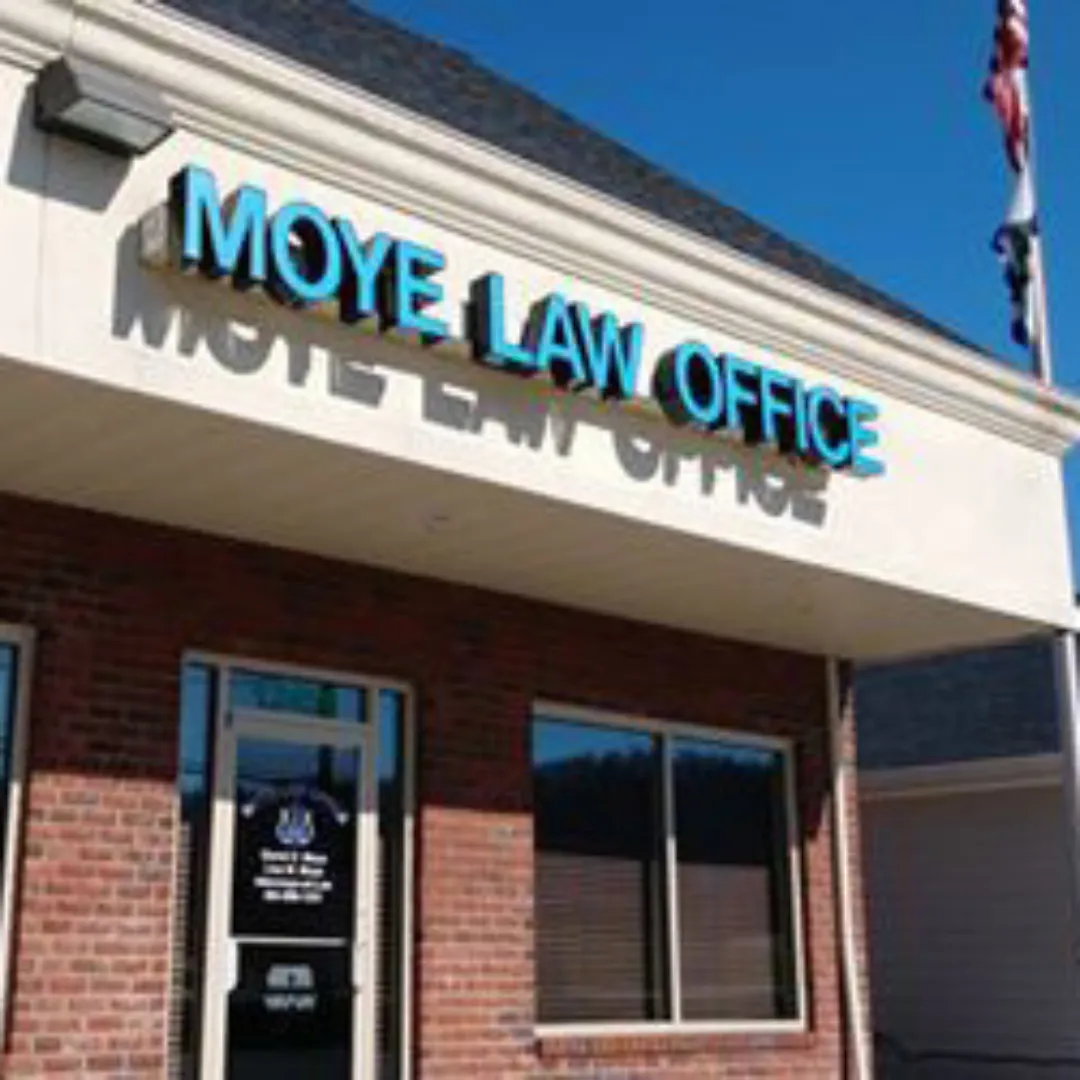
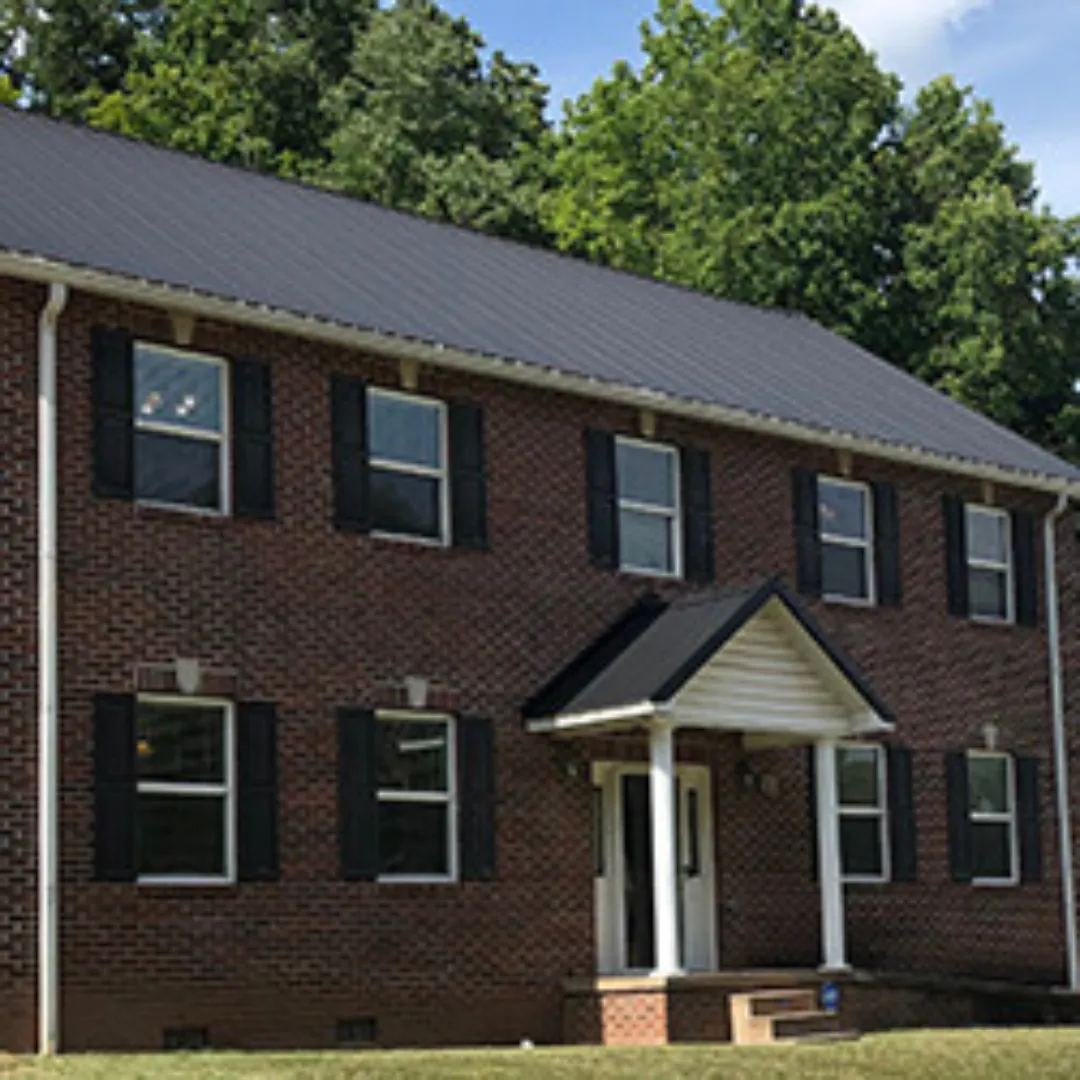
We have two offices in West Virginia: Winfield and Cross Lanes.
CROSS LANES
Common Title Issues in West Virginia and how to avoid them
Common Title Issues in West Virginia and How to Avoid Them: A Guide by MOYE Law Office
Title problems can quietly threaten your ownership — creating competing claims, hidden liens, or fuzzy boundaries that complicate sales, financing, and inheritances. This guide explains what a “title defect” is, why these problems matter in West Virginia, and which practical steps protect buyers and owners from costly disputes. You’ll learn the most common defects — liens, boundary and easement conflicts, recording mistakes, undisclosed heirs, and deed fraud — plus straightforward prevention tools like thorough title searches, up-to-date surveys, and attorney review. We also summarize the remedies used here in West Virginia — quiet title actions, corrective deeds, lien satisfactions, and probate steps — and explain when to get legal help. Finally, we describe how MOYE Law Office can assist with in-house title research and dispute resolution and what to bring to a consultation. Read on for early warning signs, checklists for safer transactions, and guidance on contacting a West Virginia real estate attorney.
What Are the Most Common Property Title Defects in West Virginia?
A title defect is any recorded or unrecorded problem that clouds the chain of ownership. These defects can delay or derail a closing, reduce a property’s marketability, or lead to litigation. In West Virginia the issues we see most often include recorded liens (tax or judgment liens), boundary discrepancies and easements that eat into usable land, clerical errors in public records, claims by undisclosed heirs, and fraudulent or forged deeds. Spotting these common issues early lowers transactional risk and helps buyers and sellers decide where to focus investigation and fixes. The table below gives a quick practical comparison so you can spot, assess, and prioritize defects before they become contested claims.
Different title defects show different signs and call for different fixes.
IssueCause / IndicatorTypical Resolution / RiskLiens (tax, judgment, mechanic's)Recorded encumbrances in county records; unpaid bills or judgmentsPayoff or recorded release, negotiated payoff at closing, or litigation to remove; risk of foreclosure or blocked saleBoundary / Easement disputesSurvey mismatches, missing plats, long‑standing informal useNew survey and boundary agreement, boundary action or quiet title; risk of lost usable acreage or accessRecording errors / clerical mistakesMisspelled names, wrong legal descriptions, omitted signaturesCorrective deed, affidavit, or clerk correction; risk of uncertain ownership if not fixedUndisclosed heirs / probate gapsIntestacy or heirs found after transferProbate, heir settlement, or quiet title; risk of competing ownership claimsFraudulent / forged deedsSuspicious signatures, odd conveyance historyReferral to law enforcement, corrective litigation, or title insurance claim; risk of invalid transfer
This table explains why some problems are handled administratively while others require court action. Next, we take a closer look at liens and encumbrances and how they affect marketability.
How Do Liens and Encumbrances Affect West Virginia Property Titles?
Liens and other encumbrances are legal claims against property that can block a sale or reduce sale proceeds. They’re made public by filings in the county clerk or recorder’s office so buyers and lenders have constructive notice. Common examples include tax liens, mechanic’s liens, and judgment liens — each created by different laws and each needing specific payoff steps before a clear title can pass. If a title search finds a lien, the seller generally must clear it or the parties must agree on a payoff arrangement at closing; lenders usually won’t fund with unresolved liens on the record. Detecting liens early through a record review and attorney oversight lowers the chance that a buyer inherits another person’s debt. From here we move on to boundary and easement disputes.
What Causes Boundary and Easement Disputes in West Virginia?
Boundary and easement claims commonly arise from old or inaccurate surveys, vague deed descriptions, missing plats, or long periods of informal use that create claimed rights. A surveyor compares recorded descriptions to physical monuments and can uncover discrepancies that lead to negotiation, boundary line agreements, or litigation such as a boundary action or quiet title suit. A familiar scenario is an older rural parcel without a modern survey where a neighbor’s fence or driveway crosses an unclear line — potentially creating an adverse possession or prescriptive easement issue if left unaddressed. Building a record of surveys, deeds, and historical use is key to resolving these disputes; addressing them early avoids more costly remedies later.
How Can You Proactively Avoid Title Problems in West Virginia Real Estate Transactions?
Prevention is the best way to avoid surprises. Early steps catch problems before closing, clarify responsibilities, and secure protections like title insurance and attorney oversight. Core preventive measures include ordering a timely title search, getting a current survey when boundaries matter, buying owner’s title insurance, and having an experienced attorney review deeds, disclosures, and closing documents.
Use these practical steps to shield your transaction from common title pitfalls.
Order a professional title search early to uncover recorded liens, easements, and other visible defects.
Obtain a current boundary survey when acreage, fences, or improvements might be affected by boundary uncertainty.
Purchase an owner’s title insurance policy to protect against covered off‑record risks and recording errors.
Have a West Virginia real estate attorney review deeds, closing statements, and seller disclosures before you close.
Get written payoff statements for mortgages and other encumbrances and confirm the clerk has recorded releases.
These layered steps work together to reduce risk. The table below aligns each measure with what it catches and who typically provides it so you can plan timing and responsibilities.
Knowing which professional to involve and when keeps the process moving smoothly.
Preventative MeasureWhat It Detects / PreventsRecommended Timing / Who Provides ItTitle searchRecorded liens, mortgages, judgments, easementsEarly in the contract period / Title search provider or attorneyBoundary surveyIncorrect legal description, encroachmentsBefore inspection or contract if boundaries matter / Licensed surveyorOwner's title insuranceCertain covered title defects and some forgeriesBefore or at closing / Title insurance underwriter via closing agentAttorney reviewLegal defects, ambiguous deed language, probate flagsAt contract review and pre‑closing / West Virginia real estate attorney
With those roles clear, here’s how MOYE Law Office supports these preventive measures in practice.
MOYE Law Office provides preventative legal services and in‑house title research to catch defects early and coordinate with surveyors and title insurers. We perform targeted record reviews, advise on owner’s title insurance options, and help interpret survey results and seller disclosures before closing. Lisa M. Moye’s focus on real estate and the firm’s local experience help clients anticipate county recording quirks and probate flags that can surface later. If you need a legal review of a title report or help resolving pre‑closing issues, contacting MOYE Law Office early can reduce closing delays and lower transactional risk.
How Does MOYE Law Office Help Resolve Title Issues in West Virginia?
MOYE Law Office handles title defects through in‑house title research, negotiation with lienholders, filing quiet title or corrective deed actions, and representing clients in boundary or probate‑related disputes. Our approach combines practical legal remedies with local process knowledge — important in West Virginia counties where record formats and historical filings vary — and emphasizes attorney‑led solutions rather than relying only on insurance. Attorney J. Scott Moye, Lisa M. Moye, and our team blend legal experience with community relationships to advocate for clients; familiarity with county recorders and surveyors often speeds evidence gathering. Below is what clients can expect when they bring a title matter to the firm.
What Legal Services Does Lisa M. Moye Provide for Title Disputes?
Lisa M. Moye focuses on real estate matters including detailed title research, preparing and defending quiet title actions, negotiating lien satisfactions, and drafting corrective instruments to fix recording errors. Her work in wills and estates, her role coordinating paralegal studies, and her involvement in the Putnam County Bar Association give her practical insight into both transactional and probate‑related title issues. Clients should expect careful review of title reports, coordinated work with surveyors and title insurers, and straightforward guidance on whether negotiation or litigation is the most efficient path. Start with an evidence‑focused intake so the attorney can prioritize next steps.
How Has MOYE Law Office Successfully Resolved Property Disputes in West Virginia?
We regularly resolve property disputes by combining focused investigation with practical strategies — negotiated payoffs, corrective deeds, or quiet title litigation when required. Our process typically begins with in‑house title research to identify recorded encumbrances, then we pursue the least disruptive remedy, often negotiation or technical correction, before filing in court. Clients benefit from fewer closing delays and clearer ownership records; our local ties with surveyors and county officials can shorten evidence‑gathering. When litigation is necessary, we prepare the pleadings and present evidence aimed at securing judicial clarity on ownership.
What Are the Legal Steps to Clear a Defective Title in West Virginia?
Clearing a defective title in West Virginia usually means choosing among remedies such as lien satisfaction, corrective deeds, probate for heir claims, or a quiet title lawsuit. The proper remedy depends on the defect and the available evidence: liens are removed by payment and recorded releases, clerical mistakes by corrective deeds or affidavits, heir claims by probate or settlement, and contested ownership by a quiet title action in circuit court. Timelines range from weeks for administrative fixes to many months for contested litigation. Whether to negotiate or litigate turns on cost, the strength of record evidence, and how quickly the transaction must close. The table below compares common remedies to help owners and buyers decide.
RemedyLegal Basis / RequirementTypical Timeline / OutcomeLien satisfaction / payoffPayment and recorded release by the lienholderDays–weeks for payoff processing; clears the encumbranceCorrective deed / affidavitMutual corrective instrument or sworn affidavit to fix clerical errorsWeeks to record; restores an accurate public recordQuiet title actionCourt determination resolving competing claimsSeveral months to a year; definitive judicial declaration of ownershipProbate or heir settlementCourt‑supervised estate process to resolve undisclosed heirsMonths; settles succession and clears successor title issues
This comparison helps weigh administrative corrections against litigation. Next, we define quiet title and when it becomes necessary.
What Is a Quiet Title Action and When Is It Needed in West Virginia?
A quiet title action asks the circuit court to resolve competing claims and declare the rightful owner. It’s appropriate when recorded claims, rival deeds, or adverse possession assertions can’t be cleared through negotiation or corrective instruments. The process requires filing a complaint, serving all known claimants and interested parties under West Virginia procedure, and proving your title with deed chains, surveys, and evidence of possession. Identifying unknown heirs or claimants often means published notice, which increases complexity; for that reason attorneys perform thorough record searches before filing. A successful quiet title judgment “quiets” conflicting claims and produces marketable title, though the process can take several months.
Quieting Land Titles in West Virginia: Historical Context and Legal Framework
The process of quieting land titles involves resolving ownership disputes to establish clear and marketable title to real property. The historical challenge of securing clear title to lands in western Virginia has persisted since the eighteenth-century land grants awarded to large land companies, including the Ohio Company, the Greenbrier Company, and the Loyal Company. This historical background of quieting land titles in West Virginia...
Benjamin Harrison Smith, Land Titles, and the West Virginia Constitution, 2012
How Can Property Boundary Disputes Be Legally Resolved in West Virginia?
Boundary disputes are settled by combining accurate surveying, negotiation (for example, a boundary line agreement), and, when necessary, litigation such as a boundary action or quiet title suit. Evidence usually includes plats, historical deeds, witness testimony, and recorded surveys. A licensed surveyor’s report often becomes the factual baseline for settlement or court filings, and parties can record a boundary line agreement to prevent future issues. If negotiation fails, a court will determine property lines and decide claims like adverse possession or prescriptive easements based on continuous, open, and notorious use or applicable statutes. Early attorney involvement helps choose the faster, more cost‑effective path.
What Errors in West Virginia Property Records Commonly Cause Title Issues?
Small clerical or recording mistakes frequently create title defects: misspelled names, wrong legal descriptions, missing signatures, or recorder indexing errors can all ripple through the chain of title and make transfers difficult. Remedies range from ministerial clerk corrections and corrective deeds to affidavits or, when records conflict severely, court action to confirm parties’ true intent. The list below highlights common recording errors so buyers and owners know which red flags to watch during a title review.
Misspelled or inconsistent owner names across records that break the chain of title.
Incorrect legal descriptions or missing parcel identifiers that don’t match physical boundaries.
Absent signatures or notarizations that make instruments vulnerable to challenge.
Recorder indexing errors where documents are filed under the wrong grantor or grantee, creating search gaps.
Most of these issues can be fixed administratively, but significant conflicts may require corrective deeds or court proceedings. Next, we look at probate‑related problems from undisclosed heirs.
How Do Undisclosed or Missing Heirs Impact Property Ownership in West Virginia?
Undisclosed heirs sometimes appear years after a transfer when a probate search uncovers additional successors. These late claims can threaten a purchaser’s title by introducing competing ownership assertions that may require probate, heir settlements, or a quiet title action. When someone dies intestate or without a completed estate, property may pass under statutory rules and later‑found heirs can challenge prior transfers. Resolving these claims typically means probate administration, negotiated heir settlements, or a quiet title suit with notice to potential heirs. Early attorney review of title reports helps detect probate flags before closing; sellers providing estate documentation also reduces risk.
What Are the Risks of Fraudulent Deeds and Forgery in West Virginia Real Estate?
Fraudulent deeds and forgeries threaten title by introducing instruments that lack lawful authority and may purport to transfer property without the owner’s consent. They’re often uncovered by comparing signatures, spotting chain‑of‑title anomalies, or noticing public‑record red flags. Title insurance can cover certain losses from fraud, but immediate steps include notifying law enforcement, filing civil claims to void the conveyance, and working with your insurer on a claim. Fast attorney action preserves evidence and speeds corrective filings — corrective deeds or quiet title actions — to remove forged conveyances. Early detection cuts the risk to buyers and lenders, which is why careful title review and prompt legal advice are essential.
When Should You Contact a West Virginia Real Estate Attorney for Title Issues?
Contact an attorney at the first sign of a title cloud — a recorded lien, a conflicting deed, a survey discrepancy, probate indicators, or suspected forgery. Early counsel can stop problems from growing, preserve evidence, and propose efficient fixes. Attorneys run targeted title reviews, coordinate with surveyors and title insurers, negotiate with lienholders, and, if needed, file corrective instruments or quiet title actions to secure marketable ownership. The checklist below outlines common warning signs and the actions an attorney typically takes on engagement so you can decide when to reach out.
Recorded liens or unresolved encumbrances: An attorney verifies legitimacy and negotiates payoff or removal.
Survey discrepancies or encroachments: Counsel coordinates surveyors and prepares boundary agreements if appropriate.
Probate or heir uncertainty: A lawyer evaluates whether probate or a quiet title action is the quickest solution.
Suspected deed fraud or forgery: Immediate legal steps and sometimes criminal referral are necessary to protect title.
Seeing these signs should lead you to a description of what early counsel does and how to prepare for a consultation.
How Can Early Legal Counsel Prevent Costly Title Problems in West Virginia?
Early counsel reviews title reports, surveys, and seller disclosures to spot statutory or factual defects, negotiates remedies like lien payoffs or corrective instruments, and advises whether title insurance or litigation is the right protection. By stepping in before closing, attorneys can require seller documentation, secure lien releases, and craft escrow language that protects buyers and lenders — often preventing failed closings and expensive post‑closing litigation. Examples include obtaining corrective deeds for clerical errors or negotiating settlements with known heirs to avoid later quiet title suits. Hiring counsel early gives you leverage to fix problems cooperatively rather than after the parties are entrenched.
How to Schedule a Consultation with MOYE Law Office for Title Disputes?
To schedule a consultation with MOYE Law Office for a title review or dispute, bring the property deed, any title report, a recent survey, and notices of lien or dispute so the attorneys can assess the core issues efficiently. Call (304) 586-1251 or (304) 693-2331 to arrange an appointment, briefly describe the issue, and learn what documents to bring. At the meeting expect a focused intake, a clear explanation of possible legal strategies — from negotiation to quiet title — and a recommended plan with estimated timelines. If a closing is imminent or you’ve found a recorded defect, contact us early so we can preserve remedies and evidence.
This final call to action highlights MOYE Law Office’s local experience and accessibility; if you have title concerns, reach out so we can begin protective steps right away.
Frequently Asked Questions
What is the role of title insurance in protecting against title defects?
Title insurance protects owners against certain title defects that surface after a purchase. It can cover losses from undiscovered liens, covered fraud, or recording mistakes and typically pays for defense costs or settlement when a covered claim arises. Title insurance is bought at closing as a one‑time premium and provides long‑term protection for the insured owner.
How can I identify potential title issues before purchasing a property?
Identify potential title issues by ordering a thorough title search and, when appropriate, a current survey. A qualified title company or real estate attorney will uncover recorded liens, easements, and other public‑record matters. Reviewing past ownership, recorded disputes, and seller disclosures also helps reveal red flags before you buy.
What steps should I take if I discover a title defect after purchasing a property?
If you find a title defect after closing, contact a real estate attorney right away. They will assess the problem and recommend steps such as negotiating with lienholders, filing a quiet title action, or obtaining a corrective deed. If you have title insurance, notify the insurer immediately — they may cover legal costs and defense. Prompt action helps protect your ownership rights.
Are there specific time limits for resolving title disputes in West Virginia?
Yes. Statutes of limitations and other deadlines apply to various claims, and timeframes differ depending on the cause of action — for example, actions to recover possession can carry long statutes while fraud claims may be shorter. Consult a West Virginia real estate attorney to determine the deadlines that apply to your situation and preserve any time‑sensitive rights.
What are the costs associated with resolving title issues?
Costs vary widely with the problem’s complexity. Expect expenses for attorney fees, title searches, court filing fees, and surveys or appraisals. Litigation raises costs further. Discuss likely expenses with your attorney up front so you understand potential fees and options for managing them.
How can I prevent future title issues after resolving current defects?
To prevent future title issues, keep accurate records of all documents and recordings, review title and property records after significant transactions, and consider owner’s title insurance for long‑term protection. Periodic review by a real estate attorney can catch developing problems early and allow you to act before issues escalate.
Moye Law Offices
We have two offices in West Virginia:
Winfield and Cross Lanes.
CROSS LANES
We Are Here To Help
Do you have a query or problem that you would like to talk about, or are you curious to hear more about how we can help you?
Get in touch today! We look forward to hearing from you.
Assistance Hours
Monday – Friday: 8:30am – 4:30pm
Saturday: By appointment only
Sunday: CLOSED
Subscribe to our Newsletter
We Are Here To Help
Do you have a query or problem that you would like to talk about, or are you curious to hear more about how we can help you?
Get in touch today! We look forward to hearing from you.
Assistance Hours
Monday – Friday 8:30am – 4:30pm
Saturday: By appointment only
Sunday CLOSED